

RECENT POSTS
29.August.2026
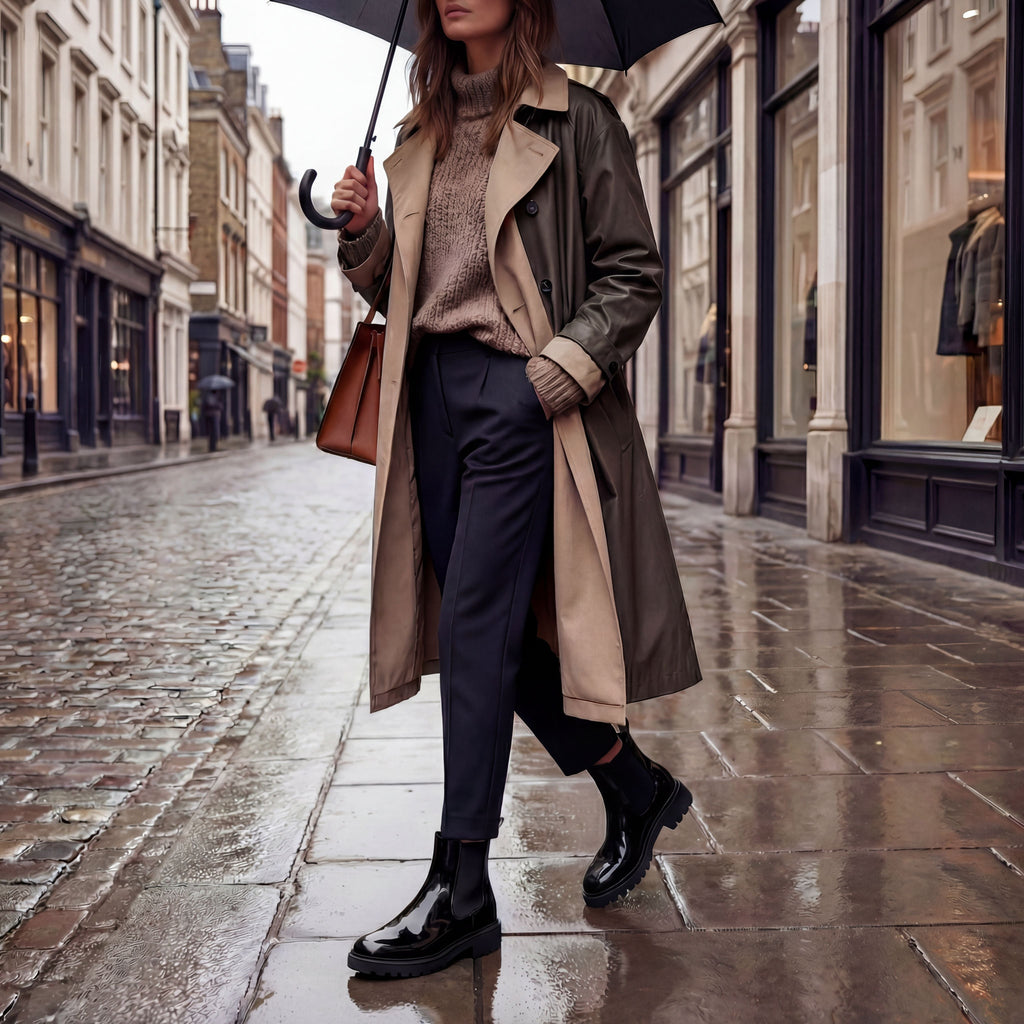
Custom Women's Boots for Fall: Choosing Between Two Black Chelsea Silhouettes
0 Comments







How to Soften Stiff Leather Shoes for the Perfect Fit
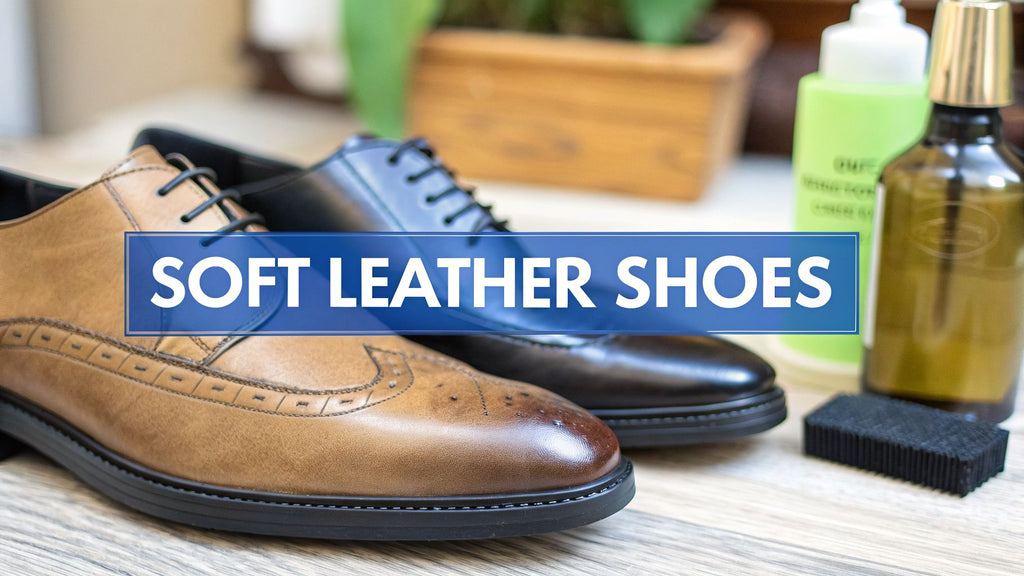
The feeling of unboxing a new pair of bespoke leather shoes is unparalleled, but let's be honest—it often comes with a bit of a battle. If your brand-new leather shoes feel uncomfortably stiff, don't worry. This isn't a flaw; it's the hallmark of true quality and craftsmanship from our global artisan partners. Think of it less as a problem and more as the first step in a relationship, where you and the shoes get to know each other, creating a personalized fit that’s uniquely yours.
This initial firmness is the promise of future comfort that will last for years.
Why Your Best Shoes Start Out Stiff

When you slip on a pair of high-end, handcrafted leather shoes, that firm, unyielding feel is intentional. It’s a sign that you’re dealing with premium, full-grain leather, the kind sourced by master artisans in Italy and Spain. This leather is dense, strong, and built to stand the test of time, blending traditional craftsmanship with modern innovation.
Unlike synthetic materials or lower-grade leathers that feel soft right out of the box but wear out just as quickly, quality leather is a blank canvas. It’s waiting to learn the specific shape and pressure points of your foot, a key part of our educational approach to footwear.
The Mark of True Craftsmanship
So, what makes it so stiff? A lot of it comes down to the traditional tanning processes that make the shoes so exceptional in the first place. Many artisan shoemakers favor vegetable tanning, an old-world method using natural tannins from things like tree bark. This technique creates a leather that’s incredibly durable and breathable, but it naturally has a firmer feel than leathers treated with modern chemicals.
This isn't a shortcut or a sign of poor quality—it’s just the opposite. It means the leather has the structural integrity to properly support your feet while it gradually molds to your unique shape. You can dive deeper into what separates exceptional leather in our article demystifying leather grades and production quality.
This break-in period is simply part of the deal with bespoke-quality footwear. You can expect anywhere from two to four weeks of regular wear for a new pair of premium shoes to fully soften. In fact, a 2023 survey found that while 68% of people feel some discomfort in the first two weeks of wearing new leather shoes, that number drops to below 10% once the break-in period is complete. Patience really does pay off.
The initial stiffness in a pair of bespoke shoes is the promise of a future custom fit. It’s the dialogue between the artisan's craft and the wearer's foot, culminating in comfort that simply cannot be replicated off the shelf.
Ultimately, this process transforms a beautifully made product into your shoes. The leather fibers stretch and flex, creating a "memory" of your foot’s arches, pressure points, and movements. The end result is a fit so precise it feels like it was made just for you—because, in a way, it was.
Leather Softening Methods At a Glance
Here’s a quick comparison of the methods we'll cover, helping you choose the right approach for your shoes and your schedule.
| Method | Time Required | Best For | Risk Level |
|---|---|---|---|
| Conditioning | 1-2 hours (plus drying time) | Nourishing & gently softening all leather types | Low |
| Wear Method | 2-4 weeks (intermittent wear) | Gradual, natural molding for the perfect fit | Low |
| Heat Method | 15-30 minutes | Quick, targeted stretching for tough spots | Medium |
| Shoe Trees | 24-48 hours | Maintaining shape and slowly expanding leather | Low |
| Shoe Stretchers | 24-72 hours | Precise, mechanical stretching for width/length | Low to Medium |
Each of these techniques offers a different path to the same goal: turning a stiff new pair of shoes into your comfortable, perfectly-fitted favorites. Now, let’s get into the specifics of how to do it right.
Setting Your Shoes Up for Success

Before you jump into any of the methods for softening your shoes, let’s talk prep. A few minutes here will make all the difference, trust me. Think of it as laying the groundwork—you’re protecting your investment in quality and craftsmanship and setting yourself up for that perfect, personalized fit.
The first thing you have to do is start with a clean surface. Any dust or grime sitting on the leather will get sealed in by conditioners or oils, stopping them from absorbing properly. This can create a gritty, uneven finish, which is the last thing you want. A quick, gentle wipe-down is all it takes to make the leather ready for whatever treatment you choose.
Your Essential Preparation Checklist
You don’t need a professional workshop to get this right, but having a few key items on hand will make the whole process go much smoother. A little organization now saves you from scrambling for things later.
Here’s a quick list of what to grab before you start:
- Soft Microfiber Cloths: You'll want at least two—one for cleaning and a separate, clean one for applying products. Their fine fibers are gentle on high-quality leather and won’t leave lint behind.
- A Horsehair Brush: This is perfect for lifting dust out of the seams and off the surface without scratching the leather.
- Quality Leather Conditioner: Make sure you choose a conditioner that’s specifically designed for the type of leather your shoes are made from.
- A Well-Ventilated Area: It's always a good idea to work in a space with good airflow, especially when you're using conditioners and other shoe care products.
This simple kit is your foundation. Having it all ready to go is the best way to respect the quality of your footwear and streamline the job.
The most important step in any shoe care routine is the one you take before you start. A clean, prepared surface allows conditioners to penetrate deeply, nourishing the leather from within for genuine, lasting softness.
One last crucial tip: always do a spot test. Before you slather a new conditioner all over your shoe, find an inconspicuous spot—like the inside of the tongue or along the inner arch—and apply a small amount. Let it sit for a few minutes to make sure it doesn’t cause any discoloration or weird reactions. This tiny step is the best insurance policy for protecting the rich finish of your investment.
Using Conditioners to Nourish Your Leather

Think of leather conditioner as a high-quality moisturizer for your shoes. Just like our skin needs hydration to stay supple, the leather on your handcrafted footwear needs nourishment to stay flexible and strong. Stiff leather is often just thirsty leather—the natural fats and oils within its fibrous structure have simply dried out.
Applying a quality conditioner replenishes these essential lipids. This process lubricates all those tiny fibers, letting them move more freely against each other. The result is a shoe that feels noticeably softer, bends more easily with your foot, and is far less likely to develop ugly cracks over time.
Choosing and Applying the Right Conditioner
The world of shoe care can be overwhelming, with countless creams, oils, and waxes all promising amazing results. When your main goal is softening, you want to focus on penetrating conditioners, which are specifically designed to absorb deep into the leather's pores.
Here’s a practical way to apply it for the best outcome:
- Start small. A pea-sized dab of conditioner on a clean microfiber cloth is usually enough for a whole section of the shoe, like the toe cap or a side panel.
- Use gentle, circular motions. Work the conditioner into the leather evenly, without any aggressive scrubbing. Give a little extra attention to areas that feel particularly stiff or need to bend, like the vamp across the top of your foot.
- Let it absorb completely. After you’ve applied a thin, even coat, let the shoes rest for at least an hour—overnight is even better. This gives the conditioner time to really sink in and do its job.
- Buff off any excess. Once the conditioner has been absorbed, take a clean, dry cloth or a horsehair brush and gently buff the surface to a soft sheen. This step removes any leftover residue and brings back the leather’s natural luster.
For a complete rundown of what to keep in your maintenance arsenal, take a look at our guide on building the perfect leather shoe care kit.
The goal of conditioning is not to saturate the leather, but to feed it. A light, even application allows the material to breathe and absorb what it needs, preventing a greasy buildup while maximizing softness.
The Great Debate: Neatsfoot Oil vs. Modern Creams
You'll often hear about traditional oils like neatsfoot oil as a powerful solution for stiff leather. It's true—natural oils have been used for centuries, and for good reason. One application could improve flexibility by a remarkable 35-50%. In fact, even today, 62% of luxury shoe owners rely on oils to extend their footwear's life by up to 40%.
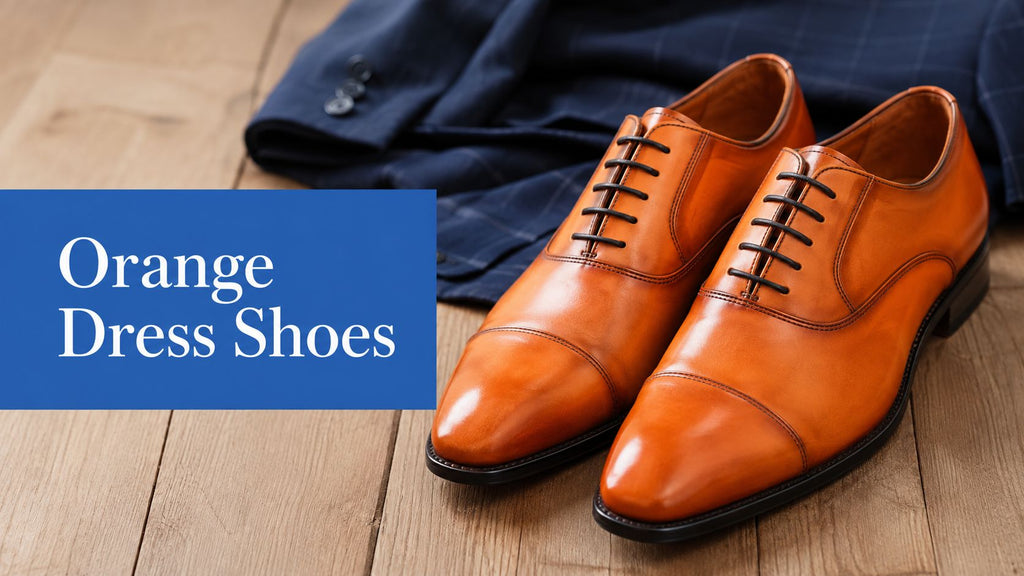
But there’s a trade-off. Potent oils like neatsfoot can darken leather by 10-15%. While that might be fine for a pair of rugged work boots, it's probably not what you want for your light tan custom brogues. This is where modern cream-based conditioners come in. They are often formulated to be pH-balanced and contain gentler ingredients that nourish without drastically changing the color.
For your Alexander Noel bespoke shoes, we almost always recommend starting with a high-quality cream conditioner. It provides effective softening with minimal risk to the unique, hand-applied finish our artisans work so hard to create.
Gentle Stretching with Heat and Pressure
Sometimes, a good leather conditioner isn't quite enough to get the job done. For those truly stubborn spots, leather needs a bit more encouragement—a combination of gentle force and warmth to really relax and conform to your foot.
These physical methods are fantastic for targeting problem areas and speeding up that initial break-in period. Think of it as carefully persuading the shoe to stretch exactly where you need it most, giving you that personalized fit without resorting to harsh chemicals.
The Classic Thick Sock Method
This is probably the most time-honored trick in the book, and for good reason: it really works. The idea is simple. You’re using the extra bulk from a thick pair of socks to gently and consistently stretch the leather from the inside while you wear the shoes.
For the best results, keep a few things in mind:
- Pick the right socks. A chunky pair of wool or athletic socks is perfect. You want them thick enough to create noticeable pressure, but not so tight that you're cutting off your circulation.
- Wear them at home first. Don't try to brave a full day out in them just yet. Dedicate a few hours in the evening to wearing the shoes around the house. Walk, sit, and flex your feet. This lets the leather stretch while you’re in a comfortable spot.
- Work in short bursts. This isn't a one-and-done solution. Start with wearing them for 1-2 hours at a time, then gradually increase the duration as the leather starts to give. It's a much safer, more natural way to get the material to adapt to your foot's unique shape.
A little bit of warmth can work wonders on stiff leather. Applying low, indirect heat makes the leather’s fibers more receptive to stretching, allowing them to mold more easily when you put the shoe on.
Applying Gentle Heat Safely
For those particularly rigid areas, like the heel or across the top of the foot, adding a little heat can make all the difference. It makes the leather much more flexible right before you stretch it. The key here is to be extremely careful, because too much heat will dry out and damage the leather permanently.
Put on your thick socks, then grab a hairdryer. Set it to its lowest heat setting and aim it at the tight spot for about 20-30 seconds, making sure to keep it at least six inches away from the surface. The leather should feel warm, not hot. Once it's warmed up, walk around for another 15-20 minutes to help the now-pliable leather stretch.
If you're curious about using more advanced tools, we've shared our thoughts on using a heat gun to maintain leather shoes for those who want a deeper dive.
Using Shoe Stretchers for Targeted Relief
What if the problem is a specific pinch point, like a tight toe box or a heel that digs in? That's where a shoe stretcher becomes your best friend. These are mechanical tools that apply constant, even pressure to a targeted area, usually overnight.
Real-world data shows that these kinds of mechanical methods can cut the break-in period from a typical 21 days down to just 10. Just a few hours of wearing thick socks can prevent up to 80% of blisters, and an overnight session with a stretcher can expand a tight heel—a notorious problem in 45% of women's stilettos—by a crucial half-centimeter. You can find more great info on these effective stretching techniques from Timberland.
Tailoring Your Approach for Different Leathers
Just as our artisan partners in Spain and Italy choose specific hides for different shoe designs, your method for softening leather should be just as intentional. A one-size-fits-all approach is a recipe for disaster, potentially damaging the unique finish and texture of your bespoke footwear.
The secret to a successful break-in is understanding the distinct personality of each type of leather. The right technique not only softens the shoe but also preserves its intended character. Think about it: the methods you'd use on a rugged, full-grain leather boot are worlds apart from how you’d treat a delicate, high-gloss patent leather stiletto.
Respecting Full-Grain and Top-Grain Leather
Full-grain leather is the toughest of the bunch, prized for its durability and the beautiful patina it develops over time. It’s robust and forgiving, making it the perfect candidate for high-quality conditioners and oils. Its dense fiber structure eagerly absorbs these treatments, becoming supple and molding perfectly to your foot.
Go ahead and use the thick sock method and even some gentle heat with these leathers. They’re built to handle the pressure and will reward your patience with a fit that feels truly custom-made.
The Delicate Touch for Suede and Nubuck
Suede and nubuck are in a different league entirely. Their napped, velvety surface is highly absorbent and stains incredibly easily. Heavy oils or cream-based conditioners are an absolute no-go here; they will mat down the fibers and leave dark, greasy spots that you'll never get out.
For these materials, you need to focus solely on physical stretching.
- Wear Them In: The classic thick sock method is your safest and most effective tool.
- Use Shoe Trees: Cedar shoe trees will help absorb moisture and gently expand the leather without compromising the delicate texture.
- Professional Help: If you need significant stretching, a professional cobbler is your best bet to avoid damaging the surface.
This decision tree can help you visualize the first steps, depending on where your shoes feel tight.

As the flowchart shows, general stiffness often just requires consistent wear, while targeted tools are much better for those specific pressure points that cause real discomfort.
Handling Patent and Exotic Leathers
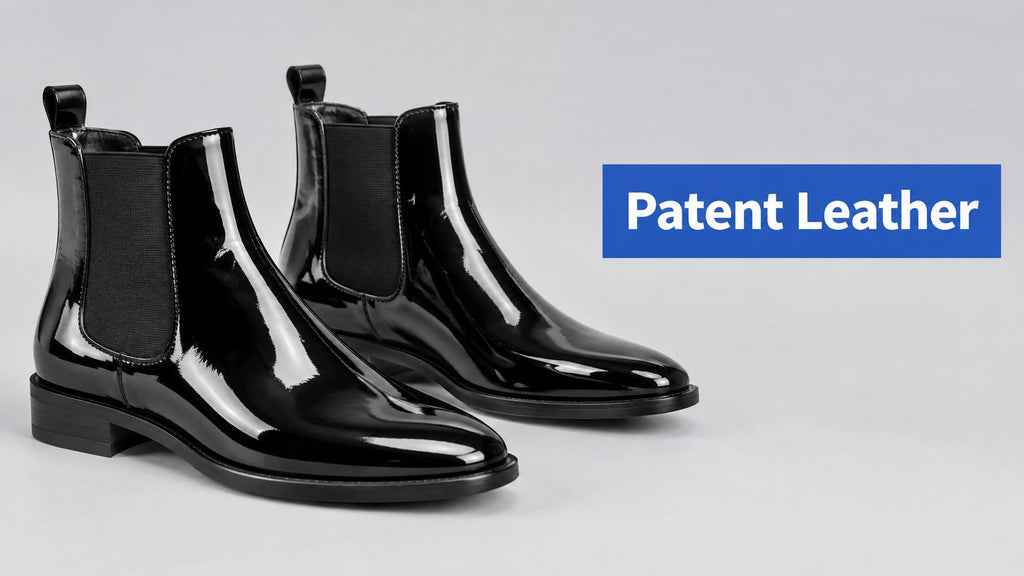
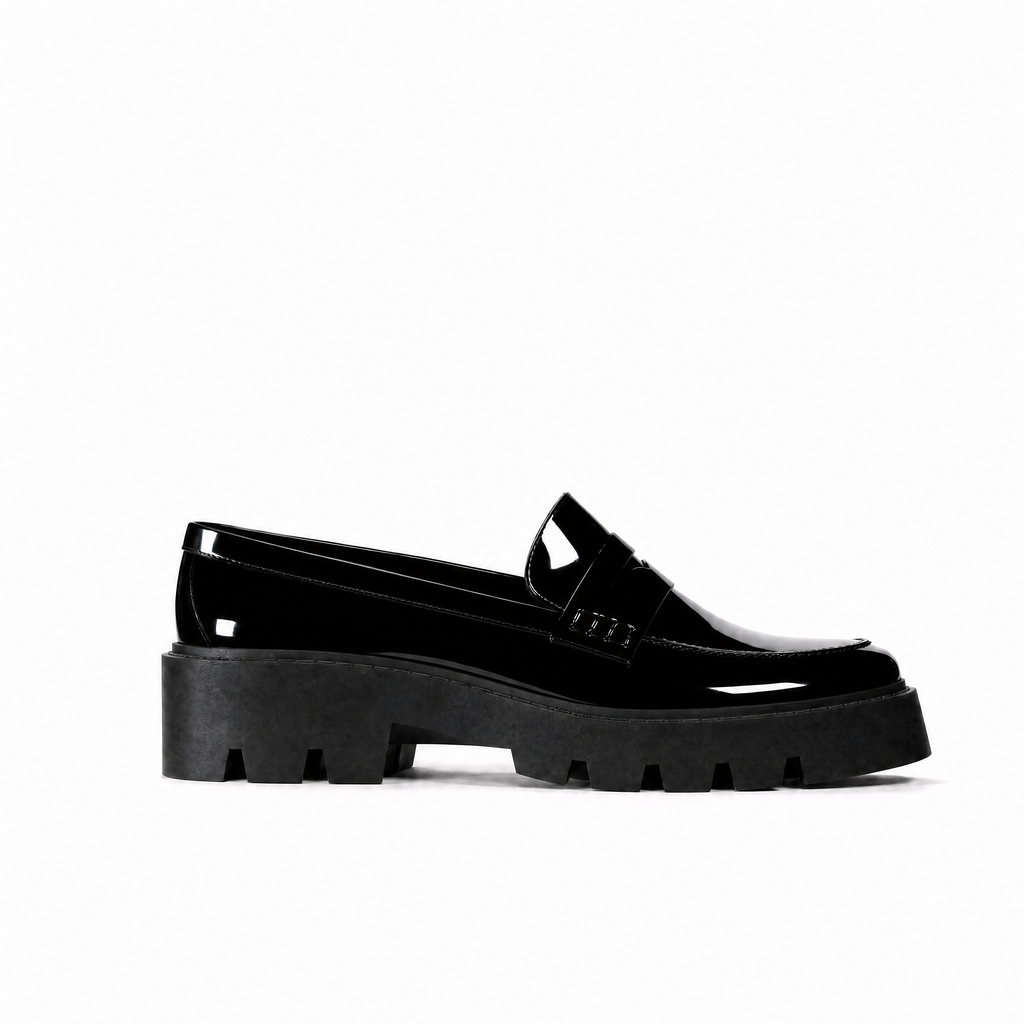
Patent leather, with its glossy plastic coating, and exotic leathers like snakeskin or alligator demand extreme caution. That shiny finish on patent leather can crack if you stretch it too aggressively or expose it to high heat.
With delicate and high-fashion leathers, the best approach is always minimal intervention. Prioritize gentle wear and professional tools over any topical product that could compromise the unique finish.
For patent leather, stick to shoe stretchers that apply slow, steady pressure. Avoid heat entirely. When it comes to exotics, it's always best to consult a professional. Their unique scale patterns and textures are easily damaged, making any home remedy a significant risk to your investment.
By tailoring your technique, you ensure every pair, from your custom WIRA sneakers to your sharpest dress shoes, achieves that perfect fit without sacrificing its handcrafted beauty.
Maintaining That Perfect Fit for Years to Come
Getting your leather shoes to that perfect, molded fit is a fantastic feeling, but the work doesn’t stop there. Now that they’ve beautifully conformed to your feet, the real secret to lasting comfort is all in the upkeep.
Think of it as protecting your investment in both comfort and craftsmanship. A simple, consistent maintenance routine is all it takes to preserve that suppleness you worked so hard to achieve. This isn't about adding another chore to your list; it's about forming small habits that pay off for years.
A Strategy for Lasting Comfort
The two pillars of long-term leather care are straightforward: cleaning and conditioning.
A quick wipe-down after you wear them gets rid of any abrasive dust and dirt. Follow that up with a quality leather conditioner every few months, and you'll replenish the natural oils that keep the leather from drying out and turning stiff all over again.
This simple cycle prevents deep creases from setting in and keeps the material flexible and forgiving. The goal here is to be proactive, not reactive.
A well-maintained shoe doesn’t just look better; it feels better. Regular care ensures the leather remains soft and responsive, preserving the custom-molded comfort you achieved during the break-in period.
Perhaps the single most important tool for keeping your shoes in prime condition is a pair of quality shoe trees. Sliding them into your shoes as soon as you take them off is a non-negotiable step for two key reasons:
- Absorbs Moisture: Cedar shoe trees are brilliant at drawing out sweat and moisture from the lining, which stops the leather from degrading and keeps odors at bay.
- Maintains Shape: They provide a solid internal form that gently smooths out creases from walking and prevents the toe box from collapsing over time.
For anyone who has invested in high-quality or bespoke footwear, a good pair is essential. You can learn more about how adjustable shoe trees contribute to shoe longevity in our detailed guide on the topic.
Common Questions About Softening Leather Shoes
Breaking in a new pair of handcrafted shoes always seems to raise a few questions. Getting the right answers can mean the difference between a painful process and one that ends with a perfectly molded fit. Let's clear up some of the most common concerns.
How Long Does It Take to Soften Stiff Leather Shoes
Honestly, the timeline for softening a pair of stiff leather shoes varies. For most high-quality pairs, you're looking at about 2 to 4 weeks of consistent, gentle wear to get them feeling just right.
The exact timing really depends on the leather itself—its thickness, how it was tanned, and the overall construction of the shoe. If you're proactive with techniques like wearing thick socks or applying a quality conditioner, you can often cut that break-in period in half.
Should I Use Rubbing Alcohol to Soften My Shoes
You'll see plenty of online "hacks" suggesting rubbing alcohol or even water to speed things up, but for premium leather, this is a terrible idea. We strongly advise against it.
These harsh substances will strip the leather of its essential natural oils. The result? Permanent dryness, discoloration, and even cracking down the road. Always stick with products specifically made for leather care to protect your investment.
When you invest in handcrafted quality, using household chemicals is a risk not worth taking. Professional-grade products are designed to nourish the leather, not damage it, ensuring the longevity and beauty of your shoes.
When Is It Time to Visit a Professional Cobbler
If you've tried the at-home methods and your shoes are still causing real pain, it’s time to consult a professional. Don't suffer through it.
A skilled cobbler is also your best bet if you're working with delicate materials like patent leather or exotic skins and you're not feeling confident. They have specialized equipment to stretch your shoes safely and precisely, guaranteeing a perfect fit without risking the artisan craftsmanship.
Your journey to the perfect fit is a testament to the quality of bespoke footwear. At Alexander Noel, we believe that comfort and personalization go hand-in-hand. Explore our Design Lab to create a pair of shoes that is uniquely yours, from the fit to the finish.
Related post
12
Sep
12
Sep
12
Sep
29
Aug
