

RECENT POSTS

29.August.2026
Custom Women's Boots for Fall: Choosing Between Two Black Chelsea Silhouettes
0 Comments









Your Essential Footwear Care Kit for Bespoke Shoes
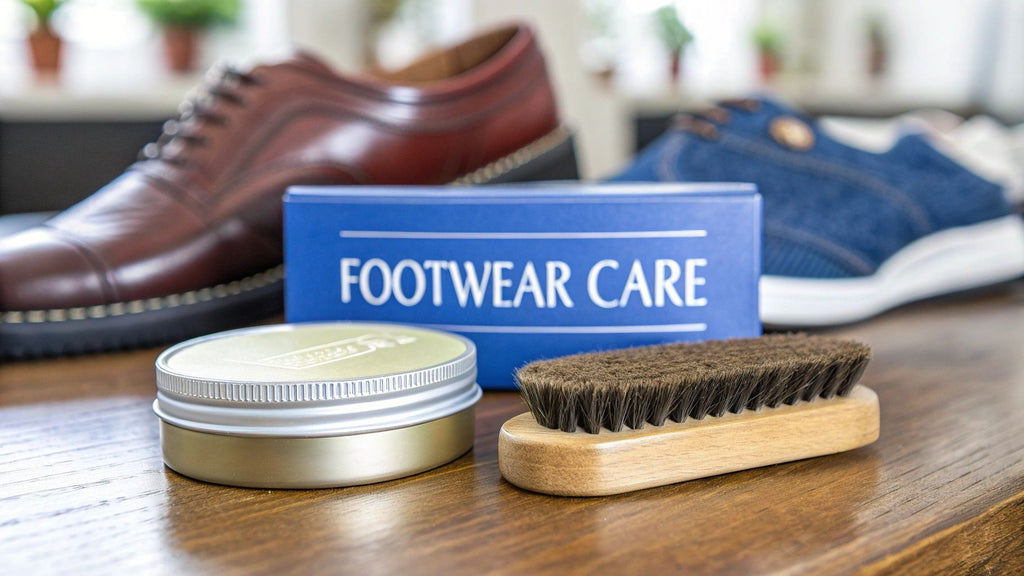
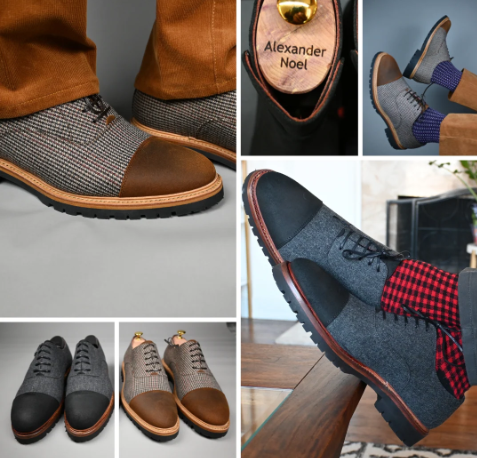
A solid footwear care kit is your closest partner in preserving the beauty and integrity of your handcrafted shoes. Think of it as a specialized toolkit—a curated collection of brushes, conditioners, and protectors—each piece chosen to honor the materials in your Alexander Noel collection, from rich, full-grain leather to delicate alpaca fiber. It's an essential part of the ownership experience.
Why a Dedicated Footwear Care Kit Matters
Your Alexander Noel shoes are more than just footwear; they are an investment in your personal style and a testament to true artisan quality. You wouldn't use an all-purpose spray on a piece of bespoke furniture, would you? The same logic applies here. A dedicated care kit is what stands between simply owning your shoes and truly preserving them as they develop a unique character over the years.
This philosophy of protecting high-end footwear is gaining momentum. The global shoe care market was valued at an impressive USD 4.47 billion in 2024 and is on track to hit USD 7.23 billion by 2032. It’s clear that discerning individuals understand the value of proper maintenance.
Having the right tools ready means you can handle anything from daily dust to an unexpected scuff, addressing small issues before they become lasting damage. It's about establishing a simple, effective ritual.
The goal isn't just to clean your shoes, but to nourish and protect the materials. A well-maintained pair of handcrafted shoes doesn't just last longer—it develops a unique patina and character that tells your story.
Think of it as an ongoing dialogue with the materials. When you take the time for regular care, you're respecting the work of the global artisans who crafted your pair and honoring the personal choices you made in the Design Lab. A proper routine empowers you to:
- Extend Longevity: Proper cleaning and conditioning are key. They prevent leather from drying out and cracking and keep the nap on your suede soft and vibrant.
- Maintain Appearance: A consistent routine ensures your shoes always look pristine, protecting them from the elements and the unavoidable effects of daily wear.
- Preserve Value: Well-cared-for bespoke footwear holds its structural integrity and aesthetic appeal, which is crucial for safeguarding your investment.
Ultimately, mastering this routine is second only to knowing how to store shoes properly to maintain their shape and material quality. It turns what could be a chore into a genuinely rewarding practice.
Building Your Ultimate Footwear Care Kit
The secret to keeping your shoes looking pristine for years to come isn't a secret at all—it starts with having the right tools for the job. While generic, pre-packaged sets might seem convenient, curating your own footwear care kit ensures you have precisely what your unique Alexander Noel collection needs. Think of it as a direct investment in the longevity and beauty of your handcrafted shoes.
Let's start with the essentials. These are the non-negotiables, the core of any good care kit that every shoe owner should have ready. They’re your first line of defense against daily wear and tear.
The Non-Negotiable Tools
Your starting lineup should have a few key players that are versatile enough for various materials. These are the workhorses of your maintenance routine.
- Horsehair Brushes: You'll want at least two of these. Use one for sweeping away surface dust and dirt before you start cleaning, and keep the other exclusively for buffing polish to a brilliant shine. Horsehair is the perfect balance of effective and gentle, so it won’t scratch your premium leathers.
- Microfiber Cloths: These soft, lint-free cloths are your best friends for applying cleaners, creams, and conditioners. You get a smooth application without leaving behind any frustrating fuzz.
- Cedar Shoe Trees: This is, without a doubt, the most critical piece of your kit. Unlike plastic, cedar is a natural wonder; it absorbs moisture and neutralizes odors, which is a must after a long day. Even more importantly, shoe trees maintain the shoe's original shape, preventing the deep creases that can permanently ruin the leather. To see what a difference quality makes, take a look at our premium cedar wood shoe trees and how they preserve the very structure of your bespoke footwear.
Specialized Tools for Delicate Materials
Once you've got the basics down, it's time to get specific. The custom materials you selected in the Design Lab—like suede, nubuck, or even alpaca fiber—have very particular needs that generic tools just can't handle.
A well-equipped footwear care kit is less about having dozens of products and more about having the right products. Precision is key when you're dealing with artisan-grade materials.
For any textured surface, a one-size-fits-all approach is a recipe for disaster. If you use the wrong brush on suede, for instance, you risk flattening the nap and creating those shiny, bald spots that are impossible to reverse.
- Suede & Nubuck Brush: This is often a multi-tool. One side might have brass bristles for lifting out stubborn, ground-in dirt, while the other will have softer rubber or nylon bristles to gently restore that signature velvety texture.
- Crepe Rubber Eraser: This little block is a game-changer for nubuck and suede. It works wonders on minor scuffs and shiny spots by gently "erasing" the mark, lifting the dirt out of the nap without harming the delicate fibers.
This quick decision tree can help you visualize which tools you need for the materials in your collection.
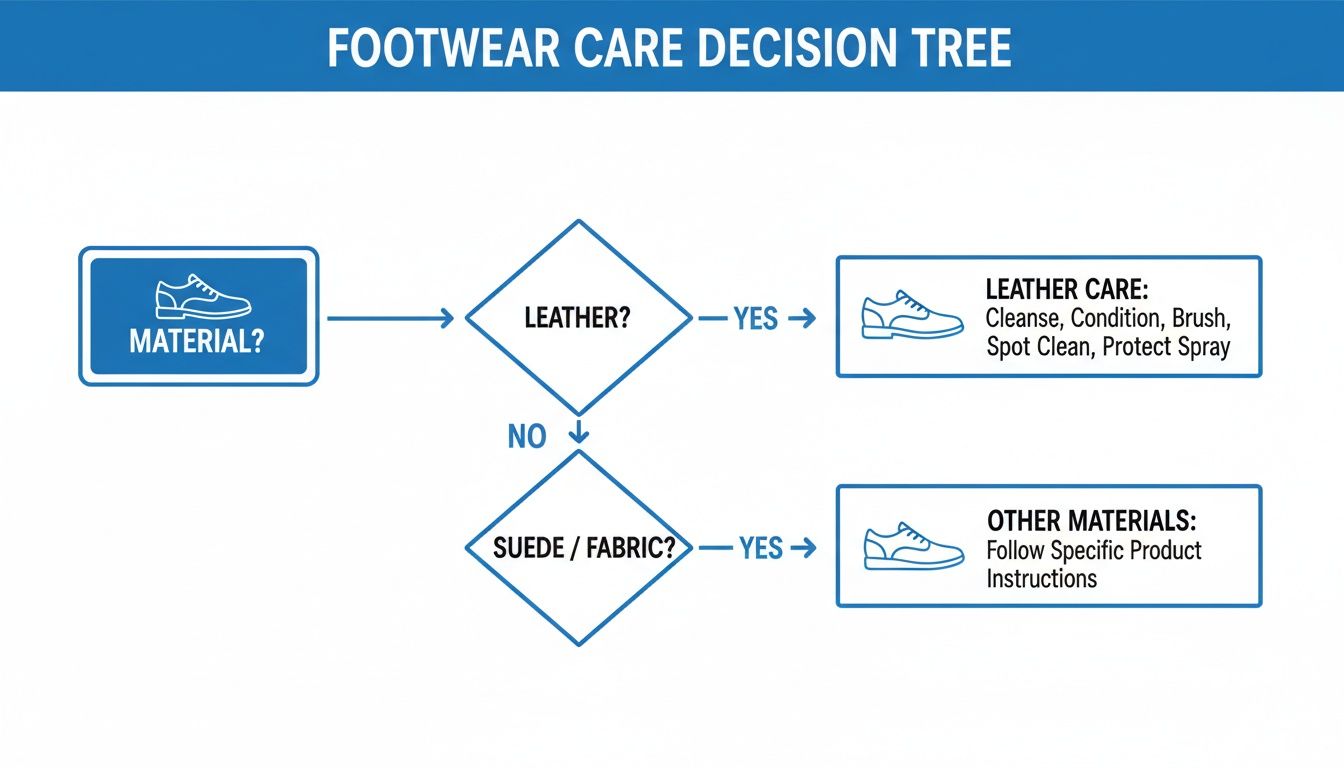
As you can see, the material itself should always be your guide. From there, you can follow the right care path and select the specific tools needed to do the job right.
The Art of Caring for Premium Leather
The rich patina that develops on your custom dress shoes and artisan boots is a story of quality—and a story you get to help write with a thoughtful care ritual. Think of caring for premium leather less as a chore and more as an art form that honors both the material and the craftsmanship behind every stitch. Let’s walk through the essentials of cleaning, conditioning, and polishing your Alexander Noel leather footwear.
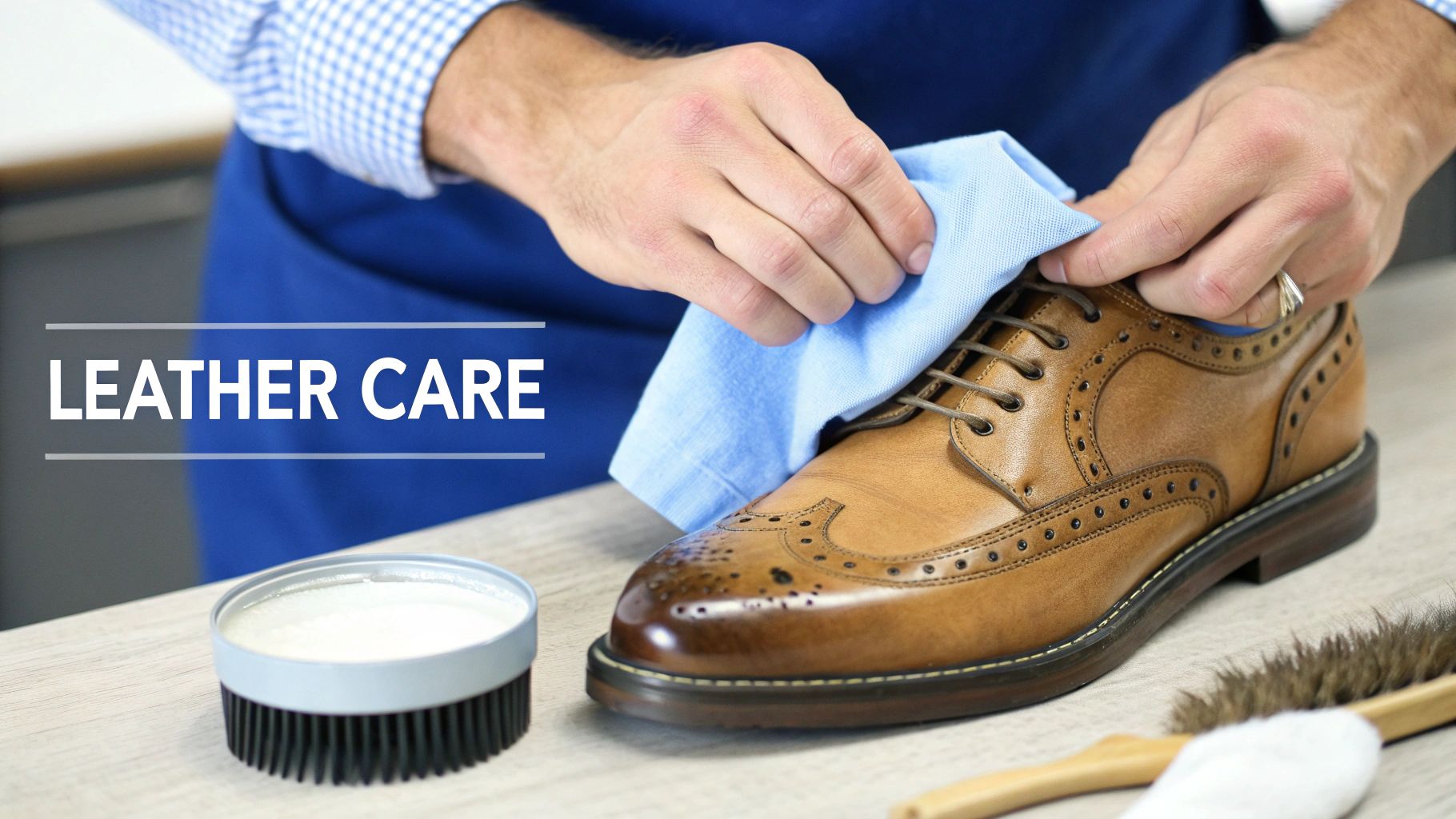
It’s not a complicated process, but it does demand the right approach and the right tools from your footwear care kit. Your goal here is to genuinely nourish the leather, not just put a temporary shine on it.
The Initial Cleanse
Before you even think about applying creams or polishes, a proper cleaning is essential. Start by taking a soft horsehair brush and sweeping away any surface-level dirt, dust, or grime. Don't forget to get into the welt and along the seams—that's where debris loves to hide.
Once the loose stuff is gone, it's time for a slightly deeper clean. Put a small amount of a gentle, pH-balanced leather cleaner on a clean microfiber cloth, never directly onto the shoe itself. Work it into the leather with small, circular motions. This lifts out any stubborn, embedded dirt without stripping away the leather’s essential natural oils.
The Conditioning Ritual
Conditioning is arguably the most important step for making your shoes last. It’s what keeps the leather supple, preventing it from drying out and eventually cracking. Think of it like moisturizing your own skin; it’s all about replenishing the nutrients lost to daily wear and tear.
Choosing the right conditioner is key. Creams are generally best for routine maintenance as they absorb well and provide nourishment, while oils offer deeper conditioning for leather that has become particularly dry.
Using a clean cloth or even just your fingers, apply a small, pea-sized amount of conditioner and gently massage it into the entire shoe. Going hands-on lets you really feel the leather and notice any particularly dry spots. Give the conditioner at least 20-30 minutes to fully absorb before you move on. For a more detailed walkthrough, check out our expert tips on how to clean leather boots and keep them in prime condition.
Achieving the Perfect Polish
Polishing is about more than just a glossy finish. It adds a crucial layer of protection and can even help restore some of the shoe’s original color. Be sure to pick a high-quality wax or cream polish that’s a close match to your shoe's color.
- Application: Use a dauber brush or a soft cloth wrapped around two fingers to apply a thin, even layer of polish. Less is definitely more. Applying it too thickly can clog the leather's pores.
- Buffing: Let the polish sit for about 10-15 minutes. Then, grab a clean horsehair brush and buff the entire shoe using quick, side-to-side strokes. The friction and heat you create is what brings out that beautiful, natural shine.
- Final Touches: For that high-gloss, mirror-like finish on the toe cap and heel, use a soft, lint-free cloth with a tiny drop of water and continue buffing in small circles.
Of course, some specialty materials, like vegetable-tanned leather, may require their own unique techniques to look their best.
The growing demand for high-quality care products shows just how much people value their investment. In fact, the shoe care products market is forecasted to grow by USD 284.4 million between 2024 and 2029. This is largely driven by a consumer shift toward natural, eco-friendly solutions that align with the sustainable nature of handcrafted footwear. It’s clear that owners of fine footwear are more dedicated than ever to preserving their prized possessions.
A Gentle Approach for Suede and Alpaca Fiber
Delicate materials demand a specialist’s touch. While premium leather has a fairly straightforward care ritual, materials like suede, nubuck, and the certified baby alpaca fiber in your WIRA Luxury Sneakers require a more nuanced approach. These textures are what make your bespoke shoes unique, and preserving them is simple with the right tools and techniques from your footwear care kit.
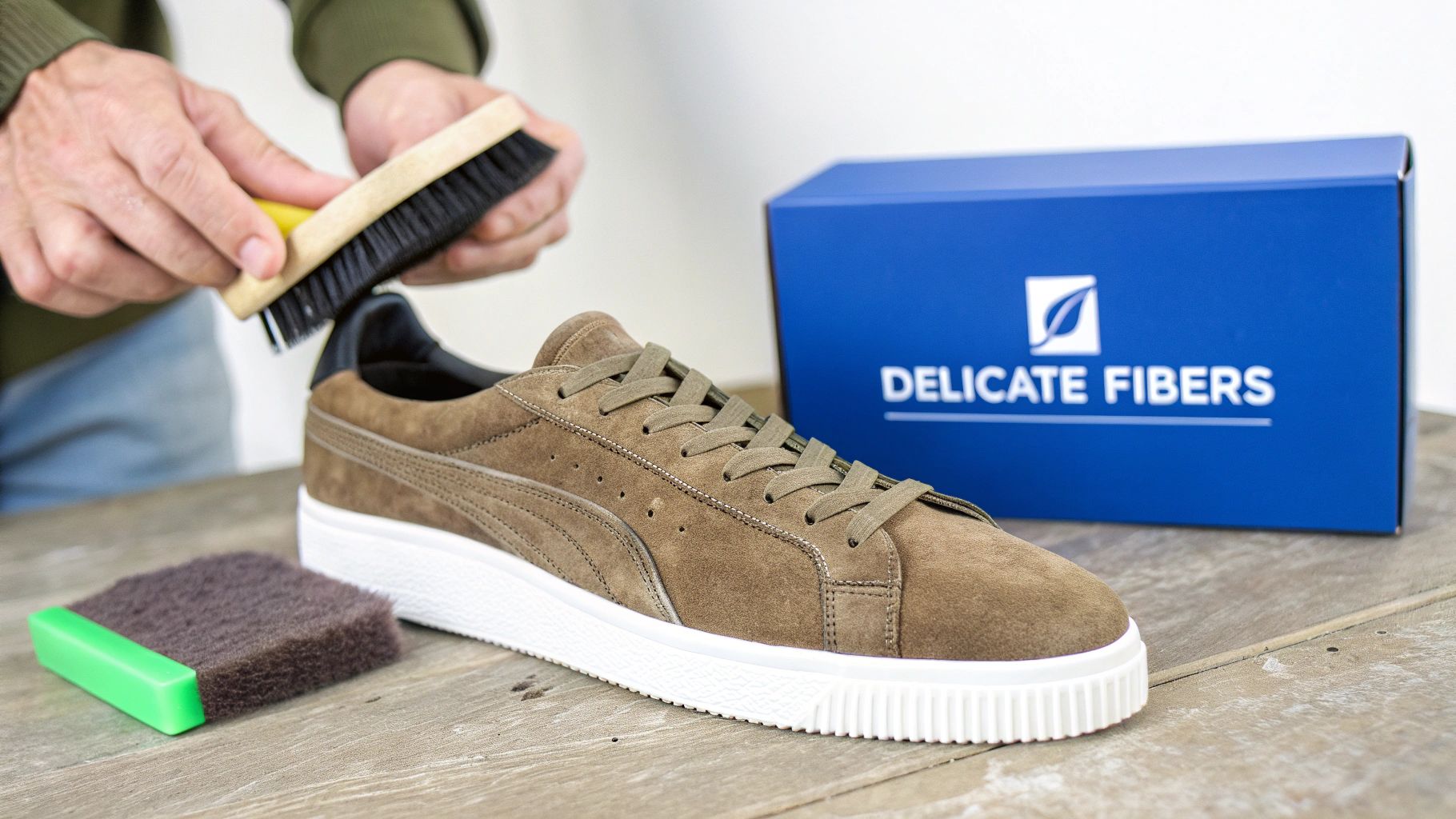
Unlike smooth leather, these materials have a "nap"—a surface of fine, raised fibers—that can be easily damaged. An aggressive approach can lead to bald spots or a flattened texture, permanently altering the look and feel of your footwear.
Reviving Suede and Nubuck
The key to suede and nubuck care is using tools designed specifically to lift and refresh the nap without causing harm. Your go-to items here will be a specialized suede brush and a suede eraser.
Start by using the brush to gently sweep away any loose dirt and dust. Always brush in one direction to lift the fibers uniformly. For stubborn scuffs or small, dry stains, this is where the suede eraser becomes your secret weapon.
- For Dry Stains: Gently rub the eraser over the affected area. The friction will cause the rubber to crumble, lifting the dirt out of the nap along with it.
- For Oily Spots: If you encounter a fresh oil or grease stain, immediately blot it and apply a light dusting of cornstarch. Let it sit for several hours to absorb the oil, then gently brush it away.
- Restoring the Nap: After any spot treatment, use the softer side of your suede brush (often nylon or rubber bristles) to restore the material's signature velvety texture.
A common mistake is using water to clean a random spot on suede, which often leaves a distinct water ring. If your shoes get wet, it's better to lightly dampen the entire surface with a soft brush and let them air dry completely to ensure an even finish.
For a deeper dive into protecting these materials, our guide on suede boot care offers additional expert advice.
Caring for Cloud-Like Alpaca Fiber
The incredibly soft certified baby alpaca fiber on your WIRA Luxury Sneakers is prized for its texture and requires the gentlest touch. Aggressive scrubbing is out of the question. For light cleaning, a dry, soft-bristled brush is usually all you need to dislodge surface dust.
If you do encounter a minor spill, act quickly.
- Blot Immediately: Use a clean, dry cloth to blot the area—do not rub.
- Use a Gentle Solution: Mix a small amount of mild shampoo with cool water.
- Dab Carefully: Lightly dab the stain with a cloth dampened with the soapy solution.
- Rinse and Dry: Use a separate clean, damp cloth to blot away the soap, then let the area air dry completely, away from direct heat or sunlight.
The growing popularity of unique materials in custom footwear has fueled a parallel expansion in specialized care. The global market for shoe cleaning kits is projected to grow from USD 5.16 billion in 2025 to USD 7.79 billion by 2031. This trend underscores just how important it is to have a dedicated footwear care kit tailored to your collection.
Developing Your Shoe Care Ritual
The true mark of exceptional footwear isn't just the initial craftsmanship—it's how gracefully it ages. And the secret to that lies in building a simple, practical care ritual. This isn't about spending hours a week on your shoes. It’s about turning small, consistent actions into a habit that protects your investment.
A good routine ensures every pair in your collection gets the attention it needs. You wouldn't wear the same suit two days in a row, and the same principle applies here. Rotating your shoes allows the materials to rest, breathe, and recover. This transforms shoe care from a chore into a mindful practice.
Creating a Practical Maintenance Schedule
The best routines break down into easy daily, weekly, and seasonal tasks. This simple approach keeps your collection in pristine condition without ever feeling like a burden, making sure that footwear care kit gets put to good use.
Daily Habits (Under 2 Minutes)
These tiny actions have the single biggest impact on the longevity of your shoes.
- Wipe Down After Wear: Before you even think about putting them away, give your shoes a quick wipe with a soft cloth. This removes the surface dust and city grime before it can settle into the leather or suede.
- Insert Cedar Shoe Trees Immediately: This is absolutely non-negotiable. Quality cedar shoe trees are the best defense against moisture and odor. More importantly, they maintain the shoe's original shape, smoothing out the day's creases and preventing deep, permanent lines from forming.
Weekly Tasks (5-10 Minutes)
A quick check-in once a week keeps every pair looking sharp and ready to go.
- A Thorough Brushing: Give each pair a brisk but complete brushing with a good horsehair brush. This isn't just for shine; it dislodges accumulated dirt from the welt and seams, keeping the material looking vibrant and fresh.
- Spot Check: Take a moment to look over each pair. Notice any new scuffs or spots? Catching them early makes a world of difference, especially on delicate materials like suede.
A proactive approach is always better than a reactive one. Dealing with a minor scuff today stops it from becoming a major restoration project tomorrow. This is where having your specialized kit ready makes all the difference.
Seasonal and Long-Term Care
Some deeper treatments are best done just a few times a year, often as the seasons change. Think of it as a reset for your collection.
Seasonal Care Checklist
- Deep Conditioning: Before the air gets too dry in the winter or too hot in the summer, give your leather shoes a full conditioning treatment. This replenishes the natural oils, keeping the leather supple and preventing it from cracking.
- Waterproofing: For any boots or shoes you plan to wear in the rain or snow, a quality waterproofing spray is a must. It adds a crucial protective barrier. Remember to reapply it every few months during the wet season.
- Storage Rotation: When you put away out-of-season footwear, do it right. Clean them thoroughly, slide in the shoe trees, and place them in breathable cotton shoe bags. Store them in a cool, dry place away from direct sunlight.
Even travel requires a bit of planning. Always use shoe bags in your luggage to prevent nicks and scratches. A great trick is to stuff your shoes with socks—it helps them hold their shape perfectly, so they arrive at your destination looking as good as when you packed them.
Common Shoe Care Mistakes to Avoid
Even with the best of intentions and a premium footwear care kit, a few common missteps can unintentionally harm your bespoke shoes. We partner with artisans across the globe, and preserving their work means knowing not just what to do, but what not to do.
Think of it as protecting your investment—and the countless hours of craftsmanship that went into each pair.
One of the quickest ways to cause damage is by reaching for harsh household cleaners. We've seen it happen. Things like glass cleaner or all-purpose wipes contain aggressive chemicals that are simply too much for premium leather. They strip away the natural oils, leading to irreversible drying, cracking, and discoloration. Always, always use a cleaner specifically formulated for high-quality footwear.
Heat and Haste Are Your Enemies
Here’s another critical mistake: trying to speed-dry wet shoes. We get it, you got caught in the rain and want them ready for tomorrow. But placing leather boots near a radiator or blasting them with a hairdryer is devastating for the material. The intense, direct heat makes the leather fibers shrink and contract far too quickly, which leads to brittleness and cracking.
Patience truly is a virtue in shoe care. The only safe way is to let your footwear air dry naturally at room temperature, well away from any direct heat. Stuffing them with newspaper or, even better, inserting cedar shoe trees will help absorb that excess moisture safely and effectively.
Speaking of shoe trees, skipping them is a habit that dramatically shortens a shoe's lifespan. Without that internal support, the leather settles into the creases formed during your day, making them permanent. This collapses the shoe's original structure and just accelerates the wear and tear.
The Problem with Over-Polishing
Finally, while polishing is essential, it’s easy to overdo it. Piling on thick, frequent layers of wax polish might seem like a good idea, but it can clog the leather’s pores. This prevents the material from breathing, which can trap moisture and eventually lead to a dull, cloudy finish instead of a rich shine.
A few other common but damaging habits we see include:
- Using the wrong brush: A stiff, synthetic brush can easily scratch fine leather or ruin the delicate nap of suede. You want to stick with soft horsehair for your leather shoes and use a specialized suede brush for everything else.
- Neglecting the soles: It's easy to forget, but leather soles need conditioning too. When they're ignored, they can dry out and crack, compromising the entire foundation of your shoe.
- Storing improperly: Tossing your shoes into a pile or sealing them in a plastic box is a recipe for disaster. It traps moisture and invites mildew. Breathable cotton shoe bags, stored in a cool, dry place, are always the best solution.
By sidestepping these common errors, your care routine will go from just cleaning your shoes to truly preserving and enhancing the quality of your handcrafted Alexander Noel collection for years to come.
Your Bespoke Footwear Care Questions Answered
When you invest in a pair of bespoke shoes, a little care goes a long way. As you get into the rhythm of your maintenance routine, some questions are bound to pop up. We're here to guide you. Here are a few of the most common ones we hear, answered to help you look after your Alexander Noel shoes with absolute confidence.
How Often Should I Polish My Leather Shoes?
This really comes down to how often you wear them.
If your leather dress shoes are in your regular rotation—say, two or three times a week—a full clean, condition, and polish every 2-3 weeks is the sweet spot. This keeps the leather healthy and looking sharp without overdoing it.
For shoes you wear less often, you can stretch that out. A good polish once a month, or after every 6-8 wears, is plenty to keep the leather nourished and protected.
Can I Use the Same Brush for Everything?
We strongly recommend against it. It’s a small habit that makes a big difference. Keep separate brushes for different jobs in your footwear care kit.
Think of it this way: one horsehair brush is for getting the dust and dirt off before you add any products. Your second horsehair brush should be kept clean, used only for buffing the polish to that perfect, high-gloss shine. This simple step ensures you aren’t grinding old dirt into the fine leather while you’re trying to make it gleam.
Expert Tip: Grab a small tag or even just a dot of nail polish to mark the handle of your cleaning brush. It's a simple trick to avoid a mix-up when you're in a hurry.
What Is the Best Way to Store My Shoes?
How you store your shoes is just as critical as how you clean them. Never just kick them off into a corner of the closet.
The moment you take them off, slide in a pair of high-quality cedar shoe trees. This isn't just for looks; it's essential for absorbing moisture, killing odors, and, most importantly, holding the shoe's unique, handcrafted shape.
Find a cool, dry spot for them, far away from direct sunlight that can bleach the color and dry out the materials. And for longer-term storage, breathable cotton shoe bags are your best friend—they protect from dust far better than any plastic box, which can trap moisture.
Ready to build your own bespoke footwear collection? Explore the Alexander Noel Design Lab and start creating your perfect pair today at https://www.shopalexandernoel.com/pages/design-lab-intro.
Related post
26
Sep
26
Sep
26
Sep
26
Sep
26
Sep
