

RECENT POSTS





29.August.2026
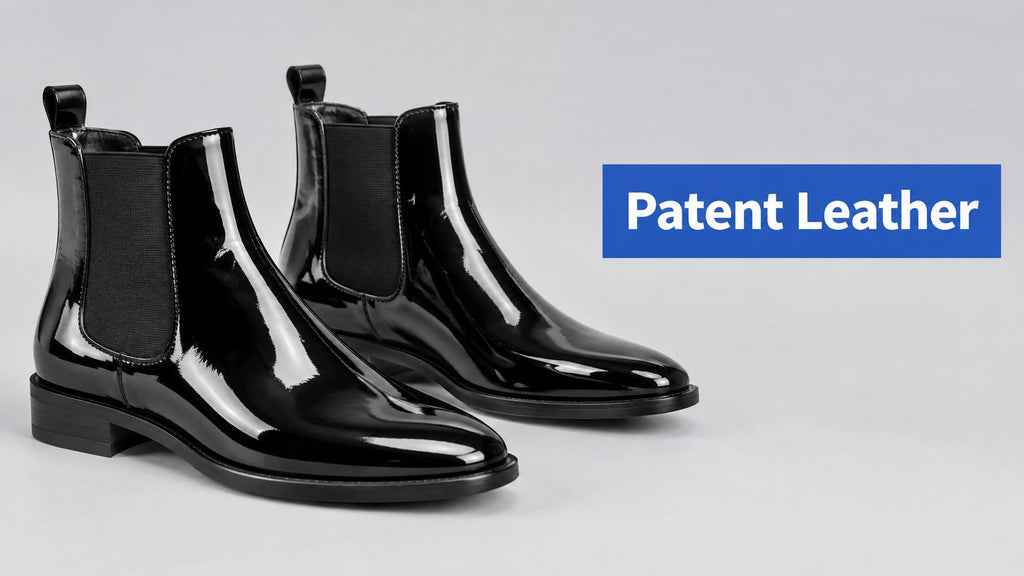
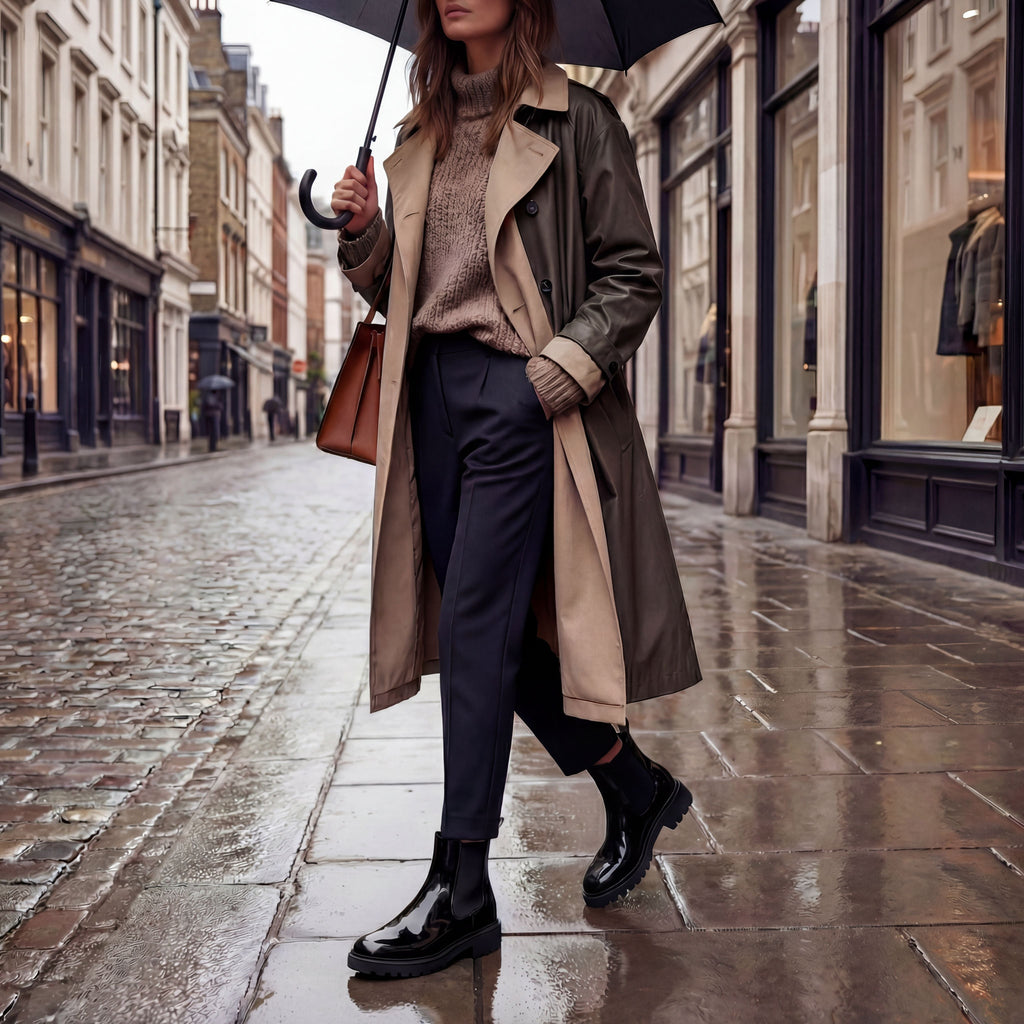
Custom Women's Boots for Fall: Choosing Between Two Black Chelsea Silhouettes
0 Comments











Did Style Originate From the Las Vegas Rat Pack? The Real Story
Let's get one thing straight right away: No, style itself did not start with the Las Vegas Rat Pack. But what they did was arguably more important—they took timeless menswear, injected it with an unmatched, effortless cool, and made it legendary for generations.
They weren't inventors; they were the ultimate curators of a look that came to define an entire era.
The Enduring Legend of Rat Pack Style
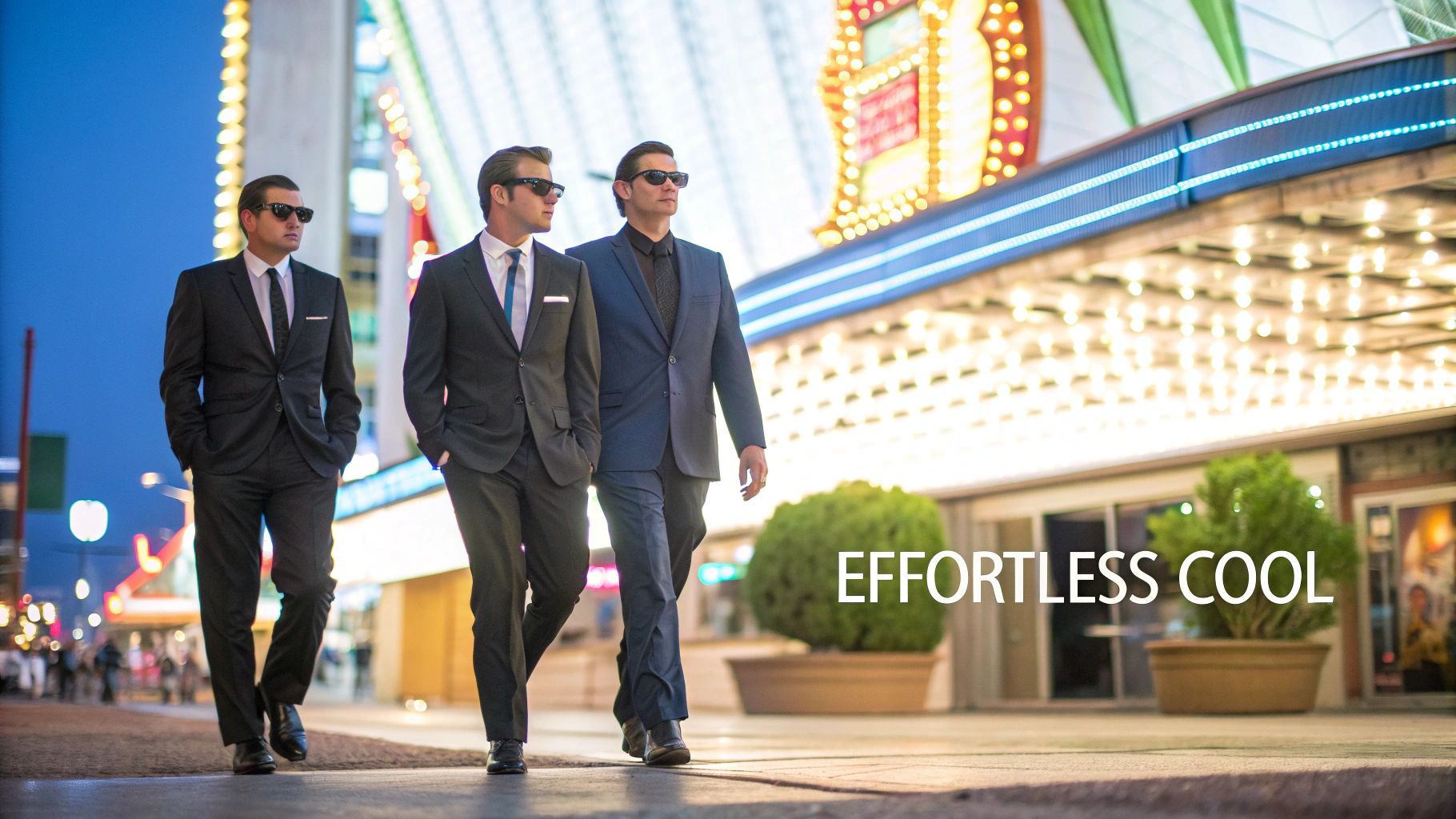
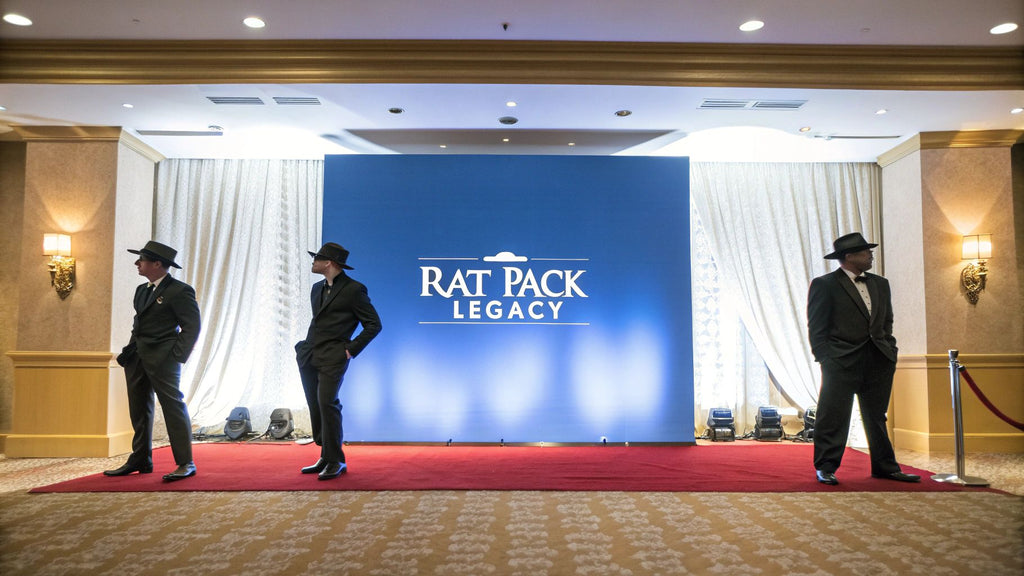
When you close your eyes and picture classic Vegas, what do you see? For most of us, it’s an image of Frank Sinatra, Dean Martin, and Sammy Davis Jr., sharp-suited and silhouetted by the neon glow of the Strip. Holding a lowball glass, they weren't just entertainers; they were the living embodiment of sophisticated rebellion.
That swagger, captured forever in photos and films like the original Ocean's 11, created an aspirational blueprint that men have been trying to follow ever since. They weren't consciously trying to start a fashion movement; their style was an organic extension of their massive personalities. And in simply being themselves, they created a look so powerful that countless men have attempted to emulate it, often without even realizing they were channeling the Rat Pack's ethos.
From Musicians to Style Icons
The core group, Sinatra, Martin, Davis Jr., Peter Lawford, and Joey Bishop, cemented their place in history with their legendary Vegas performances starting in 1960. They didn't invent the tuxedo or the skinny tie, but they certainly popularized them. But their magnetic presence turned those garments into a uniform for success and glamour, helping to transform a dusty desert town into the world's entertainment capital.
Their true genius was not in inventing fashion, but in mastering an attitude. They wore the clothes; the clothes never wore them. This distinction is the very essence of true personal style.
This attitude was built on a foundation of quality. They understood that the power of a great suit or a pair of perfectly shined dress shoes came from the craftsmanship behind them and how well they fit. It’s a philosophy that lines up perfectly with today’s renaissance of classic styles in men's footwear fashion, where true quality is once again king.
An Unintentional Uniform
The Rat Pack's look quickly became synonymous with a very specific lifestyle—one filled with high-stakes card games, sold-out shows, and an unshakeable masculine confidence. Their collective wardrobe was a visual language that screamed success without ever saying a word. It made them look like a team, a cohesive unit defined by pure talent and impeccable taste.
To give you a quick rundown, here's a snapshot of the core components that defined their iconic aesthetic.
Rat Pack Style at a Glance
| Style Element | Key Characteristics |
|---|---|
| Tailoring | Sleek, single-breasted suits with narrow lapels. Fit was everything. |
| Color Palette | Monochromatic and classic—think sharp blacks, cool grays, and crisp whites. |
| Footwear | Always impeccable. High-shine leather dress shoes, from timeless Oxfords to slick loafers. |
| Accessories | Understated and deliberate. A simple pocket square, a clean tie bar, or a signature pinky ring. |
While they didn't create these individual pieces, they masterfully combined them into a look that has remained a benchmark of style for over 60 years. Now, let's break down this iconic look piece by piece to see what made it tick.
Breaking Down the Signature Rat Pack Look
So, what made the Rat Pack look so damn cool? It wasn't just about wearing a suit. It was about wearing it with an intentionality and precision that broadcasted pure confidence. Their aesthetic was a masterclass in looking like you owned every room you walked into, where every single choice—from the knot of a tie to the shine on a shoe—was part of the performance.
This wasn't just slapping on expensive clothes. It was about wearing the right clothes, tailored to perfection.
The suit was their uniform, the foundation of it all. They leaned into sharp, single-breasted suits with trim, narrow lapels—a sleek and distinctly modern silhouette for the 1960s. They paired this with the essentials: a brilliant white dress shirt and a slim tie, often anchored by a simple, elegant tie bar. The result was a look that was clean, sharp, and totally uncluttered. It was power, but whispered, not shouted.
The Devil Is in the Details
While the suits set the stage, it was the details that made the look iconic. A huge part of the Rat Pack's magic came from their commitment to bespoke tailoring. A perfect fit was non-negotiable. This wasn't off-the-rack stuff; every jacket and trouser was crafted to drape perfectly, and that’s what truly set them apart from other guys in suits.
They finished the look with a few key accessories, always exercising restraint:
- The Pocket Square: Usually a simple white silk square, executed with a clean, straight fold. Just a touch of classic formality.
- The Fedora: Worn at a slight, jaunty angle, the fedora wasn't just for shade—it was an extension of their swagger.
- Minimalist Jewelry: A simple pinky ring or a tasteful watch was all they needed. It was proof that true style knows when to stop.
This deliberate minimalism was their secret weapon. By keeping accessories simple, they ensured the focus remained on the man and the impeccable cut of his clothing.
Style from the Ground Up
You can't talk about the Rat Pack without looking down. Their shoes were always immaculate, a perfect illustration of the old rule that true style starts from the ground up. Whether they were on stage at the Sands or holding court at a casino bar, their shoes were polished to a mirror shine.
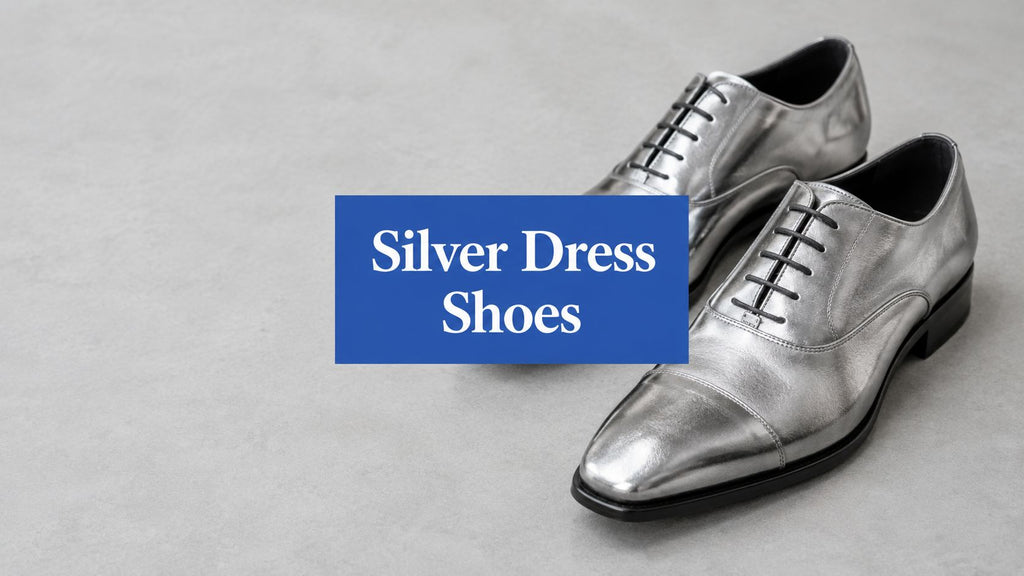
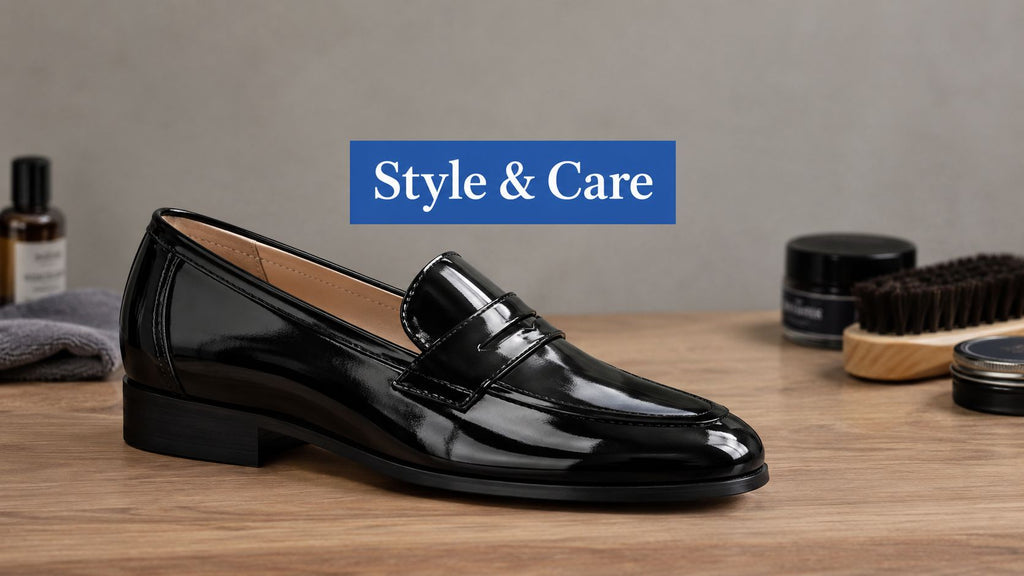
For evenings, high-shine patent leather Oxfords were the go-to. During the day or for something more casual, they'd switch to classic leather loafers. Honestly, the specific style of shoe mattered less than its condition: always polished, always pristine. That dedication to footwear anchored their entire look, grounding it in undeniable quality and an eagle eye for detail.
These guys also knew their stuff. They instinctively understood when to wear a suit jacket versus a blazer or a sport coat, picking the right piece for the right moment without a second thought. That sartorial intelligence is a huge part of why their style still resonates today. If you want to brush up, you can check out our guide on the difference between the suit jacket, blazer, and the sport coat.
Tracing the True Origins of Their Style
So, did the iconic Las Vegas Rat Pack style just spring into existence out of nowhere? To get to the heart of it, you have to look past the neon glow of the Sands Hotel. The real story is that Frank, Dean, and Sammy were less inventors and more master curators of style. They were brilliant at it. Their look was a perfectly mixed cocktail of existing trends, taking the best bits from the world’s most elegant corners and adding their own uniquely American swagger.
Their true genius was in cherry-picking the best elements from established fashion traditions and making them completely their own. They didn't write the playbook; they just perfected it for a new era.
The Hollywood and European Connection
Long before the Rat Pack was holding court in Vegas, Hollywood's Golden Age had already laid down the law for masculine elegance. You had style titans like Cary Grant and Fred Astaire who were the original architects of the sharp, impeccable look the Rat Pack would later make famous. Grant's effortless cool in a perfectly fitted suit and Astaire's sheer grace in tailored clothing set the stage for decades to follow.
At the same time, a couple of powerful European styles were making waves in American menswear:
- British Savile Row: This legendary London street was the world's go-to for structured, formal tailoring. It’s where the strong shoulders and razor-sharp silhouettes that formed the backbone of the Rat Pack's suits came from.
- Italian Tailoring: In contrast, Italian style brought a softer, more laid-back vibe with lighter fabrics and cleaner lines. This influence gave their look a touch of modernism and, crucially, comfort—a must for those desert nights.
The Rat Pack's look was really a fusion of these worlds. It took the formal structure of British tailoring, blended it with the relaxed confidence of Italian design, and filtered it all through the lens of Hollywood glamour.
They stood on the shoulders of giants, taking the disciplined elegance of Cary Grant and injecting it with their own brand of rebellious charisma. It was this unique combination that felt so fresh and magnetic.
This timeline really helps visualize how the key pieces of the Rat Pack's look grew out of these earlier influences.
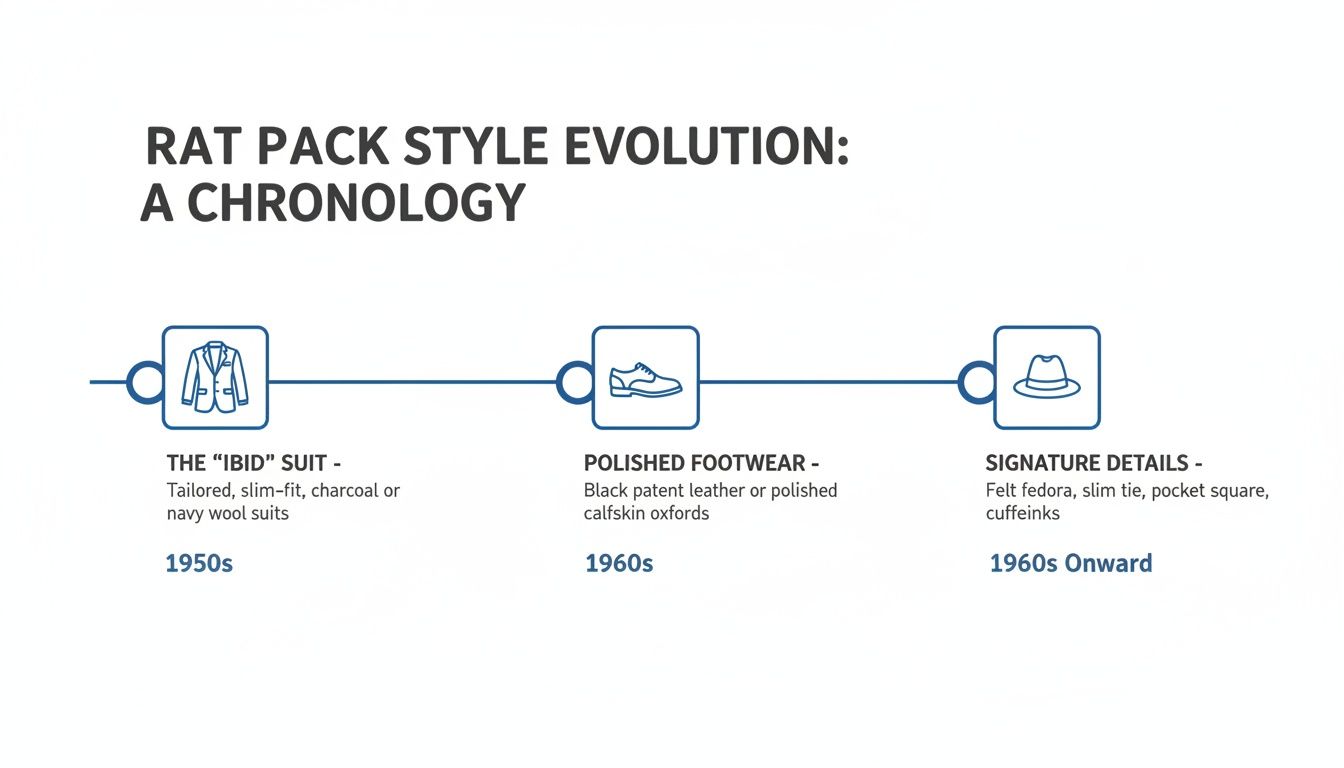
As you can see, there’s a clear progression. It shows how they refined what was already there—the suit, the polished shoes, the slick accessories—into one cohesive, iconic uniform. They weren't starting from a blank page. They were editing, refining, and perfecting what was already considered the best, making it undeniably theirs.
How Las Vegas Became the Ultimate Style Stage

You really can't talk about the Rat Pack's style without talking about Las Vegas in the 1960s. The city wasn't just a backdrop; it was practically a member of the group. Vegas gave them the glittering stage, and in return, the Rat Pack gave this dusty desert town an identity, transforming it into the undisputed global capital of glamour and cool.
The very heart of this cultural moment beat inside the Sands Hotel. Their legendary shows, informally dubbed "the Summit," weren't just a performance—they were an event. Getting a ticket was like finding gold. Frank, Dean, and Sammy would command the stage with a mix of song, banter, and pure, unscripted charisma that made every single night electric.
A New Standard of Desert Formality
Think about it: desert heat usually means dressing down. Not for these guys. The Rat Pack’s refusal to wear anything less than a full suit, even when off-stage, completely redefined what it meant to be sophisticated in the heat. They doubled down on elegance, making tailored suits and sharp tuxedos the unspoken dress code for anyone who was anyone in Las Vegas.
This one simple choice—to always dress up—elevated everything. It sent a powerful message that being in Vegas was a special occasion, an event you put on your best for, no matter the day of the week. Their style wasn't just about clothes; it was part of the whole aspirational fantasy they sold from the stage every night. Men didn't just want to dress like them; they wanted to be them.

Broadcasting a Fantasy to the World
And the world was absolutely captivated. This was a fantasy of high-stakes gambling, clinking martini glasses, and dazzling entertainment broadcast straight into living rooms everywhere. Their look became forever tied to this intoxicating mix of success, risk, and effortless charm. It was a visual shorthand for a certain kind of masculine confidence.
The style they perfected on the Vegas stage became the definitive uniform for a man who had made it. This link was so strong that it cemented their image in the cultural consciousness. So, did style originate with the Las Vegas Rat Pack? For many, the answer felt like a resounding yes, because they were the first to package it so perfectly with the dream of the good life. Their footwear, always polished and impeccable, grounded this fantasy in real-world quality—a story you can dive deeper into in the history of iconic shoes.
Las Vegas gave them a platform, but their style gave Las Vegas its soul. They dressed for the world they wanted to live in—and in doing so, invited everyone else to join them.
The Lasting Legacy of Rat Pack Cool in Modern Menswear

More than 60 years later, the magnetic pull of Rat Pack cool hasn't faded one bit. Their influence isn’t just some nostalgic echo; it’s deeply woven into the fabric of modern menswear. You can feel it in the revival of lounge culture and see it clearly in films like Swingers, which was a direct homage to their martini-fueled swagger.
Funny enough, they never set out to be fashion icons. They simply became an unintentional style guide for generations of men by looking sharp, day in and day out. Their collective look created a powerful, aspirational blueprint for what masculine confidence looks like. Many men have tried to emulate this style, even unknowingly, because its core principles—fit, quality, and confidence—are truly timeless.
Channeling the Ethos, Not the Era
The true legacy of the Rat Pack isn't about running out to buy a skinny tie or a fedora. It’s about understanding the core principles that made their style so potent and timeless. These guys knew that looking good was a conscious choice and an investment in yourself.
Their entire approach was built on a few key beliefs:
- Insist on a Perfect Fit: An off-the-rack suit, no matter the price tag, will never compare to one tailored specifically to your body.
- Invest in Quality Pieces: They chose garments made with superior craftsmanship, from the wool of their suits to the leather of their shoes.
- Master Personalization: Each member added his own unique flair—a pinky ring here, a specific pocket square fold there—making the style truly his own.
This philosophy is the direct ancestor of today's bespoke movement. It's the same driving force behind brands that champion personalization, allowing men to create something that is uniquely, unequivocally theirs.
The Rat Pack's most enduring lesson is this: style isn't about chasing trends. It's about building a wardrobe of high-quality, perfectly fitted pieces that express who you are. Confidence is the ultimate accessory.
From Classic Oxfords to Modern Craftsmanship
While the Rat Pack’s uniform was the classic suit and tie, their principles have evolved to fit a much more versatile world. The same appreciation for a perfectly polished Oxford can be seen today in the modern man's demand for high-quality footwear that bridges the gap between formal and casual.
These days, that might mean a pair of handcrafted leather boots or even a meticulously designed pair of luxury sneakers. The spirit remains the same. It's all about choosing footwear that reflects quality, personality, and impeccable construction. Modern options, like customizable men’s dress sneakers are redefining versatility and style, carry that same torch for a new generation.
So, did style originate from the Las Vegas Rat Pack? No, not entirely. They didn’t invent the clothes, but they absolutely perfected the attitude. Today’s man can channel that same legendary cool not by dressing like them, but by embracing the ethos behind them: invest in quality, demand a perfect fit, and create a style that’s legendary in its own right.
Your Questions About Rat Pack Style, Answered
Still have some questions about what made the Rat Pack’s look so enduring? Let's clear things up with quick answers to the most common questions about their legendary Las Vegas style.
What Were the Key Clothing Items for the Rat Pack Look?
The absolute cornerstone of their look was the sharply tailored single-breasted suit. They often chose fabrics like sharkskin, which gave off a subtle sheen under the stage lights.
This was always grounded by a crisp white dress shirt, a skinny silk tie held perfectly in place with a simple tie bar, and trousers with a razor-sharp crease. When it came to formal evenings performing on the Vegas stage, the tuxedo was their non-negotiable uniform.
What Kind of Shoes Did the Rat Pack Wear?
Their footwear was always immaculate, serving as the polished foundation for every single outfit. Key styles included high-shine patent leather Oxfords paired with their tuxedos, classic cap-toe dress shoes for their everyday appearances, and sleek leather loafers for those more casual, off-stage moments.
No matter the style, two things were always true: the quality was superior, and the shine was flawless enough to be a mirror.
Did Frank Sinatra Dictate the Group's Style?
In a word, yes. As the undisputed leader of the pack, Frank Sinatra absolutely set the standard for how they all dressed. He had a personal rule: always be in a sport coat and tie after 6 PM. This quickly became the group’s unofficial dress code.
Sure, each member added his own personality—Sammy might have flashier accessories, and Dean had that famous relaxed nonchalance—but it was Sinatra’s unshakeable demand for impeccable tailoring that defined their collective image. His high standards were the glue that held their iconic look together and answered the question, "Did style originate from the Las Vegas Rat Pack?" for an entire generation.
Ready to channel the spirit of Rat Pack cool with footwear that’s built on quality and personal expression? At Alexander Noel, our Design Lab empowers you to create custom, handcrafted shoes that are uniquely your own. Start designing your perfect pair today.
Related post
04
Oct
04
Oct
26
Sep
26
Sep
26
Sep
