

RECENT POSTS
29.August.2026
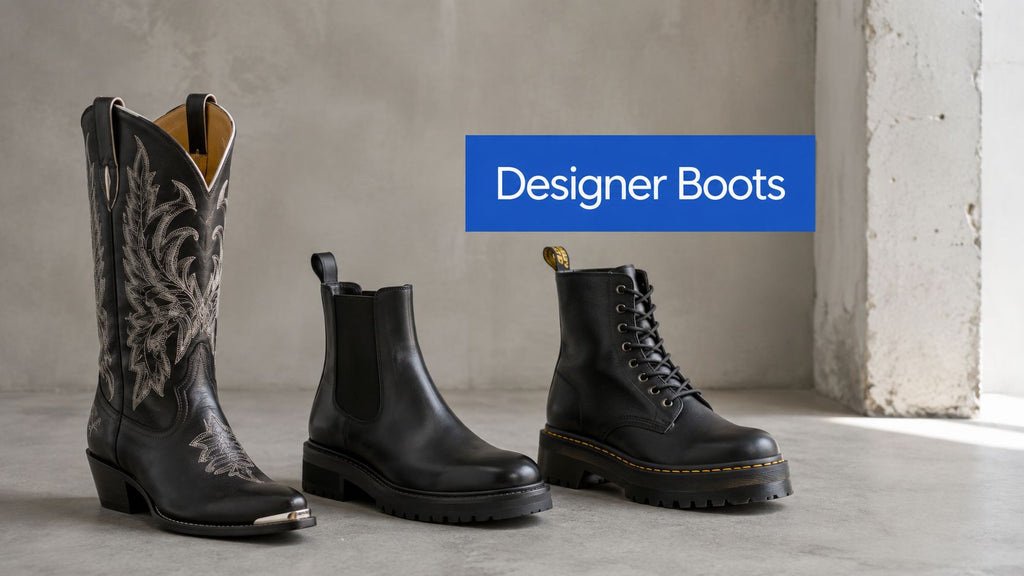
Custom Women's Boots for Fall: Choosing Between Two Black Chelsea Silhouettes
0 Comments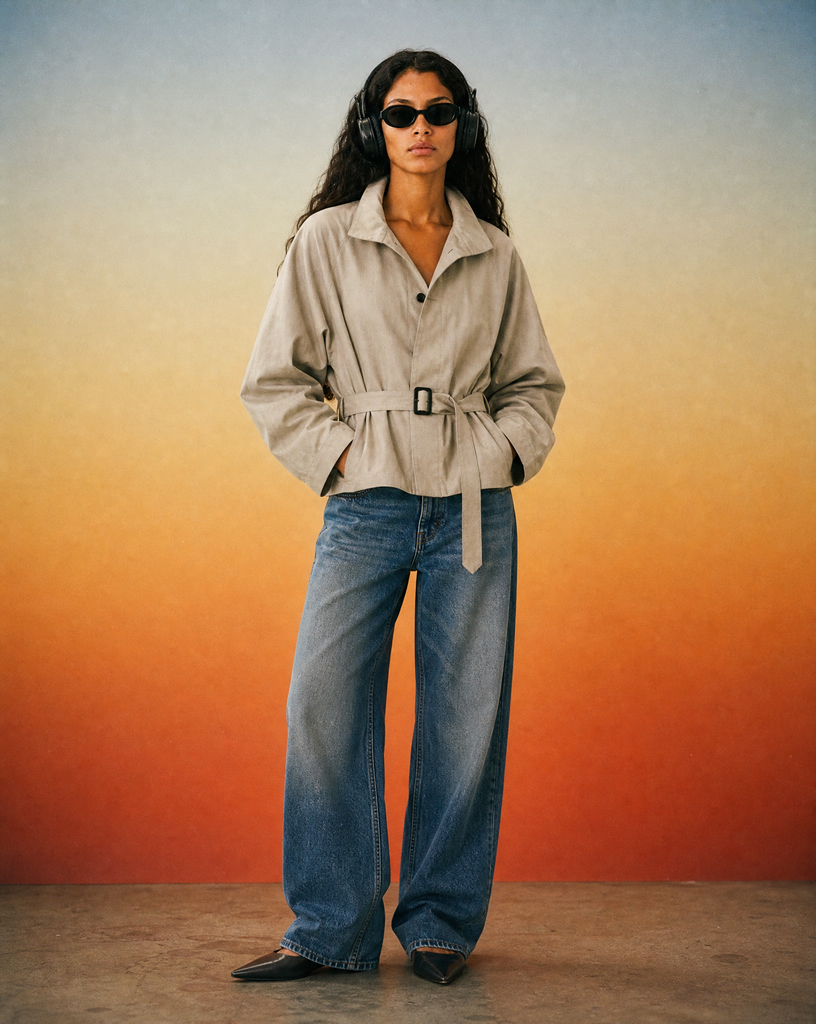
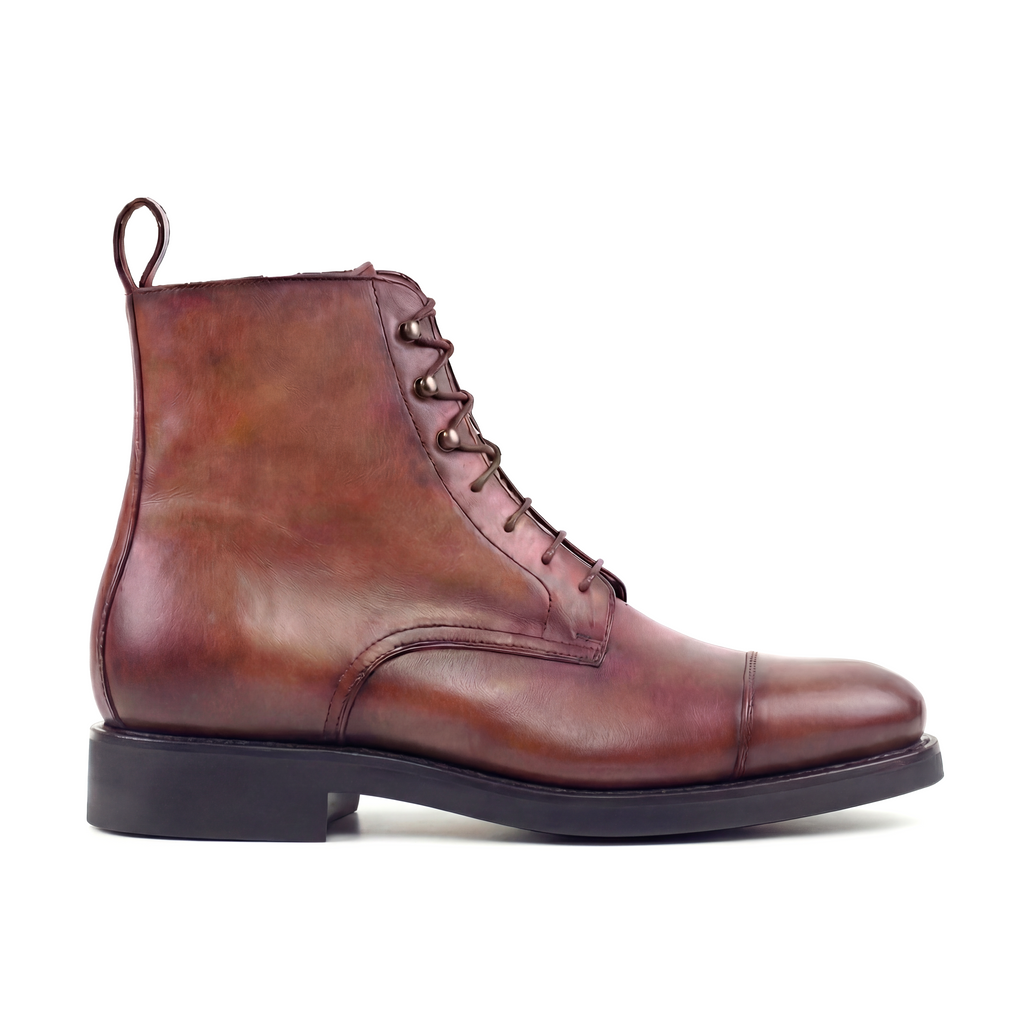
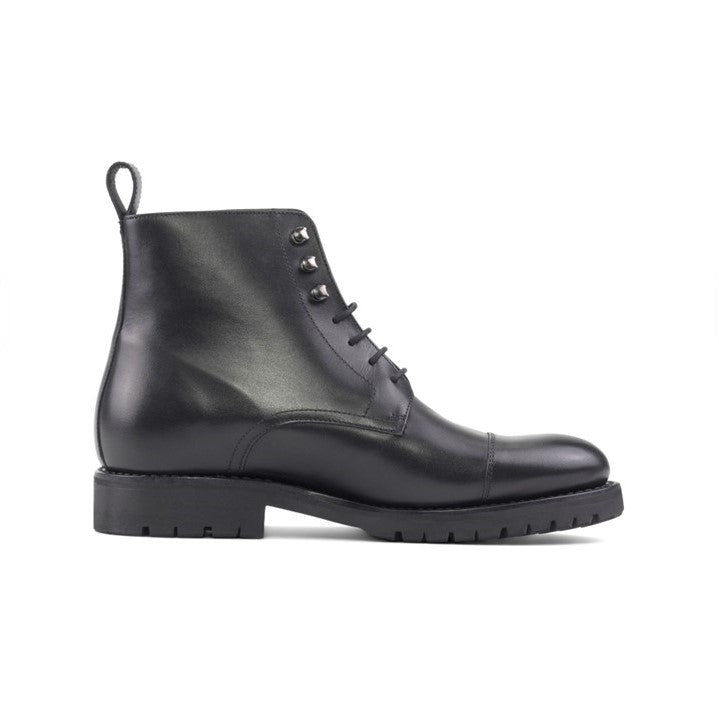


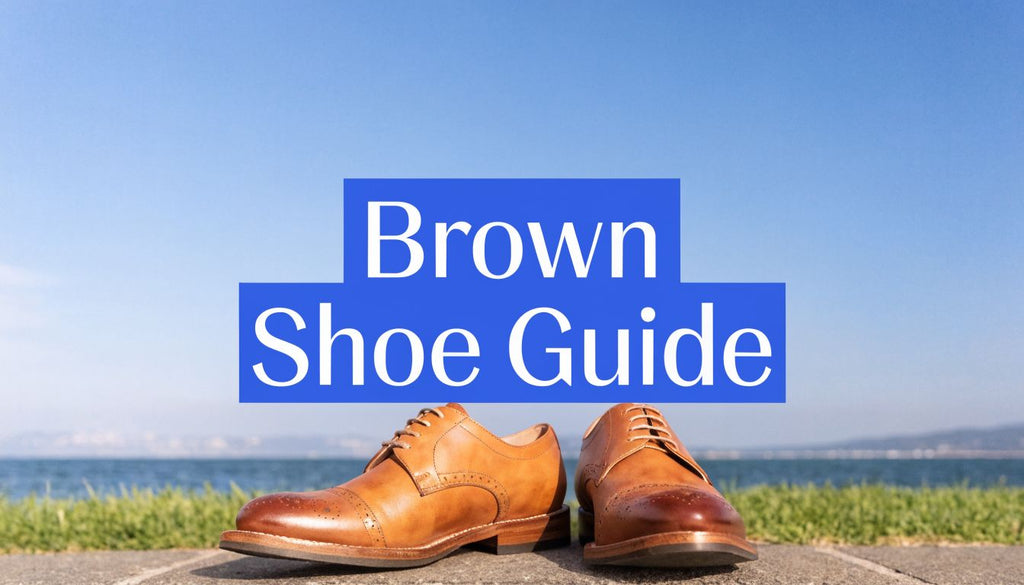



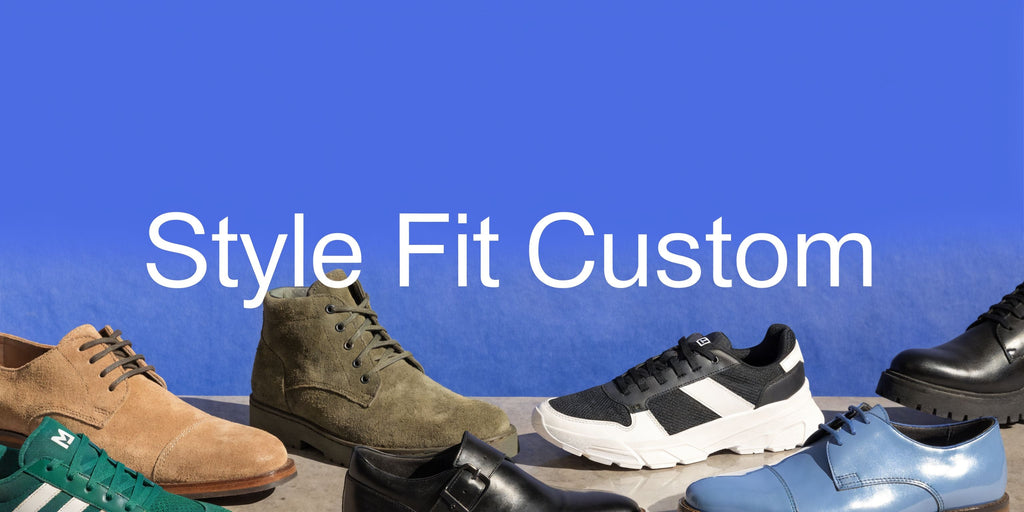
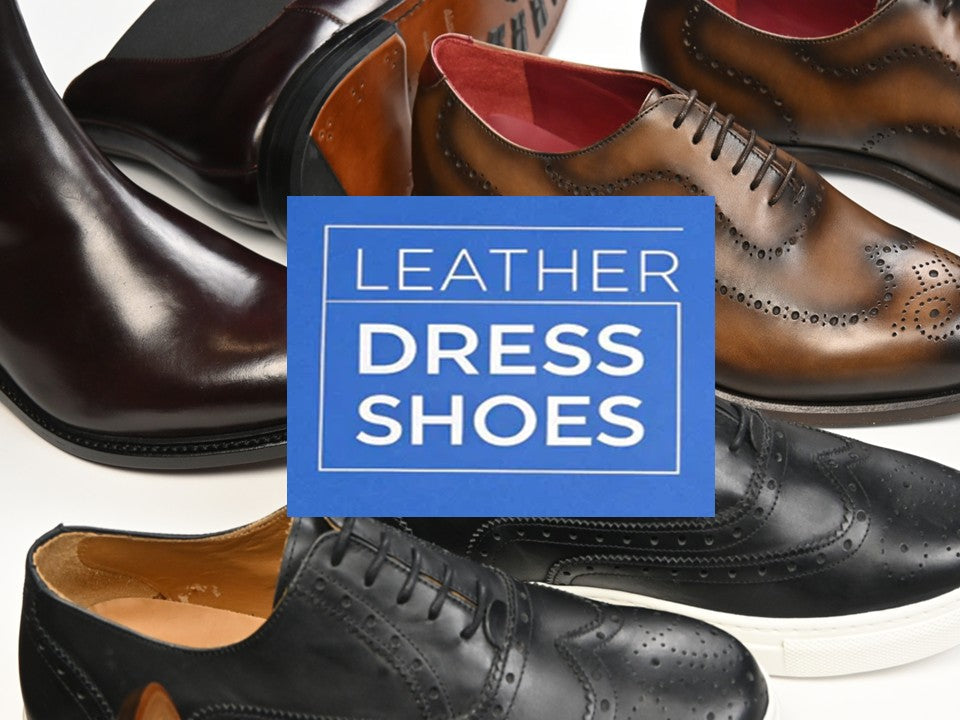
A Gentleman’s Guide to Leather Dress Shoes
More than just an accessory, a quality pair of leather dress shoes is the foundation of a modern wardrobe. They are a symbol of sophistication, blending generations of artisanal craftsmanship with a sharp, contemporary edge. This guide is your introduction to the essentials—from the nuances of fine leather to the iconic designs—so you can invest in true quality, express your personal style, and build a collection that lasts a lifetime.
Why Leather Dress Shoes Are a Cornerstone of Style
A great pair of leather dress shoes does more than complete an outfit; it communicates an appreciation for quality and a keen eye for detail. Unlike fleeting trends, classic leather footwear possesses a timeless appeal that makes it one of the smartest investments for your closet. This enduring power comes down to a simple formula: exceptional materials plus masterful construction.
This appreciation for quality is a global phenomenon. The leather footwear market was valued at an impressive USD 162.1 billion in 2025 and is projected to reach USD 253.2 billion by 2035. This growth highlights a worldwide demand for the very elements that define a superior dress shoe. You can explore the data behind this trend over at factmr.com.

The Foundation of Personal Expression
Beyond their undeniable elegance, leather dress shoes are a canvas for your personal style. They anchor everything from a powerful business suit to a refined weekend look. By understanding the different styles—from the formal Oxford to the versatile Loafer—you can make intentional choices that not only suit the occasion but, more importantly, reflect you.
This is where traditional craftsmanship meets modern innovation. With the ability to customize, you are no longer limited to off-the-shelf options. You can co-create a shoe that is uniquely yours. This means you get to direct the creative process:
- Selecting unique materials: Choose from a curated range of premium leathers and suedes from our global artisan partners.
- Defining the silhouette: Select the style that perfectly aligns with your aesthetic.
- Adding personal details: Customize colors, soles, and finishing touches to design something truly one-of-a-kind.
Consider this guide your first step into a world where quality, elegance, and personality converge. It's time to build a shoe collection that tells your story.
Learning the Language of Fine Leather
To truly appreciate a great pair of dress shoes, you must first understand its soul: the leather. The entire foundation of an exceptional shoe is the material itself. Becoming familiar with the different types is key to distinguishing true craftsmanship from mass-produced imitations, helping you invest in something that will last a lifetime, not just a season.

Think of full-grain leather as the finest solid hardwood. It is the pinnacle of quality. Sourced from the top layer of the hide, it is left completely unaltered to showcase its natural character, pores, and markings. Like solid oak, it is incredibly durable and only improves with age, developing a rich, unique patina that tells the story of your journey.
This diagram illustrates how our core pillars—craftsmanship, style, and quality—are interconnected.
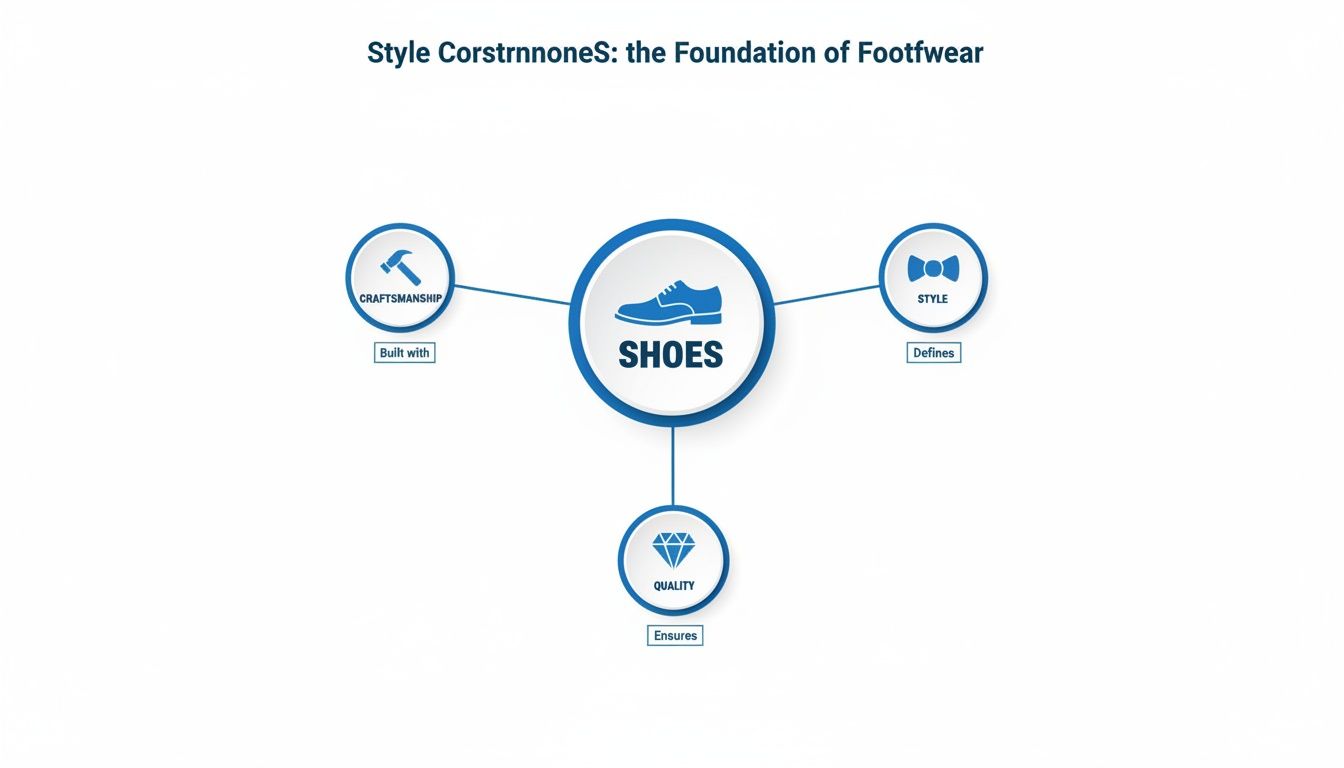
They aren’t separate concepts; they are woven together. This synthesis is what creates a superior shoe, and understanding it is the first step in appreciating truly well-made leather dress shoes.
Distinguishing Quality Leathers
So, what are the other options? One step down from full-grain is top-grain leather. Here, the surface has been lightly sanded or buffed to remove imperfections, resulting in a more uniform appearance. While still a high-quality choice, it won’t develop the same deep, storied character as full-grain.
Then you have suede, celebrated for its soft, velvety texture. Suede is crafted from the underside of the animal hide, making it much softer—and more delicate—than its full-grain counterpart. It offers a unique elegance, perfect for a look that’s relaxed yet sophisticated.
To provide a clearer picture, here’s a quick breakdown of how these leathers compare.
Comparing Common Types of Shoe Leather
| Leather Type | Key Characteristic | Best For | Maintenance Level |
|---|---|---|---|
| Full-Grain | Most durable; shows natural grain | Heirloom-quality dress shoes | High |
| Top-Grain | Smooth, uniform finish | Everyday dress and casual shoes | Medium |
| Suede | Soft, napped texture | Casual loafers and boots | High (needs protection) |
This table makes it easy to see the trade-offs at a glance. Your choice ultimately depends on what you value most—be it rugged durability, a flawless finish, or textural style.
"A good pair of dress shoes will fit you better and feel better than most generic ‘comfort’ shoes will... good dress shoes are built with good arch support in mind."
This insight gets to the heart of the matter. The material isn't just for aesthetics; it's about structure and support. Quality leather molds to your foot over time, creating a custom fit that synthetic materials simply cannot replicate. To dive deeper into how these leathers are sourced and produced, explore our educational guide on demystifying leather grades and production.

Beyond the Hide Sourcing and Artistry
The origin of the leather is as important as its type. For instance, tanneries in Italy are world-renowned for their centuries-old methods of vegetable tanning, a natural process that produces leather with incredible depth and strength. This commitment to tradition is what we seek in our artisan partners around the globe. To learn more about this heritage, check out this excellent resource on Tuscany Leather: A Guide to Italian Craftsmanship.
When you understand the language of leather, you're no longer just buying shoes. You're investing in artistry and making a choice that reflects a true appreciation for quality. This knowledge is the first step toward creating your own signature look in our Design Lab.
Exploring the Icons of Men’s Footwear

Just as a master chef knows their knives, a well-dressed man understands his shoes. Mastering the foundational styles of men's leather dress shoes is the first step to unlocking a world of sartorial possibilities. These aren't just arbitrary designs; they are icons, each with a distinct personality and purpose shaped by centuries of tradition.
Learning to spot the differences empowers you to build a versatile, timeless wardrobe. Every silhouette tells a story and suits a different chapter of your life, from the corner office to a relaxed weekend gathering.
The Formal Authority of the Oxford
The Oxford is the quintessential dress shoe. Its defining feature is a "closed-lacing" system, where the shoelace eyelets are stitched underneath the vamp (the front part of the shoe). This creates a sleek, uninterrupted profile. Think of it as the tuxedo of footwear—unfailingly elegant and designed for formal occasions.
A classic black cap-toe Oxford is a non-negotiable component of a man's wardrobe. It is the definitive choice for business suits, black-tie events, and any moment that demands unparalleled sharpness. Its streamlined construction projects an air of authority and refinement.
The formal shoe market is a testament to the enduring power of these classic designs. It's projected to grow from USD 7.757 billion in 2025 to a remarkable USD 20.45 billion by 2035, with the Oxford leading the charge in North America. To see the full scope of this growth, explore more insights about the formal shoes market on marketresearchfuture.com.

The Versatile Derby
If the Oxford is the tuxedo, the Derby is the perfectly tailored blazer. You can identify a Derby by its "open-lacing" system, where the eyelet tabs are stitched on top of the vamp. This construction provides a slightly more robust, relaxed appearance and offers greater flexibility and comfort.
This subtle design difference makes the Derby a true workhorse. It pairs effortlessly with a suit but looks equally sharp with chinos or dark denim for smart-casual occasions. The Derby's incredible versatility makes it an essential for any man who needs a shoe that can bridge the gap between formal and informal. For a deeper dive into what separates these two icons, read our guide on the differences between Oxford shoes and Derby shoes.
Other Essential Styles
Beyond these two pillars, several other styles complete the lexicon of classic men's footwear. Each offers a unique way to express your personal style while adhering to the principles of fine craftsmanship.
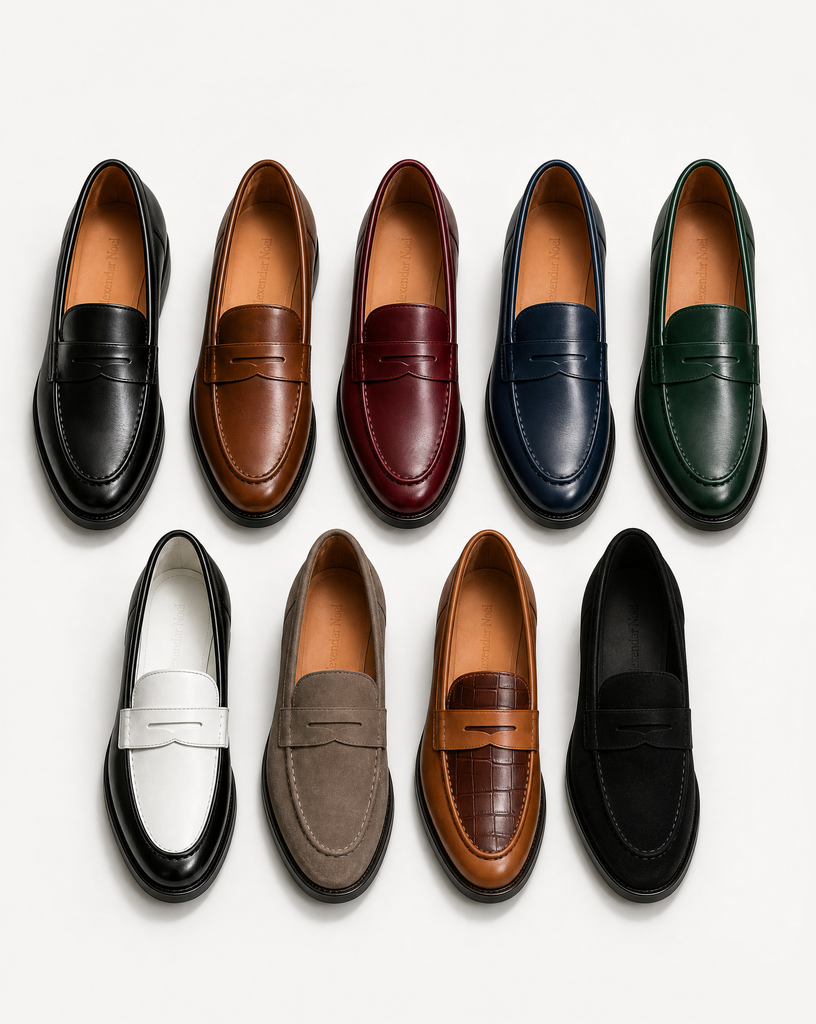
- The Loafer: The epitome of relaxed elegance. This slip-on style is perfect for adding a touch of continental flair to any outfit.
- The Monk Strap: Instead of laces, this shoe uses a distinctive buckle-and-strap closure, adding a dash of confident personality.
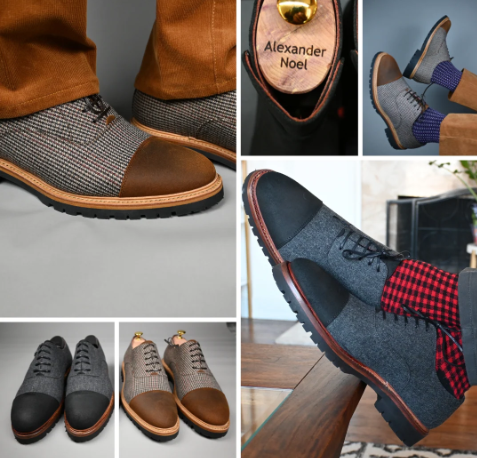
- The Brogue: This isn't a separate style but a decorative detail. Characterized by perforations (broguing), this pattern can be found on Oxfords, Derbies, and Monk Straps, adding texture and visual interest.
Understanding these foundational styles empowers you to make smarter, more informed choices. It is the knowledge that elevates you from simply buying shoes to curating a collection where every pair has a purpose and a story.

You can own the most beautiful, masterfully crafted leather dress shoes in the world, but they are worthless if they don’t fit correctly. The perfect fit is the true foundation of comfort and style, and it extends far beyond the number stamped inside the heel.
It’s about understanding the unique architecture of your feet and ensuring your shoes are a true partner, supporting you throughout the day. This journey begins with one crucial step: an accurate measurement. You may think you know your size, but feet can and do change over time due to age or weight.
Measuring Your Feet at Home
When is the best time to measure? Always at the end of the day. Your feet naturally swell after hours of activity, and measuring them then ensures your shoes won't feel too tight by evening.
- Trace Your Foot: Place a piece of paper on a hard floor. Stand on it and carefully trace the outline of your foot, keeping the pen or pencil perpendicular to the paper for the most accurate line.
- Measure Length and Width: With a ruler, measure the distance from the tip of your longest toe to your heel. Next, measure the widest part of your foot, typically across the ball.
- Repeat for Both Feet: It's common for one foot to be slightly larger than the other. Always measure both and use the larger measurement when selecting your size.
For a detailed walkthrough, our guide on how to measure your shoe size at home breaks down the process to guarantee accuracy. Think of it as the first step toward a truly personalized footwear experience.

Beyond Length: Sizing Nuances
Your shoe size is more than just a number. Width is equally, if not more, important for achieving a secure, comfortable fit. Standard widths are typically marked as "D" for men and "B" for women, but many of us require narrower or wider options to prevent painful pinching or heel slippage.
A good pair of dress shoes will fit you better and feel better than most generic ‘comfort’ shoes will... good dress shoes are built with good arch support in mind.
This gets to the core of what defines quality footwear. A pair of well-made leather dress shoes is engineered with proper arch support, which is vital for posture and combating fatigue. When a shoe doesn't fit correctly, its brilliant built-in structure is compromised.
Finally, a quick note on international sizing—it can be a minefield. A US size 10 is not the same as a UK 10 or an EU 43. Never guess. Always consult a brand’s specific conversion chart to translate your measurements accurately.
Taking a few extra minutes to determine your perfect fit is an investment in your comfort and health, not just another addition to your closet. This precision serves as the ideal starting point for creating your own custom pair in our Design Lab.
Mastering the Art of Shoe Care
Think of a quality pair of leather dress shoes as an investment in your personal brand. Like any good investment, it requires attention to grow in value—or in this case, character—over time. Transforming shoe care from a chore into a simple ritual is the secret to not only preserving their beauty but also dramatically extending their lifespan.
This isn't about spending hours polishing; it's about building a few simple, effective habits that keep your shoes looking impeccable and making a strong impression before you even say a word. The effort is minimal, but the return on investment lasts for years.
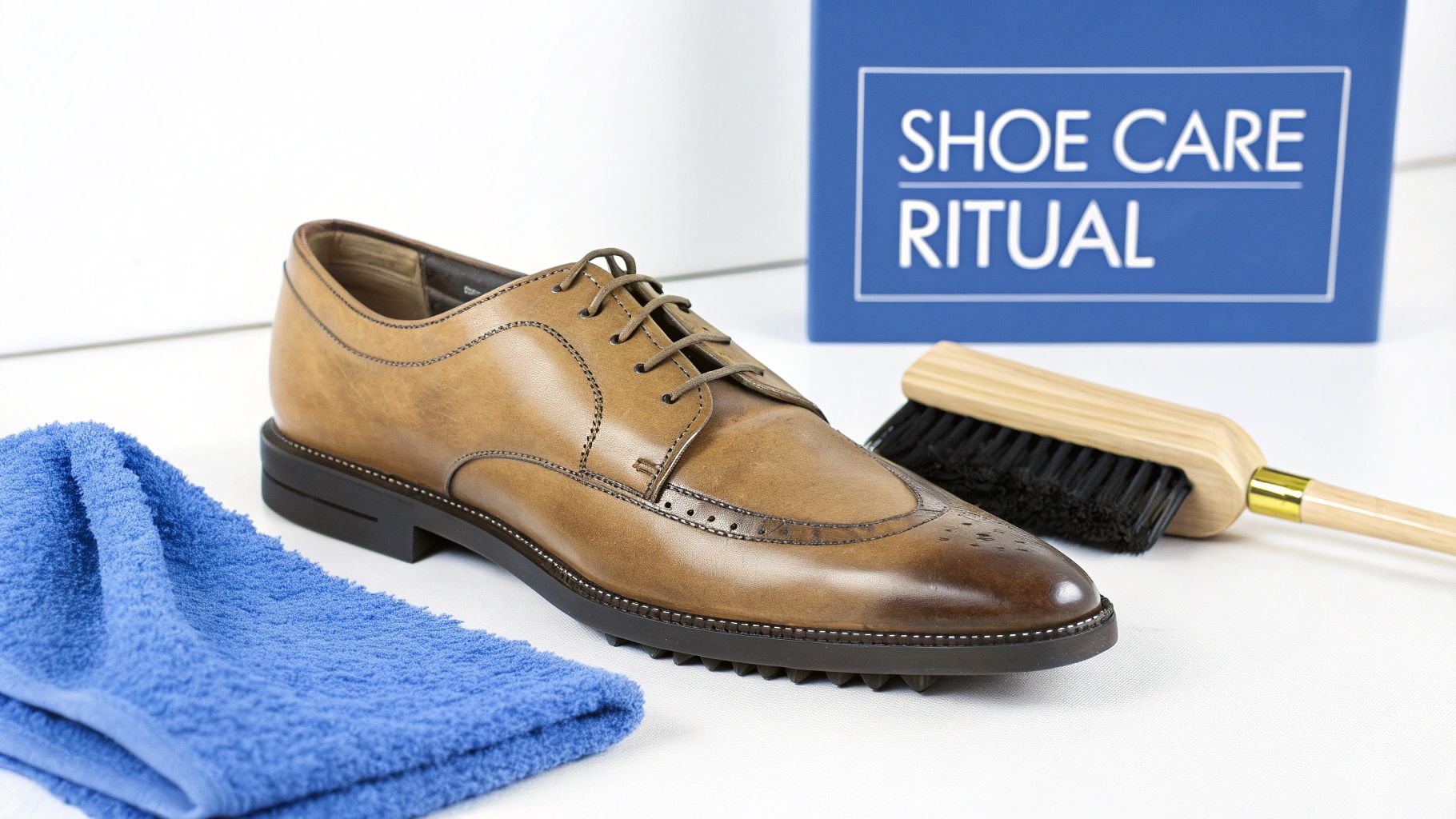
The Essential Care Routine
The best approach is to treat it like a simple skincare routine for your shoes. It’s a quick, three-step process where each part plays a vital role in the health and appearance of the leather.
-
Clean: Before anything else, remove surface dirt and dust. A soft horsehair brush is ideal for this—it will wipe away debris without scratching the delicate leather. For tougher spots, a slightly damp cloth is effective.
-
Condition: Leather is a natural skin that can dry out and crack. A quality leather conditioner acts as a moisturizer, replenishing essential oils to keep the hide supple, flexible, and resilient.
-
Polish: This is the finishing touch that restores that deep, rich shine. Using a good cream or wax polish does more than revive color; it adds a protective barrier against moisture and minor scuffs, keeping your shoes looking sharp.
For a complete rundown of the tools you'll need, our guide on building the perfect leather shoe care kit has you covered. This consistent care is what separates a pair of shoes that lasts a season from one that becomes a trusted companion for a decade.
Non-Negotiable Habits for Longevity
Beyond the routine, two habits are absolute game-changers for preserving your leather dress shoes. The first is using cedar shoe trees. These are far more than simple shapers. The cedar wood is a natural wonder, wicking away moisture from perspiration that can break down the leather and lining from within.
Shoe trees are the single most important accessory for extending the life of your shoes. They help the leather contract and dry in its proper shape, preventing deep creases and permanent structural damage.
The second habit? Rotation. Never wear the same pair two days in a row. Giving your shoes at least 24 hours to rest allows the leather to breathe, recover its shape, and dry out completely. This simple practice alone can easily double the lifespan of your footwear.
These habits protect the premium materials that define luxury footwear. After all, 70% of high-end dress shoes use full-grain leather for its incredible durability, which can last five to seven years—a huge jump compared to just two years for most synthetics.
Creating Your Own Signature Style
Once you have mastered the fundamentals—the right style, the best leather, the perfect fit—the real journey begins. This is where you graduate from simply choosing a shoe to co-creating one. You are no longer just a consumer; you become the designer of a piece that is 100% you.
This is the intersection of traditional craftsmanship and modern self-expression. Through our direct-to-consumer model and global artisan partnerships, we bring the workshop to your screen, empowering you to design a shoe that fits not only your feet, but your personal brand.
You Are the Designer
Imagine having the final say on the exact finish of a rich, full-grain leather. Or perhaps you prefer a soft suede to capture a more relaxed aesthetic. Customization places you in the driver's seat, offering a level of personalization that is simply unattainable in standard retail. It’s the ultimate statement of individual style.
Our interactive Design Lab allows you to see your creation come to life in real-time. This experience goes far beyond just picking a color. You are making deliberate choices, building your ideal pair of leather dress shoes from the ground up.
- Material Selection: Choose from a curated library of premium leathers and suedes, all sourced from the world's finest tanneries.
- Color Palette: Don't settle for just black or brown. Explore a spectrum of colors that truly express your personality.
- Unique Details: Add the defining touches. Consider a contrasting sole, a specific brogue pattern, or even a personalized monogram.
From Your Mind to Our Artisans' Hands
Our direct-to-consumer model eliminates the middlemen. Your design specifications go directly from your screen to our artisan partners in Italy, Spain, and Portugal, who then employ techniques honed over generations to bring your vision to life.
The result is so much more than a custom shoe; it’s a personal statement. It’s a pair of footwear with your story and your style preferences built into every single stitch—a true collaboration between your imagination and our heritage craftsmanship.
Ultimately, creating your own signature style is about owning a shoe that fits flawlessly because it was made for you, and one that speaks volumes because you designed it. This is the new standard of personal luxury.
Your Leather Dress Shoe Questions Answered
Let's conclude with some of the most common questions we receive. Consider this your quick-reference guide for navigating the finer points of owning and caring for a great pair of leather dress shoes.
How Long Should It Take to Break in New Leather Shoes?
Here’s the thing: a truly well-made pair of shoes shouldn't require a painful "break-in" period. You should expect them to feel snug, but not punishing, right out of the box.
Over the first few wears, the leather will begin to mold and conform to your foot's unique shape. That’s the real goal. If you're dealing with sharp pinching or blisters, that's not the shoe breaking in—that's a sign of a poor fit. The high-quality leathers our global artisan partners use are chosen specifically because they work with your foot, not against it.
Can I Wear Leather Dress Shoes When It Rains?
While you probably shouldn't go puddle-jumping, you don't have to panic if you get caught in a light drizzle. A little preparation goes a long way.

First, a quality water-protectant spray is your best friend; it adds a crucial layer of defense. If your shoes do get soaked, don't just toss them in a corner. Gently pat them dry, slide in some cedar shoe trees to absorb the excess moisture and maintain their shape, and let them air dry completely, far away from any direct heat source.
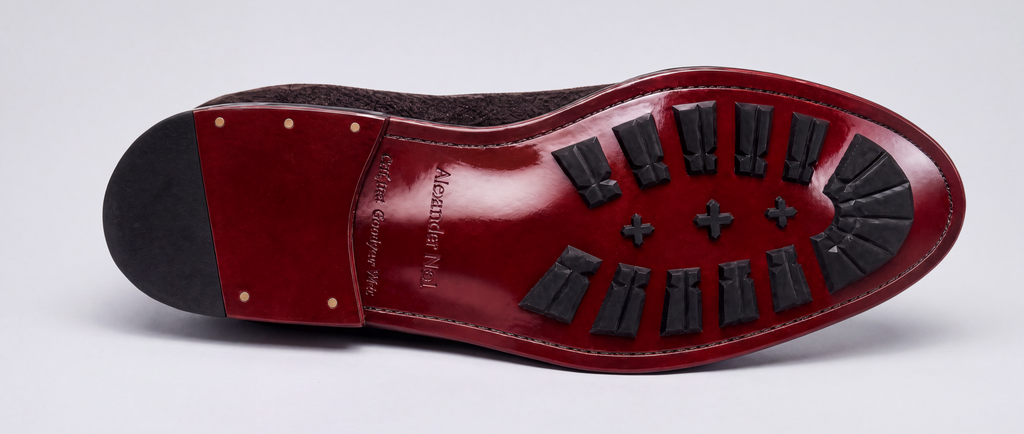
We often get asked about construction methods like Goodyear welting versus Blake stitching. Simply put, Goodyear welting is the gold standard for durability and water resistance, and it makes the shoe easy to resole. Blake stitching creates a sleeker, more flexible shoe, but resoling can be trickier. It really comes down to whether you prioritize a lightweight feel or bulletproof longevity.
This is exactly the kind of detail you can get granular with in our Design Lab. It’s the perfect way to merge timeless craftsmanship with your own personal needs, creating a shoe that’s truly built for your world.
Ready to build a pair that's entirely your own? At Alexander Noel, you are the designer. Head over to our Design Lab to select your materials, fine-tune the style, and craft the perfect bespoke shoes today.
Related post
24
Oct
04
Oct
04
Oct
26
Sep
26
Sep
