

RECENT POSTS

29.August.2026
Custom Women's Boots for Fall: Choosing Between Two Black Chelsea Silhouettes
0 Comments






Discover Shoes for Narrow Feet Women: A Guide to the Perfect Fit
For women with narrow feet, shoe shopping often feels less like a delightful afternoon out and more like a frustrating, fruitless hunt. You’re not just looking for a style you love; you’re on a quest for something that actually fits. The answer isn't another "quick fix" but a new way of thinking—one that puts your foot's unique shape front and center. It’s about an educational approach to footwear: knowing your width, choosing styles built for a slender foot, and understanding when a personalized, custom solution is the answer.
Your Search for the Perfect Fit Is Finally Over
Does this sound familiar? Your heel constantly slips out of your pumps. There are awkward gaps along the sides of your flats. You have to cramp your toes into a shorter size just to keep the shoe from flying off. If so, you're not alone. So many women struggle with standard-width shoes that are just too roomy. The usual tricks—stuffing the toe box, adding another insole—are temporary at best and rarely deliver real comfort.
We see a perfect fit as a necessity, not a luxury. It's the foundation of your comfort and confidence. This guide is here to help you move past those makeshift solutions and find real, lasting strategies. We want to empower you with the knowledge to understand your true foot size so you can make choices that feel amazing.
Recognizing the Signs of Narrow Feet
Before you can solve the problem, you have to know what you’re looking for. Many women just assume their feet are "difficult" without realizing the real issue is the width. The clues are often subtle but show up again and again, whether you're in heels, loafers, or boots.
The biggest giveaway is heel slippage. It’s that annoying feeling of your heel lifting out of the shoe with every single step. This happens because a standard "B" width shoe has too much volume, leaving empty space around your foot.
This constant friction doesn't just cause blisters; it makes you grip the shoe with your toes to keep it on, leading to tired, strained feet by the end of the day. Spotting these signs is the first step toward finding shoes that feel like they were made just for you.
Here’s a quick rundown of the most common signs to watch for.
Common Signs You Have Narrow Feet
This table breaks down the common symptoms you might be experiencing and explains why they're a tell-tale sign of a narrow foot.
| Symptom | What It Feels Like | Why It Happens with Narrow Feet |
|---|---|---|
| Heel Slippage | Your heel constantly lifts out of the back of your shoe as you walk. | The heel counter is too wide, providing no grip for a slender heel. |
| Gapping at the Sides | There is a visible gap between the side of your foot and the shoe's upper. | The shoe's overall volume is too large for your foot's circumference. |
| Sizing Down for Snugness | You buy a half or full size smaller to prevent your foot from sliding. | This is a common but harmful "fix" that results in cramped toes and improper arch placement. |
| Over-Tightening Laces | You have to pull laces or straps to their tightest setting, causing bunching. | The shoe is designed for a higher-volume foot, requiring excessive tightening. |
Seeing your own struggles reflected in this table is often the "aha!" moment. Once you can name the problem, you’re already halfway to finding the perfect solution.
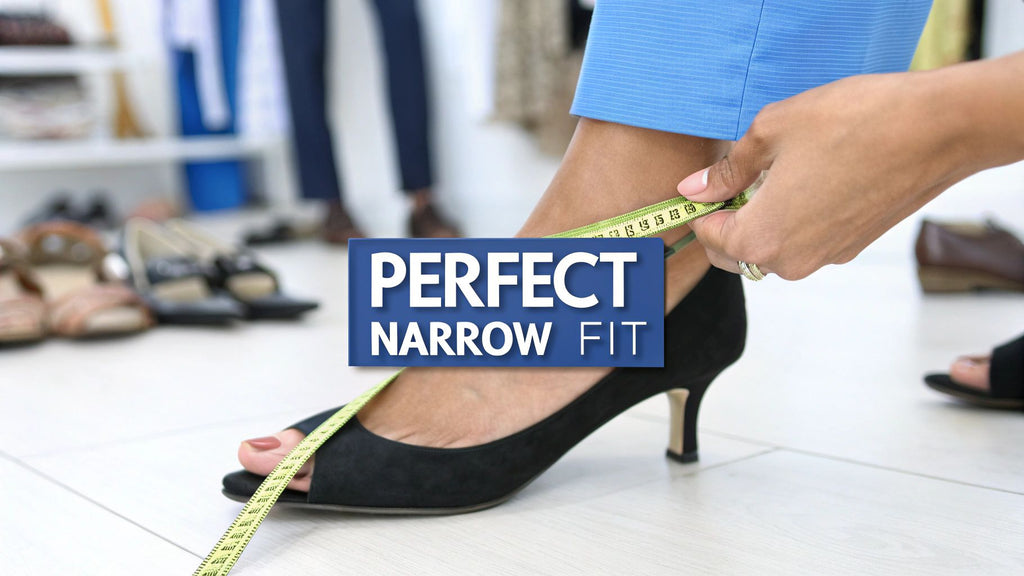
How to Accurately Measure Your Foot Width at Home
Before you can find that perfect pair of shoes, you need to arm yourself with one crucial piece of information: your exact foot measurement. Guessing or just sticking with the size you've always worn is often why so many shoes end up feeling wrong. Taking a few minutes to measure properly is the single most effective step toward finding a fit that feels genuinely supportive and secure.
Many people don't realize that foot size can shift over time. Factors like age, pregnancy, or even changes in your activity level can alter the shape and size of your feet. What fit you five years ago might not be your true size today. It's also incredibly common for one foot to be slightly larger than the other, which is exactly why measuring both is a non-negotiable part of the process.
This simple, at-home method will give you the confidence to shop smarter and understand what your feet truly need.
Gathering Your Simple Measurement Tools
You don’t need any fancy equipment to get an accurate reading. All it takes are a few common household items.
- Two sheets of blank paper (just make sure they're larger than your feet).
- A pen or pencil that you can hold as vertically as possible.
- A ruler or a measuring tape with clear millimeter or inch markings.
- A flat, hard surface to stand on, like a hardwood floor, not a plush carpet.
Once you have your tools ready, you're set to get the most precise measurement possible.
The Best Way to Trace and Measure
Believe it or not, timing is everything. Your feet naturally swell a bit throughout the day, so for the most accurate sizing, measure them in the evening. This ensures you’re capturing their largest dimensions, which is key to avoiding shoes that feel great in the morning but pinch by dinnertime.
- Place one sheet of paper on the floor and step onto it. Just stand naturally, with your weight distributed evenly.
- Holding your pen straight up and down—not at an angle—carefully trace the complete outline of your foot.
- Step off the paper. Use your ruler to draw a straight line from the tip of your longest toe to the very back of your heel. This is your foot length.
- Next, find the widest part of your foot. This is almost always the ball of your foot, right below your toes. Draw a straight line from one side to the other. This measurement is your foot width.
- Repeat the entire process for your other foot on the second sheet of paper. When you go to shop, always use the measurements from your larger foot.
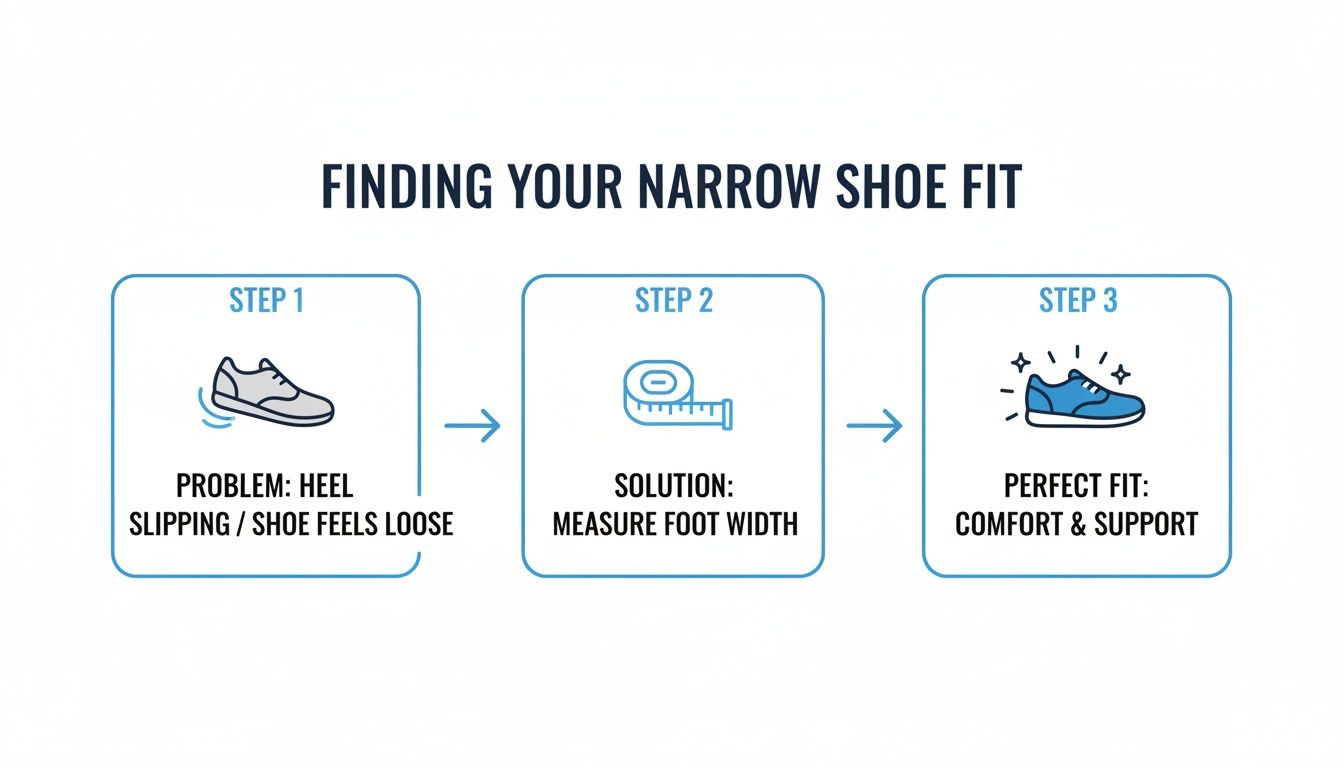
This process is the bridge between the frustration of shoes that slip and the satisfaction of a perfect, comfortable fit.
Understanding Shoe Width Letters
So you have your numbers, but how do you translate them into a shoe size? This is where width letters come into play. A number (like an 8 or 9) tells you the length, but the letter tells you the width. For women, a "B" width is considered the industry standard or medium. If your measurements point to narrow feet, you'll be looking for shoes labeled with an "A" rating.
The further back in the alphabet the letter, the narrower the shoe. An "AA" (or "2A") is narrower than an "A," and an "AAA" (or "3A") is even narrower. Knowing this simple code is like having a secret key to unlock better-fitting footwear.
You are definitely not alone in this search. It's estimated that 20-30% of women worldwide have narrower-than-average feet. In many markets, women who need narrow fits (AA or narrower) make up about 25% of the population, yet finding options can still be a challenge.
Having your precise measurements empowers you to look past the limitations of standard sizing. For an even more detailed walkthrough, check out our guide on how to measure your shoe size at home, which has a few extra tips for ensuring accuracy. With these numbers in hand, you're fully equipped to find shoes designed not just for "women," but specifically for your feet.
Choosing Shoe Styles That Actually Fit Narrow Feet
Once you have your measurements in hand, the real fun begins: learning to spot the shoe designs that are natural friends to a narrow foot. Not all styles are created equal, and the very structure of a shoe can be the difference between a secure, comfortable fit and that frustrating heel slippage we all know too well.
The secret? Look for designs with built-in adjustability. It’s a simple concept, but it's a total game-changer. These are the styles that let you cinch and tighten the shoe to match the unique volume of your foot, creating a nearly custom fit.
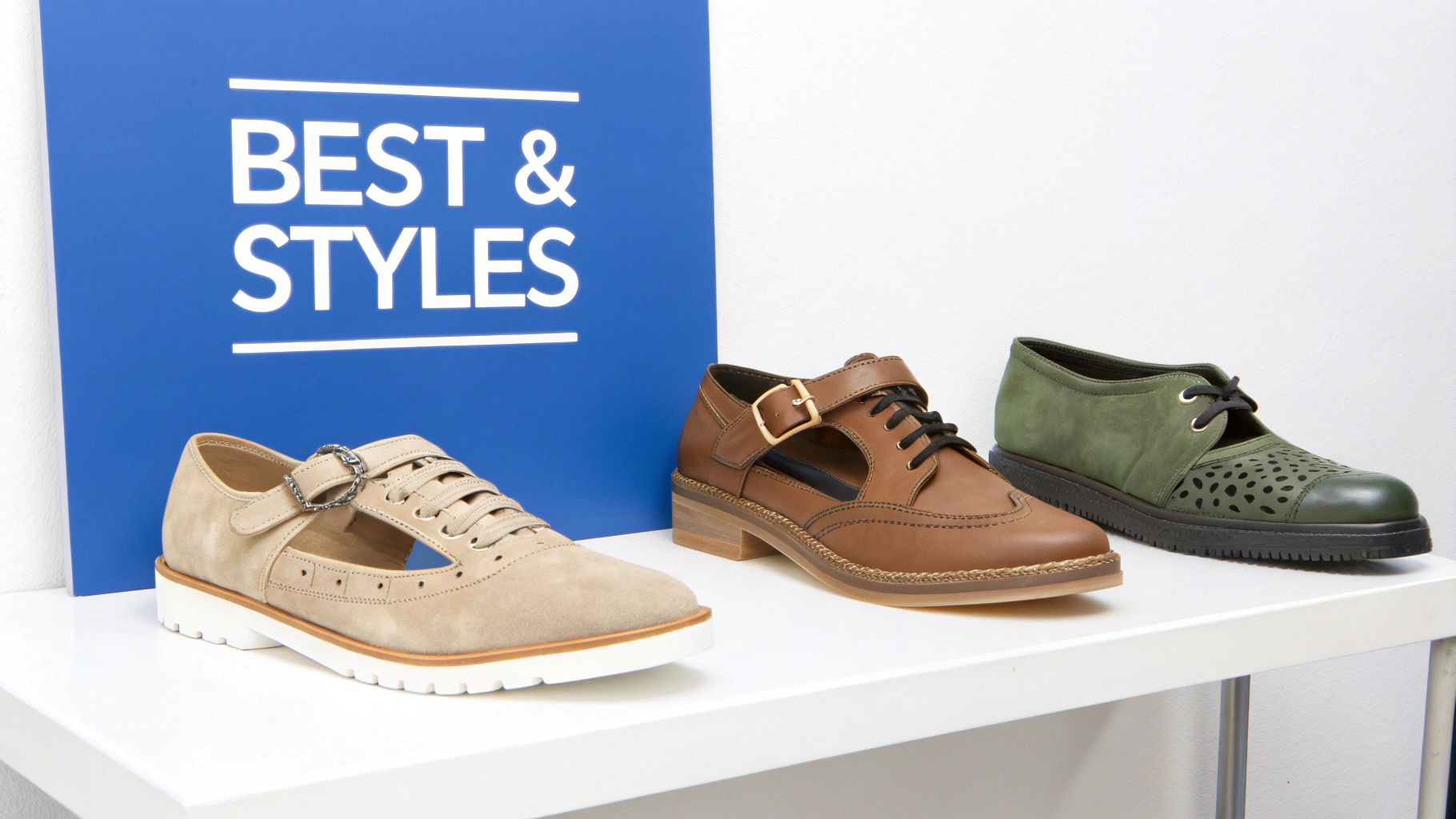
Styles That Embrace a Narrow Foot
Some silhouettes are just made for us. Their designs are built around security and a customizable fit, making them a fantastic starting point when you're on the hunt for that perfect pair.
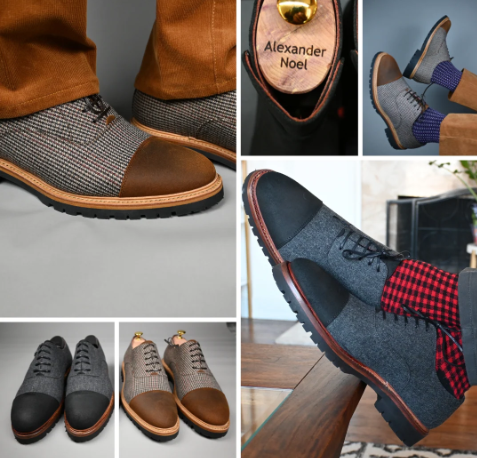
- Lace-Up Oxfords and Brogues: These are probably the MVP for narrow feet. The lacing system isn't just for show; it lets you pull the shoe snugly across your instep, killing any gapping and keeping your foot locked against the heel.
- Mary Janes with Adjustable Buckles: That strap is more than a cute detail. It’s a functional anchor that stops your foot from sliding forward. Just make sure the buckle is the real deal and not just for decoration.
- T-Strap Heels and Sandals: Much like a Mary Jane, the T-strap adds an extra point of security. It holds your foot in place both across the instep and vertically, which means way more stability, especially in heels.
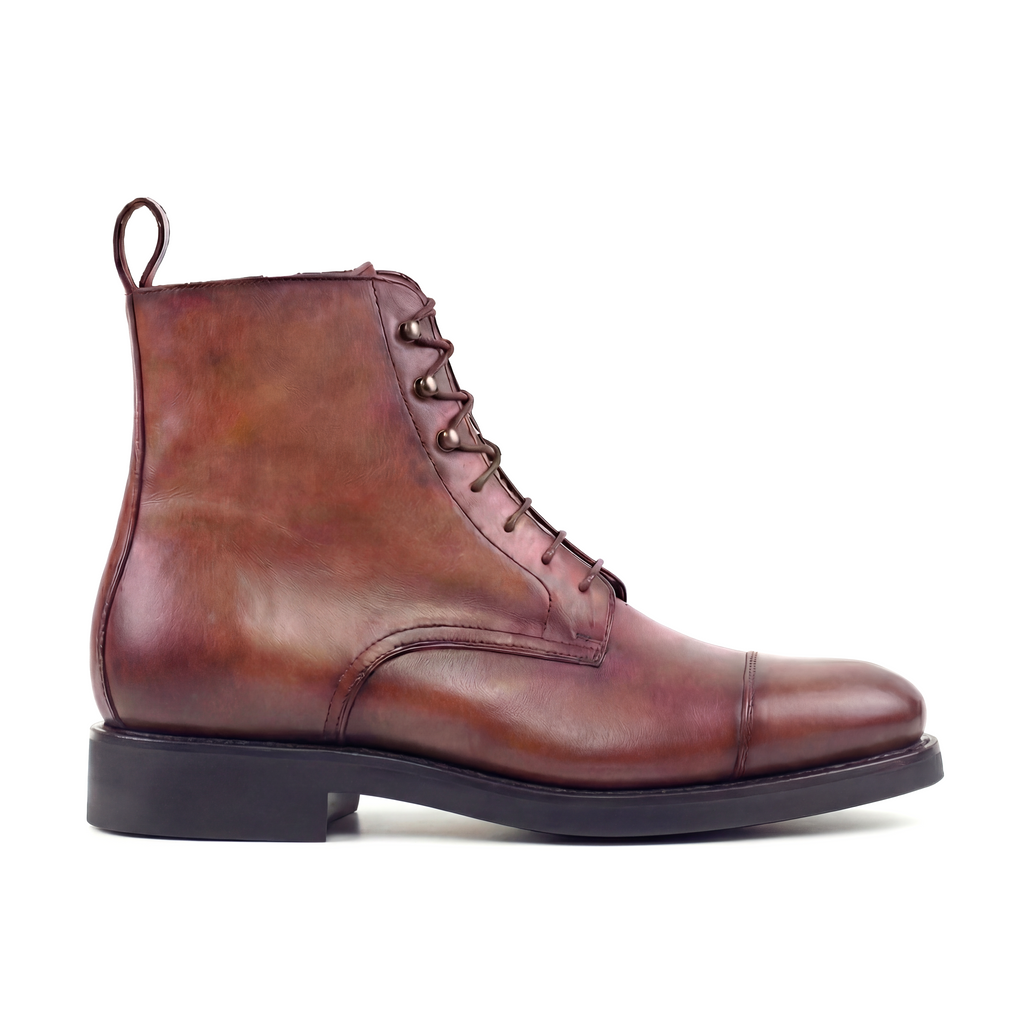
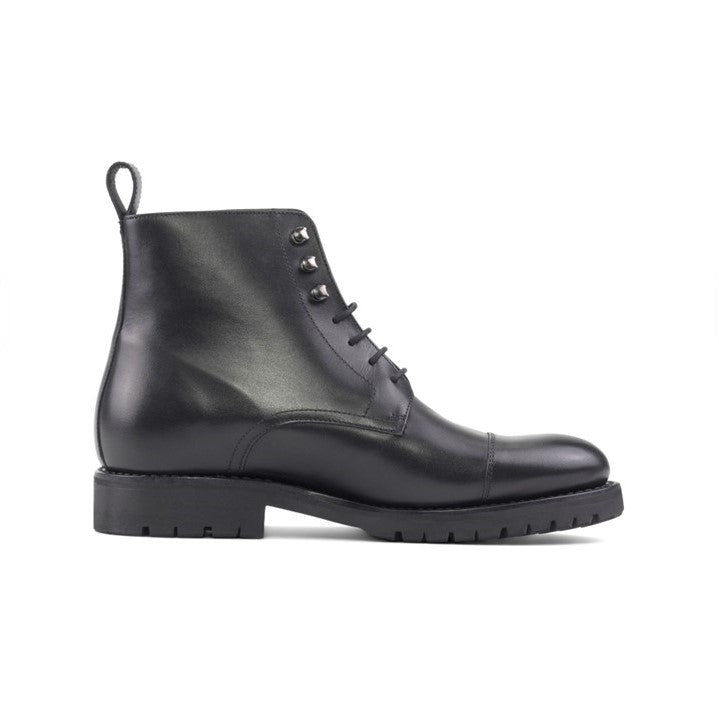
- Ankle Boots with Laces or Zippers: Boots that hug the ankle are a great choice. A lace-up boot gives you the most control over the fit, but a well-designed zippered boot can also provide that snug, secure feeling.
These styles put the power back in your hands. You're not just hoping a shoe fits; you're actively making it fit.
Designs That Often Cause Problems
On the flip side, some styles offer practically zero adjustability. They might look great on the shelf, but they are often the main culprits behind heel slippage and general discomfort because they rely on a generic shape to hold your foot.
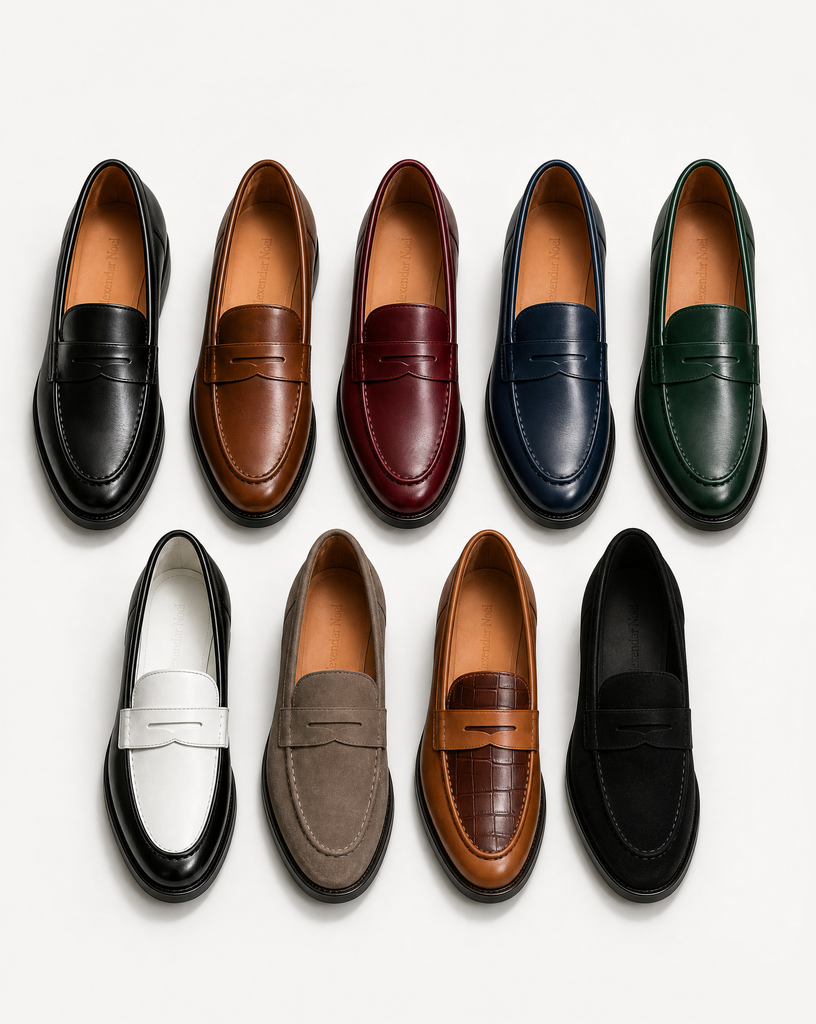
Think about classic slip-on loafers or those soft, unstructured ballet flats. They have no mechanism to secure your foot. If the shoe's last—the 3D mold it was built on—isn't a perfect match for your foot's volume, slippage is pretty much guaranteed. The same goes for open-sided mules or backless styles that force your toes to do all the work just to keep the shoe on.
A quick tip on toe boxes: A big, roomy square toe box can feel like a cavern on a slender foot, letting it slide right forward. Try opting for a slightly tapered almond or a classic round toe. It can give you a more contained, secure fit without cramping your toes.
The Power of a Secure Heel Counter
Beyond the overall style, you need to get familiar with the heel counter. This is the small, structured piece inside the back of the shoe that cups your heel. For narrow feet, a firm, well-made heel counter is essential for stopping that dreaded slippage.
When you're trying on shoes, give the back of the heel a squeeze. It should feel sturdy, not flimsy or collapsible. That structure is what grips your heel, and for women with narrow feet, a snug-fitting heel counter is completely non-negotiable. This is where quality craftsmanship really makes a difference.
Knowing how different designs work with your foot shape is a huge step toward building a wardrobe of comfortable designer shoes for women that you actually love to wear. By focusing on styles with adjustability and solid structure, you can finally stop relying on temporary fixes and start enjoying shoes that feel as incredible as they look.
Mastering The Art Of The Perfect Fit With Smart Adjustments
Finding the right style and size is a huge victory, but the final touches are what elevate a good fit into a truly perfect one. Think of this next step as fine-tuning your footwear. A few strategic adjustments can resolve minor issues, turning a nearly perfect shoe into one that feels completely molded to your foot.
These small additions aren't about compensating for a bad fit; they're about personalizing an already well-chosen shoe. With the right tools, you can eliminate that last bit of slippage and ensure your foot feels secure and supported all day long.
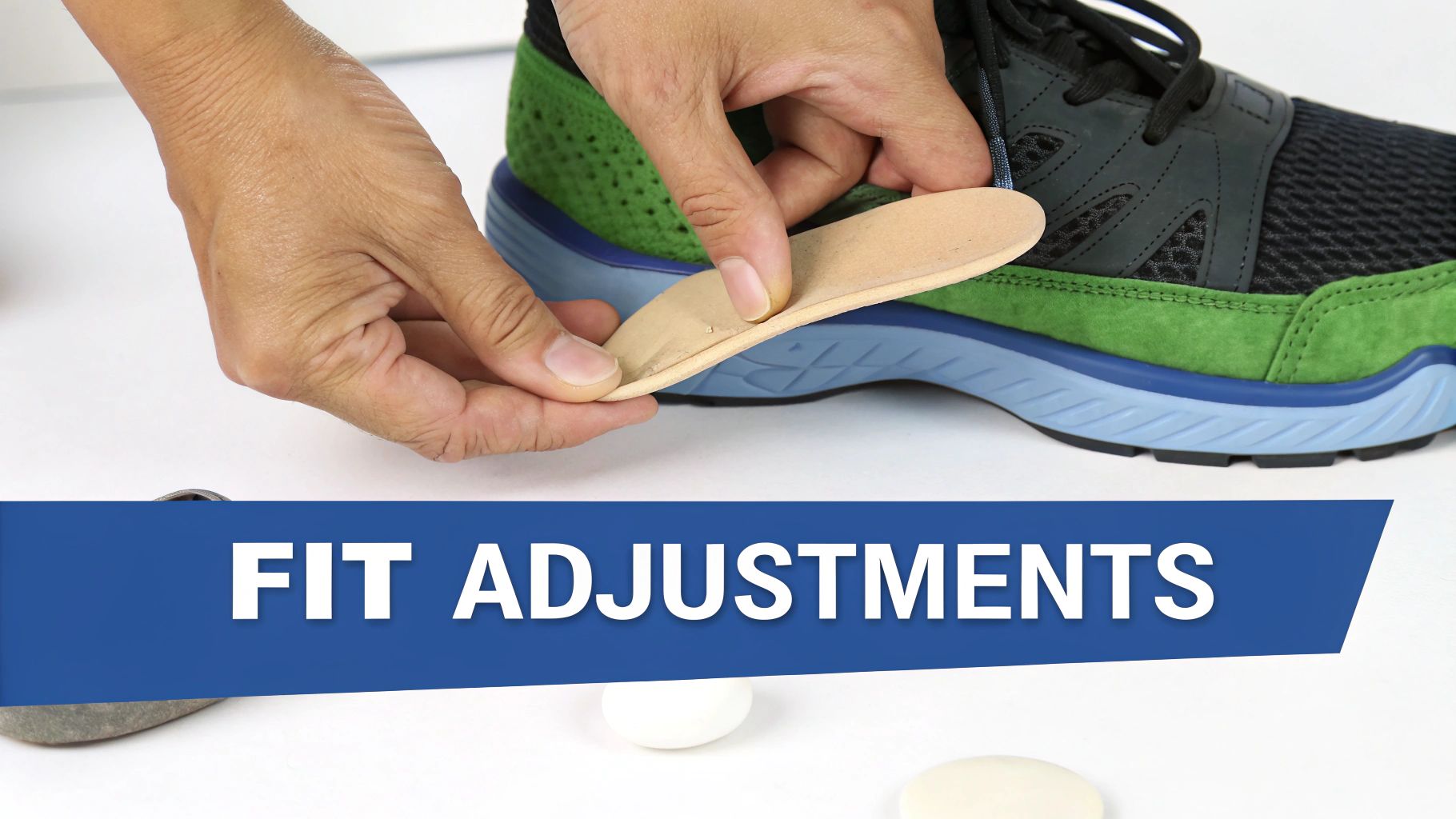
Your Toolkit For A Custom-Feel Fit
Mastering a few simple additions can make a world of difference. These tools are your best friends for adding security and comfort, especially in shoes that are just a fraction too roomy.
- High-Quality Insoles: The primary job of an insole for narrow feet is to take up excess volume inside the shoe. A slim, full-length leather or foam insole can lift your foot just enough, creating a snugger feel all around without cramping your toes.
- Silicone Heel Grips: These are miracle workers for stopping heel slippage. Placed on the inside back of the shoe, they provide a tacky surface that gently holds your heel in place, preventing the friction that leads to blisters.
- Tongue Pads: Often overlooked, these small adhesive pads stick to the underside of the shoe’s tongue. They are perfect for loafers or oxfords where you might experience a bit of gaping over your instep, pushing your foot back securely into the heel.
The goal is subtle perfection. Say you're breaking in new loafers and notice some slight gapping. Instead of giving up on them, try a tongue pad first. Our guide on how to break in new shoes has even more tips for making new footwear comfortable right from the start.
The Shoe Last: Why Fit Varies Between Brands
Ever wondered why one brand's size 8 narrow fits you perfectly, while another's feels completely different? The secret is the shoe last. This is the three-dimensional mold that a shoe is constructed around, and it dictates the footwear's entire internal shape—from heel width and instep height to the shape of the toe box.
A shoe's last is its architectural blueprint. Brands that prioritize fit, especially for non-standard widths, develop unique lasts specifically for narrow feet. This is why a dedicated narrow shoe feels fundamentally more secure than a standard shoe with an insole added.
This is exactly why footwear that blends traditional craftsmanship with modern innovation often provides such a superior fit. The attention paid to the last's geometry is a hallmark of quality shoemaking, ensuring the final shoe truly contours to a specific foot type.
Smart Adjustments Versus a Fundamental Mismatch
While these tools are fantastic, it's crucial to know their limits. They're designed to refine, not rescue. If you're dealing with significant gapping or your heel is popping out with every step, the shoe is likely too wide at a fundamental level. No amount of padding can fix that.
The growing demand for better-fitting footwear is reshaping the market. In premium categories, brands are seeing sales of narrow options boost their revenue by 12% in Europe and North America. This is driven by the reality that women with narrow feet (often an AA width) face slippage in 60% of standard shoe purchases, creating a huge demand for specialized fits.
Ultimately, a perfect fit begins with a well-made shoe. When your shoe, your foot, and any smart adjustments work in harmony, you achieve a level of comfort that feels truly personalized. This deep understanding of fit and personalization is what inspires the detailed work we do in our Design Lab, where customization is built-in from the start.
You’ve measured your feet, you’ve picked the right styles, and you’ve even mastered the art of smart adjustments. For many women, that's enough to find a great fit right off the shelf.
But for some, the search for a truly comfortable shoe remains a frustrating journey, even with the best strategies. This is the point where custom footwear stops being a luxury and becomes a practical, necessary solution.
If you find that insoles and heel grips just feel like temporary patches on a problem that won’t go away, it might be time to think bespoke. Standard manufacturing simply can't cater to every unique foot shape, and that's okay. The key is recognizing when you've hit the limits of what retail can offer and taking the next step toward lasting comfort.
Identifying the Need for a Bespoke Approach
So, how do you know you've crossed the threshold into custom territory? Certain fit challenges are more than minor annoyances—they're fundamental mismatches between your foot and mass-produced footwear. These are clear signs that you need a shoe built for you, not one you have to force to fit.
Consider these scenarios as clear indicators that a custom solution might be your best bet:
- Exceptionally Narrow Feet: If your width is an AAA (3A) or even narrower, your ready-to-wear options shrink dramatically. A custom shoe is built on a last that perfectly matches your slender proportions from the start.
- Significant Size Difference Between Feet: It’s common to have slight differences, but when you're dealing with a half-size or more, one shoe will always be either too tight or too loose. Custom shoemaking crafts each shoe to the exact measurements of the individual foot.
- Unique Foot Shapes or Conditions: Things like prominent bunions, high insteps, or unusually low-volume feet often need more than standard sizing can provide. A bespoke process is designed to accommodate these specific contours.
A custom shoe isn't about extravagance; it's about solving a functional problem. It's an investment in your daily comfort, posture, and long-term foot health, providing a solution where standard options fall short.
When you're facing these kinds of persistent issues, getting a professional opinion can be invaluable. For an expert assessment, you might consult with a specialist like South Florida Podiatry.
The Art of Co-Creating Your Perfect Shoe
This is where the magic of our direct-to-consumer model really shines. We believe creating the perfect shoe should be a collaborative, educational, and accessible experience. Through our Design Lab, we bridge the gap between timeless craftsmanship and modern personalization, inviting you right into the creation process.
Our philosophy is simple: it's a partnership between you and our global network of artisans. Instead of settling for what’s available, you get to co-create a shoe that solves your specific fit problems from the ground up. This goes way beyond just picking colors and materials; it’s about building a shoe around your foot’s unique architecture.
The process merges centuries-old shoemaking techniques with clear, intuitive technology. You can interactively design your shoe, choosing from premium materials sourced by our experts and specifying the details that matter most to you. This dialogue between tradition and innovation ensures the final product is not only beautiful but also biomechanically correct for you. To see more on this, you can explore the art of bespoke shoes for women in our detailed guide.
Choosing custom footwear for narrow feet is the final step in taking control of your comfort and style. It’s a declaration that you will no longer compromise. By working directly with artisans who understand the nuances of fit, you can finally own a pair of shoes that feels less like an accessory and more like a natural extension of yourself. This is the ultimate solution for the woman who has tried everything else and is ready for a perfect fit, without exception.
Your Questions About Narrow Feet Answered
We’ve walked through a lot of ground together, from figuring out your true size to picking styles that actually work. To tie it all together, let’s tackle some of the most common questions we hear from women struggling to find that perfect-fitting shoe. Think of this as a quick cheat sheet to keep you on the right track.
If a Shoe Is Labeled Slim Does That Mean It Is for Narrow Feet
This is a big one, and a classic marketing trap. More often than not, "slim" is an aesthetic description—it's about a shoe's sleek profile, not its internal volume or fit. It doesn’t mean the shoe is actually built for a narrow foot.
For a true narrow fit, you need to look for official width designations like A, AA (sometimes written as 2A), or a brand that specifically calls out a 'Narrow' fit. A genuine narrow shoe is made on a different last (the foot-shaped mold), meaning the entire shoe, from heel to toe, is less voluminous. A so-called 'slim' shoe is usually just a standard medium-width shoe that's designed to look streamlined.
Can I Just Size Down in a Regular Shoe to Fit My Narrow Feet
While it sounds like a clever hack, this is probably the most common mistake people make, and it can lead to some serious foot pain down the road. When you size down for width, you’re squishing your foot into a shoe that’s simply too short.
This almost always leads to cramped toes, which is a recipe for blisters, hammertoes, or even bunions. Just as important, the shoe's built-in arch support will be in the wrong spot, leaving your foot unsupported and strained. The golden rule is simple: always get the length right first, then find the proper narrow width.
A shoe that is the wrong length, even if the width feels right, will never be truly comfortable. Correct arch placement and adequate toe room are non-negotiable for foot health and all-day comfort.
Are Certain Materials Better for Narrow Feet
Absolutely. A shoe’s material has a huge impact on how securely it fits, especially as you wear it over time. Think structure. You want materials that provide support and hold their shape.
- Best Choices: High-quality, full-grain leather and suede are your allies. They're structured enough to hold your foot snugly but will also gradually mold to its unique shape without overstretching.
- Use with Caution: Be wary of super soft, unlined leathers or fabrics with a lot of elastic. They might feel great at first, but they tend to lose their shape quickly, which only makes gapping and heel slippage worse.
Choosing a more structured material means your shoes will offer consistent support from day one to day one hundred.
How Do I Know If My Heel Slippage Is a Real Problem
A little bit of lift in a brand-new, stiff shoe like a leather loafer can be normal as you break it in. But there's a definite line between a little movement and a bad fit.
It's a real problem if your heel pops completely out of the shoe with every step. Another dead giveaway is if you find yourself clenching your toes to keep your shoes on—that’s your foot working overtime to compensate for a poor fit. A good shoe should feel secure without you even thinking about it. If you’ve tried heel grips and there’s still major slippage, that’s your sign: you definitely need a narrower width.
At Alexander Noel, we don't think finding the perfect fit should be a game of compromise. Our direct-to-consumer model and interactive Design Lab let you co-create a shoe that is meticulously crafted by global artisans, made exactly for you. It's time to stop the frustrating search and start designing the ultimate solution for your narrow feet.
Explore the Alexander Noel Design Lab and create your custom pair now.
Related post
19
Sep
19
Sep
19
Sep
19
Sep
19
Sep
