

RECENT POSTS

29.August.2026
Custom Women's Boots for Fall: Choosing Between Two Black Chelsea Silhouettes
0 Comments














How to Remove Scuff Marks and Restore Your Custom-Made Shoes
Scuff marks are an inevitable part of life, no matter how carefully you step. But a scuff on a pair of shoes you’ve personally designed—a piece of wearable art brought to life by our global artisans—can feel particularly frustrating. The good news is that these marks don’t have to diminish the beauty of your investment.
Restoring your footwear is an art in itself, a delicate process that honors traditional craftsmanship. It’s less about aggressive scrubbing and more about pairing the right technique with the unique material of your shoe. For the rich, supple leathers we use, a touch of color-matched cream polish often works wonders. For delicate suede, a much gentler approach with a specialized eraser and brush is essential.
The golden rule of shoe care is to always begin with the mildest method and test any product on an inconspicuous area first. This simple act of patience ensures you protect the integrity of your handcrafted footwear.
A Guide to Flawless Footwear
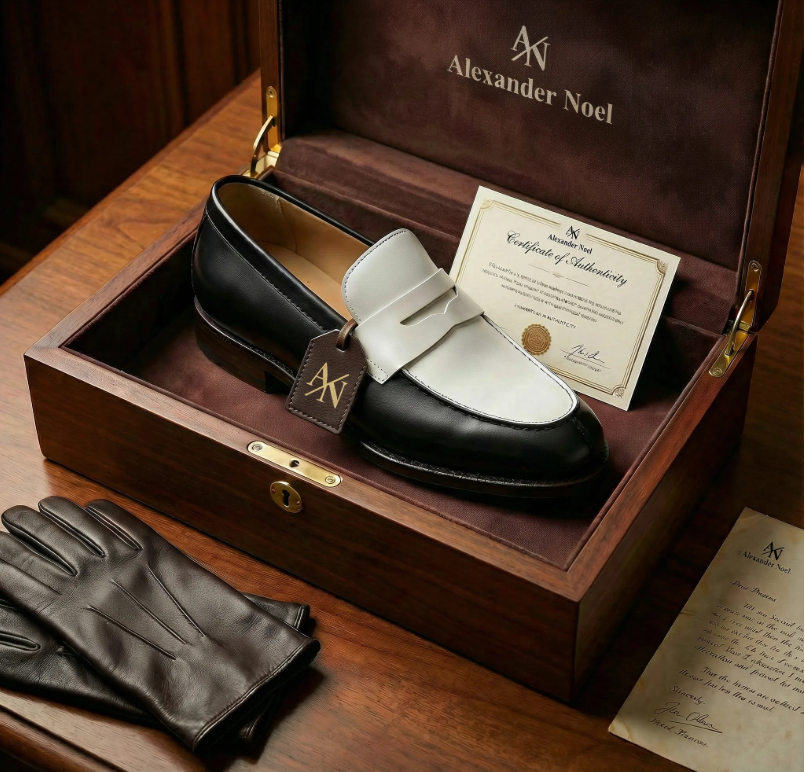
When you invest in handcrafted footwear from Alexander Noel, you're not just buying a pair of shoes—you're commissioning a piece of personal artistry. Each pair, whether a bespoke dress shoe or a custom sneaker from our Design Lab, is a testament to meticulous skill and modern innovation. Seeing a scuff mark can be disheartening, but learning to care for them is part of the ownership experience, connecting you to the artisan's craft.
This guide demystifies shoe care, transforming it from a chore into a rewarding ritual. We'll explore why the unique materials chosen in your design process require a specific, thoughtful approach.
- Supple Leathers: These premium materials require nourishment to restore their deep color and lustrous finish.
- Delicate Suedes: A dry-first technique is crucial to protect the soft, velvety nap that gives suede its luxurious feel.
- Modern Sneaker Soles: Engineered for durability, these can often handle more robust cleaning methods to maintain their crisp look.
With a little knowledge, you can confidently address any scuff and keep your custom footwear looking as impeccable as the day it arrived. For a comprehensive overview of maintenance, explore our ultimate shoe care guide. Mastering these techniques is the best way to honor the artisan's work and protect your personalized investment for years to come.
Restoring The Finish On Leather Shoes
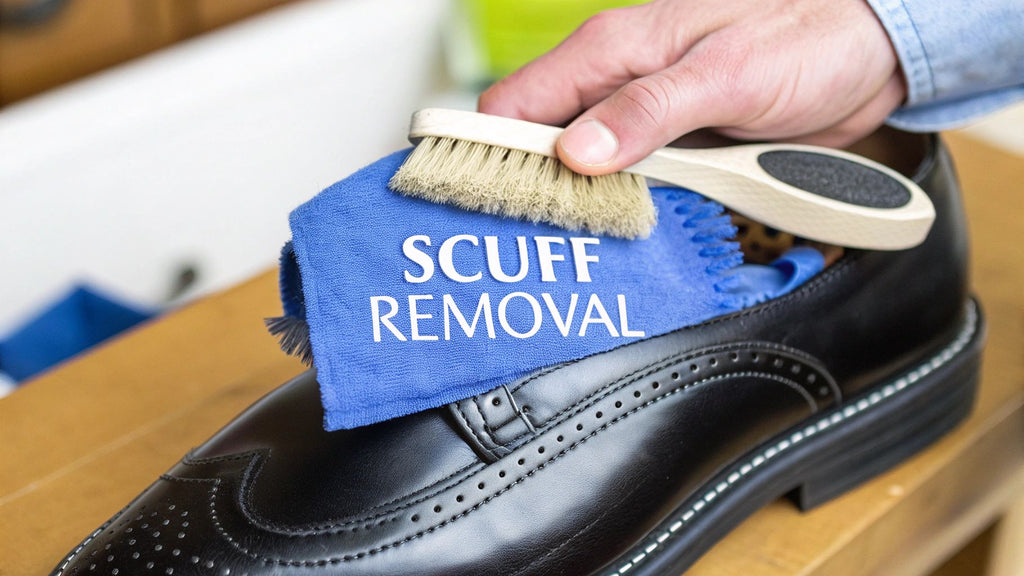
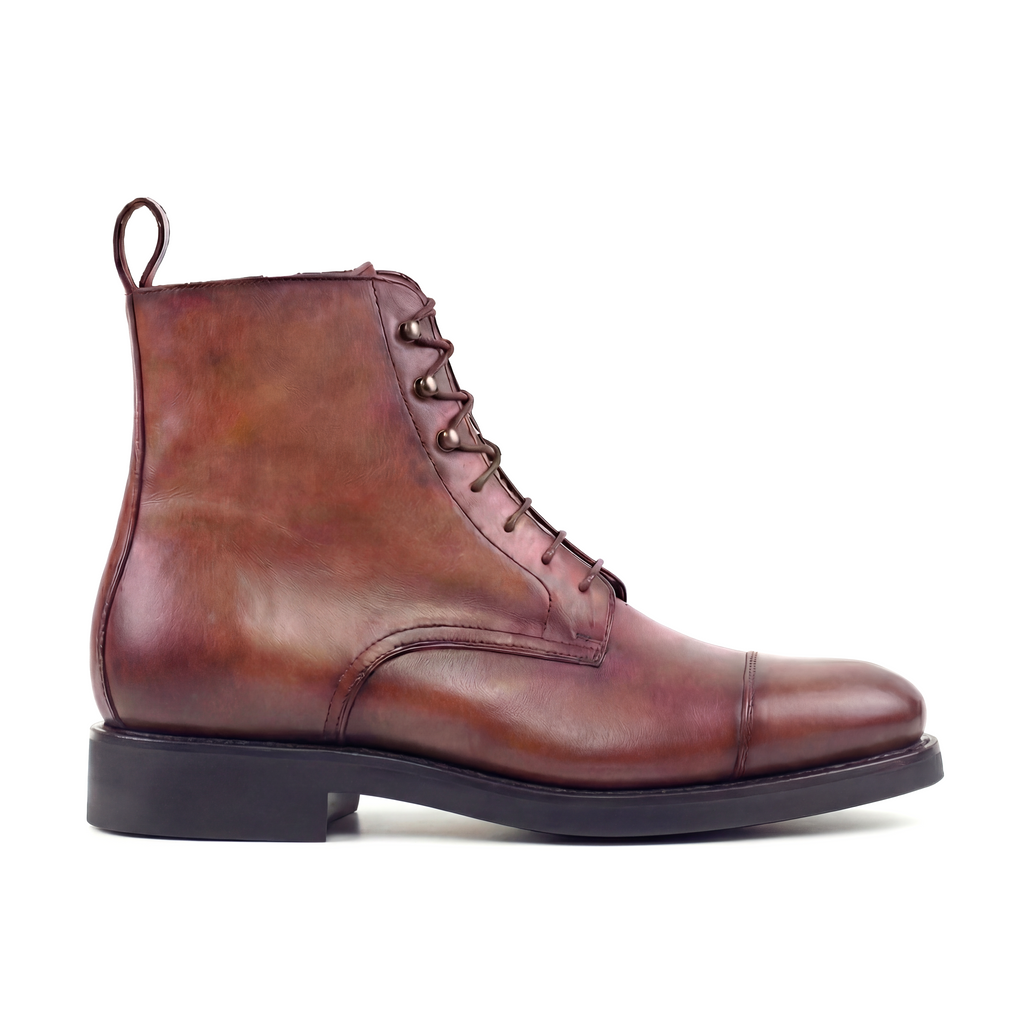
Whether it's a pair of bespoke dress shoes or your favorite custom-made boots, leather is the heart of classic footwear. When a scuff mark appears, removing it isn't just about cleaning—it's about preserving the artisan craftsmanship infused into every stitch. The right approach depends on the severity of the mark, but always begin with the gentlest method.
For minor surface transfers, such as a light brush against a painted wall, you can often lift the mark with a clean, damp microfiber cloth, rubbing gently in a circular motion. If that doesn't suffice, it’s time to introduce a product specifically formulated to protect the integrity and finish of fine leather.
Choosing Your Method
Before applying any cleaner or polish, it is essential to test the product on a hidden area of the shoe, like the tongue. This non-negotiable step ensures it won’t discolor or damage the unique finish of your custom footwear. For more stubborn or deeper marks, a high-quality, color-matched cream polish is your most valuable ally.
A premium cream polish offers dual benefits that wax alone cannot:
- Its pigments help fill in the scuffed area, seamlessly blending the color back to its original, rich state.
- Its conditioning agents nourish the leather, preventing it from drying out while adding a protective layer against future incidents.
This flowchart breaks down the process, helping you move from identifying the scuff to getting your shoe's finish back to pristine condition.
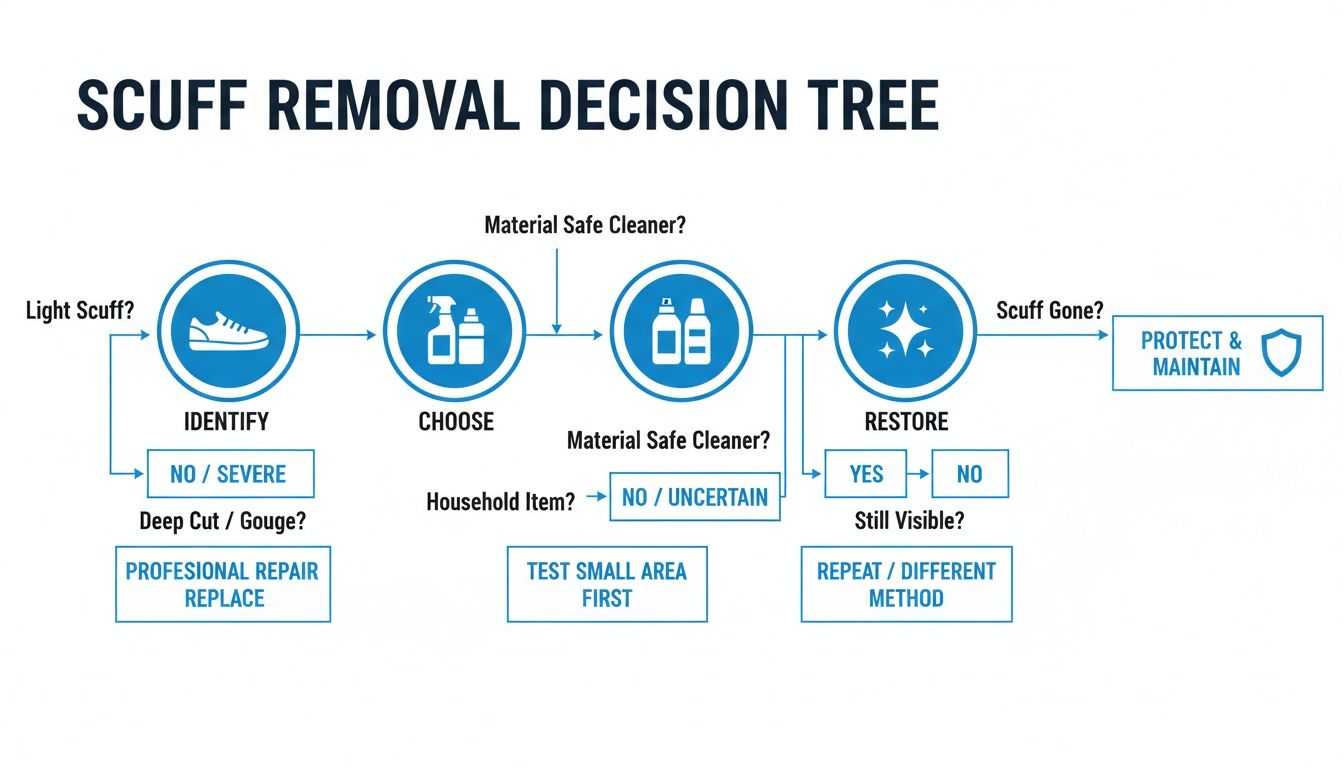
The key takeaway is to use a tiered approach. Start with the least invasive technique and only escalate if necessary. This is the secret to preserving your leather for the long haul.
To help you decide which path to take, here’s a quick reference table.
Leather Scuff Removal Methods at a Glance
| Scuff Severity | Recommended Tool | Technique | Best For |
|---|---|---|---|
| Light | Damp microfiber cloth | Gentle circular rubbing | Surface color transfer, minor marks |
| Moderate | Shoe eraser | Light, targeted erasing motion | Stubborn surface marks, light gouges |
| Deep | Color-matched cream polish | Apply with a soft cloth, buff out | Discoloration, shallow scratches |
| Severe | Leather conditioner & filler | Fill, smooth, then polish | Deeper grooves and gouges |
Ultimately, the goal is to match the tool and technique to the problem at hand, ensuring you don't do more harm than good.
Beyond Basic Maintenance
Proper care for high-end footwear is about protecting a valuable, personalized asset. It’s no surprise the global shoe care market was valued at around USD 4.9 billion in 2023 and continues to grow, especially among professionals who rely on immaculate leather shoes. North America alone accounts for about 34% of that market, with a clear preference for creams and polishes that target scuff removal.
The objective is not merely to conceal damage but to actively restore the leather. By nourishing the material with a quality cream polish, you extend the life and beauty of your bespoke footwear, honoring the artisan's original craftsmanship.
Many of these careful restoration principles apply to other surfaces, too. You can find some overlapping ideas in these quick DIY fixes for minor scuffs and scratches. And for a more in-depth look at boot care, our guide on how to clean leather boots has plenty of extra tips.
Gently Cleaning Suede and Nubuck
Suede and nubuck offer a soft, velvety texture that exudes an air of approachable luxury. But that delicate surface, known as the nap, requires a completely different care philosophy when scuffs appear. You cannot simply polish them away as you would with smooth leather.
The most important rule? Work dry. Moisture is the enemy of suede, as it can lock in stains and permanently ruin that signature texture our artisans work so hard to perfect.

The Right Tools and Techniques
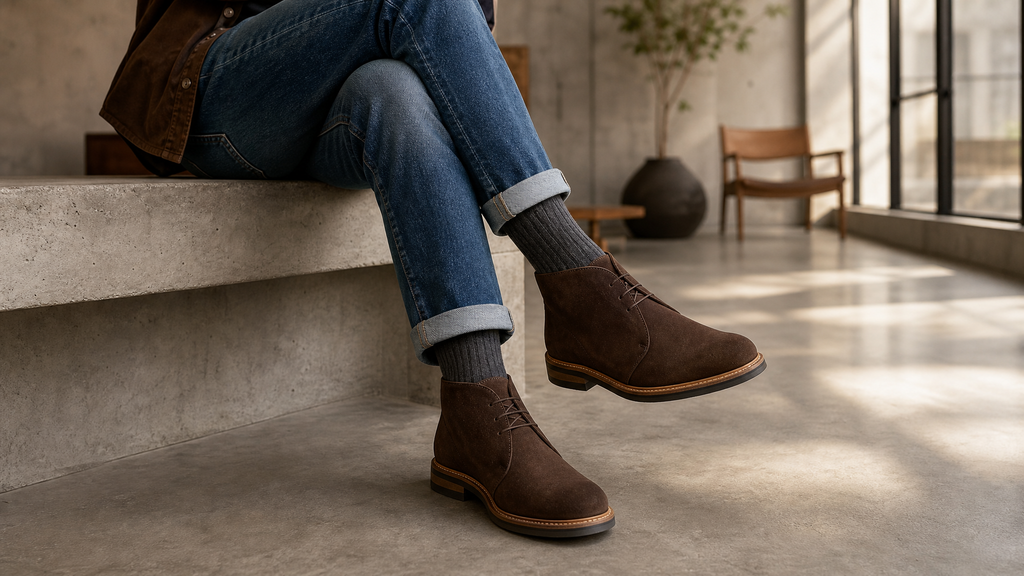
Your essential tools should be a dedicated suede brush and a cleaning eraser. These are fundamental for keeping your bespoke boots or favorite custom sneakers looking sharp. For minor, everyday scuffs, begin by brushing the spot in one direction. This lifts surface dirt and helps reset the nap of the suede.
After brushing, use the suede eraser. Gently rub it over the scuff mark, much like erasing a pencil mark. Use light, even pressure to lift the scuff directly from the fibers. Follow up with another quick pass of the brush to restore the texture. Often, this simple two-step process is all you need.
Pro Tip: Never use water or household cleaners on suede scuffs. They can cause water spots and discoloration, creating a much larger problem than the original mark. Always begin with a dry cleaning method to protect the material's integrity.
For more stubborn marks that an eraser won’t budge, you may need a specialized suede cleaner. The world of shoe care has evolved, and knowing how to remove scuff marks now involves more than just a simple brush. This trend is part of a larger movement, particularly in Europe where shoe care constitutes about 28.1% of the global market. There's a significant demand for premium products, like suede renovators, designed specifically for high-end, personalized footwear.
If you’re dealing with a really tough spot, our detailed guide on how to remove stains from suede walks through more advanced techniques. Using the proper tools and methods is the key to making sure your suede shoes keep that soft, rich feel that makes them special.
Keeping Your Sneaker Soles Box-Fresh
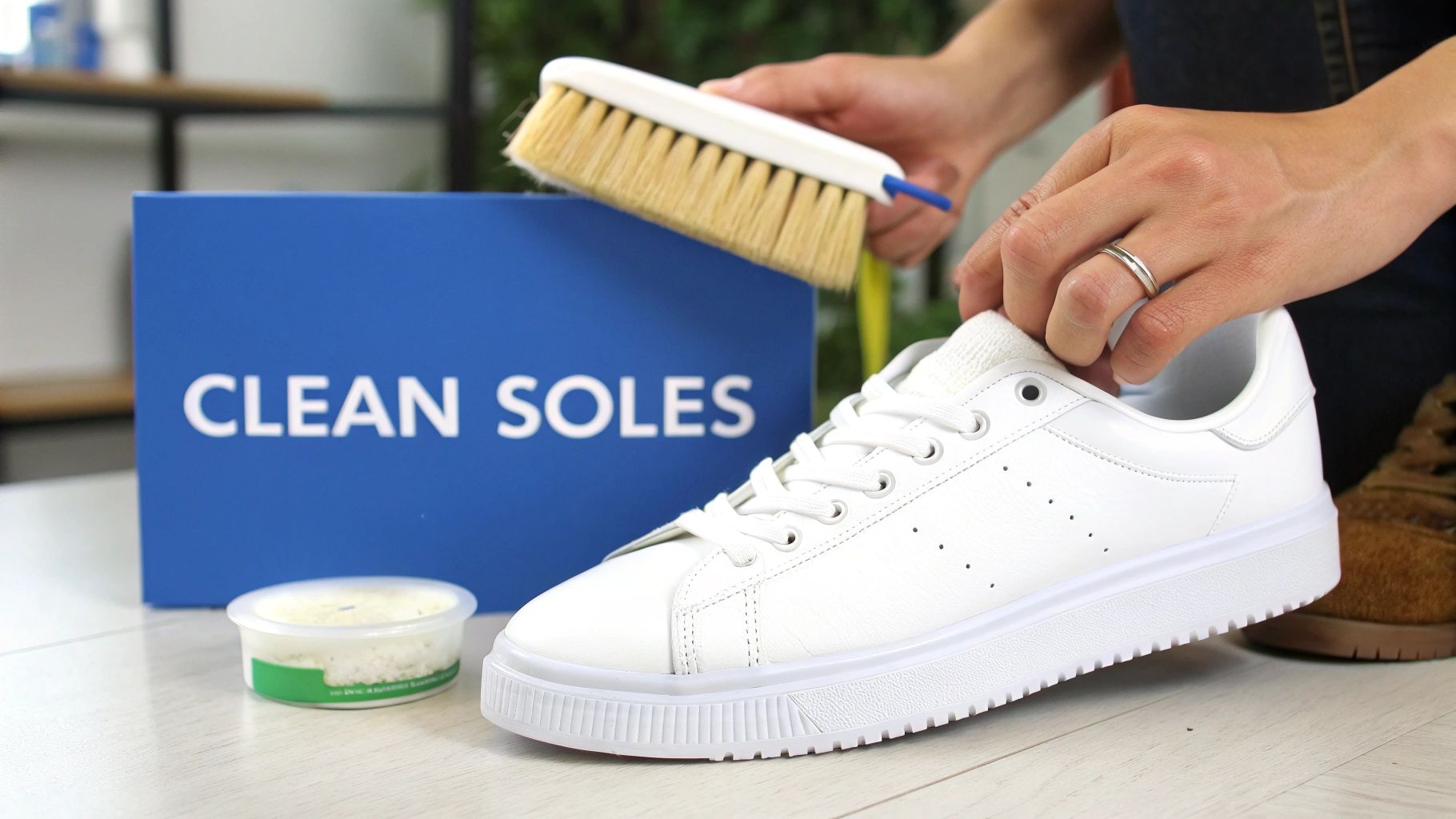
There's nothing quite like the crisp, clean line of a rubber sole on a new pair of sneakers, whether it's a signature feature on our luxury WIRA sneakers or a key component of your own creation from our Design Lab. But those soles are scuff magnets, and a few dark marks can quickly spoil that fresh-out-of-the-box aesthetic. Thankfully, restoring them to pristine condition is simpler than you might think.
For minor, everyday scuffs, a simple paste of baking soda and a little water works wonders. Using an old toothbrush, apply the paste and work it into the marks with a gentle, circular motion. You'll see most light scuffs lift away easily. A quick wipe with a damp cloth, and you're done.
Tackling More Stubborn Marks
When a simple scrub won’t cut it, it's time for a more targeted solution. A magic eraser is fantastic for those stubborn black marks that seem impervious to other methods. Dampen a corner of the eraser and gently rub the scuff until it vanishes. Just be careful to keep it on the rubber and away from the shoe's upper, especially if you're working with delicate leather or suede.
The demand for specialized shoe care products has skyrocketed as sneaker culture continues its global influence. In fact, the U.S. shoe care market hit around USD 1 billion in 2023 and is growing rapidly, driven by products designed for the specific materials used in premium, customizable sneakers. You can dig deeper into these shoe care market trends if you're curious.
Here's a pro tip I swear by: always protect the uppers when you're cleaning the soles. A little masking tape applied right along the edge where the sole meets the shoe is a game-changer. It creates a perfect barrier, so you can scrub away without worrying about damaging the rest of your custom shoe.
Not sure which method to use? Here’s a quick breakdown for getting your soles clean:
- Light dirt & minor scuffs: Stick with the baking soda paste or a bit of soap and water.
- Noticeable black marks: A magic eraser or a dedicated sneaker cleaning solution will be your best friend.
- Protecting delicate uppers: Always use masking tape to section off the rubber sole before you get to work.
Matching your cleaning method to the mess is key. With the right approach, you can keep your custom sneakers looking incredible from top to bottom.
Building Your Essential Shoe Care Kit
To effectively remove scuffs and keep your shoes looking pristine, you need the right tools. Think of your shoe care kit as a personal workshop—each item has a specific purpose to preserve the beauty and integrity of your handcrafted footwear.
This isn’t about acquiring every product available. Instead, it’s about investing in a few high-quality essentials that deliver professional-level results, whether you're caring for bespoke dress shoes or custom sneakers fresh from our Design Lab.
Core Components for Every Collection
The foundation of any serious shoe care kit rests on a few key items versatile enough for almost any material. These are the non-negotiables.
- Horsehair Brushes: You’ll want at least two. Designate one for brushing off loose dirt and a separate one for applying polish. Their bristles are soft enough not to scratch delicate leather but firm enough to be effective.
- Microfiber Cloths: These are your go-to for wiping down shoes after cleaning and for buffing them to a perfect shine. Their gentle texture is safe for any surface.
- Premium Leather Conditioner: A quality conditioner is vital. It maintains the leather's suppleness, preventing it from drying out and cracking over time, thus extending the life of your personalized footwear.
Building a solid kit is about being prepared. When you have the right brush, cleaner, and conditioner ready, you can address a scuff the moment it happens. This proactive approach stops it from setting in and becoming a much larger issue later on.
The logic of building a specialized toolkit applies to more than just shoes. For another take on assembling the right maintenance gear, check out this guide on creating a Car Care Kit: Build Your Essential Tools for a Pro Finish, which shares a similar mindset for achieving professional results.
If you want to go even deeper, our complete guide to curating your own essential shoe care kits has more specific recommendations tailored to different types of footwear.
A Few Common Questions About Scuff Removal
Even with the best guides, a few questions often arise when mastering the art of scuff removal. Getting these nuances right provides the confidence to protect the investment you’ve made in your handcrafted footwear—whether it's a bespoke dress shoe or a custom pair from our Design Lab.
Can I Use Household Products To Remove Scuffs?
It’s tempting to reach for a quick fix from under the sink, but for premium materials crafted with such care, we strongly advise against it.
While some DIY solutions, like a baking soda paste, work well on durable rubber sneaker soles, items like toothpaste or petroleum jelly are off-limits. They contain chemicals and abrasives that can strip color, dry out fine leather, or leave a permanent stain on delicate suede. Always stick with products specifically formulated for footwear to protect the artisan quality of your shoes.
How Often Should I Treat My Shoes To Prevent Scuffs?
Proactive care is always the best strategy. A good defense is the most effective offense against scuffs.
For leather shoes worn regularly, a quick clean and condition every two to four weeks is an ideal rhythm. Applying a quality cream polish not only restores color but also adds a protective barrier that helps repel minor scuffs before they set in.
For suede, applying a protective spray before the very first wear is crucial. Reapply it every few months—especially during wet seasons—and give them a quick pass with a suede brush after each wear to keep the nap clean and resilient.
The goal isn't just to react to damage but to proactively maintain the material's integrity. Consistent care is what preserves the rich color and supple feel that our global artisans craft into every pair.
What If a Scuff Has Removed The Color From My Leather Shoes?
This is a common concern. When a scuff is deep enough to remove the dye, a simple cleaner won't be enough.
This is where a color-matched cream polish becomes your most important tool. These specialized creams contain pigments that fill in the scratched area, restoring the shoe’s original, uniform color. For best results, always test the polish on a hidden spot first—the inside of the shoe’s tongue is perfect—to ensure a perfect match with your custom color.
If you’re dealing with severe color loss on a custom-dyed pair, your safest and most effective option is to consult a professional cobbler.
Ready to create footwear that’s uniquely yours? At Alexander Noel, our Design Lab empowers you to build the perfect pair from the ground up, combining artisan craftsmanship with your personal style. Start designing your custom shoes today.
Related post
12
Sep
12
Sep
12
Sep
29
Aug
