

RECENT POSTS
29.August.2026
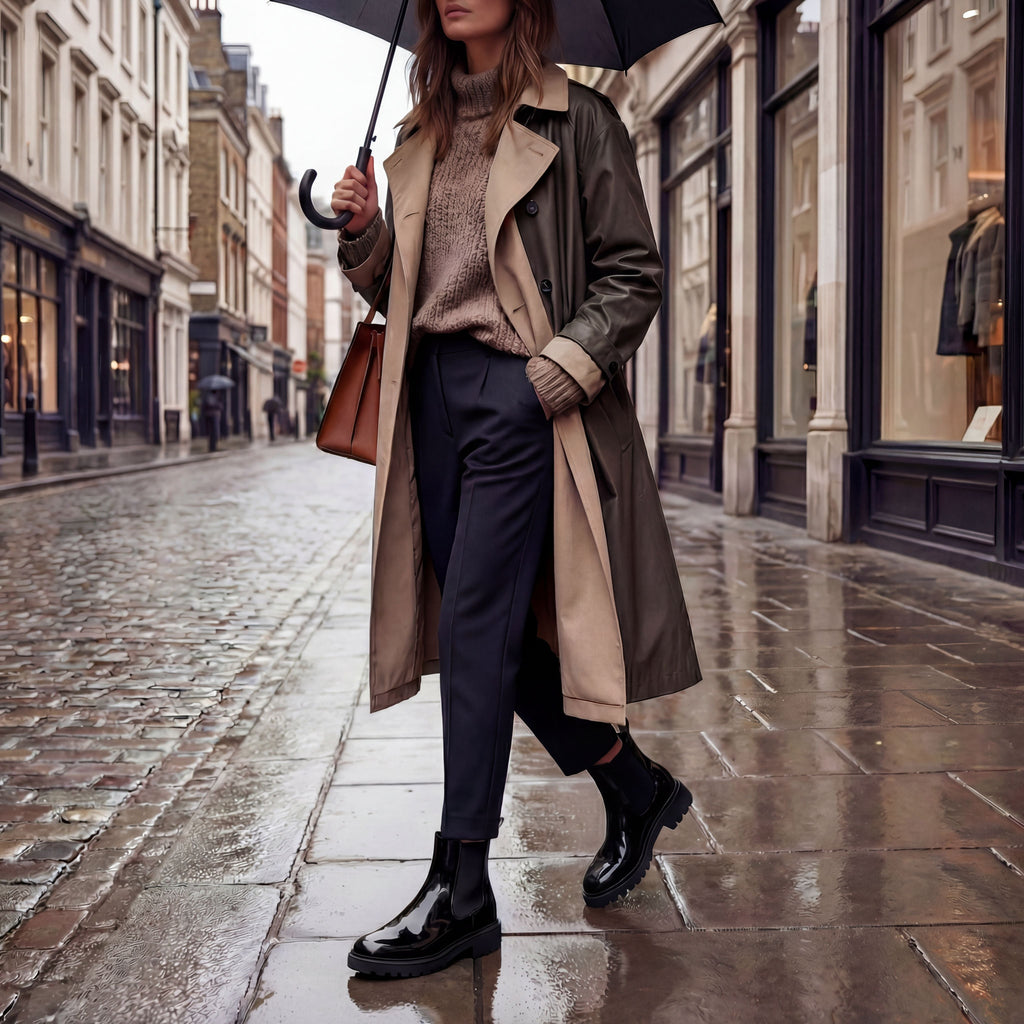
Custom Women's Boots for Fall: Choosing Between Two Black Chelsea Silhouettes
0 Comments
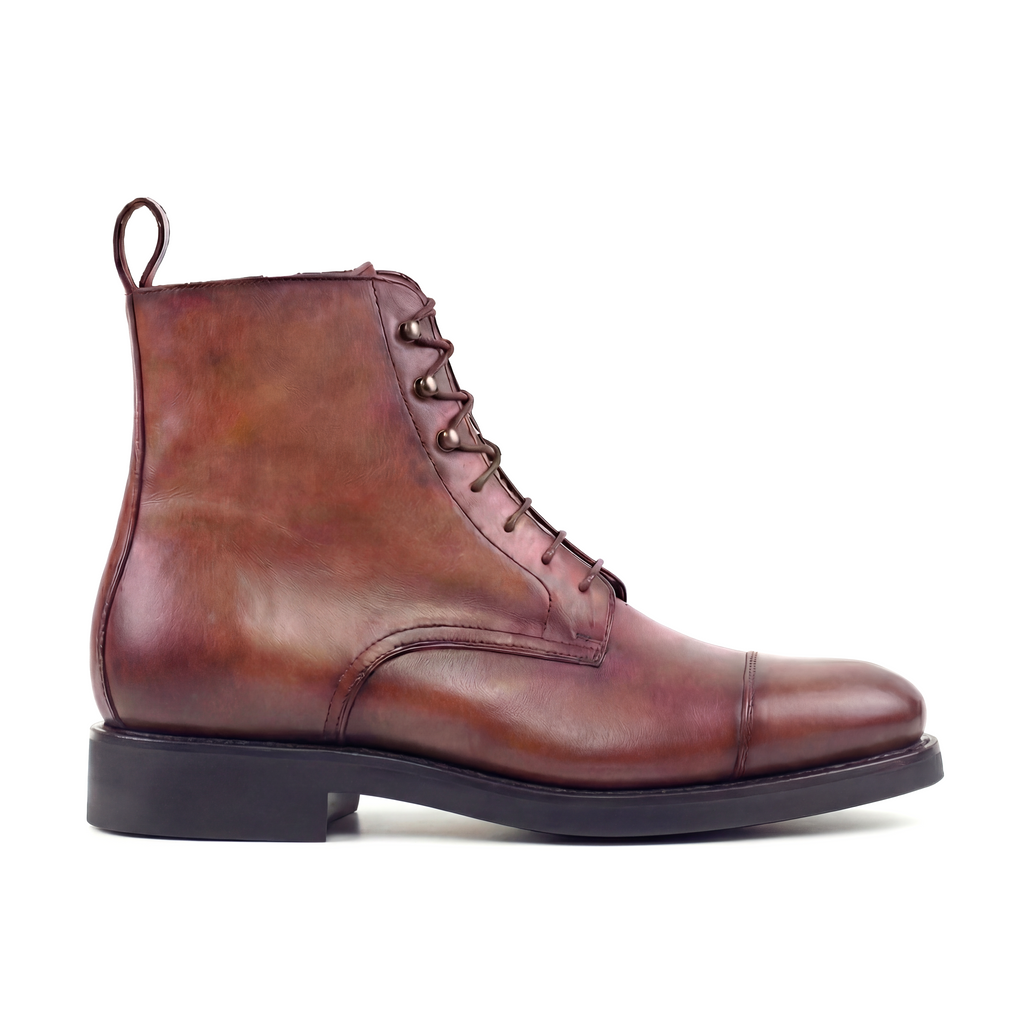
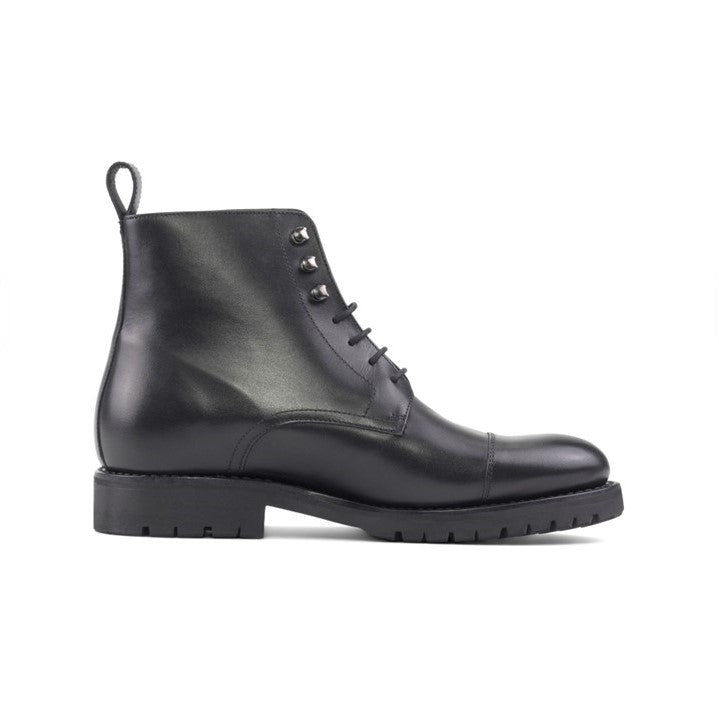
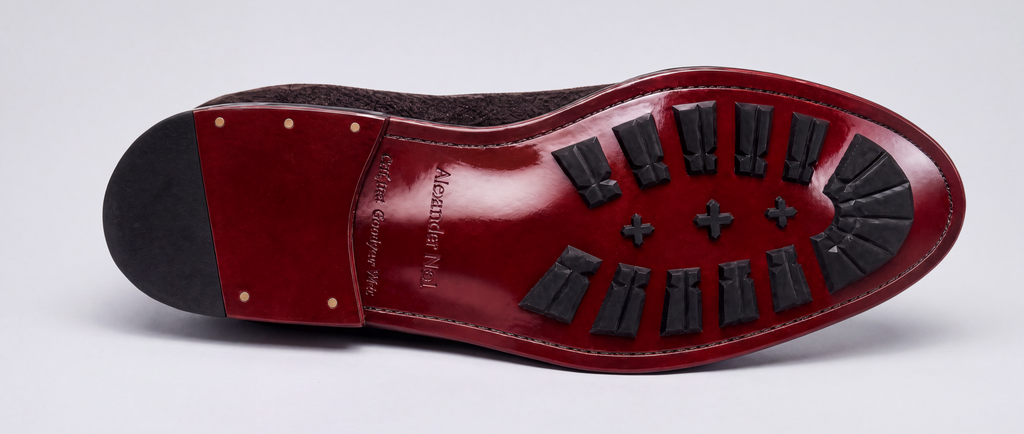
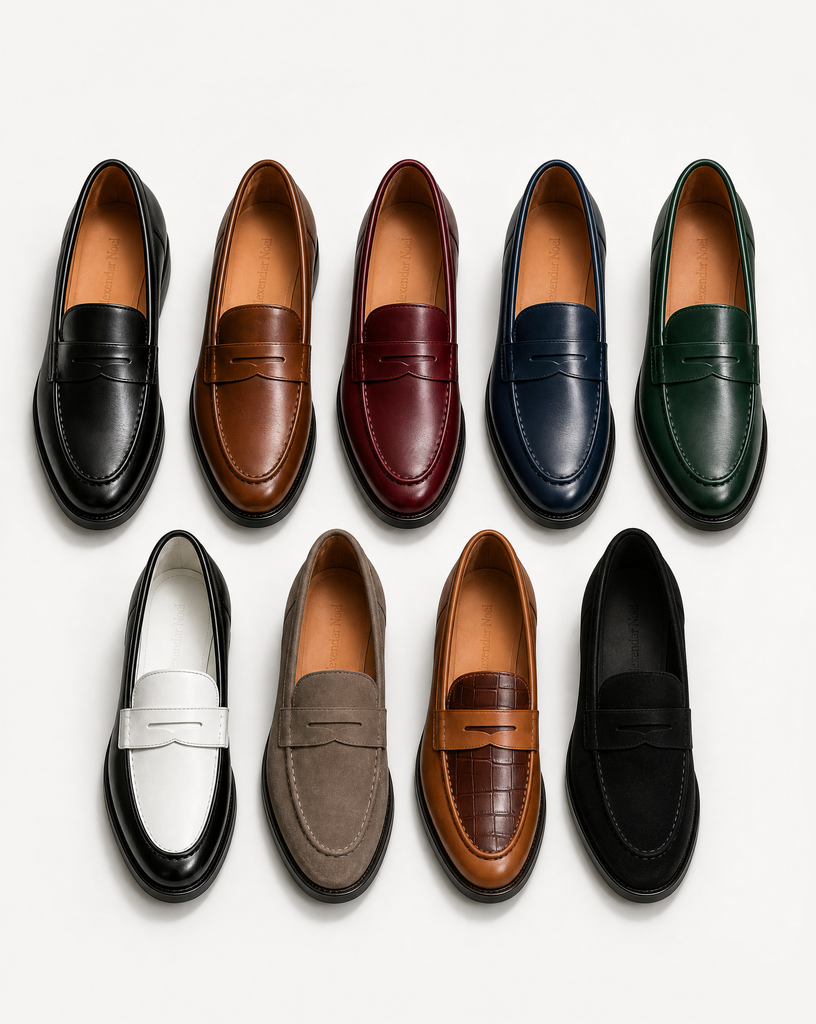



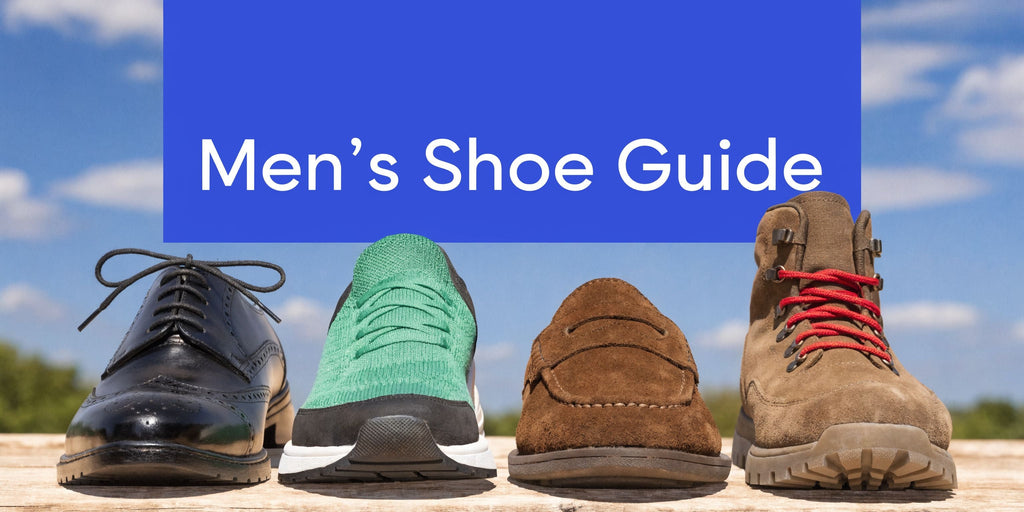
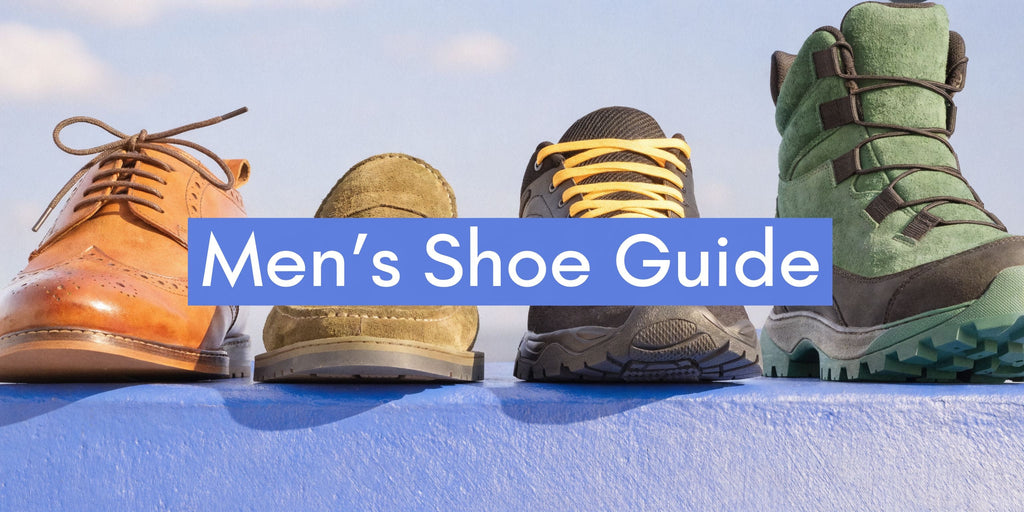


Finding Your Perfect Fit: A Guide to the Best Dress Shoe Brands for Men
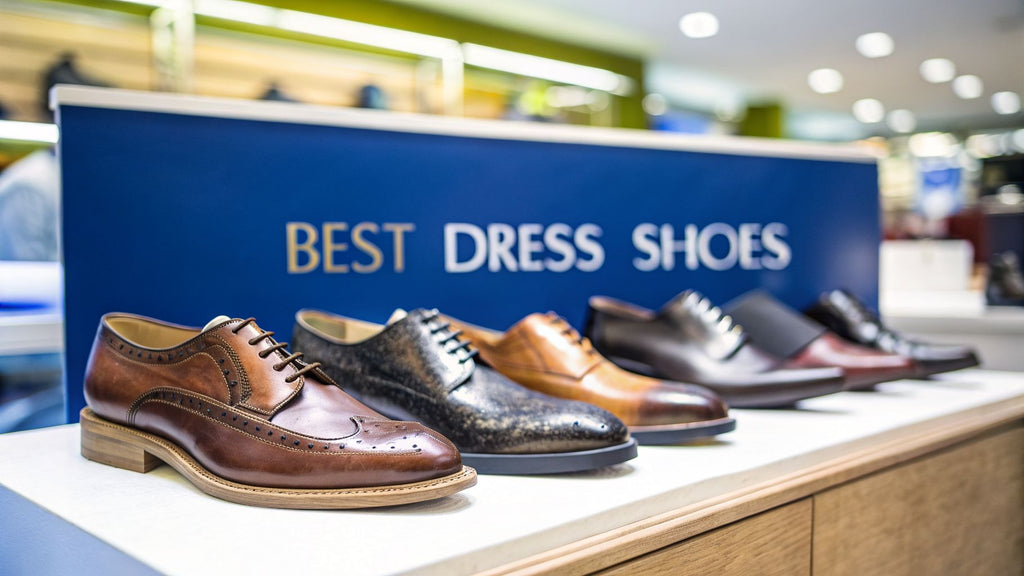
The quest for the best men's dress shoe brands isn't about crowning a single winner. It's about finding the one that perfectly hits the mark for your needs—your fit, your standards for quality, and your personal style.
The real "best brand" is simply the one that delivers on its promise of impeccable craftsmanship and a flawless fit. That could be a storied heritage label or a modern custom shoemaker. This guide is here to empower you, providing the product education you need to see the difference and evaluate footwear like a seasoned pro.
Your Guide to Finding the Perfect Dress Shoe
Stepping into the world of men's dress shoes can feel overwhelming. With a sea of brands all vying for your attention, it's easy to get sidetracked by logos and clever marketing instead of focusing on what actually makes a shoe great.
This guide is designed to cut right through that noise. We're going to empower you to look past the brand name and learn how to judge a shoe by its core components: the materials it's made from, the way it's constructed, and most importantly, how it fits your foot.
The goal here is to shift your mindset from simply buying another product to making a smart, long-term investment. A truly great pair of shoes won't just complete an outfit; it will provide genuine comfort and durability that lasts for years. We'll walk through the key markers of quality that separate a fleeting trend from a timeless wardrobe staple.
What Defines a Top Dress Shoe Brand
When you're trying to identify the best dress shoe brands, it really comes down to a few key pillars. These are the non-negotiables that ensure you're getting real value and longevity from your purchase.
- Impeccable Fit and Comfort: A shoe, no matter how beautiful it looks, is worthless if it hurts your feet. The best brands are obsessed with getting the fit right, which means offering a range of widths or even custom sizing.
- High-Quality Materials: Superior brands build their shoes with premium leathers that don't just last, but actually get better with age. You can learn more about how to spot the good stuff in our detailed guide to leather dress shoes.
- Durable Construction: How a shoe is put together dictates its entire lifespan. Brands that use stitched construction methods are signaling a serious commitment to quality and repairability.
- Personalization and Style: At the end of the day, true style is about expressing who you are. The ability to customize a shoe ensures it's a perfect reflection of your taste, not just another item off a production line.
To give you a clear, at-a-glance framework, we've broken down these essential evaluation points into a simple table. Think of this as your checklist for assessing any brand or shoe you're considering.
Key Dress Shoe Evaluation Criteria
| Evaluation Factor | What to Look For | Why It Matters for You |
|---|---|---|
| Leather Quality | Full-grain or top-grain leather; consistent color; fine, tight grain. | Better leather breathes, molds to your foot, and develops a beautiful patina over time. It's the foundation of a long-lasting shoe. |
| Sole Construction | Goodyear welt, Blake stitch, or Blake-Rapid. Avoid cemented soles for high-end shoes. | Stitched soles are a hallmark of quality. They can be resoled multiple times, dramatically extending the shoe's life and making them a better investment. |
| The Last (Shape) | The overall shape of the shoe (e.g., sleek and narrow, or rounded and generous). | The last determines the entire fit and silhouette. Finding a brand whose lasts match your foot shape is the secret to all-day comfort. |
| Finishing Details | Clean stitching, smooth leather edges, evenly applied dye, and quality hardware. | Small details reveal the level of care and craftsmanship. Sloppy finishing is often a red flag for bigger issues. |
Using these criteria, you can cut through the marketing hype and focus on the tangible qualities that define a truly exceptional shoe.
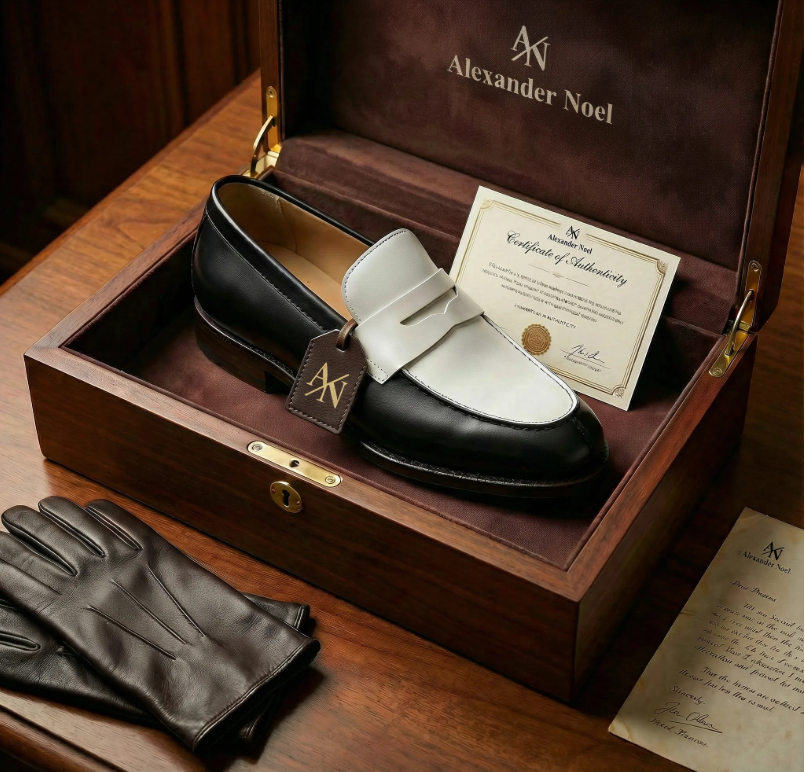
The global demand for high-quality footwear is impossible to ignore. In fact, the men's formal shoe market hit USD 10.86 billion in 2024 and is expected to soar to USD 17.51 billion by 2033. This isn't just a trend; it's a reflection of a worldwide appreciation for lasting craftsmanship. For a classic example from a renowned heritage brand, styles like these Church's Milton Leather Penny Loafers showcase that timeless approach to quality.
Understanding the Anatomy of a Great Dress Shoe
Ever wondered what really separates a $100 shoe from a $1,000 masterpiece? It isn’t just the price tag or a fancy logo. The true difference is woven into the very soul of the shoe, from the quality of the hide to the time-honored techniques used by master artisans.
Our educational approach to footwear empowers you to see past the marketing and recognize genuine, lasting quality. We blend traditional craftsmanship with modern innovation to create something truly special.

This kind of knowledge couldn't be more timely. The men's dress shoe market is seeing a massive resurgence, valued at USD 9.88 billion in 2023 and on track to hit USD 15.3 billion by 2031. This isn't just a trend; it's a clear signal that men are once again appreciating well-made, stylish footwear that’s built to last. You can discover more insights about dress shoe statistics on bestcolorfulsocks.com.
So, let's start at the beginning and break down what makes a truly superior shoe.
The Heart of the Shoe: Premium Leather
First things first: the leather. This single material dictates almost everything—how a shoe looks, how it feels, how it breathes, and, most importantly, how it ages. Not all leather is created equal, and knowing the difference is the first step toward a smart purchase.
Think of it like different cuts of steak. You have your prime, marbled cuts, and then you have the processed, more affordable options.
- Full-Grain Leather: This is the best of the best, straight from the top layer of the hide. It keeps all the natural character and imperfections, which is exactly what you want. Full-grain is incredibly tough and breathable, and over time, it develops a rich patina that makes every pair completely unique.
- Top-Grain Leather: Coming in at a close second, top-grain leather has its surface sanded down to remove any blemishes. This gives it a more uniform look. While it's a little less durable than full-grain, it's still a high-quality material you'll find in excellent footwear.
- Corrected-Grain and Bonded Leather: These are on the lower end of the spectrum. Corrected-grain is heavily processed to hide flaws, and bonded leather is essentially made from leather scraps. They just don't have the durability, breathability, or aging potential of the good stuff.
Key Takeaway: If you see full-grain leather, you're looking at a shoe built to go the distance. It offers unmatched durability and develops a beautiful, personal character that only gets better with wear.
The Foundation: Strong Construction Methods
After the leather, the next most critical factor is the shoe's construction. This is all about how the sole is attached to the upper part of the shoe, and it's where true craftsmanship really shines.
A well-made shoe is like a house built on a solid foundation, designed to be repaired and maintained for decades. A cheap shoe is more like a prefabricated structure—quick to assemble, but impossible to fix when something eventually gives way.
Goodyear Welting vs. Blake Stitching
In the world of quality footwear, two methods stand above the rest: the Goodyear welt and the Blake stitch. They each have their own strengths.
- Goodyear Welt: This is the gold standard for durability. It involves stitching a strip of leather (the "welt") to the upper and insole, and then stitching the outsole to that welt. The result? A tough, highly water-resistant shoe that any good cobbler can resole again and again.
- Blake Stitch: With this method, the outsole is stitched directly to the insole and upper from the inside. This creates a sleeker, more flexible shoe with a closer-cut sole. Blake-stitched shoes are also resoleable, but they aren't quite as water-resistant as a Goodyear welt.
On the other hand, cemented construction—where the sole is simply glued on—is what you’ll find on most budget shoes. It's fast and cheap, but it offers zero path for repair.
Investing in a stitched construction means you're buying a sustainable part of your wardrobe, not a disposable one. To really get into the weeds, you might want to explore the art of shoe construction in our detailed article. Once you understand these core elements, you'll be able to size up any pair of shoes like a seasoned pro.
How to Navigate Different Dress Shoe Tiers
The world of men's dress shoes isn't one giant, confusing marketplace. It’s actually broken down into a few distinct tiers, each with its own balance of quality, materials, and price. Learning to spot the differences is the secret to making your budget and your expectations line up perfectly.
Think of it like buying a car. You've got your reliable, get-you-from-A-to-B models, your performance-focused sedans with better engineering, and then your high-end luxury vehicles built with obsessive craftsmanship. Shoes are no different, and understanding this hierarchy is your roadmap to a smarter purchase.

Entry-Level Shoes
Down at the entry-level, the name of the game is accessibility. These shoes are all about looking sharp for a specific occasion without breaking the bank. For a lot of guys, this is their first step into formal footwear—perfect for that wedding, job interview, or any event where you need to look the part without a huge investment.
The construction here is almost always cemented, which just means the sole is glued straight onto the upper part of the shoe. It’s a fast and affordable way to build a shoe, but the trade-off is that they can't be resoled. The leather is typically corrected-grain or bonded, processed for a uniform, glossy finish but without the breathability and ruggedness of higher-quality hides.
Mid-Tier Craftsmanship
Once you step up to the mid-tier, you're entering the world of genuine craftsmanship and long-term value. This is where you find brands building shoes that are made to last. They’re a favorite for professionals and style-savvy guys who want a dependable, repairable foundation for their wardrobe.
Stitched construction methods like Goodyear welting and Blake stitching become the standard here. These are the hallmarks of a quality shoe because they allow it to be resoled over and over, extending its life for years—sometimes even decades. The leathers get a serious upgrade, too, with full-grain and top-grain calfskin becoming the norm. These shoes deliver a fantastic return on investment, offering lasting style and durable performance.
The Smart Investment: For many, the mid-tier is the sweet spot. You get a massive jump in quality, durability, and comfort without the steep price of luxury brands. It's the most popular segment for a reason.
Artisan and Luxury Tiers
At the very top, you find the artisan and luxury tiers. A pair of shoes from this category is less a piece of footwear and more a work of art. They are often handcrafted by master shoemakers who have poured their lives into the craft. The entire focus is on painstaking detail, the absolute finest materials, and bespoke or made-to-order fits.
Here you’ll find stunning full-grain leathers from world-famous tanneries, hand-burnished patinas, and flawless finishing on every single stitch. The construction is executed to perfection, and the lasts—the forms the shoes are built on—are often sculpted into elegant, distinctive silhouettes. These are shoes for the true aficionado, the person who values heritage and artistry above all else.
Comparing Dress Shoe Brand Tiers
To really see the difference, this quick breakdown shows what to expect at each level.
| Brand Tier | Typical Construction | Common Materials | Expected Lifespan | Best For |
|---|---|---|---|---|
| Entry-Level | Cemented (Glued) | Corrected-Grain Leather | 1-2 Years | Occasional wear, budget-conscious buyers, or trying new styles. |
| Mid-Tier | Goodyear Welt, Blake Stitch | Full-Grain & Top-Grain Leather | 5-15+ Years (with resoles) | Daily professional wear, building a lasting wardrobe, value investors. |
| Artisan/Luxury | Hand-Welted, Goodyear Welt | Premium Full-Grain Calfskin | A Lifetime (with proper care) | Shoemakers who value ultimate craftsmanship and personalization. |
When you know these tiers, you’re in control. Instead of just being drawn in by a logo, you can look at a shoe and understand its real quality, ensuring your money is spent on something that truly fits your life and your goals.
The Alternative: The Power of Customization
So, you've seen what the world of ready-to-wear shoes has to offer. But what if the perfect shoe isn't sitting on a shelf somewhere? What if it's waiting to be imagined and built by you? After running through all the tiers of off-the-rack footwear, one thing becomes clear: even the most expensive brands are selling a standardized product. Custom footwear completely flips that script.
The goal shifts from finding the best shoe you can to creating the perfect shoe, period. This is a whole new level of personalization that no brand, no matter how prestigious, can really offer. It's the final answer for anyone who's ever been stuck between sizes, wished a shoe came in a different color, or just wanted something that was 100% them.

Making Handcrafted Luxury Accessible
Not too long ago, custom shoes were an extravagance reserved for the super-rich. But today, our direct-to-consumer model has completely changed the game. By establishing global artisan partnerships, we connect you directly with skilled craftspeople, slicing out the retail middlemen and all their costly markups.
This direct line makes handcrafted, bespoke-quality footwear surprisingly attainable. It's a perfect marriage of old-world craftsmanship and modern efficiency, delivering the best of both right to your door. You get access to an incredible level of artistry that was once out of reach, but at a far more reasonable price that reflects our approachable luxury positioning.
It really boils down to this: instead of paying for a brand’s fancy storefronts and marketing campaigns, your money goes directly into better materials and the artisan’s skilled hands. This model opens up luxury, putting you in the driver's seat of both the design and the value.
That direct connection also creates a much more transparent and interesting experience. You're not just a customer; you're part of the shoe's creation story. You learn about the materials and techniques being used to bring your idea to life, making the journey just as satisfying as the final product.
The Power of the Design Lab
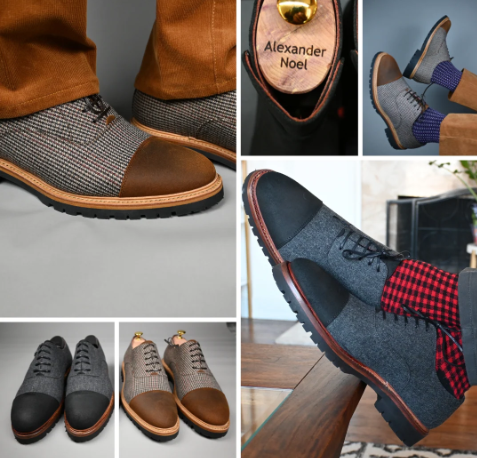
Imagine, for a moment, that you're the shoe designer. Our interactive Design Lab is the heart of customization, putting a whole suite of creative tools right at your fingertips. This isn’t just about picking between black and brown; it's about getting to define every last detail of your shoe.
This digital workshop lets you make all the little choices that come together to create your unique style. The amount of control is just phenomenal.
- Material Selection: You can pick from a hand-selected library of top-tier materials—think different grades of full-grain calfskin, exotic leathers, or buttery suedes.
- Color and Patina: Why settle for standard colors? You can select the precise shade you’ve been dreaming of or even design a hand-applied patina for a true work of art.
- Sole Construction: You decide what you need. Maybe a sleek leather sole for the office, or a tough rubber one to handle whatever the weather throws at you.
- Finishing Touches: Get as granular as you want, customizing everything from the color of the stitching and laces to adding a personal monogram on the heel.
This turns shoe buying from a passive chore into a genuinely fun and creative process. Every single choice you make adds to a final product that is truly one-of-a-kind—a shoe built not just for you, but by you. If you want to go deeper down this rabbit hole, you can learn more about how bespoke shoes for men provide the ultimate custom experience.
A Guaranteed Perfect Fit and Unique Style
At the end of the day, it comes down to two huge advantages: a fit that's guaranteed to be perfect and a style that is absolutely your own. Standard shoe sizing is all based on averages, but let's be honest—very few of us have "average" feet. That means we're constantly making little compromises on comfort and support.
Custom shoemaking throws that problem out the window by building the shoe around your exact measurements. Our emphasis on fit, quality, and personalization ensures the shoe doesn't just look amazing, it feels like it was made for you... because it was. The result is a style statement that no off-the-shelf brand could ever hope to match.
Protecting Your Investment with Proper Care
Think of a great pair of dress shoes as more than just something you wear—they’re a long-term investment in your personal style. With the right care, a well-made shoe can last for years, even decades. It’s not about endless work, but about forming a few good habits that will protect your investment and keep your shoes looking incredible.
Believe it or not, shoe care starts before you even take your first step. A perfect fit is the most crucial step for both comfort and the shoe's lifespan. A shoe that’s too tight will strain the seams and leather from the inside out. One that’s too loose will create awkward, deep creases and cause friction that wears down the materials. Taking the time to get your sizing right from the start prevents these headaches down the road.
Building Your Essential Care Routine
Once you've nailed the fit, a simple and consistent care routine is your best defense against daily wear and tear. This doesn't have to be some time-consuming ritual. A few smart habits make all the difference.
First things first, get a pair of high-quality cedar shoe trees. This is non-negotiable. Leather is a natural material, and it absorbs moisture from your feet all day long, causing it to contract and curl up as it dries.
A cedar shoe tree acts like a skeleton for your shoe when you're not wearing it. It draws out that moisture, kills odor-causing bacteria, and gently holds the shoe in its original shape. This one simple habit is the secret to preventing ugly creasing and keeping the leather healthy.
The Art of Cleaning and Conditioning
Beyond proper storage, you need to regularly clean and condition the leather. Just like your own skin, leather will dry out, crack, and lose its character if it’s neglected.
Here’s a simple but incredibly effective routine:
- Clean First: Before you do anything else, wipe your shoes down with a soft, damp cloth. This gets rid of all the surface-level dirt and grime. For a deeper clean, a dedicated leather cleaner is the way to go.
- Condition Regularly: Using a clean cloth, work a small amount of leather conditioner into the shoe. This restores the natural oils in the hide, keeping it flexible and preventing it from becoming brittle.
- Polish for Protection: Finishing with a quality cream or wax polish does more than just restore color and shine. It adds a protective barrier against water, scuffs, and stains. If you want to really master this, you can explore the ultimate shoe care guide to build up your skills.
This whole process not only keeps your shoes looking sharp but actively preserves the very material they’re made from.
Rotation and Professional Repair
One of the easiest ways to get more life out of your shoes is to simply give them a day off. Rotating your footwear is essential. Wearing the same pair every single day never gives the leather a chance to fully dry out and recover, which leads to a much shorter lifespan. Try to have at least two or three pairs you can cycle through.
This is especially true for workhorse styles like loafers. It’s no surprise that loafers are a dominant force in men's footwear, with men driving 51.49% of the market demand. As workplaces have shifted to a more business-casual vibe, leather loafers—which command a huge 47.18% revenue share—have become a go-to for their slip-on convenience and sharp look. You can discover more insights about the loafer market on grandviewresearch.com.
Finally, know when to call in a professional. Even the best-cared-for shoes will eventually need a little help. If your shoes have a stitched sole (like a Goodyear welt), a good cobbler can easily replace it when it wears down. This process, called resoling, can literally double the life of your shoes, turning a simple purchase into a sustainable part of your wardrobe you can count on for years to come.
Making the Right Choice for Your Style
We’ve covered a lot of ground—from the raw materials and construction methods to the finer points of lasts and customization. Now it’s time to pull it all together. Think of this as your final checklist, a way to move beyond just chasing brand names and start investing in quality that’s built to last.
No matter what brand you're looking at, the fundamentals of a great dress shoe don't change: excellent materials, solid construction, and a fit that feels like it was made for you. When you balance those cornerstones with your own personal style and budget, you're not just buying a shoe—you're making a smart investment.
A Decision-Making Framework
To cut through the noise, just focus on these three key areas before pulling the trigger. Each one helps narrow the field, taking you from a sea of options to the perfect pair.
- Define Your Purpose: Where will you be wearing these? Are they for the daily grind at the office, reserved for special occasions, or do you need something that can handle a smart-casual weekend? Your answer points you toward the right sole, formality, and even color.
- Assess Your Budget as an Investment: Try to shift your thinking from "How much is this?" to "How long will this last?" A well-made shoe you can resole a few times often delivers far better value over the years than a cheaper pair destined for the landfill.
- Prioritize Fit Above All: A shoe that pinches and rubs is a waste of money, plain and simple, no matter how prestigious the name on the insole. If you consistently struggle with off-the-rack sizing, exploring custom is the most logical next step toward finally getting true comfort.
The Pinnacle of Personal Style
For the man who genuinely values individuality and craftsmanship, a custom shoe is the end of the road. It’s where your personal taste meets true artisanal quality, creating something that’s built for you, rather than asking you to fit into a mass-produced mold.
This approach, often made more accessible through direct-to-consumer models, puts you in the driver's seat. You get to call the shots on everything from the exact shade of leather to the color of the stitching, creating a shoe that is one-of-a-kind.
Of course, a sharp look doesn't end with your footwear. A well-curated style is about the total package, which is why it helps to complement your dress shoes with a suitable dress watch.
To keep your investment looking sharp, a little care goes a long way. This simple flowchart breaks down the basics: Measure, Protect, Clean, and Store.

As you can see, proper care starts before you even wear them by ensuring a perfect fit. From there, it's all about daily protection and routine maintenance. Follow these steps, and you’ll turn a simple purchase into a lasting part of your wardrobe for years to come.
A Few Common Questions About Men's Dress Shoes
When you're diving into the world of quality footwear, a few questions always seem to pop up. Think of this as a quick guide to get you the right answers, helping you build a collection you're proud of and make choices with confidence.
Let's clear up some of the most common points of confusion.
How Many Pairs of Dress Shoes Should a Man Own?
For most guys, three pairs is the magic number. This isn't about hoarding shoes; it's about smart rotation. Giving each pair a day or two off lets the leather breathe and dry out completely, which drastically extends their lifespan.
A truly functional collection usually looks something like this:
- A Classic Black Oxford: Your go-to for the big stuff. Think weddings, formal business events, or any time you need to look sharp and serious. The sleek, closed-lacing design is the gold standard of formal footwear.
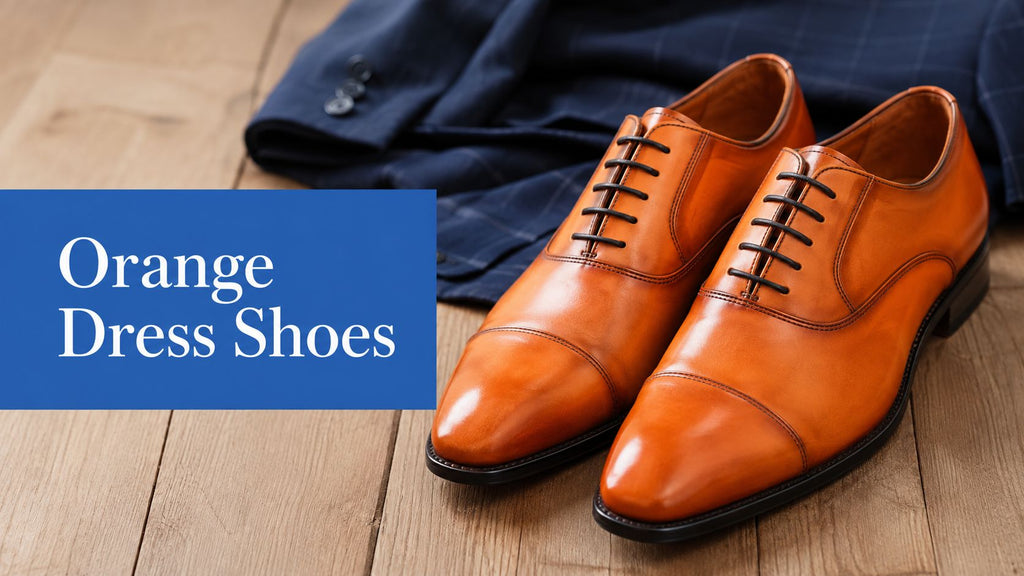
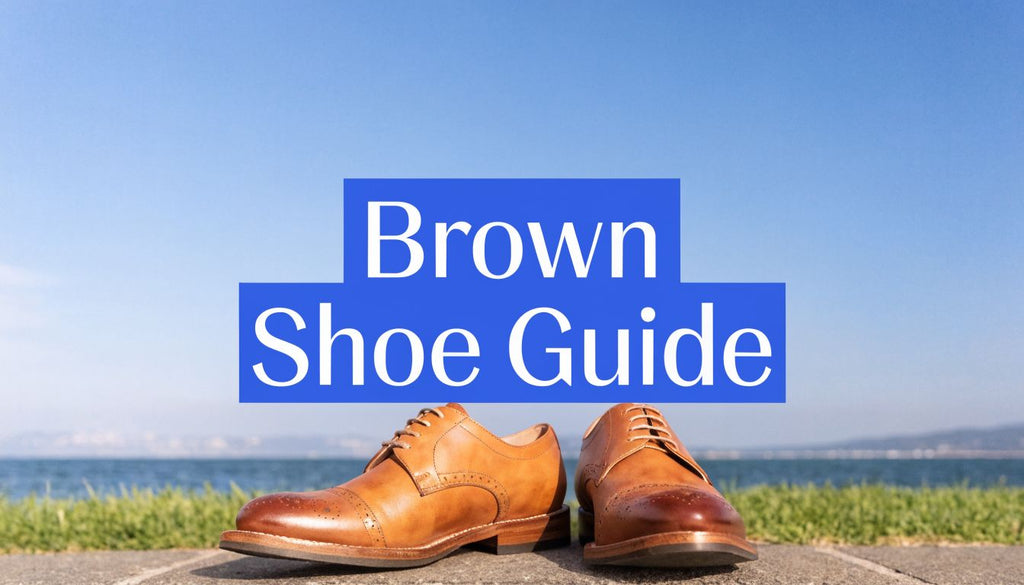
- A Versatile Brown Derby or Brogue: This is your everyday workhorse. It’s polished enough for the office but relaxed enough for a nice dinner out. It perfectly walks the line between buttoned-up and smart-casual.
- A Comfortable Loafer: For those days when you value ease without sacrificing style. Perfect for travel, casual Fridays, or any time comfort is a top priority.
With these three in your closet, you're covered for just about any occasion that comes your way.
What Is the Single Most Important Factor When Buying Dress Shoes?
Materials matter. Construction is key. But at the end of the day, fit is unequivocally the most critical factor. A shoe that pinches, slips, or cramps your toes is a failed investment, no matter how beautiful it looks or what it cost.
An expensive, ill-fitting shoe is just an expensive mistake. A perfectly fitted shoe, on the other hand, feels like an extension of your body—it gives you comfort and confidence all day long.
This is exactly where custom footwear changes the game. Instead of forcing your foot into a generic size, a custom shoe is built around your specific measurements. The result is a perfect fit from the very first wear, no painful break-in period required.
Is It Worth Getting My Dress Shoes Resoled?
Absolutely—but only if they're built for it. The key is a stitched construction, like a Goodyear welt or a Blake stitch. These traditional methods are designed so a good cobbler can literally take the shoe apart and replace the sole.
Shoes that are just glued together (cemented construction) are essentially disposable. Once the sole wears out, that’s the end of the road. But resoling a quality pair of stitched shoes can easily double their life, turning a single purchase into an investment that can last a decade or more.
What Is the Main Difference Between an Oxford and a Derby?
It all comes down to the lacing system. This small detail makes a huge difference in how formal the shoe looks and how it fits.
Oxfords have what's called a "closed" lacing system. The pieces of leather with the eyelets are stitched underneath the front part of the shoe (the vamp). This creates a clean, streamlined look that's inherently more formal.
Derbys, on the other hand, have an "open" lacing system. The eyelet tabs are stitched on top of the vamp. This gives the shoe a slightly more relaxed vibe and, more practically, allows for more flexibility and room, making them a great option if you have wider feet or a high instep.
Ready to move beyond off-the-rack limitations and create a shoe that is uniquely yours? At Alexander Noel, our interactive Design Lab puts you in control. Design your perfect pair of handcrafted, custom-fit shoes today and experience the ultimate in personalization and quality craftsmanship. Explore the possibilities at shopalexandernoel.com.
Related post
12
Sep
12
Sep
12
Sep
29
Aug
