


RECENT POSTS
29.August.2026
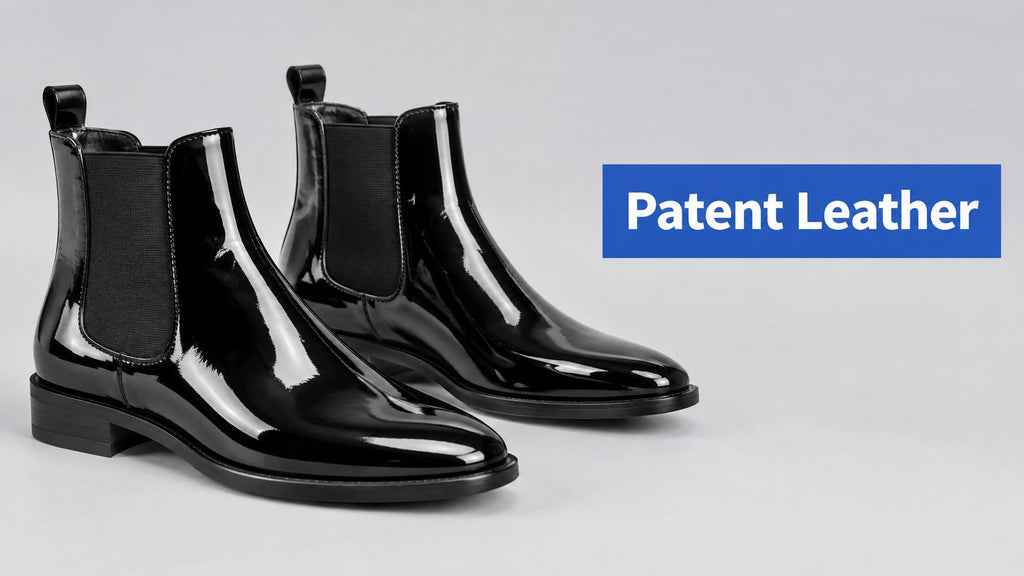
Custom Women's Boots for Fall: Choosing Between Two Black Chelsea Silhouettes
0 Comments







Formal With Boots: A Modern Guide for Men & Women
You’re dressed. The suit is pressed, or the dress is ready, and the usual shoe choice suddenly feels flat. Oxfords can seem predictable. Pumps can feel obligatory. You want something sharper, more personal, and easier to live in for a full day that starts with meetings and ends with dinner.
That’s where formal with boots starts to make sense.
Boots aren’t a loophole in formal dressing. Done well, they’re one of the cleanest ways to add presence to structured apparel. They bring structure, confidence, and a little more individuality than standard dress shoes, but only if the shape, finish, and fit are right. The wrong boot makes formalwear look confused. The right one makes it look deliberate.
Beyond the Oxford Breaking the Mold with Formal Boots
Formal dressing has changed because real life has changed. People move more, stand longer, commute farther, and expect their clothes to work harder. That shift has made room for footwear that can carry polish and comfort at the same time.
Boots now sit comfortably inside many formal wardrobes, especially when the design echoes the same visual discipline you’d expect from a dress shoe. A slim toe, clean leather, restrained sole, and close fit at the ankle can look every bit as refined as more traditional options. The history behind that evolution is part of what makes the category so interesting. The legacy of the Chelsea boot shows how a practical silhouette became a staple of modern style.
Boots look formal when they respect the line of the outfit. They fail when they try to dominate it.
The biggest mistake people make is treating all boots as interchangeable. They aren’t. A dress boot should support tailoring, not fight it. That means less bulk, less hardware, fewer visible seams, and leather that looks intentional under evening light as well as office light.
If you’ve avoided boots with tailoring because you worried they’d look too casual, that instinct wasn’t wrong. Many do. But the answer isn’t to avoid the category. It’s to learn which details create elegance and which ones pull the outfit back toward the weekend.
The Foundation Choosing Your Formal Boot
The first decision isn’t color. It’s silhouette. If the shape is clumsy, no amount of polishing will make the boot look formal.
In business settings, acceptance is already there when styling is disciplined. By 2023, 72% of professionals in the US and UK considered leather dress boots acceptable for business formal settings when styled correctly, and boot wear in creative industries rose 45% from 2019 to 2023 according to this dress code analysis of leather dress boots.

The three styles that work
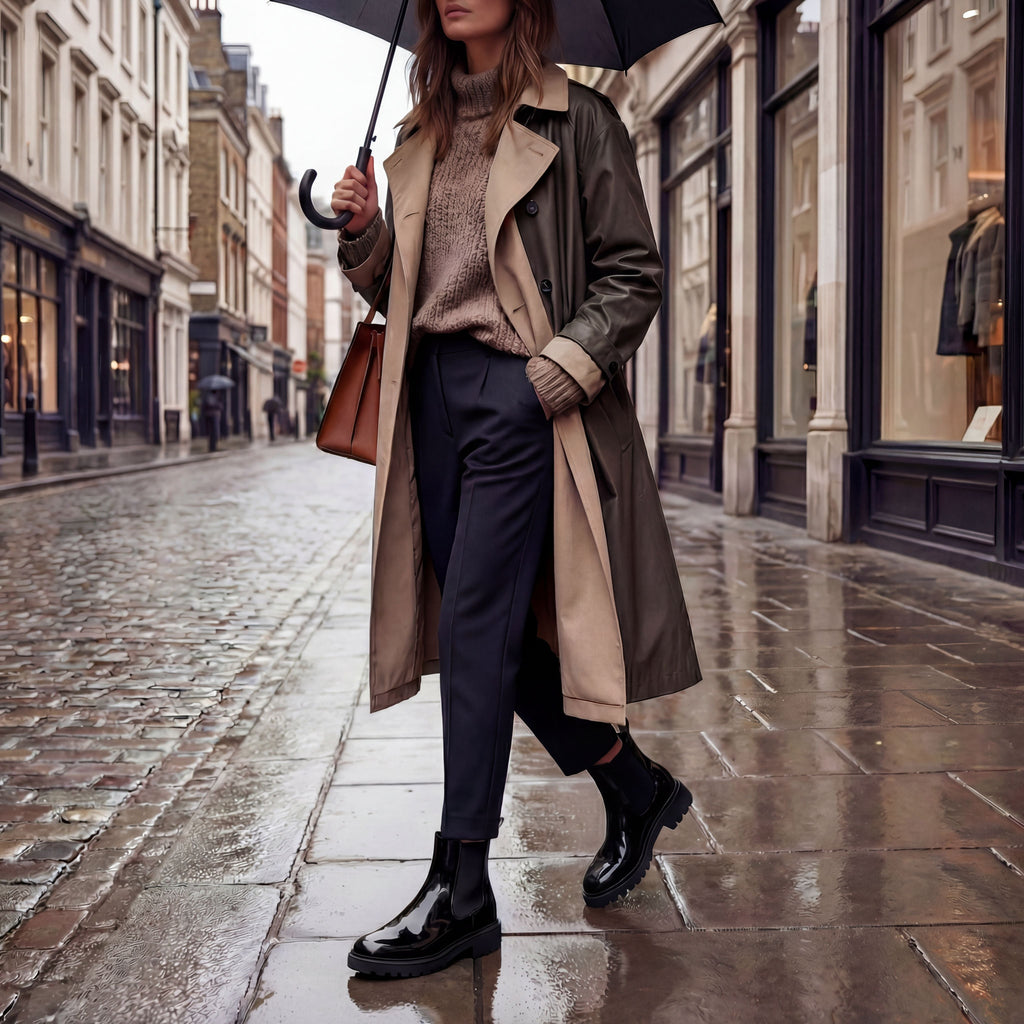
Chelsea boots are the easiest entry point. They’re sleek, uninterrupted, and simple under narrow or straight trousers. A formal Chelsea should have a close-cut shaft, elastic panels that don’t gape, and a toe that looks refined rather than squared-off and blunt. This is the one to wear when you want modern restraint.
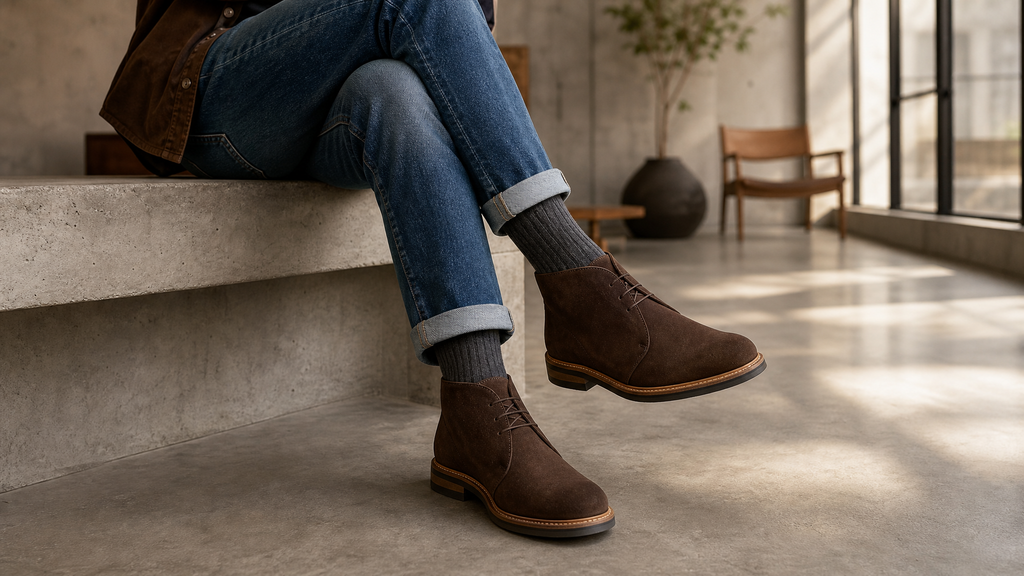
Chukka boots can work, but only in their cleanest form. Two or three eyelets, minimal stitching, and a thin sole keep the profile polished. They lean less ceremonial than a Chelsea or Balmoral-style boot, which makes them more suitable for softer tailoring, textured fabrics, and smart evening wear than strict boardroom dressing.
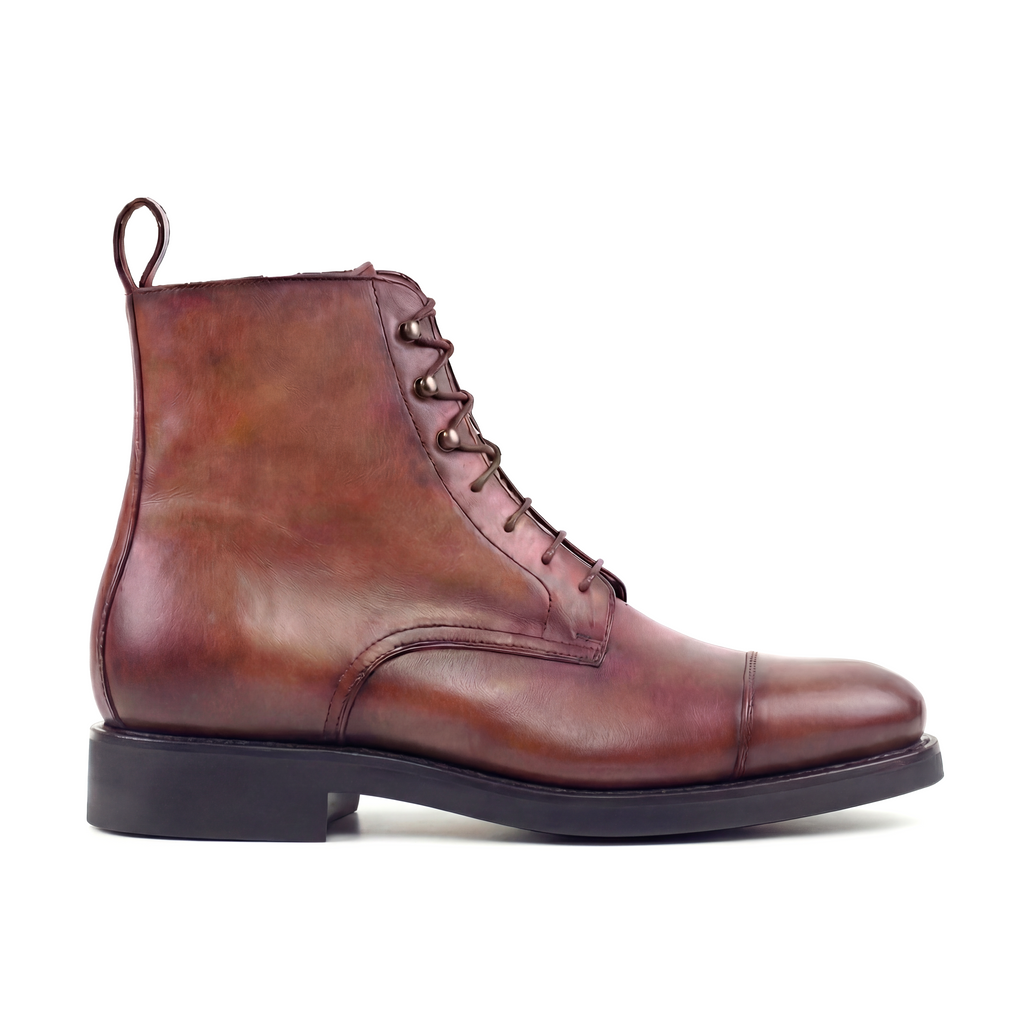
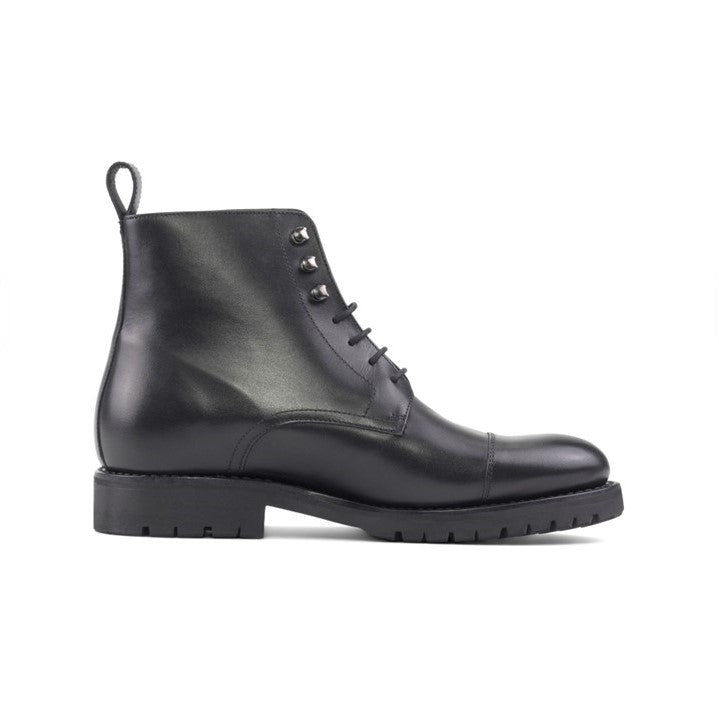
Lace-up dress boots are the most traditional of the group. If you like the discipline of an Oxford, this is usually the safest formal boot because the lacing structure reads as familiar and intentional. Cap-toe versions often look especially convincing with suiting because they borrow visual cues from classic dress shoes.
The details that separate formal from casual
Use this checklist before you buy:
- Look for a slim profile: The sole should be neat, not chunky. Thick lug soles immediately push the boot out of formal territory.
- Watch the toe shape: Almond and softly rounded toes work well. Overly pointed toes look theatrical. Very wide square toes look heavy.
- Check the shaft height: Too low can look incomplete under dress trousers. Too high can create bunching if the trouser opening isn’t cut correctly.
- Keep hardware quiet: Speed hooks, contrast welts, and exposed zips make the boot read more casual.
Practical rule: If a boot would still look appropriate next to a briefcase or evening clutch, it has a chance of working formally.
Material matters more than most people think
Full-grain leather remains the strongest choice because it takes polish beautifully and develops character without looking tired. Calfskin reads cleaner than heavily textured leather in stricter formal settings. Suede can work, especially in dark tones, but it softens the message. That makes it excellent for refined smart-casual dressing and less ideal for conservative business formality.
Patina finishes sit in a more expressive category. They can be beautiful with tailoring, especially when the rest of the outfit is quiet, but they demand judgment. If the suit already has strong texture or pattern, a dramatic hand-finished leather can tip the outfit into excess.
Anyone comparing hides and finishes should spend time with a solid guide to the best leather for boots. Material choice affects not just appearance, but break-in, maintenance, and how the boot ages beside formal clothing.
Mastering the Silhouette Pairing Boots with Suits and Dresses
A formal boot succeeds or fails where it meets the hem. That’s the whole game. The cleaner the transition between garment and boot, the more elegant the outfit looks.

With suits for men
The trouser break matters more with boots than with standard dress shoes. A heavy break causes fabric to collapse over the shaft and creates a puddled line. That instantly makes the outfit look less polished.
For most men, no break or a slight break works best with formal boots. The trouser should skim the top of the boot, not stack on it. That keeps the leg line long and allows the boot to appear as part of the outfit instead of an interruption.
A few pairings consistently work:
| Suit type | Boot choice | Why it works |
|---|---|---|
| Dark worsted business suit | Black lace-up dress boot | It mirrors the discipline of an Oxford |
| Charcoal or navy modern suit | Black or dark brown Chelsea | Clean, sharp, and minimal |
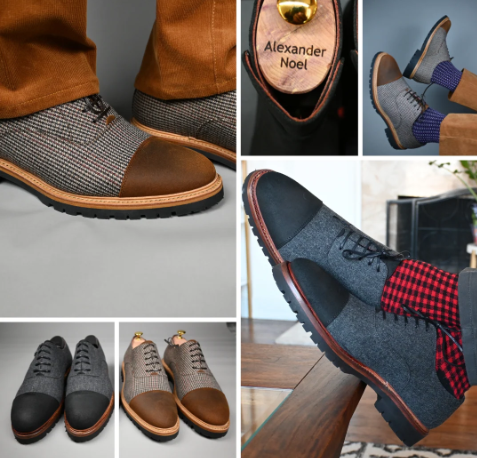
| Tweed or patterned tailoring | Brogue or textured dress boot | Adds depth without looking random |
What doesn’t work is just as important. Work boots, combat soles, bulbous round toes, and sneaker-boot hybrids all pull against the precision of suiting. The jacket may be formal, but the footwear tells a different story.
For readers refining that cleaner line, this guide on how to style Chelsea boots shows the kind of proportions that keep the silhouette controlled.
With dresses and skirts for women
The principle is the same. Keep the line intentional.
Ankle boots work best when there’s enough visible leg or a strong uninterrupted line from hem to boot. With midi dresses and skirts, a sleek heeled ankle boot can look elegant because it gives the outfit structure. The trouble starts when the hem cuts the leg at an awkward point and the boot cuts it again. That creates visual stop-and-start.
Knee-high boots solve that problem under longer hems because they maintain continuity. A fitted knee-high under a midi skirt or dress can look polished, especially when the leather is smooth and the toe is refined. For well-cut trousers, a slim ankle boot usually does more than a tall shaft because it keeps the trouser line calm.
Match the visual weight of the boot to the fabric. Fine wool, silk, and crepe need a cleaner boot than denim, corduroy, or heavy knitwear.
This fitting demonstration is useful if you want to see how a polished boot changes the line of a formal outfit in motion.
Color and proportion rules that save the outfit
A few simple decisions make formal with boots much easier:
- For dark tailoring: Choose black first, then dark brown if the setting is less rigid.
- For tonal dressing: Keep the boot close to the trouser or hosiery color to lengthen the line.
- For dresses: Let one element stand out. If the boot has shape or sheen, keep the dress cleaner.
- For visible shaft moments: Make sure the leather looks immaculate. If the shaft may show, it becomes part of the styling.
The goal isn’t to show off the boot at all costs. The goal is to make the entire look read as one uninterrupted decision.
Decoding the Dress Code Boots for Every Occasion
The right boot for a gallery opening isn’t always the right boot for a quarterly review. Dress codes still matter. The advantage of boots is range. One category can move from conservative to expressive if you adjust shape, finish, and outfit pairing.
Business formal
This is the strictest environment. Think boardrooms, formal presentations, legal settings, and high-stakes meetings. The safest choice is a black leather dress boot with a narrow sole and minimal decoration.
For men, that usually means a cap-toe or plain-toe lace-up boot with a dark suit. For women, a sleek black ankle boot with a restrained heel works with well-fitting trousers or a structured dress. The point is to preserve authority, not advertise personality.
Avoid: visible contrast stitching, rugged soles, distressed finishes, and fashion-forward shapes that draw too much attention.
Smart casual
Enter suede and softer structure into the conversation. A dark suede chukka or refined Chelsea can look excellent with unstructured garments, knitwear, or separates. For women, a polished block-heel ankle boot can anchor a midi skirt or well-cut trouser without feeling severe.
This dress code allows texture and warmth. It doesn’t allow sloppiness.
A valuable point to note is:
- If the event includes clients: keep the boot smooth and dark
- If the setting is social but elevated: suede becomes easier to wear
- If the outfit already has texture: keep the boot simpler than the clothing
Creative formal
Creative formal gives you room to use shape and finish with more confidence. A deep brown hand-finished boot, a sleek heeled boot under a sharp dress, or a brogued dress boot with textured tailoring can all work here.
This is often the right setting for those combinations that feel too expressive for conservative offices but too polished for ordinary evening wear. Weddings with a fashion-aware crowd, gallery events, design-industry dinners, and certain formal receptions all fit this category.
The dress code doesn’t ask whether boots are allowed. It asks whether your boots understand the room.
When in doubt, read the environment through three filters: how traditional the host is, how much time you’ll spend standing or moving, and whether your clothing needs to project discretion or personality first.
The Ultimate Fit The Power of Bespoke Customization
Most advice about formal with boots stops at style. That’s useful, but incomplete. A significant challenge for many professionals isn’t choosing between Chelsea and lace-up. It’s finding a boot that fits a real foot, supports long wear, and still looks sharp enough for formal clothing.
That gap is getting harder to ignore. Searches for “custom dress boots men/women formal” rose 35% from 2024 to 2025, and a 2025 GQ survey found 48% of professionals preferred boots for comfort in long meetings, as noted in this discussion of custom dress boots for professionals.

Why fit changes the whole look
A formal boot can be expensive and still fail if the last shape doesn’t suit your foot. Heel slip, pressure on the instep, excess room in the forefoot, and a shaft opening that clashes with your trouser cut all become visible in how you stand and walk. People often blame the style when the problem is fit.
This matters even more for professionals with hard-to-fit sizes, orthotic needs, asymmetric feet, high arches, or very specific style requirements. Off-the-rack boots ask you to adapt to the product. Bespoke or made-to-order approaches reverse that relationship.
What customization should actually cover
Useful customization isn’t just about picking a color. It should let you control the structural choices that affect both comfort and formality.
- Last shape: This determines the silhouette first. It’s the backbone of whether the boot reads formal.
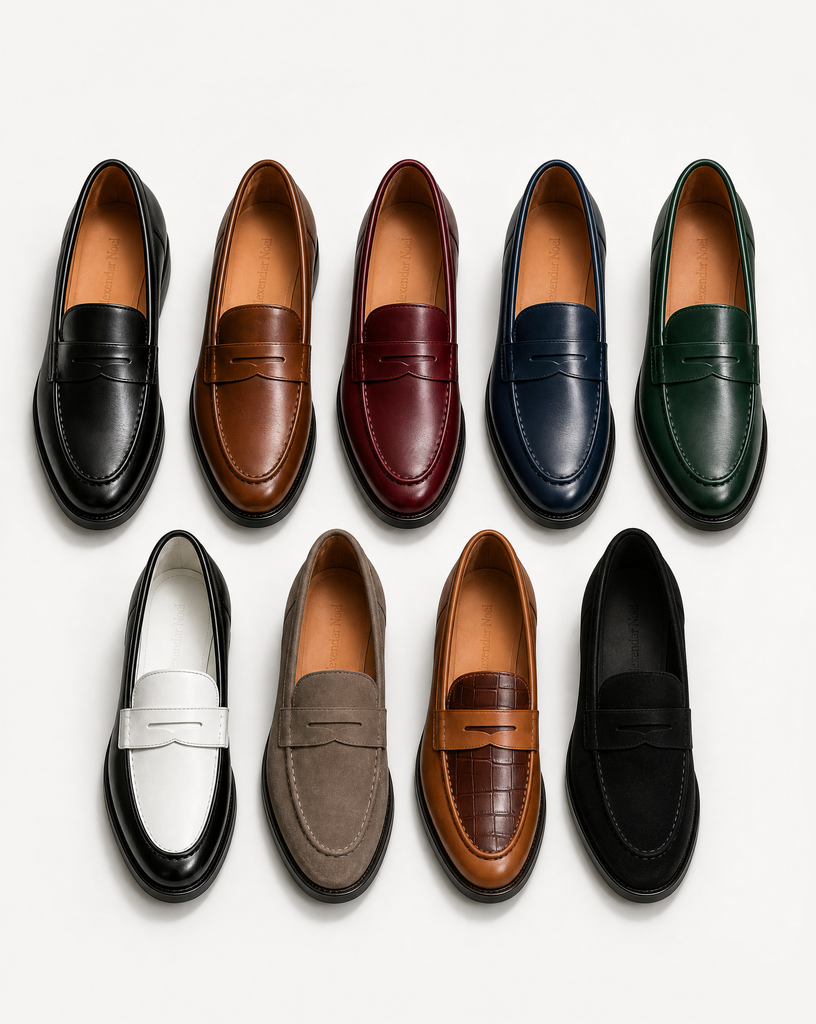
- Leather selection: Smooth calf, suede, patina, and grain each send a different message.
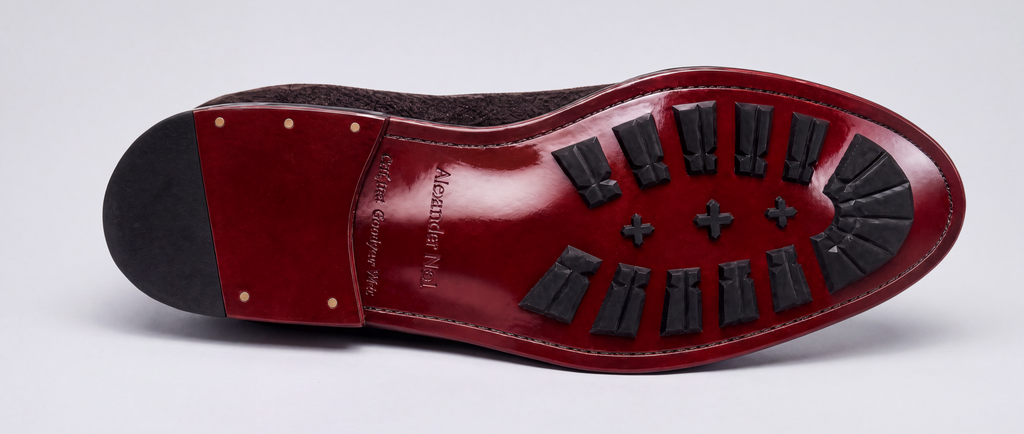
- Sole profile: A thinner waist and neater edge usually look better with tailoring.
- Height and closure: Small changes here can solve trouser fit issues and improve ease of wear.
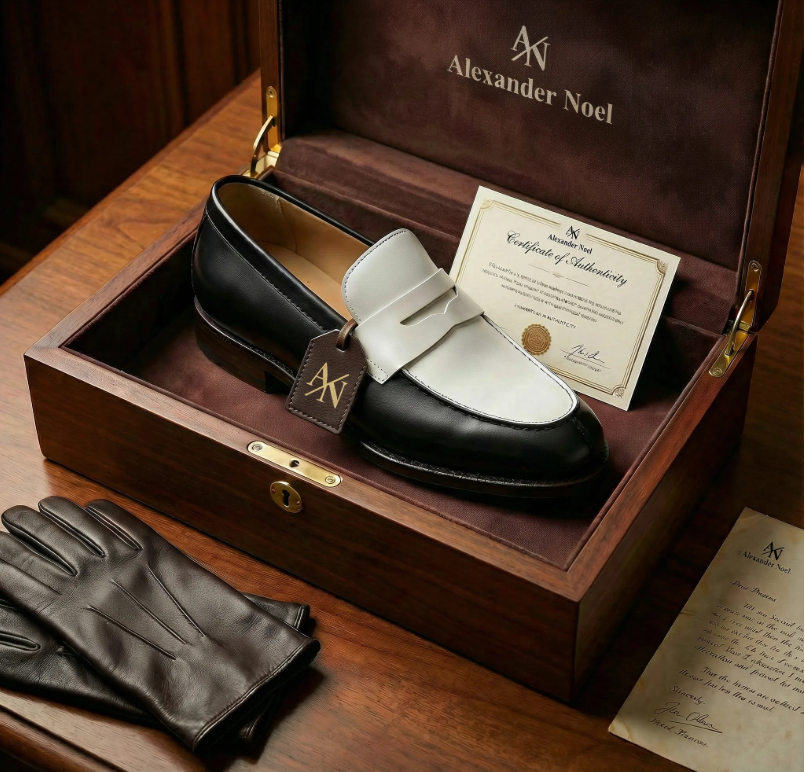
One practical route is a made-to-order platform with measurement support and design options. Alexander Noel’s bespoke shoe process is one example of that model, combining direct ordering, design customization, and artisan production for people who need more precision than standard sizing allows.
Bespoke isn’t indulgence for its own sake. In formalwear, it often solves problems that styling advice alone can’t fix.
Protect Your Investment Care and Maintenance for Your Boots
A formal boot only looks luxurious if the leather stays alive. Dry leather, dulled toes, salt marks, and collapsed shafts turn even a well-designed pair into an afterthought.

A simple routine that works
After wear, brush off dust and let the boots rest before you put them away. Insert shoe trees if you use them, or at minimum keep the shaft upright so the boot doesn’t collapse into hard creases.
For smooth leather, follow a short cycle:
- Clean first: Remove surface dirt with a soft brush or cloth.
- Condition lightly: Feed the leather before it looks thirsty.
- Polish selectively: Focus on the toe and heel if you want a sharper formal finish.
Suede needs a different hand. Brush it dry, lift the nap gently, and avoid heavy products meant for smooth calfskin. If you own specialty finishes or leather garments as well, this expert guide to leather care offers useful material-specific reminders.
What owners often get wrong
Two habits cause most of the damage. The first is over-conditioning, which can make leather feel heavy and lose crispness. The second is neglecting weather exposure. If the boots get wet, let them dry naturally away from direct heat.
Good maintenance isn’t vanity. It preserves the shape, color, and authority that made the boot worth buying in the first place.
A cared-for boot becomes more individual over time. A neglected one just looks tired.
Final Polish Questions and Takeaways
Formal with boots works when three things line up. The boot has to be refined enough for formal clothing, the silhouette has to stay clean at the hem, and the choice has to suit the room. Once those pieces are in place, boots stop looking like a substitution and start looking like the stronger option.
Quality and fit sit underneath every styling rule. That’s why some people can wear boots with a suit or dress and look completely composed, while others look almost formal but not quite. The difference usually isn’t confidence. It’s proportion, leather, and construction.
A few last questions
Are heeled boots appropriate for men in formal settings?
Yes, if the heel is low, balanced, and integrated into a classic dress boot shape. The goal is presence and posture, not a fashion statement.
Can women wear knee-high boots to a formal event?
Yes, especially under longer dresses or skirts where the line stays smooth. The leather should be polished, the shaft fitted, and the overall effect controlled.
What about patterned socks with dress boots?
Use restraint. If the trousers may rise while seated, subtle patterns can work. Loud novelty socks weaken the formality of the entire look.
Is suede too casual for formal wear?
For strict business formal, often yes. For smart evening dressing or softer tailoring, dark suede can be elegant.
If you’re ready to stop compromising between fit, comfort, and formal style, explore Alexander Noel for custom-made footwear designed around your measurements, material choices, and preferred silhouette.
Related post
12
Sep
12
Sep
12
Sep
29
Aug
