


RECENT POSTS
29.August.2026
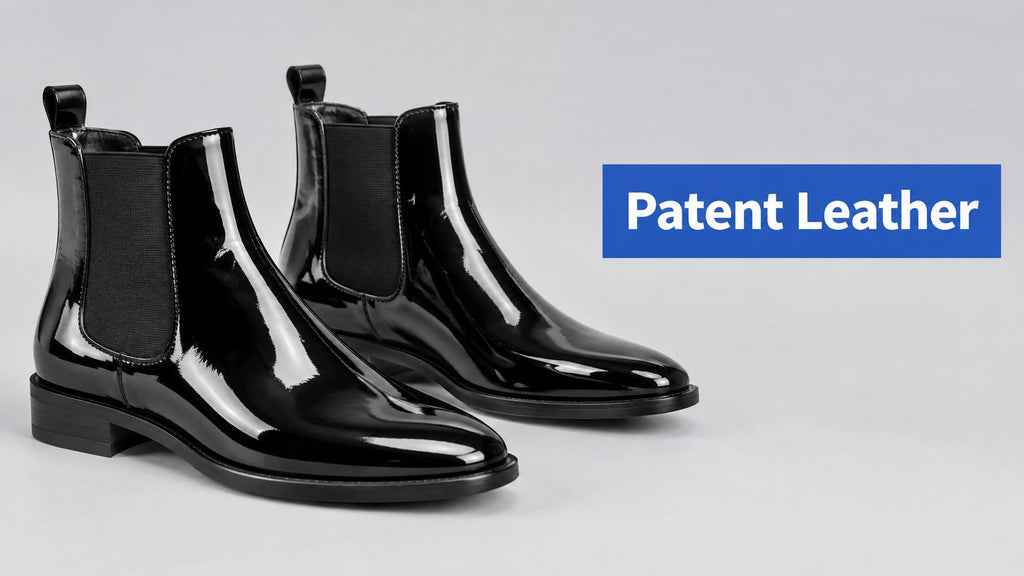
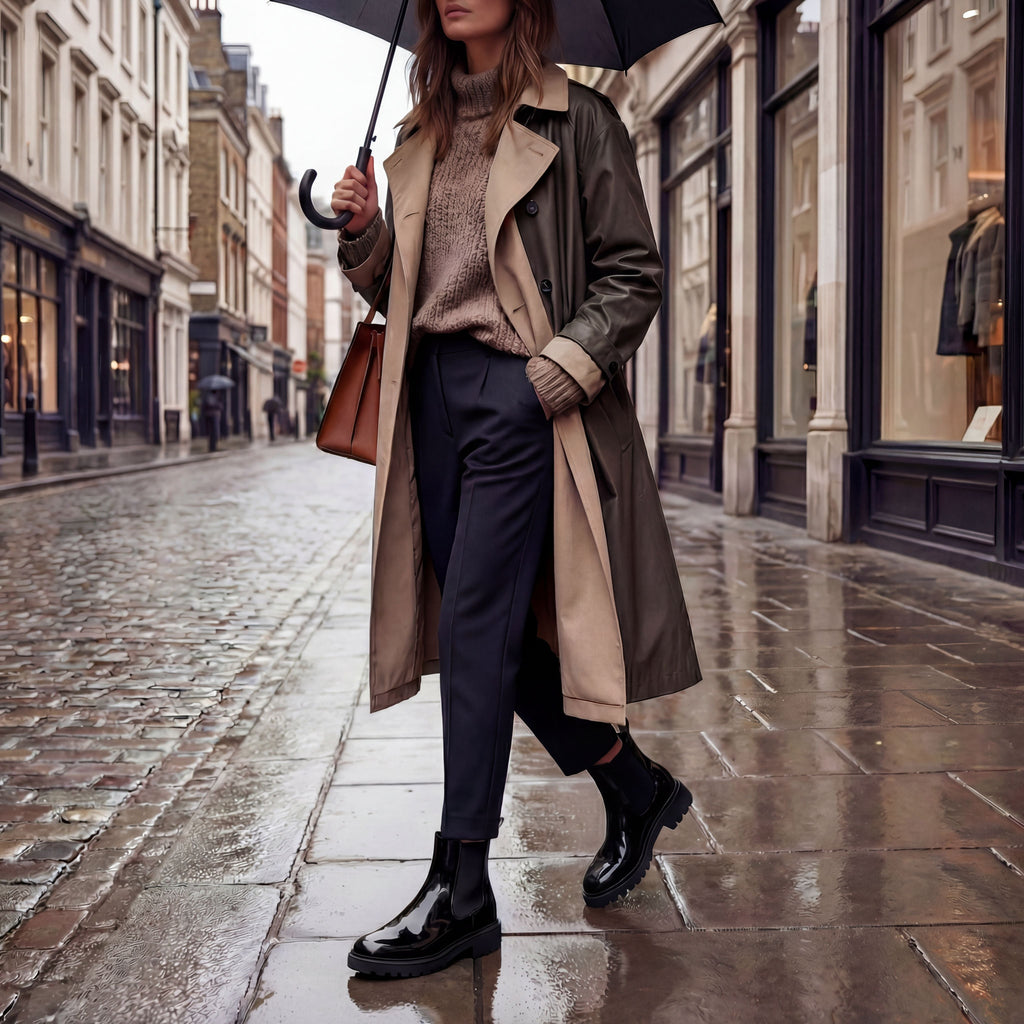
Custom Women's Boots for Fall: Choosing Between Two Black Chelsea Silhouettes
0 Comments
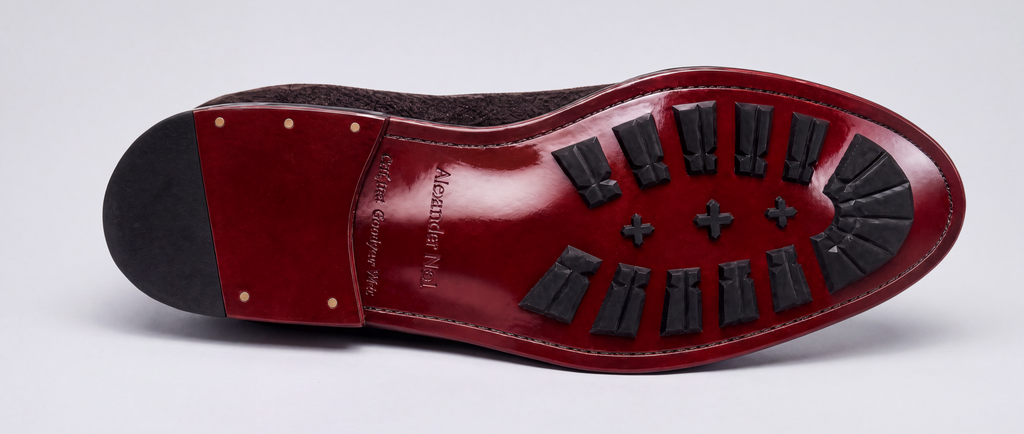
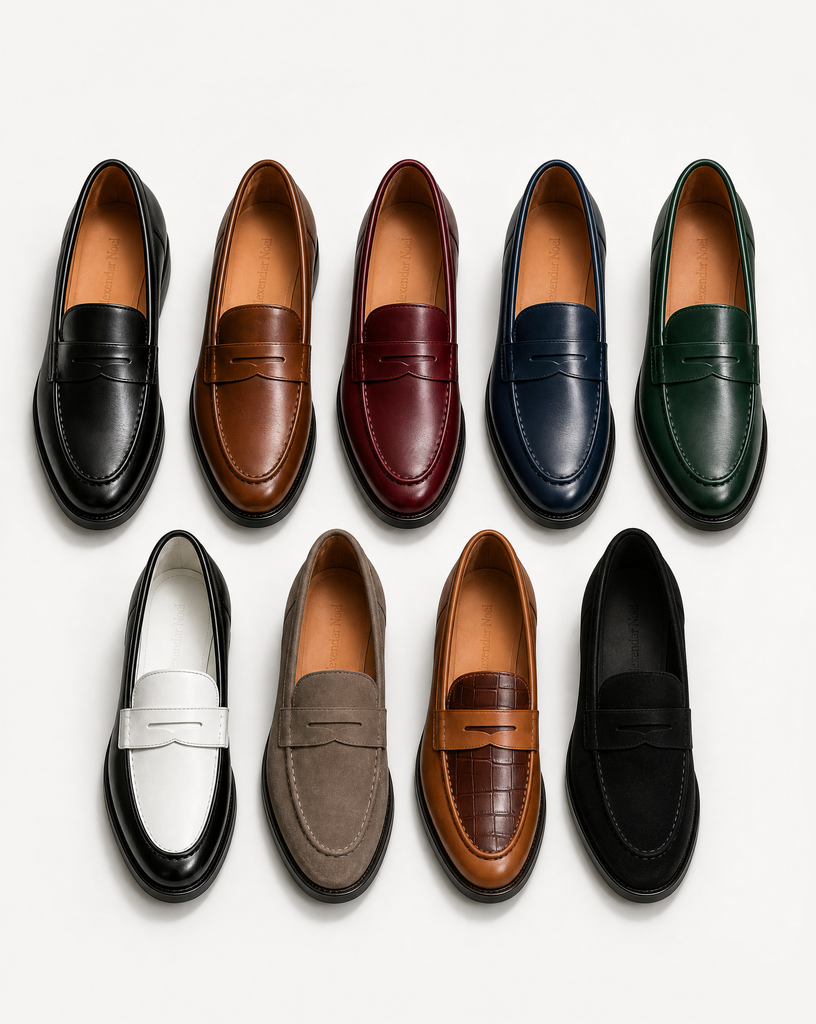
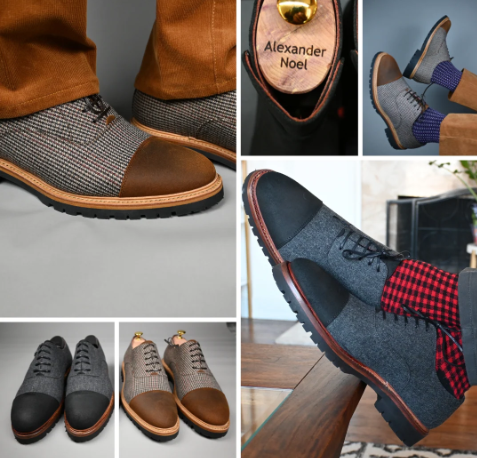







Find Your Perfect New Balance for Men Shoes
A lot of men start in the same place. They want one pair that can handle the train platform, the office, a dinner out, and a long Saturday on foot. Then reality steps in. One shoe looks polished but feels punishing by lunch. Another feels great but reads too casual the moment a blazer enters the picture.
That tension is why new balance for men shoes remains such a useful topic. New Balance sits in a rare middle ground. The brand is familiar, widely available, and respected by people who care about fit, width, and underfoot comfort. It gives us a strong benchmark for what a modern off-the-shelf shoe can do well.
It also raises a bigger question. If a very good ready-made shoe still asks you to compromise on shape, support, or style, where do you go next?
The Search for the Perfect Men's Shoe
Daniel is the kind of buyer I meet often. He wears dress trousers during the week, walks more than he used to, and doesn’t want to carry a second pair of shoes in a tote bag. He tries sleek dress shoes first. They look right. By late afternoon, his forefoot says otherwise.
Then he swings to the opposite extreme and buys comfort-first sneakers. The problem shifts. His feet feel better, but the shoes don’t always belong with wool trousers, a pressed shirt, and a client meeting.

That’s the ultimate goal. It’s not just about comfort or appearance in isolation. It’s about finding a shoe that respects how a grown man lives. Commute. Workday. Travel. Weekend.
Where most men get stuck
Some buyers focus only on cushioning. Others focus only on silhouette. Both approaches miss the same point. A shoe has to match your use case, your foot shape, and your personal standard for style.
A man with a long standing commute needs different support than someone who drives door to door. A man with a wide forefoot but narrow heel faces different fit problems than someone with flat feet. Even before you get into craftsmanship, these details matter.
Good shoe buying starts with your life, not the logo on the tongue.
If you’ve been trying to reconcile polished style with daily comfort, this practical guide to comfortable dress shoes for men is worth reading alongside your sneaker search.
Decoding the New Balance Appeal
New Balance earns attention because it doesn’t rely on one idea. It combines heritage styling, running credibility, and fit options that many men need but struggle to find elsewhere. The business results reflect that momentum. New Balance reached $7.8 billion in sales in 2024, a 20% increase from the prior year, and the company operates five US factories that produce over 25% of its North American volume domestically, according to this New Balance business history summary.
That doesn’t tell you which pair to buy. It does tell you the brand has built trust at scale.

What the numbers usually tell you
Many men find New Balance confusing because the shoes are known by numbers instead of names. Once you learn the rough pattern, shopping gets easier.
| Model family | General role | What it tends to signal |
|---|---|---|
| 5xx series | Everyday and lifestyle leaning | Casual versatility, familiar silhouettes |
| 9xx series | Premium heritage and performance reputation | Strong materials, iconic status, more structured feel |
| 1xxx series | Tech-forward or statement designs | More visual complexity and feature-driven appeal |
The numbering system isn’t a strict law for every shoe. Still, it gives you a fast mental map. A 574 often enters the wardrobe as a casual all-rounder. A 990 tends to carry more premium, legacy appeal. Models in the running-focused families usually tell you more about motion needs than fashion category.
How to read the technology without the jargon
Most men don’t need a chemistry lesson. They need to know how a shoe will feel on foot.
Think of common New Balance cushioning systems like this:
- Fresh Foam X feels like a softer, more protective platform. It usually suits men who prioritize comfort on longer walks or runs.
- FuelCell tends to feel more lively and forward-moving. It suits faster efforts and runners who want a more propulsive ride.
- ABZORB is part of the older but still relevant vocabulary. It’s associated with impact management and a more grounded sense of cushioning in certain models.
- Stability features are there to guide motion, especially if your foot rolls inward more than average.
That last point matters. Men often buy a shoe because they like the upper, then ignore whether the platform beneath them is neutral or supportive. That’s backwards.
Why fit is part of the brand’s appeal
New Balance has long stood out because width options are part of the conversation, not an afterthought. For many men, that alone is the difference between “good enough” and wearable.
If your wardrobe leans cleaner and more refined, it also helps to compare athletic shapes with smarter casual options like leather sneakers for men. The contrast sharpens your eye. You start seeing which shoes read sporty, which read minimal, and which can bridge both.
For a practical example of an everyday comfort-oriented model, this review of the New Balance Men's 608 V5 Casual Comfort Cross Trainer is useful because it shows how many buyers approach New Balance first. They don’t start with race-day foam. They start with all-day wearability.
Practical rule: If you can’t explain what the shoe is built to do, you probably shouldn’t buy it yet.
Matching the Right Shoe to Your Lifestyle
Buying the right shoe gets easier when you stop asking, “What’s the best New Balance?” and start asking, “What demands do I place on this shoe most days?”

For the business professional
A professional buyer usually needs three things. Clean lines. Long-wear comfort. A shape that doesn’t fight dress clothing.
Retro runners and understated lifestyle pairs often work best here. They soften a smart-casual outfit without making it look gym-bound. Men who spend hours on hard floors should pay close attention to heel hold and midfoot support, not just softness under the forefoot.
Look for:
- Subtle upper design that won’t dominate the outfit
- Stable base for long commutes and standing
- Width options if dress shoes usually feel narrow
- Neutral colorways that pair with navy, grey, olive, and denim
If your goal is a sneaker that can move between office and weekend, browsing a focused assortment of men's sneakers helps clarify what a cleaner, more versatile silhouette looks like.
For the style-conscious dresser
Some men don’t need technical running function. They want proportion, texture, and heritage appeal. That’s where New Balance has become strong beyond sport.
The right retro-inspired pair can work with cuffed chinos, knit polos, overshirts, and relaxed tailoring. The wrong one can make the whole outfit feel bulky. Pay attention to the toe shape, panel layout, and sole height.
A quick way to judge a lifestyle model is to look at it from trouser level. Does the shoe disappear into the outfit in a good way, or does it shout for attention? If your style is refined, you usually want the first outcome.
For the runner or performance buyer
The decision becomes more technical once performance enters the picture. In New Balance’s 2024 road lineup, the SUPERCOMP ELITE v4 uses a carbon plate and high-stack Fresh Foam X to improve running economy by 2-4%, and that setup can improve marathon pace by 1-2% for experienced runners, according to this review of the 2024 road running lineup. The same source notes that this setup may increase instability for novices.
That single example teaches an important lesson. More advanced doesn’t always mean more suitable.
Here’s a simple decision view:
| Your main use | Better direction | Why |
|---|---|---|
| Daily commuting and casual wear | Lifestyle or comfort trainer | Better visual versatility, easier all-day wear |
| Walking and mixed errands | Stable, cushioned everyday model | More forgiving for repeated pavement miles |
| Structured run training | Running-specific neutral or stability model | Built for stride mechanics, not outfit coordination |
| Fast racing | Carbon-plated performance shoe | Efficient for trained runners, less forgiving casually |
This overview is helpful if you want to see a performance-focused model in action before comparing categories:
A simple way to avoid buying the wrong pair
Ask yourself these questions in order:
- Where will I wear this most often? Office, pavement, gym, airport, or weekend city walking.
- What usually hurts first? Heel, arch, forefoot, ankle fatigue, or nothing yet.
- What do I wear with it? Denim, joggers, chinos, or dress trousers.
- Do I need support or just softness? These aren’t the same thing.
A soft shoe can still be wrong for your mechanics. A stylish shoe can still be wrong for your wardrobe.
Why Even Great Shoes Can Fall Short
A common belief in footwear is that once you find the right brand and the right width, the problem is solved. Sometimes it is. Often it isn’t.
A wide size addresses volume and lateral space. It doesn’t automatically fix how your foot moves, where you load pressure, or how one foot differs from the other.
Width is not the same as fit
Many men with discomfort say they need “more room.” Sometimes they do. But just as often, they need a different relationship between heel, arch, instep, and forefoot.
Examples help:
- A high instep may feel crushed even if the shoe is technically wide enough.
- A narrow heel with a broad forefoot can create slippage in the rear and pressure in the front at the same time.
- Two different foot sizes force the buyer to choose which foot gets the compromise.
- Overpronation or supination changes how the body uses the shoe during motion.
The pronation problem
Many off-the-shelf conversations become less effective here. New Balance offers a pronation guide, but a major gap in footwear guidance is helping men choose between stability shoes and neutral shoes in practical terms. That gap matters because pronation mismatches can lead to 20-30% higher injury rates, according to New Balance's pronation guide and the cited analysis in the verified brief.
A buyer may think, “I only walk, I don’t run, so this doesn’t apply to me.” It still can. Repeated daily walking on hard ground exposes the same mismatch, just more subtly.
If your foot rolls in more than average, adding width without adding guidance can leave the real issue untouched.
Why standard support still has limits
Mass-market shoes work from standardized assumptions. They assume a certain arch profile, a certain pressure pattern, and a certain tolerance for compromise. That’s how ready-made footwear has to work.
The challenge appears when your body falls outside the template.
A neutral cushioned model may feel pleasant in the first fitting, then leave your arch tired after a full day. A stability model may control motion well, but feel intrusive if your gait doesn’t need that level of correction. The issue isn’t quality. The issue is specificity.
For men trying to diagnose whether the problem is length, width, heel slip, or arch mismatch, this guide on how to fit shoes properly is a useful next step.
The Bespoke Difference with Alexander Noel
Once you understand the limits of ready-made footwear, bespoke stops sounding indulgent and starts sounding rational.
Mass-market brands design for population averages. Bespoke shoemakers design for the individual foot in front of them. That one shift changes everything, from shape to support to material choice.

The material difference
A performance sneaker often uses engineered textiles, foam compounds, and factory-scaled assembly. That approach can be excellent for sport and everyday convenience.
Bespoke footwear takes a different route. The emphasis shifts to selected leathers, hand-finished details, carefully built uppers, and construction decisions made for a specific wearer rather than a general market segment.
That matters because materials don’t only affect appearance. They affect how the shoe breaks in, how it breathes, how it ages, and how it responds to repeated wear.
The construction difference
Durability is where many men start asking harder questions. A frequent user concern with mass-market shoes is long-term wear. The verified data notes that independent tests show some popular brands experience 15-25% faster tread wear on concrete, while bespoke alternatives can offer 2-3 times the longevity through made-to-order leathers and construction techniques, as summarized in this referenced work-shoe source from the verified brief.
Those figures don’t mean every bespoke shoe outlasts every sneaker in every setting. They do point to the broader advantage of repairable, material-driven construction when longevity matters.
The fit difference
This marks the key difference.
A stock shoe offers a set last shape and asks your foot to adapt. A bespoke shoe starts with your foot and builds the shape around it. That difference becomes obvious for men with awkward fit profiles, recurring hot spots, or feet that never feel settled in standard sizing.
Consider the comparison:
| Ready-made shoe | Bespoke shoe |
|---|---|
| Built on a standard last | Built around your measurements |
| Fixed proportions between heel and forefoot | Proportions can reflect your actual foot |
| Limited material and structural changes | Material and structural choices can be tailored |
| Replacement-focused mindset | Longevity and refinement mindset |
Bespoke is less about luxury signaling and more about removing avoidable compromise.
Why this matters to a modern buyer
A man who values customization in tailoring, luggage, or watches already understands the principle. Precision changes the experience. Shoes make that principle physical. You feel it with every step.
Your Vision Realized Through the Design Lab
Custom footwear sounds complex until you break it into stages. In practice, it’s a sequence of clear decisions. Each one reduces guesswork and moves the shoe closer to your actual needs.
Step one begins with measurement
The first task is getting the foot shape right. That means more than choosing your usual size. A proper at-home fitting process looks at length, width, instep, and the way each foot differs.
Instead of asking, “Which stock size is least wrong?” you ask, “What dimensions does my foot require?”
Step two defines how the shoe should perform
The next choice is functional. How do you want the shoe to behave?
The contrast with standardized sneaker technology is helpful here. New Balance models like the 1000 use a combination polyurethane and ABZORB cushioning at the heel and forefoot to reduce peak ground reaction forces, according to the New Balance 1000 product reference in the verified brief. That’s a smart factory solution. It is still standardized.
A bespoke approach can tune support and cushioning density around the person, not the average buyer. If one wearer needs more structure under the arch and another needs a smoother, more forgiving landing, those choices can be built into the design logic.
Step three turns function into style
The Design Lab becomes powerful here. The buyer isn’t choosing from a narrow shelf of pre-approved combinations. He’s shaping the final object.
Choices often include:
- Leather selection based on softness, texture, finish, and intended use
- Color direction that works with an existing wardrobe, not just trend cycles
- Sole choice for dress, casual, travel, or mixed-use wear
- Personal details such as monograms or subtle signature accents
One man may want a restrained brown sneaker that works with flannel trousers and denim. Another may want a more expressive shoe with richer color and texture. Both outcomes make sense if they reflect the wearer.
A well-designed custom shoe doesn’t look “custom” in a loud way. It looks resolved.
Step four is refinement, not impulse
The best part of a guided custom process is that it slows down bad decisions. You’re less likely to buy a shoe because a campaign image looked good on a screen. You’re more likely to end up with something proportioned to your body and aligned with your routine.
That’s why bespoke appeals to thoughtful buyers. It combines artisan method with modern convenience, but it never loses sight of the foot itself.
Choosing Between a Great Shoe and Your Perfect Shoe
New Balance makes strong shoes. For many men, it represents the upper end of what off-the-shelf footwear can deliver in comfort, width options, and technical innovation. That’s why it remains such a useful benchmark in any discussion of new balance for men shoes.
But “great” and “perfect” are different standards.
If you need a dependable ready-made option, a well-chosen New Balance can serve you well. If you want footwear shaped around your measurements, your gait, and your personal design preferences, bespoke is the stronger answer. The distinction is similar to the way enthusiasts compare icons in other categories. A curated list like the best football boots of all time is valuable because it shows excellence within a category. Custom work asks a different question. Not which option is most celebrated, but which one is most exactly yours.
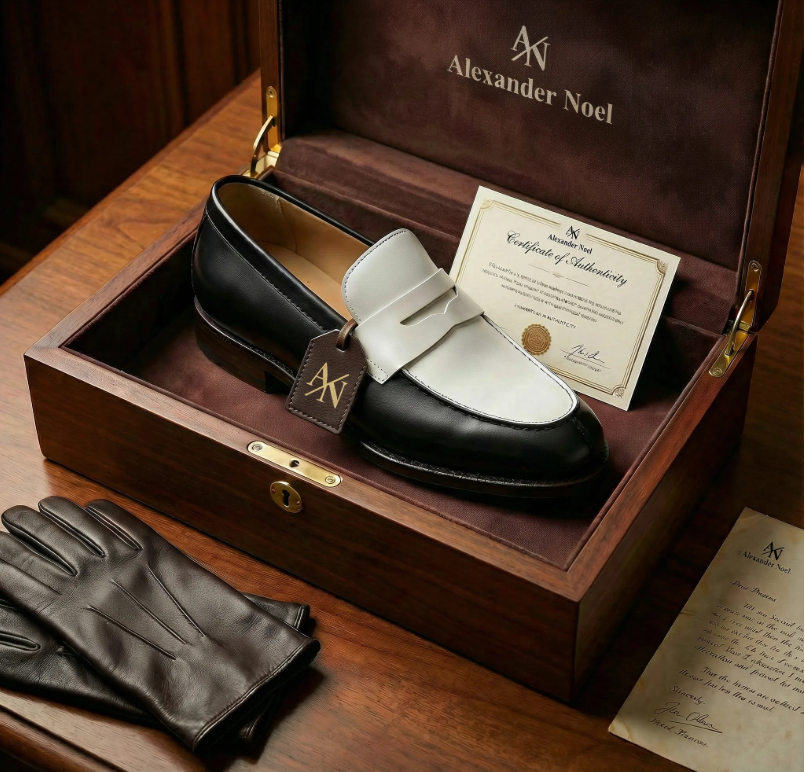
If you’re ready to move beyond compromise, explore Alexander Noel for handcrafted custom footwear that blends artisan construction, personalized fit, and a modern Design Lab experience.
Related post
12
Sep
12
Sep
12
Sep
29
Aug
