

RECENT POSTS
29.August.2026
Custom Women's Boots for Fall: Choosing Between Two Black Chelsea Silhouettes
0 Comments
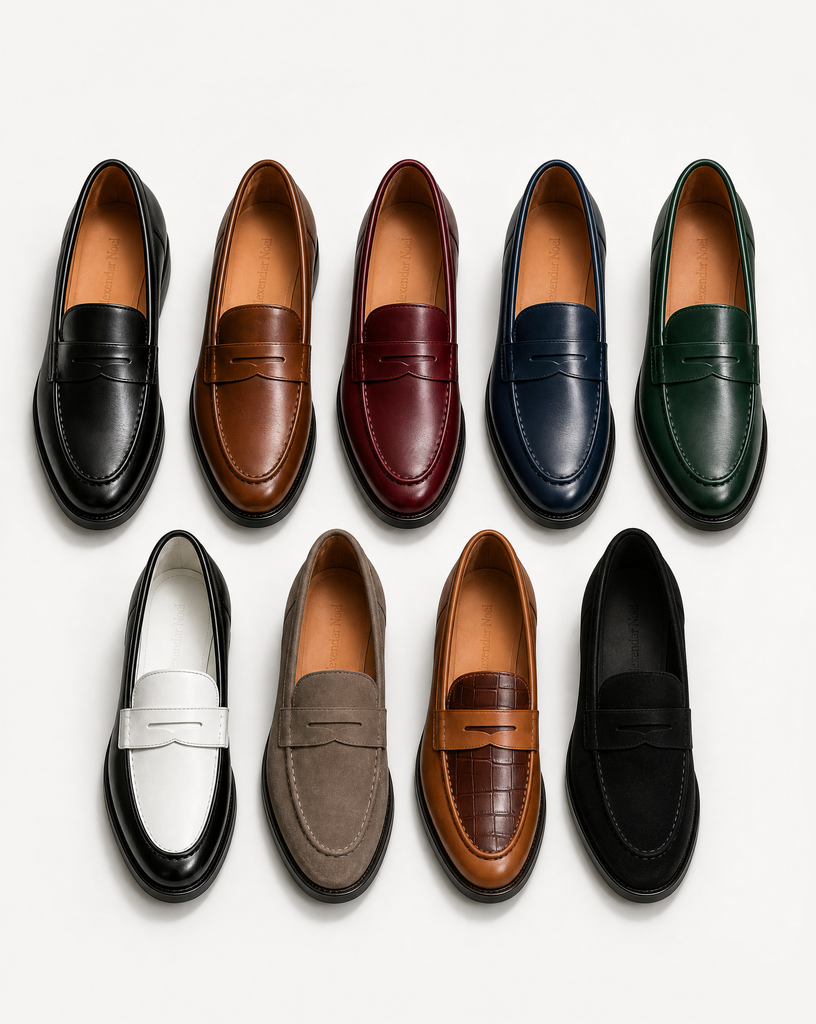






The Architecture to a Blue Suede Loafer
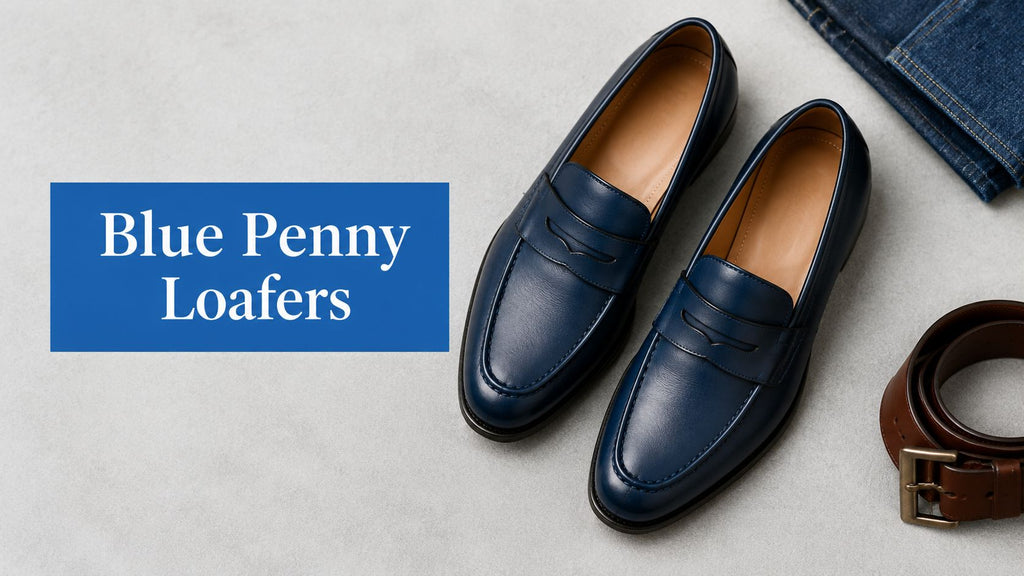
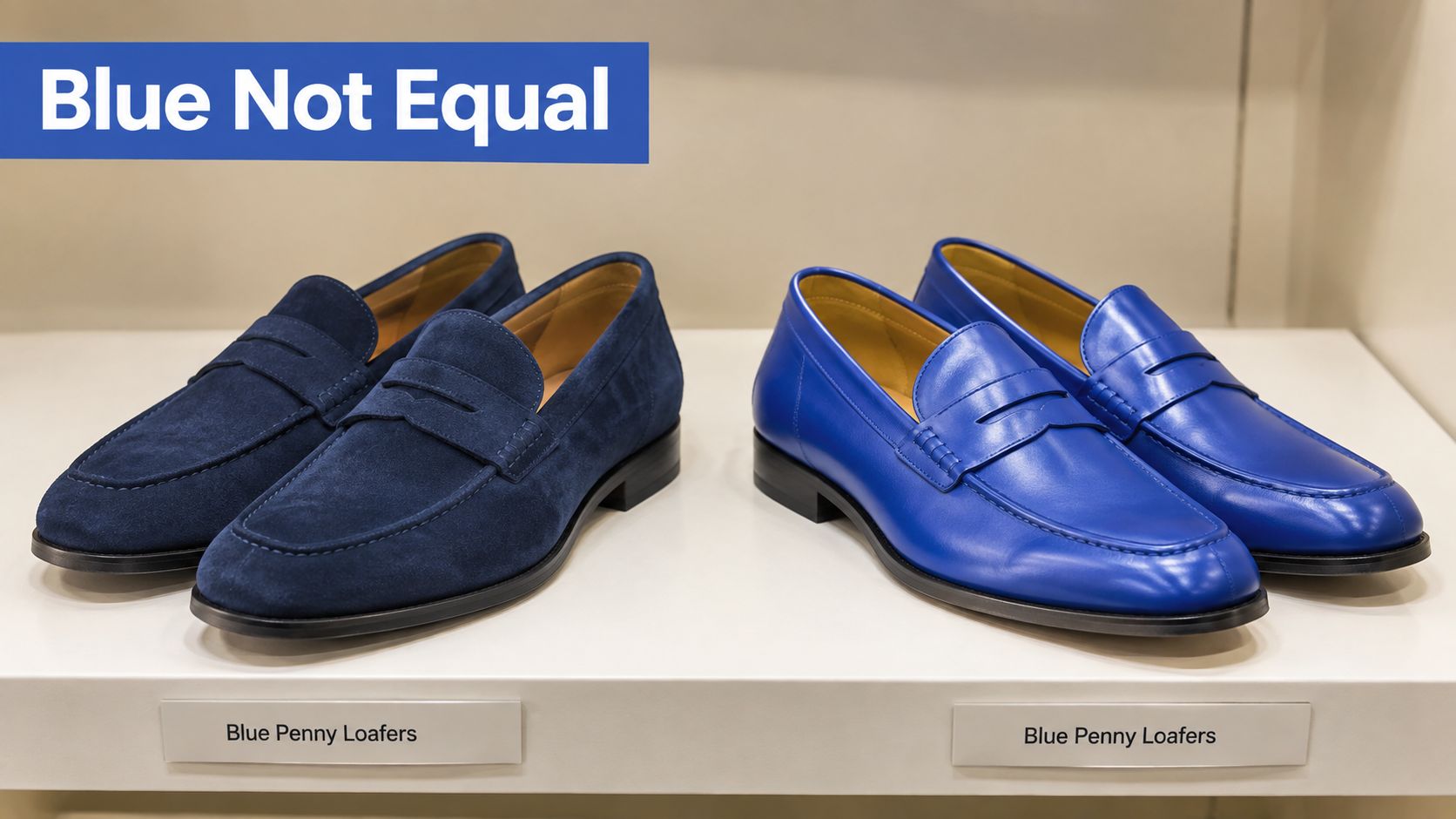
You're standing in front of two pairs of loafers that both say blue on the box. One is a soft navy suede pair that feels calm the second you look at it. The other is a brighter leather pair that looks sharp, maybe even a little loud, and you can already tell they won't behave the same way once you put them with trousers you own.
That's the problem with mens blue penny loafers. The shoe looks simple until you start asking the useful questions, like whether the shade works with charcoal wool, whether suede makes the whole thing too relaxed for your office, and whether the toe shape and sole will make the pair feel polished or costume-like. Blue only looks easy when you treat it as a color choice. In practice, shade, material, and construction all decide whether the shoe feels refined or like a statement you can't repeat often.
Why Choosing Mens Blue Penny Loafers Is More Complicated Than It Looks
You have trousers ready for work, a casual jacket for the weekend, and two blue penny loafers in front of you. One looks quiet and adaptable. The other draws attention before you have considered the rest of the outfit. Both may fit well, yet they will not serve the same purpose.
The first-time mistake is treating blue as decoration and leaving the decision to sizing. With mens blue penny loafers, the shade, surface, and construction work together. They determine whether the shoe looks refined or oddly costume-like.
The same silhouette can send different messages
A navy suede penny loafer stays close to the visual role of a neutral shoe. Its muted surface works naturally with cream, grey, and tan, while the darker shade keeps the outline composed. It is a practical choice when you want color without making the foot the center of the outfit.
Brighter blue leather behaves differently. Its smoother, clearer surface reflects more light, so the shoe becomes a focal point. That can work with simple trousers and restrained layers, but it becomes difficult when the jacket, shirt, or accessories are also competing for attention.
The wrong blue can therefore look theatrical even when the workmanship is sound. The issue is not that the shoe is flawed. Its color and finish are sending a stronger message than the rest of the clothing can support. The right combination settles into the outfit and adds color without visual noise.
Practical rule: if the shoe is the first thing people notice, keep the rest of the outfit quieter.
Context matters just as much. Blue loafers can suit business-casual clothing, weekend outfits, or dressier settings, but navy, mid-blue, and brighter shades do not carry the same formality. Decide how often and where you will wear the pair before choosing the shade that looks most appealing on the shelf.
Why material matters as much as shade
Suede softens blue through its nap, making the color look less exact and the shoe more relaxed. Smooth leather presents a cleaner, sharper surface, which generally makes the loafer easier to dress up. Construction reinforces that difference: a restrained shape supports a quieter shade, while a pronounced toe or heavier sole makes bright blue feel more deliberate.
The purchase is therefore about behavior, not color alone. Choose the shade and material as one decision, so the loafer matches the settings you plan to use.
What Defines a Penny Loafer and Why Blue Changes the Equation
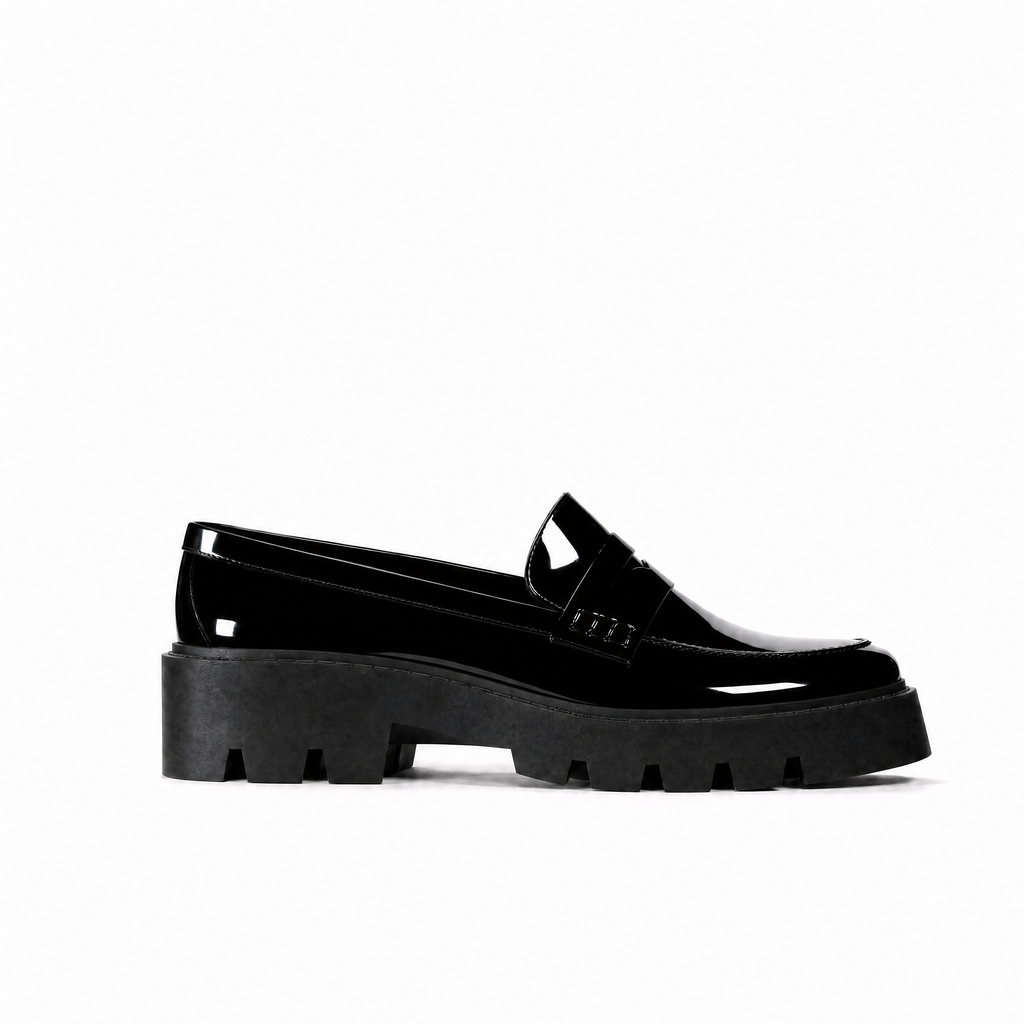
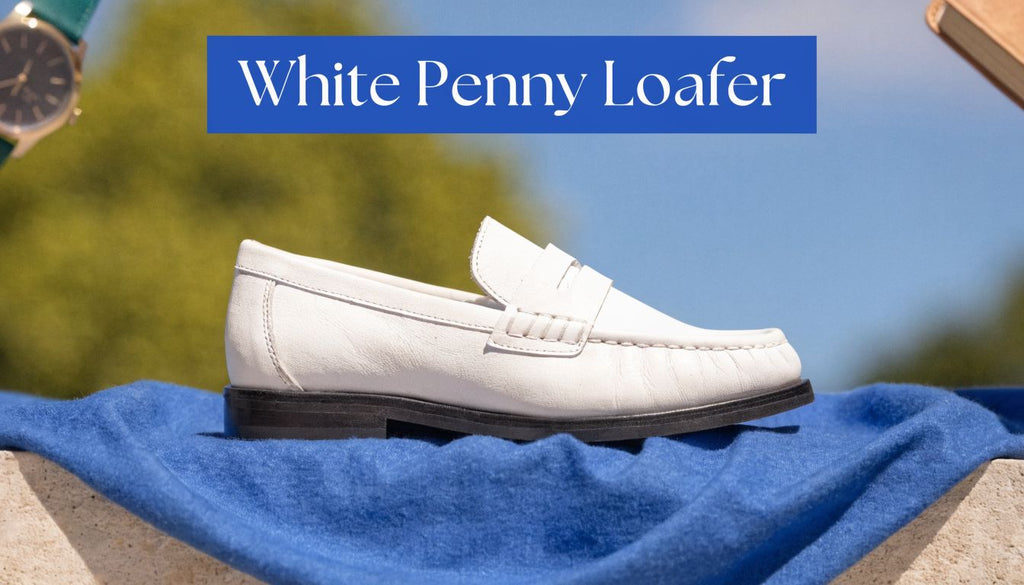
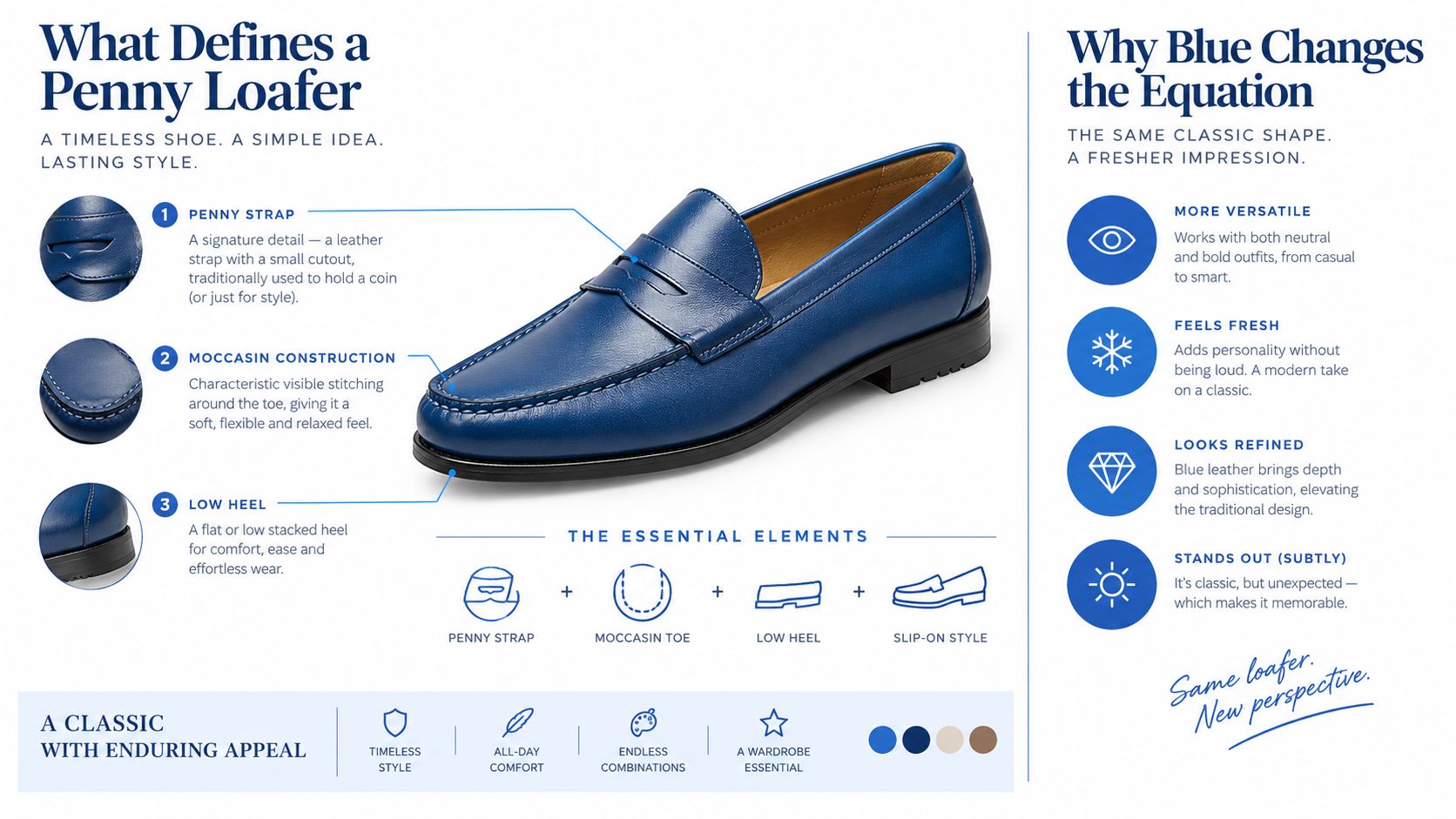
You can identify a penny loafer by its slip-on shoe profile, moccasin-derived vamp, low heel, and leather strap crossing the upper. The strap acts like a visual frame for the vamp, so its color and finish influence the entire shoe more than they would on a plain derby or oxford.
A penny loafer is a slip-on shoe where a slim leather strap crosses the vamp and carries a decorative slot originally used to hold a coin.
The familiar shape has a specific history. In 1936, G.H. Bass introduced Weejuns, a slip-on influenced by earlier Norwegian footwear. By the 1950s, American prep-school students had popularized placing a coin in the strap's slot, giving the style its lasting name, “penny loafer” source.
Why blue changes the visual balance
Blue alters the relationship between the strap, vamp, and surrounding clothing. On a dark blue loafer, the saddle strap recedes, giving the shoe a quieter, more formal appearance. A brighter blue makes the strap and upper more prominent, shifting the same pattern toward casual or statement dressing.
That movement matters because the penny loafer already occupies the middle ground between dress shoe and casual slip-on. Navy can support trousers and a jacket with little effort. Brighter blue usually needs relaxed fabrics, lighter colors, and more space around it, otherwise the shoe can look costume-like rather than considered.
Construction reinforces the shade. Goodyear welted shoes join the upper, welt, and sole for stronger long-term structure and resolability. Bologna construction wraps the upper around the foot, creating a lighter, more flexible feel underfoot source. A structured welted loafer can give a dark blue surface authority, while a flexible construction may make a vivid shade feel more natural for informal wear.
The blue question in real wardrobes
Blue is therefore a connected decision about shade, material, and construction. The same color can appear refined in smooth leather with a restrained shape, then feel theatrical in a glossy finish or heavier silhouette. Trouser break, sock color, and season affect the result as well, because each changes how much of the blue shoe remains visible.
For a fuller design reference, see the overview of mens loafers in penny style.
Shade Selection Across Navy, Mid-Blue, and Brighter Blues
A navy penny loafer can accompany a charcoal suit, while a cobalt pair may look out of place with the same trousers. The difference is not color alone. Navy, mid-blue, and brighter blue each carry a different level of formality, and the leather surface and shoe shape either support or undermine that impression.
Navy, the quietest option
Navy sits close to a neutral, so it works naturally with grey, charcoal, and khaki. Its restrained depth makes it suitable across seasons and reduces the visual contrast between the loafer and the rest of the outfit. For an office, conservative dinner, or first blue pair, navy offers the widest margin for error.
A cool navy may suit pink or olive undertones more comfortably than a warmer blue. Try the shoes beside your trousers and assess them in daylight. Some blues compete with the complexion, while others sit beside it. A smooth leather upper and a moderately structured last make navy look more refined. A highly glossy surface or exaggerated shape can make even this restrained shade feel showy.
Mid-blue, the bridge between classic and expressive
Mid-blue provides visible color without making the loafer feel novelty-driven. It fits especially well with spring and summer wardrobes, though it can also support a polished weekday outfit when the shirt, trousers, and accessories remain controlled. In low light, it may appear cooler and darker than expected.
Judge this shade under brighter, natural light. A dim fitting room can make it seem conservative, while daylight reveals its actual intensity. Wear trousers you already own during the fitting, rather than relying on a neutral store display. Mid-blue generally pairs well with light grey, stone, and tan, but the material still matters. Suede softens the shade; polished calf makes it more defined.
Brighter blue, only if the outfit cooperates
Cobalt and electric blue function as statement colors. They suit casual, creative, or deliberately contrast-driven outfits, where the loafer is allowed to be the focal point. Keep the trousers grounded and let the blue perform one clear role.
If you want the loafer to look refined, keep the trousers grounded and let the blue do one job only.
| Blue Shade Comparison for Penny Loafers | Shade | Formality (1-5) | Best Season | Skin Tone Match | Best Trouser Colors | Style Risk |
|---|---|---|---|---|---|
| Navy | 4 | Year-round | Cool undertones, especially pink or olive | Grey, charcoal, khaki | Low |
| Mid-Blue | 3 | Spring and summer | Most complexions | Light grey, stone, tan | Moderate |
| Brighter Blue | 2 | Casual and creative settings | Warmer or more pigmented skin | Ecru, off-white, olive | Higher |
Use the shoe color matching guide for tone and wardrobe compatibility when comparing a shade with your existing wardrobe. The right choice connects color, material, and construction, so the finished loafer appears deliberate rather than costume-like.
Materials That Make Blue Penny Loafers Work
Material changes the shoe before styling ever starts. You can take the same blue and make it look polished, relaxed, textured, or overly shiny just by changing the leather. That's why material choice isn't a finish detail, it's part of the decision.
Calf leather, suede, and the way blue lands on each surface
Calf leather is the most versatile choice. Smooth, polished calf can move between business-casual and dressier outfits without much friction, while corrected-grain leather is easier to maintain but usually has less visual depth. If you want one pair that can do the most work, calf leather is the default.
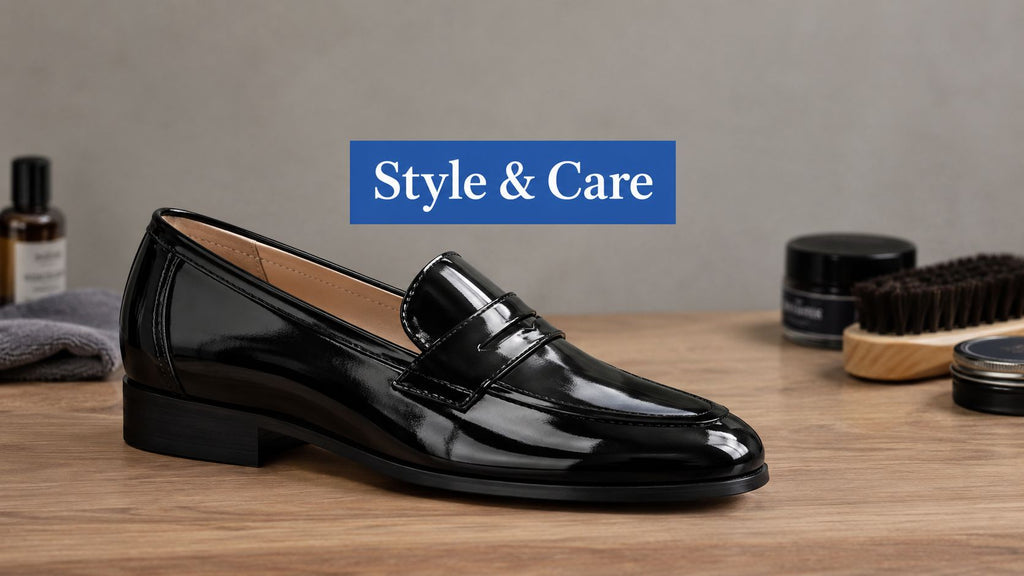
Suede softens blue and gives it a more autumnal feel. It's especially useful when you want the color to read less formal and more textured. It does ask for more care, though, because dust, water, and scuffs show up faster, so a suitable suede spray isn't optional if you plan to wear the pair often.
When the surface texture should stay restrained
Exotic leathers can be interesting, but they're easy to overdo in blue. Lizard-embossed or ostrich textures add pattern, and large scales can make saturated blue look busier than intended. A fine, even grain usually looks better if you want the shoe to stay elegant.
Shell cordovan develops a deep patina over time, but its firmer structure usually needs a longer break-in and may not suit an accommodating last. Patent leather is the most formal-looking surface in this group, yet the shine can push blue loafers toward eveningwear, which may be useful only if that's your actual use case.
The sole changes how the shoe behaves under you
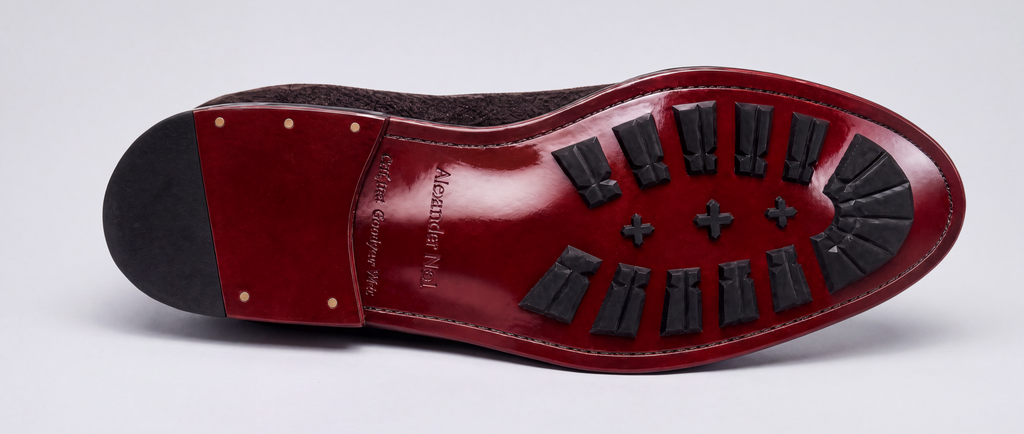
The sole matters as much as the upper. Leather soles look elegant, but they can be slippery when new. Rubber gives you more grip and usually makes more sense for daily wear. If you're buying blue loafers for real life, not just for photos, confirm that the upper, lining, and sole all flex in a way that won't leave permanent creasing too soon.
For a broader material breakdown, the related guide is here.
| Blue Penny Loafer Materials Compared | Material | Formality | Care and durability | Break-in |
|---|---|---|---|
| Calf leather | High | Straightforward care, good all-around durability | Moderate |
| Corrected-grain leather | Medium | Easier maintenance, less visual depth | Moderate |
| Suede | Medium to low | Needs protection from water and dust | Usually easier at first |
| Exotic leather | Variable | More visual pattern, can look busier in blue | Varies by skin and finish |
| Shell cordovan | High | Deep patina potential, firmer structure | Longer |
| Patent leather | Very high | Glossy, formal, and less everyday-friendly | Stiffer at first |
Outfit Pairings That Make Blue Loafers Look Intentional
A navy penny loafer can look perfectly natural with grey trousers in an office, while a bright blue suede pair may look out of place with the same tailoring. The difference comes from treating shade, material, and construction as one decision. Each element sets a level of formality, so the outfit needs to give the shoe a compatible role.
Business-casual pairings that keep the shoe grounded
For office settings, navy or dark mid-blue loafers work well with light grey, stone, or tan trousers. Add a white or pale-blue shirt, then finish with a navy blazer. Calf leather keeps the combination polished, while a simple brown belt supports the palette without making the accessories look deliberately matched.
Leave visible separation between trouser and shoe. Trousers that nearly duplicate the loafer's color can make both pieces merge into one heavy block. A clear shift in tone lets the penny strap and toe shape remain visible, much like a frame gives an object definition.
Weekend combinations that let blue breathe
Brighter blue suede suits ecru chinos, off-white denim, or olive trousers. Pair it with a cream linen shirt or plain white T-shirt, then add a dark-brown chore coat, camel overshirt, or navy field jacket in cooler weather. These materials and colors soften the brightness without disguising it.
Keep the rest of the outfit clean. The suede already gives the loafer a relaxed texture, so extra distressing, large logos, or complicated layering can make the look feel costume-like. A restrained outfit lets the unusual color appear deliberate.
Dressier looks with stronger boundaries
Mid-blue loafers bridge denim and tailoring more easily than brighter blues. Wear them with raw indigo jeans, a white Oxford shirt, and a softly structured sport coat, or choose gray flannel trousers for a dressier combination. Their material should match the setting: suede relaxes the outfit, while smooth calf leather gives the same shade a sharper edge.
Socks help control the transition. Navy socks extend the trouser line, gray socks connect with neutral tailoring, and textured burgundy or brown socks add character when trousers sit above the ankle. Slim trousers with little or no break keep the loafer's outline crisp.
Use this shoe color matching guide to check the relationship between the shoe, trousers, and surrounding colors before committing to a brighter blue.
Construction, Fit, and Sizing Notes
Color gets attention, but fit decides whether you'll wear the pair. A blue penny loafer should sit on your foot securely enough to walk without slippage, but not so tightly that the vamp digs in or the toe box collapses your forefoot.
What a good fit feels like
The heel should hold without sliding. The forefoot should spread naturally. You should not feel pressure at the vamp, pinching beside the big toe, or a loose heel that lifts every few steps. The penny slot should sit across the instep cleanly, not gape so widely that the upper looks overextended.
The topline matters too. It should feel secure without cutting into the ankle. If the upper spreads too much, the last may be too soft or the shoe may be too loose for your foot shape.
Why the last matters more than the label
Fit should be judged around the last, not the color or the size stamped inside the shoe. Blake-stitched shoes tend to feel more flexible and closer to the foot, while Goodyear-welted versions usually feel firmer at first and may need more break-in. Suede and calf leather often conform with moderate wear, but stiff exotic leather or heavily structured uppers can take longer.
Try the shoes in the afternoon, when your feet are a little larger, and wear the socks you'd normally use. Walk indoors, test the forward flex point, and check heel hold before you decide. A thumb's width of space at the toe is common, but toe shape changes the calculation, so square lasts need more room than narrow lasts.
When custom measurement helps
If one foot is different from the other, size to the larger foot and use a thin insole in the smaller shoe. Custom measurement becomes most useful when you're trying an unfamiliar last, because it clarifies length, width, instep volume, and heel shape before you commit.
A shoe can look correct and still be wrong for your foot. The last tells you more than the shade ever will.
One option that uses foot data first, then builds from it, is Alexander Noel, which positions its custom process around measured fit rather than a standard chart. For a sizing reference, the related guide on choosing the right shoe size is worth reading before you order.
A Short Checklist Before You Buy
The cleanest buying path is to treat the shoe as four separate decisions. If you lock each one down in order, you're much less likely to end up with a pair that looks nice online but awkward in your closet.
Buy the blue that matches the life you'll actually wear
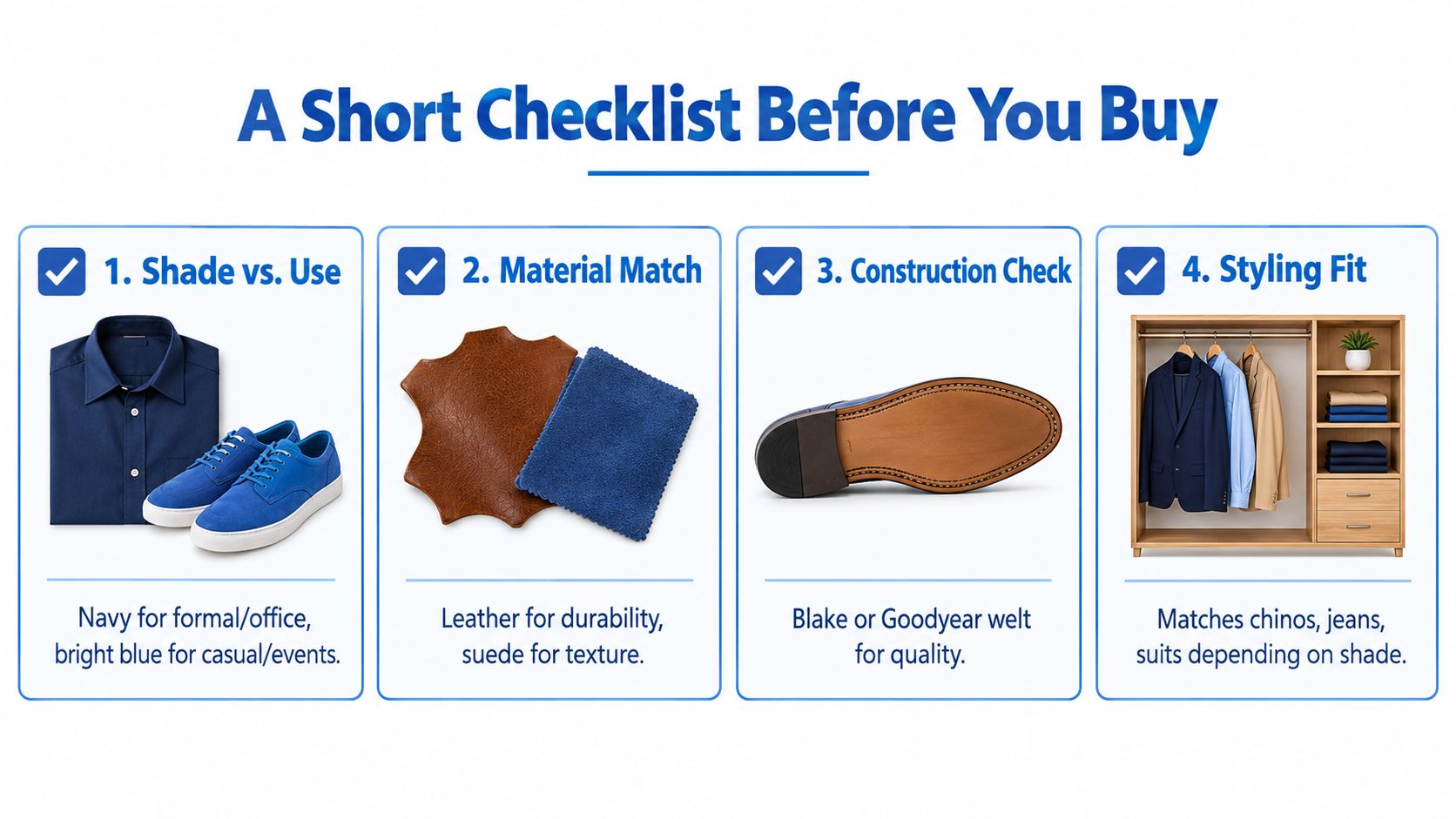
- Shade vs. use. Navy fits formal and office settings. Mid-blue covers weekday versatility. Brighter blue belongs mostly to casual or warm-weather contexts.
- Material match. Leather gives you durability and polish. Suede gives you texture and a softer read.
- Construction check. Blake or Goodyear welt construction tells you more about long-term wear than the color ever will.
- Styling fit. Before you buy, name three outfits from your own wardrobe, including trouser color, sock choice, and jacket layering.
- Return and care. Check break-in expectations and suede care before you commit, especially if you're buying a lighter blue or a textured finish.
Final rule: if you can't name where the shoe will live in your wardrobe, don't buy the loudest blue.
If you want a blue penny loafer that's shaped around your foot instead of a generic size chart, Alexander Noel offers custom-made footwear with color and material choices that fit this kind of decision. Visit Alexander Noel to explore custom options and start building a pair that matches your shade, fit, and styling needs.
Related post
26
Sep
26
Sep
26
Sep
26
Sep
26
Sep
