


RECENT POSTS
29.August.2026
Custom Women's Boots for Fall: Choosing Between Two Black Chelsea Silhouettes
0 Comments







Pony Hair Boots: A Complete Guide to Style & Craftsmanship
A pair of textured boots catches your eye from across the room. They look richer than plain leather, more tactile than suede, and somehow both wild and polished at once. Then the questions start. What exactly is pony hair? Is it delicate? Can you wear it often, or only on special occasions?
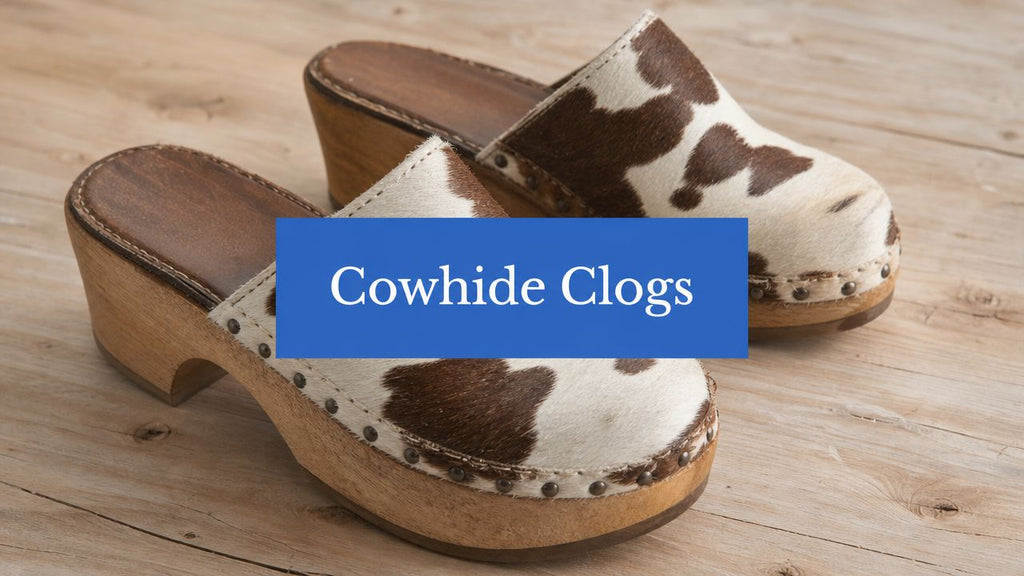
The first surprise is the name. Pony hair boots don't come from ponies. In shoemaking, “pony hair” is a trade name for hair-on leather, most often from cow or goat hide, finished to create a uniform, velvety coat with visible hair. That misunderstanding trips up a lot of first-time buyers.
If smooth calfskin is like a polished tabletop and suede is like the underside of the hide brought to the surface, pony hair sits somewhere else entirely. It keeps the hair side visible, which gives the leather movement, pattern, and a kind of soft depth that changes as light hits it.
That’s why these boots feel so distinctive. They combine fashion drama with the structure of real leather, and they reward a more informed eye. If you already enjoy learning how materials behave before you buy, this guide to the many leathers and fabrics used in fine footwear gives helpful context for how different uppers age, flex, and wear.
Introduction
Pony hair boots sit at the meeting point of craft and personality. They draw attention, but a well-made pair doesn't rely on pattern alone. The best ones work because the material, the last, the lining, and the sole all support each other.
Many readers get confused on one point right away. If the surface looks like fur, they assume it must behave like fur. It doesn't. This is still leather, so it has structure, memory, and durability. The hair changes the handfeel and the visual character.
Pony hair is best understood as leather with texture you can see, not a costume material.
That distinction matters when you style it, care for it, or decide whether it's worth the investment. A cheap pair can look flat, shed early, and feel stiff. A good pair has a consistent nap, clean pattern placement, stable construction, and a shape that still looks elegant after hours of wear.
What follows is the kind of explanation a shoemaker gives at the bench. We'll separate myth from fact, look at what quality construction feels like underfoot, talk through real-world styling, and cover the maintenance that most articles skip.
What Exactly Are Pony Hair Boots
The term sounds romantic, but the material is very practical. Pony hair leather, used in premium pony hair boots, originates from cow or goat hides shaved on the hair side to mimic horsehair, bleached white, and dyed into patterns like leopard print, gaining prominence in high-fashion footwear by the mid-20th century, as documented in Texas History collections on pony skin footwear.

The material behind the name
In plain language, a pony hair boot is usually a leather boot with the hair side left on and refined for a uniform appearance. That hair may be short and sleek, or slightly more tactile depending on the finish. The underlying hide still provides the strength.
That’s why the material feels different from suede. Suede gets its texture from the flesh side of the leather after buffing. Pony hair gets its texture from the outer hair side. You don't just see color. You see direction, grain, and subtle movement.
Three details usually tell you whether you're looking at a refined material or a weak imitation:
- Nap consistency: The hair should lie in a reasonably even direction, without random bald spots or rough patches.
- Pattern clarity: On prints such as leopard, the design should look intentional across the curves of the boot, not distorted by careless cutting.
- Surface depth: Good pony hair doesn't look printed on top of a flat base. It has tonal variation because the hair catches light differently as you move.
Why it became a luxury favorite
Pony hair has long appealed to designers because it offers visual drama without losing the familiar structure of leather footwear. A plain boot can be elegant. A pony hair boot adds another layer. It can read glamorous, urban, heritage-inspired, or sharply modern depending on the silhouette.
That explains why the material appears in both archival fashion pieces and contemporary wardrobes. It also explains why people often reserve it for moments when they want a boot to carry more of the outfit.
Craft note: The most successful pony hair boots aren't loud for the sake of being loud. They let texture do the talking while the silhouette stays disciplined.
What separates a premium pair from a throwaway pair
A disposable fashion boot often spends all its effort on the surface. The print looks exciting online, but the shape collapses, the edge finishing is rough, and the boot twists after wear. Premium construction shows up in quieter places.
Look for these signs when you inspect a pair:
-
Clean cutting at the seams
The hair should be trimmed neatly where panels meet. Ragged seam lines usually mean rushed production. -
Balanced structure through the shaft
The upper should stand with intention, not puddle awkwardly unless the design is specifically slouchy. -
Well-finished edges and closures
Zippers should sit flat. Pulls, toplines, and piping should feel deliberate. -
A last that matches the material
Pony hair has visual fullness. The shape of the boot needs enough restraint to keep that fullness elegant.
A good shoemaker treats pony hair as a feature, not a disguise. The leather still has to fit the foot, hold shape, and age with dignity.
The Marks of Quality Construction and Comfort
Material gets attention first. Construction decides whether the boots earn a place in your regular rotation.
A well-made pair of pony hair boots often includes 1.5-inch stacked heels for pressure distribution, memory foam insoles that retain 90% resilience, and wood-rubber composite soles with 25% greater abrasion resistance than pure leather. The hair-on cowhide itself can show a 20-30% higher coefficient of friction on wet surfaces compared with smooth calfskin, according to the specifications described on this pony hair boot product construction reference.
What quality feels like on foot
Let's translate those numbers into real experience.
A 1.5-inch stacked heel usually feels more stable than a taller fashion heel because it gives the foot a mild lift without pitching too much weight forward. When the heel is built properly, your posture looks cleaner and your stride stays more natural.
Memory foam insoles that retain 90% resilience matter for a simple reason. Cushion that collapses quickly feels wonderful for a short fitting, then disappointing by mid-afternoon. Resilient cushioning rebounds better and keeps the boot from feeling dead underfoot.
The sole matters just as much. A wood-rubber composite sole wears differently from pure leather. It offers a more practical mix of structure and everyday durability, especially for people who walk city blocks, office corridors, parking garages, and uneven pavement in the same day.
If you'd like a broader framework for evaluating luxury footwear beyond the upper material, this guide to premium boot construction is worth reading alongside any product page.
The comfort checklist I use
When I assess a boot, I don't start with the pattern. I start here:
- Lining quality: A proper lining helps the boot breathe and slide on smoothly. It also reduces friction points.
- Heel attachment: The heel should feel planted, not hollow or wobbly.
- Waist and arch support: The center of the sole shouldn't feel floppy when you twist it lightly by hand.
- Flex point: The boot should bend where your foot bends, not farther back or too close to the toe.
- Collar and shaft finish: The top edge shouldn't cut into the leg when you walk.
Why traction matters more than most buyers think
Hair-on cowhide isn't only about looks. The material can offer better grip behavior than smooth calfskin in wet conditions, which is useful in daily life. The effect isn't magic, and it doesn't replace a sensible sole design, but it does support confidence underfoot.
A statement boot still has to do the ordinary work of a boot. It must grip, flex, support, and recover.
That’s where many shoppers get misled. They assume a textured upper is automatically fragile or purely decorative. In reality, the upper can be both beautiful and functional if the maker respects the material.
For men and women, comfort starts with proportion
Men's pony hair boots tend to work best when the shape remains controlled. Think trim shaft, clean toe, and enough room in the forefoot for comfort without visual bulk. Women's versions can go sharper, taller, or more sculpted, but the same rule applies. Too much visual information in both silhouette and pattern can make the boot feel heavy.
Good design edits itself. When the material is expressive, the build should be disciplined.
How to Style Pony Hair Boots for Men and Women
Pony hair boots are often either under-styled or over-styled. They are hidden under everything, or too much pattern is piled on, making the boot conflict with the outfit.
The easiest way to wear them well is to treat them as the focal texture, then keep the rest of the look clean. That doesn't mean boring. It means deliberate.

For women
A leopard or zebra pony hair boot often works best when the clothing around it is simpler in shape and solid in tone. The boot already carries movement and pattern.
Try these outfit formulas:
-
Dark denim and knitwear
Wear ankle-height pony hair boots with dark-wash jeans, a fine-gauge sweater, and a structured coat. The denim grounds the boot, while the knit softens the look. -
A monochrome dress with texture at the feet
A black, camel, cream, or chocolate midi dress gives the boots room to stand out. This works especially well if the dress has a clean line and little print. - Structured separates for day-to-night wear Pair the boots with slim trousers and a blazer. The structured quality of these clothes makes the texture feel intentional rather than trendy.
Style rule: Treat a patterned pony hair boot like a jewelry piece. Give it visual space.
If you're wearing a skirt or dress, pay attention to hem placement. A hem that lands just above or just below the shaft usually looks cleaner than one that cuts the leg at an awkward midpoint.
For men
Men often get the best results when they keep the silhouette sharp and the palette restrained. Pony hair on a men's boot works because it introduces texture into an otherwise disciplined outfit.
Three reliable combinations:
-
Dark denim, knit polo, clean overcoat
This is one of the easiest entries into the material. The denim keeps things grounded, and the knit gives enough polish. -
Well-fitting chinos with a soft-shouldered jacket
This combination suits dinners, creative offices, and travel days when you want personality without flash. -
Black trousers with a tonal top layer
If the boots carry a bold print, keep the rest tonal. Black, charcoal, olive, and deep brown work especially well.
The balancing principle
Pony hair already gives you one strong style signal. You don't need a second loud one competing with it.
That means:
- Skip busy prints nearby: Let the boot own the pattern story.
- Choose structured garments: Tailoring and clean denim counterbalance the texture.
- Repeat one tone from the boot: If the boot includes brown, black, cream, or tan, echo one of those shades elsewhere in the outfit.
Solid colors make textured boots look smarter.
When they work best
Pony hair boots shine in outfits that need one memorable element. They can enhance a simple sweater-and-jeans combination, sharpen a neutral suit-adjacent look, or add edge to a dress that might otherwise feel too polished.
They also suit transitional dressing. When weather turns and fabrics become richer, textured leather footwear looks at home. Think wool, brushed cotton, dense knits, flannel, silk, and denim.
The key is confidence without clutter. Let the boots be interesting. Don't ask them to rescue a confused outfit.
A Practical Guide to Care and Maintenance
Pony hair boots can last beautifully, but only if you respect the surface. Practical guidance is surprisingly rare, even though proper care matters a great deal. Gentle brushing in the direction of the grain and correct cleaning protocols are essential to prevent matting and hair loss, potentially doubling or tripling the lifespan of the boots, according to this care-focused reference on pony hair footwear.
The first rule
Never scrub pony hair like smooth leather.
The hair has direction. Work with it, not against it. If you rub aggressively in circles, especially when the leather is damp, you flatten the nap and increase the risk of roughness or shedding over time.
For a broader leather-care foundation, this practical leather boot cleaning guide is a useful companion. Then apply extra caution to the hair-on surface.
A simple care rhythm
Use this routine to protect the texture and shape.
-
After wearing
Let the boots air out before putting them away. If you see dust, use a soft brush and move in the direction of the grain. -
For light marks
Use a slightly damp cloth, then brush gently in the grain direction once the area settles. Don't soak the surface. -
For flattening or minor matting
Brush lightly to lift the hair back into alignment. Patience works better than force. -
For storage
Keep the boots upright or supported so the shaft doesn't collapse and crush the hair.
Pony Hair Boot Care Regimen
| Issue | Recommended Action | Tools Required |
|---|---|---|
| Surface dust | Brush gently with the grain | Soft brush |
| Light spot or splash | Dab with a slightly damp cloth, then let dry and re-brush with the grain | Soft cloth, soft brush |
| Hair looks flattened | Light brushing in the grain direction | Soft brush |
| Shaft losing shape in storage | Store upright and avoid crushing | Boot shapers or supportive stuffing |
| General upkeep | Clean lightly and regularly instead of waiting for buildup | Soft cloth, soft brush |
What owners often get wrong
The biggest mistake is treating pony hair as an occasional novelty, then neglecting it between wears. Dust settles, the hair gets pressed out of line, and the boots go back into the closet without support. The damage usually comes from neglect, not from wearing them.
Another common error is over-cleaning. You don't need heavy product on the hair side. You need restraint, consistency, and careful storage.
Maintenance note: Frequent gentle care beats rare aggressive cleaning every time.
A good pair of pony hair boots shouldn't live in fear of use. They just need a more thoughtful routine than plain smooth leather.
Understanding Ethical Sourcing and Material Longevity
The conversation around pony hair often starts with style, but it gets more interesting when you look at origin and lifespan. In many premium applications, the underlying hide is part of the broader leather supply chain rather than a separate novelty material. That matters because it places pony hair boots within the long tradition of making durable goods from materials already entering leather production.
A lasting object is often the more responsible object. When a boot is made from real leather, built with care, and maintained properly, it stays in rotation longer. That changes the value equation. You're not just buying texture. You're buying years of use, repair potential, and visual character that doesn't disappear after one season.

The historical line behind the silhouette
Modern pony hair boots didn't appear out of nowhere. The design of modern pony hair boots has roots in 19th-century functional footwear. The Wellington boot, popularized in 1815, influenced the American cowboy boot, which adopted features like 2-inch heels for riding. By the 1970s and 80s, these functional designs diversified into fashion, with pony hair emerging as a luxury variant, as outlined in this history of Western boot development.
That history explains why pony hair works so well on boot forms in particular. Boots already carry a heritage of structure, protection, and style. Adding hair-on leather didn't replace that backbone. It added a richer surface to an established form.
Why longevity is part of ethics
A responsible purchase isn't only about where the material came from. It's also about whether the object deserves to exist for a long time.
That means asking:
- Will the shape hold up?
- Can the boot stay relevant beyond one trend cycle?
- Will the owner care for it well enough to justify the material?
Those questions point many buyers toward better-made footwear and, eventually, toward custom work. Off-the-rack boots ask your foot to adapt to the product. A bespoke or made-for-you approach starts with the foot, the use case, and the wearer’s design priorities.
The most ethical luxury object is often the one you keep, maintain, and reach for year after year.
When fit improves, wear usually increases. When wear increases, the purchase becomes more meaningful. That logic is one reason many serious footwear buyers eventually move from ready-made statement boots to personalized pairs.
The Ultimate Expression Designing Your Bespoke Pair
Ready-made pony hair boots can be beautiful, but they always involve compromise. The shaft may be slightly off, the instep may pinch, the pattern may be right but the toe shape wrong. That’s the point where many style-conscious buyers realize they don't need more options. They need better control.

What custom changes
A bespoke or design-lab approach lets you make decisions in the correct order. First comes fit. Then silhouette. Then material. Then details.
That sequence matters because pony hair is expressive. If you place it on the wrong last or force it into a shape that doesn't suit your foot, the boot won't feel right no matter how striking it looks.
A custom process gives you room to decide things most brands decide for you:
- Silhouette choice: ankle boot, taller shaft, sleeker dress shape, or something more western-inspired
- Pattern direction: leopard, zebra, solid dark tones, or subtler hair-on finishes
- Balance of materials: full pony hair upper or mixed panels with smooth leather
- Finishing touches: sole look, lining choice, hardware, and edge treatment
If you're curious how a guided custom process works in practice, this overview of designing your own boots shows how personalized footwear moves from idea to finished pair.
Why fit matters more with statement materials
Statement materials draw the eye to every line of the boot. If the shaft buckles awkwardly or the vamp creases in the wrong place, people notice. Good fit doesn't only improve comfort. It improves appearance.
Custom creation also helps buyers who struggle with standard sizing. Some need more room at the forefoot. Others need a cleaner heel hold, a different shaft proportion, or a shape that works with orthotics or extended wear. Bespoke thinking addresses those realities directly.
This short video gives a useful sense of the handcrafted process and the attention involved in making footwear with character.
Designing with restraint
The temptation in custom work is to choose everything at once. A better approach is to make one hero decision and support it.
If the pony hair pattern is bold, choose a refined toe and a restrained sole. If the silhouette is dramatic, let the hair finish be quieter. If you want a pair that works often, favor tones and cuts you can style with your existing wardrobe.
Bespoke success comes from editing, not excess.
The result is a boot that feels personal rather than costume-like. That's the highest form of luxury in footwear. Not loudness. Precision.
Conclusion
Pony hair boots reward knowledge. Once you understand that the material is hair-on leather, not hair from ponies, the rest starts to make sense. Their appeal comes from the combination of texture, structure, and design history. Their value depends on build quality, thoughtful styling, and steady care.
A strong pair should do more than catch attention. It should fit well, wear comfortably, hold its shape, and age with character. That’s why details like heel construction, sole material, brushing technique, and storage matter so much. They turn a striking purchase into a lasting one.
For anyone drawn to distinctive footwear, pony hair offers something rare. It feels expressive without giving up the seriousness of real shoemaking. And if standard retail options never feel quite right, the material becomes even more compelling when shaped around your own fit and taste.
If you're ready to move from inspiration to ownership, explore Alexander Noel. Their bespoke approach makes it possible to create pony hair boots that reflect your style, your fit needs, and your idea of modern luxury.
Related post
12
Sep
12
Sep
12
Sep
29
Aug
