


RECENT POSTS


29.August.2026
Custom Women's Boots for Fall: Choosing Between Two Black Chelsea Silhouettes
0 Comments





Your Guide to Custom Made Italian Shoes for Women
Imagine a shoe created just for you. Not only for the unique shape of your foot, but for your personal style and the life you lead. This guide is your introduction to the world of custom-made Italian shoes for women, a place where traditional craftsmanship and modern innovation meet your personal vision. It's more than just footwear; it's an investment in unparalleled comfort, perfect fit, and enduring style.
The Unmatched Experience of Custom Italian Shoes

Choosing custom-made Italian shoes means stepping beyond the one-size-fits-all world of mass-produced footwear. It's a conscious decision to embrace a perfect fit, superior materials, and a design that is entirely your own. This isn't just a purchase; it's a creative partnership with a skilled artisan.
It’s like commissioning a piece of art. You could buy a print that thousands of others own, or you could collaborate directly with an artist to create a masterpiece that perfectly captures your vision. Here, the canvas is fine Italian leather, and the art is a shoe that supports you with every step. Understanding this educational process is key to appreciating what makes bespoke footwear so special.
Beyond the Standard Size
The primary reason women seek out custom shoes is the quest for a perfect fit—something standard sizing rarely provides. Off-the-rack shoes are designed for a theoretical "average" foot, but the reality is that very few people have one. This mismatch is why issues like bunions, hammertoes, and general foot pain are so common.
Bespoke shoes offer a personalized solution to a variety of foot problems. By addressing the unique needs of each individual's feet, these custom-made shoes can provide better support, improved comfort, and enhanced overall foot health.
Custom shoemaking addresses this by building a shoe based on your precise measurements. We're not just talking about length and width, but the unique contours of your arch, instep, and toe box. This meticulous approach offers real solutions for:
- Specific Foot Conditions: Shoes can be crafted with a roomier toe box to relieve pressure on bunions or include extra cushioning to help with heel spurs.
- Asymmetrical Feet: It's common to have one foot that's slightly different from the other. Custom shoes are made to fit each foot perfectly.
- All-Day Comfort: A shoe that fits correctly distributes your weight evenly and supports your foot's natural anatomy, preventing the aches that come from poorly designed footwear.
The Power of Personal Expression
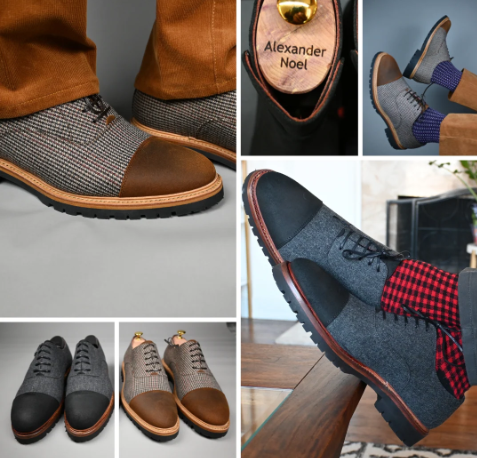
It’s not just about fit; it's about personalization. The customization process empowers you to become the designer. You have the ability to create a shoe that truly says something about who you are. With innovative tools like the Alexander Noel Design Lab, you take creative control and direct the process from start to finish.
This connects you with world-class artisans who apply their skills to bring your vision to life. Modern direct-to-consumer models make this level of luxury more accessible. By cutting out the middlemen, your investment goes directly into the quality of the materials and the craftsmanship. The final product is a shoe that tells your personal story, one comfortable step at a time.
The Legacy of Italian Shoemaking Craftsmanship

When you hear "Italian shoes," you think of more than just footwear. You envision a heritage of quality and a history of artistry. This reputation isn't a marketing gimmick; it's a legacy built over centuries, with skills passed down from one generation of artisans to the next.
In Italy, shoemaking is treated as a high art form. This deep-rooted culture of craftsmanship is what makes custom made Italian shoes for women the global gold standard. We're not talking about shoes glued together on a fast-moving production line. Italian shoemaking is a patient, deliberate craft, where every step is executed with purpose—to create something beautiful, durable, and exceptionally comfortable.
This national obsession with quality isn't limited to shoes; it’s a core part of the creative genius of Italian luxury brands as a whole. It is the very foundation of their celebrated footwear industry.
The Soul of the Shoe: Materials and Methods
What truly sets these shoes apart? It comes down to two things: the materials they use and the methods they employ.
True Italian artisans begin with only the finest full-grain leathers, especially calfskin. This material is strong, flexible, and ages beautifully, developing a rich character—or patina—over time. It’s a world away from the "genuine leather" found in mass-market shoes, which is often a lower-grade material sanded and painted to hide imperfections.
The real magic, however, lies in the construction. Two methods are hallmarks of true Italian quality:
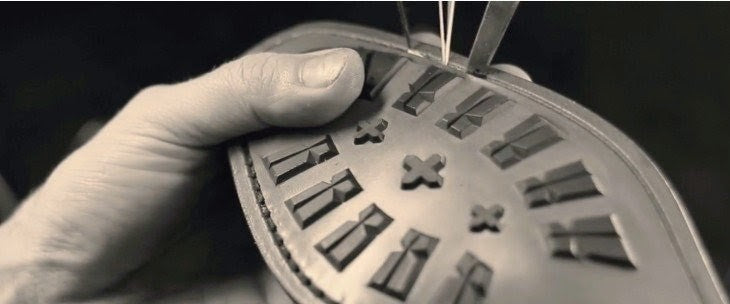
- Hand-Lasting: The "last" is the foot-shaped mold that gives a shoe its form. Hand-lasting is the art of stretching and shaping the leather upper over this mold entirely by hand. This allows the artisan to work with the leather’s natural tendencies, guaranteeing a perfect shape without tension or bunching. It’s the difference between a sculptor working with clay and a machine stamping out a shape.
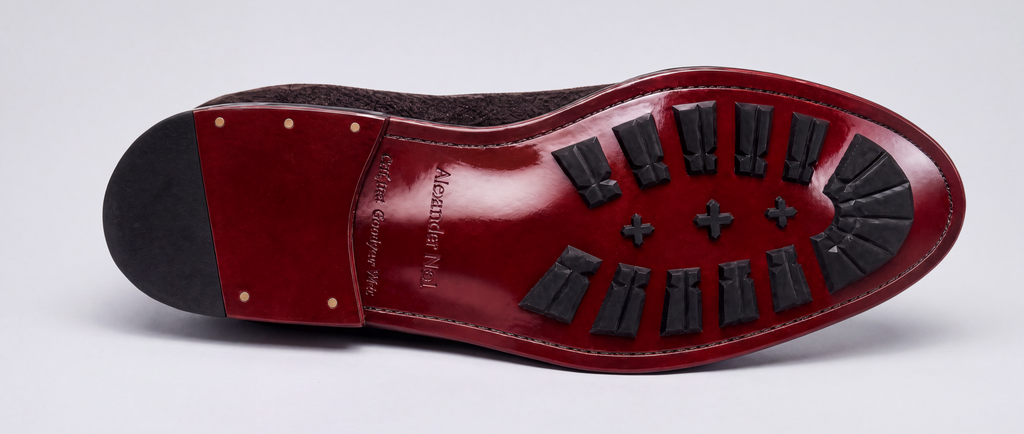
- Blake Stitching: A signature of high-end Italian footwear, this technique stitches the upper, insole, and outsole together in a single seam from the inside. This creates a wonderfully flexible and sleek profile. The best part? The shoe feels lightweight and requires almost no break-in period, molding to your foot right out of the box.
An Investment in Enduring Style and Comfort
A pair of handcrafted Italian shoes is an investment, but it’s one that repays you with years of unparalleled comfort and timeless style. The superior materials and skilled construction mean these shoes don't just last; they improve with age as the leather softens and conforms perfectly to your feet.
This dedication to quality has solidified Italy's role as a world leader. The Italian footwear market hit USD 10.87 billion in 2024 and continues to grow, proving that consumers everywhere are choosing quality over quantity. This shift is a boon for direct-to-artisan brands that prioritize craftsmanship.
When you invest in a pair of custom made Italian shoes, you're not just buying a product. You are acquiring a piece of heritage, a testament to the skill and dedication of artisans who have perfected their craft over a lifetime.
Ultimately, the Italian shoemaking legacy is built on a simple philosophy: an object made with care, skill, and the best materials offers value that trends can't diminish. These are not disposable fashion items; they are foundational pieces for a lasting wardrobe.
To get a closer look at the art behind these pieces, check out our guide on what makes handmade ladies' shoes so special.
Your Personal Design Journey Starts Here
This is where you become the designer. The process for creating custom made Italian shoes for women has been refined to put you in complete creative control, with no design experience needed.
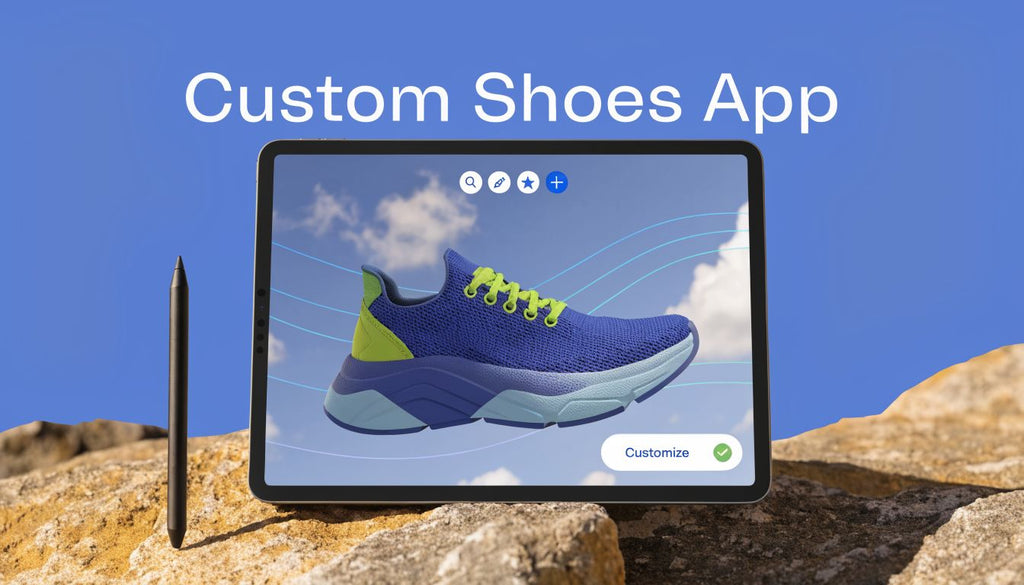
Think of it as having a direct line to an artisan’s workshop. Instead of needing to travel or speak the language, you use an intuitive digital studio. Modern platforms, like the Alexander Noel Design Lab, translate your creative choices into a detailed blueprint for a master shoemaker, making the entire "bespoke" process approachable and exciting.
This move toward personalization is more than a trend. The global market for custom shoes is expected to climb from USD 3.06 billion in 2026 to USD 4.42 billion by 2030, an impressive 9.6% annual growth rate. This demand for unique products is growing much faster than the overall footwear market, showing how much people value products that reflect their individual style. You can discover more about these market dynamics and growth projections.
Choosing Your Canvas: The Foundation of Your Design
Every great design starts with a solid foundation. In custom shoemaking, that means selecting your base style. This first decision sets the tone for your entire design and how it will function in your wardrobe.
Consider your needs. Is this a shoe for a special occasion or an everyday staple? The options are broad and exciting:
- The Classic Pump or Stiletto: A cornerstone for any wardrobe, perfect for the office or a night out.
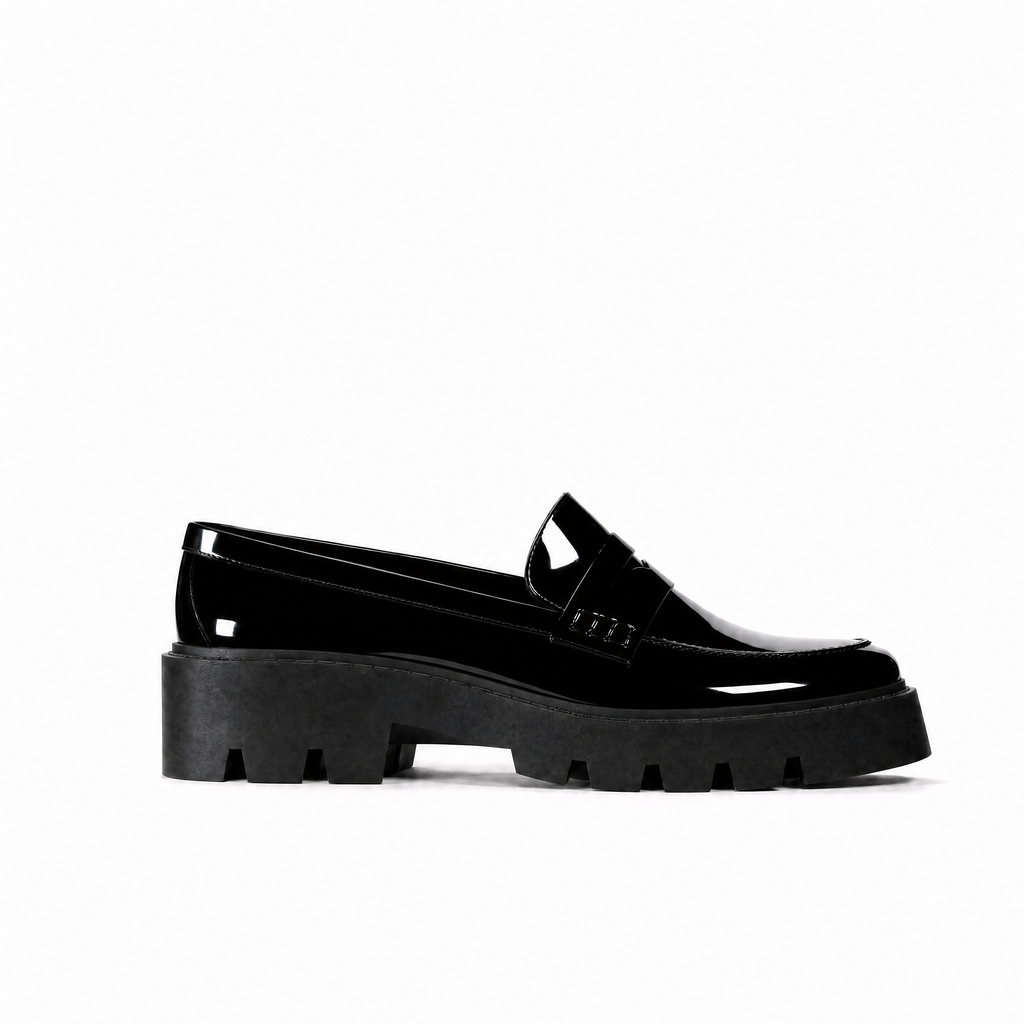
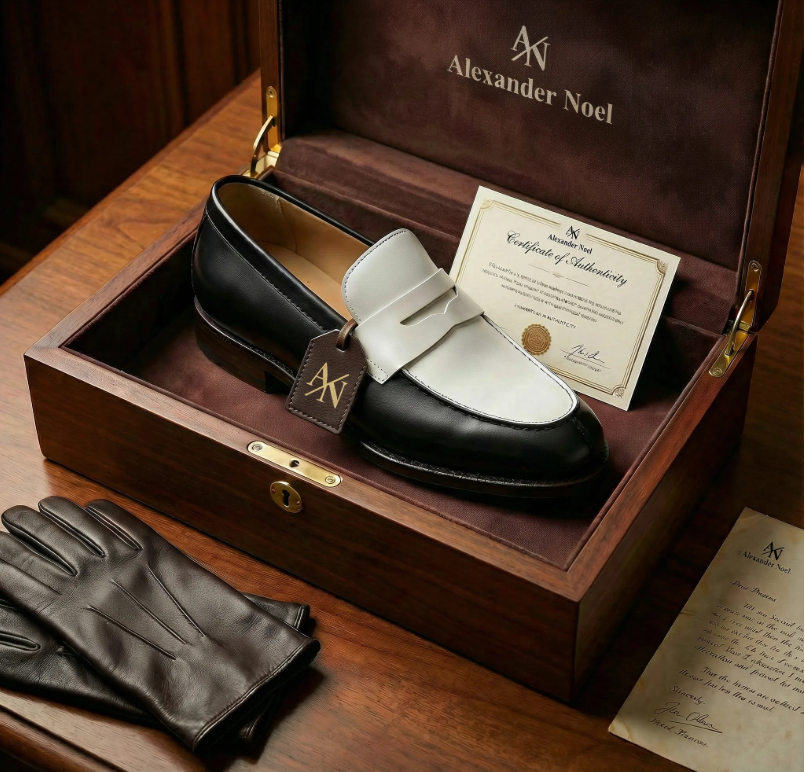
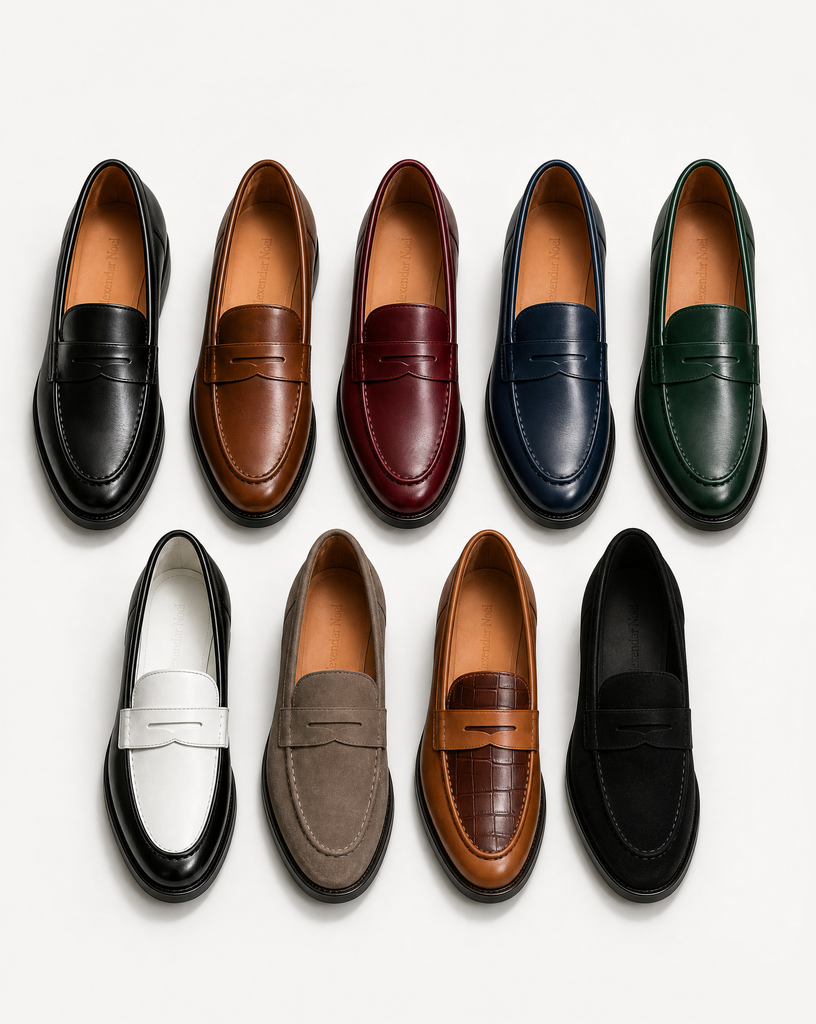
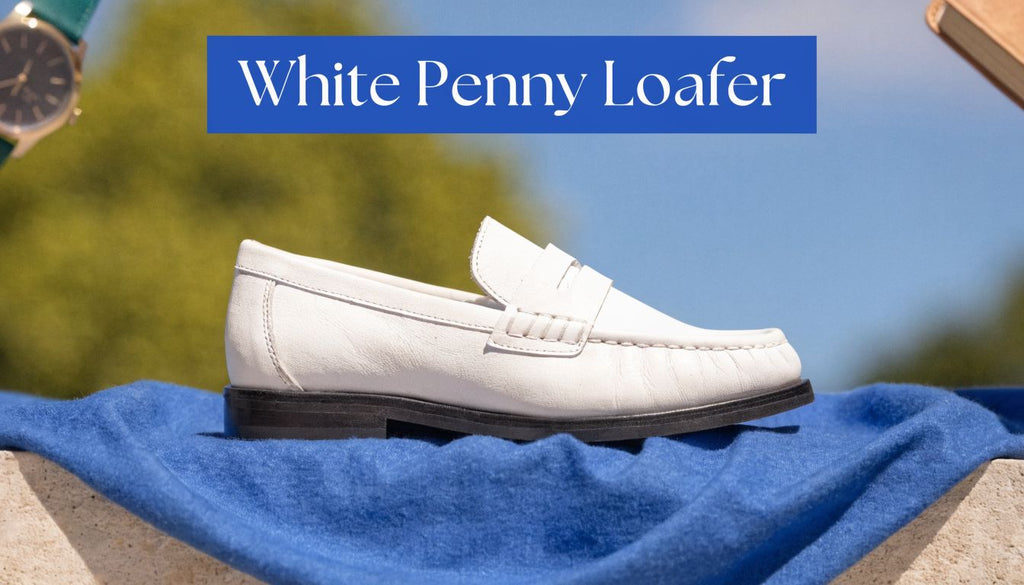
- The Versatile Loafer: A timeless style that elegantly bridges the gap between casual and sophisticated.
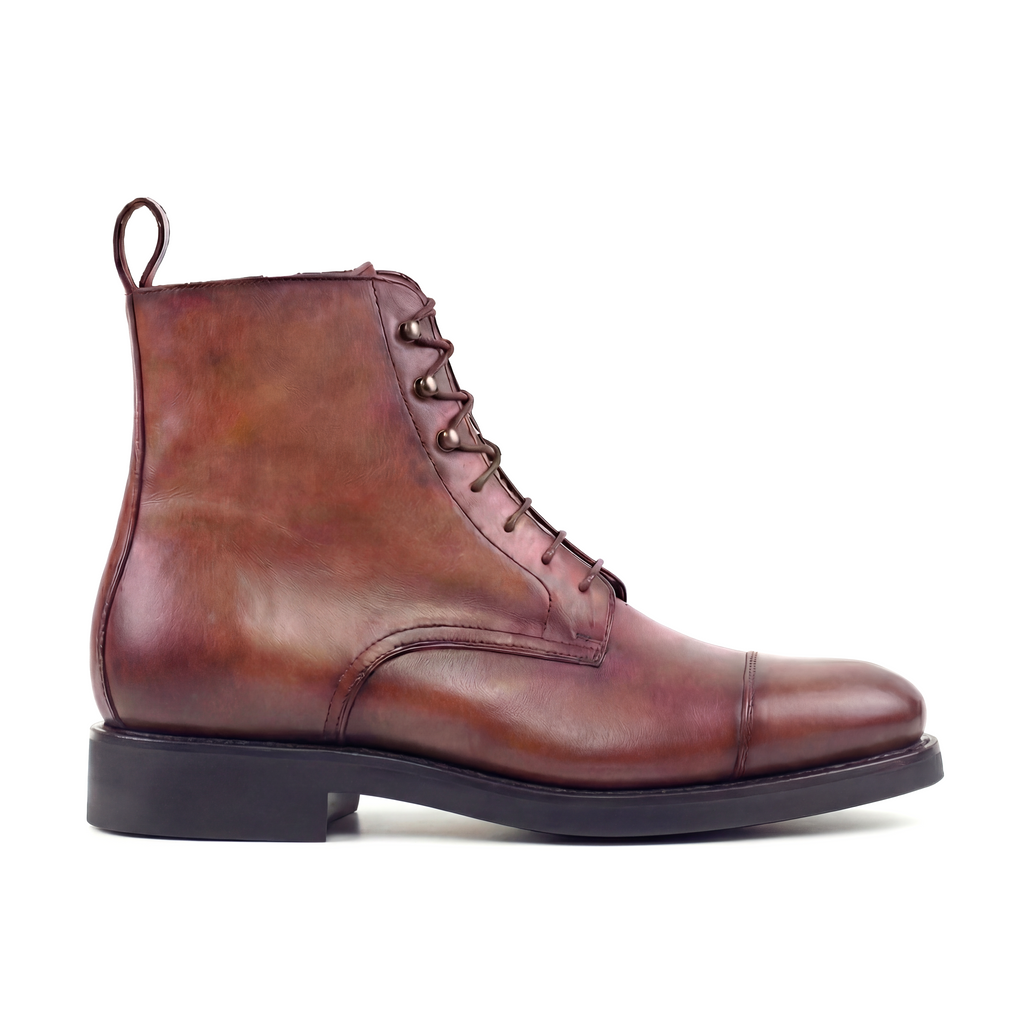
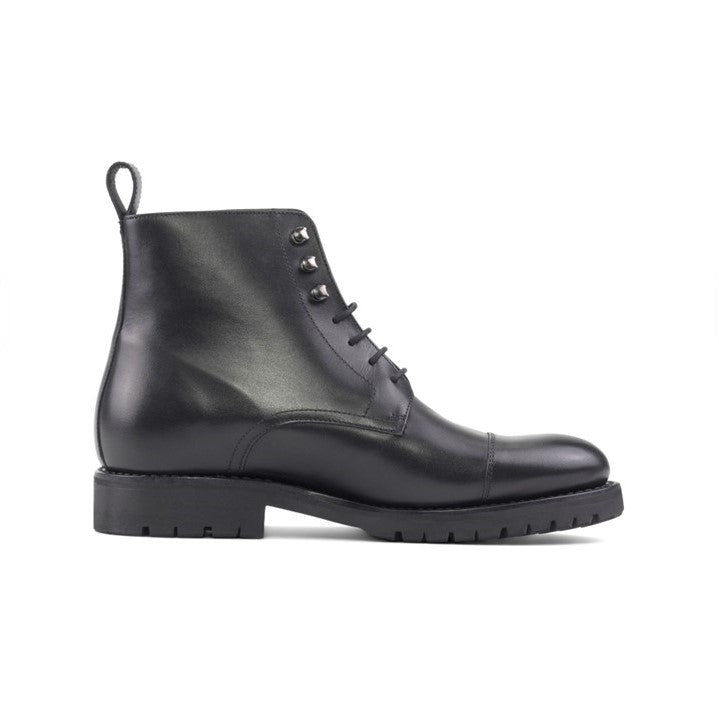
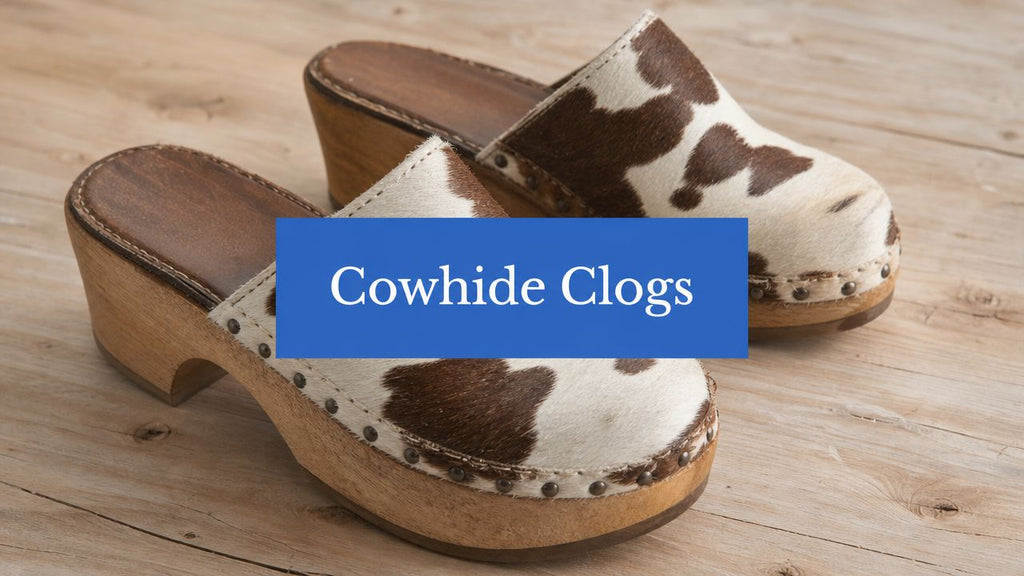
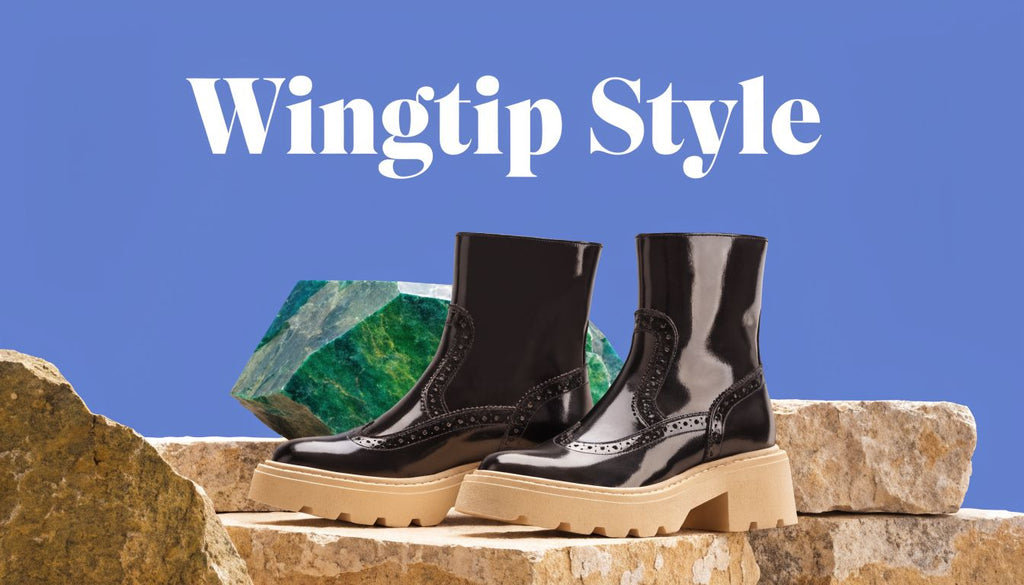
- The Statement Boot: Whether an ankle bootie or a knee-high style, boots offer a larger canvas for creativity.
- The Elegant Flat: Proof that style and comfort can go hand-in-hand for all-day wear.
This step is about choosing the silhouette—the core shape you will build upon with your personal touches.
Painting with Leather and Color
With your style chosen, the creative journey begins. This is where you select the materials and colors that will bring your design to life and let your personality shine. Reputable custom platforms provide a curated library of premium materials, often sourced from the same tanneries that supply top luxury houses.
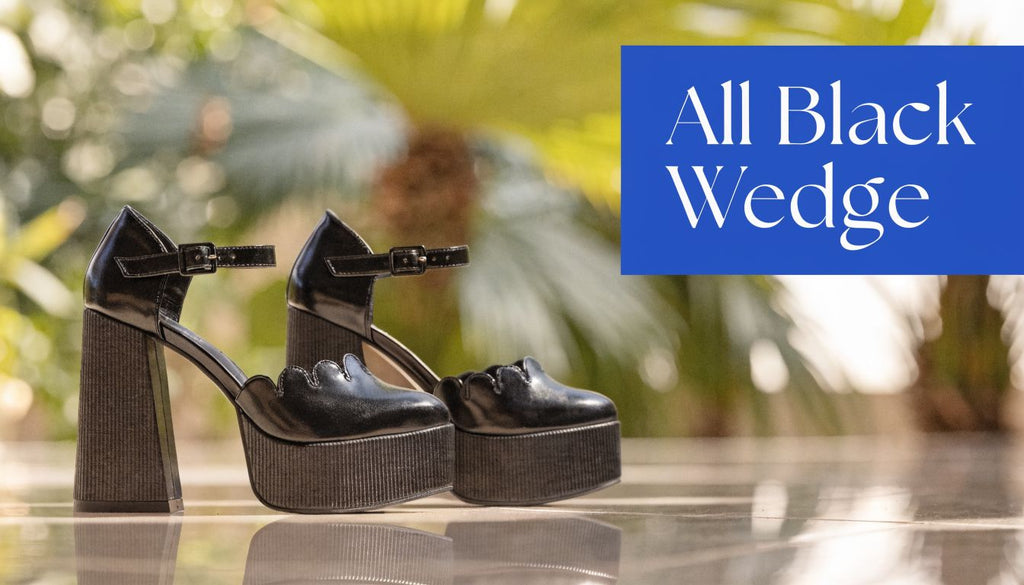
At this stage, you can choose from a wide range of rich, full-grain leathers, soft suedes, and unique textures. More importantly, you can apply different materials to different parts of the shoe. A cap toe in a contrasting color? A suede body with a patent leather heel? The choice is entirely yours.
To help you understand the options, here is a breakdown of the typical choices you can make when designing your shoes.
Key Personalization Options in Custom Shoemaking
| Customization Element | Description & Common Choices | Impact on Style & Comfort |
|---|---|---|
| Base Style/Silhouette | The fundamental shape of the shoe. | Defines the shoe's formality, occasion, and overall look (e.g., professional, casual). |
| Pumps, Loafers, Boots, Flats, Oxfords. | ||
| Upper Materials | The main material covering the shoe. | Greatly affects aesthetics, durability, and breathability. Leather molds to the foot. |
| Full-Grain Leather, Suede, Patent, Exotic Skins. | ||
| Color & Finish | The dye and surface treatment of the material. | This is the primary way to express personality. Patina adds an aged, artistic effect. |
| Solid colors, two-tones, hand-painted patina. | ||
| Sole Construction | How the sole is attached to the upper. | Impacts durability, flexibility, and water resistance. Blake is sleek; Goodyear is robust. |
| Blake, Goodyear Welt, Cemented. | ||
| Finishing Details | The small elements that complete the design. | These touches make the shoe uniquely yours and add a signature element. |
| Monograms, hardware (buckles), broguing, laces. |
These elements work in harmony, allowing you to create a shoe that is perfectly balanced in both appearance and function.
Customization is a conversation between you and the artisan. You provide the vision, and they provide the skill. The result is a shoe that neither of you could have created alone.
Adding the Finishing Touches
The final stage is all about the details. These small choices have a huge impact, transforming a custom design into something deeply personal and one-of-a-kind.
Consider adding elements like:
- Unique Hardware: Select the finish for buckles, eyelets, or other metal accents.
- A Personal Monogram: Have your initials inscribed on the sole for a subtle, signature touch.
- Contrasting Laces or Stitching: A pop of color in the stitching can completely change the character of the shoe.
This entire process makes personalization simple and rewarding. For more inspiration, you can read our guide on creating unique women's shoes.
How to Achieve a Perfect Fit From Home
Let's be honest: the main reason most women seek out custom made Italian shoes is to finally end the frustrating search for a comfortable fit. Off-the-shelf shoes are built for a statistical “average” foot, but a study of thousands of feet found that less than 8% of us actually have one. That massive gap explains why so many shoes pinch, rub, and cause problems.
This is where a custom-made shoe changes everything. Instead of forcing your foot into a pre-made shape, we build the shoe around your foot. It’s a process that blends old-world artisan skill with modern precision—and you can achieve that perfect fit without ever leaving your house.
Why Standard Sizing Fails Most Women
Think of standard shoe sizes as a ballpark guess. A size 8 from one brand can feel completely different from another because they use different “lasts”—the foot-shaped molds used to build the shoes. Mass production simply can’t account for the unique characteristics of an individual’s feet.
A custom approach immediately solves these common fit issues:
- Varying Widths: Most retail shoes come in one standard width. But feet can be narrow, wide, or even extra-wide.
- Arch Differences: Whether you have high arches or flat feet, a generic insole offers minimal support, which can lead to aches and pains.
- Asymmetrical Feet: It’s incredibly common for one foot to be slightly larger or wider than the other. With off-the-shelf shoes, you're always forced to compromise.
A truly perfect fit is the very foundation of all-day comfort and even better posture. When your shoe properly supports your foot's natural shape, it helps align your entire body and takes the strain off your ankles, knees, and back.
This design process shows how we move from a general style to the tiny details that make a shoe uniquely yours, with fit being the cornerstone of it all.

This path ensures every choice you make, from the style to the leather, works toward a shoe that looks and feels like it was made just for you.
Measuring for Success in Three Simple Steps
Achieving a perfect bespoke fit from home is surprisingly straightforward. At Alexander Noel, we've developed an at-home fitting system that is both easy to follow and incredibly accurate. All you need is a piece of paper, a pen, and a ruler.
- Trace Your Feet: Place a piece of paper on a hard, flat surface. Stand on it with one foot and carefully trace the entire outline. Be sure to do this for both feet—they’re often different sizes!
- Measure Length and Width: Use your ruler to draw a box around the tracing. Measure the distance from your longest toe to your heel for the length. Then, measure the widest part of your foot for the width. For the best accuracy, write these numbers down in millimeters.
- Note Your Foot's Unique Shape: Take a moment to identify any specific concerns. Do you have bunions, a high instep, or hammertoes? Our process will ask for this information, allowing our artisans to build in extra room or support exactly where you need it.
For more detailed, step-by-step instructions, check out our guide on how to measure your shoe size at home.
This information serves as a precise blueprint for our shoemakers. Armed with your measurements, they can select the ideal last and make handcrafted adjustments to create a shoe that feels less like an accessory and more like a natural extension of you.
The Direct-to-Artisan Advantage
Ever wonder how you can get handcrafted Italian luxury without the typical boutique price tag? The secret is a modern, direct-to-consumer model that connects you directly to global artisan partners, making custom made Italian shoes for women more accessible than ever. This innovative approach completely redefines how your shoes travel from the workshop to your wardrobe.
Consider the traditional retail journey. An artisan makes a shoe and sells it to a distributor. That distributor sells it to a wholesaler, who then sells it to a high-end retail shop, which finally sells it to you. Each middleman adds a significant markup, meaning a large portion of what you pay for isn't the shoe itself, but the long journey it took to reach you.
The direct-to-artisan model offers a much clearer alternative. By cutting out the layers of distribution and retail, brands like Alexander Noel make sure your investment goes where it should: into the best materials and the skilled hands that shape them.
This direct connection simply means you get far more value for your money. It’s the difference between paying for quality and paying for an outdated supply chain.
Breaking Down the Cost
The price of a luxury shoe has many moving parts, but the direct-to-artisan model simplifies it—for your benefit. Instead of paying for multiple markups, the price reflects the true cost of premium materials and the artisan’s time and skill. This is how we blend timeless tradition with modern accessibility.
This model is more relevant than ever. The Italian women's luxury footwear market is expected to hit USD 3.2 billion in 2025 and grow to over USD 5.6 billion by 2035. This incredible growth is driven by shoppers seeking authentic, high-quality products. For a business like ours that partners directly with artisans, this is a huge opportunity. You can learn more about the trajectory of the Italian luxury footwear market and the details behind its growth.
To make it even clearer, let's compare the two models side-by-side. The table below illustrates the journey a shoe takes in the traditional system versus our direct-from-the-artisan approach.
Traditional Retail vs. The Direct-to-Consumer Model
| Feature | Traditional Luxury Retail | Alexander Noel (Direct-to-Consumer) |
|---|---|---|
| Supply Chain | Multi-layered: artisan > distributor > wholesaler > retailer > customer. | Simplified: artisan > brand > customer. |
| Pricing | High markups at each stage significantly inflate the final price. | Transparent pricing with no retail markup; value is in the craftsmanship. |
| Customization | Limited to off-the-shelf sizes and styles. | Fully personalized design and fit, made-to-order just for you. |
| Artisan Connection | Impersonal and disconnected; the maker is anonymous. | A direct link; you collaborate with the artisan through the design process. |
| Value Proposition | You pay for brand prestige, marketing, and retail overhead. | You pay for premium materials, skilled labor, and a perfect fit. |
As you can see, the direct model is built around delivering true value and a personal connection, not just a product.
The Modern Path to Bespoke Quality
The direct-to-consumer (DTC) model doesn't just save you money; it elevates the entire experience. When you create your shoes with a platform like the Alexander Noel Design Lab, your unique design goes straight to a partner artisan in Italy, Spain, or Portugal. Nothing gets lost in translation between buyers or brand managers.
This direct line provides real benefits:
- Authentic Craftsmanship: You gain access to a network of master shoemakers who have been perfecting their skills for generations.
- Unwavering Quality: Because your money directly supports the artisan, there’s no pressure to cut corners on materials or construction.
- True Personalization: Your design is brought to life by a single maker, ensuring the final shoe is exactly what you envisioned.
In the end, the direct-to-artisan advantage is about bringing bespoke quality right to your door. It’s a smarter, more personal way to invest in luxury footwear that is made just for you, by a master of the craft.
Caring for Your Handcrafted Investment
Your custom-made Italian shoes are more than an accessory; they are a piece of craftsmanship designed to be with you for years. To ensure they last and continue to look beautiful, a simple care routine is all it takes. This protects the fine leather, helps the shoe retain its shape, and preserves the comfort you love.
A little attention goes a long way in maintaining the quality of your footwear, allowing the natural materials to age with grace and character.
Your Essential Care Routine
A great care routine doesn't need to be complicated. Spending just a few minutes on your shoes after wearing them can make a huge difference in their longevity. The main goals are to clean, condition, and store them correctly.
Here are the most important steps to follow:
- Clean After Each Wear: Take a moment to wipe your shoes with a soft, dry cloth. This removes the day's dust and dirt before it can settle into the leather.
- Use Quality Shoe Trees: This is the single most important step you can take. Cedar shoe trees are ideal as they absorb moisture, smooth out creases from walking, and help the shoe hold its original, intended shape.
- Condition Periodically: Leather is a skin, and it can dry out over time. Every few months, apply a quality leather conditioner to keep the material nourished, soft, and flexible.
- Store Them Properly: Keep your shoes in a cool, dry place away from direct sunlight, which can cause color to fade and leather to become brittle. For long-term storage, the dust bags that came with your shoes are perfect.
Tips for Different Materials
Not all leathers are the same, so your care routine should adapt to the material of your specific shoes.
For smooth calfskin, a high-quality cream polish in a matching color is best. It will nourish the leather while covering minor scuffs. On the other hand, delicate suede requires a special suede brush to lift the nap and a suede eraser for small spots. Never use water on suede, as it can leave permanent stains. If you want to build a proper toolkit, our guide to creating a complete footwear care kit is the perfect place to start.
Protecting your investment also means knowing when to call in a professional. For bigger jobs like replacing a sole or fixing a deep gash, always take your shoes to a trusted cobbler. Their expertise ensures the shoe’s structure remains sound for many more years of wear.
Common Questions About Custom Italian Shoes
Thinking about designing your own custom shoes is exciting, but it’s completely normal to have a few questions before you begin. We understand.
Here are straightforward answers to the questions we hear most often, so you can feel confident starting your own design journey.
How Long Does It Take to Receive Custom Shoes?
When people hear "custom-made," they often picture a wait time of several months. While that might have been true for traditional bespoke shoemaking, modern, direct-to-artisan models have changed the game.
Once you’ve perfected your design in a tool like our Design Lab, the artisans get to work right away. Your made-to-order shoes are typically crafted and shipped within 48 hours to 10 business days. This gives you the best of both worlds: meticulous, handcrafted quality without a long, drawn-out wait.
Are Custom Shoes More Expensive Than Designer Brands?
This is a common myth, but the answer is often no. In fact, our custom shoes are frequently priced competitively with—and sometimes for less than—high-end, off-the-shelf designer footwear. The secret is our direct-to-consumer model.
By cutting out middlemen like distributors, wholesalers, and retail stores, we eliminate the heavy markups that inflate the prices of traditional luxury brands. Your money goes directly toward what truly matters:
- Superior Materials: Premium, full-grain leathers and other top-tier components.
- Artisan Skill: Fair compensation for the master craftspeople who build your shoes by hand.
- A Perfect Fit: The invaluable comfort of a shoe made to your precise measurements.
You receive a higher quality shoe and a perfect fit for a price that’s comparable to, or even better than, a mass-produced designer alternative.
What Happens if My Shoes Do Not Fit Perfectly?
Your complete satisfaction is our goal, which is why any reputable custom brand will stand behind their work with a perfect fit guarantee. We build accuracy into the process from the very beginning with our at-home fitting systems.
A perfect fit is the entire foundation of the custom shoe experience. Brands that are truly committed to this promise will work with you until you are 100% happy with how your shoes feel.
On the rare occasion your shoes arrive and don’t feel absolutely flawless, our customer service team is here to make it right. We will work with you on a solution, whether that means a small adjustment or a complete remake of the shoe. Our commitment is to deliver a pair that feels like it was made for you and you alone.
How Much Creative Freedom Do I Actually Have?
The creative control is nearly limitless. When you use an online Design Lab, you are the director. You start by choosing a base style—perhaps a stiletto, a loafer, or a boot—and from there, every detail is in your hands.
The options are vast. You can browse a huge library of premium leathers and suedes, pick colors for every part of the shoe, decide on the heel height and shape, and even add personal touches like hardware or a monogram. With so many possible combinations, you can be sure your final design is a true one-of-a-kind.
Ready to step into a world of perfect fit and personal style? At Alexander Noel, our Design Lab makes it easy to create the shoes you've always dreamed of. Stop settling for off-the-shelf and start designing a pair that is uniquely, beautifully yours.
Begin your custom shoe design journey with Alexander Noel today.
Related post
04
Oct
04
Oct
26
Sep
26
Sep
26
Sep
