

RECENT POSTS
29.August.2026
Custom Women's Boots for Fall: Choosing Between Two Black Chelsea Silhouettes
0 Comments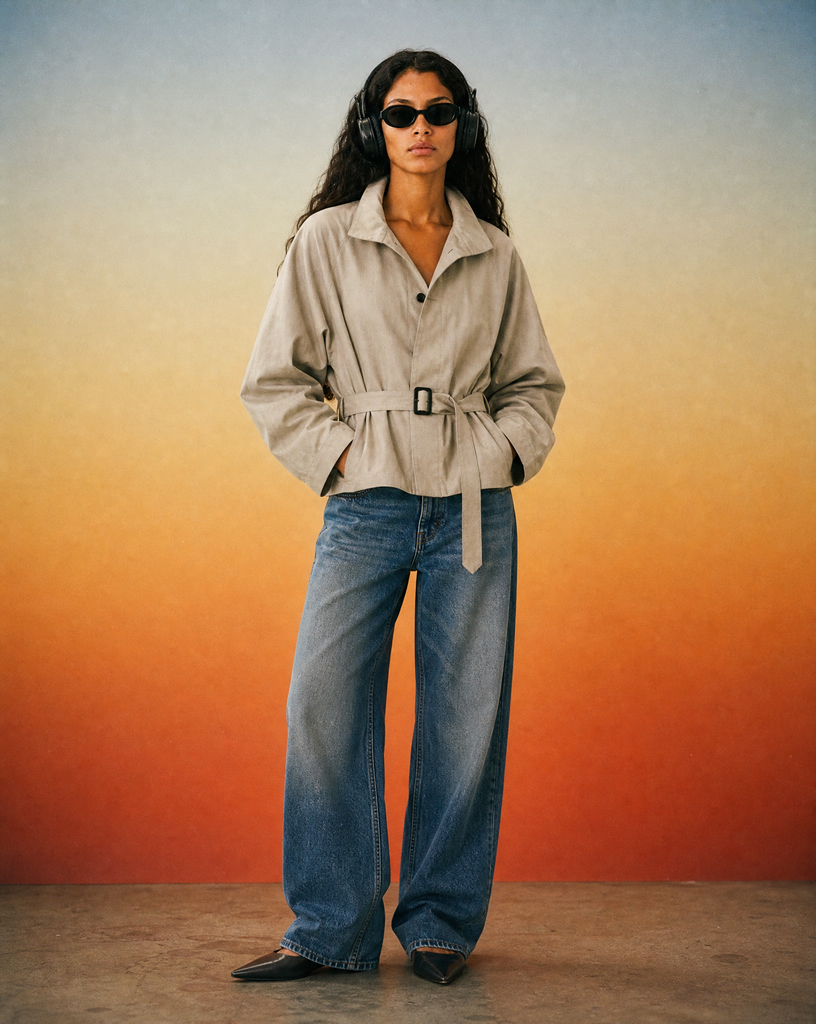
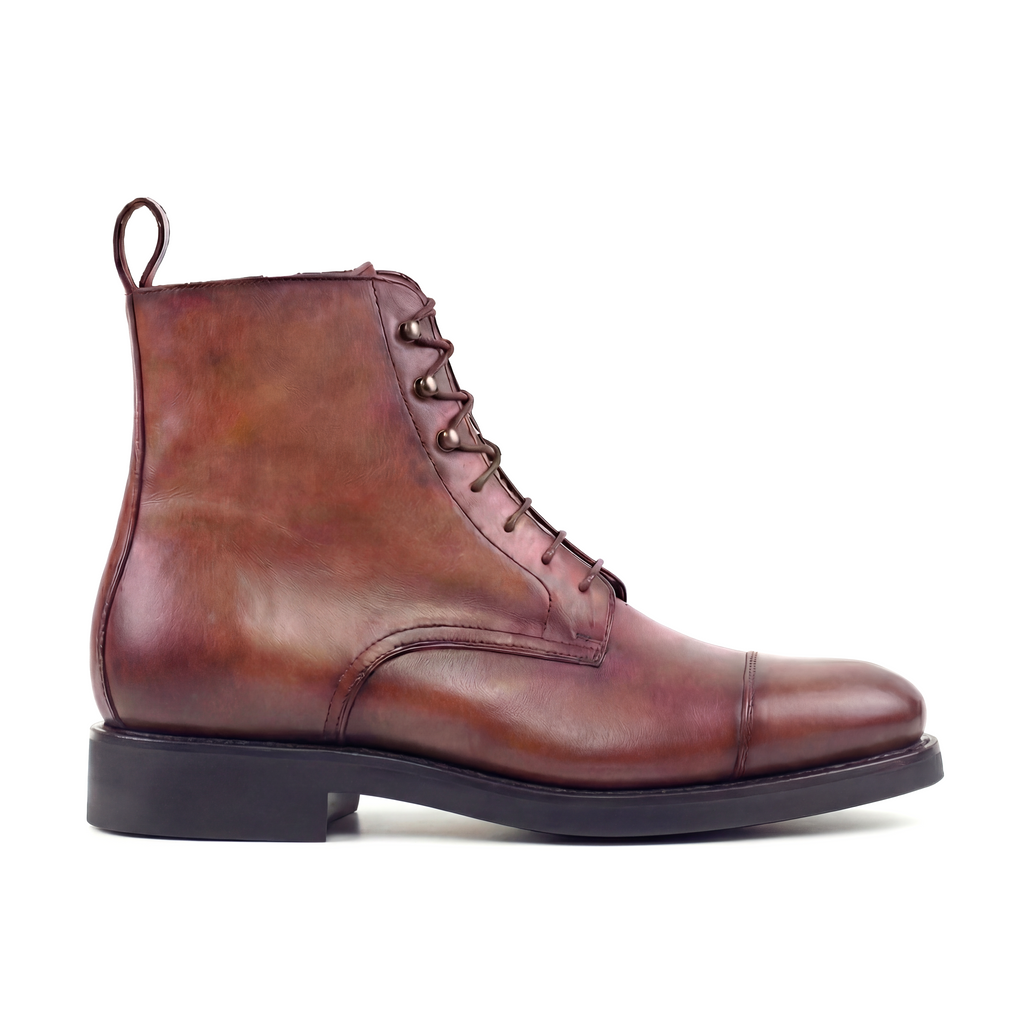
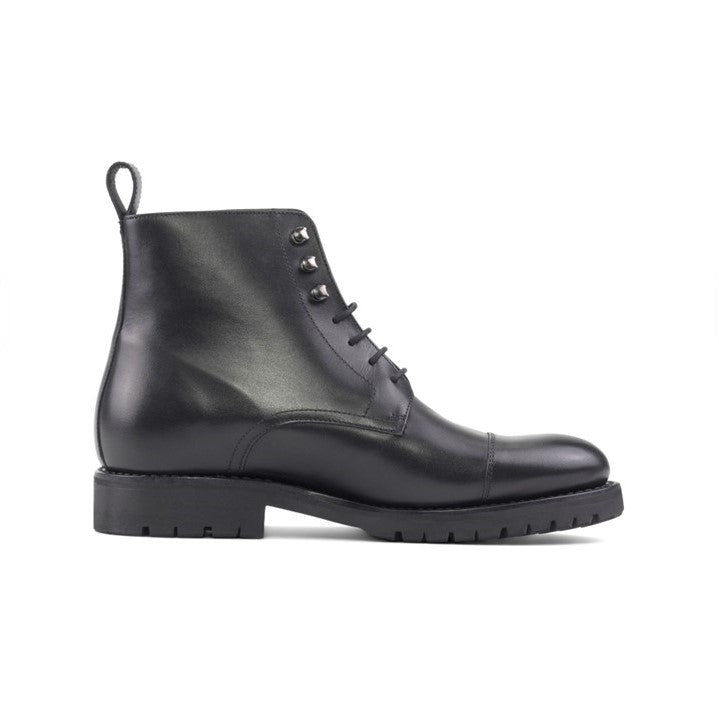
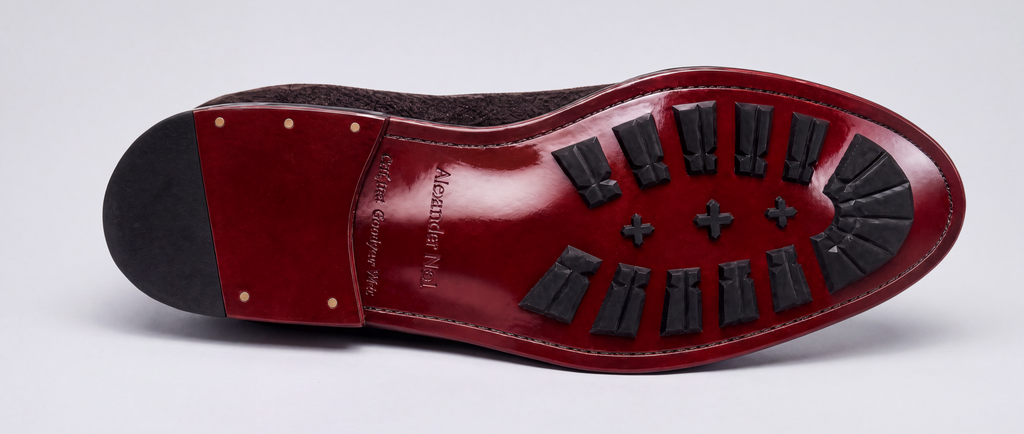






Silver Men Dress Shoes: Styling Guide for 2026
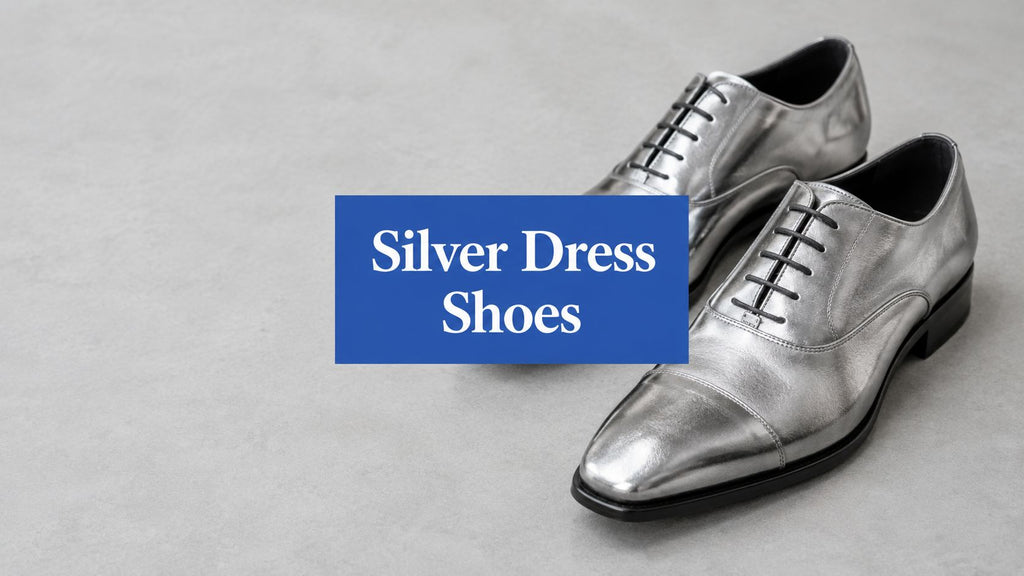
Most advice about silver men dress shoes is lazy. People act like they belong only to weddings, galas, or New Year's Eve, then miss the fact that metallic footwear is moving into day-to-day wardrobes as a sharper kind of neutral. If you already own black and brown, silver is the pair that adds range, especially when you want your shoes to say “intentional” without shouting.
The trick is to stop thinking of silver as costume and start treating it like a finish choice. A muted silver derby can sit comfortably with tailoring, and a brushed silver loafer can look more current than another predictable brown pair. The market context supports that shift, too, because formal footwear remains a major category, not a fringe one, with the formal-shoes market valued at about US$6.7 billion in 2024 and projected to reach US$10.6 billion by 2030 in one estimate, while another puts the global formal footwear market at US$60.27 billion in 2025 and US$100.22 billion by 2034 (dress shoe market data).
Why Silver Dress Shoes Deserve a Place in Your Rotation
The old rule said silver was for parties. Ignore it. In professional wardrobes, silver dress shoes work because they behave like a neutral with attitude, especially next to navy, charcoal, and clean monochrome looks. You're not buying a novelty item, you're buying a shoe that gives familiar tailoring a less predictable edge.
Silver works when the outfit is already controlled
If your suit fits well and your trousers break cleanly, silver shoes don't need to fight for attention. They read best when the rest of the outfit is disciplined, a white shirt, a restrained tie, and tailoring that doesn't already compete for visual space. That's why silver lands better in boardrooms, dinners, and polished creative offices than in overly loud outfits.
The trend line points the same way. Search-interest data for 2024 to 2026 showed “silver sneakers” rising from 51 in December 2024 to 100 by January 2026, while “silver heels” reached 96 in March 2025 (silver footwear trend data). That doesn't prove every man needs silver shoes, but it does show metallic finishes have moved beyond special occasions.
For a broader trend snapshot, see the 2026 men's shoe trend guide.
Practical rule: If you'd wear the outfit to a client meeting, silver can work. If the outfit already feels theatrical, silver will push it over the edge.
The right silver shoe should feel restrained, not loud
Muted silver looks modern. Mirror-shine silver looks like a costume unless the event calls for flash. That's the main filter I use with clients aged 29 to 60, and it's the one that keeps silver usable on repeat rather than stuck in the closet after one event.
Silver also fits the current styling mood. Fashion coverage is already pushing metallic footwear into fitted trousers, denim, and daywear, which means the question isn't whether silver can work, it's which version works without looking forced (silver shoe styling coverage).
Understanding Silver Finish Levels and Their Impact
Not every silver shoe reads the same way. Finish is what decides whether a pair feels refined, playful, or too much for daylight. If you want versatility, you need to choose the finish as carefully as the silhouette.
Start with the sheen level
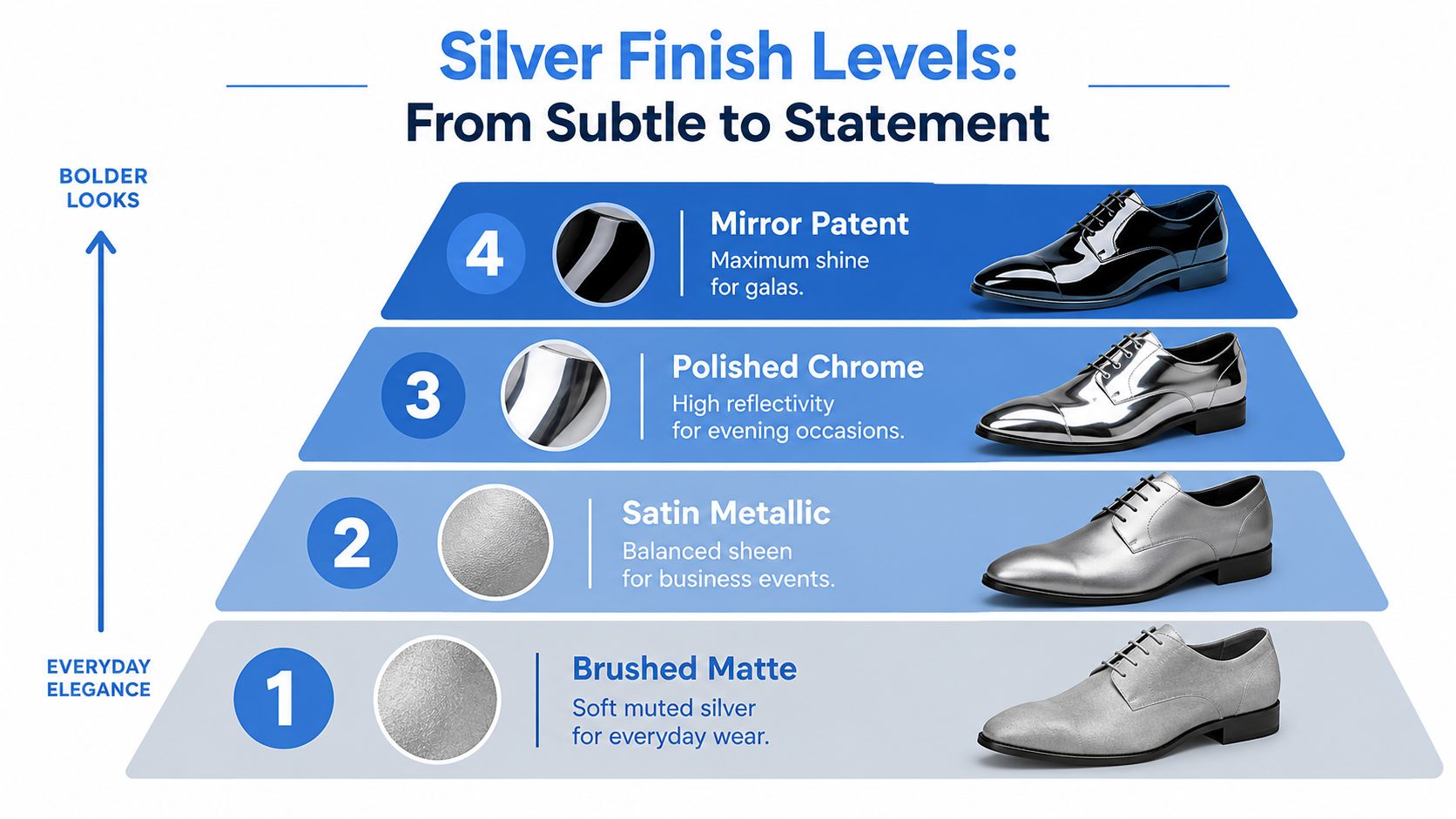
A brushed matte silver is the most forgiving choice. It softens the metallic effect, works with wool trousers and dark denim, and doesn't catch every light source in the room. A satin metallic finish sits in the middle, polished enough for business events but not so reflective that it dominates the outfit.
Then there's polished chrome, which is useful only when the rest of your clothing is strict and deliberate. It reads as evening-first footwear, not an everyday work shoe. Mirror patent is the most formal and the least flexible, so I'd reserve it for gala-level dressing or situations where shine is the point.
Choose finish based on your calendar, not your fantasy
A lot of men buy the shiniest pair in the shop, then discover they can't wear it anywhere useful. That's backwards. If your life includes office days, dinners, travel, and occasional events, muted metallics earn more wear because they don't lock you into formalwear.
The care burden changes with finish, too. Higher-shine surfaces show marks faster and demand more restraint with cleaning products, while subtler finishes are easier to maintain without damaging the metallic layer. If you like surface nuance and handcrafted patina work, look at the handmade patina approach before you decide on your finish.
Practical rule: The more reflective the shoe, the narrower your wearing window.
Choosing the Right Silver Shoe Silhouette
Silhouette determines whether silver looks sleek or overdone. The color gets all the attention, but the shape decides the context. If you pick the wrong silhouette, even a tasteful silver finish can feel off.
Oxfords stay the formal anchor
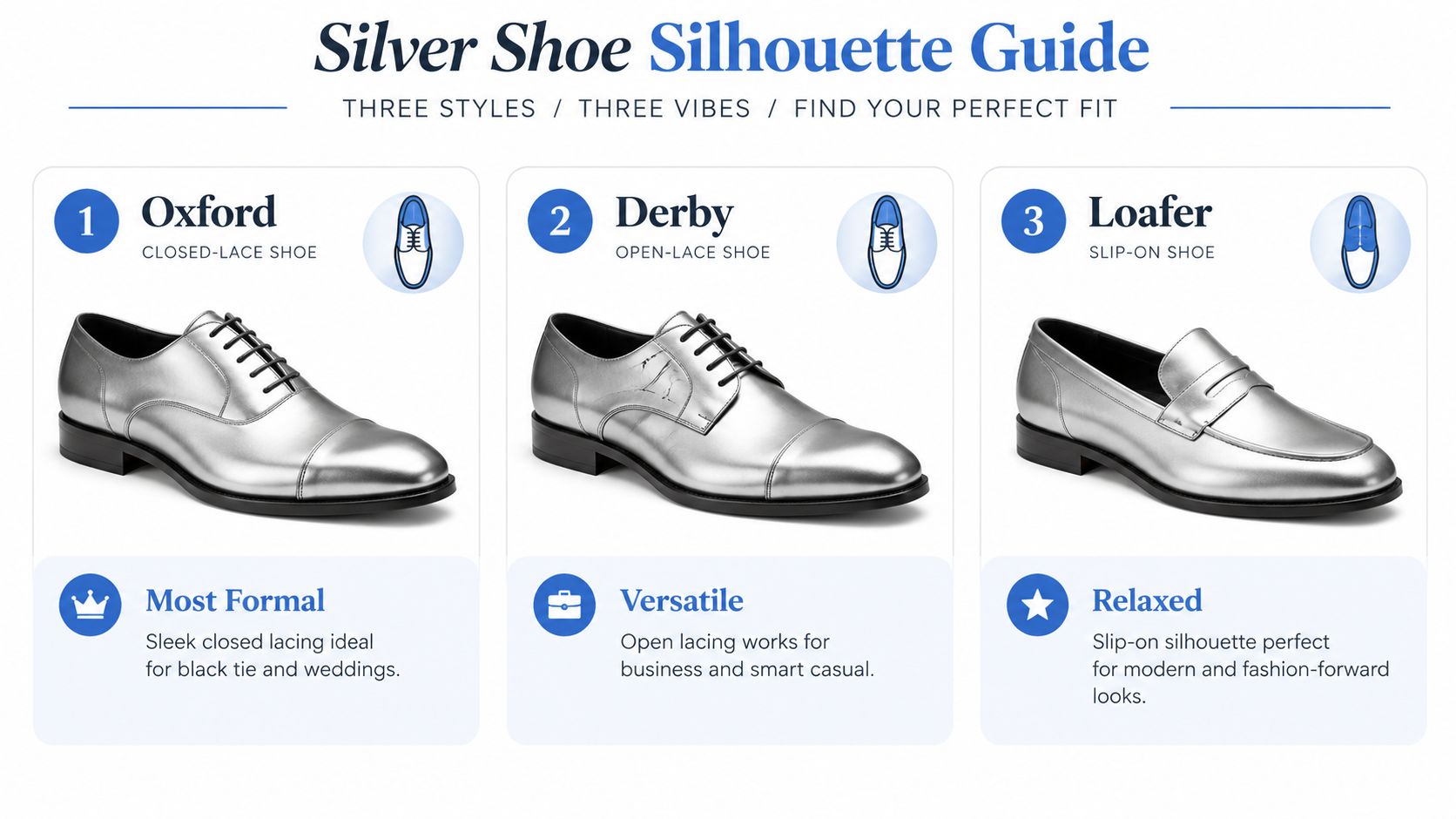
Silver oxfords are the cleanest and most polished option. Closed lacing gives them a sharper profile, so they work when your suit is structured and your setting is serious. They're the pair I'd choose for formal business wear, weddings, and evening events where you want silver to look deliberate rather than decorative.
Derbies give you more flexibility. Open lacing softens the formality, which makes silver derbies the best bridge between office wear and smart-casual outfits. They're the pair that can move from well-cut wool trousers to dark denim without looking wrong.
Loafers are the most relaxed of the three. A silver loafer is ideal when your wardrobe leans modern, especially with cropped trousers, unstructured jackets, or creative-industry dress codes. The silhouette matters as much as the finish, and in silver, loafers carry a more fashion-forward tone than oxfords ever will.
Match the shoe to the trouser, not just the occasion
A slim wool trouser wants a cleaner shoe shape. That usually means an oxford or a narrow derby. Dark denim or softer separates can handle a loafer more easily because the outfit already feels less rigid. The more texture your clothing has, the less your silver shoe has to do.
For a side-by-side breakdown of forms and lacing, use the Oxford and Derby comparison guide.
Silver reads most naturally when the silhouette agrees with the rest of the outfit's formality.
Outfit Pairings That Work in Real Life
The easiest way to wear silver shoes well is to stop treating them as the statement and start treating them as part of the system. The shoe should sharpen the outfit, not rescue it. That means the shirt, trouser, and accessories need to pull in the same direction.

Use silver to modernize navy and charcoal
A navy suit with silver shoes is the cleanest entry point. Navy gives silver a stable base, and the contrast feels contemporary without turning loud. A white shirt and a deep-toned tie keep the outfit disciplined, while silver shoes add interest in a way black shoes won't.
Charcoal works too, but it needs restraint. Keep the shirt crisp, the tie quiet, and avoid extra shine elsewhere. If you're wearing a metal watch, don't stack more metallics just because the shoes are silver. Let the footwear do the talking.
Build outfits around setting, not novelty
For a client meeting, I'd choose silver oxfords with charcoal suit trousers and a white shirt. For a creative office, silver derbies with well-fitted wool trousers and a light blue shirt feel easier. For a weekend wedding, silver loafers can work with navy separates if the suit fabric is soft enough and the tie doesn't fight the shoes.
The same logic applies to casual pairings. Dark denim can handle silver, but the rest of the outfit should stay clean. Think navy knit, white shirt, or a well-cut blazer rather than anything distressed or oversized.
If you want a tighter framework for shirt, trouser, and accessory balance, use the shoe color matching guide.
For dress-code edge cases, the private jet dress code guidelines are a useful reference because they show how polished travel wardrobes balance refinement with comfort.
Keep the rest of the outfit quiet
Silver shoes don't need loud companions. Avoid shiny ties, glossy belts, and other reflective details that compete with the footwear. A matte belt, a clean shirt, and trousers with proper drape keep the look grounded.
The point is simple. Silver works when it looks like a considered choice, not a desperate attempt to be seen.
The Market Case for Silver Dress Shoes in 2026
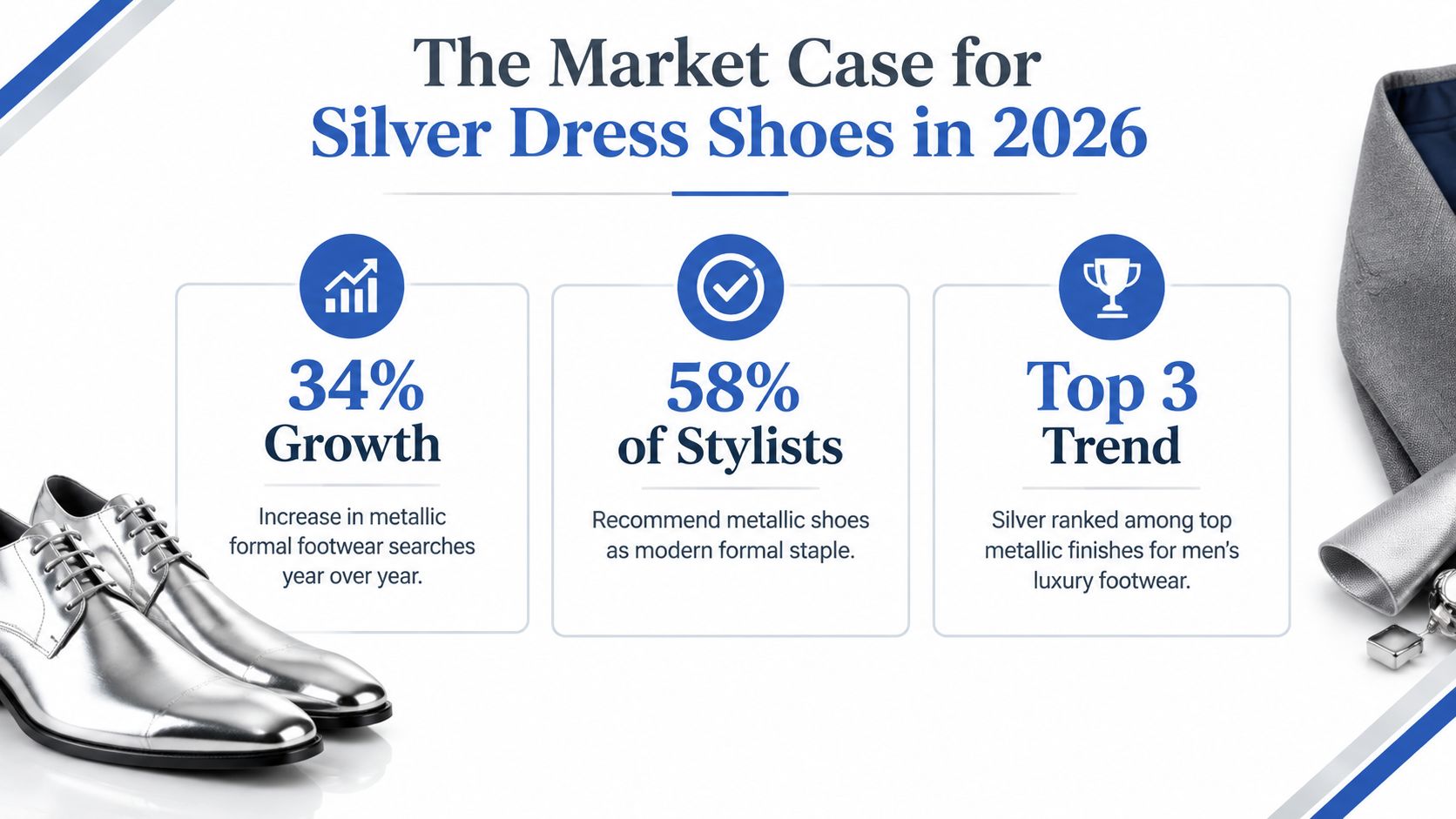
Silver has a stronger business case than most men give it credit for. The market is not just tolerating formal footwear, it keeps rewarding variation inside that category. One market estimate values formal shoes at about US$6.7 billion in 2024 and projects US$10.6 billion by 2030, while another pegs the global formal footwear market at US$60.27 billion in 2025 with a projection of US$100.22 billion by 2034 (formal shoe market data). The useful takeaway is simple. Silver sits inside a growing category as a finish with room to stand out, not as a costume piece.
Metallic finishes are gaining acceptance
Silver tones are showing up more often across footwear. Search-interest data for 2024 to 2026 showed “silver sneakers” climbing from 51 to 100 and “silver heels” reaching 96 on the same normalized scale (silver footwear trend data). That does not turn silver men's dress shoes into a fad. It shows that metallics are becoming a normal part of how shoppers read polished footwear.
The broader formal-shoe market supports the same point. One estimate places the market at US$31.90 billion in 2023, and another projects Europe alone at US$38.20 billion by 2034 (formal footwear trend data). Mature markets do not grow by repeating the same black cap-toe forever. They grow through finish, texture, and silhouette, which is exactly where silver earns its place. For a buyer thinking in cost per wear, that matters more than novelty. A silver pair that works with a dark suit, a soft navy separate, and a clean smart-casual look gets worn. A flashy pair that only works once does not.
DTC brands have made the category easier to buy well
Direct-to-consumer footwear brands have also changed how men shop for dress shoes. M.Gemi works with small artisan workshops across Italy and sells online with fit shops used as showrooms, while Koio is built around digital-first luxury craftsmanship and sells mostly through its website (M.Gemi model, Koio model). That model gives buyers more control over fit and finish without forcing them into generic retail options.
Alexander Noel follows the same logic when customization and fit matter more than shelf appeal. A buyer can choose the material, color, and styling details instead of settling for a fixed stock pair.
Caring for Metallic Leather Finishes
Silver leather needs a lighter hand than black or brown leather. Treat it like standard calfskin and you will dull the finish fast. The goal is simple, clean the shoe without stripping the metallic surface.
Use gentle maintenance, not aggressive polishing
Wipe the shoes after wear with a soft, dry cloth. That clears dust and surface marks before they settle. For a deeper clean, use a product made for metallic finishes and apply it sparingly. Heavy conditioning can mute the silver effect.
Skip routine over-polishing. Silver shoes do not need the same heavy treatment you would give a plain business oxford. The finish should stay crisp, not waxed into a flat gray.
Store them like a finished product, not gym shoes
Use shoe trees if the pair came with them, and keep the shoes in dust bags when they are out of rotation. Moisture is the enemy, especially if you wear them in unpredictable weather. Let them air out fully before you store them, and never crowd them against other leather goods where the finish can rub.
Don't try to “fix” a scuff with random polish from your black or brown shoe kit. Metallic leather punishes guesswork.
If the finish has scratches, stop before you make it worse. That is the moment for a professional repair, not another layer of product. Many custom footwear brands also use strict fit and return rules, so choose sizing carefully before you commit.
Making Your First Silver Shoe Purchase
Start with use case, not desire. If you need a shoe for office wear and dinners, buy a muted silver derby. If your calendar leans formal, buy a silver oxford. If your wardrobe is more relaxed and modern, a silver loafer makes sense, but only if your trousers already support that kind of styling.
Use this decision filter
- Pick the finish first. Choose brushed or satin if you want repeat wear. Save polished chrome and mirror patent for rarer occasions.
- Pick the silhouette second. Oxfords for the most formal settings, derbies for flexibility, loafers for smart-casual use.
- Check your wardrobe. Silver works best with navy, charcoal, dark denim, and separates. If most of your clothes are casual and oversized, the shoe will look disconnected.
- Read the return policy carefully. One custom-products policy states that all sales are final, no returns are accepted, and order changes or cancellations require 24-hour notice (custom policy example). That kind of policy can work if you're certain about fit, but it's a red flag if you're still guessing on size.
Decide by cost per wear, not by impulse
A statement shoe earns its place by rotation, not by novelty. If you'll wear silver shoes with suits, well-fitted trousers, and occasional smart-casual outfits, the cost per wear improves quickly. If they only come out once a year, buy a less specialized finish instead.
That's why direct-to-consumer custom footwear deserves attention. Brands built around customization, measured fit, and made-to-order production reduce the odds that you buy the wrong shape or settle for a compromise. If you want a made-to-order route with design control, Alexander Noel offers custom dress shoes through its Design Lab and handcrafted footwear model, which is relevant if you want to choose a silver finish without accepting a stock compromise.
Silver men dress shoes aren't a gimmick, they're a smart addition when you choose the right finish and silhouette. If you want a pair that fits your wardrobe instead of fighting it, explore Alexander Noel and look at custom-made options that let you control the material, shape, and level of shine from the start.
Related post
26
Sep
26
Sep
26
Sep
26
Sep
26
Sep
