

RECENT POSTS
29.August.2026
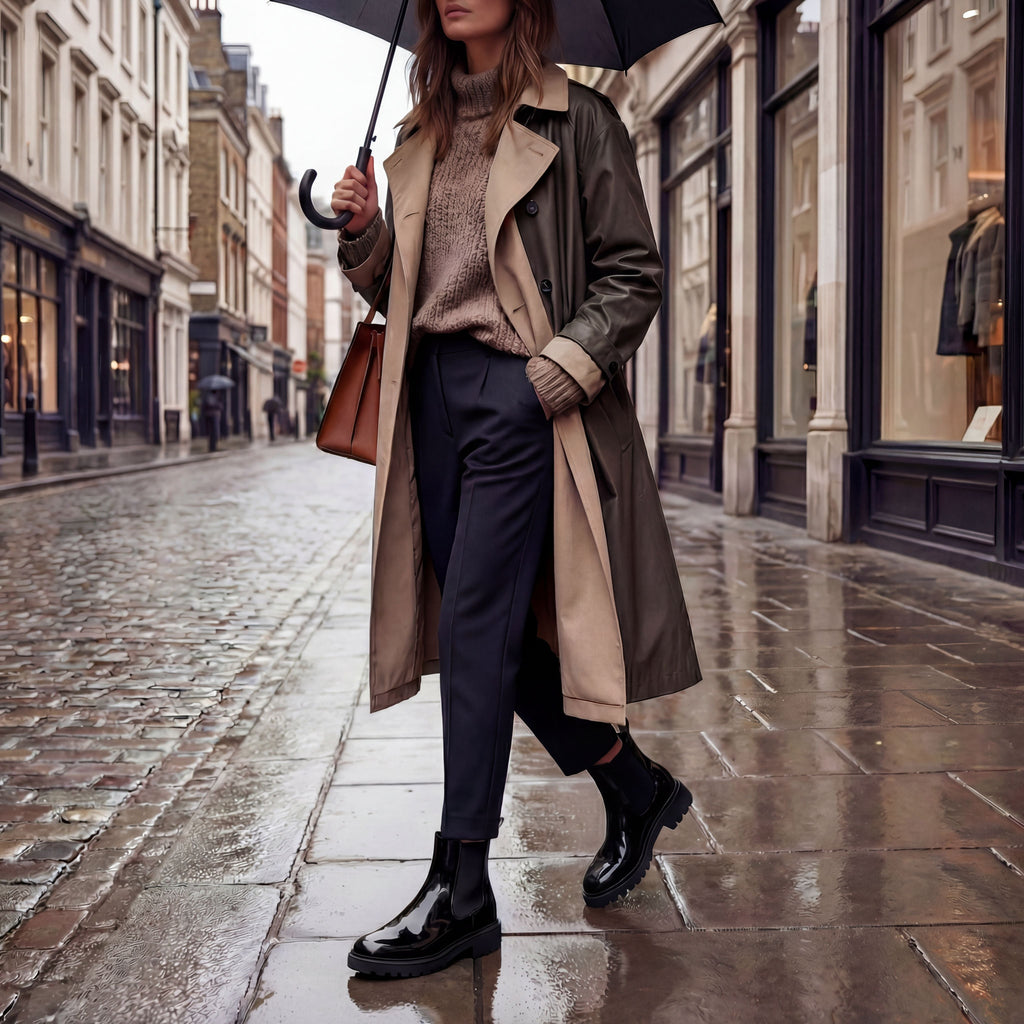
Custom Women's Boots for Fall: Choosing Between Two Black Chelsea Silhouettes
0 Comments
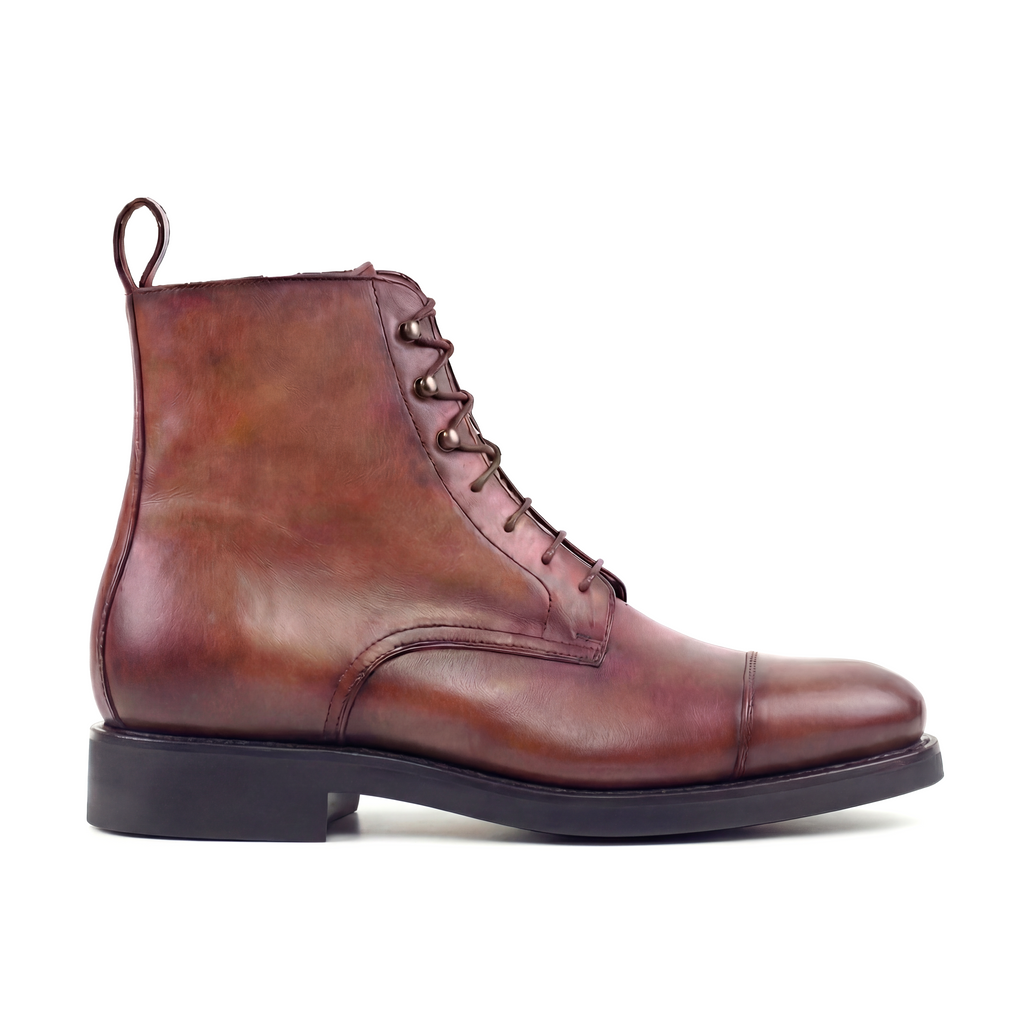
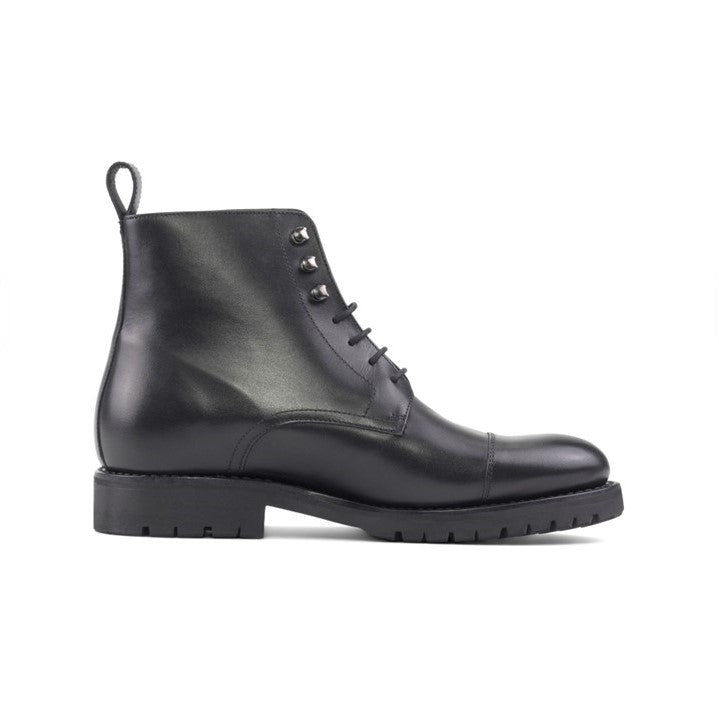
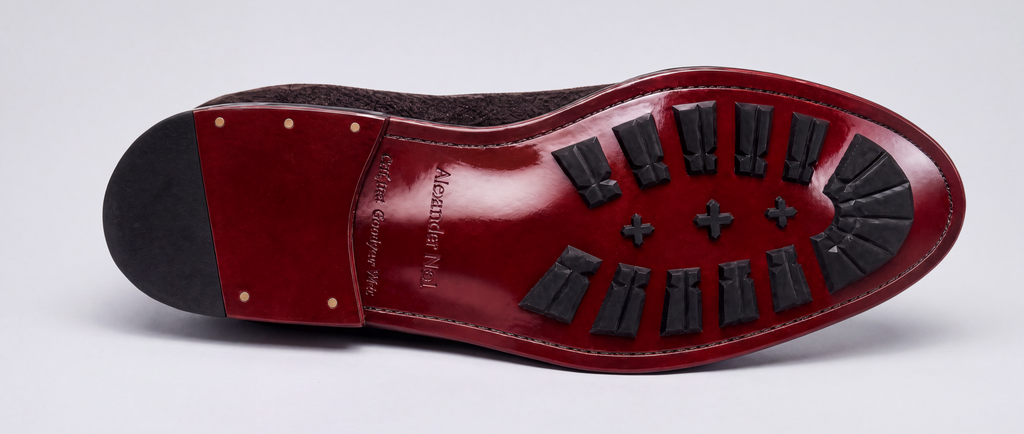
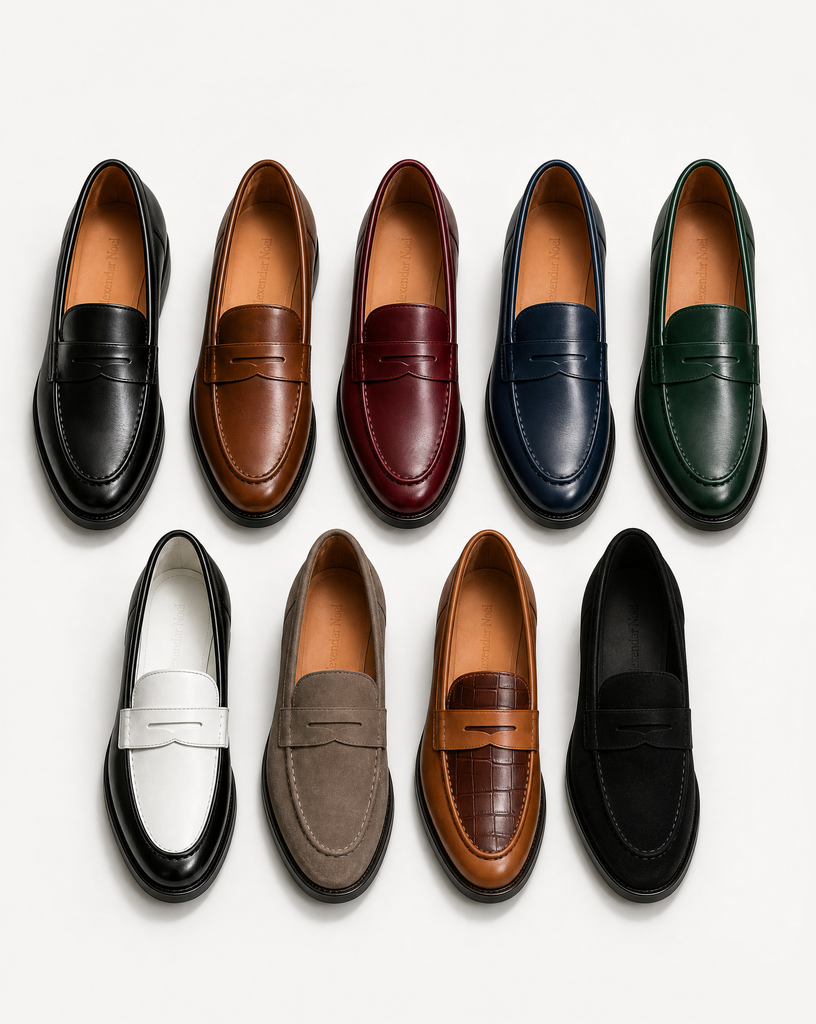
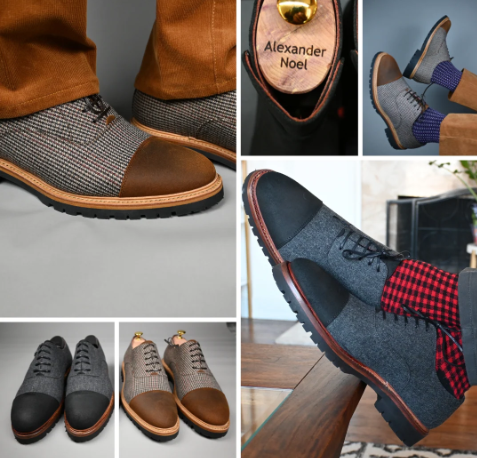



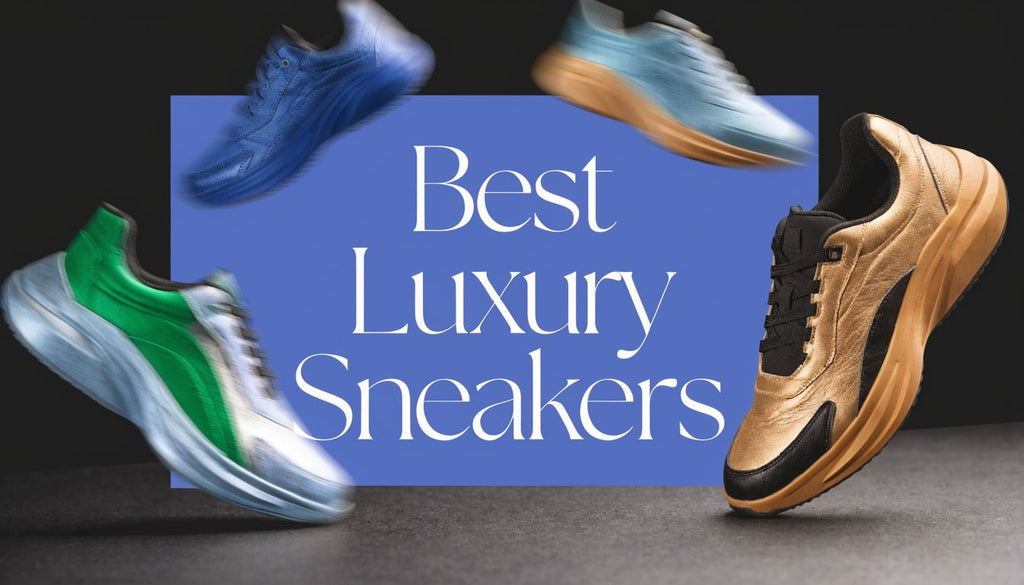
Best Luxury Sneakers A Buyer's Guide for 2026
You're probably here because you've done the modern version of shoe shopping. You opened half a dozen tabs, searched for the best luxury sneakers, and found the same names repeated in slightly different orders. One list praised a chunky statement pair. Another insisted the right answer was a quiet white low-top. A third talked about status, rarity, and logos, but never answered the question that matters once the box arrives: will this shoe suit your foot, your wardrobe, and your life?
That frustration is reasonable. Expensive doesn't automatically mean thoughtful, and popular doesn't automatically mean right for you. A great luxury sneaker should do more than photograph well. It should hold its shape, feel balanced underfoot, work with more than one outfit, and still make sense after the novelty fades.
Beyond the Hype Why Your Best Sneaker Isn't on a List
Luxury sneakers sit inside a category that's far larger than many people assume. The global luxury footwear market reached US$29.15 billion in 2023 and is projected to reach US$35.50 billion by 2028, with luxury sneakers playing a major role. Among male luxury footwear buyers, 48% preferred luxury sneakers, according to RunRepeat's luxury footwear statistics.
That matters for one reason. Sneakers are no longer a side note in luxury dressing. They're now a central purchase, which means buyers need better guidance than hype cycles and logo rankings.
What lists usually miss
Most roundups answer a fashion editor's question: what's notable right now? They rarely answer a wearer's question: what will still feel right after six months of commuting, travel, dinners, and long days on your feet?
A list can point you toward silhouettes and brands. It can't decide these things for you:
- How your foot is shaped. A narrow heel, high instep, or wider forefoot can change everything.
- How you dress most often. A sneaker for sharp trousers is rarely the same one you'd choose for relaxed denim.
- How you define value. Some people want visual impact. Others want a dependable pair they can wear for years.
The best luxury sneaker is often the one that disappears into your wardrobe while quietly outperforming everything louder.
A better way to judge
Instead of asking which sneaker is ranked first, ask a craftsperson's questions.
| What to examine | Why it matters |
|---|---|
| Upper material | It affects softness, aging, creasing, and overall character |
| Construction quality | It influences shape retention and long-term wear |
| Fit | It determines comfort, stability, and whether you'll reach for the pair often |
| Versatility | It affects how many real outfits the sneaker can support |
| Longevity of style | It helps you avoid buying a pair that already feels dated next season |
When you start looking through that lens, the conversation changes. You stop shopping for approval and start shopping for use. That's where luxury becomes more than branding. It becomes discernment.
What Truly Defines a Luxury Sneaker
A luxury sneaker earns its place through materials and making. Branding may catch your eye first, but craftsmanship decides whether the shoe deserves the price.
Luxury sneakers typically distinguish themselves through genuine leather, suede, or exotic skins, along with hand-stitched detailing and precision construction, which helps the upper keep its form at stress points such as the toe box and heel. That better structure and durability are described in this guide to luxury sneakers.

Start with the upper
The upper is the part of the sneaker you see first and feel longest. In a weaker shoe, the leather can look flat, feel heavily corrected, and crease sharply in awkward places. In a better shoe, the material has depth. It bends with the foot instead of fighting it.
Consider the best approach this way:
- Basic leather often hides surface imperfections under heavy finishing.
- Better leather tends to show more natural character and develops a richer look with wear.
- Suede can bring softness and texture, but it needs careful finishing to avoid looking limp.
- Exotic materials add visual distinction, but they should serve the design rather than overwhelm it.
If you're curious about how unusual hides change feel and appearance, Alexander Noel has a useful primer on exotic leathers such as ostrich and alligator.
Construction tells the truth
Many shoppers focus on logos because construction is harder to read at a glance. But construction is where quality speaks most clearly.
Look closely at these details:
- Stitching consistency. Clean, even stitching usually reflects careful assembly.
- Edge finishing. Rough edges and sloppy paint lines are warning signs.
- Heel counter firmness. The back of the shoe should feel supportive, not crushed or papery.
- Toe box resilience. Press it lightly. A well-made upper should recover with dignity.
Practical rule: If a sneaker looks tired before you've worn it, no branding will save it after a season of real use.
This is also why luxury sneakers pair so naturally with custom-made clothing. The same eye that appreciates proper shoe construction usually appreciates clean drape, measured fit, and disciplined finishing in garments. If you enjoy that crossover, hand-crafted men's tailoring in Sussex offers a useful reference point for how craft shows up in clothing as clearly as it does in footwear.
Modern luxury isn't only traditional
The category has also broadened. Some luxury sneakers now blend classic shoemaking values with newer comfort-focused materials. That combination matters because the best pair shouldn't force you to choose between beauty and ease. Good design respects both.
A great luxury sneaker feels intentional from every angle. Not flashy for its own sake. Not delicate because it's expensive. Just well made, well considered, and built to age with grace.
Ready-to-Wear vs Bespoke The Ultimate Choice
The biggest choice in luxury sneakers isn't low-top versus high-top. It's ready-to-wear versus bespoke.
Ready-to-wear gives you speed. You see a pair, choose a size, and it arrives finished. Bespoke asks more of you. You consider fit, materials, shape, and details before the shoe is made. One is convenient. The other is personal.

What ready-to-wear does well
Off-the-shelf luxury sneakers make sense when you know your fit in a given model and want immediate access to a defined look. They also help if you prefer to try an established silhouette before moving into anything more customized.
Their limits are just as clear:
| Ready-to-wear strength | Ready-to-wear limit |
|---|---|
| Fast purchase | Fit is based on standard sizing |
| Easy comparison | Materials and color choices are fixed |
| Recognizable design language | You adapt to the shoe, not the other way around |
If you like browsing examples of zip-entry casual styling in a retail context, shop Mother Denim zip-up sneakers as one reference for how some ready-to-wear pairs approach convenience and design detail.
Why bespoke changes the experience
Bespoke shifts the center of gravity. Instead of asking, “Which existing pair should I settle for?” you ask, “What should this pair be for me?”
That leads to better decisions about:
- Shape for a dressier or more relaxed look
- Material mix for softness, structure, and seasonal use
- Color balance so the sneaker works with your actual wardrobe
- Fit refinement where standard sizes often fail
A bespoke process also creates a different relationship with the object. You're not only buying finished goods. You're participating in the design logic.
For a closer look at how made-to-order footwear differs from standard retail buying, this article on bespoke shoes for men is worth reading.
Later in the process, seeing the craft in motion helps. This video gives useful visual context for how custom footwear comes together.
Which one is the better choice
If your feet fit standard lasts well, your tastes are straightforward, and you enjoy buying from the shelf, ready-to-wear may be enough. There's nothing wrong with that.
If your feet are hard to fit, your wardrobe needs something specific, or you're tired of paying luxury prices for generic fit, bespoke becomes more compelling. Alexander Noel is one example of a direct-to-consumer custom program with a Design Lab approach, where buyers can choose materials, styling details, and measurements within a made-to-order process.
Bespoke isn't always about extravagance. Often it's the practical answer to a problem standard sizing never solved.
The Critical Importance of Fit and Comfort
A luxury sneaker that doesn't fit is just an expensive distraction. Many buyers go wrong by assuming comfort will follow quality. Sometimes it does. Often it doesn't.
Luxury sneaker sizing is often inconsistent from model to model. Technical sizing guidance shows that some styles run true to size while others can require going down by a full size, which is why this luxury sneaker sizing guide stresses fit adjustments to avoid heel slip and comfort problems.

Why size isn't the same as fit
Two sneakers can both say size 43 and feel completely different. That's because the last, the shaped form used to build the shoe, changes the internal experience. One last may be generous through the forefoot. Another may feel shallow over the instep. A third may grip the heel but press the toes.
The usual trouble spots are easy to recognize once you know them:
- Heel slip means the back of the shoe isn't holding you securely.
- Forefoot squeeze often shows up around the little toe joint or across the ball of the foot.
- Instep pressure creates that tight, pressing feeling over the top of the foot.
- Arch mismatch can leave you tired even if nothing feels obviously painful at first.
How to evaluate comfort properly
Don't judge comfort only in the first thirty seconds. Stand. Walk. Pay attention to movement.
Use this checklist:
- Check the heel first. If it lifts too much, the rest of the fit will rarely redeem it.
- Feel the flex point. The shoe should bend where your foot bends, not in front of it or behind it.
- Test lateral stability. If your foot rolls inside the shoe, the fit isn't secure.
- Notice pressure after a few minutes. Hot spots usually reveal themselves quickly.
If you're trying to improve comfort inside an otherwise workable pair, pedorthist-selected sneaker supports at Insoles.com can be a useful reference for the kind of insole solutions people explore.
A sneaker can be soft and still fit badly. Cushioning doesn't fix poor shape.
For anyone ordering made-to-order footwear, measuring carefully matters more than people think. This guide on how to measure shoe size at home is helpful because it turns fit from guesswork into a repeatable process.
Styling Your Luxury Sneakers For Any Occasion
The best luxury sneakers don't live in one lane. They should move through your week without looking stranded. That's where minimalist shape, clean materials, and disciplined color choices earn their keep.

For work that isn't rigid
A white or off-white leather low-top can work beautifully with a soft-shouldered suit, fine-gauge knit, or structured trousers and overshirt. The key is cleanliness of line. You want a sneaker that reads deliberate, not athletic.
If you work in a creative office or meet clients in less formal environments, this combination often feels more modern than a conventional dress shoe. The sneaker keeps the outfit grounded. The tailoring keeps it sharp.
For evenings and travel
Now change only part of the wardrobe. Keep the sneaker, switch the suit for dark chinos or wool drawstring trousers, then add a polo, open-collar shirt, or lightweight jacket. You haven't changed the shoe's role. You've changed its company.
That's the test of a good pair. It shouldn't need constant explanation.
| Occasion | What works best |
|---|---|
| Business casual meeting | Smooth leather low-tops in white, stone, black, or deep brown |
| Dinner out | Suede or leather sneakers with slimmer profile and minimal branding |
| Weekend city wear | Slightly more texture, perhaps suede panels or tonal contrast |
| Travel days | Easy-on styling, soft lining, supportive sole, versatile neutral shade |
For relaxed dressing
On the weekend, luxury sneakers should make casual clothes look more considered. Pair them with dark denim, a quality T-shirt, a chore jacket, or a cashmere hoodie. The effect is subtle. Better materials in the shoe improve everything around them.
A few principles keep things clean:
- Match formality to the shoe. Sleek sneakers prefer sharper clothes. Bulkier pairs want more casual garments.
- Keep contrast under control. If the sneaker is bright white, make sure the rest of the outfit looks intentional, not accidental.
- Use repetition. Echo the shoe's tone somewhere else, perhaps in a belt, knit, or jacket.
Wear the pair that supports your routine, not the one that demands a special outfit every time.
When people ask for the best luxury sneakers, they often mean the most stylish. In practice, the most stylish pair is often the one that works on an ordinary Tuesday as well as it does on a Saturday night.
Investing Wisely Price Value and Maintenance
Price matters, but price alone doesn't tell you much. A luxury sneaker can be expensive and still offer poor value if the design dates quickly, the fit is mediocre, or the material doesn't age well.
One of the more useful ways to think about value is to separate fashion heat from wardrobe service. Some shoes win attention immediately and lose relevance just as quickly. Others stay useful because they're quiet, well made, and easy to wear across settings.
That's why the best luxury sneakers aren't always the most recognizable. Hype pairs dominate many rankings, but minimalist, low-logo designs tend to be more versatile and less trend-dependent, making them a steadier choice for long-term wear, as discussed in Complex's look at top luxury sneaker models.
What value looks like in real life
A strong purchase usually has three traits:
- Timeless shape. Clean lines resist trend fatigue.
- Dependable material quality. Better uppers often age with more character.
- Broad wardrobe compatibility. The more outfits it supports, the more often you'll wear it.
That doesn't mean every pair should be plain. It means the details should feel intentional enough to hold your interest without locking the shoe into one moment or one mood.
Protecting the investment
Luxury sneakers need maintenance, but not fussiness. The goal is steady care.
| Part of care | What to do |
|---|---|
| Cleaning | Remove surface dirt early so it doesn't settle into the material |
| Conditioning | Use appropriate care for leather when the upper begins to feel dry |
| Storage | Keep pairs supported and away from conditions that encourage misshaping |
| Rotation | Let shoes rest between wears when possible |
For practical upkeep habits, this shoe care guide from Alexander Shoe Store gives a helpful overview.
The shoe you maintain will almost always look better than the shoe you baby once and neglect after.
A careful buyer doesn't ask only, “What does this cost today?” A careful buyer asks, “Will I still want this pair after the first excitement is gone, and will it reward proper care?” That's how value becomes visible.
Your Custom Sneaker Checklist with Alexander Noel
Most best luxury sneakers lists focus on design status. They rarely help the buyer with harder questions such as wider feet, long hours of wear, or how to build a pair around specific use. That gap is one reason bespoke approaches matter, and it aligns with the point raised in Ape to Gentleman's quiet luxury sneaker coverage, where mainstream attention tends to stay on aesthetics over wearability.
If you're ready to move from browsing to making decisions, a checklist helps.
Start with use before style
Before you choose colors or textures, define the job.
Ask yourself:
- Where will you wear them most. Office, travel, dinners, daily city walking, or weekend use?
- What trousers will they meet most often. Denim, formal wool, chinos, relaxed linen?
- What usually goes wrong with shoes for you. Tight forefoot, heel slip, lack of support, or awkward proportions?
Those answers shape the right silhouette far better than trend reports do.
Build the pair in a sensible order
A custom process works best when you make decisions from structure outward.
-
Choose the shape first
Start with profile. A slimmer low-top feels dressier. A fuller sole reads more casual. -
Then select materials
Smooth leather gives polish. Suede softens the look. Mixed textures can add depth if used with restraint. -
Set the color logic
If versatility matters, keep the base neutral and let one detail carry personality. -
Confirm fit details carefully
Measurements, width needs, and instep considerations should come before final sign-off. -
Review the finished design as a wardrobe piece
Don't ask whether it looks exciting alone. Ask whether it belongs with the clothes you already own.
Keep the final decision personal
At this point many people drift back toward list-thinking. They second-guess themselves because another brand is louder or more recognizable.
Ignore that impulse. If a custom pair answers your actual needs better, that's not a compromise. That's discernment.
A well-made sneaker becomes personal when it reflects your foot, your movement, and your way of dressing. That's the point where luxury stops being borrowed taste and starts becoming your own.
If you want to turn these ideas into a pair designed around your fit, materials, and daily use, explore Alexander Noel and approach the process like a well-informed buyer: start with purpose, choose with restraint, and build a sneaker you'll still want to wear long after the hype has passed.
Related post
26
Sep
26
Sep
26
Sep
26
Sep
26
Sep
