


RECENT POSTS

29.August.2026
Custom Women's Boots for Fall: Choosing Between Two Black Chelsea Silhouettes
0 Comments








Boots with Wooden Soles: A Complete Style Guide for 2026
You may be looking at your current boots and feeling the usual compromise. One pair looks sharp but hates rain. Another handles rough sidewalks but feels anonymous. A third seemed promising online, then arrived stiff, clumsy, and nothing like the image.
That’s often the moment people begin to notice boots with wooden soles.
Not as costume. Not as novelty. Not as a rustic throwback. As a serious footwear choice with character, structure, and a very different relationship to craft. A well-made wooden-soled boot doesn’t try to imitate a rubber-soled city boot. It offers something else: a firmer platform, a sculptural silhouette, and a lineage of shoemaking that reaches deep into European working and artisan traditions.
For a shoemaker, that’s where the fascination begins. Wood changes how a boot is built, how it supports the foot, how it ages, and how it speaks visually. It asks more from the maker. Done poorly, it can feel crude. Done well, it becomes elegant in a way few materials can match.
The Enduring Allure of Wooden Soles
A client once described the problem perfectly. He said, “I want boots that feel intentional.” Not louder. Not trendier. Intentional.
That’s the appeal of wooden soles. They bring definition to a boot. The profile becomes cleaner. The base feels architectural. Even before you touch the leather, you can see that someone made decisions here.
For many readers, the first confusion is simple. Aren’t wooden soles old-fashioned, heavy, or uncomfortable? They can be, if the maker treats them as a gimmick. But in skilled hands, wood becomes one element in a balanced design. The upper softens the experience. The shape of the sole directs the stride. The finishing determines whether the boot feels refined or crude.
Why they still matter
Wooden soles carry a rare combination of values:
- Heritage: They connect modern footwear to centuries of practical shoemaking.
- Presence: Wood gives a boot visual weight without needing bulky hardware or oversized lug soles.
- Material honesty: Leather looks like leather. Wood looks like wood. Nothing is pretending to be something else.
- Personal expression: Different woods, stains, heel shapes, and upper patterns create a boot that feels distinctly yours.
A wooden-soled boot always announces the hand of the maker. You can hide mediocre work under generic materials. Wood exposes it.
That’s why the style keeps returning. People get tired of disposable footwear. They want objects with memory, materials with texture, and designs that improve with attention. Wooden soles answer that desire beautifully when the boot is made with discipline.
What Are Modern Boots with Wooden Soles
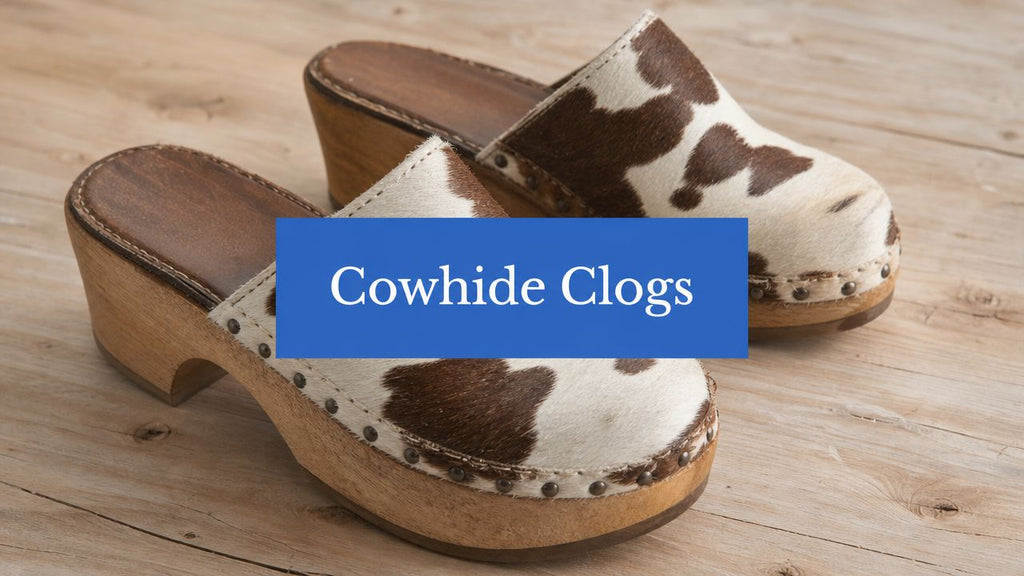
A modern wooden-soled boot is not the same thing as a one-piece clog. That distinction matters.
Historically, Europe saw wooden-soled footwear early. The earliest documented wooden-soled footwear in Europe dates to the 13th century, and later production evolved into two-piece designs with wooden soles and leather uppers during the 18th and 19th centuries, showing a long move from simple carved forms toward more complex construction. Those soles were traditionally made from willow, poplar, or ash, and between 1840 and 1920 wooden-soled clogs were worn widely in places like London’s docks and Kent’s coalfields, not just in northern industrial towns, as noted in this history of wooden shoes from the Netherlands.

The difference between historical clogs and modern boots
A traditional clog often centered the wood itself as the entire structure or the dominant body of the shoe. A modern boot with a wooden sole usually works as a hybrid. The upper is leather, suede, or another premium material. The sole may be solid wood or a wood-led structure shaped for contemporary wear.
That means the experience is different in several ways:
- The upper does the wrapping: Your foot is held by shaped leather rather than by a hollowed wooden shell.
- The sole does the grounding: Wood provides the platform, visual identity, and much of the underfoot character.
- The design can be dressy or casual: A sleek ankle boot and a bold platform boot can both use wooden soles without resembling farm footwear.
What modern buyers often get wrong
Many people assume “wooden sole” means awkward, inflexible, and theatrical. In reality, the category is broad.
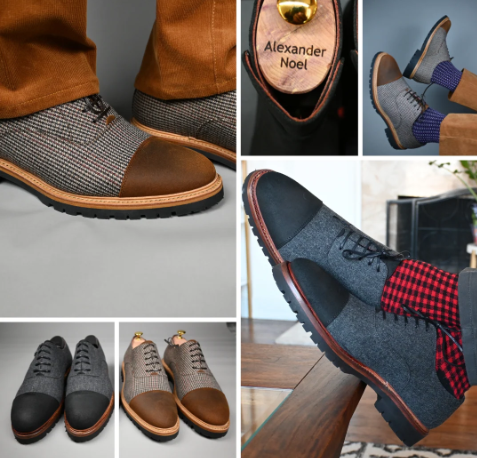
Some modern versions lean minimalist, with clean leather uppers and discreet wooden bases. Others celebrate the contrast by pairing sculpted wood with dramatic shafts, contrast stitching, or knitted uppers like the pair above. The best examples control proportion carefully. If the sole is strong, the upper must stay elegant. If the upper is expressive, the sole must remain disciplined.
Practical rule: Judge a wooden-soled boot by balance, not novelty. Ask whether the upper, the sole height, and the toe shape belong together.
Why the category feels premium now
Today’s interest comes from a different mindset than the old working-world need. Buyers aren’t choosing wood because they lack alternatives. They’re choosing it because natural materials age with more personality than foam-heavy mass footwear.
A modern wooden-soled boot can feel sculptural, tactile, and deeply personal. That’s why it belongs in a luxury conversation. Not because it is rare for the sake of rarity, but because it rewards close attention to design, fit, and finishing.
The Art of Constructing Wooden Sole Boots
The soul of a wooden-soled boot lies in the join. Not the idea of wood. The join.
A beautiful upper can be ruined by a careless connection to the sole. A fine block of shaped wood can look lifeless if the boot isn’t lasted properly. Construction is where romance either becomes footwear or falls apart on the bench.

The anatomy that matters
A high-quality wooden-soled boot usually depends on several parts working in harmony:
- The upper must be cut from leather with enough body to hold shape but enough suppleness to move with the foot.
- The insole and internal support must control alignment so the wearer doesn’t feel like they’re standing on a flat plank.
- The shank area needs stability, which enables the boot to resist collapse through the arch.
- The sole unit must be shaped, smoothed, and finished so the foot rolls naturally rather than slapping down.
The wood itself is only one piece of the puzzle. Grain direction, density, finishing, edge treatment, and the way the upper is attached all matter just as much.
Why fastening methods separate good from excellent
In high-end bespoke bootmaking, some makers use lemonwood pegs instead of brass nails to fasten the outsole. According to this quality guide on premium boot construction, lemonwood expands and contracts at nearly the same rate as leather, which helps prevent loosening in wet conditions. The same source notes that this method supports structural integrity for over a decade of use and allows for multiple resoles.
That single detail tells you a lot about a maker’s priorities.
Metal may seem stronger at first glance, but matching materials often outperforms brute force. When leather and fastening move together, the boot stays coherent. When they fight each other, failure begins at the seam.
For readers who want to understand how these methods fit into the broader world of fine footwear, this overview of cementing, Blake welting, and Goodyear welting methods gives useful context.
Hallmarks of careful craft
Look for these signs when evaluating boots with wooden soles:
- Clean transitions: The upper should meet the sole with precision, not visible struggle.
- Intentional shaping: The underside and waist should look designed, not an arbitrary cut.
- Thoughtful finishing: Sealed, smoothed, and polished edges matter because wood reveals shortcuts instantly.
- Repair logic: A serious boot should be built with future maintenance in mind.
If a maker respects repair from the start, the boot usually feels calmer, more coherent, and better resolved in every detail.
Wood demands respect. That’s why it still fascinates artisans. It doesn’t flatter laziness.
Wood vs Leather vs Rubber Soles
No sole material wins every contest. The right question is simpler: what do you want the boot to do, and what kind of experience do you want underfoot?
Wood, leather, and rubber each create a different conversation between the foot and the ground.
Where wood stands apart
Wooden soles offer structure and separation. Historically, wooden-soled footwear earned loyalty because it protected feet from wet ground, cold, and sharp objects, while remaining durable and economical for workers in fields, stables, and mines, as described in this overview of historical shoe materials. That old practicality still helps explain modern appeal.
Wood doesn’t behave like leather, and it doesn’t cushion like rubber. Instead, it creates a firmer, more deliberate platform. Some wearers love that sensation because it encourages a more conscious stride. Others need time to adjust because the sole doesn’t flex the way common modern shoes do.
A side-by-side way to think about it
| Sole material | Best known for | What it feels like | Where it can fall short |
|---|---|---|---|
| Wood | Structure, character, visual distinction | Firm, grounded, sculptural | Less flexible, more dependent on excellent shaping |
| Leather | Elegance, tradition, natural finish | Smooth, classic, gradually molds with wear | Can be less reassuring in wet conditions |
| Rubber | Grip, everyday practicality, convenience | Cushioned or grippy depending on design | Often less refined visually than natural sole materials |
If you already wear welted boots, think of wood as the most directional choice of the three. Leather is familiar refinement. Rubber is easy utility. Wood is presence.
The wellness question readers keep asking
Interest in natural sole materials has expanded beyond style. One emerging angle is the idea of grounding footwear. The topic remains unsettled for boots specifically, but the trend is real. A reviewed market summary notes a 35% rise in searches for “grounding footwear”, while also making clear that the wellness concept is not clinically proven for boots and is being discussed as a possible lifestyle benefit rather than an established medical outcome. That summary appears in this wood sole boots market overview.
That matters because readers often jump too quickly from “natural material” to “health guarantee.” A careful shoemaker shouldn’t do that.
What can be said responsibly is this:
- Wood feels different from rubber: The underfoot feedback is firmer and often more direct.
- Some wearers report posture awareness: A stable platform can change how a person stands and walks.
- Natural materials appeal to wellness-minded buyers: Especially those who want less synthetic content in daily wear.
If wet-weather performance is your main concern, studded rubber still has a practical place, and this guide to Dainite studded rubber soles for Goodyear welted shoes is worth comparing against the wooden-sole experience.
Which one should you choose
Choose wood if you want identity, firmness, and craft-led design.
Choose leather if you want classic dress sensibility.
Choose rubber if daily traction and easy wear matter most.
None of those choices is inherently better by default. The best choice is the one that truly suits your life.
How to Style Boots with Wooden Soles
Styling these boots becomes easy once you stop treating the sole as a costume element. Wood is a material accent, much like horn, brushed brass, or polished walnut in furniture. It should support the outfit, not overpower it.

For tailored and professional looks
A dark leather ankle boot with a clean wooden sole works beautifully with cropped wool trousers, a fine knit, and a structured coat. The key is restraint. Let the materials do the talking.
For women, a sharp black boot under a midi dress or fitted skirt creates a strong vertical line, especially if the shaft sits close to the ankle. For men, a refined lace-up or side-zip silhouette pairs best with textured trousers rather than highly formal suiting.
Try these combinations:
- Office-ready: Black or espresso leather, narrow shaft, straight trousers, quiet outerwear.
- Creative professional: Deep olive or oxblood upper, soft tailoring, heavier knitwear.
- Evening city look: Slim dark denim, tucked hem, crisp shirt, minimal belt.
For relaxed dressing
Wooden soles shine in casual wardrobes because they add interest without relying on logos or loud branding. Raw denim, washed canvas, suede jackets, and soft wool all pair naturally with them.
A useful rule is contrast. If the sole is chunky, keep the clothes leaner. If the boot is sleek, you can afford more drape in the trouser or skirt.
A good wooden sole gives an outfit foundation. It shouldn’t fight for attention at every step.
For readers who already wear sleek ankle boots, this article on how to style Chelsea boots offers a helpful starting point for proportion and silhouette.
How movement changes the look
Photos help, but video shows the rhythm of a boot far better. Wooden soles affect posture, pace, and presence in motion.
When you watch someone wear them well, you’ll notice the styling secret isn’t complexity. It’s confidence in line, material, and proportion.
Care and Maintenance for Lasting Quality
People often worry that caring for wooden-soled boots will feel fussy. In practice, it’s more like caring for a fine leather briefcase or a wooden tabletop. Attention matters, but the routine is simple once you understand what the materials need.
And the reward is obvious. A well-kept pair develops depth rather than decay.
Protect the sole before problems start
Untreated wood can crack in difficult conditions, but modern treatments help significantly. Dense hardwoods such as teak resist water 40% better than pine, and a properly oiled wooden sole can offer up to 15% better slip-resistance than a smooth leather sole, according to this custom western boot process guide. Those details should reassure anyone who assumes wood and weather can’t coexist.
The important phrase is properly oiled.
Use a maker-approved oil or finish suitable for sealed footwear wood. You’re not soaking the sole. You’re maintaining the protective layer so the wood doesn’t dry out, absorb moisture unevenly, or lose its surface confidence.
A simple routine that works
- After wear: Wipe off grit, damp residue, and street dust. Dirt trapped along the edge can wear the finish faster.
- After wet exposure: Let the boots dry at room temperature. Don’t force heat into them with a radiator or dryer.
- Every so often: Check the sole surface and edges for dryness. If the finish looks thirsty, refresh it lightly.
- For the upper: Condition the leather separately. Wood care and leather care are related, but they aren’t the same job.
What not to do
Some mistakes shorten the life of the boot quickly:
- Don’t over-oil: Too much product can leave the sole tacky or uneven.
- Don’t store them damp: Wood hates neglected moisture.
- Don’t ignore early wear: Small finish issues are easy to correct. Deep cracks are not.
- Don’t treat all woods the same: Dense, finished hardwood behaves differently from softer or more porous options.
Respect the boot as two materials with different needs. When owners care for wood like wood and leather like leather, the pair lasts far better.
Care is not busywork. It’s part of ownership. The person who spends a few careful minutes maintaining a pair of wooden-soled boots gets years of richer wear in return.
Design Your Own Wooden Soled Boots
The most exciting thing about this category is that it doesn’t need to stay generic. In fact, wooden-soled boots become most compelling when they are shaped around a specific wearer.
That’s because every important decision is personal. Sole height changes posture and presence. Toe shape changes mood. Shaft height changes versatility. Leather choice changes whether the boot feels urban, rustic, formal, or sharp.

The choices that matter most
When designing your own pair, start with the structure, not the color.
Ask yourself:
- How firm do I want the feel underfoot? Some wearers want a pronounced wooden character. Others prefer a more moderated experience.
- Where will I wear them most? City commuting, office use, travel, and social wear all ask for different balances.
- What shape suits my wardrobe? A sculpted platform, a clean ankle boot, and a taller statement shaft each create a different role in the closet.
- What fit issues do I need solved? Width, instep, arch feel, and calf fit matter far more than trend details.
Why bespoke makes more sense here
Wooden soles are less forgiving of mediocre fit than soft, foam-heavy shoes. That’s not a flaw. It’s a reason to take customization seriously.
When the last matches the foot, the boot feels planted rather than stubborn. When the shaft and upper are designed around the wearer, the firmness of the sole becomes elegant instead of awkward. Personalization turns a niche idea into a practical luxury item.
A strong design process should let you adjust:
- Upper material and color
- Toe shape and silhouette
- Height and profile of the sole
- Closure style, from lace-up to zip
- Fit details that ready-made boots often ignore
For readers interested in how a custom process can bring those decisions together, this guide to designing your own boots at Alexander Noel is a useful example of how bespoke footwear can be personalized from the ground up.
The beauty of wooden-soled boots is that they reward conviction. If you’re going to choose a material with this much character, you might as well shape it to your life.
Frequently Asked Questions
A few practical questions almost always come up at the end. Here are the short answers that matter most.
Quick Answers on Wooden Sole Boots
| Question | Answer |
|---|---|
| Are wooden sole boots slippery? | They can be if the sole is poorly finished or neglected, but that isn’t the whole story. As noted earlier, a properly oiled wooden sole can offer better slip-resistance than a smooth leather sole. |
| Do they take longer to break in? | Usually, yes. The upper softens over time, but the sole’s character stays firmer than rubber. Good fit and good shaping matter more here than with heavily cushioned footwear. |
| Can wooden sole boots be repaired? | A well-made pair often can be serviced, refinished, and in some constructions resoled. Repairability depends on how the boot was built in the first place. |
Three final points worth remembering
- Fit comes first: A wooden sole magnifies fit errors. If the arch, width, or heel hold is wrong, you’ll notice quickly.
- Quality shows immediately: Wood reveals bad finishing faster than many other materials.
- They suit committed wearers: These are boots for people who enjoy materials, maintenance, and the feeling of something crafted rather than mass softened.
If you’re drawn to boots with wooden soles, trust that instinct. It usually means you’re looking for more than a shoe. You’re looking for an object with form, memory, and a point of view.
If you’re ready to turn that point of view into a pair made around your style and fit, explore Alexander Noel for custom footwear shaped through a personalized design process and handcrafted by skilled artisans.
Related post
12
Sep
12
Sep
12
Sep
29
Aug
