


RECENT POSTS
29.August.2026
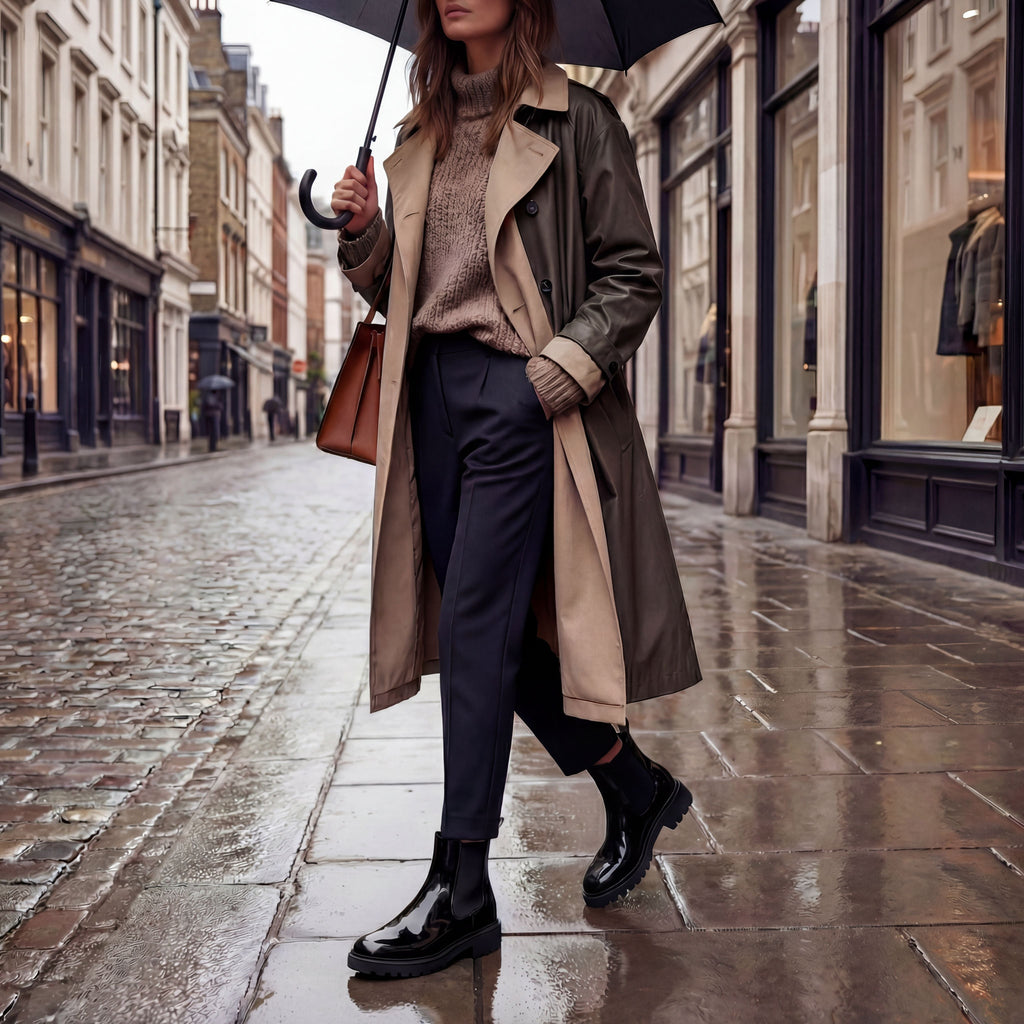
Custom Women's Boots for Fall: Choosing Between Two Black Chelsea Silhouettes
0 Comments







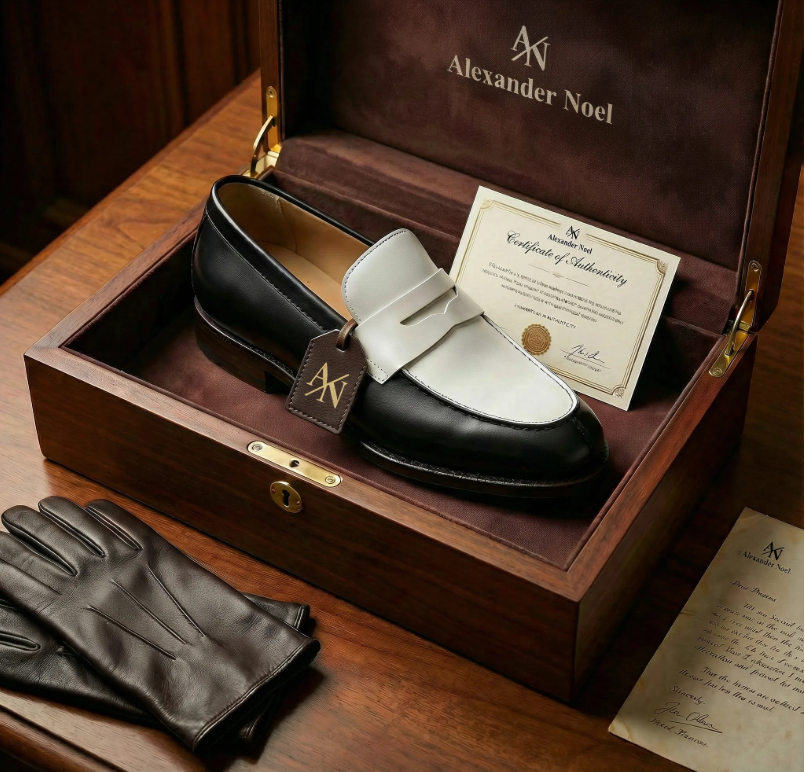
Two Tone Loafers Men: Your Guide to Distinctive Style
You’re probably looking at your shoe rack and seeing the same familiar lineup. Black derbies for serious days. Brown brogues for everything else. Maybe a white sneaker for the weekend. Useful, yes. Memorable, not always.
That’s where two tone loafers men should pay attention to come in. They do something few shoes manage well. They add personality without becoming costume, and they sharpen an outfit without making you feel overdressed. A good pair can sit comfortably between structured and relaxed, old-world and modern, conservative and expressive.
The beauty of the style is that it rewards a closer look. At first glance, it’s a loafer with contrast. Then you notice the balance of leather and suede, the way a darker toe anchors a lighter vamp, the way a clean welt keeps the design refined instead of loud. For a man who wants his clothes to say more with less effort, that matters.
What Are Two-Tone Loafers and Why You Need Them
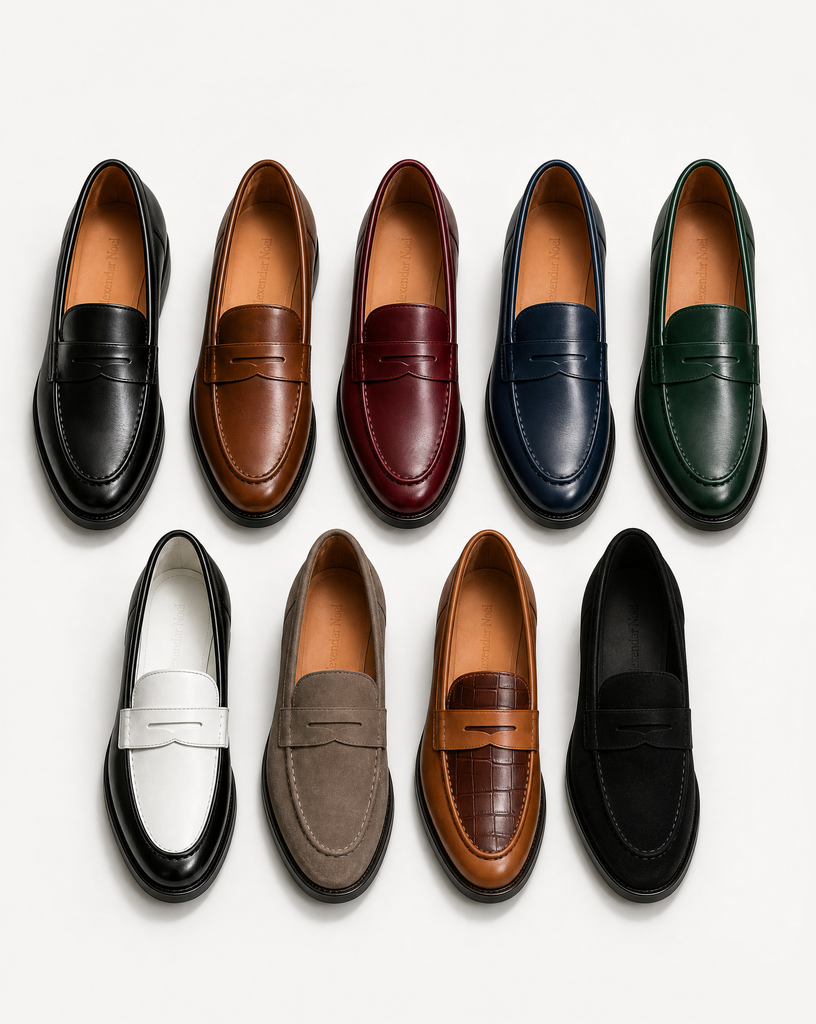
A two-tone loafer is exactly what it sounds like. It’s a loafer built with contrasting colors, materials, or both across different parts of the shoe. That contrast might be subtle, like dark brown calfskin with a tobacco suede vamp. It might be sharper, like black and white in classic spectator fashion.
What makes the shoe compelling isn’t just the contrast itself. It’s the effect. A single-color loafer often blends into an outfit. A two-tone loafer shapes the outfit.
Why this style works so well
Most men reach a point where basic shoes stop feeling enough. Their wardrobe has matured, their tailoring is better, and they want footwear with some intelligence behind it. Not flash. Character.
Two-tone loafers solve that neatly:
- They add visual depth without relying on heavy ornament, oversized hardware, or trendy soles.
- They bridge dress codes better than many lace-ups. You can wear the right pair with trousers, chinos, linen, and dark denim.
- They create a focal point low on the body, which helps otherwise simple outfits feel intentional.
Practical rule: If the rest of your outfit is quiet, your shoes can carry more personality.
That’s why this style works especially well for professionals. If you wear navy jackets, grey trousers, cream chinos, or open-collar shirts, a two-tone loafer can break the routine while still looking polished.
Where men often get confused
The usual concern is simple. Will they look too theatrical?
Sometimes, yes. But that only happens when contrast overwhelms the silhouette. A well-made two-tone loafer stays elegant because the shape remains disciplined. The toe is clean, the proportions are balanced, and the colors are chosen with restraint.
A useful way to think about it is this:
| Style choice | Effect |
|---|---|
| Dark leather with muted suede | Refined and easy to wear |
| High-contrast black and white | Classic, bold, more expressive |
| Similar tones in different textures | Understated and sophisticated |
If you’re new to the category, start with texture contrast before color contrast. Brown leather with sand suede is easier to wear than stark black and white. You still get the charm of the style, but with less risk.
Why they deserve space in your wardrobe
A loafer already offers convenience. No laces, easy on and off, a cleaner line under a trouser hem. Add two-tone design and the shoe gains another quality. It becomes conversational without demanding attention.
That’s rare in menswear. Many statement pieces shout. A strong pair of two-tone loafers speaks in a lower voice.
The Journey from Spectator Style to Modern Classic
Two-tone loafers didn’t appear out of nowhere. They belong to a long tradition of men wanting dress shoes that felt lighter, more social, and better suited to leisure than strict formal footwear.
The style is rooted in the spectator loafer, which emerged as a hallmark of 1920s and 1930s summer fashion, especially among British and American elites at events like cricket matches and horse races, as noted in this history of iconic shoes and their cultural evolution. These shoes often used contrasting uppers with darker toes and heels, and they were valued because they were lightweight and practical for outdoor social settings, as described in this historical account of the two-tone loafer.

From the sidelines to the city
The original charm of spectator style was practical as much as visual. Summer events called for shoes that looked elegant but didn’t feel heavy. Lighter leathers, suede, canvas, and decorative perforations gave the shoe both breathability and flair.
That background explains something important about the two-tone loafer today. It has always lived in the space between utility and display. It wasn’t designed for the boardroom first. It was designed for movement, conversation, and being seen in daylight.
Spectator styling has always carried a social ease. That’s part of why it still feels alive.
That ease is one reason the style has lasted. Trends built only on novelty usually fade. Styles tied to a way of living tend to return.
The Ivy League transformation
After the war, the look took on a new meaning in America. The two-tone loafer gained traction again when it aligned with Ivy League preppy culture in the 1950s, moving from sporting leisurewear into campus style. At that point, the shoe stopped being merely decorative and started signaling taste, education, and confidence.
This shift matters. It gave loafers a different kind of authority. They were no longer just for spectators at elite events. They became part of the uniform of young men who mixed tradition with a little rebellion.
You can still see that balance today:
- The old side shows up in leather soles, classic penny straps, and elegant lasts.
- The youthful side appears in contrast panels, softer materials, and relaxed styling.
- The modern side comes from how easily the shoe moves between tailoring and casual clothing.
Why the history still matters
A lot of men wear classic clothes without knowing why certain pieces feel convincing. History is usually the answer. Two-tone loafers work because they carry layers of meaning that the eye reads even if the wearer can’t name them immediately.
They suggest leisure, but not laziness. They suggest confidence, but not stiffness. They feel polished because they come from a dress shoe tradition. They feel approachable because they were adopted by men who wanted elegance without rigidity.
That’s why the style still feels relevant. Not because it’s nostalgic, but because it solves a modern problem. Men want clothes that look considered and lived-in at the same time. Two-tone loafers do that better than most shoes.
How to Style Two-Tone Loafers with Confidence
The easiest way to wear two-tone loafers well is to stop treating them like novelty shoes. They’re not the last thing you throw on. They’re a design choice that affects the tone of the whole outfit.
In the 1950s, two-tone loafers became a defining part of Ivy League dress, pairing naturally with khakis and blazers and appearing on figures such as John F. Kennedy, which helped cement their association with polished, aspirational style, according to this account of how loafers became a menswear classic.

The professional route
For most men, here is a source of anxiety. Can you wear them to work without looking like you’re trying too hard?
Yes, if the outfit around them stays disciplined.
A dark blazer, open-collar shirt, and well-fitting trousers give the shoes room to show character. The loafer becomes the visual release point. If your pair uses dark calfskin with a lighter vamp, keep the rest of the palette grounded. Navy, charcoal, stone, olive, and tobacco all work well.
A simple formula looks like this:
- Navy blazer
- White or blue shirt
- Mid-grey wool trousers
- Brown and tan two-tone loafers
That outfit feels considered because the shoes echo the tonal variation already present in classic menswear.
The smart-casual sweet spot
Two-tone loafers really shine when formality softens a little. Chinos, linen trousers, and dark jeans let the contrast breathe. This is often the best place to start if you’re unsure.
Here’s the key. Match the energy of the shoe to the fabric of the outfit.
| Shoe makeup | Best clothing partner | Overall effect |
|---|---|---|
| Smooth leather with high contrast | Crisp tailoring or pressed chinos | Sharp and dressy |
| Leather and suede mix | Soft tailoring, knit polos, textured trousers | Balanced and relaxed |
| Light seasonal tones | Linen, cotton, washed fabrics | Easy and summery |
If your loafers include suede, echo that softness elsewhere. A hopsack blazer, brushed cotton trouser, or knitted polo will make the whole outfit feel coherent.
If the shoe has texture, the outfit should too. Smooth shoes with rough clothes can work. Rough shoes with ultra-shiny clothes usually don’t.
Materials change the message
A lot of styling advice misses this point. Two loafers in the same colors can behave very differently depending on material.
In bespoke two-tone loafers, combinations such as a darker calfskin toe and quarter with a lighter suede vamp are used not only for looks but also for function. Calfskin has a Mohs hardness equivalent of 2.5-3.0, while suede’s microfibers can absorb 15-25% more moisture, a detail described in this technical discussion of the allure of two-toned shoes. In practical terms, that means leather tends to look crisper and dressier, while suede tends to feel softer and more forgiving through long wear.
So style them accordingly:
- Mostly calfskin pairs suit cleaner business-casual outfits.
- Suede-heavy pairs excel with relaxed tailoring and weekend dressing.
- Mixed-material pairs are ideal if you want one shoe that can do both.
For men who also care about watches and overall accessory harmony, this is the same principle you’d apply when pairing shoes with metal, leather, and tailoring. If you want a broader reference point for balancing dress accessories, this guide to top luxury watch brands 2025 is a useful companion read.
Color pairings that rarely fail
If you’re not used to contrast shoes, start with combinations that already exist naturally in menswear.
- Brown and tan works with navy, cream, olive, and mid-grey.
- Burgundy and cream pairs nicely with flannel, dark denim, and soft tailoring.
- Black and white is best when the rest of the outfit is restrained.
- Navy and light grey feels modern and easy without being loud.
A broader shoe color matching guide for men’s wardrobes can help if you’re deciding between several tones.
Here’s a good rule for contrast. The bolder the shoe, the simpler the trouser.
To see how this kind of polished but relaxed dressing comes together on-foot, this visual reference is useful:
Socks or no socks
Men get oddly nervous about this. The answer depends on the trouser, the season, and the finish of the shoe.
With wool trousers and a blazer, fine socks often look cleaner. With cropped chinos, linen, or summer tailoring, no-show socks usually make more sense. Going completely sockless can work, but comfort and shoe care matter. If the loafers are leather-lined and close-fitting, invisible socks are often the better choice.
The point isn’t to follow a rigid rule. It’s to make the ankle line look intentional.
Understanding Quality Materials and Construction
A handsome loafer can still be a poor shoe. That distinction matters. Men often judge loafers by color first, then shape. A shoemaker reverses that order. Construction decides whether the shoe keeps its line, supports the foot, and ages with dignity.
That’s especially important with two-tone loafers because contrast draws attention. If the stitching wanders, the vamp collapses, or the upper loses shape, the very thing that made the shoe attractive starts to expose its weaknesses.
What quality looks like under the surface
The best place to start is with anatomy. You don’t need to become a technician, but you should know where quality reveals itself.

Look at three areas first:
- Upper material. Full-grain or fine calf leather gives you a cleaner surface and better aging potential. Suede should look dense and even, not fuzzy and limp.
- Construction method. Blake stitch offers a sleek, flexible profile. Goodyear welting adds structure and makes resoling straightforward.
- Edge work and stitching. Sharp welt finishing, neat apron seams, and a balanced toe shape usually signal care throughout the build.
If you want a stronger grounding in these build methods, this explanation of cementing, Blake, and Goodyear shoe construction is worth reading.
Why beefroll binding matters
On penny loafers, one detail deserves special attention. Beefroll binding.
In two-tone loafers, the beefroll binding is more than decoration. It can increase torsional rigidity by 25-35%, helping reduce vamp collapse, and it often uses 3.5-4.0 oz waxed linen thread, as explained in this guide to men’s loafers and their structure. In plain language, that means the shoe resists twisting better and holds its shape more confidently when you walk.
A loafer has no laces to stabilize the upper. Structure has to come from pattern cutting, material choice, and stitching.
That’s why a premium penny loafer often feels more secure than a cheap one even before it’s fully broken in. The shoe isn’t fighting your foot. It’s working with it.
Leather, suede, and sole choices
Here’s where taste meets practical use. If you want a loafer for offices, dinners, and polished attire, smooth leather gives the sharpest impression. If you want something for travel, warm weather, and softer dressing, suede often feels more natural.
The sole matters too:
| Construction choice | What it gives you |
|---|---|
| Leather sole | Cleaner profile, dressier feel |
| Rubber sole | More grip, easier daily wear |
| Blake stitch | Flexibility and sleekness |
| Goodyear welt | Structure and easier long-term maintenance |
No choice is universally best. The right question is how you live.
If you invest in fine shoes, storage also matters more than most men realize. Poor storage ruins shape, dries leather unevenly, and shortens the life of shoes that deserve better care. This guide offers practical tips for organizing your shoes without turning your closet into a museum.
Achieving the Perfect Fit for Lasting Comfort
Men will forgive a lot from a shoe. A stiff sole, a longer break-in, even a color that’s harder to wear than expected. What they should never forgive is poor fit.
A loafer has less margin for error than many lace-up shoes. You can’t cinch it tighter across the instep. You can’t compensate much if the heel slips or the vamp bites. If the fit is wrong, you feel it early.
Why fit is not optional
This matters even more because a meaningful share of the premium footwear audience struggles with sizing. Up to 42% of men over 40 have foot width issues, while very few retailers offer precision-oriented options for non-standard shapes, according to this discussion of fit challenges in the loafer market.
That single fact explains why so many men think loafers “just don’t work” for them. Often, the style isn’t the problem. The last is.
Common trouble spots include:
- Wide forefeet that feel squeezed while the heel still slips
- High insteps that make slip-ons feel tight across the top of the foot
- Orthotic needs that standard loafers rarely accommodate gracefully
- Different foot lengths or widths between left and right foot
A loafer should feel close, not crushing. Secure, not restrictive.
What a good fit feels like
You want a firm handshake from the shoe. The heel should stay put with normal walking. The vamp should hold the foot without pinching. The toe box should give you room to move your toes without letting the foot slide forward.
If you’re between standard widths, “close enough” usually becomes expensive. The leather creases in the wrong place. The heel counter wears unevenly. The insole compresses where it shouldn’t.
For men trying to decode international conversions and shape differences, this resource can help you Find your perfect shoe fit before you buy.
How to approach sizing more intelligently
Don’t measure casually at the end of a long workday and assume every brand fits the same. Loafers vary a great deal by last shape, instep height, and upper pattern.
A better approach is:
- Measure both feet carefully
- Note width, not just length
- Pay attention to instep pressure
- Think about the socks you’ll wear
If you need a practical starting point, this step-by-step guide on how to measure shoe size at home is helpful.
Men often obsess over patina, stitching, or sole finish before they solve fit. That’s backwards. The best-made loafer in the world won’t become your favorite if your foot never settles into it properly.
The Bespoke Advantage Designing Your Custom Loafers
At a certain point, the usual buying process starts to feel limiting. You know the silhouette you like. You know which colors flatter your wardrobe. You know whether you prefer a sleek waist, a fuller toe, a leather sole, a rubber insert, a suede vamp, or a smooth calf apron. Yet ready-made shopping still asks you to accept someone else’s compromises.
That’s the main appeal of bespoke and made-to-order two-tone loafers. Not luxury for its own sake. Control.
Why customization suits this category so well
Two-tone loafers are unusually sensitive to proportion. Change the toe color, and the shoe looks more formal. Change the vamp material, and it becomes softer. Narrow the last, and the whole design sharpens. Add a beefroll, and the shoe gains visual weight.
Because so much depends on balance, this is one of the best shoe categories to customize. Small decisions make visible differences.
A bespoke approach lets you shape details that ready-made brands usually fix in advance:
- the contrast level between the toe and the vamp
- the choice of calfskin, suede, or other premium uppers
- the sole profile for city wear or dressier use
- the fit adjustments needed for width, instep, or orthotic accommodation
- the finishing details that make the shoe feel more classic or more contemporary

The shift in how men are buying
There’s also a broader market reason custom loafers are getting more attention. A projection for 2026 notes a 35% rise in searches for “two-tone loafers custom” and says 62% of executives prefer direct-to-consumer bespoke brands that offer sustainable craftsmanship and quick turnarounds, according to this 2026 trend projection on demand for custom loafers.
That projection rings true to what many well-dressed men already feel. They’re less interested in paying for wholesale layers, broad retail markups, and generic fit. They want a better product experience. They want to choose.
What to customize first
Men often think customization begins with color. It shouldn’t. Start with shape and use.
Ask yourself four questions.
Where will you wear them most
A city commuter needs something different from a man who mostly wears loafers in warm-weather social settings. If you walk a lot, you may prefer added grip and a sole choice that handles pavement better. If you wear loafers mainly with tailoring, you may want a slimmer outsole and cleaner edge.
How much contrast can your wardrobe support
A high-contrast spectator look is beautiful, but it asks more from the rest of your clothes. If your wardrobe is mostly navy, grey, cream, olive, and brown, moderate tonal contrast usually gives you more mileage.
Which material suits your life
Calfskin reads sharper. Suede relaxes the mood. A mixed-material loafer often gives the best balance for men who want one pair to cover multiple situations.
Where do standard shoes fail your feet
This is the question men skip, and it’s often the most important one. If every off-the-shelf loafer pinches your forefoot or slips at the heel, you don’t need another compromise. You need a different starting shape.
The smartest custom choice isn’t always the boldest one. It’s the one that removes friction from real wear.
Examples of strong custom combinations
A bespoke two-tone loafer doesn’t have to be flashy to feel personal. Some of the most elegant versions use restrained combinations.
Consider these directions:
| Custom idea | Best for |
|---|---|
| Dark brown calfskin with snuff suede vamp | Business casual and soft tailoring |
| Black calfskin with charcoal suede | Urban wardrobes and cooler seasons |
| Burgundy leather with cream paneling | Men who enjoy classic Ivy references |
| Navy suede with light grey leather | Contemporary wardrobes with summer tailoring |
Each of these creates a different mood. None depends on gimmick.
The fit advantage changes everything
Style gets attention. Fit earns loyalty.
When a custom loafer is built around your measurements, the whole experience improves. The heel sits more securely. The vamp placement makes sense for your instep. The shoe creases where it should. Even the way the two-tone design sits on the foot looks better, because the proportions aren’t distorted by a poor fit.
That’s why bespoke matters so much in loafers specifically. A lace-up can hide some fitting sins. A loafer exposes them.
Craftsmanship and modern convenience can coexist
Many men still imagine custom shoemaking as a slow, opaque process reserved for old-world salons and endless fittings. That picture is outdated.
Today’s best direct-to-consumer bespoke models combine traditional handwork with digital design tools, remote measurement, and closer communication between maker and client. That creates something valuable. You keep the soul of craft, but lose much of the friction that used to make custom footwear feel inaccessible.
This is especially compelling for professionals who know what they want but don’t have time to visit multiple stores, compare inconsistent lasts, and settle for a near miss.
A better way to think about luxury
The old model of luxury often asked you to admire the label first and the product second. A stronger model reverses that. It starts with use, comfort, shape, and longevity. Then it adds beauty.
That mindset suits two-tone loafers perfectly. Their appeal has always been layered. Heritage, elegance, individuality, ease. A custom version lets you bring those layers into alignment with your own life instead of inheriting somebody else’s formula.
For the man who wants his footwear to do more than match his belt, that’s the true promise. Not just buying a shoe. Designing one with purpose.
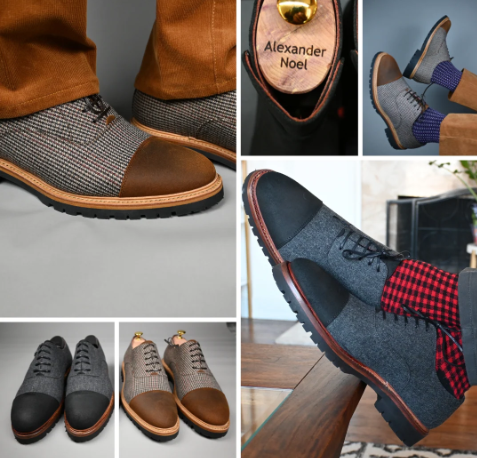
If you’re ready to move from admiring two-tone loafers to creating a pair that reflects your wardrobe, fit, and taste, explore Alexander Noel. Their direct-to-consumer bespoke approach, artisan partnerships, and custom design process make it easier to build a loafer that feels personal from the first sketch to the final fit.
Related post
19
Sep
19
Sep
19
Sep
19
Sep
19
Sep
