

RECENT POSTS


29.August.2026
Custom Women's Boots for Fall: Choosing Between Two Black Chelsea Silhouettes
0 Comments







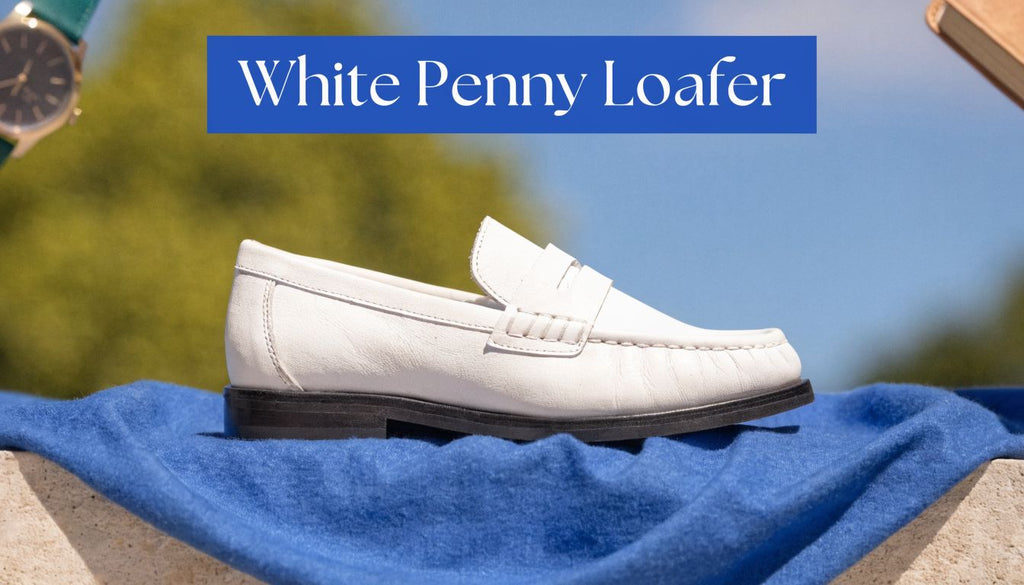
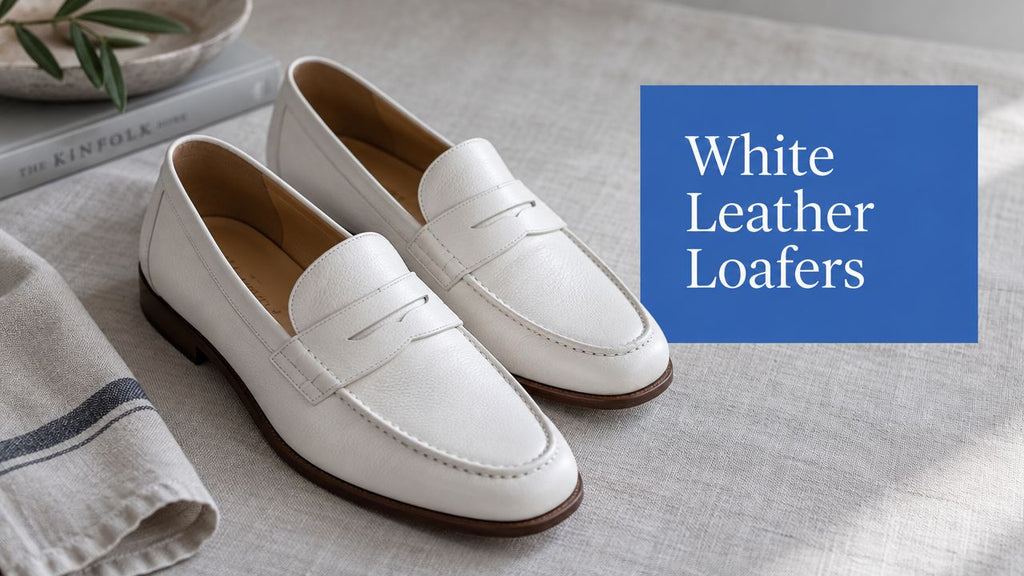
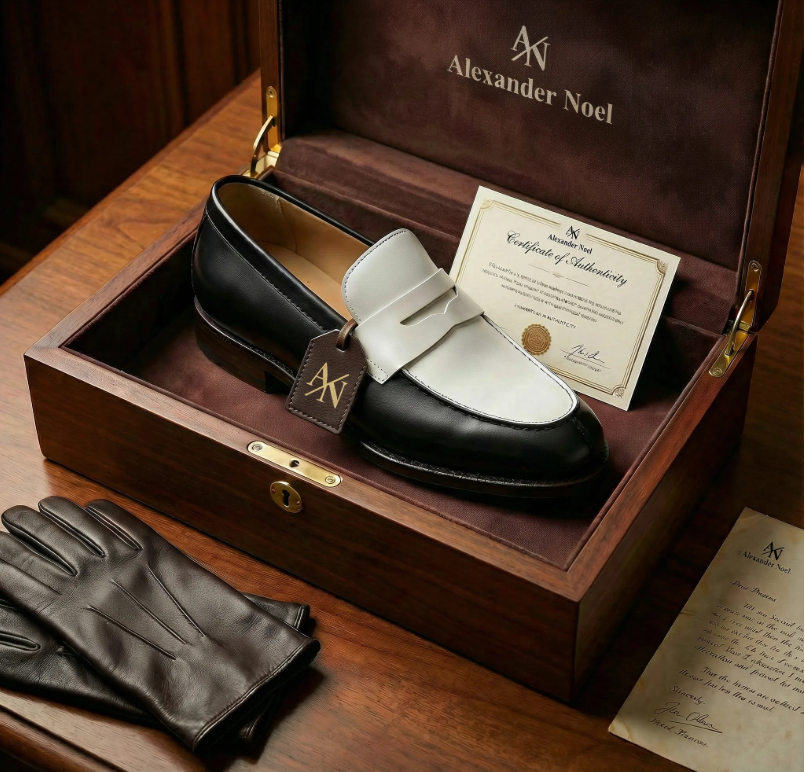
White Penny Loafer: Your Custom Design & Style Guide
You know the feeling. You find a white penny loafer that looks right from across the room, then the details start to fall apart. The leather is too stiff. The shape is slightly clumsy. The heel slips. The white is bright in the wrong way, more costume than polish.
That’s a common pitfall. Shoppers tend to prioritize a category when they should be building a pair around how they dress, how they walk, and what kind of finish they’ll maintain.
A well-made white penny loafer isn’t a novelty shoe. It’s one of the cleanest ways to bring ease into a wardrobe that already leans structured, relaxed, or somewhere in between. When the proportions, material, and fit are right, it works with summer suiting, weekend linen, cropped trousers, denim, and even sharper business-casual uniforms.

Why the White Penny Loafer is a Modern Wardrobe Essential
Most retail loafers are almost right. That’s the problem.
The toe is elegant but the leather creases poorly. The color is crisp but the sole feels too formal for daily wear. The silhouette works with tailoring but not with softer seasonal clothes. A white penny loafer makes those flaws more obvious because white shows everything. Shape, stitching, edge finish, and balance all sit in plain view.

The style has more depth than many realize. Its design heritage traces back to Norwegian shoemaker Nils Tveranger, who blended traditional Norwegian tesser fisherman shoes with Native American moccasin influences he observed while studying in the United States, a story documented in this history of the penny loafer. That transatlantic origin matters because it explains why the loafer still feels so natural today. It was never purely formal and never purely casual.
Why white changes the character
Black penny loafers read structured. Brown reads classic. White reads intentional.
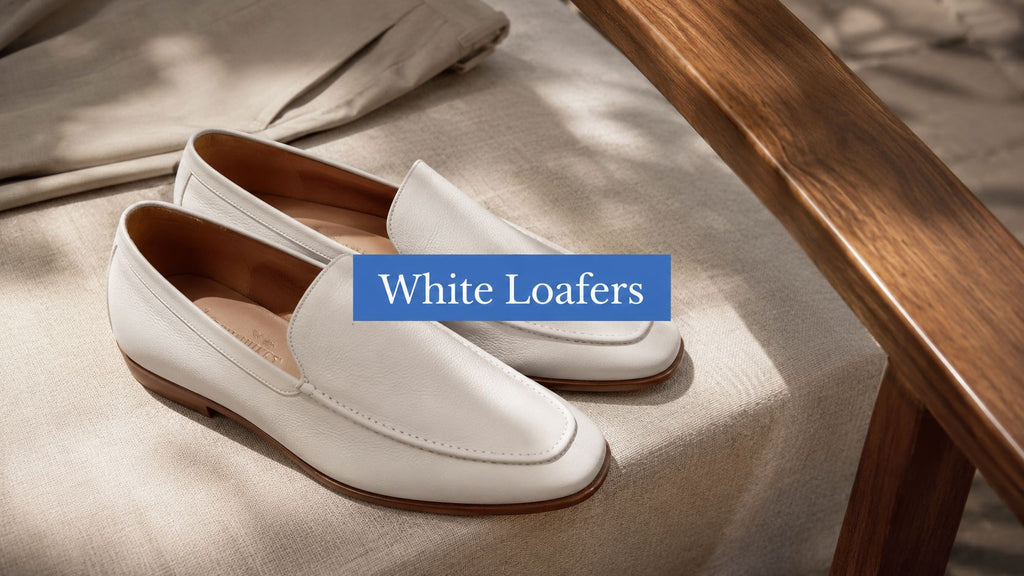
It brightens an outfit without looking loud, especially when the rest of the wardrobe is built around texture rather than heavy contrast. That’s why white loafers pair so well with summer wool, washed cotton, and the kind of pieces found in IdyllVie sustainable wardrobe essentials. The shoe doesn’t need to dominate. It needs to sharpen the line of the outfit and keep it light.
A white loafer only looks effortless when the shape is disciplined.
Why it belongs in a modern wardrobe
A good white penny loafer does three jobs at once:
- It replaces a sneaker in polished settings when you want comfort and ease without looking underdressed.
- It softens more formal garments by removing laces and visual clutter.
- It gives relaxed clothing structure so linen, denim, and cropped trousers still feel considered.
That balance explains the shoe’s staying power. It has heritage, but it doesn’t feel trapped by heritage. It’s refined enough for a professional wardrobe and relaxed enough for travel, weekends, and warm weather dressing. The mistake isn’t choosing the white penny loafer. The mistake is settling for one that asks you to adapt to it.
Designing Your Perfect Pair in the Design Lab
Customization only works when each choice changes how the shoe wears, not just how it looks. A white penny loafer is a perfect example. Small decisions have visible consequences, and white amplifies all of them.
The strongest approach is to start with use, not aesthetics. Decide where the pair will live first. Office rotation, travel, resort dressing, client meetings, weekend city wear, or all-purpose summer use. Once that’s clear, the material, lining, and sole stop feeling like decoration and start behaving like tools.

A useful overview of that process appears in the Alexander Noel Design Lab experience, where the steps move from silhouette to materials, sole, detailing, preview, and final confirmation.
Start with the upper
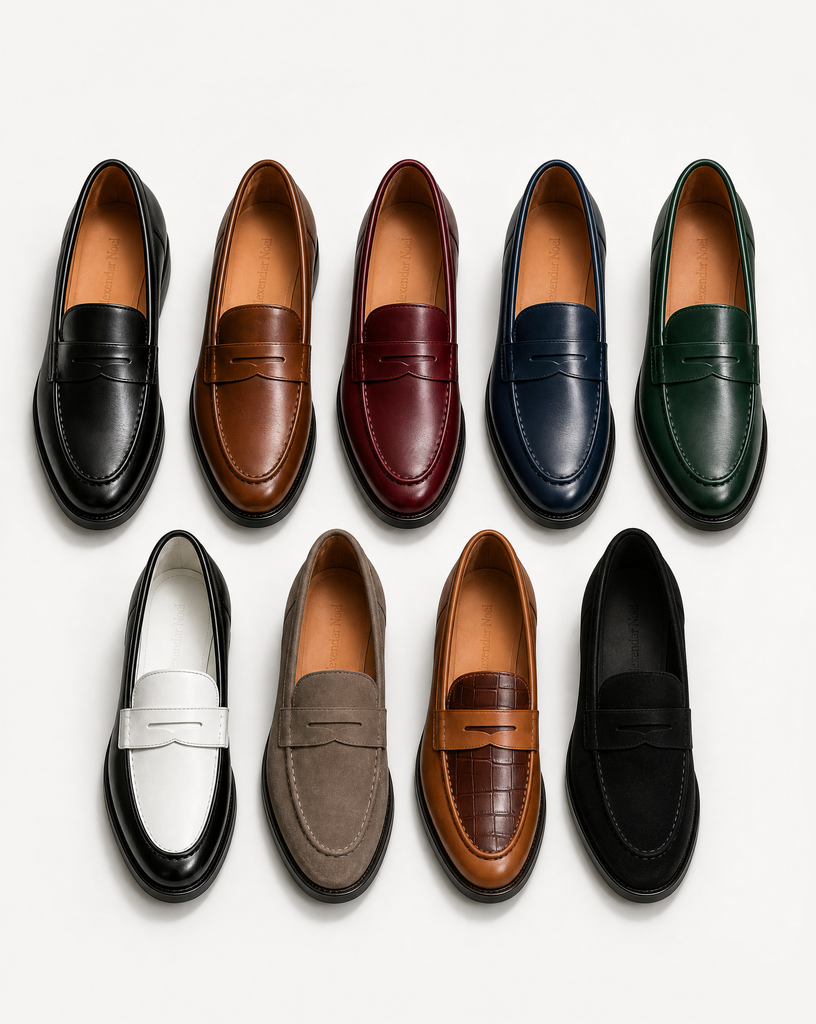
White isn’t one finish. It can be crisp, creamy, glossy, matte, or softly textured.
Here’s the practical difference between the main options:
| Upper choice | Best for | What works | What doesn’t |
|---|---|---|---|
| Full-grain leather | Daily use, smart-casual dressing, professional wardrobes | Balanced structure, good depth of color, ages with character | Shows neglect quickly if not cleaned regularly |
| Patent leather | Evening use, sharper fashion styling, occasional wear | Easy surface cleaning and strong visual polish | Can feel too reflective for daytime and less forgiving in heat |
| Suede or suede-like texture | Relaxed spring and summer styling | Softens the formality of the loafer and pairs well with linen | Demands more care around moisture and surface marks |
For white loafers aimed at professionals, the most sensible combination is premium full-grain leather with a latex memory foam insole and Goodyear welt construction, while patent leather needs 40% less maintenance but gives up about 25% breathability, and Goodyear welt construction can increase sole lifespan by 40 to 60%, according to these material and construction notes.
Practical rule: If you want one white penny loafer to do most of the work in your wardrobe, choose full-grain leather before you choose patent.
Build the sole around your wardrobe
A white loafer can fail because of the sole long before it fails because of the upper.
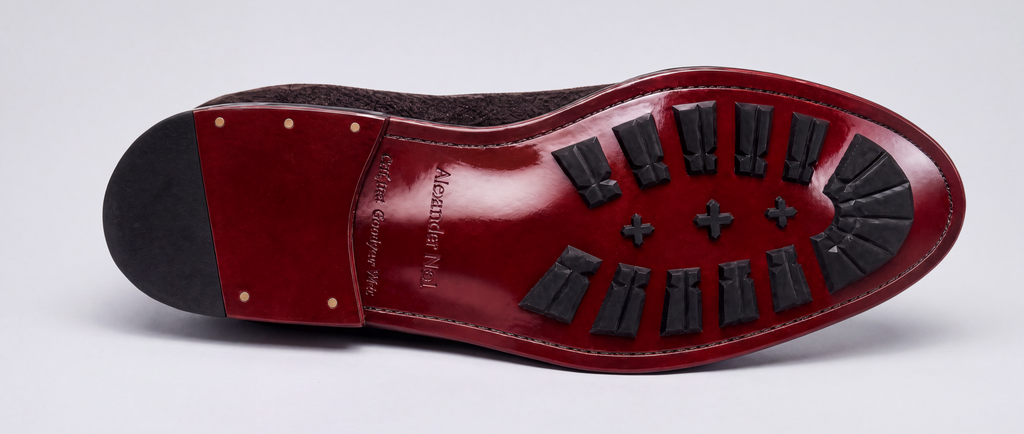
Leather soles look elegant and clean. They suit dry environments, dressier trousers, and a slightly sharper presentation. Lug rubber adds grip, durability, and a more grounded profile. It also makes more sense for city walking, travel days, and anyone who wants the shoe to function like an all-day option instead of an occasion pair.
Consider the sole in relation to trouser shape:
- With structured trousers, a sleeker sole keeps the line clean.
- With cuffed chinos or relaxed linen, a slightly more substantial sole prevents the shoe from looking too delicate.
- With denim, rubber usually wins because it feels less precious.
Use details sparingly
The penny strap, apron stitching, edge color, and lining all matter. Overdesigning is common here.
A white penny loafer usually looks stronger with restraint. Tonal stitching keeps the shape crisp. A cleaner welt edge avoids visual noise. If you want individuality, add it where only you notice it first. A lining color, a subtle monogram, or a considered sole finish usually gives more personality than contrast stitching ever will.
A good custom design should answer three questions clearly:
- Will this pair work with how I dress most often?
- Will this finish age in a way I’m happy to maintain?
- Does the construction support how much walking I do?
If the answer to all three is yes, the design is grounded. That’s when customization stops being novelty and becomes good shoemaking.
Achieving the Perfect Fit From Home
The biggest mistake in loafers is assuming length is the whole story. It isn’t.
A white penny loafer has no laces to rescue a poor fit. If the instep is wrong, you’ll feel it immediately. If the heel counter is loose, you’ll notice it within minutes. If the vamp cuts across the foot at the wrong point, the shoe can look elegant while wearing badly.

Retail sizing often turns into guesswork. Some loafers run up to a full size large, while bespoke fit systems that use 15+ data points can reduce fitting errors to less than 2% and cut returns from the retail norm of 20 to 25% to under 5%, directly addressing the fit problems behind 60% of loafer returns, as outlined in this shoe sizing reference.
What to measure beyond size
An at-home fitting process should capture more than heel-to-toe length. The useful points include arch height, heel shape, midfoot circumference, toe spread, and how one foot differs from the other.
That’s why generic advice like “size down” rarely solves the underlying issue. It may tighten the heel while crushing the forefoot. Or it may improve the toe position while making the instep too restrictive.
A better method is to work through a structured guide such as this at-home shoe measurement walkthrough, then translate those measurements into a last and pattern that suit a loafer specifically.
What a good fit should feel like
A correct loafer fit is secure, not tight. The heel should stay planted without gripping painfully. The vamp should hold the foot without pressing hard across the top. Toes need room to lie naturally, especially in a slip-on that doesn’t have lacing adjustment.
Use this quick check:
- Heel hold: You want light security, not lift with every step.
- Instep pressure: It should feel supportive. It shouldn’t bite.
- Forefoot shape: The shoe should follow your foot, not force it into a narrower outline.
- Walking test: A few indoor passes should reveal whether the shoe rolls smoothly or fights your stride.
If a loafer only feels right when you stand still, it doesn’t fit.
Why home fitting matters more in white
White loafers attract attention to proportion. A shoe that’s too long looks longer in white. A shoe that’s too shallow can make the foot look strained. Good fit improves comfort, but it also corrects the visual line of the entire outfit.
That’s why a measured approach matters. You’re not only preventing discomfort. You’re controlling silhouette.
How to Style White Penny Loafers for Any Occasion
A white penny loafer has range because it can move in two directions at once. It can sharpen casual clothing, and it can relax dressy attire.
That flexibility helps explain why the loafer escaped its original preppy lane. Its status as a style icon was reinforced by wearers such as James Dean, Elvis Presley, and Elton John, as noted in this account of penny loafer history. The lesson isn’t celebrity. The lesson is adaptability.

The office look that doesn’t feel heavy
For a woman in a smart office, a white penny loafer works best with cropped precisely cut trousers, a fluid button-front shirt, and a belt that echoes the shoe’s clean finish without an identical match. Ivory, stone, navy, olive, and soft charcoal all work well. The point is controlled contrast.
For a man, the same idea applies with an unstructured blazer, pleated trousers, and a fine knit polo or crisp cotton shirt. The loafer should lighten the outfit. It shouldn’t compete with it.
A useful principle is color discipline. If you already work with mixed neutrals, this shoe color matching guide helps refine which trouser and shirt combinations let white footwear look intentional rather than accidental.
The weekend version
White loafers can replace the default clean sneaker when you want something more composed.
A relaxed weekend outfit might be drawstring trousers in washed cotton, a knitted tee, and a light overshirt. For women, think wide-leg linen trousers with a ribbed tank and an easy blazer. For men, think cuffed trousers with an open-collar shirt in linen or brushed cotton. If you wear linen often, this guide to shoes for linen pants is a useful reference point for proportion and fabric balance.
White loafers look strongest when at least one other part of the outfit feels airy. Linen, washed cotton, open-weave knits, and softer tailoring all help.
A quick visual reference helps here:
Three reliable outfit formulas
- Creative professional: White penny loafers, off-white denim, a pale blue shirt, and a textured jacket. This works because the shoe reads clean, not corporate.
- Warm-weather business casual: White loafers, navy trousers, a fine-gauge knit, and a lightweight blazer. Keep accessories quiet.
- Travel day elegance: White loafers, soft chinos or well-cut knit trousers, a polo, and an unstructured outer layer. Easy to move in, polished enough to arrive well.
What doesn’t work
Some pairings make the white penny loafer feel forced.
Avoid these common misses:
- Overly formal suiting: A rigid dark business suit can make white loafers look disconnected.
- Too much bright white: If the shirt, trouser, and shoe all hit the same hard white, the outfit can feel clinical.
- Heavy winter textures: Thick flannel, bulky coats, and dense boots-first fabrics often ask for more visual weight than a white loafer gives.
The shoe works best when the outfit has room for lightness. That can mean literal warm weather dressing, or a wardrobe with cleaner lines and softer transitions.
Keeping Your Loafers Pristine A Guide to White Leather Care
White leather rewards routine more than rescue. If you wait for visible buildup, you’re already making the job harder.
The right care depends on the finish. Full-grain white leather, patent leather, and suede-textured uppers don’t respond to the same treatment, and using one method on all of them is how people dull shine, flatten texture, or spread stains instead of lifting them.
The basic care kit
Keep a small maintenance setup together so care becomes automatic:
- Microfiber cloths: Use one dry cloth for dust and one separate cloth for cleaner or conditioner.
- Soft-bristle brush: Best for seams, welt edges, and dry surface debris.
- Leather cleaner: Choose a formula meant for finished leather, not an aggressive all-purpose product.
- Conditioner: Use lightly on full-grain leather to prevent dryness.
- Shoe trees and dust bags: They help preserve shape and keep the uppers from sitting exposed.
If you want a broad care reference for accessories and footwear together, leather handbag and shoe care is a helpful companion read.
How to clean by leather type
For full-grain white leather, wipe surface dust first, then use a small amount of cleaner on a cloth rather than directly on the shoe. Work gently around the apron seam and penny strap where residue collects. Let the shoe dry naturally, then apply a light conditioner only if the leather feels dry.
Patent leather is different. It usually needs less effort on the surface, so a soft cloth often does most of the work. Don’t scrub hard. Pressure can create more visible streaking than the original mark.
Suede-textured white uppers require patience. Brush dry debris out first and avoid saturating the surface. Moisture control matters more than force.
Care note: Clean small marks while they’re fresh. White leather is easiest to maintain in short, regular sessions.
Storage and prevention
Storage matters as much as cleaning. Keep loafers away from direct heat and prolonged sun exposure, and don’t leave them on the floor by the door where dust and moisture build up.
A simple routine works well:
- Wipe them after wear.
- Rest them with shoe trees.
- Store them in a breathable bag or clean shelf space.
- Rotate them instead of wearing them on consecutive hard-use days.
A purpose-built leather shoe care kit can help organize the basics so upkeep stays consistent rather than occasional.
The Enduring Value of a Bespoke Investment
A white penny loafer asks for discernment. It isn’t a shoe that hides weak design, lazy material choices, or poor fit. That’s exactly why it’s worth doing properly.
When you choose the upper with intention, build the sole around your actual routine, measure the foot carefully, and style the pair in a way that suits your wardrobe, the result is more than a seasonal purchase. It becomes a working part of how you dress. Reliable. Distinct. Easy to reach for.
There’s also a deeper value in knowing where quality comes from. For affluent professionals, there’s a clear gap in footwear content on artisan provenance, and education about shoes made in partnership with craftspeople in Italy, Portugal, and Spain speaks directly to buyers seeking an alternative to anonymous mass production, as discussed in this Stitchdown buying guide.
That’s a key argument for bespoke. You’re not paying for complication. You’re choosing precision over compromise, and character over standardization. In a white penny loafer, those choices are visible every time you put them on.
If you’re ready to create a white penny loafer that fits your foot, your wardrobe, and your standards, explore Alexander Noel and start with a pair designed around how you live. Click the Loafer link to create your loafer here: Alexander Noel
Related post
24
Oct
04
Oct
04
Oct
26
Sep
26
Sep
