

RECENT POSTS
29.August.2026
Custom Women's Boots for Fall: Choosing Between Two Black Chelsea Silhouettes
0 Comments
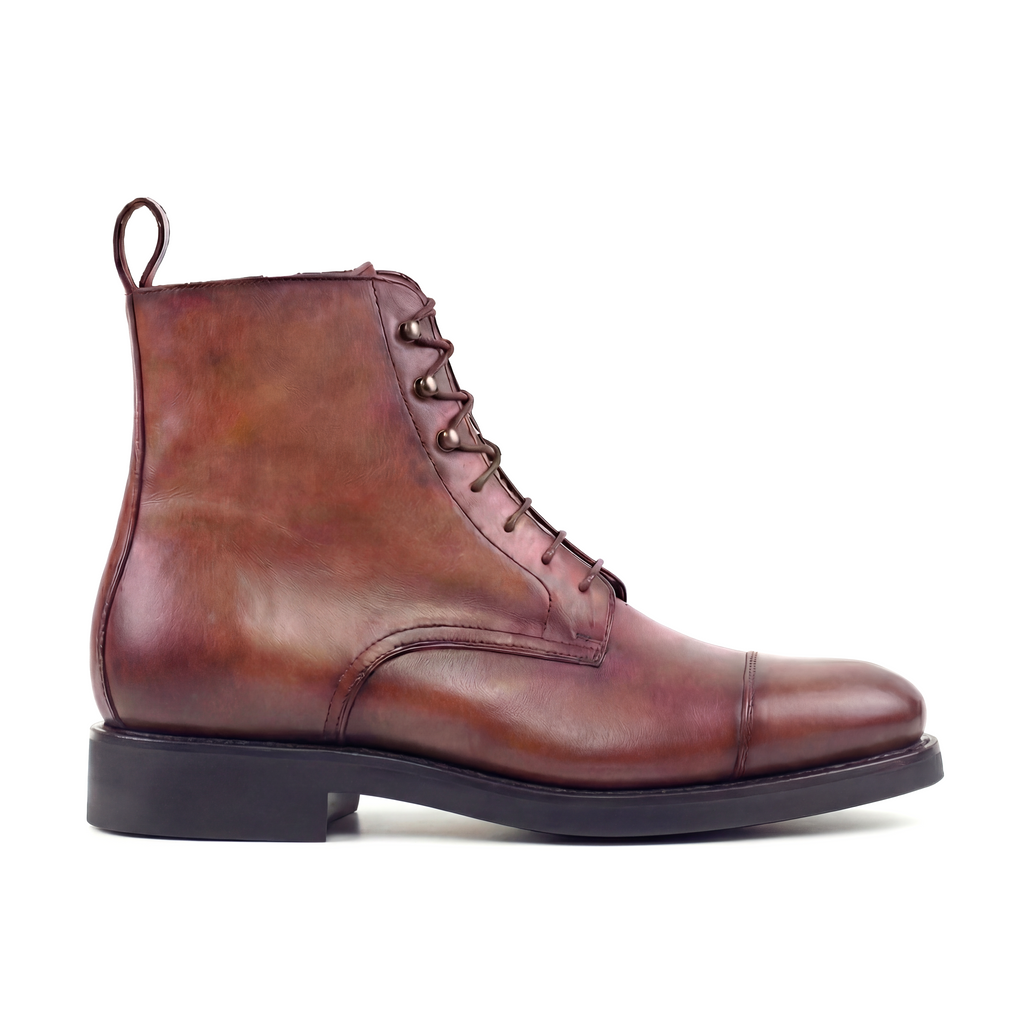
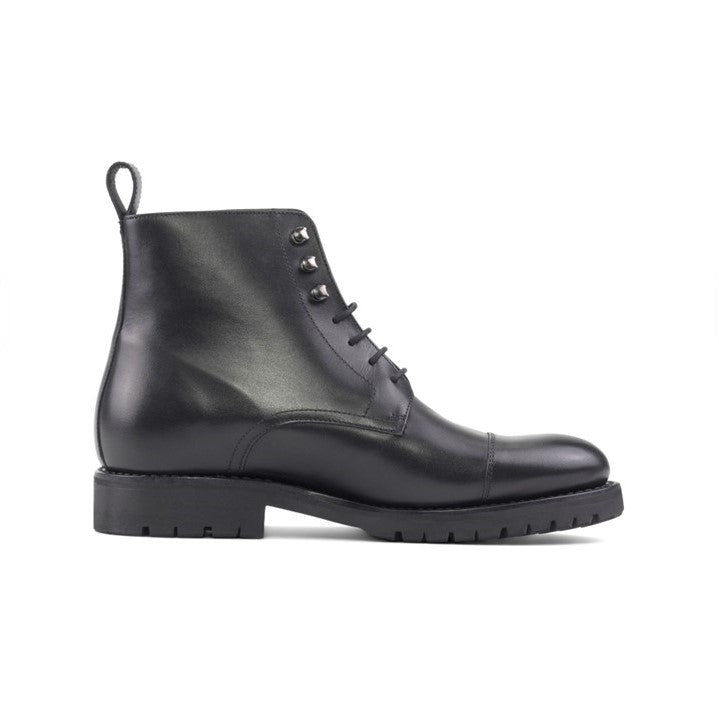





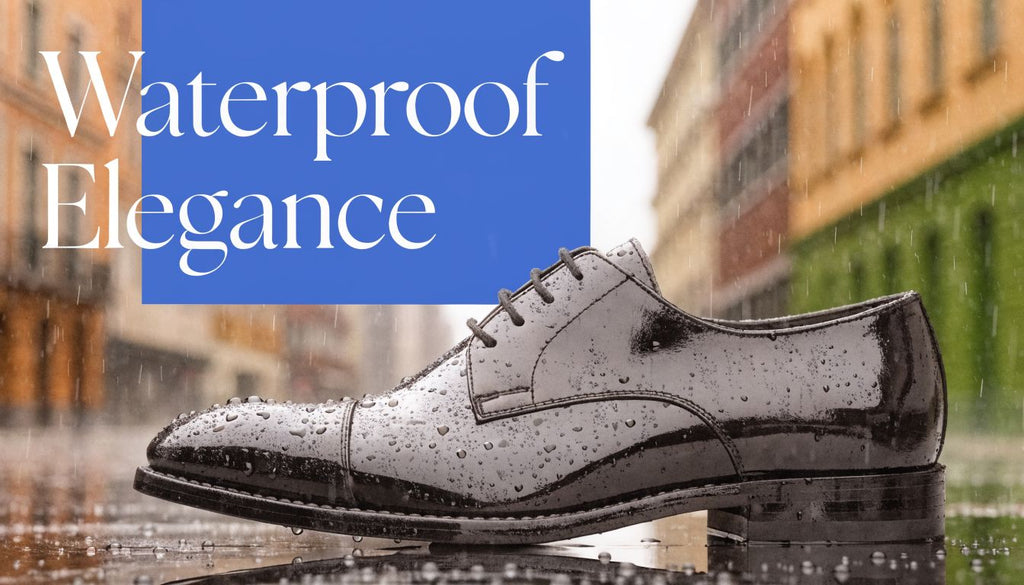
Waterproof Leather Dress Shoes: The 2026 Essential Guide
You step out of the car in a dark navy suit, glance at the sky once, and decide you can make it to the lobby before the rain turns serious. Halfway there, the shower arrives in full. Now the meeting matters a little less than the shoes. Will the leather spot? Will the soles drink up water at the curb? Will the pair that looked impeccable at breakfast feel heavy, cold, and misshapen by lunch?
That tension sits behind almost every conversation about waterproof leather dress shoes. Most professionals want the same thing. They want a shoe that still looks refined under a trouser hem, still works with tailoring, and still handles the ugly parts of city life: wet pavement, taxi splash, station steps, and sudden weather.
The mistake is thinking the choice must be between elegance and protection.
A good all-weather dress shoe doesn't behave like a hiking boot disguised as an oxford. It starts with better leather, better construction, and a sober understanding of trade-offs. Some shoes marketed as waterproof lock water out, then trap heat in. Others breathe beautifully but surrender too quickly at the seams. The right answer depends on where you walk, how long you wear them, and how much compromise you're willing to accept.
Fine shoemaking has known this for a very long time. The principles behind water protection in leather were documented as early as 1835, with a recipe based on drying oil, wax, turpentine, and Burgundy pitch that made leather impervious to water while keeping it soft, a reminder that craftsmanship often solves what marketing tries to dramatize (historical waterproofing recipe from 1835).
The Modern Professional's Dilemma
A client once described the problem better than any product description could. He didn't want “rain shoes.” He wanted the pair he already loved, only without the anxiety. He commuted on foot for part of the week, moved between office towers and airports, and had no interest in carrying a second pair in a tote bag like a gym change.
That's the modern dilemma. Dress shoes are expected to do more than they used to. They need to look sharp in a boardroom, stay comfortable through a long day, and survive weather that rarely asks permission.

Why ordinary dress shoes struggle
Most failures happen in familiar places:
- At the welt or sole edge: Water doesn't need much invitation. It looks for stitching, exposed edges, and weak joins.
- Across the vamp crease: Leather flexes with every step. Repeated bending opens tiny opportunities for moisture to work inward.
- Through neglect: Fine leather can handle a great deal, but not if it's left dirty, dried too fast, or stripped of oils.
A mass-market solution often answers that with a membrane, heavy coatings, or synthetic uppers. That can help in obvious wet conditions. It can also produce a shoe that feels lifeless, bulky, or clammy by mid-afternoon.
The most convincing all-weather dress shoe is the one you don't have to think about once you put it on.
What a better solution looks like
For professional use, the goal usually isn't absolute immersion-proof performance. It's controlled resistance to rain, pavement splash, and short exposure, without sacrificing line, comfort, or breathability.
That's where shoemaking becomes more interesting than advertising. A refined all-weather shoe depends on several decisions working together: the tannage, the seam treatment, the construction method, and the way the leather is maintained after wear. When those are handled properly, a dress shoe can face bad weather with a calm sort of competence.
Waterproof vs Water-Resistant The Crucial Difference
People use these two terms as if they mean the same thing. In shoemaking, they don't.
A waterproof shoe is like a sealed raincoat. It's built to block water entry as completely as possible. A water-resistant shoe is closer to a well-made trench coat. It sheds ordinary weather well, breathes better, and feels more civilised in daily use.
For leather dress shoes, that distinction matters because natural leather is naturally water-resistant, not waterproof, and true waterproofing usually requires non-porous materials that compromise breathability (Cheaney on making shoes more water-resistant).


What the terms mean in practice
| Feature | Water-Resistant | Waterproof |
|---|---|---|
| Construction | Treated leather, thoughtful seam handling, protective finishing | Sealed seams, membranes, or non-porous barriers |
| Material feel | More natural, supple, and dress-appropriate | Often firmer or more technical in character |
| Breathability | Better airflow for long office wear | Reduced airflow is common |
| Best use | Commuting, city rain, intermittent wet conditions | Prolonged wet exposure and harsher environments |
| Appearance | Easier to keep elegant and traditional | Can look more utilitarian |
| Maintenance | Needs periodic conditioning and protective reapplication | Still requires care, especially as treatments age |
Why this distinction matters to dress shoes
If you wear professional clothing all day, water-resistant leather often makes more sense than fully waterproof construction. Oiled and treated leathers, including wax-rich tannages such as Chromexcel, repel moisture well while keeping the leather flexible and comfortable. That balance is what many professionals specifically need.
A fully sealed shoe has its place. It's useful for repeated exposure, harsh weather, and situations where appearance comes second to staying completely dry. The trouble is that many people buy that level of protection for city use, then spend most of the day wearing a shoe that feels hotter than it should.
Practical rule: If your day includes pavement, offices, taxis, and short walks in rain, look first at high-quality water-resistant leather rather than chasing the word “waterproof.”
Small accessories raise the same question of protection versus comfort. If you wear a watch while swimming or training, the same buying logic applies to materials and use case. A practical example is this guide to best value waterproof bands for swimmers, which helps separate true water-use gear from everyday wear.
For leather shoes in actual rain, the details matter more than the label. This short guide on wearing leather shoes in rain is useful because it focuses on behavior and care, not just marketing language.
The Anatomy of an All-Weather Dress Shoe
A good all-weather dress shoe doesn't rely on one magic feature. It depends on layers of decisions. Leather selection is one layer. Internal barriers are another. Construction is the last defense, and often the one that separates serious shoemaking from decorative manufacturing.

Start with the leather
The upper decides a great deal before the shoe is even made.
Some leathers resist moisture better because of how they are tanned and nourished. Oil-rich and wax-rich leathers tend to slow water penetration. They also age attractively, which matters in a dress shoe where surface character is part of the appeal. Specially treated suedes can perform surprisingly well too, provided the hide is good and the finishing is competent.
When I assess leather for wet use, I'm not asking whether it can survive a puddle. Most decent leather can do that once. I'm asking whether it can keep its shape, temper, and finish after repeated exposure and drying cycles.
Then consider the internal barrier
Membranes can help. They create a barrier behind the leather and can reduce water entry in sustained wet conditions. In some footwear categories that makes excellent sense. In dress shoes, they need restraint.
A membrane should support the shoe, not dominate it. If the upper leather is mediocre and the maker relies on the liner to do all the work, the shoe often feels dead in the hand and unbalanced on the foot. You haven't solved the problem. You've hidden it under a layer.
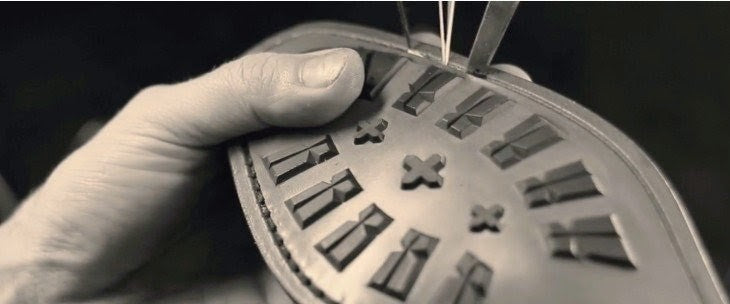
Here's a visual look at the construction logic behind more weather-ready footwear:
Construction is where resistance becomes durability
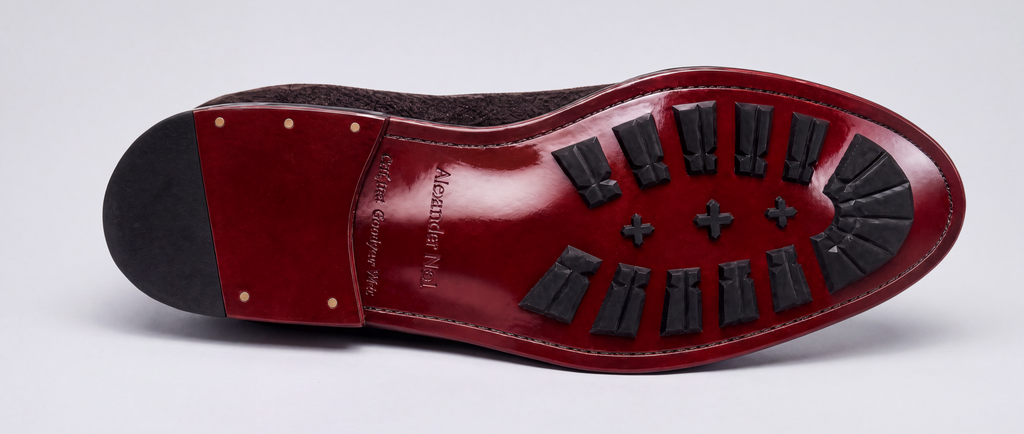
The old breakthrough still matters most. The welted rand construction method became dominant around 1500 and stitches the upper, outsole, and insole together in a way that offers far better durability and water resistance than earlier methods (history of leather shoes and welted rand construction).
That's why welted construction remains the benchmark for serious dress shoes. It doesn't make a shoe invincible, but it creates a more defensible architecture. Water has a harder route inward, and the shoe usually ages with more dignity.
A few construction points deserve attention:
- Welted builds: They create a structured join that resists weather better than flimsier cemented alternatives.
- Seam handling: Even strong leather fails if the seams are careless.
- Sole edge finishing: This area sees constant exposure from pavement splash and standing water.
- Resole potential: A shoe built to be serviced keeps performing longer because worn parts can be renewed rather than discarded.
If you want a deeper look at how this construction works under the surface, this guide to Goodyear welt construction is worth reading.
Balancing Style with Performance
The biggest trade-off in waterproof leather dress shoes isn't visual. It's physiological. Your feet notice it long before anyone else does.
A 2025 study found that dress shoes with waterproof membranes reduced vapor permeability by 40 to 60 percent compared with standard leather, and bespoke solutions can restore up to 80 percent breathability while maintaining strong water resistance (2025 breathability findings for waterproof dress shoes). That finding matches what many wearers report in plain language. The shoe keeps rain out, then turns warm and clammy in ordinary indoor use.
What mass-market shoes often get wrong
Many off-the-shelf “waterproof” dress shoes are built for shelf clarity, not wear nuance. The label is easy to print. The daily experience is harder to engineer.
Common problems include:
- Overbuilt liners: They block moisture from outside, then trap moisture from inside.
- Stiff uppers: Heavy treatments can flatten the natural elegance of good leather.
- Bulky silhouettes: Useful in a boot. Less convincing under fine trousers.
- One-note performance: Strong in rain, mediocre the other hours of the day.
That last point matters most. Most professionals don't spend all day in a downpour. They spend all day moving between weather and climate-controlled interiors. A shoe has to do both.
Why bespoke logic helps
Custom footwear can solve this more gracefully because the maker chooses where to place protection and where to preserve airflow. A client can ask for treated leather, selective seam sealing, and a construction method suited to city rain without turning the shoe into technical equipment.
Fit matters here as well. Poor fit increases heat, friction, and fatigue, especially in less breathable constructions. The best wardrobe decisions often come from understanding proportion and use rather than buying the loudest claim. The same principle shows up outside footwear as well. If you've ever tried to find eyewear that suits your face, a guide like Best Small Sunglasses for Small Faces 2026 is useful for exactly that reason. It respects fit as a performance issue, not just a style issue.
A dress shoe meant for real life should survive rain without feeling like rain gear at noon.
Maintaining Your All-Weather Investment
A well-made pair can handle weather. It still needs care. Waterproofing in leather isn't a one-time event. It's a cycle of cleaning, feeding, protecting, and letting the material recover.
The old methods were more deliberate than many modern routines. The 1835 formula used drying oil, wax, spirit of turpentine, and Burgundy pitch, applied carefully until the leather was saturated, and the point was not only to repel water but to keep the leather soft at the same time. That old discipline still teaches the right lesson. Protection without suppleness is poor protection.

The right routine after rain
When shoes come home wet, don't rush the drying.
- Wipe them down first. Remove surface dirt, grit, and road residue with a soft cloth.
- Let them dry naturally. Keep them away from direct heat. Fast drying can stiffen and stress the leather.
- Use shoe trees if you have them. They help the upper hold shape as moisture leaves.
- Condition once dry. Leather loses oils over time, especially after repeated wetting and drying.
- Finish with wax where appropriate. A wax polish adds a useful surface barrier on smooth leather.
Cream and wax are not the same tool
A conditioning cream feeds the leather. A wax polish sits closer to the surface and improves repellency. You usually need both, but in the right order.
- Conditioning cream: Use this when the leather feels dry, dull, or slightly rigid.
- Wax polish: Use this for added weather defense and a smarter finish, especially at the toe, heel, and along exposed areas.
- Restraint: Too much product can clog the look of the leather and leave residue in creases.
Wet shoes usually don't die from rain. They die from being dried badly and ignored afterward.
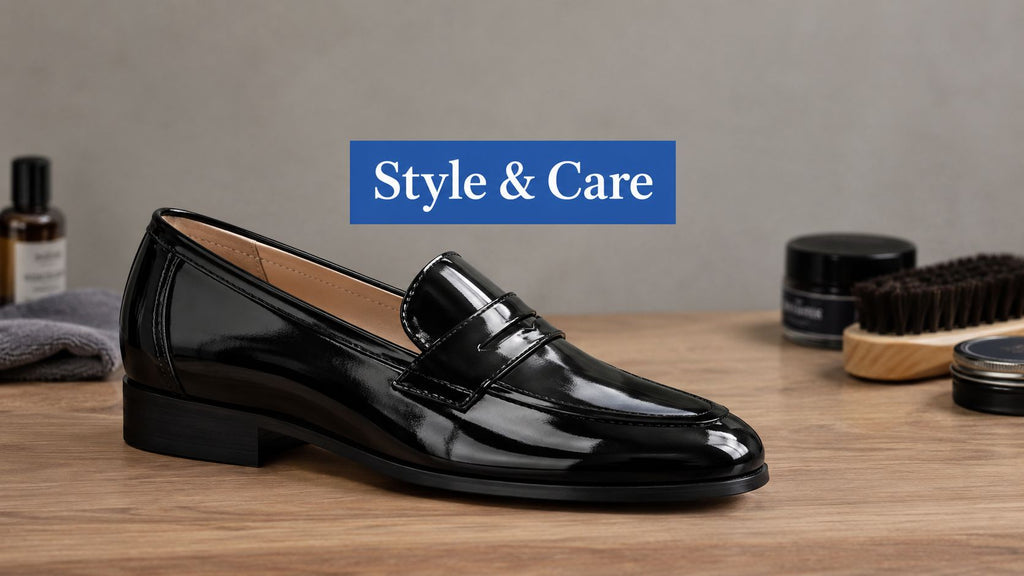
If you're building a proper maintenance setup, a dedicated leather shoe care kit makes the process easier because the cloths, creams, and brushes are chosen to work together.
A simple rhythm that works
You don't need a fussy ritual. You need consistency.
- After wet wear: Clean and air dry.
- After repeated exposure: Recondition the leather.
- Before ugly weather returns: Refresh the protective finish.
That small discipline preserves shape, finish, and comfort better than any dramatic rescue treatment.
A Buyer's Guide to Waterproof Elegance
You leave for the office in a clean navy suit, step off the curb into a film of rain and street grit, and by noon your shoes tell the whole story. This is the point where marketing claims fall apart. A well-made all-weather dress shoe keeps its line, resists water at the vulnerable points, and still feels civilised under a desk for eight hours.

Mass-market waterproof shoes often solve one problem by creating two more. They block water with heavy synthetic barriers, then trap heat and flatten the silhouette. Better pairs take a harder route. They use better leather, cleaner patterning, and construction that manages wet weather without turning the shoe into a rubber shell.
What to check before you buy
Use this checklist with a sceptical eye:
- Start with the upper: Ask what makes the leather suitable for wet use. Wax-rich and oil-infused leathers behave differently from heavily coated hides.
- Check the bottom structure: Welted construction usually gives you a stronger platform, better edge integrity, and a realistic path to resoling.
- Inspect the seams: Water rarely enters through the broadest panel. It finds the tongue line, stitching, and joins near the vamp.
- Match the shoe to your routine: A commuter walking ten city blocks in rain needs a different build from someone going car to office.
- Be honest about care: The right shoe is one you will brush, dry properly, and protect before the season turns.
When custom makes sense
Ready-made shoes work well when your needs are ordinary. They fall short when fit, weather exposure, and dress code all need to be answered at once.
That is where custom or made-to-order becomes sensible. A maker can specify the leather, refine the last, control how sleek the waist looks, and still choose details that handle wet pavements. That balance is rare on a standard retail shelf, especially in shoes sold mainly on the word "waterproof."
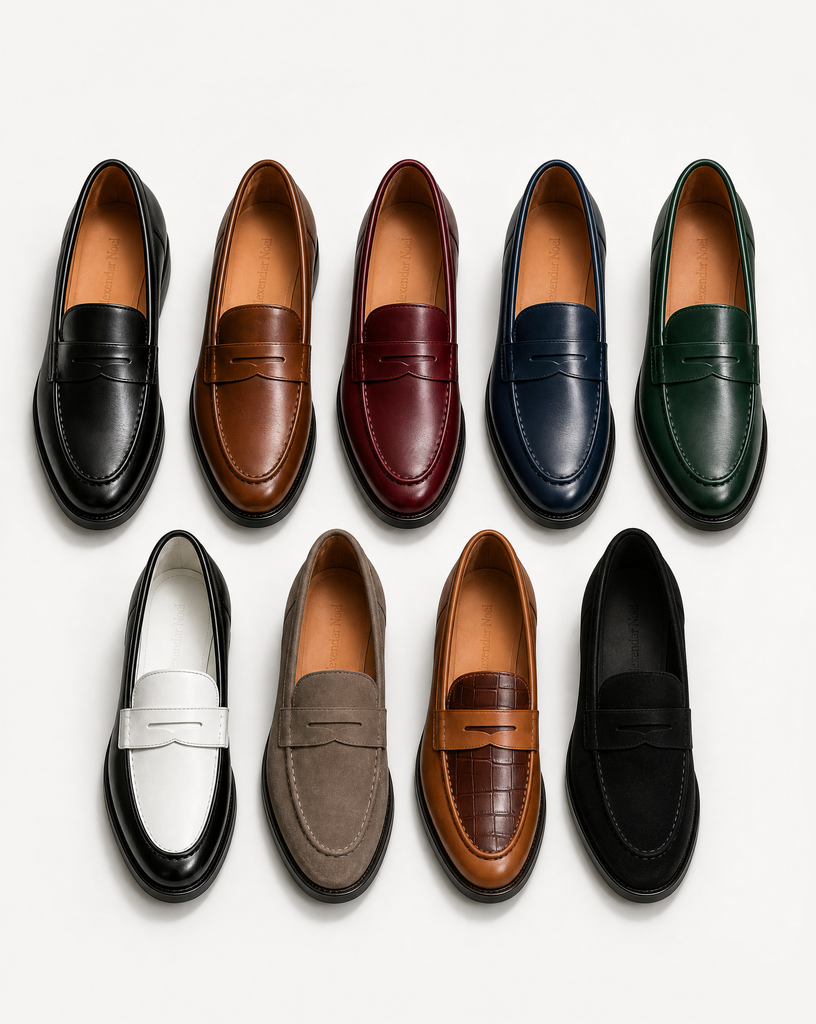
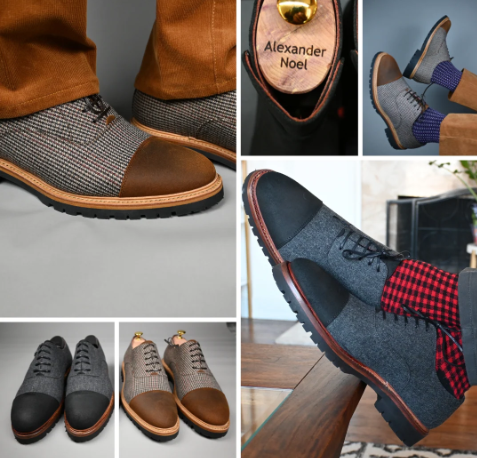
Alexander Noel is one example of a made-to-order brand working in that territory. The value is not novelty. It is the ability to specify fit, styling, and material together instead of accepting a factory compromise.
Questions worth asking a maker
A serious maker should answer these plainly:
| Buying question | Why it matters |
|---|---|
| What kind of leather is used? | Tannage and finish affect how the upper handles rain, creasing, and polish |
| How is the shoe constructed? | Construction shapes durability, water entry points, and future repair options |
| What happens after repeated wet wear? | The answer reveals whether the shoe was designed for real use or occasional fair-weather wear |
| How does it wear indoors? | A shoe that survives rain but overheats in the office is poorly balanced |
| Can it be repaired or resoled? | Repairability protects the investment and usually reflects better build quality |
Before settling on a specific build, it helps to compare the broader category of leather dress shoes for formal and business wear so you can judge how much weather protection you need without giving away shape, proportion, and elegance.
Frequently Asked Questions
| Question | Answer |
|---|---|
| Are waterproof leather dress shoes actually worth it? | Yes, if your routine includes regular walking in rain or wet streets. The value comes from choosing the right level of protection for your use, not from buying the most aggressively marketed pair. |
| Can leather ever be truly waterproof? | Leather itself is naturally water-resistant. A fully waterproof result usually depends on added barriers or membranes, and those can affect breathability. |
| What's better for office wear, waterproof or water-resistant? | For many professionals, water-resistant is the better balance. It handles ordinary weather while keeping the shoe more comfortable indoors. |
| Do waterproof treatments ruin fine leather? | Poor treatments can dull or stiffen leather. Proper conditioning and suitable waxes usually protect the upper without spoiling its character. |
| Is welted construction important in wet weather? | Yes. It improves durability and makes water resistance more dependable than lighter, less structured builds. |
| How should I dry wet dress shoes? | Wipe them clean, let them dry naturally away from direct heat, and condition them once they're fully dry. |
| Can stylish dress shoes still perform in bad weather? | They can, if the leather, construction, and finishing were chosen intelligently. Elegance and practical weather resistance aren't opposites. |
If you want a pair built around your actual commute, climate, fit, and style preferences, explore Alexander Noel. Their made-to-order approach gives you more control over leather, construction, and silhouette than most off-the-shelf options, which is often the difference between a shoe that merely survives rain and one you'll still want to wear after it.
Related post
26
Sep
26
Sep
26
Sep
26
Sep
26
Sep
