

RECENT POSTS

29.August.2026
Custom Women's Boots for Fall: Choosing Between Two Black Chelsea Silhouettes
0 Comments
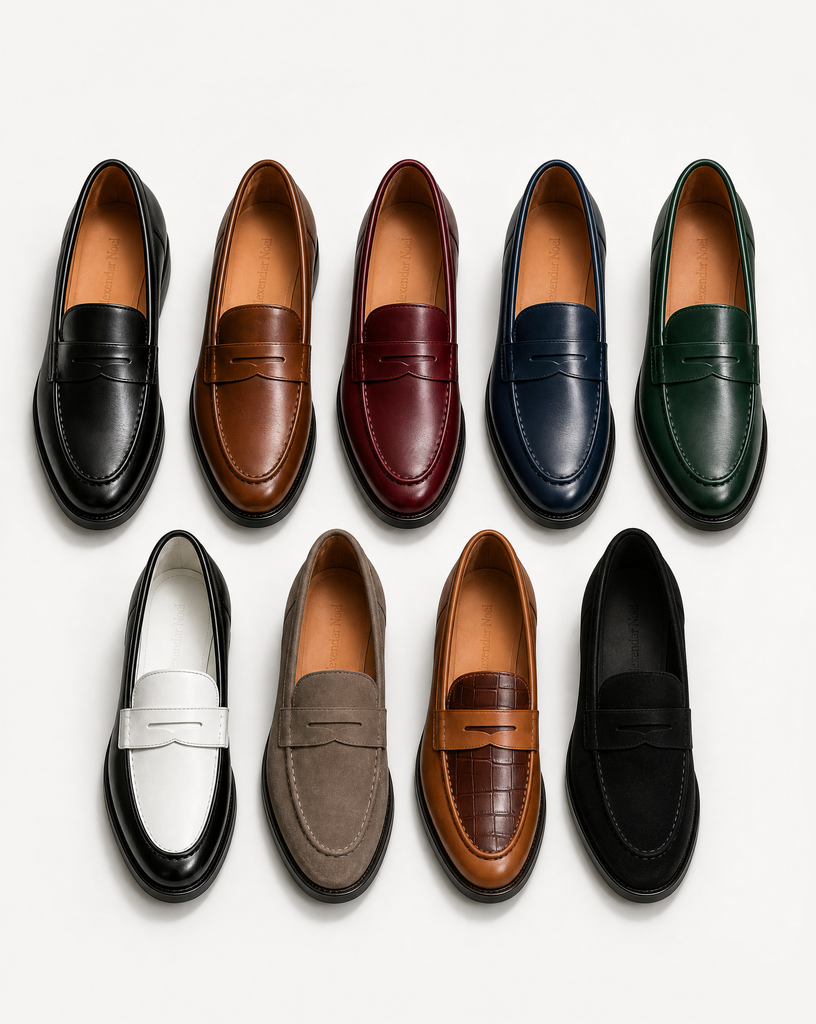
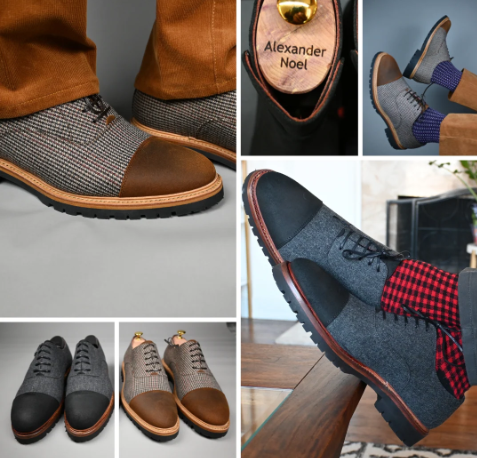







Elevate Your Look: Dress Shoes Brown Guide
You’re getting dressed for a day that won’t stay in one lane. A morning meeting calls for polish. Lunch with a client needs ease. Dinner after work shouldn’t feel stiff. Then you look down at the floor and hesitate. Black shoes feel safe, but maybe too severe. Brown feels right, but only if you know which brown, which style, and whether the fit will hold up through a long day.
That hesitation is common because most advice on dress shoes brown stops too early. It says brown is versatile, then leaves you alone with a rack of shades that all look slightly different and a sizing chart that assumes every foot is standard. For many professionals, that’s where true confusion begins.
A useful guide has to do more than say “brown goes with navy.” It has to show you why dark chocolate works differently from cognac, why an Oxford reads differently from a Derby, and why fit matters just as much as color. Once those pieces click, brown dress shoes stop feeling risky and start feeling like one of the smartest parts of your wardrobe.
The Modern Professional’s Style Dilemma
A common weekday scene looks like this. Navy suit pressed. White shirt ready. Watch on. Then the shoe choice slows everything down.
Black Oxfords still carry the old promise of correctness. They’re formal, familiar, and easy to justify. But modern wardrobes rarely live in one narrow dress code anymore. Most professionals move between business formal, business casual, social events, and travel, often in the same week.
That’s why brown has become so important. Experts recommend brown dress shoes as the essential first pair because they work with 99% of suiting colors, including navy and grey, while black tends to stay reserved for the most formal occasions, as explained in Effortless Gent’s guide to brown dress shoes. In practical terms, brown does more work in a real wardrobe.
Why black can feel limiting
Black shoes are excellent when the dress code is strict and traditional. The problem is that many men wear them by default, even when the rest of the outfit would look better with warmth and depth. A navy suit with black shoes can look sharp. It can also look a little hard, especially in daylight or less formal business settings.
Brown changes that tone.
Brown usually feels more natural in contemporary offices because it looks polished without looking rigid.
Where brown earns its place
Brown dress shoes move more easily across situations:
- With tailoring: They sit comfortably under navy, grey, beige, and many earth-tone suits.
- With separates: They work with chinos, sport coats, and wool trousers.
- With social dressing: They suit daytime weddings, dinners, and events where black can look too stern.
If you’ve been treating brown as the optional pair, it helps to reverse the thinking. For many wardrobes, black is the specialist. Brown is the foundation.
Why Every Wardrobe Needs the Right Brown Dress Shoes
Brown shoes do something black rarely does. They make a polished outfit feel human. The color has warmth in it, and that warmth softens tailoring without making it casual.
That matters more now than it used to. Modern professionals aren’t dressing for a world where every office expects the same uniform. They’re dressing for mixed settings, mixed fabrics, and mixed expectations. Your shoes have to keep pace.

Brown reads polished without looking cold
Brown has range. Dark shades can look serious enough for a suit and tie. Mid-tones feel balanced and adaptable. Lighter browns relax an outfit and bring in personality.
That’s a key advantage. Brown lets you control the message your outfit sends.
- In a boardroom: Dark brown still looks disciplined and professional.
- At a client lunch: Medium brown feels refined but less severe.
- On a casual Friday: Tan or cognac can make structured garments feel easier and more modern.
One pair can cover more ground
Many people think of dress shoes as event-specific. That approach often leads to buying for the rare occasion instead of the common one. In reality, the more useful question is simple: what pair will you reach for most often?
For many men, that answer is a brown pair with enough formality for tailoring and enough character for daily wear. Semi-brogues and full brogues often fill that role well because they avoid the starkness of plain black formal shoes while still looking intentional.
Practical rule: If your calendar includes office wear, dinners, weddings in daylight, and smart-casual evenings, brown usually gives you more mileage than black.
Brown works with the way people dress now
A modern wardrobe isn’t built only around dark worsted suits. It includes textured jackets, unstructured tailoring, knit polos, seasonal trousers, and dark denim. Brown connects with those pieces more naturally than black.
That doesn’t make black obsolete. It puts it in the right category. Black is for stricter moments. Brown is for everything around them.
And that distinction is useful because it shifts the question from “Can I wear brown?” to “Which brown should I choose?”
Decoding the Spectrum of Brown Shades
Most mistakes with brown shoes aren’t about the shoe itself. They’re about the shade. One brown looks sharp with navy and another looks oddly disconnected. One brightens a summer outfit. Another grounds a charcoal suit.
That uncertainty is widespread. A 2025 survey by The Moda Institute found that 68% of men aged 30 to 55 struggle with brown shoe and suit coordination, with shade mismatch named as the top issue, as noted in this brown dress shoes retail context.

Start with the shade, not the outfit label
Labels like “formal” and “smart-casual” help, but they don’t solve the actual dressing problem. Shade does. If you want a broader framework for combining shoe colors with clothing, this shoe color matching guide is a useful companion.
Here’s the simplest way to think about the brown spectrum:
- Light tan feels airy and relaxed.
- Cognac has more red and visual energy.
- Medium brown is balanced and forgiving.
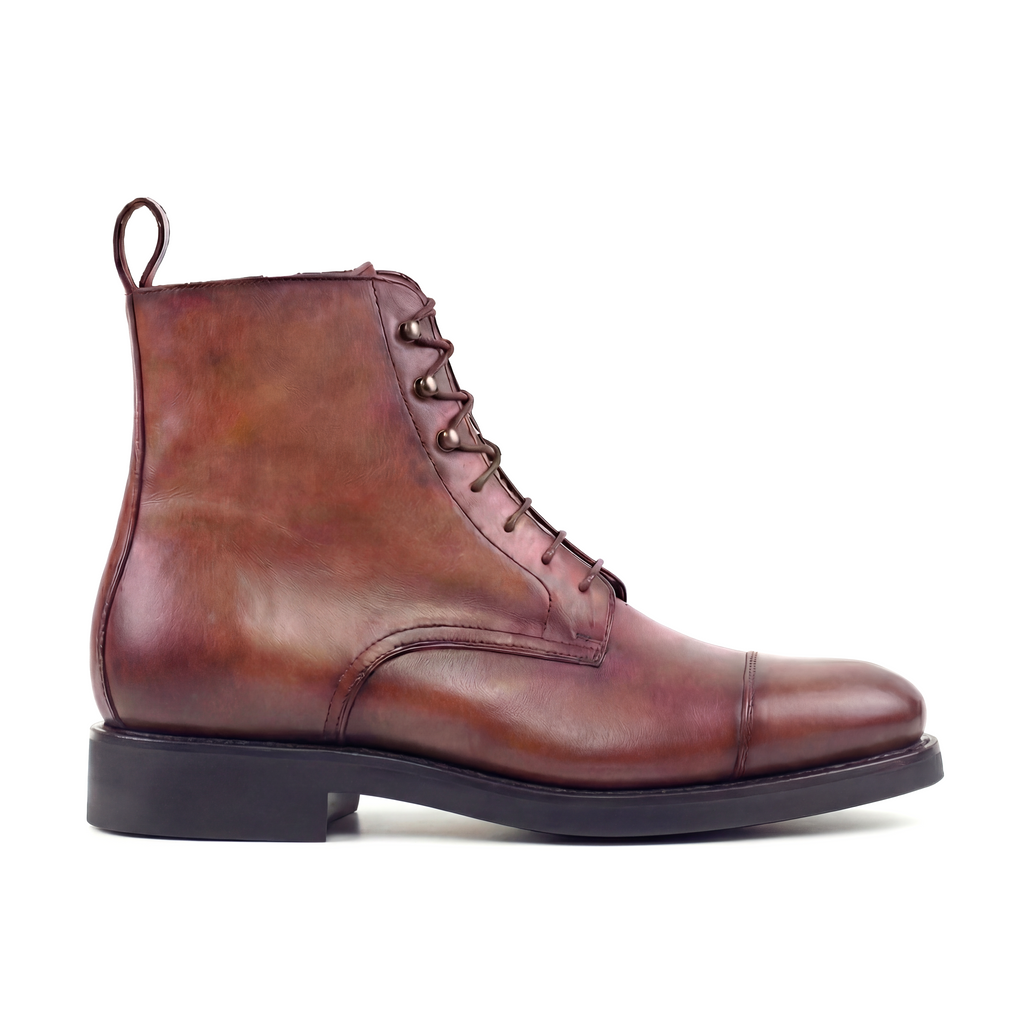
- Dark chocolate or mahogany carries the most authority.
Brown shoe and suit pairing guide
| Shoe Shade | Pairs Best With (Suit Colors) | Formality Level | Ideal Occasion |
|---|---|---|---|
| Light Tan | Beige, light grey, summer blue, linen tones | Lowest of the four | Warm-weather events, daytime social settings |
| Cognac | Navy, mid-grey, textured jackets, chinos | Moderate | Smart-casual offices, dinners, daytime weddings |
| Medium Brown | Navy, light grey, charcoal, beige | Highly versatile | Daily office wear, travel, mixed-use wardrobes |
| Dark Chocolate | Navy, charcoal, darker grey, deeper earth tones | Highest among brown shades | Business formal, presentations, evening dinners |
Light shades for openness
Light tan shoes work best when the rest of the outfit already has ease in it. Think seasonal fabrics, softer construction, and daylight. They can look elegant, but they don’t usually belong in your most formal combinations.
If you wear tan shoes with a heavy charcoal suit in a serious business setting, the problem isn’t that tan is “wrong” in a moral sense. It’s that the visual weight doesn’t match. The suit looks denser and more formal than the shoes.
Medium tones for versatility
Medium brown is the easiest recommendation for someone who wants one pair to do many jobs. It pairs smoothly with navy and grey and doesn’t force the outfit in a strongly casual or strongly formal direction.
If your wardrobe includes a lot of office tailoring, this is often the calmest place to start.
The safest sophisticated move is usually simple: the darker the suit, the darker the brown.
Dark shades for authority
Dark chocolate and mahogany have depth. They keep the warmth of brown while staying close to formal territory. That’s why they work so well with navy and charcoal.
They’re especially useful for professionals who want a more expressive alternative to black without drifting into anything flashy. Dark brown still feels serious. It just feels less stark.
Choosing the Right Style for the Occasion
Color gets most of the attention, but shape is what decides how formal a shoe really looks. Two pairs in the same shade of brown can send completely different signals if one is an Oxford and the other is a loafer.

According to the dress shoe hierarchy outlined in Bespoke Unit’s formality guide, dark brown Oxfords sit just below black in formality and work well for Business Formal. Lighter browns, open-lacing styles, and shoes with more broguing move down the scale and become better suited to less formal settings.
The Oxford and why it matters
An Oxford uses closed lacing. That means the eyelet tabs are stitched under the front part of the shoe, creating a cleaner, tighter silhouette. It looks neater because the design is more controlled.
That neatness is why the Oxford remains the benchmark for formal dress shoes.
- Plain-toe Oxford: Cleanest and most formal
- Cap-toe Oxford: Slightly more detail, still very business appropriate
- Semi-brogue or full-brogue Oxford: More texture, more versatility, slightly less formal
For many wardrobes, a dark or medium brown Oxford with restrained broguing is the sweet spot.
The Derby and the relaxed structure
A Derby or Blucher uses open lacing. The eyelet tabs sit on top of the vamp instead of being closed into it. That creates a little more flexibility and a little less visual discipline.
That’s not a flaw. It’s the reason Derbys work so well with chinos, odd trousers, textured suits, and less rigid business settings. If your office leans modern and your wardrobe includes separates, a brown Derby can get worn constantly.
For outfit ideas in that more relaxed lane, this guide to brown dress shoes with khakis shows how the formality drops without looking careless.
Monk straps and loafers
Monk straps sit in a useful middle ground. They’re dressy enough for tailoring but more expressive than lace-ups. If you like a bit of visual interest without broguing, they can be a smart option.
Loafers are the easiest to wear and the hardest to misuse well. In the right setting, they look elegant and effortless. In the wrong setting, they can make a serious suit feel underdressed.
A quick visual explanation helps here:
A simple occasion filter
If you’re deciding fast, use this mental checklist:
- Need maximum formality? Choose a dark brown Oxford.
- Need flexibility across office and social wear? Choose a Derby or a brogued Oxford.
- Want personality with tailoring? Consider a monk strap.
- Dressing for ease, travel, or warm weather? A loafer can work, if the rest of the outfit supports it.
The main point is structure. Once you understand closed lacing, open lacing, and ornamentation, shoe choice stops feeling arbitrary.
The Hallmarks of Quality in a Brown Dress Shoe
A beautiful shade of brown can attract you to a shoe. Quality is what keeps you wearing it. The trouble is that many shoes look impressive under store lighting and reveal their weaknesses only after real use.
The first place to look is the leather. Full-grain leather keeps the natural character of the hide and tends to age with more depth. Corrected-grain leather is often processed to create a more uniform surface, which can look tidy at first but usually has less richness over time. In premium footwear, that difference matters because brown leather shows patina so beautifully.

Why the sole matters
A lot of buyers focus only on the upper. Don’t. The sole changes comfort, appearance, and longevity.
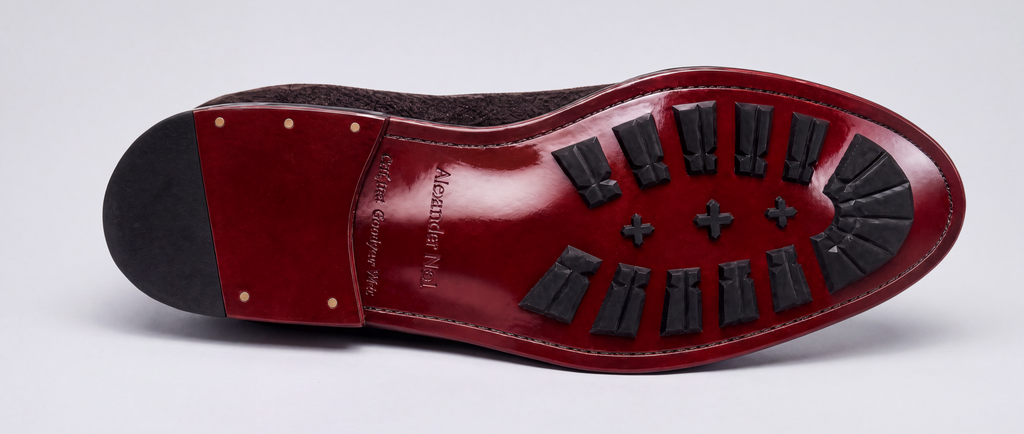
High-quality vegetable-tanned leather soles can develop a rich patina over 10+ years, and their porosity offers 10% to 20% higher breathability than rubber, which helps reduce moisture and improves all-day comfort, according to this guide to buying brown leather dress shoes.
That’s one reason leather soles still matter in dress shoes. They look cleaner, they breathe better, and they align with the visual language of classic clothing.
A dress shoe should improve with wear, not just survive it.
Construction tells you whether the shoe is disposable
The next detail is how the upper meets the sole. A quality construction method gives the shoe shape, serviceability, and life beyond the first wear cycle.
Look for signs of thoughtful build:
- Goodyear welted construction: Easier to resole and maintain over time
- Clean stitching: Even, controlled, and free of loose threads
- Well-shaped last: The shoe should look balanced from the side and front
- Firm heel counter: It helps hold the back of the foot securely
If you want a deeper look at materials and making standards, this review of leather grades, sourcing, production, and quality assurance is worth reading.
Quality is visible in motion
The best brown shoes don’t only photograph well. They crease more gracefully, hold their shape more cleanly, and become more interesting as you wear them. That’s why quality isn’t just an abstract idea. You can see it after a long day, after a season, and after repeated polishing.
A good pair should feel like an object made to accompany your life, not just complete a purchase.
Beyond the Shoe Store The Alexander Noel Advantage
You find a brown dress shoe that looks right from across the store. Then you try it on. The heel lifts, the forefoot feels crowded, and the brown is just a little too red for the navy suit you wear most. That is the buying problem many men run into. The challenge is rarely style alone. It is getting the shade and the fit right at the same time.
Ready-made shoes serve the average foot and the average buying decision. Many feet are not average. Many wardrobes are more specific than the store shelf allows. If you have a wider forefoot, a slimmer heel, a high instep, or one foot that fits slightly differently from the other, standard sizing can feel like forcing a square peg into a round opening. A half-size up may solve pressure but create heel slip. A wider width may help at the ball of the foot but leave the rest of the shoe looking loose and unstable.
Brown makes the problem sharper.
Black is relatively straightforward. Brown has range. One pair may read cool and espresso-dark under office lighting, while another looks warm and chestnut-rich in daylight. If your goal is a shoe that works cleanly with charcoal trousers, navy tailoring, or textured sport coats, small shifts in tone matter more than many buyers expect.
Where ready-made options often fall short
Retail usually asks you to choose from what is available, not from what is ideal for you. That often means compromises such as:
- a brown shade that is close, but not quite right for your wardrobe
- a last that fits one part of your foot and fights another
- limited control over leather, sole, or broguing
- a choice between formality and comfort instead of a balance of both
That is why many well-dressed men own shoes they admire more than they wear.
Why customization changes the result
Made-to-order footwear approaches the purchase from the opposite direction. Instead of asking you to adapt to the shoe, it starts with the shape of your foot and the role the shoe needs to play in your wardrobe.
Alexander Noel is one example of that model. The brand offers a custom process that lets buyers choose materials, styling details, and construction preferences through its Design Lab, with production handled through artisan partners in Italy, Portugal, Spain, and India. The benefit is practical, not abstract. A man who needs a dark brown Oxford for business suits can specify a cleaner, more formal look. Another who wears odd jackets and textured trousers can choose a warmer brown Derby with a fit profile better suited to a broader foot.
The point is precision.
A good brown dress shoe has to do two jobs at once. It has to sit comfortably on your foot for hours, and it has to speak the same visual language as the rest of your clothes. If either part is off, you notice it all day.
Why this matters more than buyers expect
Poor fit creates friction with every step. The wrong shade creates friction with every outfit. Custom craftsmanship addresses both problems directly, which is why it appeals so strongly to buyers who have already gone through the cycle of trying, returning, settling, and wearing less than they hoped.
That does not mean every man needs a fully customized wardrobe. It means brown dress shoes reward specificity. The closer the match between your foot, your clothing, and the shoe itself, the more often the pair leaves the closet.
And once you have a pair worth keeping, proper maintenance protects that investment. A practical routine matters just as much as the initial purchase, which is why a clear brown dress shoe care routine from Alexander Noel is useful to keep on hand.
A Practical Guide to Caring for Your Investment
A good brown dress shoe should age well, but it won’t do that unattended. Care is what keeps the leather supple, the color deep, and the shape crisp.
The routine doesn’t need to be complicated. It needs to be consistent.
The simple maintenance rhythm
- Brush after wear: A quick pass with a soft brush removes surface dust before it settles into the leather.
- Use cedar shoe trees: They help the shoe hold its shape and absorb moisture between wears.
- Condition when the leather looks dry: Think of conditioner as moisture support for the upper, not as a shine product.
- Polish to restore depth: Brown leather often looks best with cream polish that refreshes tone without creating an artificial finish.
- Rotate pairs: Giving shoes rest helps them dry and recover their structure.
For a fuller routine, this Alexander Noel shoe care guide covers the basics in a practical format.
A well-cared-for brown shoe usually becomes better-looking over time. That’s one of the pleasures of owning good leather.
Step Forward with Confidence and Style
Brown dress shoes become much easier to buy once you stop treating them as a single category. Shade changes the mood. Style changes the formality. Construction changes how the shoe feels and ages. Fit determines whether you’ll keep reaching for it.
That’s why the right choice is rarely just “brown or black.” It’s dark chocolate Oxford or medium brown Derby. It’s leather sole or something more casual. It’s standard sizing or a fit that finally reflects your actual foot.
Once you understand those distinctions, dressing gets simpler. The navy suit no longer leaves you guessing. The client dinner, wedding invitation, and work trip stop competing with one another. Your shoes can meet all of them with confidence.
And that’s the primary value of learning this world properly. You don’t just buy a pair of shoes. You build a more reliable wardrobe around them.
If you’re ready to refine your wardrobe with a pair that matches your style, fit needs, and preferred shade of brown, explore Alexander Noel for custom handcrafted footwear and a more personalized approach to dress shoes.
Related post
26
Sep
26
Sep
26
Sep
26
Sep
26
Sep
