

RECENT POSTS
29.August.2026
Custom Women's Boots for Fall: Choosing Between Two Black Chelsea Silhouettes
0 Comments
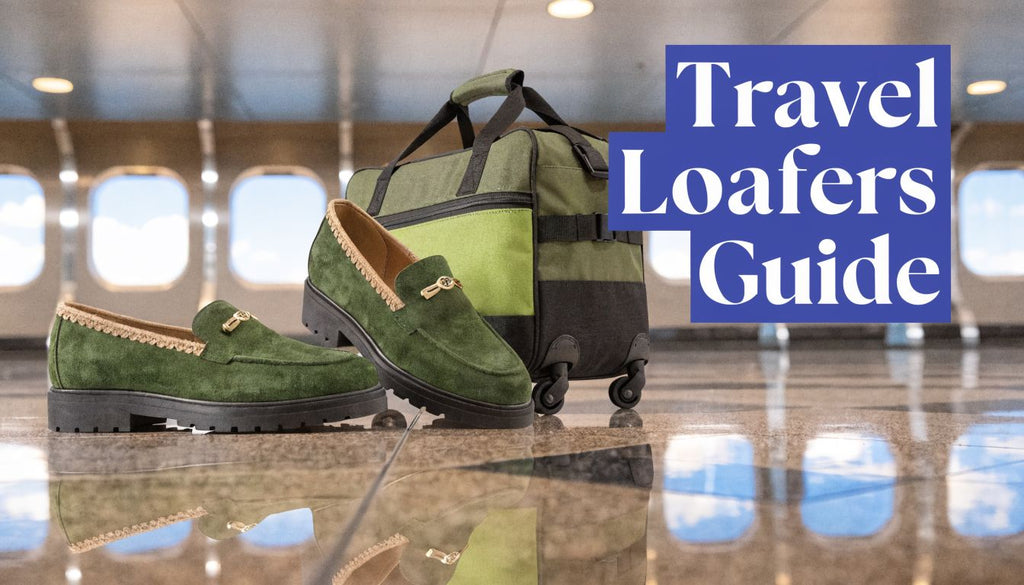
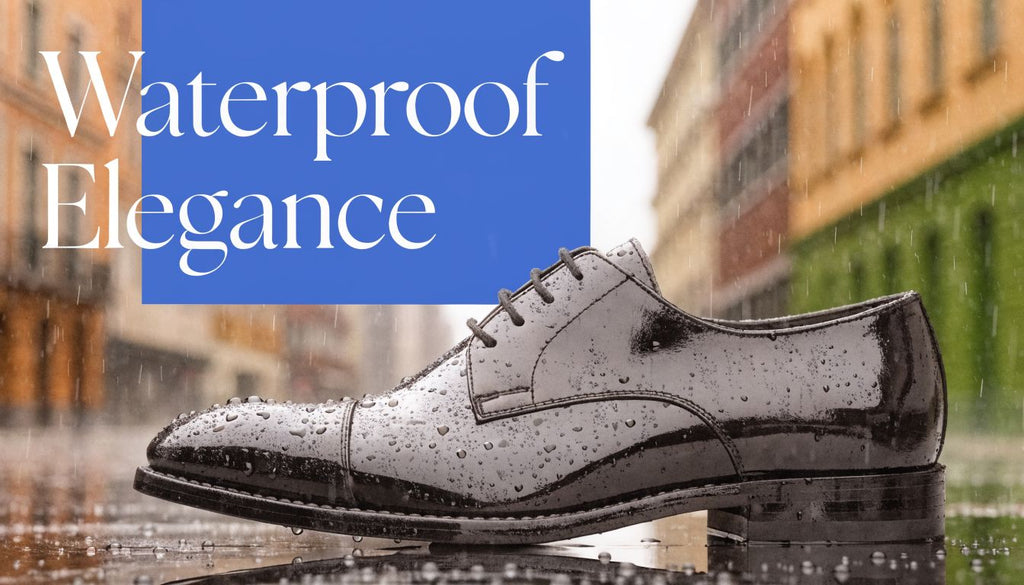

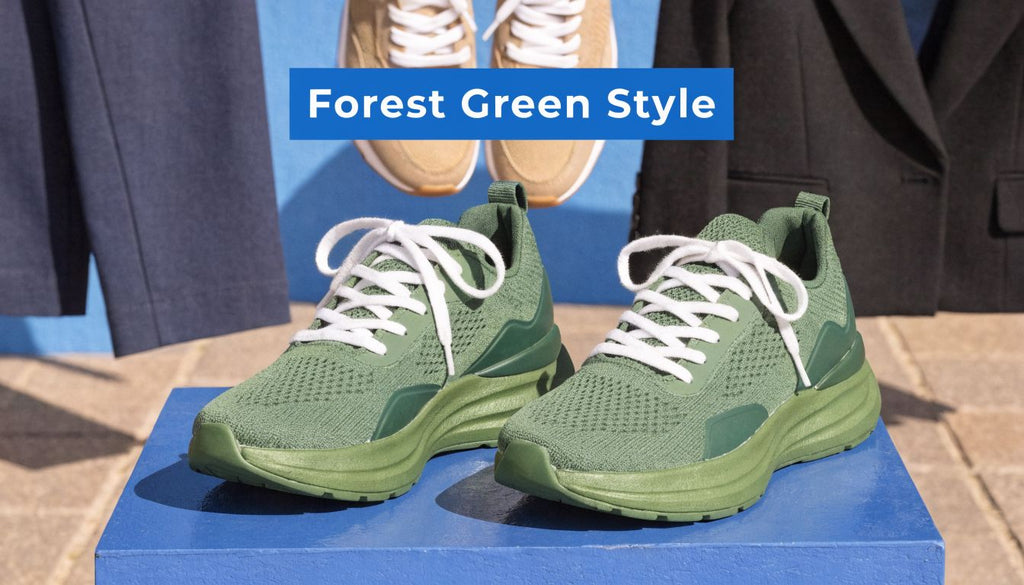
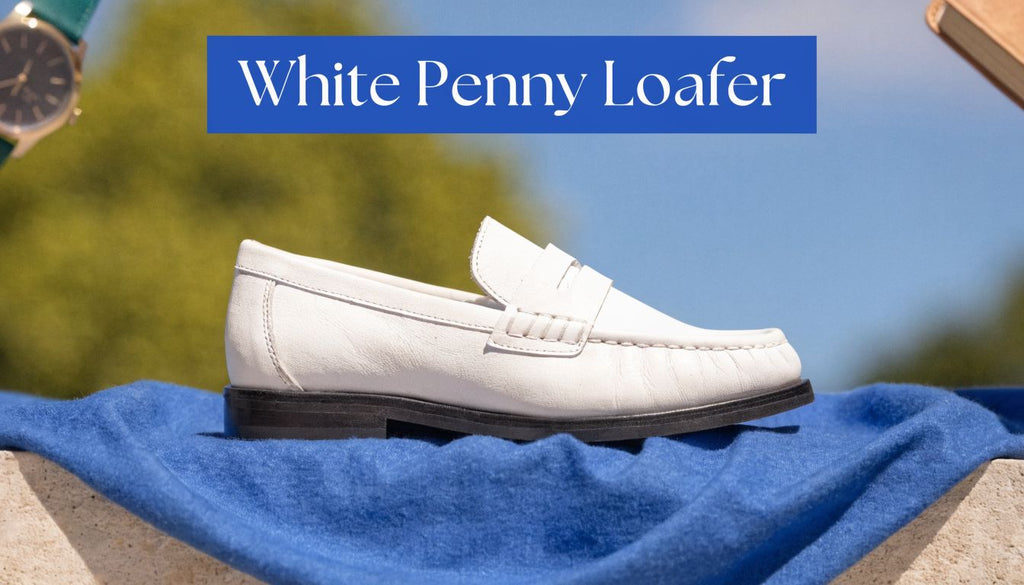

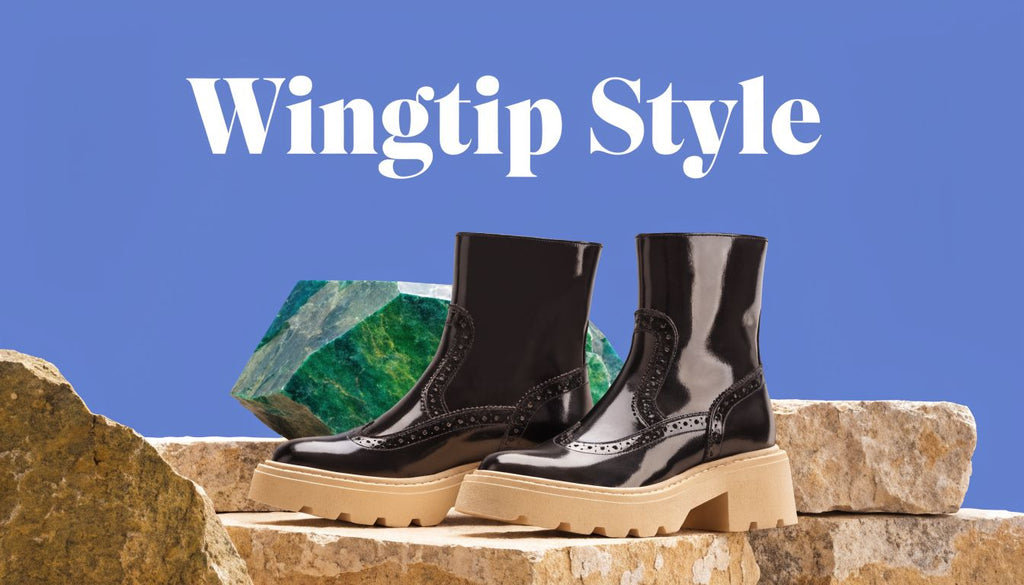
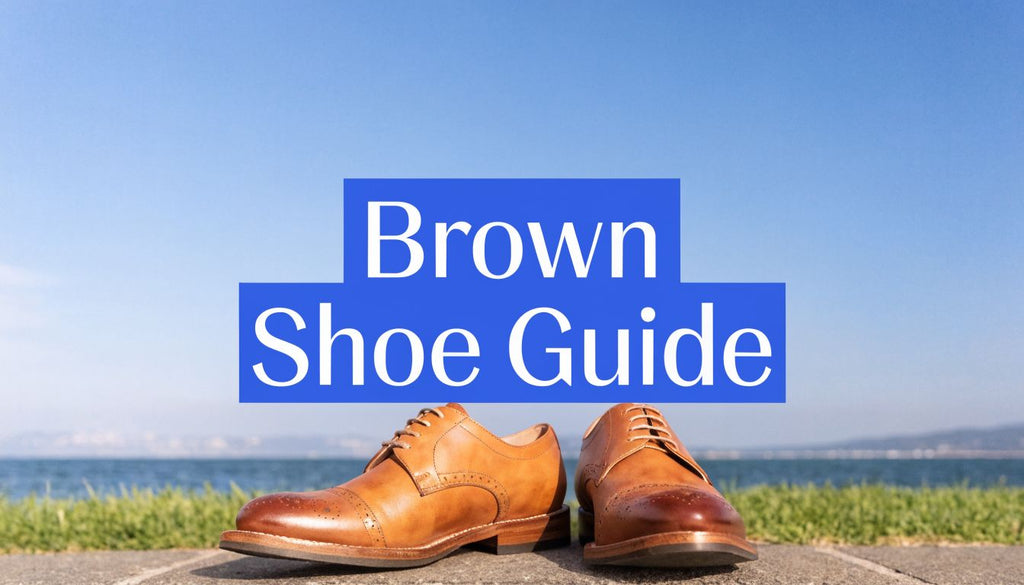








SHOE TALK: Are Loafers Replacing Sneakers at the Office?
SHOE TALK: Are Loafers Replacing Sneakers at the Office?
Head to our Podcast to the get the summary version: Podcast Link
A New Generation Is Dressing Up Again and Classic Shoes Are Back
For years, sneakers seemed unstoppable.
They moved from the gym to the street, from casual Fridays to everyday office wear, and eventually found themselves paired with everything from jeans and chinos to tailored suits. The pandemic accelerated that shift as comfort became the dominant rule of workplace fashion.

But something interesting is happening now.
According to recent fashion and business reports, younger professionals are beginning to move away from sneakers and toward loafers, derbies, oxfords, boots, and other classic leather footwear.
And this may be more than another passing fashion trend.
It could represent a generational change in how younger professionals think about style, professionalism, craftsmanship, and even individuality.
The Post-Pandemic Desire to Look Put Together Again
After years of remote work, sweatpants, hoodies, sneakers, and relaxed workplace dress codes, many people are rediscovering what it feels like to actually get dressed for the day.
The goal isn't necessarily to return to the rigid corporate dress codes of previous generations.
Instead, younger professionals appear to be looking for something in between.
They still want comfort and individuality, but they also want to feel polished.
That makes footwear especially important.
A great pair of loafers, derbies, or oxfords can immediately change the character of an outfit. Jeans become intentional. Chinos become sophisticated. A sport coat suddenly looks complete.
Sometimes the shoe is the piece that makes everything else work.

The Generational Rebellion Nobody Expected
Fashion has always been generational.
One generation adopts something. The next generation eventually rejects it.
Sneakers may now be experiencing that cycle.
As executives and managers increasingly became comfortable wearing premium sneakers with suits, sport coats, and business-casual clothing, younger professionals started looking for another way to differentiate themselves.
Ironically, the rebellious choice became the traditional shoe.
For someone in their 20s or early 30s, showing up in beautifully made loafers or derbies can now feel more distinctive than wearing the latest sneakers.
The loafer suddenly isn't your father's shoe.
It may be the younger generation's statement shoe.
Quiet Luxury Changed the Conversation
Another important influence has been the rise of quiet luxury.
Instead of oversized logos and instantly recognizable branding, quiet luxury emphasizes materials, construction, fit, craftsmanship, and understated design.
The philosophy is simple:
You don't necessarily need people to recognize the brand. You want them to recognize the quality.
That philosophy fits naturally with classic footwear.
A well-made leather shoe doesn't need a giant logo to attract attention. The leather, silhouette, stitching, finishing, sole, and proportions tell the story.
That renewed appreciation for craftsmanship has helped bring traditional footwear back into the conversation, particularly among younger consumers discovering handmade and artisan shoes for the first time.
One Great Shoe Can Go Almost Anywhere
There is another reason classic footwear continues to survive generation after generation:
Versatility.
Consider a well-designed loafer.
Wear it with jeans and a polo on Friday.
Pair it with chinos and a sport coat for dinner.
Wear it with tailored trousers for a business meeting.
Pack it for a weekend trip.
Pair the right loafer with a suit.
The same principle applies to derbies, oxfords, Chelsea boots, and other timeless silhouettes.
Sneakers can certainly be versatile, but there are still occasions where even an expensive sneaker feels too casual.
A beautiful leather shoe can move in both directions.
It can dress an outfit up without making it overly formal /and dress a formal outfit down without making it look careless.

Even Sneaker Companies Are Paying Attention
Perhaps one of the strongest indications that something is changing is what sneaker companies themselves are doing.
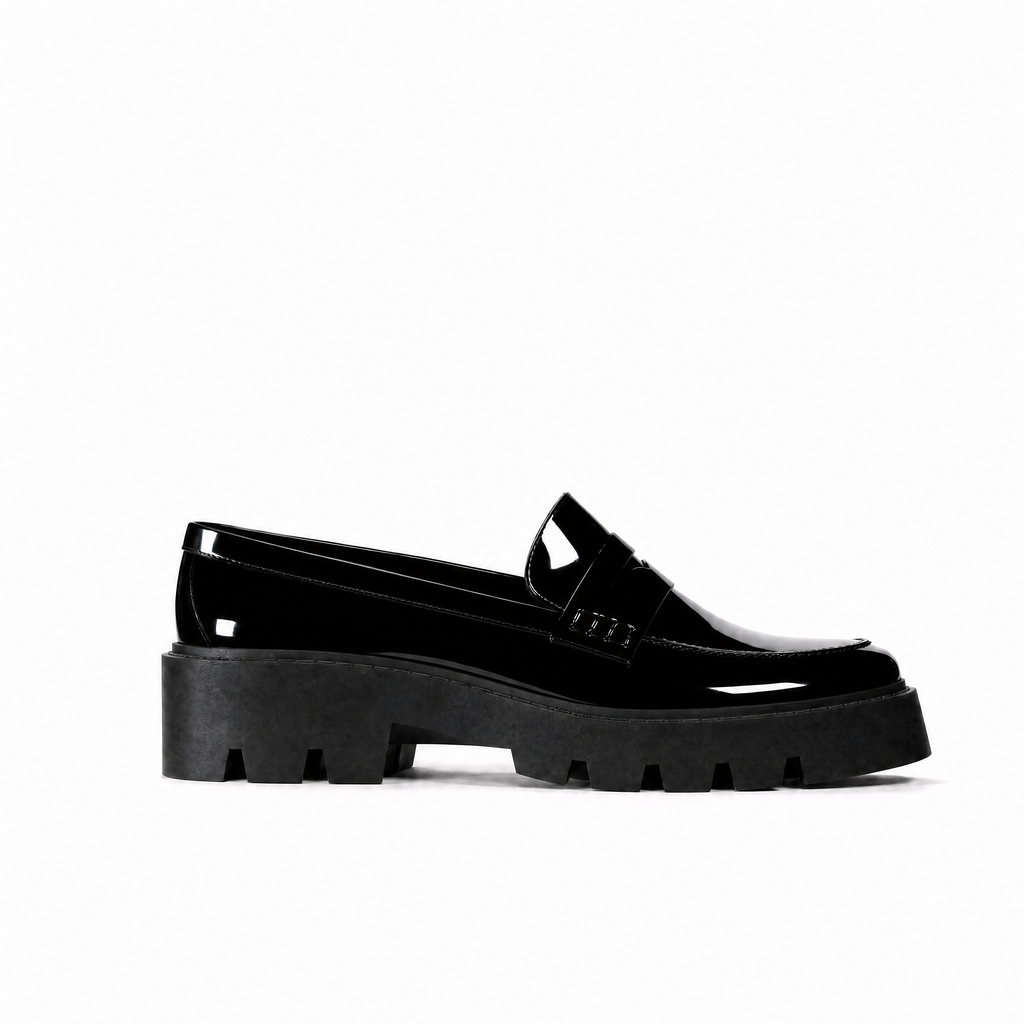
Major athletic brands have increasingly experimented with traditionally formal design cues, creating hybrids that combine sneaker construction with loafers, dress shoes, ballet-inspired silhouettes, patent leather, and other fashion-forward elements.
Think about what that signals.
Instead of traditional footwear manufacturers trying to make everything look like sneakers, sneaker companies are increasingly experimenting with making sneakers look more like traditional shoes.
Fashion rarely moves completely in one direction.
But when the dominant category begins borrowing design language from the category it once displaced, something worth watching is happening.
2026: The Year of the Loafer?
Fashion publications have increasingly recognized the movement toward traditional footwear, with the loafer emerging as one of the strongest symbols of the shift.
But the larger story isn't really about loafers versus sneakers.
It's about choice.
Consumers appear increasingly willing to build wardrobes containing both.
Sneakers aren't disappearing.
Neither are they automatically the answer to every outfit anymore.
That opens the door again for loafers, derbies, oxfords, wholecuts, boots, monk straps, and other classic designs—especially when those traditional silhouettes can be personalized for modern tastes.
Where Alexander Noel Fits Into the Conversation
This evolution in footwear is particularly interesting for Alexander Noel because the philosophy behind the brand has never required consumers to choose between tradition and individuality.
Alexander Noel's approach is essentially:
Buy Online or Design Your Own.
That becomes increasingly relevant as consumers rediscover classic footwear but don't necessarily want to look like everyone else wearing it.
A traditional loafer doesn't have to be boring.
An oxford doesn't have to look like something pulled from a corporate uniform.
A boot doesn't have to follow one predetermined combination of leather, color, sole, and finish.
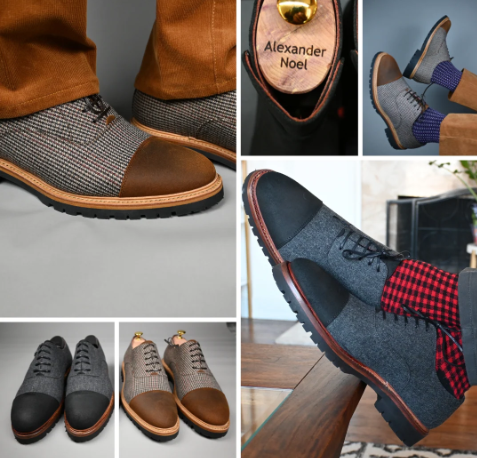
Through the Alexander Noel Design Lab, customers can take classic footwear silhouettes and make choices around materials, colors, soles, finishes, and other design elements to create something considerably more personal.
That represents an interesting intersection between two movements:
The return to classic footwear and the desire for individual expression.
Craftsmanship May Be Becoming Cool Again
For years, much of footwear culture revolved around releases, collaborations, celebrity endorsements, limited editions, and logos.
The emerging interest in classic shoes introduces a different conversation.
How was the shoe constructed?
What kind of leather was used?
What does the sole look like?
How will the shoe age?
Can it be worn five years from now?
Can it be repaired?
Does it reflect the person wearing it?
Those questions naturally bring craftsmanship back into the purchasing decision.
And that could be one of the most important developments to come out of this entire trend.
The Alexander Noel Perspective
At Alexander Noel, we don't believe this means the sneaker is dead.
Far from it.
Sneakers remain an essential part of modern wardrobes, and they will continue evolving alongside traditional footwear.
What appears to be changing is the assumption that casual automatically means modern.
A younger generation is discovering something generations before them already knew:
There is confidence in putting on a great pair of shoes.
Whether that's a loafer with jeans, a derby with tailored trousers, a Chelsea boot with a sport coat, or an oxford with a suit, classic footwear has a way of completing an outfit.
And perhaps that's why the loafer's return feels bigger than a seasonal trend.
After years of dressing down, people may simply be ready to dress up again—but on their own terms.
SHOE TALK QUESTION
Are you wearing sneakers less often and loafers or dress shoes more often?
We'd love to hear what you're seeing.
Explore handcrafted footwear or create something uniquely yours through the Alexander Noel Design Lab at www.shopAlexanderNoel.com.
Alexander Noel | Buy Online or Design Your Own
Related post
19
Sep
19
Sep
19
Sep
19
Sep
19
Sep
