

RECENT POSTS

29.August.2026
Custom Women's Boots for Fall: Choosing Between Two Black Chelsea Silhouettes
0 Comments
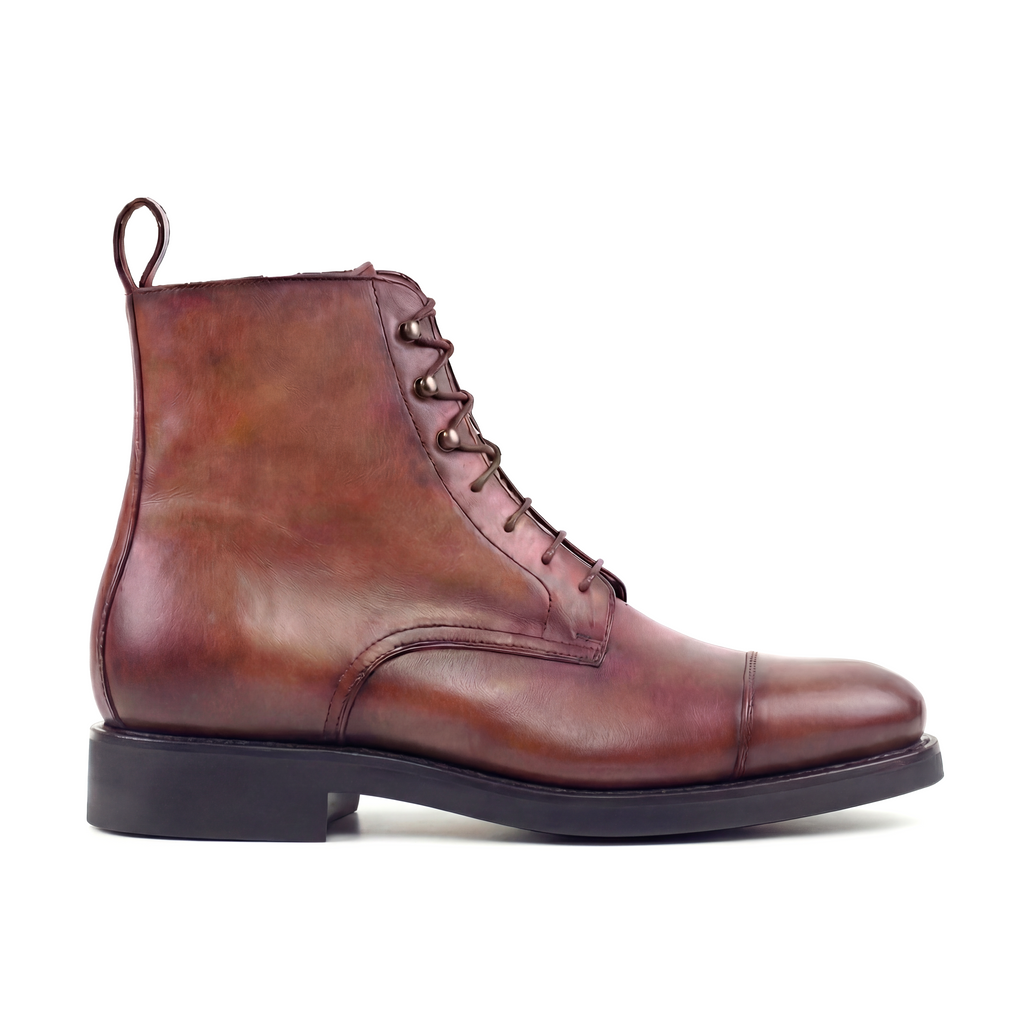
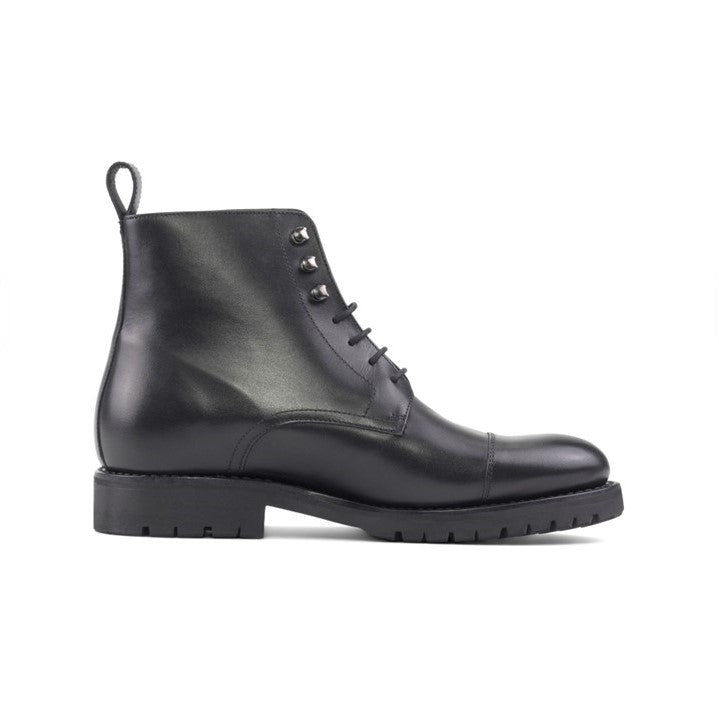
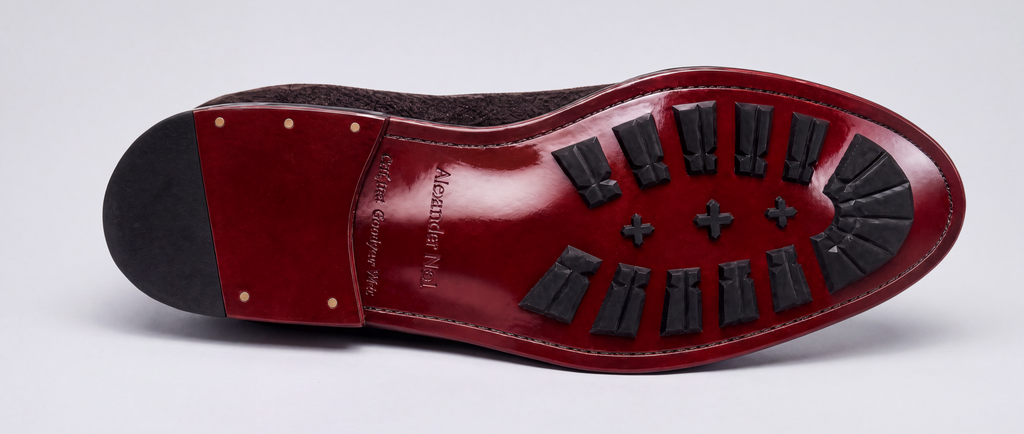
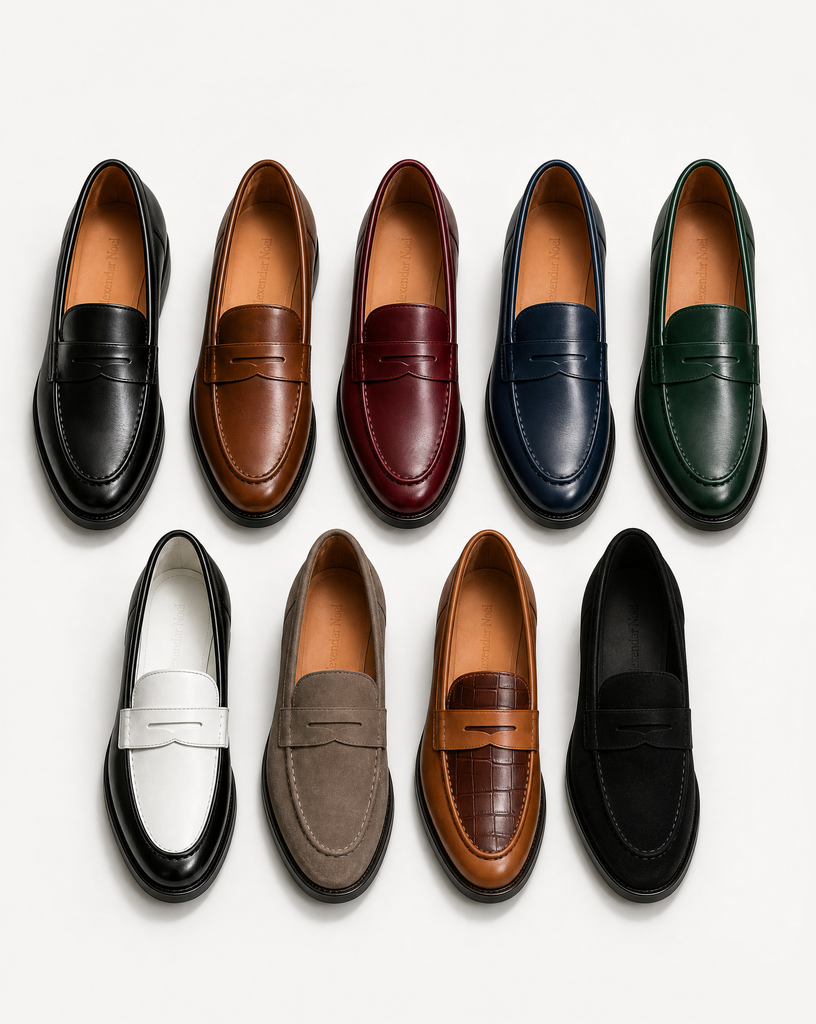
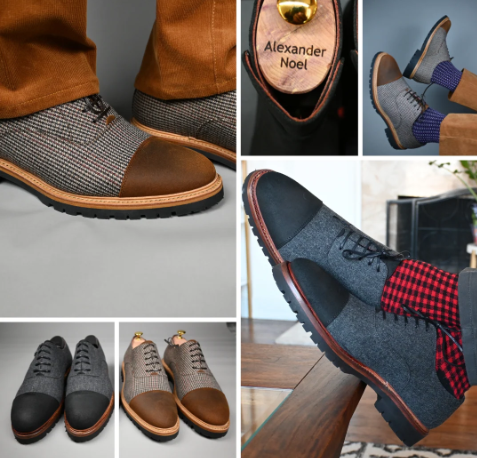








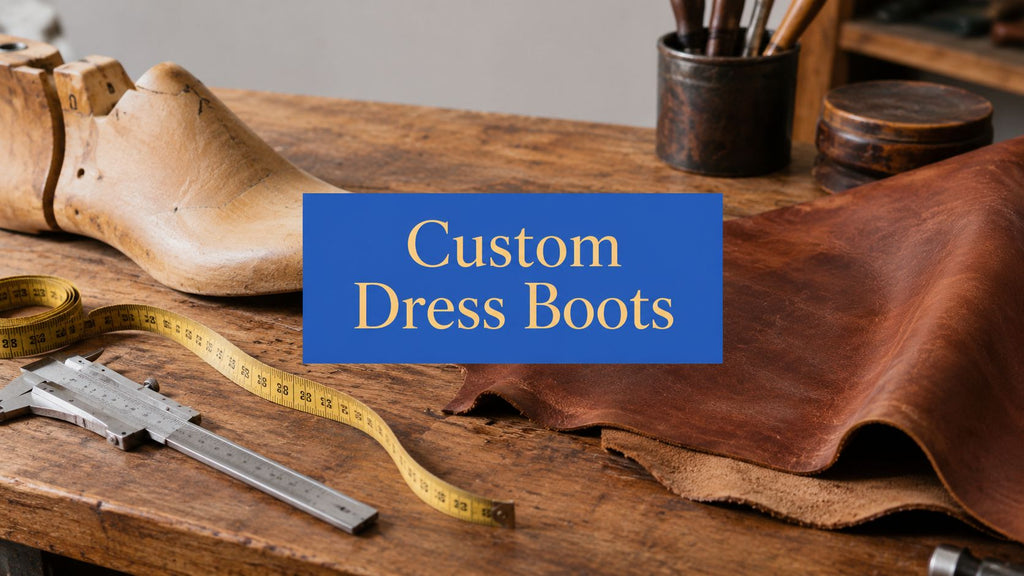
Custom Dress Boots for Men: The Complete Ordering Guide
You know the moment a pair of dress boots looks right on the shelf, then feels wrong the first time you sit down, stand up, or spend a full day in them. The heel slips, the instep presses, or the shaft bites into your calf, and suddenly the boots that were supposed to sharpen your wardrobe are the ones you keep avoiding.
Custom dress boots for men solve that problem at the level that matters most, the fit. They're not only about luxury leather or a cleaner silhouette, they're about building a boot around the actual shape of your foot and leg, which is exactly where standard sizing tends to fail.
Why Custom Dress Boots Solve Real Fit Problems
A lot of men keep buying the same kind of dress boot in different sizes, hoping the next pair will finally feel right. They try a half-size up for toe room, then a different brand for width, then thicker socks to calm the pressure, but the boot still doesn't settle the way it should on a long workday or at a formal event.
That frustration isn't unusual. Footwear research shows that 63% to 72% of participants were incorrectly sized in mass-produced footwear, and standard lasts are often too rigid for real feet that vary in ball girth, instep height, and left-right asymmetry (research on fit variation and sizing error). For a dress boot, that means the issue is often not length alone, it's the shape of the boot around the foot and lower leg.
Why off-the-rack keeps missing
Mass-produced boots are built to serve a broad size chart, not your exact anatomy. If your forefoot is wider, your instep higher, or one foot is slightly different from the other, the boot may technically be “your size” and still feel wrong in motion. A polished upper can't fix a heel that lifts every time you take a step.
That's why custom work matters in a formal boot. It gives the maker room to address the problems that don't show up in a simple length measurement, especially if you've already tried multiple sizes and still feel pressure, slip, or pinching. For readers comparing options, the practical difference is often easiest to see when you look at a custom-made shoes for wide feet guide alongside your own fit issues.
Practical rule: If a boot feels “almost right” everywhere except one stubborn pressure point, that's usually a shape problem, not a sizing problem.
For remote shoppers, a virtual try-on with Robosize can be a useful way to think about fit before you commit, especially if you're trying to understand how a boot should sit on the foot and leg. The point isn't to guess better, it's to reduce the gap between what your foot needs and what the boot delivers.
The Three Critical Measurements Beyond Length
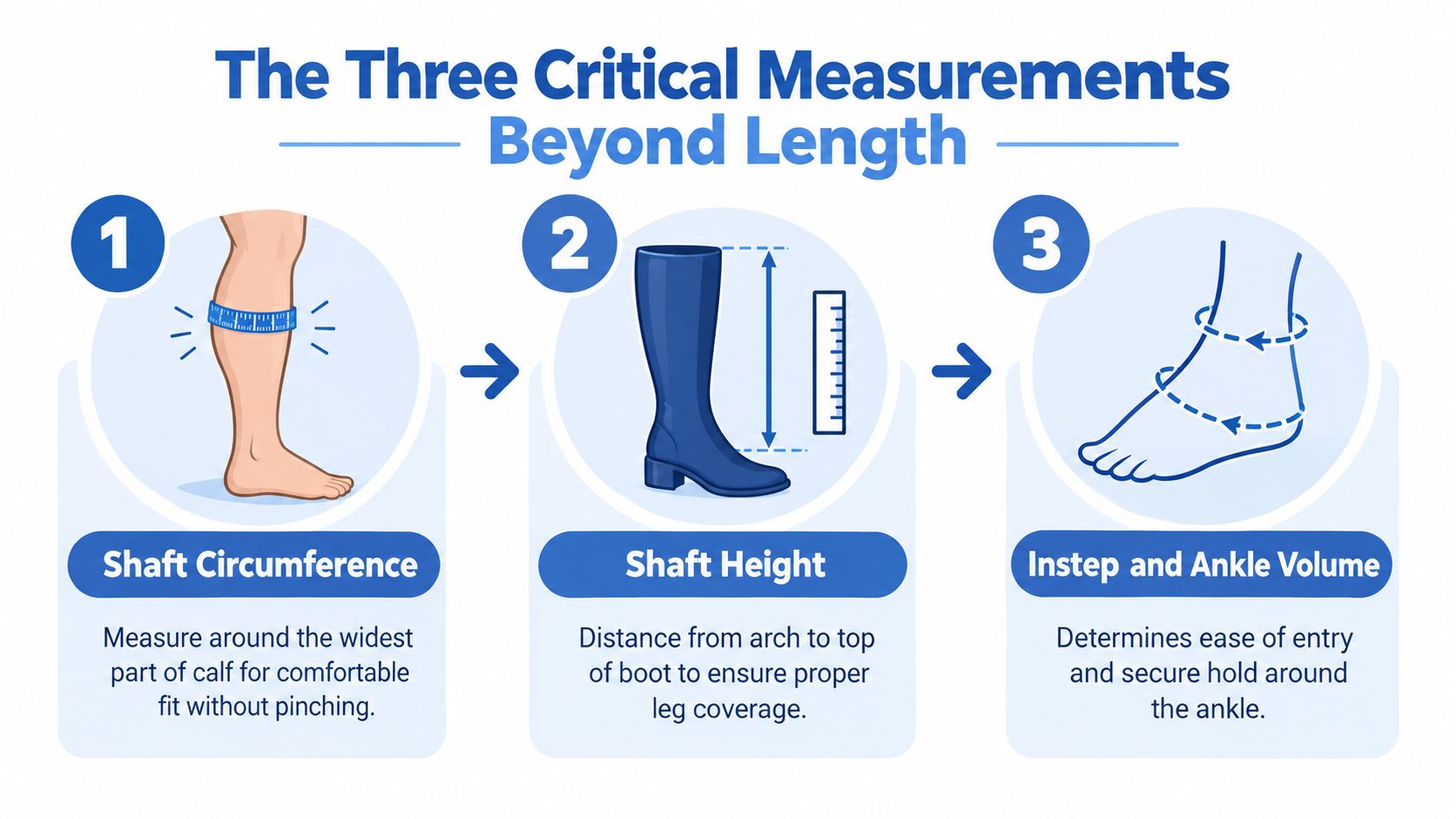
A boot can match your length and still fight your foot. The trouble usually shows up above the toes, where the shaft, instep, and ankle need to work with your leg instead of pressing against it.
Shaft circumference, shaft height, and heel height
Shaft circumference decides whether the boot closes cleanly around the leg or bites into it. Shaft height sets where the top line falls on the lower leg, which changes both comfort and the visual balance of the boot. Heel height affects posture, stability, and how the boot sits with dress trousers.
For men's dress boots, these measurements shape fit as much as length does, and the shaft is measured from the top of the arch to the collar, not from the floor, as shown in the boot shaft fit reference. A useful fitting guide is to leave about 0.5 inch of room between the shaft and the calf or ankle so the boot does not cling, block circulation, or create pressure during long wear.
If a boot feels fine at first and turns irritating after a few hours, the shaft often deserves the blame. A clean profile can still hide a poor fit if the opening works against the shape of your leg.
What to tell the maker
A good shoemaker needs more than your size. Tell them where the boot pinches, whether one ankle sits differently from the other, and whether you need easier entry, a firmer hold, or more space over the instep. If your lower leg is fuller, slimmer, or uneven from side to side, say so clearly.
For home measurement help, the guide on how to measure shoe size at home is a useful starting point. It will not replace a maker's eye, but it helps you describe your fit needs in plain terms before the pattern is set.
A precise note from the client often saves a full round of adjustment later.
Choosing Leathers and Construction Methods
The outside of the boot gets the attention, but the materials underneath determine how long the boot earns its keep. Leather choice changes formality, care needs, and the way the boot ages. Construction changes repairability, flexibility, and the shape of the finished profile.
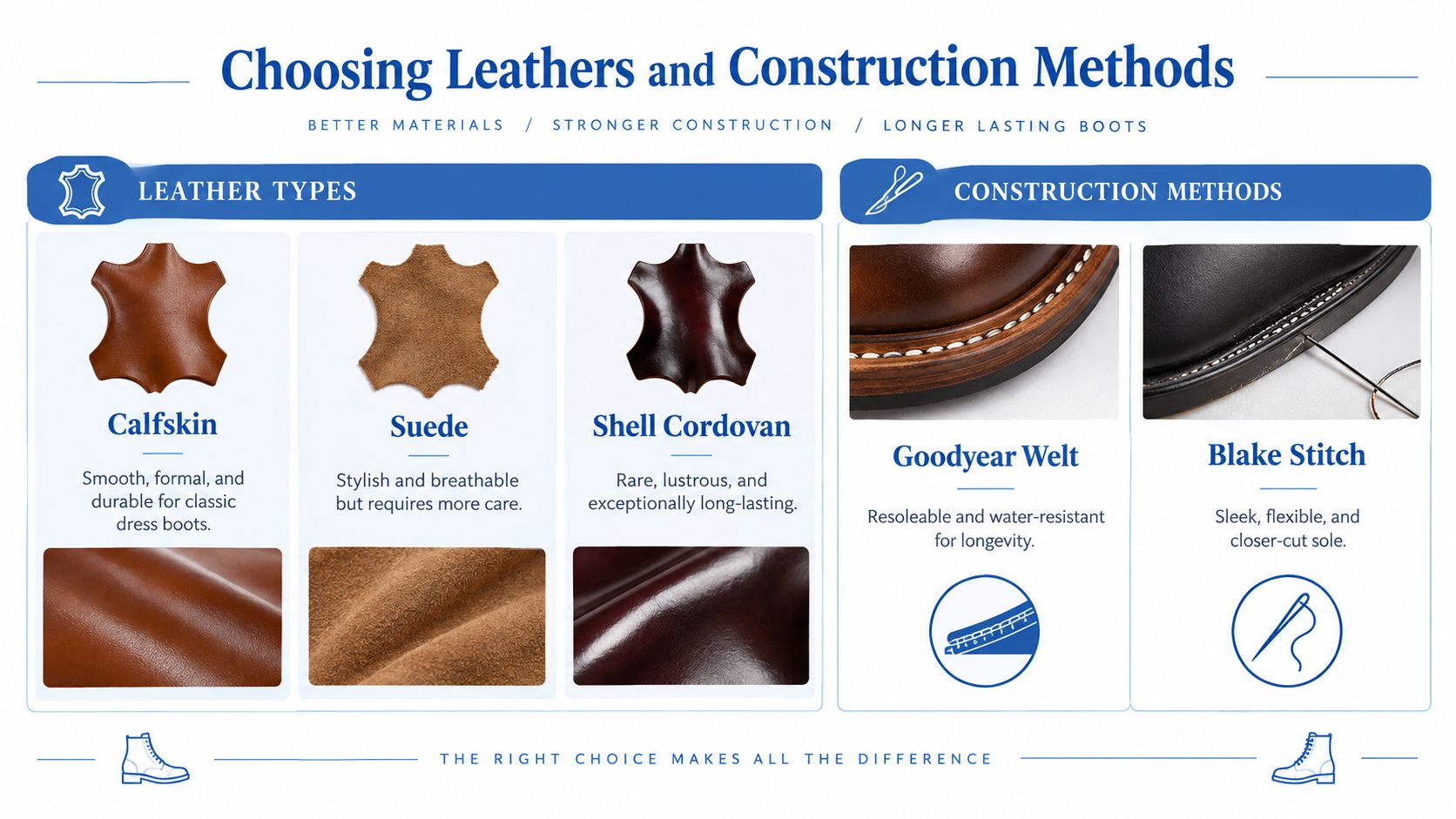
Picking the right leather
Calfskin gives you a smooth, formal look that suits office wear and traditional dress outfits. Suede reads softer and more relaxed, and it can look excellent with colder-weather tailoring, though it asks for more care. Shell cordovan has a deep sheen and a distinctive character that many buyers choose for a more refined, long-wearing boot.
A useful way to think about leather is to match it to how you dress. If your boots will live under dress trousers and see regular rotation, calfskin is the cleanest starting point. If you want texture and a slightly less rigid visual line, suede fits that role better. If you're buying one pair to feel special for years, shell cordovan sits in its own category.
Construction changes the whole experience
Goodyear welting is the classic choice when you want resoleability and structure. Blake stitching gives a sleeker, closer-cut profile and usually feels more flexible underfoot. Cementing is simpler in structure and can be lighter, but it doesn't offer the same long-term repair path.
A helpful explanation of those methods is in this exploring the art of shoe construction article. It's especially useful if you're trying to understand why two boots that look similar can behave so differently over time.
For a more visual sense of how makers think about structure and finish, this embedded overview is worth watching.
Full Bespoke Versus Modern Made-to-Order Systems
A new pair can look promising on paper and still fail where the boot meets the foot. The reason is often hidden in the fit details, not the size label. Some boots are built around your foot from the ground up, while others use a standard system with selected materials and adjustable fit points. Both can work well, but they solve different problems.
Side by side trade-offs
Recent footwear innovation points to smartphone-based foot scanning, AI-driven personalization, and mass-personalization workflows that try to reduce the mismatch between customer needs and factory production, while traditional bespoke still carries the familiar burden of higher expense and longer production times (innovation overview).
| Factor | Full Bespoke | Made-to-Order |
|---|---|---|
| Fit approach | Built around your individual measurements and fittings | Built from a set system with configurable options |
| Custom depth | Highest level of shape and proportion control | Strong control over style and some fit details |
| Timeline | Usually slower, because the process includes more handwork and adjustment | Faster, because production is more standardized |
| Ideal buyer | Men with complex fit issues or special proportional needs | Men who want better-than-standard fit with less friction |
| Risk profile | Lower risk of “almost fit,” but more commitment up front | Lower commitment and often easier to order remotely |
Which path makes sense
The choice usually comes down to how unusual your fit problem is. If ordinary dress boots miss your width, instep, or leg shape, advanced made-to-order can solve much of that without the full bespoke process. If your feet are unusually asymmetric, or the same fit issues keep returning even in premium footwear, full bespoke gives the maker more room to correct them properly.
A practical way to judge value is by asking how much correction you really need. Made-to-order works like a well-set workshop fixture, it handles common variations efficiently and delivers a strong result with less friction. Full bespoke is more like shaping the last around the foot itself, which matters when the problem is not just comfort, but proportion, balance, or the way one boot must differ from the other.
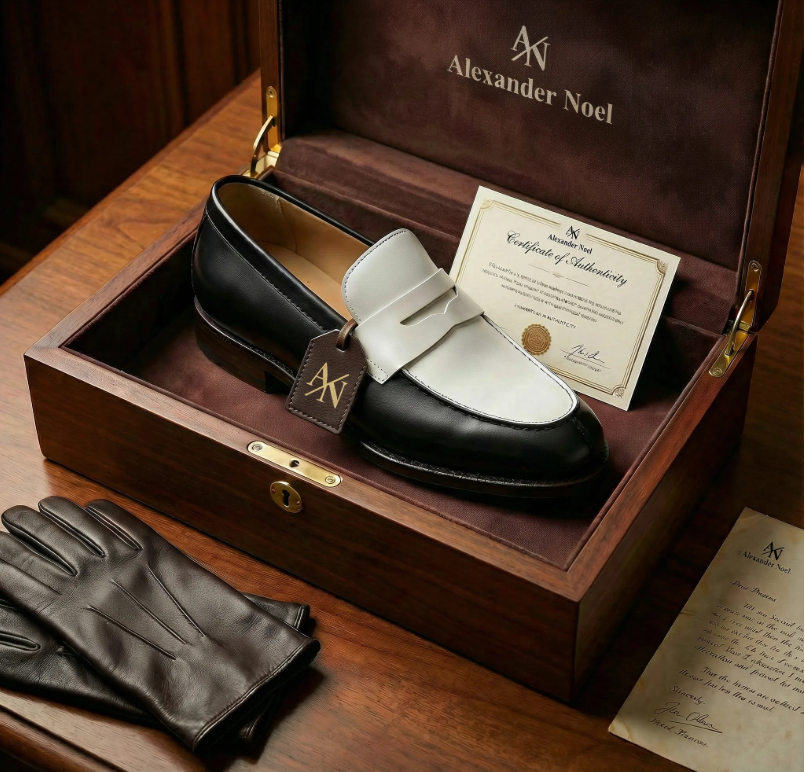
A useful comparison comes from direct-to-consumer models such as Alexander Noel, which combines custom-made footwear and a Design Lab approach with made-to-order production. That kind of system sits between retail and old-school bespoke, giving you more personalization than shelf stock and less delay than a fully hand-built program.
The Custom Boot Ordering Process and Timeline
The ordering process should feel organized, not mysterious. A good maker will move you through consultation, measurement, design selection, construction, and final delivery in a way that tells you where your boots are in the pipeline.
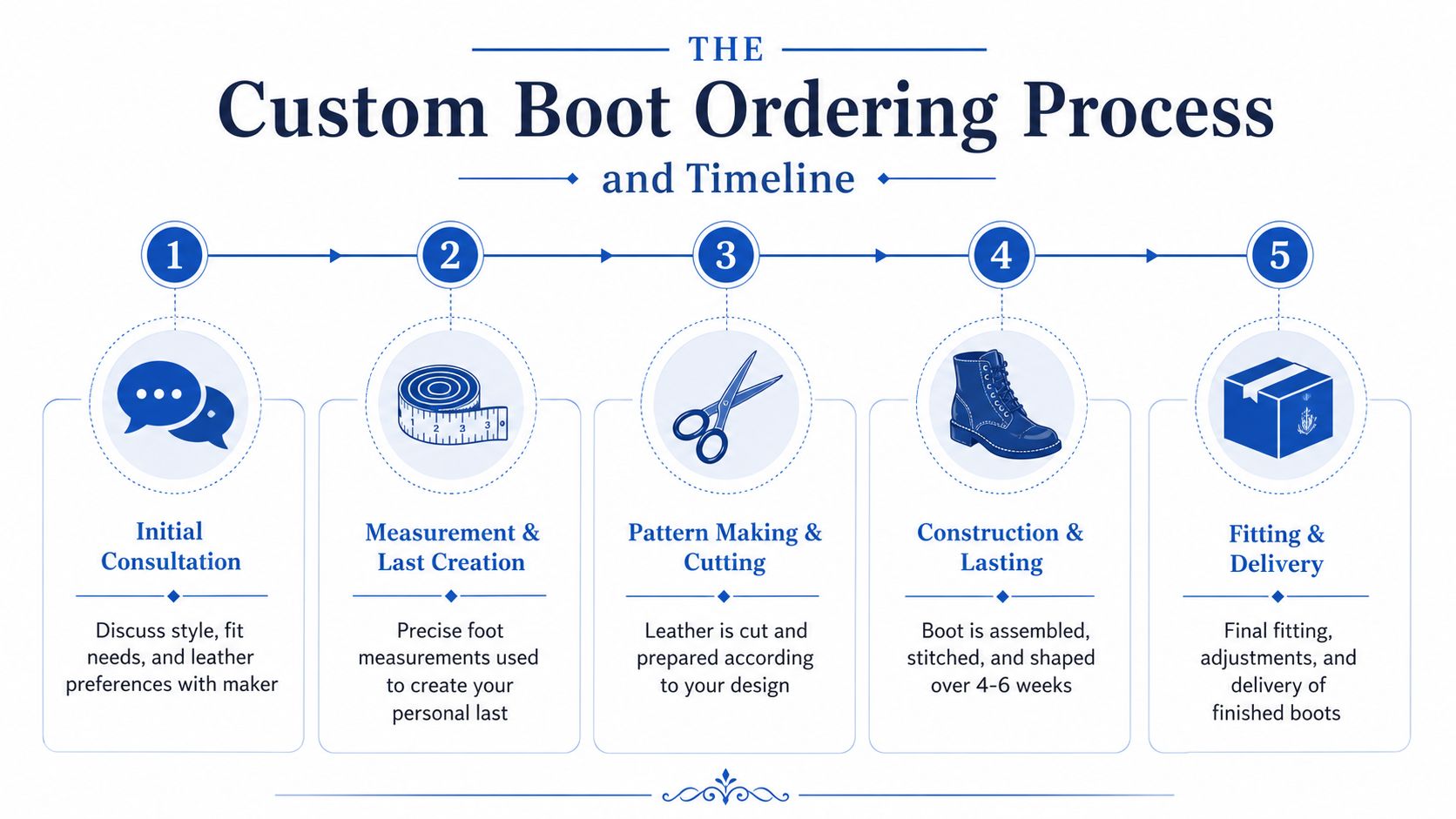
What usually happens
The first step is the consultation, where you discuss style, fit needs, and leather preferences with the maker. Next comes measurement and last creation, or selection, where the boot's shape is matched to your foot data. After that, the maker handles pattern making and cutting, then construction and lasting, and finally fitting and delivery.
You can get a sense of how a modern direct-to-consumer workshop model works from made-to-order shoes process explained. The details vary by brand, but the sequence is similar enough that most buyers can use it to manage expectations.
How long it can take
The timeline depends on the system. M.Gemi works directly with small, family-owned artisan workshops across Italy in regions including Tuscany, Naples, and Pisa, and Dealroom reports a 60 to 90 day turnaround from concept to retail compared with an industry standard of 12 to 15 months (M.Gemi profile). That contrast shows how much the production model changes the buyer experience.
If a maker sends regular progress updates, pay attention to what they're telling you. A quiet delay isn't always a problem, but unexplained silence is. The best custom processes are transparent enough that you know what stage your boots are in and what still needs to happen before delivery.
Addressing Common Concerns About Custom Footwear
The most common hesitation is simple. Men worry that custom footwear will cost more, take too long, and still might not fit well enough to justify the effort. Those concerns are reasonable, especially if you've been burned by premium shoes before.
What if the fit still needs work
Reputable makers build in some form of review, adjustment, or remake policy, because custom work should reduce fit risk, not hide it. The key is to ask how they handle a boot that feels too tight at the shaft, too loose at the heel, or awkward at the instep. If the answer is vague, keep looking.
How to compare the value
High-end ready-to-wear can look excellent, but it still starts from a standardized shape. Custom work is more valuable when the buyer has recurring fit problems, needs a specific silhouette for formal wear, or wants a boot that won't force compromises every time it's worn. If your needs are straightforward, a strong made-to-order system may be enough.
What remote buyers should ask
Before ordering, ask whether the maker uses scanning, how they verify measurements, what parts of the boot are customizable, and what happens after delivery if the fit isn't right. Those questions reveal more than the marketing copy ever will.
Ask about the process, not just the product. A clear process is often the best sign that the maker understands fit.
If you're still deciding, compare the bootmaker's communication style, measurement guidance, and adjustment policy before you compare leather swatches. The boot may be the object you buy, but the process is what protects the investment.
Your Action Plan for Ordering Custom Dress Boots
Start with your feet, not the catalog. Write down your size, the places where off-the-rack boots have failed, and whether your issue is width, instep, shaft fit, or one foot sitting differently from the other. That record will help you talk to a maker in concrete terms instead of guesses.
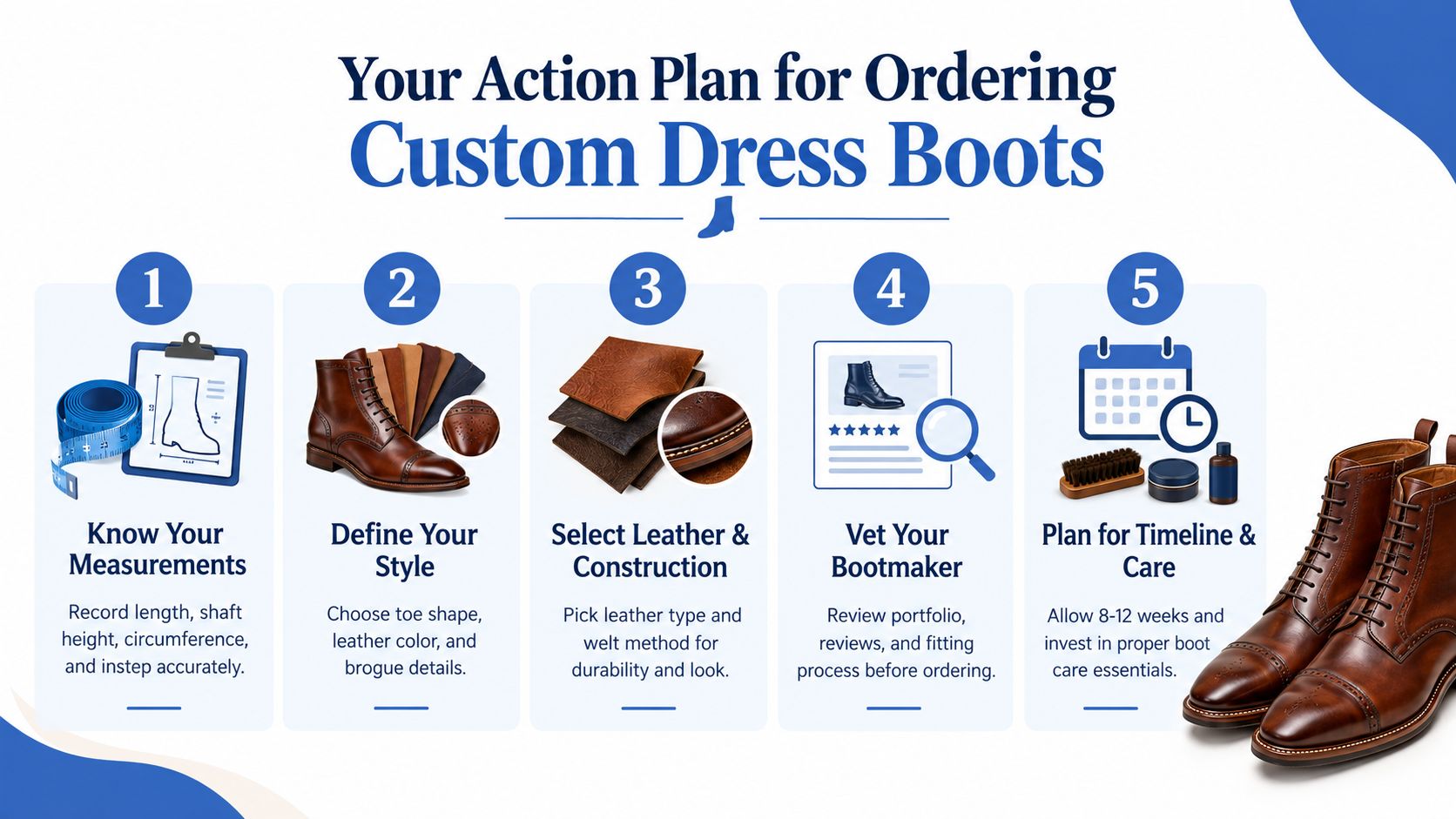
A practical checklist
- Know your measurements. Record length, shaft height, circumference, and instep accurately.
- Define your style. Choose toe shape, leather color, and brogue details.
- Select leather and construction. Match the material and welt method to how often you'll wear the boots.
- Vet your bootmaker. Review portfolio, reviews, and the fitting process before ordering.
- Plan for timeline and care. Leave room for production and get proper boot care essentials ready.
If you're buying for office wear, start with the most versatile leather and a construction method that supports long-term use. If your feet are hard to fit, prioritize the maker's measurement process over decorative options. If budget matters most, choose fewer custom details and put the money into fit and structure.
The strongest choice is the one that fits your real life. That means the boot should work with your wardrobe, your calendar, and the shape of your feet, not just the image you had in mind when you started looking.
If you want help turning those measurements into a pair that works, visit Alexander Noel to explore custom-made men's boots, dress shoes, and the Design Lab process. Their direct-to-consumer custom footwear approach is a practical place to start if you want personalization without guessing your way through the order.
Related post
26
Sep
26
Sep
26
Sep
26
Sep
26
Sep
