

RECENT POSTS
29.August.2026
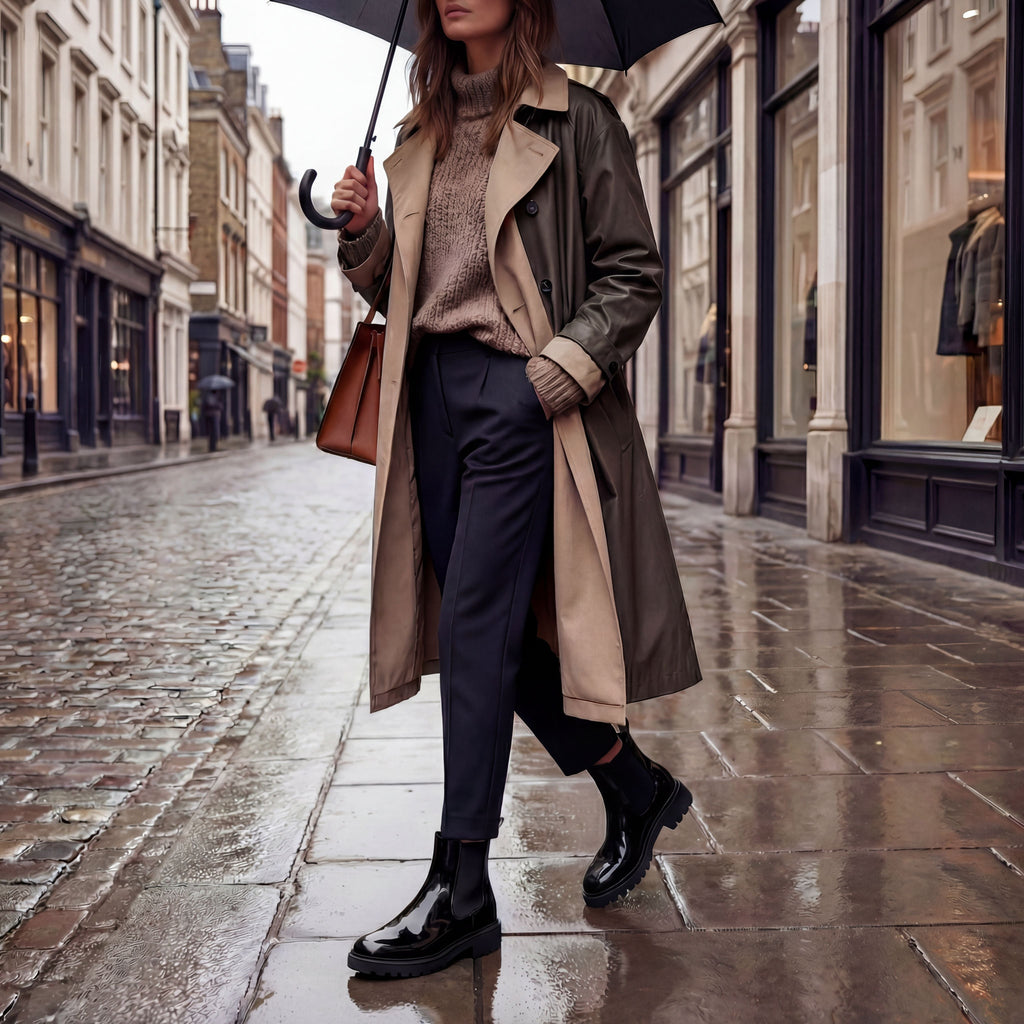
Custom Women's Boots for Fall: Choosing Between Two Black Chelsea Silhouettes
0 Comments







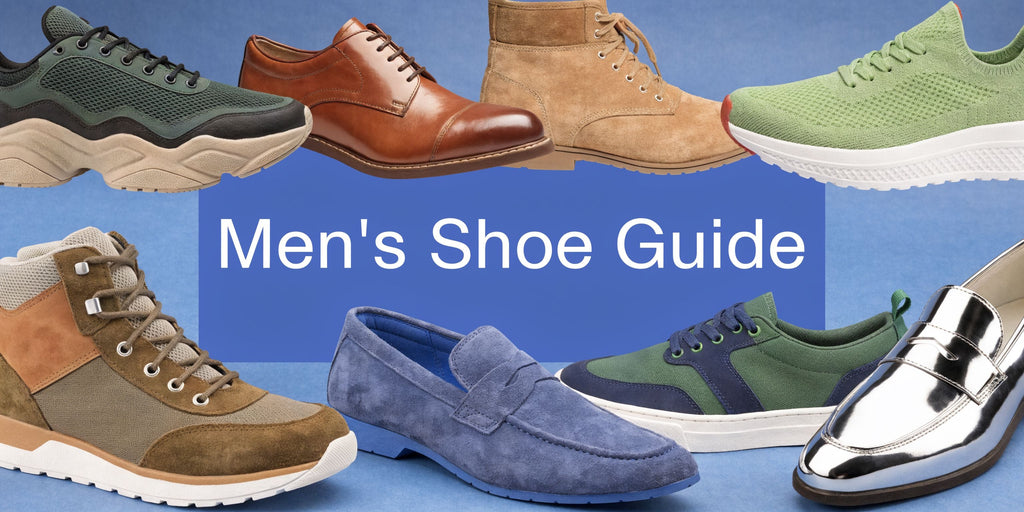
Men's White Leather Loafers: A Complete Style Guide
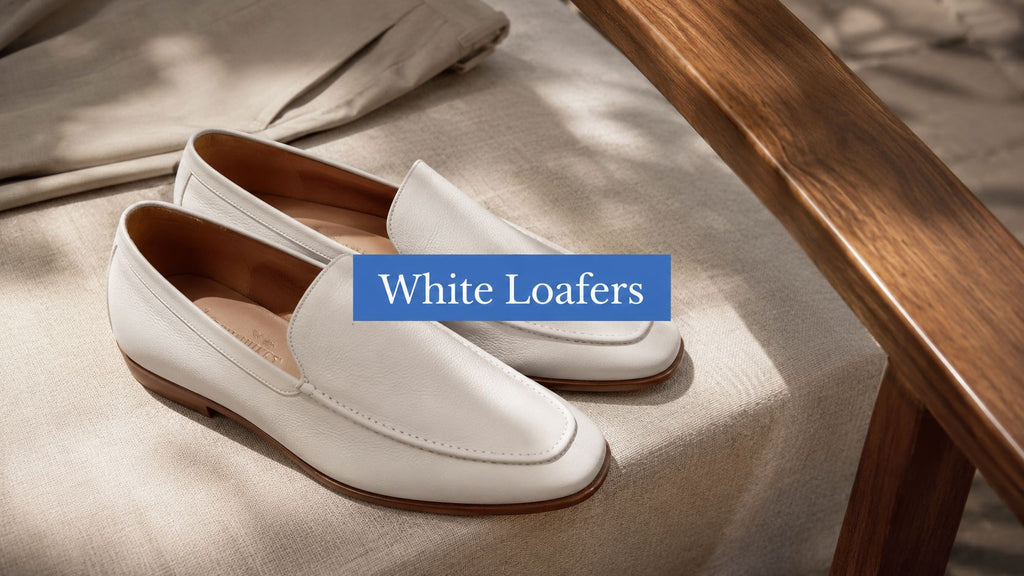
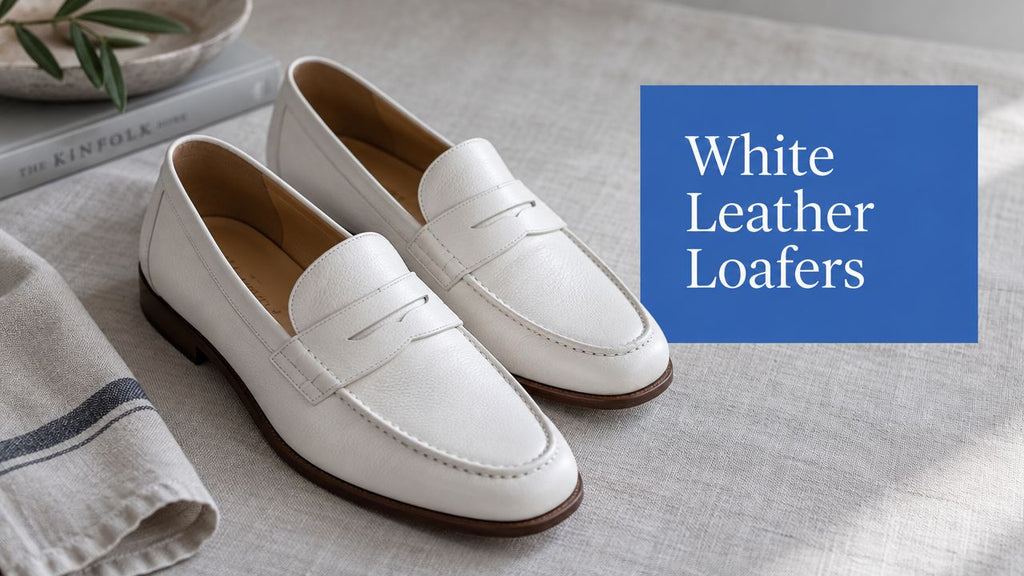
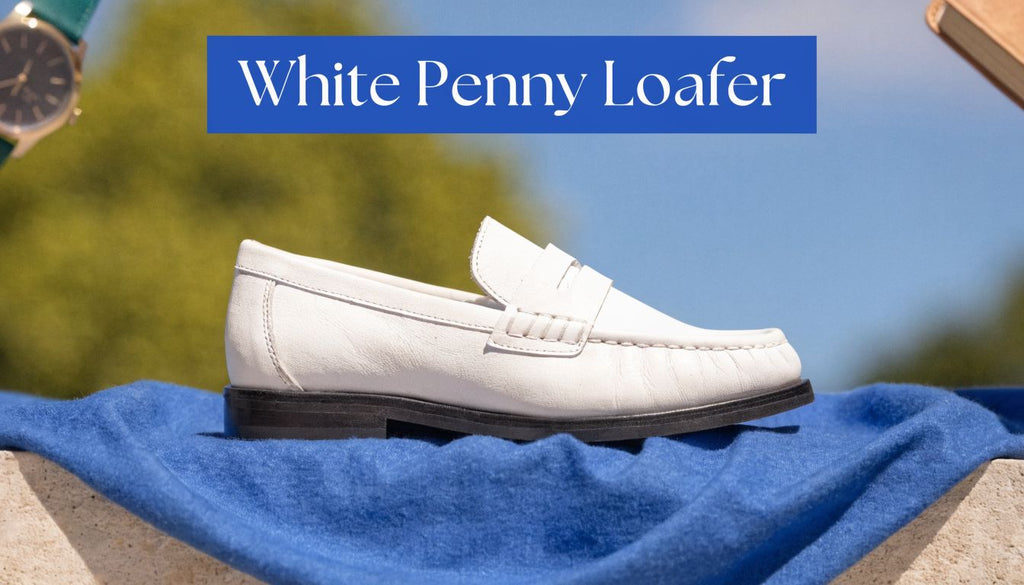
You might be standing in a shop right now, holding a pair of bright white loafers and trying to decide whether they look refined or a little too bold. That hesitation makes sense, because white leather loafers ask more of the eye than brown or black pairs do. They can look sharp with linen trousers, calm with chinos, and surprisingly clean with a navy suit, but only if the leather, fit, and outfit balance are right.
A useful way to think about them is this, they're not a novelty shoe. In the right hands, they're a precision garment for the feet, and the difference between modern and costume-like usually comes down to small decisions that most guides skip.
Why White Leather Loafers Deserve a Second Look
A man trying on white loafers for the first time usually does the same quick mental test. He looks at his summer trousers, then at his best chinos, then at the navy suit he already owns, and wonders if the shoe will work in all three settings or fail in every one of them. That reaction is normal, because white reads louder than tan, brown, or black.
What has changed is the way men dress around them. Loafers sit comfortably in the biggest parts of the market, with leather loafers the dominant material segment at 47.18% of revenue in 2025 and men's loafers representing 51.49% of end-use share in 2025 in the global loafers market, which was estimated at US$29.6 billion in 2025 and projected to reach US$35.6 billion by 2032 in the cited market report (Grand View Research). That doesn't make every white pair useful, but it does show that leather loafers are not a fringe category.
Why the styling question has become more urgent
Menswear has moved toward softer shapes, wider styling ranges, and less rigid dress codes. Coverage of current shoe trends notes that loafers are being pushed toward heavier, more grounded forms, while spring 2026 reporting says the style is being reworked to feel softer, sleeker, and more opulent (Ape to Gentleman). That shift matters because white leather amplifies shape more than color does.
Practical rule: if the shoe's proportions are clean, white looks deliberate. If the proportions are sloppy, white makes the mistake obvious.
That's why a single pair can do real work. It can replace sneakers with chino shorts, lift a tonal beige outfit, or sharpen dark denim without making the look feel overthought. The rest of the decisions, leather grade, construction, fit, and outfit logic, decide whether the shoe feels current or costume-like.

What Defines a True White Leather Loafer
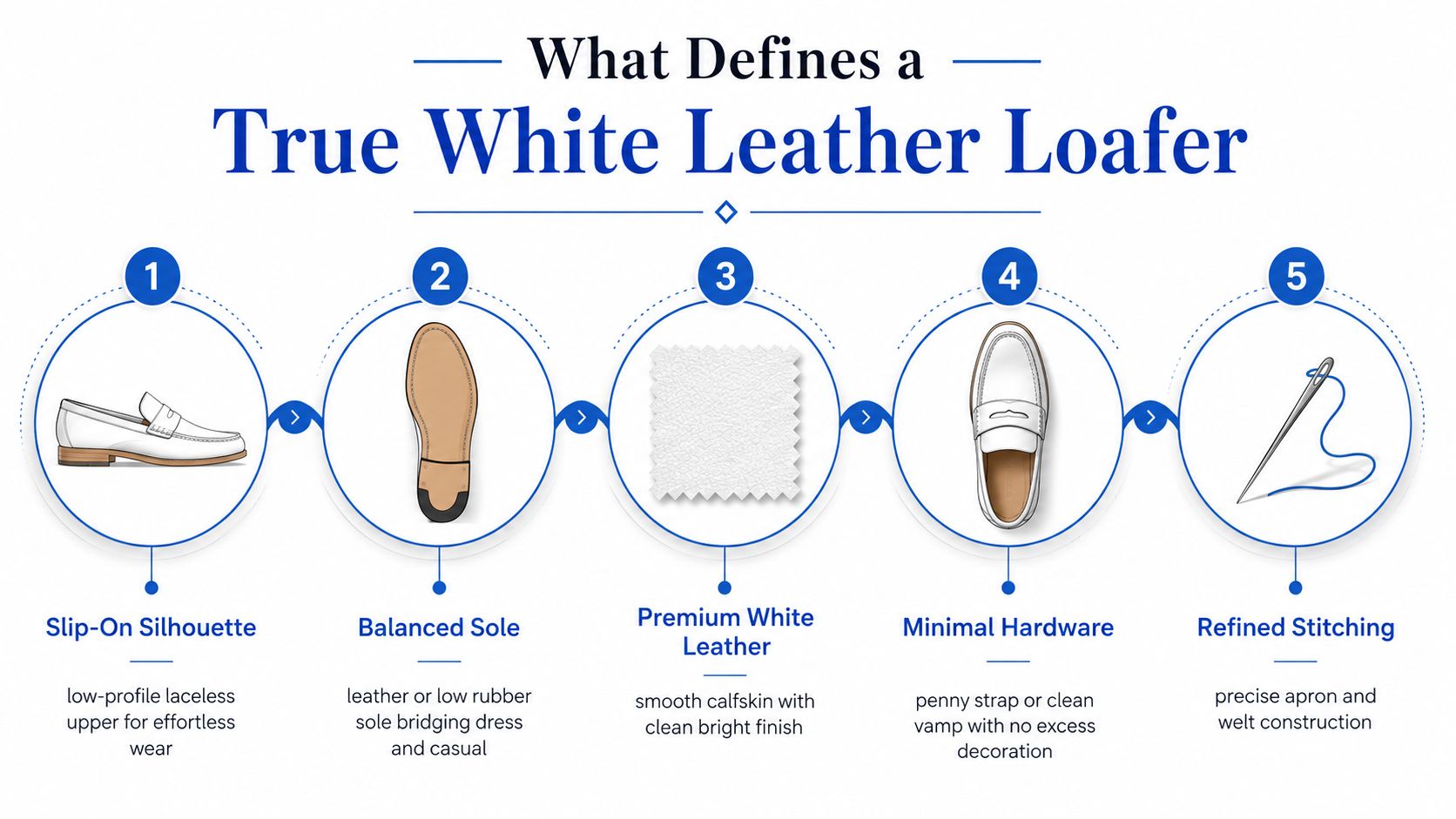
A real loafer starts with a simple silhouette. It's a slip-on shoe with no laces, a low profile, and a sole that can sit comfortably between dress and casual wear. That part sounds obvious, but plenty of shoes get called loafers when they're really deck shoes, driving shoes, or generic slip-ons dressed up with the wrong vocabulary.
The anatomy that actually matters
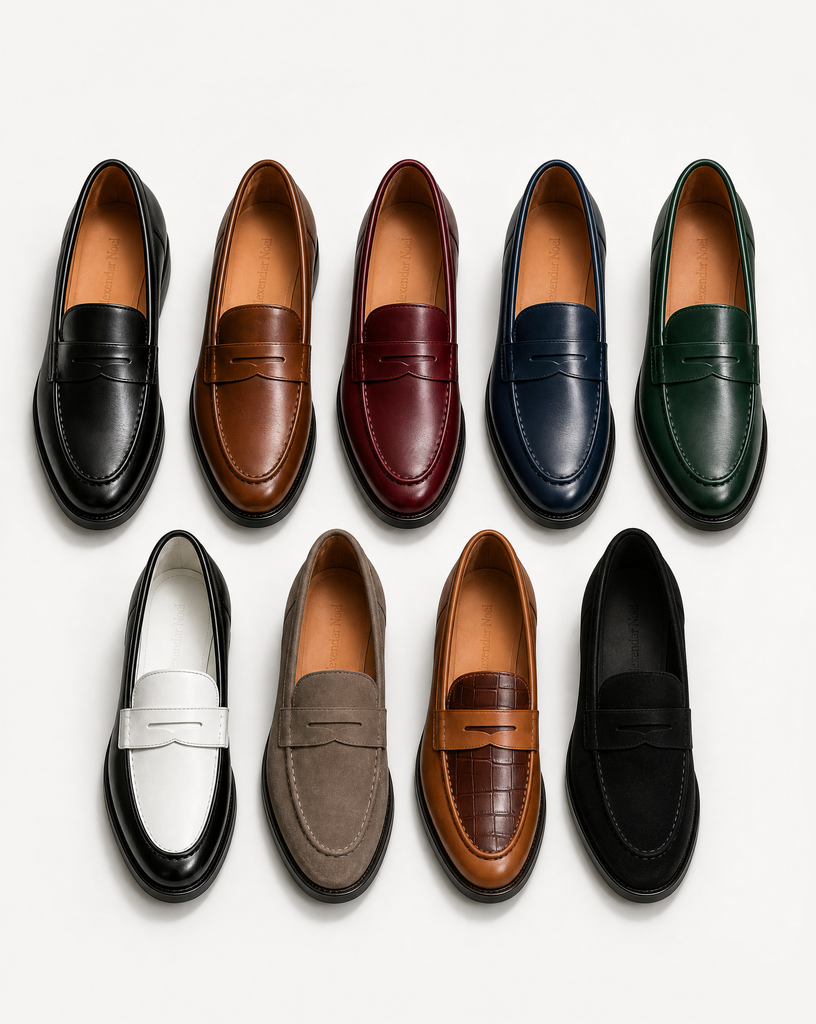
The upper does most of the visual work. You'll usually see a vamp across the top, then either a penny strap, an apron seam, a saddle detail, or in more formal dress versions, a horsebit-style ornament. The toe often carries a moccasin-inspired shape, while the heel counter, topline, and throat control grip and how secure the shoe feels once your foot is inside.
A true loafer usually has more structure than a driving shoe and more refinement than a beach-ready slip-on. A driving shoe tends to be softer and more relaxed underfoot, while a deck shoe often signals a nautical, casual purpose. A legitimate loafer still needs a defined heel, stitched construction, and a leather upper that keeps its shape.
What makes the white version credible
White raises the standard. The leather should look even, not like a sprayed finish that will crack at the flex points. The cleanest pairs use dyed-through leather with a stable surface that doesn't look painted on, because white exposes every crease and scuff faster than darker shades do.
A white loafer earns trust when its details are quiet. Clean vamp, balanced sole, precise stitching, no excess decoration.
The line between elegant and flashy is thin here. A restrained shape with a smooth upper reads like a wardrobe staple, while a chunky or overly shiny pair can push the shoe into costume territory very quickly. That's why construction and leather choice matter just as much as the style of the upper.
Choosing the Right Leather and Construction
The material choices behind a white loafer affect how it looks on day one, how it ages, and how forgiving it feels in warm weather. A bright white surface can look luxurious in the right leather and tired in the wrong one, so this is not a place to guess.
Leather grades and tanning choices
Full-grain leather keeps the natural grain and usually gives the richest long-term character. Top-grain leather is a little more uniform, which can help white dye or finishing sit evenly. Corrected-grain leather is more budget-friendly, but the finishing process can reduce breathability. Split suede offers a softer, brushed look if you want the loafer to read more relaxed than glossy.
Tanning matters too. Vegetable-tanned leather and chrome-tanned leather behave differently under finish and wear, and white makes those differences easier to notice. In white, colorfastness and surface stability matter more than romantic talk about patina, because the buyer usually wants the shoe to stay clean and intentional rather than fade into uneven cream.
Construction shapes the whole experience
Blake-stitched loafers tend to look sleeker and flex more easily, which makes them appealing in warmer weather. Goodyear-welted pairs usually feel more structured and are easier to resole, which helps if you want the shoe to stay in rotation for a long time. Cemented construction is lighter and often more casual, but it usually offers less repair flexibility.
| Option | Key Trait | Best For |
|---|---|---|
| Full-grain leather | Natural grain and strong character | A refined shoe that should age well |
| Top-grain leather | Smoother, more uniform surface | Clean white finishes and dressier looks |
| Corrected-grain leather | More budget-friendly, less breathable | Occasional wear and price-conscious buyers |
| Split suede | Soft, brushed texture | Relaxed outfits and warmer styling |
| Blake-stitched | Sleek and flexible | Warm-weather wear and sharper profiles |
| Goodyear-welted | Structured and resoleable | Longevity and repeated use |
| Cemented | Lightweight and casual | Easy wear with less repair emphasis |
Why lining is part of the comfort story
A full leather lining usually helps with shape retention and moisture control. A textile lining can feel lighter and more breathable in some builds, but the overall result depends on how the rest of the shoe is made. If you want a white loafer that looks polished and stays wearable, the construction should support both appearance and climate.
For readers comparing construction methods in more detail, this guide to shoe construction methods is a useful place to see how each build changes the final result.
Getting the Fit Right for Wider and Hard-to-Find Feet
White loafers can be unforgiving when the fit is off, because the shoe's clean upper gives you no visual clutter to hide behind. If the heel slips, the vamp pinches, or the instep feels too low, the problem shows up immediately and usually gets worse once the shoe breaks in.
Start with the foot you actually have
Off-the-rack sizing still works for many men, but only if you measure carefully. Pay attention to foot length, width, instep height, and whether one foot is noticeably different from the other. A slip-on shape can gap at the heel if the last is too loose, or compress across the ball if the forefoot is too narrow.
Wide and extra-wide lasts help men with broad forefeet, high arches, or bunions, but they're not a cure-all. Style options can narrow as width increases, and some brands only offer wide sizes in limited colors or toe shapes. That's why a pair can fit better on paper and still feel awkward in the mirror.
When custom becomes the practical answer
For asymmetric feet, unusual proportions, or anyone who wants a precise width with a refined toe shape, custom or bespoke makes the most sense. Fit matters a lot in footwear e-commerce, too, since research on returns notes that 30–40% of shoe returns are caused by incorrect size selection, and another cited study says roughly 70% of fashion returns are size-related (footwear sizing research). Those figures help explain why at-home fitting and personalized sizing systems matter so much in shoes.
| Factor | Off-the-Rack | Wide-Last Specialty | Bespoke |
|---|---|---|---|
| Fit precision | Good for standard feet | Better for broad feet | Best for unique proportions |
| Style range | Broad but fixed | Limited by width options | Fully controlled |
| Toe shape control | Standard | Sometimes limited | Highly customizable |
| Comfort trade-off | Depends on last | Stronger for hard-to-fit feet | Tailored to the foot |
| Resole potential | Varies by construction | Varies by construction | Strong when welted builds are used |
If you need a wider framework, this resource on wide width shoe sizing is worth reading before you settle on a size.
Outfit Formulas That Work
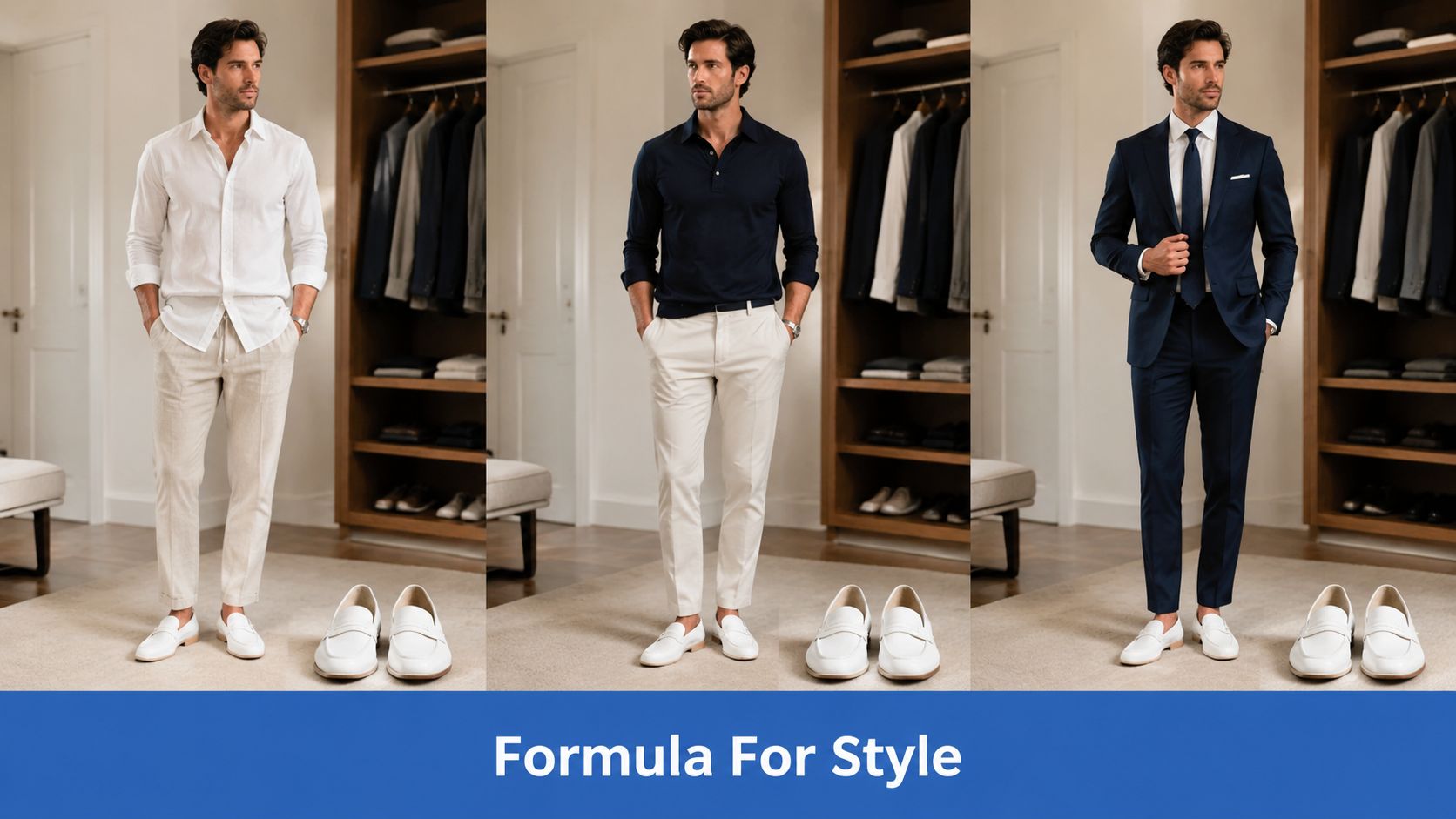
White loafers look strongest when the outfit gives them a clear job. Treat them as a tonal anchor, and the rest of the look can do the heavier lifting through texture, proportion, and dress-code fit.
Business casual and warm weather
Start with the setting. In business-casual outfits, white leather loafers pair cleanly with cotton trousers, light wool, or hopsack in cream, stone, or pale grey. A tucked knit polo or an unstructured blazer in soft blue or ecru keeps the shoe from feeling like a novelty. The goal is balance, the shoe should echo the lightness of the outfit, not compete with it.
For summer dinners, rolled linen trousers and a camp-collar shirt form a dependable pair. No-show socks keep the line of the leg clean, especially when the hem sits just above the ankle. The same attention to proportion shows up in styling a European men's scarf, where drape and scale matter more than ornament.
Transitional city wear and formal-leaning settings
White loafers also have a place in early autumn. Cropped wool trousers, a merino crewneck, and a tan suede overshirt give the shoe enough texture to feel grounded. That kind of pairing keeps the white from reading flat or out of season.
A more formal route works too, provided the materials stay disciplined. A midnight wool suit with grosgrain-trim loafers can look sharp in the right evening setting, and a cream linen suit at a coastal wedding makes white loafers feel crisp rather than casual. The shoe succeeds when the outfit gives it a clear frame, just as a well-cut jacket frames the rest of the silhouette.
The simplest rule is this. White loafers should support the outfit's tone, not fight it. Once the colors, fabrics, and setting agree, the shoe stops looking like a risk and starts looking deliberate.
Caring for White Leather the Right Way
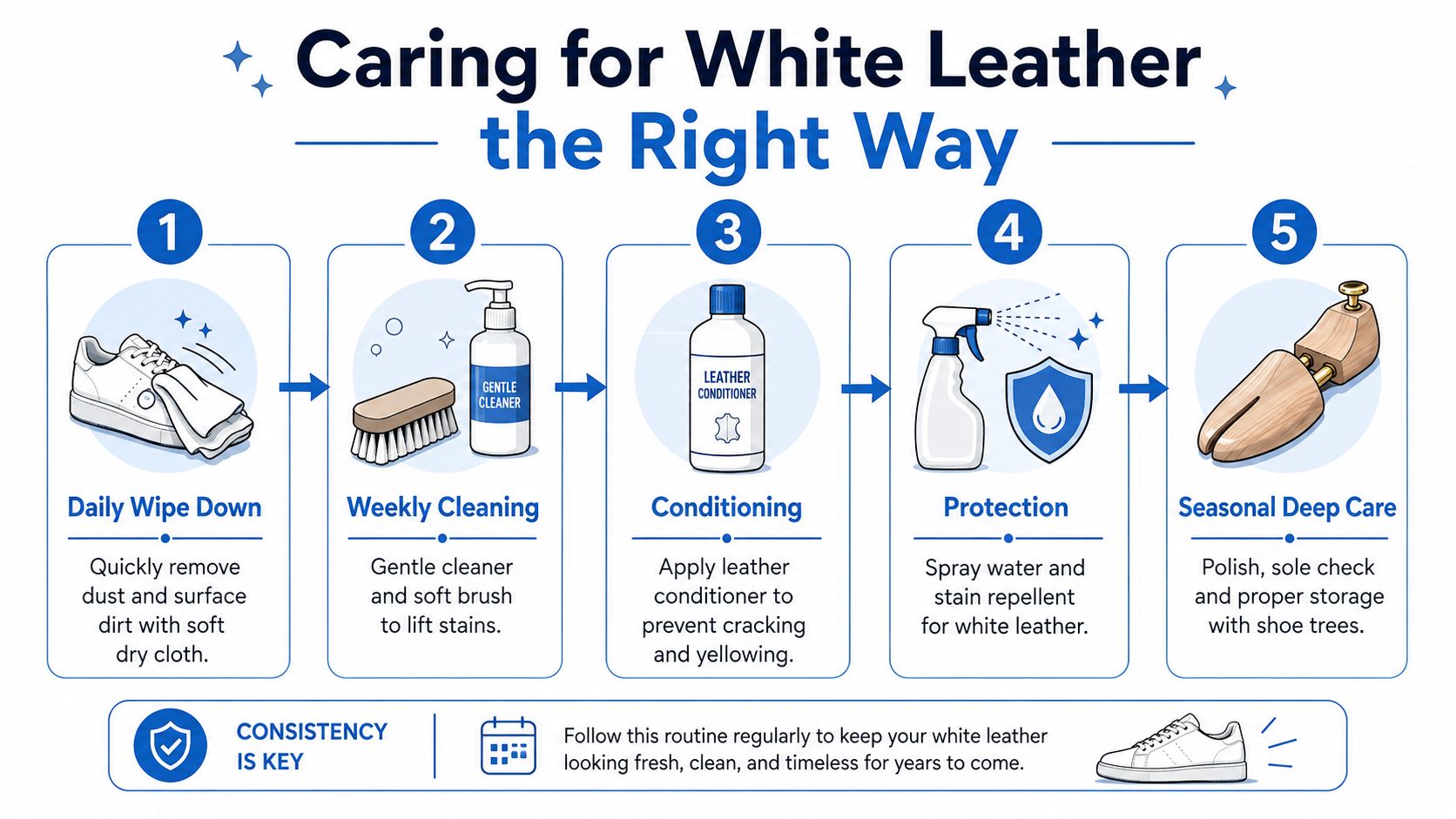
White leather asks for discipline because every stain, scuff, and crease shows up faster than it does on darker shoes. The care routine should be simple enough that you'll repeat it regularly, but structured enough that the shoe keeps its surface and shape.
A repeatable care rhythm
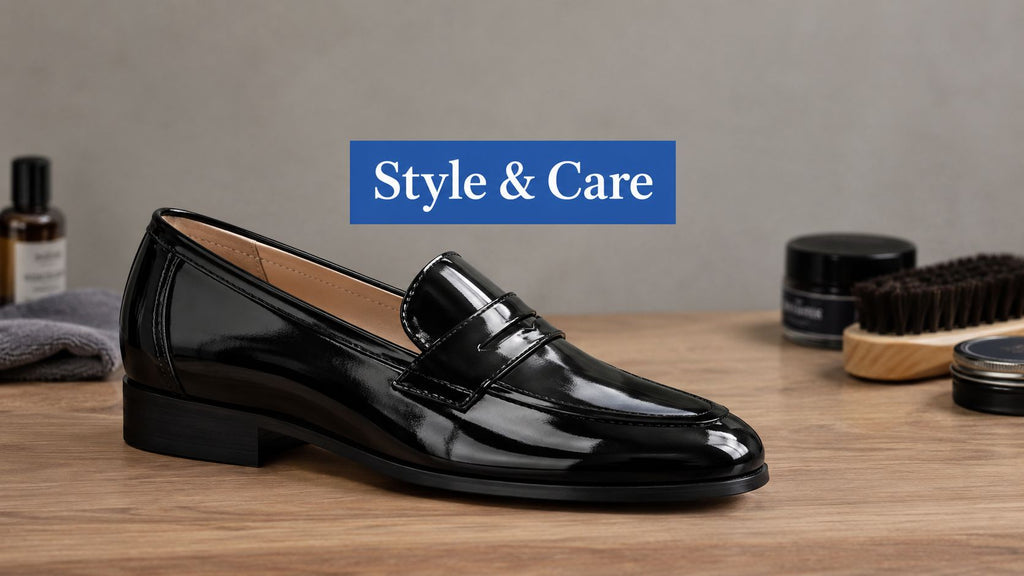
Start with a daily reset. Put in cedar shoe trees, brush off dust with a soft horsehair brush, and wipe any marks with a microfiber cloth before they settle into the finish. That small habit keeps grime from becoming a permanent visual problem.
Weekly care should be gentler than people expect. Use a pH-balanced leather cleaner in small circles with a soft cloth, then follow with a white-pigment conditioner so the leather stays supple without turning yellow. If you want a practical walkthrough of a commercial cleaner, the instructions in how to use Stardrops Leather Cleaner are a useful reference point for careful application.
Protection, storage, and repair checks
A monthly layer of water- and stain-repellent spray helps when it's formulated for nappa or calfskin. Two thin coats, with proper drying time between them, are better than one heavy coat that sits on the surface. Overdoing polish can reduce breathability, so restraint matters here.
For seasonal maintenance, remove the original laces if the pair has them, deep-condition the leather, inspect the sole with a cobbler, and store the shoes in breathable cotton dust bags away from direct sunlight. Heat can dry leather too quickly and make it crack, so keep them away from radiators and hot windowsills. White leather also needs sharper stain awareness than darker finishes, and expert care guidance recommends a pre-wear protectant, prompt damp-cloth wipe-down after use, and air-drying away from direct sun or heat (Sancho Store care guidance).
Clean white leather is maintained, not rescued. The sooner you remove a mark, the less the shoe has to fight for its clean look.
For a broader care reference, this shoe care guide helps connect daily upkeep with longer-term maintenance. Scuffs usually need matching white cream polish, water spots respond best to controlled dampening, and oxidation is often better handled by a professional whitening service than by aggressive home remedies.
Why Custom Bespoke Makes the Difference
White leather leaves no room for sloppy decisions. If the last is off, the vamp sits badly, the arch feels wrong, or the toe shape looks too blunt, the shoe telegraphs that immediately. Bespoke solves that by starting with the foot, not with a compromise size.
That matters because off-the-rack loafers usually force trade-offs in width, arch support, vamp height, and last shape. Bespoke lets a maker choose true calf leather, a hand-stitched Blake or Goodyear welt, and tonal stitching that keeps the white surface clean and intentional. The shoe doesn't just fit better, it looks calmer because the proportions were drawn around an actual foot.
Why white rewards exactness
White amplifies every visual flaw, so fit and finish count twice. A last taken from a foot tracing can produce a cleaner heel-to-toe break and a silhouette that still holds its polish after repeated wear. That's especially useful in business settings, where a shoe has to feel smart without calling attention to itself, and in warm-weather settings, where the clean surface is part of the appeal.
Custom doesn't have to mean excess. It can be the most efficient way to get a loafer that works across office, travel, and dressier summer events without the usual compromises. For men who want that level of control, the bespoke shoes for men resource is a practical place to see how made-to-order fit and styling come together.
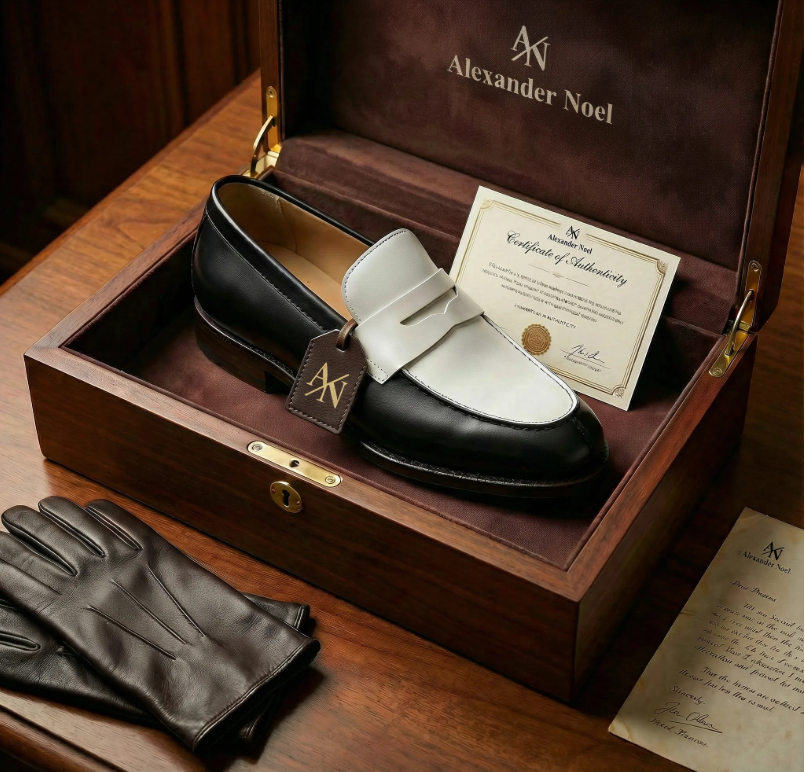
Alexander Noel builds custom footwear through a direct-to-consumer model with a Design Lab, which makes it possible to shape materials, fit, and styling around a specific use case. If you're ready to approach men's white leather loafers as a precise wardrobe tool rather than a risky style experiment, visit Alexander Noel and explore a made-to-order pair that starts with your measurements and your wardrobe.
Related post
04
Oct
04
Oct
26
Sep
26
Sep
26
Sep
