

RECENT POSTS

29.August.2026
Custom Women's Boots for Fall: Choosing Between Two Black Chelsea Silhouettes
0 Comments





Does a Famous Brand Name Make a Better Shoe?
How a 10-Year-Old Brand Can Stand Toe-to-Toe With Established Luxury Footwear
When shopping for premium men's footwear, it is natural to begin with the name on the box. Some of the world's best-known shoe companies have been making footwear for generations. Their names are recognizable, their histories are impressive, and their reputations have been built over many decades.
But does a company being 50, 100 or even 150 years old automatically mean that it makes a better shoe than a brand that has been around for approximately a decade? Not necessarily. Heritage is valuable, but heritage and product quality are not exactly the same thing.
The more interesting question for today's footwear customer is this: What are you actually getting for your money?
Look Beyond the Logo
A well-known heritage brand has legitimate advantages. Decades of manufacturing experience, established quality standards, worldwide recognition, retail availability and a long history with customers all have value. When someone purchases a famous luxury name, part of what they are buying is confidence in that history.
However, the name on the box doesn't tell you everything about the shoe inside it. A knowledgeable customer can go considerably deeper by examining the construction, leather, stitching, sole, fit, finishing and level of personalization available.
When comparing premium footwear, consider questions such as:
- How is the shoe constructed? Examine whether the footwear uses methods such as Blake stitching, Goodyear welt construction or another construction technique.
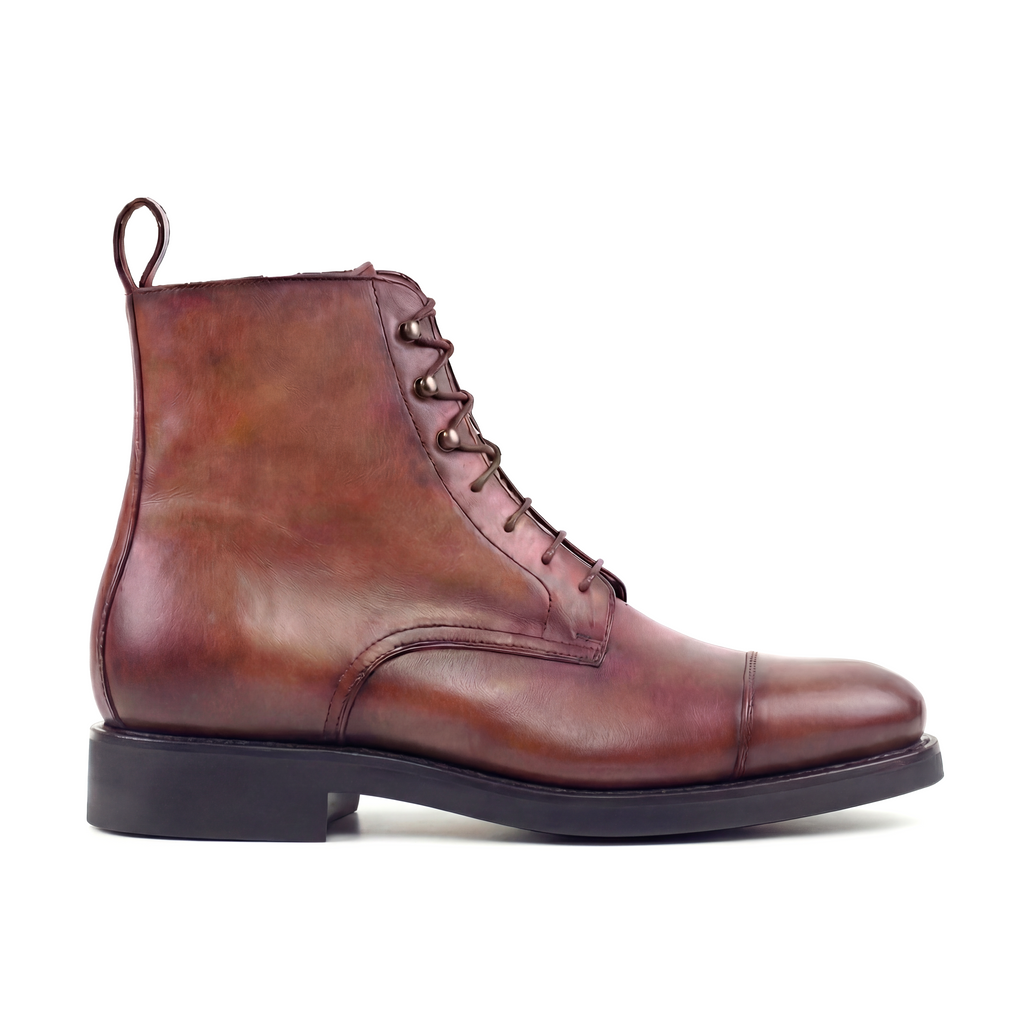
- What materials are being used? The quality, character and finishing of the leather can have a significant impact on appearance and longevity.
- How well does the shoe fit? A beautiful shoe provides little value if the customer cannot comfortably wear it.
- Can the shoe be personalized? Some brands provide a finished product, while others allow customers to influence materials, colors, soles and other design elements.
- Can the shoe be repaired or resoled? Construction can affect the long-term life and serviceability of footwear.
- Where and how is the shoe produced? Understanding the manufacturing process helps the customer evaluate craftsmanship.
- How much are you paying for the product versus the brand? Marketing, retail stores, distribution and global brand recognition are also part of the economics of luxury footwear.
Those questions create a very different comparison than simply asking which company has been around the longest.
Where Does Alexander Noel Fit Into This Conversation?
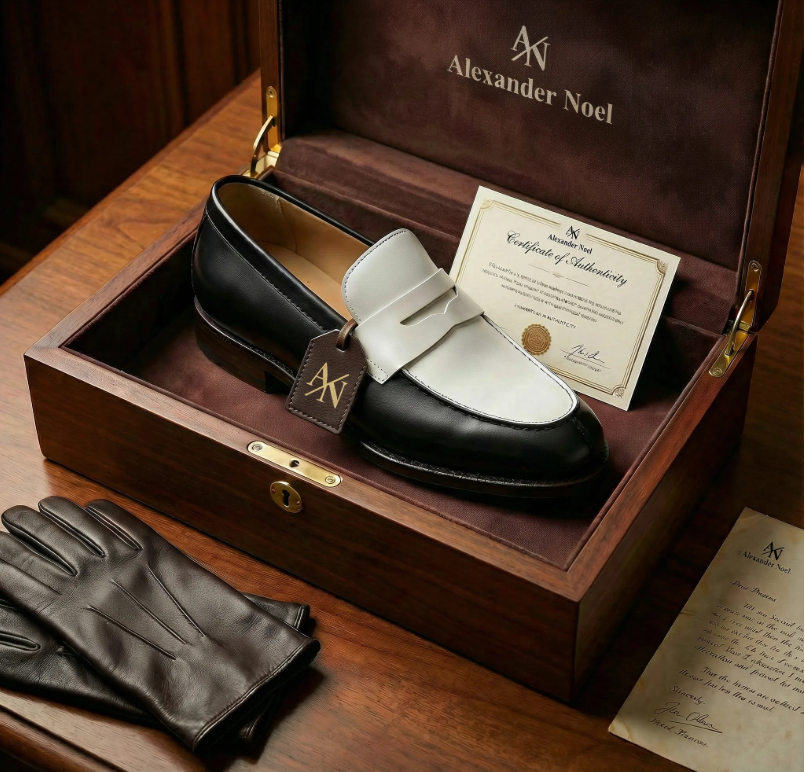
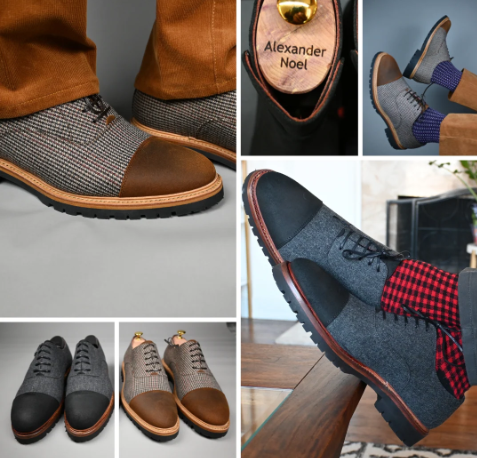
Alexander Noel does not need to pretend to have 100 years of history. The brand represents something different: a younger generation of independent footwear companies combining traditional artisan craftsmanship with modern customization, technology and a direct relationship with the customer.
After approximately a decade of developing the Alexander Noel brand, comparing it with established footwear companies shouldn't simply be a question of age. The better question is whether the actual product and customer experience can compete on the characteristics that matter to today's footwear buyer.
That means examining construction, materials, fit, craftsmanship, personalization, style selection and value. When those characteristics are considered individually, the age of the company becomes only one part of a much larger story.

1. Start With Construction
One of the most important differences between an ordinary shoe and a premium shoe may be something that most people never see. It is how the shoe is constructed.
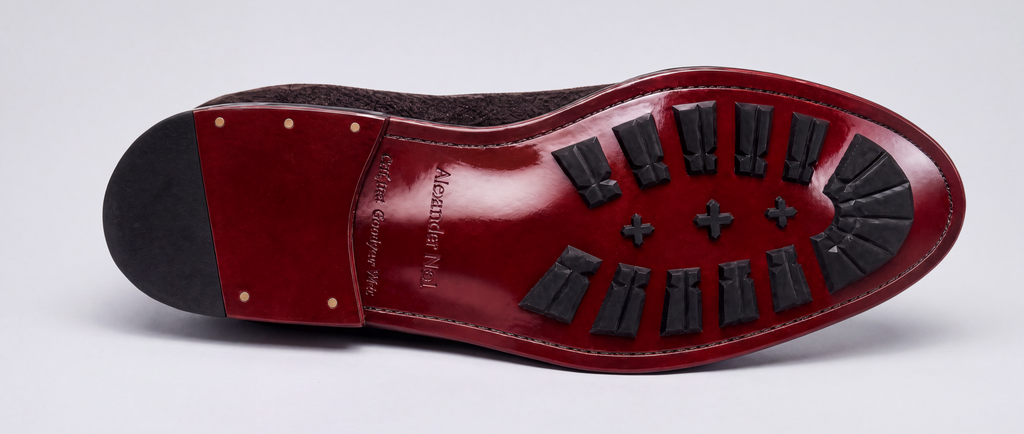
Alexander Noel offers footwear incorporating traditional construction techniques, including Blake and Goodyear construction across applicable styles. These aren't simply marketing terms. They represent different approaches to joining the upper portion of the shoe to its sole.
Goodyear welt construction is traditionally valued for durability, structure and repairability. Blake construction can provide a sleeker profile and greater flexibility. Neither method automatically makes every shoe superior to another, but understanding the construction allows the customer to make a more informed comparison.
When comparing two premium shoes, examine the stitching, welt, sole, leather and finishing. Look at the details that required human skill rather than focusing exclusively on the logo stamped inside the shoe.
Craftsmanship doesn't know how old the logo is.

2. Leather Matters
The leather is one of the first things a customer notices, but its importance extends well beyond color. Different leathers have different textures, characteristics and aging properties, and the finishing process can dramatically change the personality of a shoe.
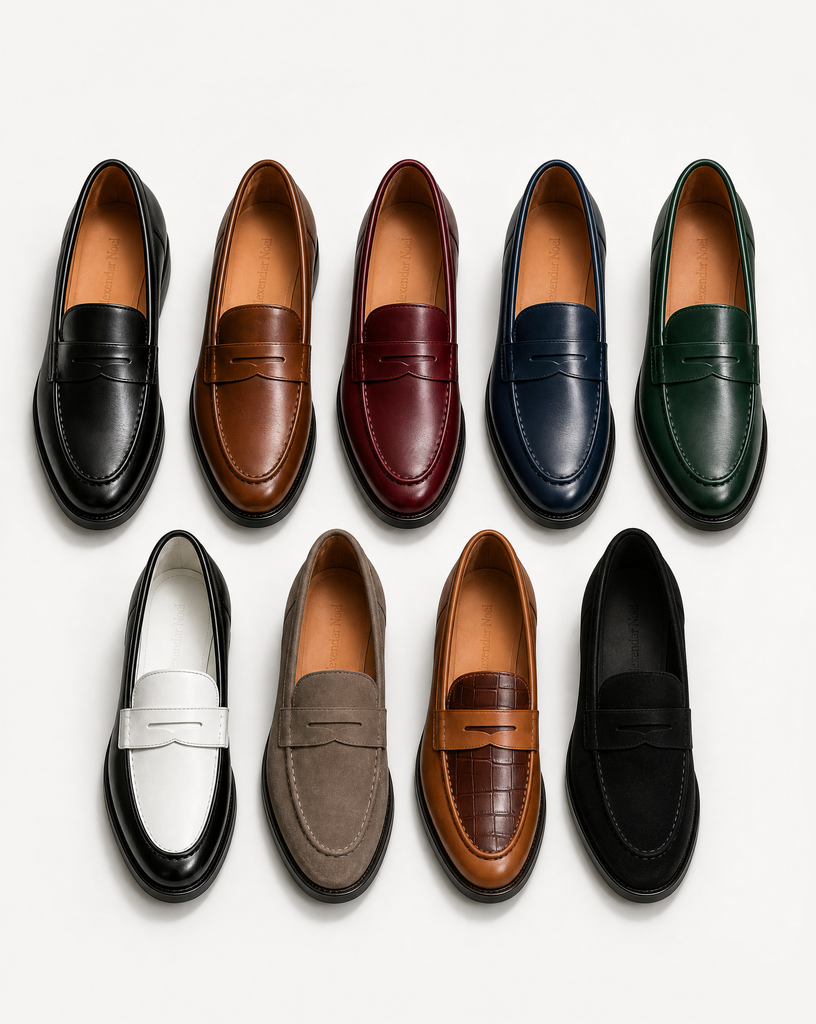
Alexander Noel provides access to multiple materials, colors and finishes across applicable footwear and Design Lab configurations. This provides customers with an opportunity to think beyond simply selecting brown or black.
The ability to influence the material becomes particularly important for customers who want footwear that reflects their individual wardrobe. The shoe can become part of a personal style rather than simply another item purchased from a shelf.
3. The Alexander Noel Design Lab Changes the Comparison
Perhaps one of Alexander Noel's most important distinctions is the Design Lab.
Traditional ready-to-wear footwear typically gives customers a relatively straightforward transaction. The manufacturer designs the shoe, determines the leather and construction, chooses the sole and produces a predetermined range of colors. The customer then selects from those available choices.
Alexander Noel adds another path: Buy your style or design your style.

Through the Design Lab, customers can explore combinations involving footwear styles, leathers, materials, colors, soles, laces and other design elements. Rather than simply selecting someone else's finished creation, the customer can participate in determining how the final shoe will look.
That creates an important difference in the luxury experience. With traditional ready-to-wear footwear, you are largely buying the designer's vision. With customization, you become part of the design process.
4. Small Details Can Create a Very Different Shoe
Customization isn't necessarily about creating something extravagant. Often, it is the combination of relatively small decisions that makes a shoe personal.
Depending upon the style and available configuration, customers may be able to consider details such as:
- Leather and material choices that determine the primary appearance and texture of the shoe.
- Color combinations that allow a design to remain conservative or become more expressive.
- Sole selection that can influence both appearance and the intended use of the footwear.
- Welt details that provide another opportunity to coordinate or contrast colors.
- Laces and finishing choices that can provide subtle visual differences.
- Burnishing and coloration that can add depth and individual character to applicable leather designs.
None of these elements by itself necessarily creates a dramatically different shoe. Put them together, however, and two customers can begin with the same basic model and create footwear with very different personalities.
That is where personalization becomes part of craftsmanship.
5. Fit Is Also Part of Luxury
The footwear industry often talks about luxury in terms of leather, craftsmanship and prestige, but fit deserves to be part of the same conversation.
A $700 or $1,000 shoe that doesn't fit properly isn't automatically a better purchase simply because its name is more recognizable. The ability to obtain appropriate sizing and width can be every bit as important as the leather or stitching.
Alexander Noel provides expanded width possibilities across applicable footwear and Design Lab configurations. This is particularly meaningful for customers who may have spent years choosing between a shoe they like and a shoe that actually accommodates their foot.
The principle is simple: A prestigious name on an uncomfortable shoe doesn't make the shoe comfortable. Fit is part of luxury.
6. Modern Luxury Goes Beyond the Dress Shoe
The definition of premium men's footwear has changed considerably. A customer's wardrobe may now include traditional Oxfords, loafers, Chelsea boots, casual boots and luxury sneakers.
This broader approach allows a footwear brand to follow the customer throughout different parts of his life. The same customer may need a traditional dress shoe for a business meeting, a loafer for dinner, a boot for the weekend and a premium sneaker for travel.
The modern footwear wardrobe therefore isn't necessarily built around a single category. It can move from the boardroom to dinner, from the weekend to travel, while maintaining the customer's individual style.
7. What Are You Actually Paying For?
This may be one of the most interesting questions in the luxury footwear conversation.
Large international brands operate substantial organizations. Their prices may support flagship stores, wholesale distribution, inventory, international advertising, corporate infrastructure, celebrity partnerships and worldwide marketing. Those investments create recognition and contribute to the overall luxury experience.
There is nothing inherently wrong with paying for those things. Brand history and prestige can have genuine value to a customer.
However, independent and direct-to-consumer footwear brands can operate under a different economic model. Alexander Noel's proposition can place greater emphasis on the relationship among artisan craftsmanship, made-to-order production, customization, material choices, fit options and a more direct relationship with the customer.
That doesn't automatically make one business model better than another. It means the customer should understand the differences and decide which attributes provide the greatest value to them.

8. The Shoe Test
Here is a simple experiment for anyone comparing Alexander Noel with a famous footwear brand.
Imagine placing both pairs of shoes on a table and temporarily covering the brand names.
Then compare them objectively:
- Examine the leather. Look at its texture, finish, consistency and overall appearance.
- Study the stitching. Look for precision and how the details of the upper have been executed.
- Examine the welt and construction. Understand how each shoe was built rather than simply how it looks.
- Turn the shoes over. Compare the soles and consider how they relate to the intended use of each shoe.
- Put both pairs on. Fit and comfort should be evaluated alongside appearance.
- Consider personalization. Determine how much choice each brand gives you in creating the footwear you actually want.
- Compare the finishing. Small details can reveal a great deal about craftsmanship.
- Finally, compare the prices. Ask what each company is providing in exchange for the difference in cost.
Then uncover the names.
Would you still make exactly the same decision?
That is when the conversation about luxury footwear becomes much more interesting.

9. Alexander Noel Doesn't Need to Win the Heritage Contest
A footwear company with 50, 100 or 150 years of history deserves recognition. Building a company that survives multiple generations is an extraordinary accomplishment, and Alexander Noel doesn't need to diminish that history in order to establish its own position.
Every great heritage brand, however, was once a young company. Every one of them celebrated its first year, its fifth year and eventually its tenth.
Alexander Noel's opportunity isn't to recreate someone else's history. It is to build its own.

That legacy can be built around a modern interpretation of luxury in which several things matter at the same time: traditional craftsmanship, individual choice, modern technology, proper fit, artisan production and the customer's ability to participate in creating the finished product.
The goal doesn't have to be making every Alexander Noel shoe look exactly the same. The opportunity is giving customers access to craftsmanship while allowing their individual personalities to remain part of what they wear.
The Luxury Question Is Changing
For generations, luxury footwear was often associated with the question:
“Whose shoes are you wearing?”
Brand recognition will continue to matter. Heritage will continue to matter. Craftsmanship and reputation earned over generations deserve respect.
But perhaps today's customer can ask another question:
“Who made my shoes, how were they made, and how much of my personal style is represented in the finished design?”
That is a conversation Alexander Noel belongs in.

Buy Your Style. Or Design Your Style.
Alexander Noel | Artisan Crafted Footwear
Explore the Alexander Noel collection or enter the Men's Design Lab at shopAlexanderNoel.com to begin creating a pair distinctly your own.
SHOE TALK | ALEXANDER NOEL
Look beyond the name. Look at the shoe.
Related post
26
Sep
26
Sep
26
Sep
26
Sep
26
Sep
