

RECENT POSTS
29.August.2026
Custom Women's Boots for Fall: Choosing Between Two Black Chelsea Silhouettes
0 Comments
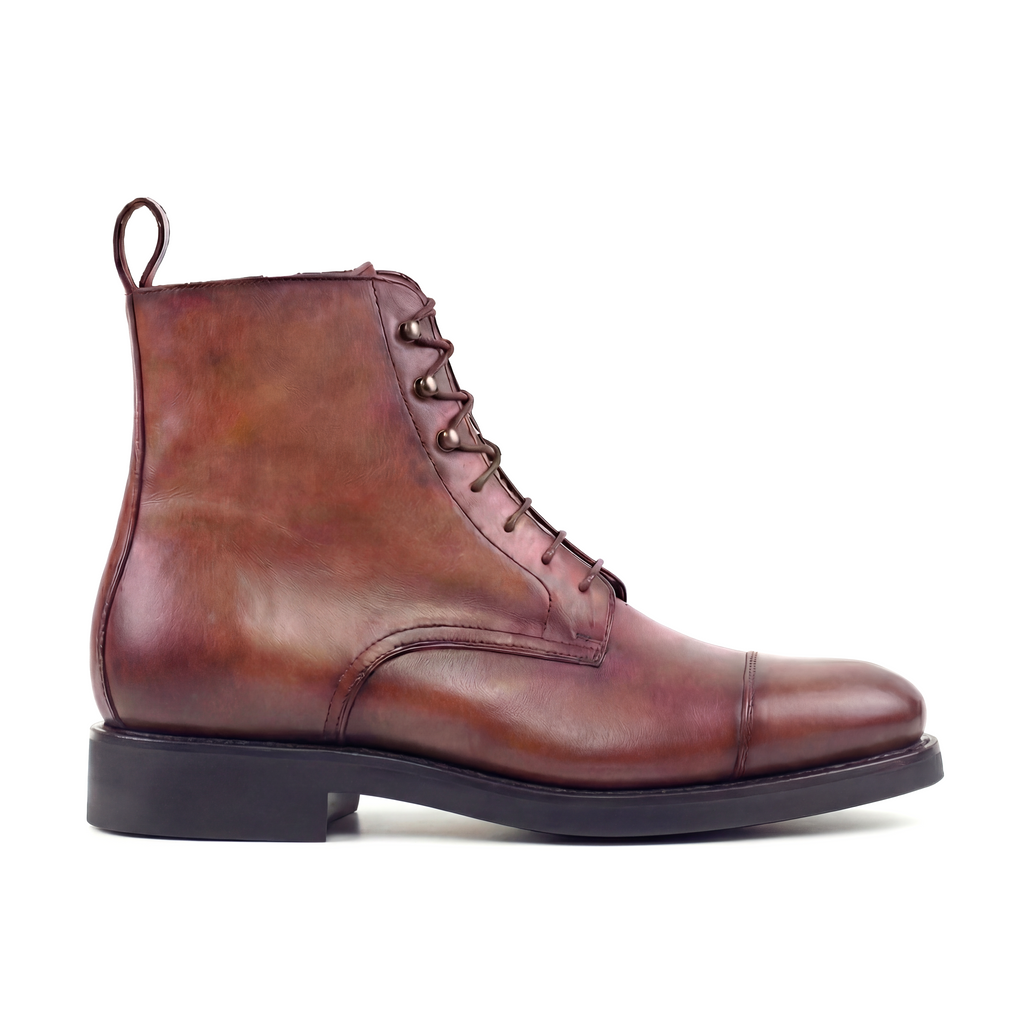
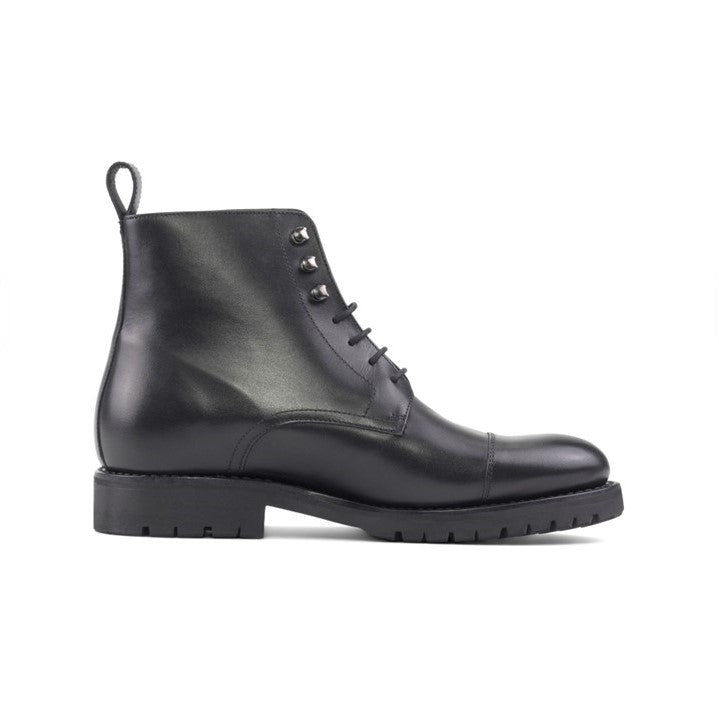




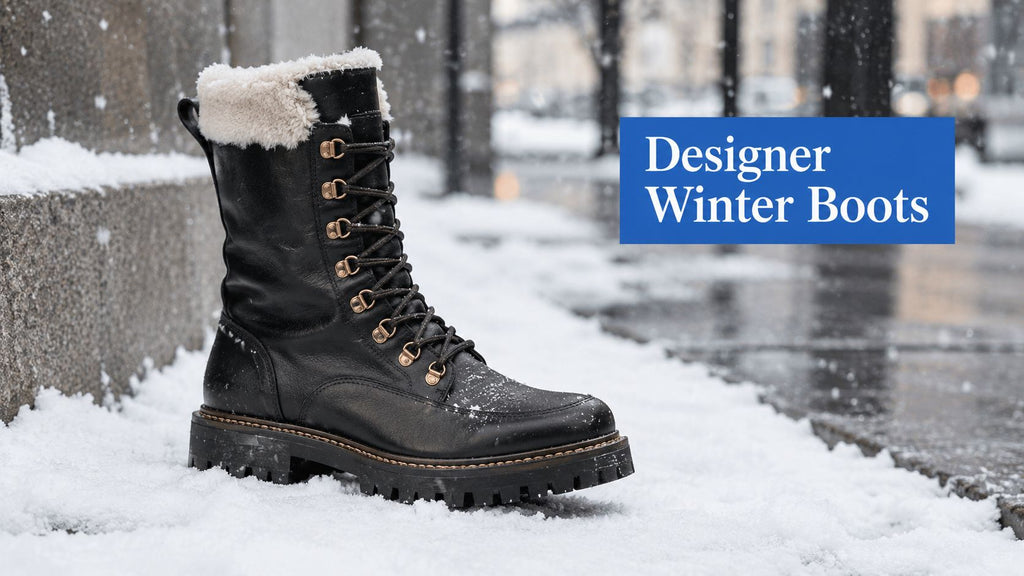
Designer Boots for Winter: Style Meets Cold Weather
Most winter style advice gets the hierarchy backward. It treats boots as the finishing touch after the coat, scarf, and bag are chosen, when designer boots for winter have to earn their place from the ground up. If the sole skates, the shaft leaks, or the lining traps dampness, the boot is just an expensive mistake with a pretty profile.
That's why the right pair matters. The global winter footwear market was valued at $8.6 billion in 2021 and is projected to reach $13.6 billion by 2031, a 58% increase over the decade with a 4.7% CAGR from 2022 to 2031 (Future Market Insights). Boots were the largest category in that market in 2021, and Europe was the biggest regional market at $3,441.6 million. In other words, this isn't a niche indulgence, it's the core of cold-weather footwear demand.
Why Designer Boots for Winter Deserve Serious Consideration
A lot of fashion coverage still talks about winter boots as if they're a seasonal accessory, something to match a coat and then forget. That's a lazy frame. Designer boots for winter sit at the intersection of craft, function, and long-term demand, which is exactly why they keep showing up in serious wardrobes instead of being filed away as trend pieces.
Fashion history gave boots real authority
Boots didn't become designer objects by accident. In 1964, André Courrèges introduced the go-go boot, a white mid-calf style with a low block heel that changed how women's fashion could read in motion (Coherent Market Insights). That mattered because it helped move boots out of the purely functional winter category and into a recognisable fashion language. Since then, the best boot design has kept one foot in utility and the other in style.
That legacy still matters now. When a category continues to grow over a decade at a steady pace, it usually means buyers see durable value, not novelty. The projected expansion of the winter footwear market backs that up, and so does the fact that boots remain the biggest piece of it. These are not decorative objects that happen to get worn in January.
Practical rule: If a boot can't survive slush, salt, and a long commute, it doesn't deserve a place in a winter wardrobe, no matter how sharp it looks on a product page.
The serious buyer wants both polish and performance
That's why a useful style guide should point readers toward resources that handle the practical side too, including finding cosy winter boots for comfort-first shoppers who still want a refined look. The right pair is not only about silhouette. It's about how the boot behaves when the pavement turns wet, the temperature drops, and you still need to look composed.
A premium boot should feel like a winter tool that happens to be beautiful. For a deeper look at how premium construction changes the wear experience, this guide to luxury boot construction is worth reading alongside any fashion-first buying decision. When craftsmanship, insulation, and finish all line up, the boot stops being seasonal decoration and becomes a long-term wardrobe asset.
Understanding Insulation and Thermal Performance
Warmth in a winter boot isn't a vibe, it's physics. If the materials, liner, and sock interface don't work together, your feet will feel cold even in a beautifully made boot. The numbers matter because they show the difference between a pair that merely looks suitable for winter and one that resists heat loss.
What thermal resistance tells you
Occupational-footwear research found that a cold-protective boot reached about 0.45 m²·°C/W thermal resistance, while common PVC rubber boots were closer to 0.215 m²·°C/W (Lund University). That gap is not cosmetic. It means the better-insulated boot slows heat loss far more effectively, which is exactly what you want when you're standing still, walking through snow, or waiting for transit.
The same research also found that thick socks increased insulation compared with thin socks by roughly 0.014 to 0.033 m²·°C/W. That sounds small until you remember that footwear comfort often comes down to a narrow margin. If a boot is slightly roomy, a good sock system can help. If the boot is already poorly insulated, socks won't rescue it.
Moisture ruins good insulation
Insulation only works when it stays dry. Snowmelt, slush, and even sweat can lower effective thermal resistance and speed up cooling. That's why a boot with impressive padding can still perform badly if the liner gets damp or the upper absorbs water. A designer boot should protect against moisture first, then trap warmth second.
A dry interior is part of warmth. Once water gets into the system, the boot starts losing the fight.
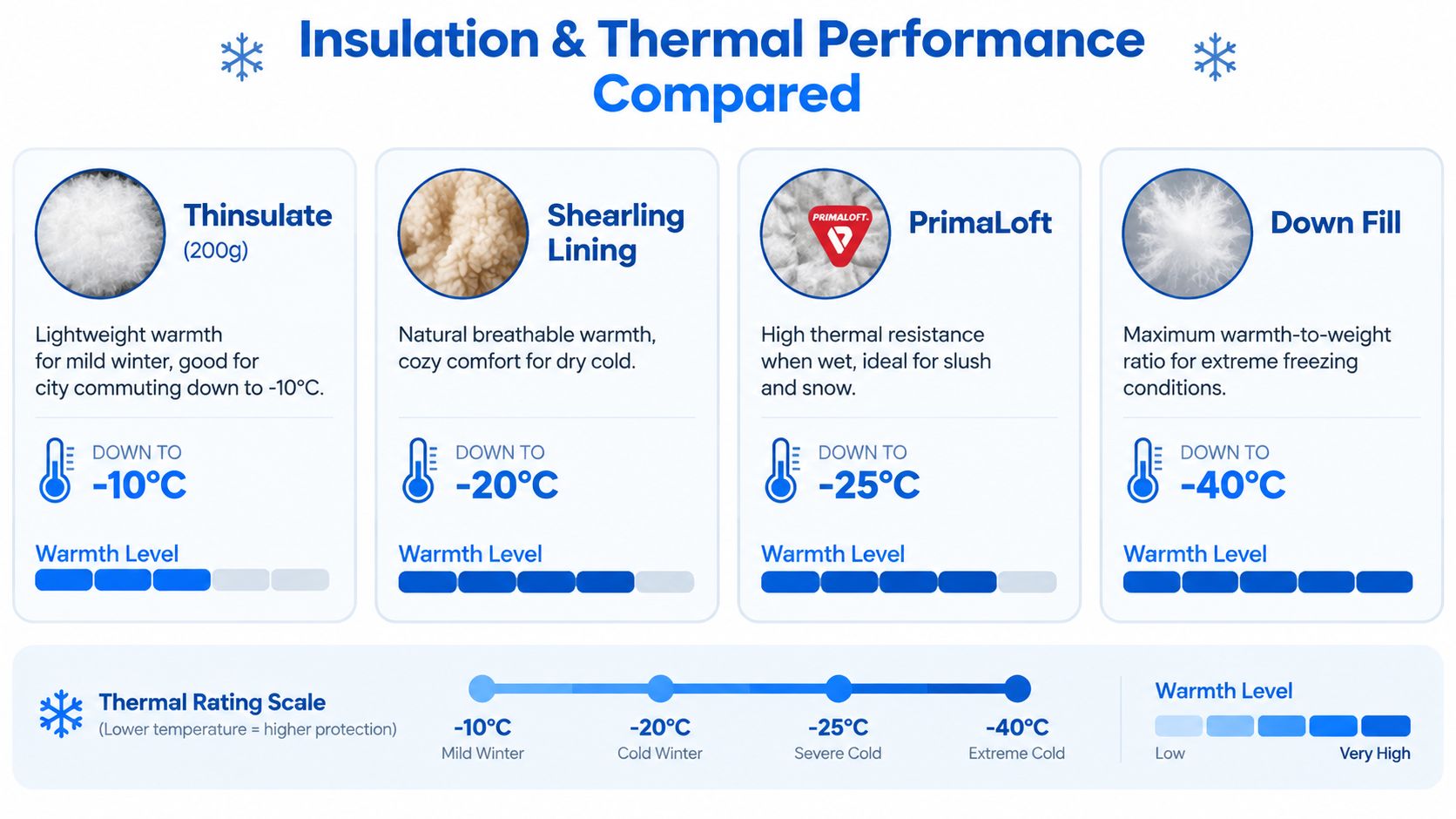
For buyers comparing fill types and lining systems, it helps to think in terms of use case. Thinsulate works well when you want lighter warmth for city wear, shearling is strong for dry cold, PrimaLoft makes more sense in slush because it keeps working when conditions turn wet, and down fill belongs in serious cold where warmth-to-weight matters most. The right choice depends on how much wet weather your routine involves, not on what looks luxurious in a product photo.
If you want a practical packing perspective for cold destinations, the Antarctica expedition packing tips are useful because they keep the focus on layering, dryness, and long-wear comfort rather than fashion alone. That mindset belongs in winter boot shopping too. Insulation should be judged as a system, not as a marketing label.
For readers interested in lining choices that change the feel of a boot, this fur-lining note on select boot styles is a useful reminder that the inside matters as much as the outside. In winter, the lining is part of the product's engineering, not a decorative extra.
Waterproofing and Sole Construction That Actually Work
A gorgeous boot that leaks or slips is a bad purchase. Fashion pages love talking about shape and finish, but real winter wear starts with two questions. Can water get in, and can you stay upright when the ground turns slick?
How to judge waterproofing without falling for labels
Look for a waterproof membrane, sealed seams, or a properly treated leather upper that's designed to handle wet conditions. Those details matter because they help keep meltwater, snow, and slush from soaking into the boot. A label alone doesn't prove much if the construction leaves weak points around stitching, seams, or the tongue.
The problem is that many fashion-led boots are built to look winter-ready rather than to function in winter. They might tolerate a dry sidewalk. They usually struggle once the weather turns messy. If a brand doesn't explain how the boot keeps water out, assume the boot was styled for the season, not engineered for it.
Traction on ice is its own category
Slip resistance is not a generic shoe trait. Standards like ASTM F2913 and ISO 13287 are widely used, but expert footwear-testing sources note that they don't include validated ice-specific requirements, and there are no universal national or international minimums for traction on ice or cold surfaces (mobt3ath footwear testing source). That means winter buyers need to look past vague slip-resistance claims.
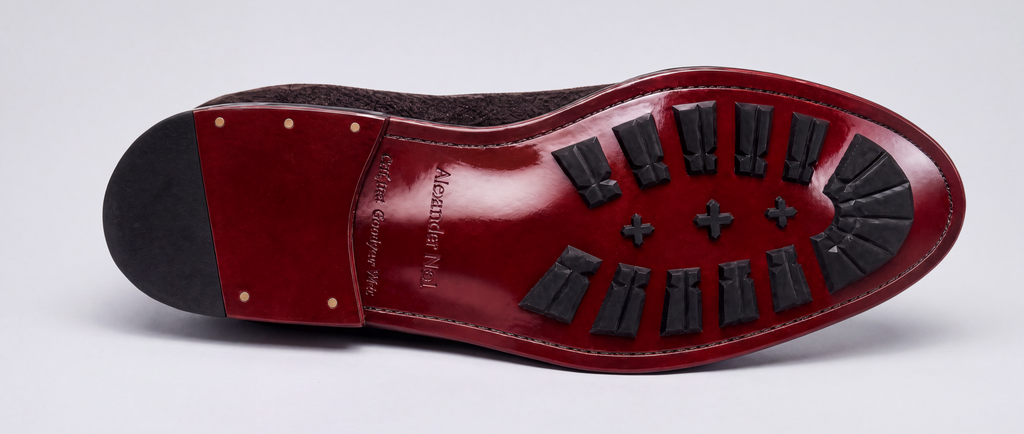
Outsole geometry matters. So does the rubber compound. A sole that stays flexible in the cold and uses a tread pattern designed for snow or packed slush will perform better than a pretty lug sole that was never validated on winter surfaces. Deep tread helps, but tread depth alone doesn't solve bad rubber or poor geometry.
Check this first: if the brand hasn't tested the outsole on snow or ice conditions, don't assume a rugged-looking tread is enough.
For a closer look at sole behavior in a welted construction context, this Dainite sole discussion is relevant because it shows why compound and structure matter together. Winter traction is a materials problem as much as a design problem.
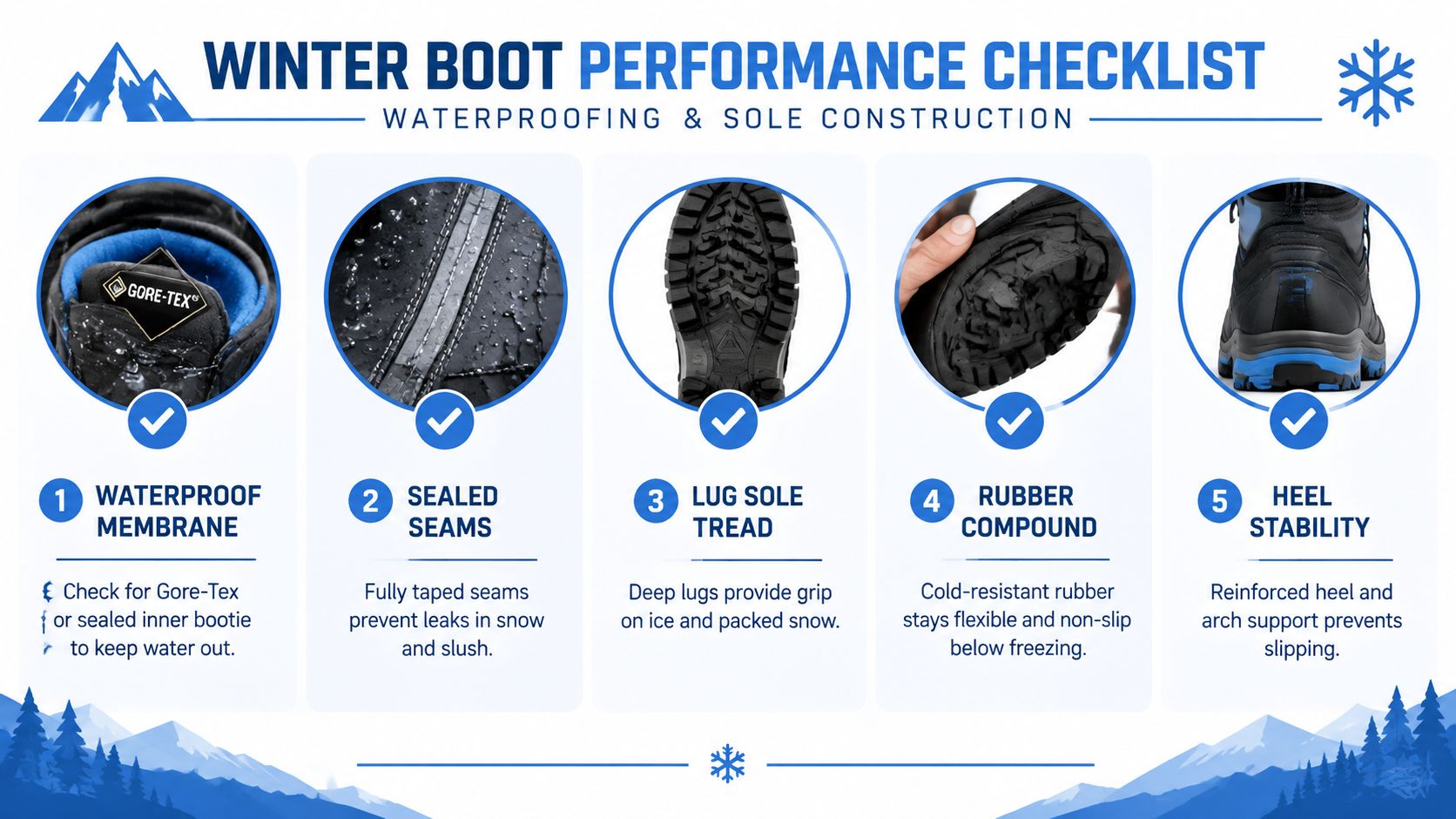
A clean winter-readiness checklist
- Waterproof membrane: Look for a real barrier, not just a water-resistant finish.
- Sealed seams: Exposed stitching is a weak point in slush.
- Lug sole tread: Use it as one signal, not the only signal.
- Cold-flex rubber: If the outsole stiffens too much, traction suffers.
- Heel stability: A steady base beats a fashion heel when sidewalks freeze.
That checklist is what separates a decorative winter boot from a credible one. If the construction can't answer all five questions, the style isn't worth much in actual weather.
Choosing the Right Silhouette and Materials
Silhouette is where many buyers get distracted. They start with what looks chic on the runway and forget the conditions they'll face. Winter boots have to do more than frame a hemline. They need to handle snow, salt, wet pavement, and the stop-start rhythm of daily wear.
Match the boot to the weather, not the photo shoot
Knee-high boots make sense when you want more shaft coverage and a polished line under structured coats. Chelsea boots work for drier city winters, especially when you need a cleaner look with trousers. Lug-sole boots are the most obvious choice for aggressive winter footing, but only when the upper and waterproofing are equally serious.
Ankle boots are the least forgiving option in real snow because they leave more exposure around the ankle and lower shaft. Chukka styles can be smart for dry cold, but they need proper sole construction to stay useful once the pavement gets wet. Fashion coverage often celebrates silhouette alone, but silhouette without weather response is just styling.
The materials do the heavy lifting
Leather is usually the strongest all-around choice if it's finished properly and cared for. Suede can look refined, but it's far less forgiving in salt and slush unless the brand has treated it specifically for winter use. If a boot uses soft fashion suede with no clear weather treatment, it's a dry-day boot pretending to be a winter boot.
A product-level material guide earns its keep here, including best leather for boots for readers who want to understand why some hides age better than others in rough conditions. Material choice affects longevity, ease of cleaning, and the way the boot holds up after repeated exposure to moisture and road salt.
| Designer Boot Silhouettes for Winter Conditions | Best For | Shaft Height | Snow Protection | Style Versatility |
|---|---|---|---|---|
| Knee-high | Commuting, tailored looks, deeper snow | High | Strong | High |
| Ankle | Dry cold, lighter city wear | Low | Limited | High |
| Chelsea | Urban winter, easy on-off wear | Low to mid | Moderate | High |
| Lug-sole | Slush, icy sidewalks, heavier weather | Varies | Strong | Moderate |
| Chukka | Dry cold, casual weekends | Low | Limited to moderate | Moderate |
Trends matter, but only after function
Chocolate brown, burgundy, leopard, and square toes all have a place if the construction is solid. I'd rather see a well-made boot in a current color than a weak boot in a safe black. But if the silhouette doesn't protect the foot and the material can't handle winter abuse, the trend dies fast once the weather turns.
Getting the Fit Right for Winter Wear
Winter fit is different from dress-shoe fit, and most style guides don't say that plainly enough. Lined boots take up more internal volume. Thick socks change the geometry. Orthotics, swelling, and wider feet make the problem more complex, not less. If the fit is off, the boot fails even when the rest of the construction is excellent.
Start with the socks you'll actually wear
If you plan to wear thick wool socks, try the boot on with that exact sock weight. Don't guess. A boot that fits over a thin sock can become brutal once a winter sock goes in, especially at the toe box and instep. Existing winter-boot guidance also supports sizing up when boots run small or are fully lined, which is the right instinct for many cold-weather pairs (The Mom Edit).
The toe box should leave room for natural toe movement without sliding the foot around. Your heel should feel secure, but not crushed. If the boot clamps down at the instep, the whole fit tends to break down after an hour of wear.
Wider feet and orthotics need more than standard sizing
A standard size range won't solve every fit problem. Buyers with wider feet, high insteps, swelling, or orthotics often need width options or a made-to-order approach. That's not luxury excess, it's basic usability. A winter boot that forces pain or numbness won't get worn often, which makes it poor value no matter how expensive it was.
Fit rule: If you're between sizes, lined, or planning to use orthotics, don't default to your usual dress-shoe size.
Comfort-led silhouettes matter here too. Minimal heels, flatter soles, and square-toe shapes are easier to wear for long winter days than steep heels or unstable platforms. They also tend to make more sense for commuting because they reduce fatigue and improve balance on uneven surfaces.
A simple at-home test helps. Wear the socks you'll use in winter, stand for a few minutes, then walk on a hard floor. If your toes hit the front on impact, if your arch feels pinched, or if your heel lifts too much, the boot is the wrong size or the wrong shape. Fit comes before styling every time.
Outfit Pairing for Cold Weather Occasions
The right boot should work hard in your wardrobe, not sit in a separate “winter” category. The most useful pairs move from commute to office to weekend without looking mismatched. That means the silhouette has to be versatile, and the material has to hold up when the weather turns ugly.
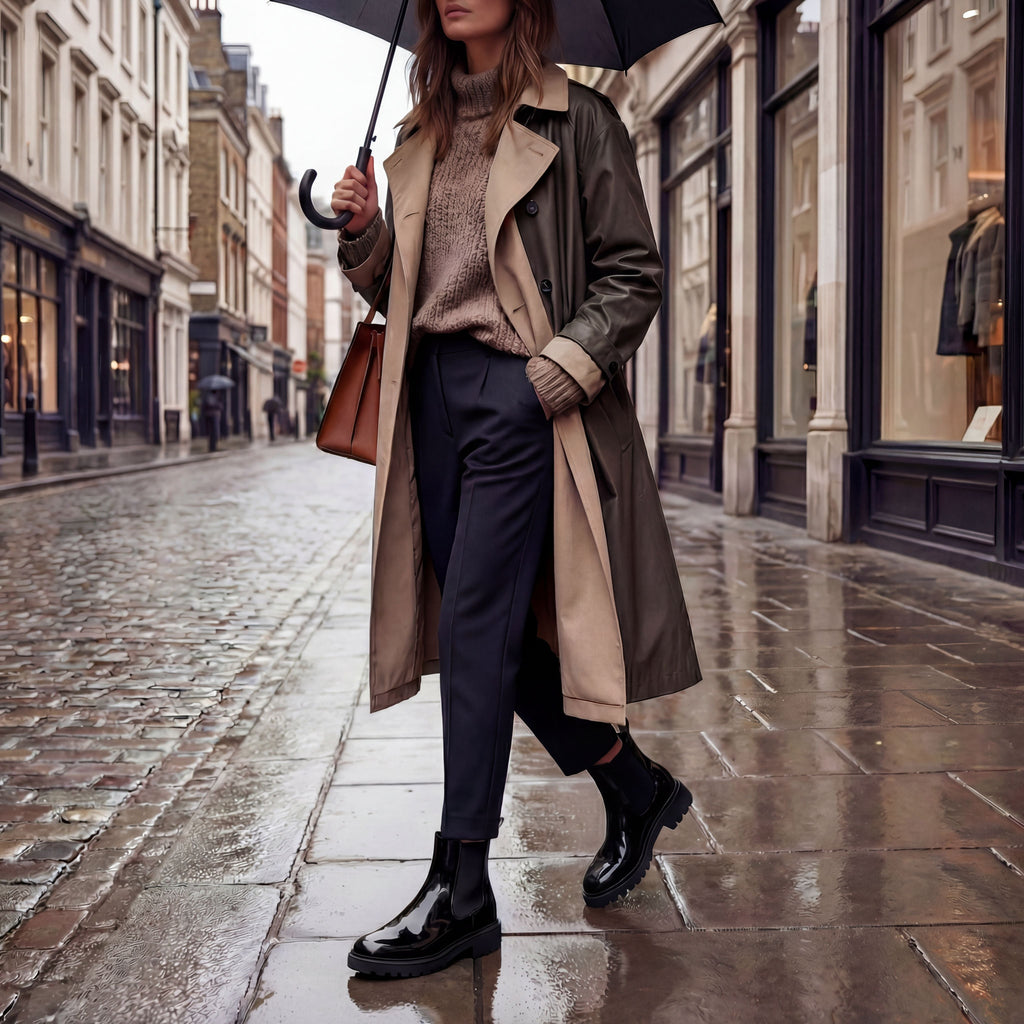
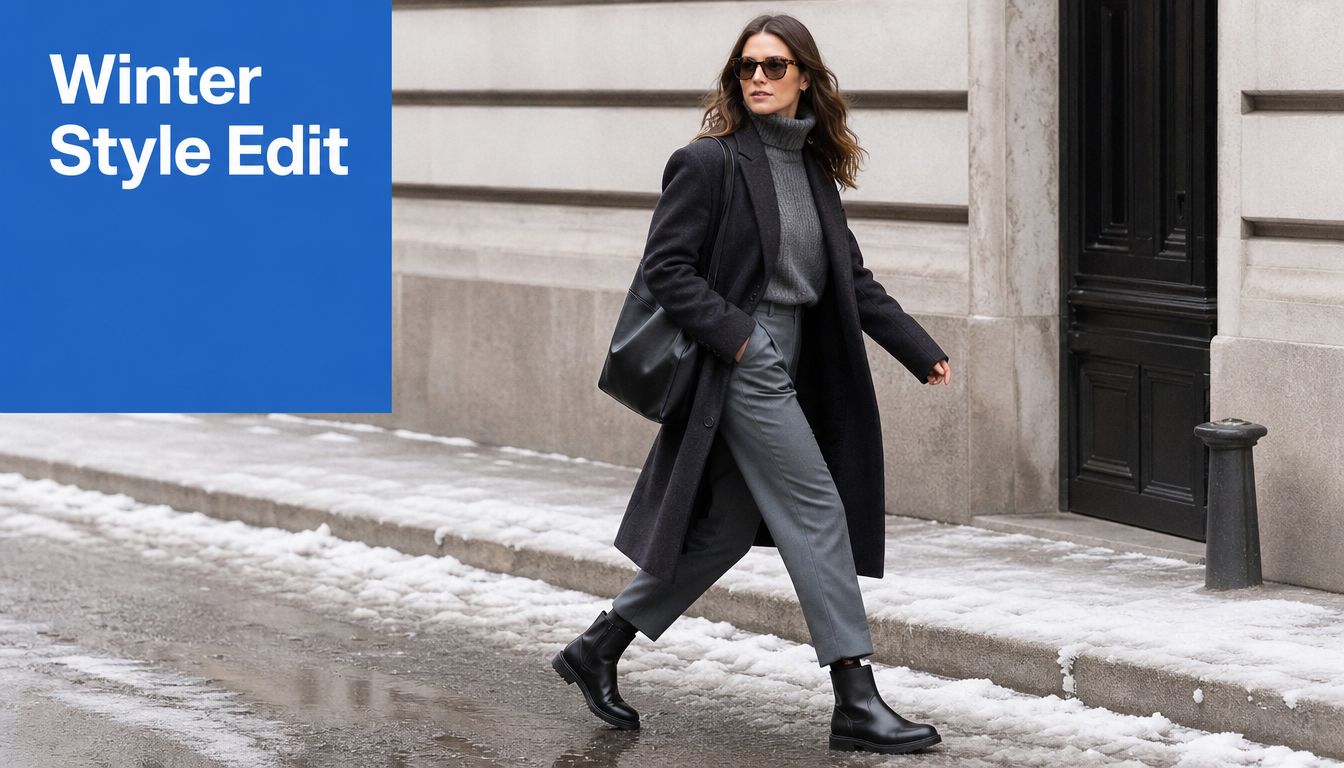
Start with the commute. A knee-high or lug-sole boot in black or dark brown works best with straight-leg trousers, a wool coat, and a thick scarf. Keep the hem either tucked cleanly into the shaft or cropped just above the boot if the proportions are right. Sloppy cuffs and wet hems are a bad look.
For the office, the answer is usually a cleaner silhouette. A Chelsea boot or slim knee-high boot looks polished under fitted trousers and a structured coat. If you need ideas for outerwear that keeps the whole look refined, chic winter coats Urban Totes is a useful reference because it focuses on coat shape as part of the full cold-weather outfit, not as an afterthought.
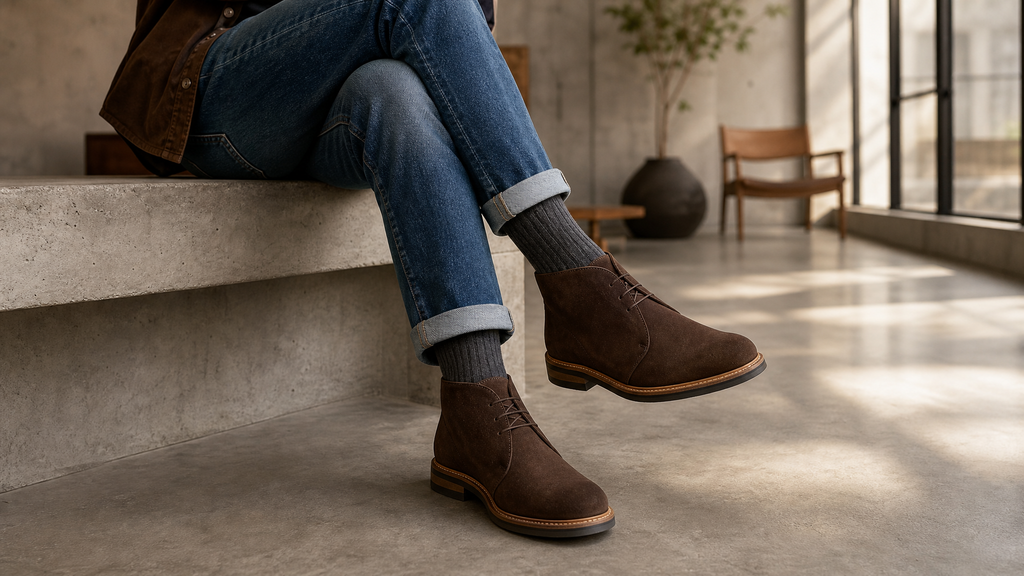
A weekend look can relax more. Pair chukka boots or softer lug-sole styles with straight jeans, a cashmere knit, and a shorter coat for errands or lunch. The key is to keep one element structured, so the outfit doesn't slide into “just bundled up.” The boot should anchor the look, not disappear into it.
Later, when the temperature drops and you're moving through slush, remember that good styling only works if the boot is built for the weather. That's the part most trend edits skip.
The Case for Custom and Bespoke Winter Boots
Off-the-rack winter boots solve the average case. They don't solve the hard cases. If you need a different width, a specific lining level, a more exact shaft height, or a material combination that suits your climate, custom work stops being indulgent and starts being practical.
Customization removes the usual winter compromises
The biggest frustrations are familiar. The boot fits in the calf but not the foot. The lining is warm but too bulky. The style looks right, but the sole won't cope with snow. Custom and made-to-order construction lets you solve those conflicts directly instead of accepting whatever the store happened to stock.
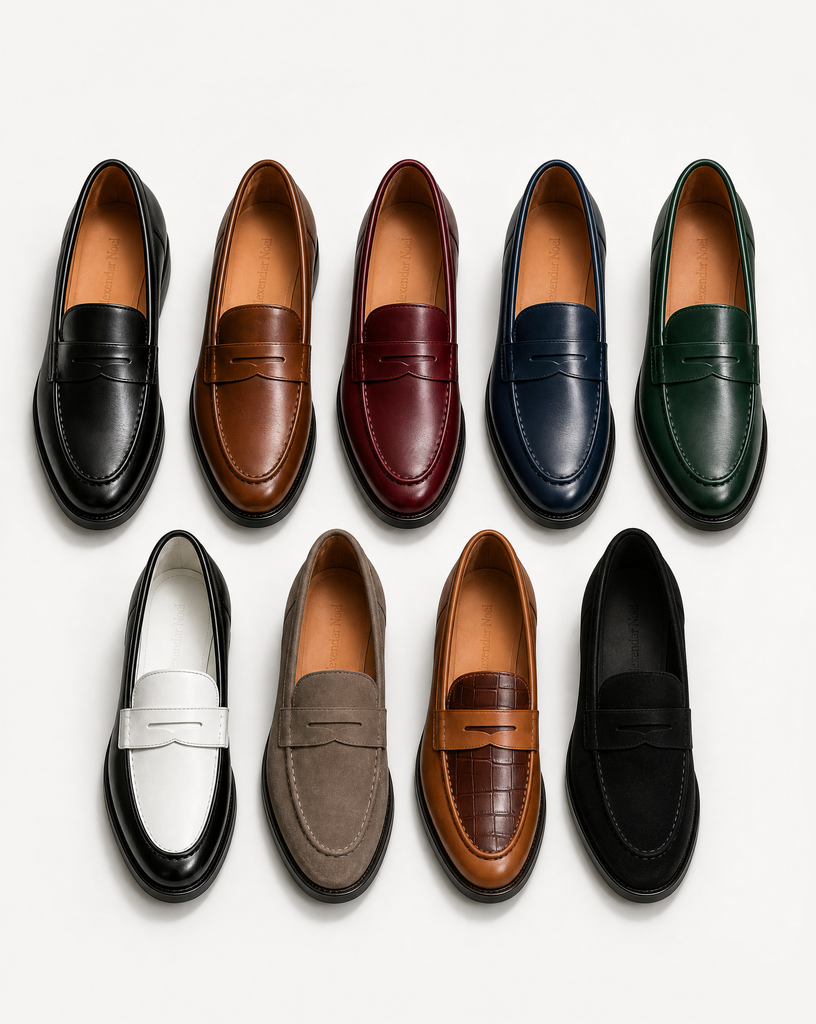
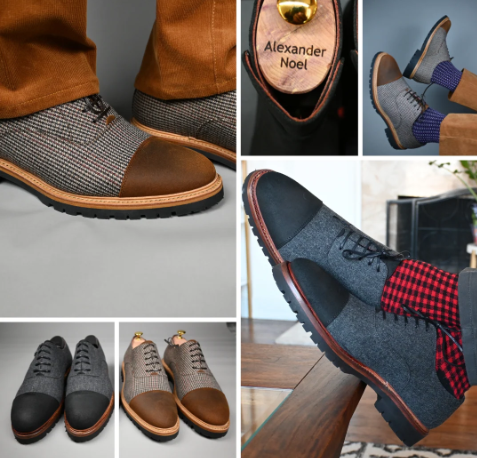
That's where direct-to-consumer models have a real advantage. A brand like Alexander Noel offers custom and made-to-order footwear through a design lab, with choices around materials, colors, and styling details. For winter boots, that kind of system matters because the buyer can prioritize fit and performance without being forced into a generic size run.
The best winter boot is the one built for your feet, your weather, and your wardrobe, not the one that merely fits the display mannequin.
Craft still matters when the boot is personal
Global artisan partnerships, traditional shoemaking techniques, and premium material sourcing are not marketing flourishes when they're applied well. They're what make a bespoke boot hold its shape, wear well, and feel individual instead of mass-produced. For premium buyers, that combination is the core appeal. You get personalization without giving up construction standards.
The direct model also cuts out some of the usual retail compromises. You're not limited to what a buyer predicted six months ago. You're specifying what you need now. For winter footwear, that's the difference between chasing a trend and wearing a boot that solves a problem.
If you want a winter boot that's built around your fit, your climate, and your style, look at what Alexander Noel does with customization and handcrafted construction. Explore the Alexander Noel design approach if you want a pair that isn't forced to compromise between polish and real cold-weather wear.
Related post
26
Sep
26
Sep
26
Sep
26
Sep
26
Sep
