


RECENT POSTS
29.August.2026
Custom Women's Boots for Fall: Choosing Between Two Black Chelsea Silhouettes
0 Comments








Choosing the Best Leather for Boots: A Definitive Guide
Right off the bat, let's get to the heart of it. If you're looking for boots with unmatched durability and a character that just gets better with age, full-grain leather is the gold standard. But the truly best leather for your boots? That depends entirely on you—what you need, where you're going, and what you're doing. A boot for the boardroom is a world away from a rugged outdoor companion, and making this choice is the critical first step in your bespoke journey.

Your Guide to Selecting the Perfect Boot Leather
Choosing the right leather is about so much more than picking a color. It's the very soul of your custom footwear. This single decision shapes the final fit, the way the boots feel on your feet, and the legacy they'll carry. At Alexander Noel, we don't just build boots; we empower you with the knowledge to design them with complete confidence.
This guide will demystify the world of boot leathers, showing you how different materials perform in the real world. Whether you're in our Design Lab creating something from scratch or simply seeking the perfect pair, understanding these differences is everything.
Why Leather Choice Is Paramount
The material you choose influences every aspect of your boot's life. Consider these key factors:
- Durability and Lifespan: How well will they handle the daily grind?
- Aesthetic and Patina: What will they look like out of the box, and how will they age over time?
- Comfort and Break-In: How quickly will they mold perfectly to your feet?
- Maintenance Needs: What kind of care will they demand to stay in top shape?
To truly grasp this, let's compare two of the most popular options.
| Feature | Full-Grain Leather | Top-Grain Leather |
|---|---|---|
| Surface | Natural, with all the original character | Sanded and refinished for a uniform look |
| Durability | The toughest you can get; extremely resilient | Very durable, but a step behind full-grain |
| Patina | Develops a rich, deep patina over time | Ages nicely, but with less unique character |
| Breathability | Excellent, as the natural pores remain | Good, but slightly less breathable |
Understanding these nuances is how you craft a boot that truly serves its purpose. The difference between a rugged workhorse and a polished dress boot starts right here, with the hide itself.
Full-grain leather, for instance, is prized for its raw strength and natural beauty. By preserving the hide's complete grain, it offers exceptional toughness. It’s no surprise it commands a 40% market share in the leather boots sector, cementing its place as the top choice for those who demand quality.
Navigating these options ensures your final creation isn't just a boot, but a personalized statement. To see how these materials are brought together by our artisans, check out our guide on premium boot construction.
Understanding the Different Grades of Boot Leather
Jumping into the world of boot leather can feel a bit technical, but mastering the basics is the best way to make a smart choice. Not all leather is created equal, and its grade profoundly impacts a boot's toughness, look, and the way it ages.
The grade simply comes down to which layer of the hide is used and what, if anything, is done to the surface. Let's walk through the three main grades you'll encounter, starting with the absolute best.
Full-Grain: The Unblemished Original
Full-grain leather is, without a doubt, the pinnacle. For a boot meant to last a lifetime, this is the gold standard. It’s made from the very top layer of the hide, keeping the complete, natural grain intact. That means all the original pores, textures, and even small marks like healed scars are still there. These aren't defects; they're signs of authentic, high-quality leather.
Because those dense, tough fibers of the outer hide are preserved, full-grain is incredibly strong, breathable, and water-resistant. Its most celebrated trait is how it develops a beautiful patina—that rich, complex character that only comes from years of wear. This leather doesn't just wear out; it wears in, shaping to your foot and telling its own story.
Top-Grain: Refined for Uniformity
Just a step below full-grain, you have top-grain leather. It also comes from the upper part of the hide, but the surface is lightly sanded or buffed to remove any natural imperfections. This gives it a much more uniform and smooth look, which is often preferred for sleeker dress boot styles.
While it's still a very high-quality and durable leather, sanding off that top layer does slightly reduce its strength and breathability compared to full-grain. Top-grain is often given a protective finish, making it great against stains, but it won't develop as deep or interesting a patina over time. It offers a clean, polished look right out of the box but trades some of that unique aging potential you get with full-grain.
The Artisan's Perspective Think of it like this: full-grain leather is a solid oak table, where the natural wood grain tells its own story. Top-grain is more like a high-quality oak veneer—still strong and beautiful, but with a more processed, consistent surface. Knowing this difference is everything when choosing the performance and character you want in a boot.
Corrected-Grain and Genuine Leather
Further down the line is corrected-grain leather. This leather starts from hides with more noticeable blemishes. To create a uniform appearance, the surface is heavily sanded down to erase the flaws, and then an artificial grain pattern is stamped onto it, often finished with sprays and dyes.
This process creates a consistent look, but it also removes the strongest natural fibers, so the leather is less durable and doesn't breathe well. Below this, you'll often see the term "genuine leather." Despite the name, it's usually made from the lower, weaker layers of the hide and isn't a sign of quality.
Knowing the full spectrum helps you appreciate why we're so committed to sourcing only top-tier materials. For a closer look at our standards, you can explore the details of Alexander Noel's leather grades and quality assurance. This is the kind of knowledge that gives you confidence in our Design Lab, ensuring every choice you make is the right one.
Comparing Textured and Specialized Boot Leathers
While the grade of leather sets the foundation, a boot's true character comes from its texture and finish. Once you move past the smooth surfaces of full-grain and top-grain, you enter a world of specialized leathers, each with its own distinct feel and visual signature. These materials aren’t just for show; they define how a boot feels, how it breaks in, and the kind of care it needs.
Knowing your options here is the key to creating something truly unique in our Design Lab. Whether you're picturing a soft, velvety finish or the unmatched shine of a rare luxury hide, this is where you stamp your personality onto your boots.
Suede vs. Nubuck: A Tale of Two Textures
At first glance, suede and nubuck look like two sides of the same coin. Both have that soft, napped finish that feels incredible to the touch, but how they’re made is completely different—and that difference has a huge impact on performance.
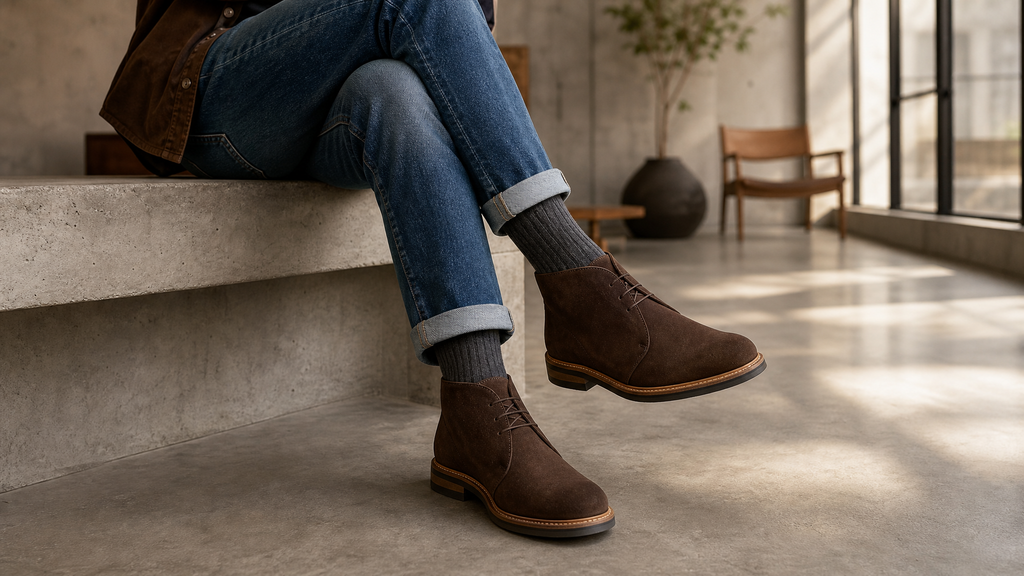
Suede is made from the inner, flesh side of the hide, often called the "split." This gives it that super-soft, pliable feel, but it also makes it more porous and a bit delicate. It's the go-to choice for a relaxed, casual boot like a chukka or a sharp Chelsea, where out-of-the-box comfort is the top priority.
Nubuck, however, comes from the outer grain side, just like full-grain leather. The surface is just barely sanded down to create its fine, velvety texture. Because it starts with the tougher outer layer, nubuck retains much of the hide's original strength, making it a far more resilient option than suede. It’s a great pick for boots that need to handle a little more action.
To help you choose between these two, here's a quick comparison:
| Feature | Suede | Nubuck |
|---|---|---|
| Origin | Inner layer (split) of the hide | Outer layer (grain side) of the hide |
| Texture | Softer, fuzzier nap | Finer, more velvety feel |
| Durability | More delicate and prone to stains | More durable and wear-resistant |
| Best For | Casual, light-duty boots (e.g., chukkas) | Versatile boots needing some resilience |
This infographic provides a quick summary of the primary leather grades we've discussed so far, showing how each is derived from the cowhide.

This visualization reinforces that the best leather for boots, like full-grain, uses the strongest, outermost part of the hide, which is exactly what gives it superior longevity.
Shell Cordovan: The Pinnacle of Luxury Leather
When the conversation shifts to the absolute best material for a dress boot, Shell Cordovan is in a league of its own. It's not technically hide but a specific membrane taken from beneath the skin on a horse's hindquarters. Each horse yields only two small, oval-shaped "shells," making this material exceptionally rare and prized.
What’s all the fuss about? Shell Cordovan has a unique, non-porous fiber structure. This means it doesn't really crease like other leathers; instead, it develops gentle, rolling waves over time. It’s also legendary for its durability and its natural ability to achieve a deep, glass-like shine.
A pair of Shell Cordovan boots is a true investment. Its incredible durability means it can last for decades with proper care, and its distinctive aging process ensures every pair becomes a one-of-a-kind reflection of its owner.
Exotic Leathers: The Ultimate Personalization
For those who want to create something truly unforgettable, exotic leathers offer a level of customization that's second to none. From the bold, distinct texture of alligator and crocodile to the supple, dotted pattern of ostrich, these materials are the pinnacle of bespoke footwear. Each skin has its own signature pattern, guaranteeing that no two pairs of boots will ever be identical.
While they demand specialized care, exotics are all about striking appearance and exclusivity. In our Design Lab, they represent the ultimate chance to craft a boot that is a genuine work of art. To get a feel for the full range of possibilities, you can explore the many leathers and fabrics of Alexander Noel.
It's worth noting that bovine leather, primarily from cowhides, remains the foundation for most high-quality boots due to its ideal balance of availability, strength, and versatility. Accounting for about 65% of worldwide leather production, bovine skins offer the tensile strength needed for rugged footwear, with a single hide often yielding enough material for up to six pairs of premium boots. This industry dominance is why footwear consumes nearly 50% of all leather produced. Discover more insights about the leather goods industry on Rawshot.ai.
How Tanning Methods Shape Your Boot's Character
The grade and type of hide set the stage, but the tanning process is where a leather’s true personality is forged. It's a craft that blends centuries of tradition with modern science, turning a raw hide into the stable, beautiful material that becomes the very soul of your boots. The tanner's choice of method directly impacts everything from how the leather feels to the way it will age over decades of wear.
When you understand the difference between the main tanning methods, you start to see your boots from a craftsman's point of view. It lets you appreciate the subtle reasons one leather is soft and pliable while another is firm and structured. This knowledge is key to the bespoke experience, ensuring every choice you make in our Design Lab is intentional and a perfect match for your vision.
Vegetable-Tanned Leather: An Old-World Classic
Vegetable tanning is the original, time-honored method—an art form practiced for millennia. This slow, careful process uses natural tannins from organic sources like tree bark, wood, and leaves. A hide can spend weeks, or even months, submerged in a series of these tanning liquors as it gradually absorbs them.
This patient approach results in a leather with a distinct, earthy smell and a firm, substantial body. Because it’s free from synthetic chemicals, it’s exceptionally breathable and molds to your foot over time, creating a fit that becomes uniquely yours.
But the real magic of vegetable-tanned leather is how it ages. It develops the richest, most complex patina imaginable. Exposure to sunlight, the oils from your hands, and daily wear deepens its color and evolves its character, literally telling the story of your journeys. It's the perfect choice for an heirloom-quality boot where that unique aging process is the entire point.
Chrome-Tanned Leather: The Modern Standard
By contrast, chrome tanning is a much faster, modern process developed in the mid-19th century. It uses chromium salts to tan a hide, a method that can be finished in as little as a single day. That efficiency, along with its unique properties, has made it the leading method in the footwear industry, accounting for over 80% of all leather production.
Chrome-tanned leather is loved for its softness, flexibility, and stunning color vibrancy. The process opens up a huge spectrum of brilliant, consistent colors that are far more resistant to fading. It also boasts superior water and heat resistance right out of the box, making it a highly practical choice for boots meant to face the elements.
While vegetable-tanned leather is celebrated for developing a patina, chrome-tanned leather is valued for its ability to resist change. Its color and texture stay remarkably stable over time, giving you a consistent look for years. This makes it a great option when you want a specific color to stay true.
Specialized Tanning for Unique Performance
Beyond these two main methods, skilled tanneries often blend techniques to create leathers with very specific characteristics. These "combination-tanned" leathers can offer the best of both worlds, resulting in some of the most sought-after materials for crafting high-quality boots.
Two of the best examples are Oil-Tanned leather and the legendary Chromexcel.
-
Oil-Tanned Leather: This starts as a chrome-tanned leather, which is then infused with a special blend of oils and waxes under pressure. This "hot-stuffing" process makes the leather incredibly durable and highly water-resistant. It’s a rugged, tough material built for work boots and outdoor footwear.
-
Horween Chromexcel: A true icon in the leather world, Chromexcel is a combination-tanned leather that goes through at least 89 separate processes over 28 working days. It's famous for its "pull-up" effect—when you bend or flex the leather, the oils and waxes move around, causing the color to lighten in that area. This creates a beautiful, dynamic appearance that builds a rich patina all its own.
These specialized leathers showcase the incredible artistry that goes into making a world-class material. They give you a level of personalization that goes beyond just color or texture, letting you choose a material based on its specific performance—whether that's rugged water resistance or a dynamic, shifting color profile.
Matching Leather to Your Lifestyle and Boot Type
This is where all that knowledge pays off. Choosing the right leather isn't just a technical decision; it's about matching the material's soul to your daily life. Think of this as your practical guide, so when you step into our Design Lab, you can build a boot with intention—one that not only looks incredible but performs exactly how you need it to.
The idea is to craft a boot that feels like a natural part of your life, whether you're in the boardroom, on a job site, or just kicking around town over the weekend. Each situation has its own demands, and the right leather is what makes all the difference.
For the Professional: The Boardroom and Beyond
A dress boot meant for the office needs to be sleek, refined, and polished. The leather has to hold a sharp, clean line, projecting confidence and a sharp eye for detail. Of course, it needs to be comfortable for long days, but the look is what leads.
In this arena, two leathers are simply a cut above the rest:
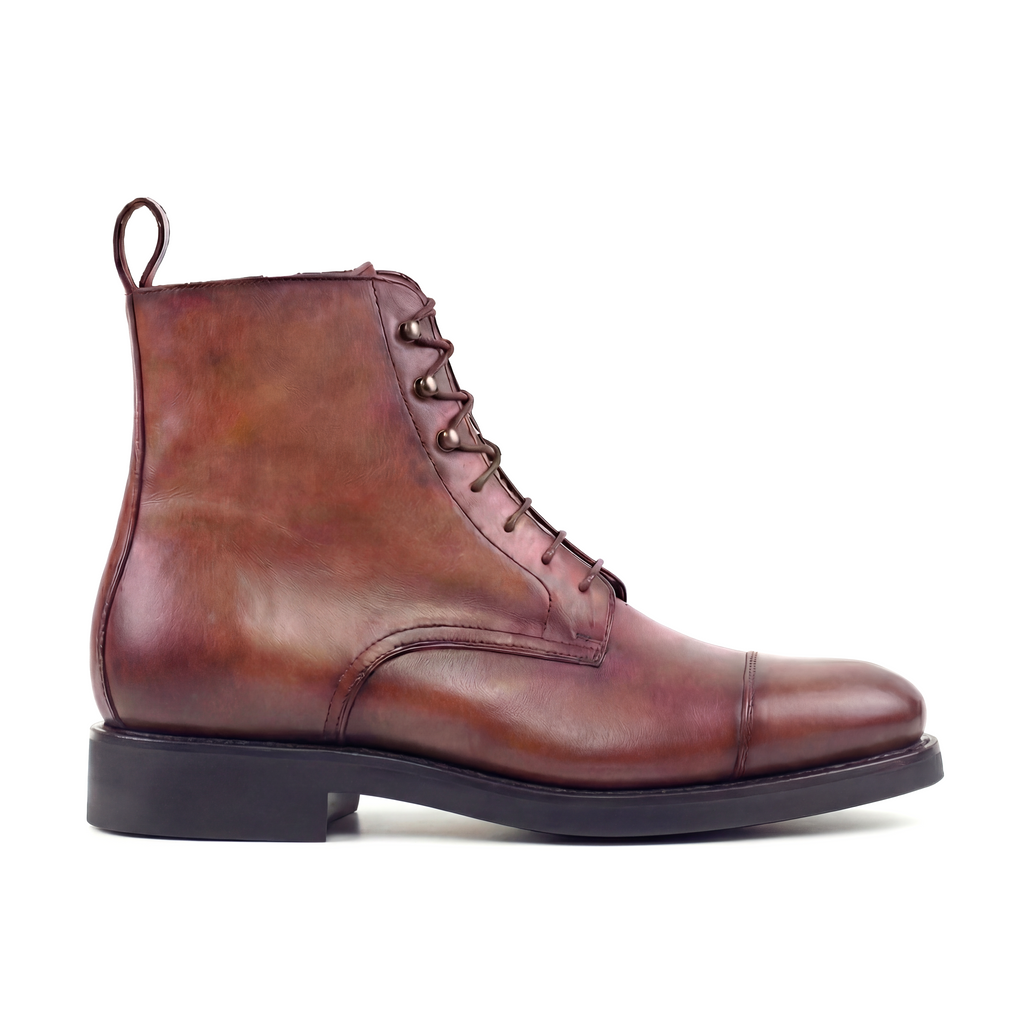
- Fine-Grain Calfskin: With its smooth, tight grain and buttery feel, calfskin is the classic choice for a dress boot. It polishes up to a brilliant shine with very little work and gives off an air of quiet luxury that’s the perfect partner for a good suit.
- Shell Cordovan: If you're looking to make a real statement in both luxury and durability, Shell Cordovan is in a class of its own. It has a unique, dense structure that doesn't crease like other leathers. Instead, it develops these beautiful, rolling waves over time. The deep, glassy shine it can achieve is the stuff of legend, making it the top choice for a boot that's both a daily workhorse and a future heirloom.
For the Doer: The Demands of a Work Boot
Work boots are a whole different ball game. Here, it’s all about toughness, resilience, and keeping your feet protected. The best leather for a work boot has to stand up to scrapes, shrug off water, and take a beating day after day.
The undisputed champs for a rugged, reliable work boot are:
- Oil-Tanned Leather: This material is engineered for hard use. It's packed with oils and waxes, which makes it incredibly water-resistant and helps it stay flexible even after it gets soaked and dries out. It’s a low-maintenance workhorse, and any scuffs or scratches just add to its rugged character.
- Thick Full-Grain Leather: This is leather in its purest, strongest form. Since the top grain is left completely intact, it offers the best possible abrasion resistance and breathability, which is a lifesaver during long hours on your feet. It takes some time to break in, but once it does, it molds to your foot for support that’s second to none.
A Practical Takeaway This isn't just for the job site. If your weekends involve yard work, home improvement projects, or any activity that’s tough on your footwear, choosing a work boot-grade leather is a smart investment that will pay you back in durability.
For Everyday Life: The Versatile Casual Boot
The casual boot is the MVP of most wardrobes, perfectly bridging the gap between dressy and down-to-earth. It has to be comfortable from day one, look good in all sorts of situations, and be tough enough for the daily grind.
For this role, you want leathers that are full of character and comfort:
- Horween Chromexcel: The "pull-up" effect of Chromexcel, where the oils and waxes move around to create lighter tones when the leather is bent, gives it a rich, dynamic look that's perfect for a casual boot. It's tough but pliable, making the break-in period pretty easy. It looks just as good with jeans as it does with chinos, which is why so many guys swear by it.
- Suede or Nubuck: For a softer, more relaxed style, suede and nubuck are fantastic options. Suede brings a level of comfort and laid-back style that’s perfect for chukkas or Chelsea boots. Nubuck gives you a similar velvety feel but is a bit more durable, making it a great pick if your daily life is a little more active.
This move toward high-quality, versatile leathers is a major trend. People are realizing that premium grades are the best choice for high-end boots, and they're willing to invest in quality. Market forecasts show premium leather's share growing with a 4.6% CAGR from 2024-2029, helping push the entire leather boots market up by USD 8.02 billion as buyers focus on quality. This is especially true for casual boots, which make up a huge 30-35% of the market. You can read more insights on the growing leather boots market on ResearchAndMarkets.com.
Caring for Your Investment and Cultivating Patina
Think of a pair of custom boots as more than just something you wear. They're a long-term investment in your personal style. Proper care is what protects that investment, making sure your boots not only last for decades but also develop a rich character that's uniquely yours. This goes beyond simple maintenance into the art of patina—the beautiful story your boots tell as they age right along with you.

It’s in this evolution where true luxury and personalization really meet. A well-cared-for boot doesn't just hold up; it gets better, becoming a one-of-a-kind reflection of your journey. Every scuff, crease, and subtle shift in color adds to its narrative.
Essential Leather Care by Type
Different leathers need different game plans to stay in peak condition. A simple routine tailored to your boot’s material will preserve its integrity and good looks for the long haul.
-
Smooth Leathers (Full-Grain, Calfskin, Chromexcel): These leathers get thirsty. Wipe them down with a damp cloth to get rid of dirt, then follow up with a high-quality leather conditioner every few months. This keeps the leather supple and prevents it from drying out and cracking.
-
Napped Leathers (Suede and Nubuck): Here, water is the enemy. Your best friends are a specialized suede brush to gently lift dirt and restore the texture, and a suede eraser for stubborn spots. A good protective spray is also a smart move to repel moisture before it can cause problems.
-
Oiled Leathers: Built tough from the start, these leathers are already infused with oils. To maintain them, just clean them with a brush and, once in a while, re-apply a conditioning product made specifically for oil-tanned leather to replenish its natural defenses.
Embracing the Beauty of Patina
Patina is just a fancy word for the graceful aging that turns a new pair of boots into something that feels like an heirloom. It's the visual proof of life—of wear, sunlight, and conditioning—that creates a unique finish you simply can't buy off the shelf. Vegetable-tanned and full-grain leathers are famous for their ability to develop a deep, rich patina over time.
The goal isn't to keep your boots looking brand new forever. The goal is to help them age beautifully, allowing their story to unfold. This is the essence of owning a truly bespoke item—it evolves with you.
This personal touch is at the heart of what we do at Alexander Noel. By caring for your boots, you’re actively participating in their story long after they've left our artisans' hands. To get a closer look at how this beautiful aging process works, you can explore the art of handmade patina in our dedicated guide.
Common Questions About Boot Leathers
When you're diving into the world of custom boots, a few questions always seem to pop up. We get it. Choosing the right leather is a big decision, and as your guide, we want to make sure you have the answers you need to create your perfect pair with confidence. Let's walk through some of the most common queries we hear from customers in our Design Lab.
One of the first things people ask about is breathability, especially for all-day wear or in warmer weather. For that, full-grain leather is the undisputed champion. Its natural pore structure is completely untouched, which means air can circulate freely and moisture can escape. This keeps your feet cooler and drier than leathers that have been sealed with a synthetic topcoat.
Durability and Water Resistance
"Can any leather be truly waterproof?" That's a big one. While no traditional leather will ever be 100% waterproof like a rubber Wellington, some get remarkably close. Oil-tanned leather, for instance, offers incredible water resistance because it's packed with oils and waxes that naturally push water away. Many modern chrome-tanned leathers also receive special treatments to make them highly practical for a sudden downpour. Ultimately, though, proper care is what locks in that resistance for the long haul.
Another frequent concern is what to do about the inevitable scuffs and scratches from daily life.
- For full-grain and Chromexcel leathers: You'll be surprised what a simple buffing with a soft cloth or horsehair brush can do. The oils already in the leather work with the friction to help minor marks fade right into the patina.
- For suede and nubuck: You’ll want to have a specialized suede eraser and brush on hand. These tools are designed to gently lift away marks without messing up that soft, napped texture.
The key thing to remember is that the best leathers are designed to be resilient. A few minor imperfections aren't a flaw; they're the start of your boot's unique story, adding character as it ages with you.
Knowing these little details helps you pick a material that truly fits your life and how to care for it properly.
Your journey to the perfect pair of boots starts with the perfect design. At Alexander Noel, our Design Lab puts you in control, allowing you to create handcrafted footwear that is uniquely yours. Begin your custom design experience today.
Related post
12
Sep
12
Sep
12
Sep
29
Aug
