

RECENT POSTS

29.August.2026
Custom Women's Boots for Fall: Choosing Between Two Black Chelsea Silhouettes
0 Comments










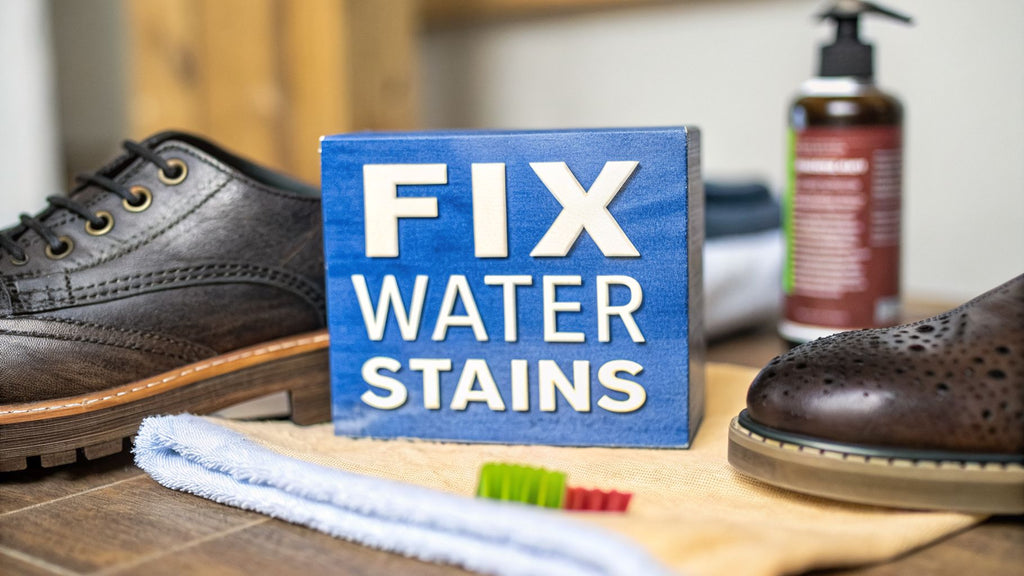
How to Remove Water Stains From Leather Shoes and Restore Their Shine
It’s a moment every owner of fine footwear dreads: that first glance down at a dark, ring-like mark on a favorite pair of handcrafted shoes. That water stain on leather shoes is more than just frustrating; it’s a tiny lesson in chemistry playing out on your prized investment.
Why Water Stains Form on Fine Leather
Many people think water itself is the culprit, but that's not the whole story. The real issue is what the water leaves behind.
Leather is a porous material. When a drop of water—say, from an unexpected downpour or a clumsy spill—lands on the surface, it sinks in and pushes aside the natural oils and dyes within the hide. As the water evaporates, it pulls those oils, along with any minerals and impurities from the water itself, up to the surface. What's left is a concentrated ring or "tide mark" where the edge of the puddle used to be. That’s why even a small, seemingly harmless drop can create such a distinct, stubborn spot.

Fresh Spills vs Set-In Stains
How you tackle the stain really depends on how long it's been there. A fresh mark requires a different approach than one that has had time to dry and settle into the leather's fibers.
- A Fresh Spill: You'll see this as a dark, damp spot. The edges will look a little blurry because the water is still moving through the leather. This is the best time to act—the minerals haven't had a chance to fully set.
- A Set-In Stain: Once the water has completely evaporated, the stain usually develops a sharp, well-defined edge. The area might look darker than the rest of the shoe and could even feel a bit stiff or crusty to the touch. This is the mineral residue left behind.
Understanding this process is crucial. You're not just wiping a surface; you're trying to correct an imbalance within the leather itself. The goal is to gently remove the foreign deposits and redistribute the leather's natural oils.
Every pair of custom shoes tells a story, and a water stain is just an unexpected chapter, not the end of the book. By understanding what's actually happening to the leather, you can care for your footwear with the same attention to detail that our global artisans put into crafting it.
Assembling Your Leather Care and Restoration Toolkit
Before you ever touch a water stain on leather shoes, you need the right tools on hand. Think of it as putting together a first-aid kit for your bespoke footwear. Having a curated set of supplies means you can act fast, stopping a minor spill from turning into a permanent disaster.
This isn't about buying every product you see online. It’s about being selective and choosing a few high-quality essentials. Your core toolkit should be simple but effective, built to protect the integrity of your artisan-crafted shoes. It also helps to understand the philosophy behind restoration—much like knowing the effects of restoration on antique pieces, you want to preserve, not just repair.
Core Components for Your Kit
Your immediate-response kit should have a few key items. These tools are versatile enough for most small accidents and are crucial for routine maintenance.
- Soft Microfiber Cloths: Get at least two. Their fine fibers are incredibly gentle on delicate leather, perfect for blotting away moisture without scratching the finish.
- A Quality Leather Cleaner: Find a pH-balanced formula made specifically for premium footwear. Anything too harsh will strip the natural oils right out, leaving your shoes dry and prone to cracking.
- Premium Leather Conditioner: This is completely non-negotiable. After any treatment, a good conditioner puts back the essential oils that water displaces, keeping the leather supple and restoring its natural glow.
- Distilled Water: Always use distilled water, not tap. It’s free from the minerals that can leave behind their own stains, making it the only safe choice for dampening leather during cleaning.
Having these items ready means you're always prepared. The real goal isn't just to remove a stain—it's to do it while keeping the leather healthy for years to come.
It's no surprise that the demand for these kinds of specialized care products is on the rise. The global leather chemicals market was valued at USD 10.7 billion in 2025 and is projected to hit USD 20.3 billion by 2035. That's a huge investment in protecting luxury goods.
For a deeper dive into what you should have in your arsenal, check out our complete guide on building the perfect leather shoe care kit. A little preparation goes a long way in handling any mishap with confidence.
A Practical Guide to Treating Different Leather Types
Not all leathers are created equal, and the way they handle a run-in with water can vary dramatically. You simply can't treat a rugged, full-grain leather boot the same way you'd approach a delicate suede loafer. Understanding these differences is absolutely essential to saving your handcrafted footwear without accidentally causing more damage. Successfully treating a water stain on leather shoes isn't about one magic bullet; it's about tailoring your technique to the material in your hands.
This whole process, from figuring out if a stain is fresh or old to picking the right tool for the job, is what separates success from disaster.

As you can see, the decision is pretty straightforward: you have the best chance if you act right away on a fresh stain. Older, set-in marks are going to need a bit more persuasion with specialized cleaners.
To make this easier, here's a quick cheat sheet for the most common leathers you'll encounter.
Leather Type Stain Removal At-A-Glance
| Leather Type | Recommended Cleaner | Application Method | Key Precaution |
|---|---|---|---|
| Smooth Leather | Distilled water | Damp cloth, feathering motion across the entire panel | Avoid spot-treating; blend the moisture to prevent new rings |
| Suede & Nubuck | Suede eraser & brush | Blot (don't rub) wet spot, let dry, then erase & brush | Never use water directly; work gently to protect the nap |
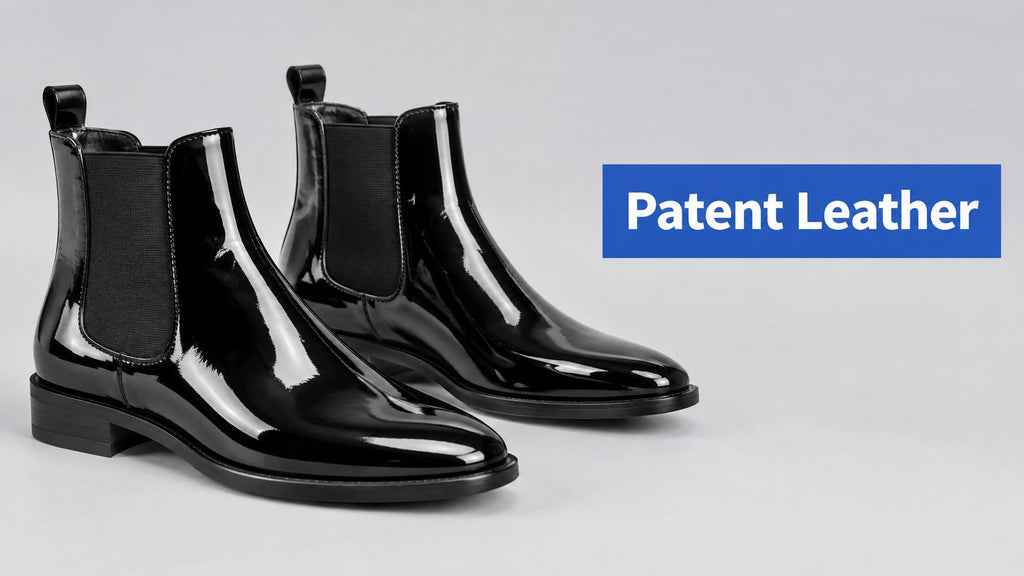
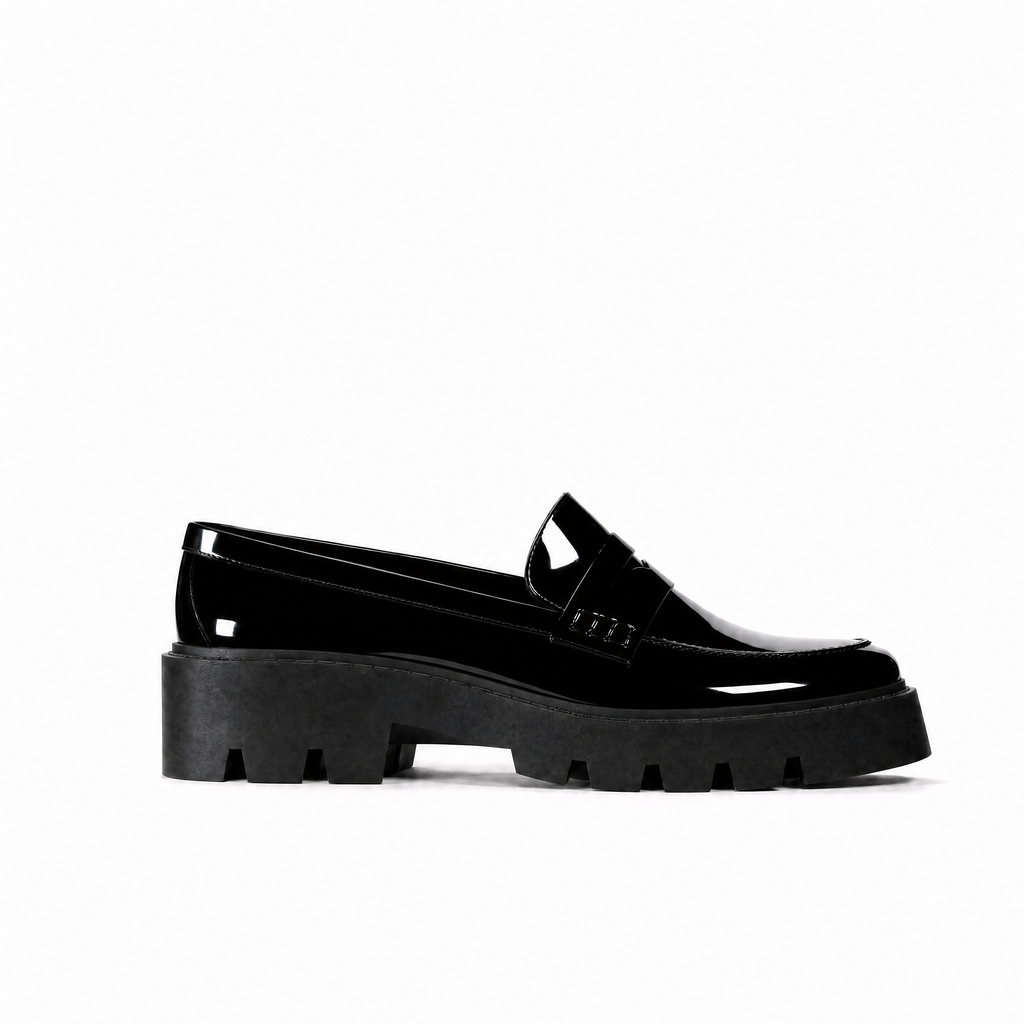
| Patent Leather | Damp microfiber cloth | Simple wipe down, followed by a dry cloth | Avoid abrasive cleaners that can dull the high-gloss finish |
| Exotic Leathers | Professional advice | Blot immediately, then consult an expert | High risk of permanent damage; DIY methods are not recommended |
This table gives you the basics, but let's get into the specifics of how and why these methods work.
Working with Smooth Finished Leather
Let's say you're caught in an unexpected shower and a few raindrops splash onto your custom calfskin oxfords. With smooth leathers like calfskin or full-grain, your goal isn't just to attack the spot, but to gently blend it away.
Grab a clean microfiber cloth and dampen it—not soak it—with distilled water. Start at the center of the stain and gently wipe the entire leather panel in a circular, outward motion. We call this "feathering," and it's the secret to preventing a new, bigger water ring from forming as it dries.
The trick is to evenly dampen the whole section where the stain is, not just the stain itself. This forces the entire area to dry at the same rate, which makes that original tidemark from the water's mineral deposits simply disappear.
After that, the hard part: patience. Let the shoes air dry completely, and keep them far away from any heaters or direct sunlight. It’s the safest, most effective way to handle this resilient material.
Handling Porous Leathers Like Suede and Nubuck
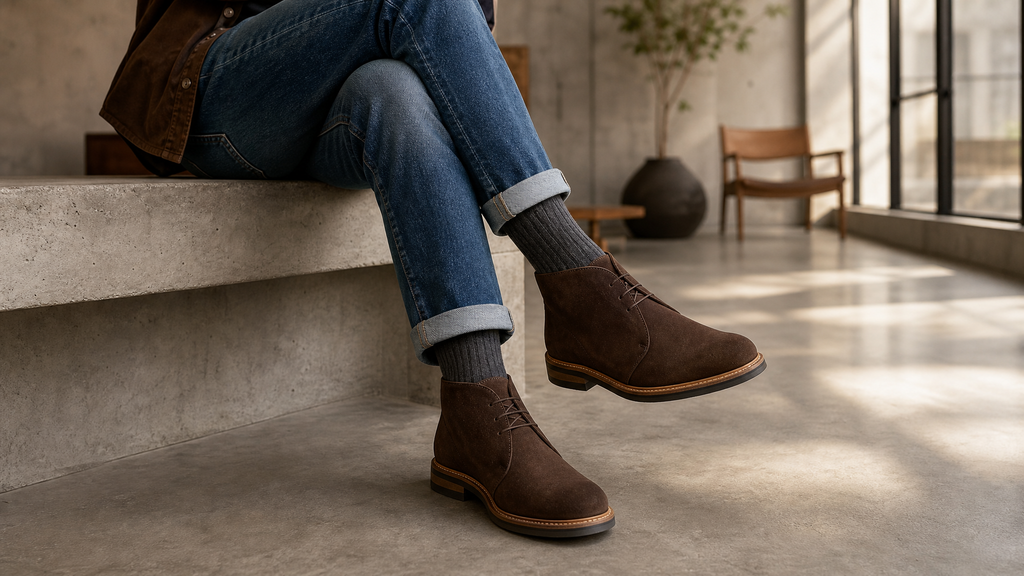
Suede and nubuck are a completely different ballgame. Their soft, napped texture is like a sponge, making them incredibly susceptible to water spots. If you spill something on your favorite suede chukkas, that liquid is going to soak in immediately, leaving a dark, ugly patch.
For these leathers, you need to be precise.
- Blot Immediately: The second it happens, take a clean, dry cloth and press it firmly onto the spot to soak up as much moisture as you can. Whatever you do, don't rub. That will only push the water deeper and crush the delicate fibers.
- Grab an Eraser: Once the area is bone dry, take a dedicated suede eraser and gently work on the stain. The eraser literally lifts the stained fibers away from the surface.
- Revive the Nap: After erasing, take a proper suede brush and brush the area in one direction. This lifts the fibers back up and restores that uniform, velvety texture, making the repaired spot blend right in.
Because of their unique makeup, suede shoes can be tricky. For a much deeper dive, check out our comprehensive guide on how to remove stubborn stains from suede.
Treating Exotic and Delicate Leathers
But what if the damage is on something a little more special, like custom alligator loafers or your patent leather pumps? These materials require the absolute most delicate touch. For patent leather, it's usually an easy fix—a quick wipe with a damp cloth and then a buff with a dry one is all it takes. The glossy coating is a great barrier.
For textured exotics like alligator or snakeskin, however, the strategy is extreme caution. The best first move is almost always to just blot the spot and let it dry. If a mark is still there, your next step should be to find a professional cobbler who has experience with these materials. While you can find some general water stain removal techniques online, they aren't always suitable for these expensive and fragile skins.
At the end of the day, the goal is to protect the craftsmanship and unique character of your shoes. And the most critical part of that is choosing the right method for the right leather.
The Art of Drying and Conditioning After Treatment

Getting the water stain on leather shoes out is really only half the job. What you do next—the drying and conditioning—is where you either save your shoe’s character or ruin it for good. This is the stage that truly brings back the supple feel and deep shine that bespoke footwear is all about.
The single biggest mistake we see people make is rushing this part. Your first instinct might be to grab a hairdryer or set the shoes near a heater, but please, don't. That kind of direct heat is the fastest way to destroy leather. It aggressively pulls out all the essential oils, leaving the material brittle, faded, and prone to cracking.
The Power of Patient Air-Drying
The only way to do this right is to let them air-dry slowly and naturally at room temperature. This gives the moisture a chance to evaporate evenly, so the leather won't shrink or lose its shape.
To make sure your shoes hold their form, slide in a pair of quality cedar shoe trees. They’re not just for shape; the cedar actively pulls out any remaining moisture from inside the shoe and helps deodorize it at the same time.
Think of this as a recovery period. The leather has been through some stress. Giving it time to dry on its own is the most critical part of a successful restoration.
Once they feel completely dry to the touch, which might take up to 24 hours, it’s time to move on to the final, and most rewarding, step.
Restoring Vital Nutrients with a Conditioner
Conditioning is what brings your shoes back to life. The cleaning process, even when gentle, strips away some of the natural fats and oils that keep leather healthy. A good leather conditioner puts those vital nutrients back in.
Take a soft cloth and apply a small, dime-sized amount of conditioner. Work it into the leather with small, circular motions. Make sure to cover the entire shoe, not just the spot you treated, to get a consistent finish. Let the conditioner soak in for at least an hour before you grab a clean cloth and buff it to a soft sheen.
This isn’t just about making them look good. You’re feeding the leather, making it more resilient for the next time it faces the elements. For a deeper dive into long-term care, our guide on how to properly clean and care for leather boots has more tips. Proper conditioning turns a simple fix into a full rejuvenation, ensuring your custom shoes will be with you for years to come.
Proactive Care to Prevent Future Water Stains
While knowing how to fix a water stain on leather shoes is a great skill to have, the best strategy is always prevention. A few simple, proactive habits are all it takes to build a solid defense against moisture, protecting the artistry and investment in your custom footwear.
The most important step is creating a protective barrier. Your best friend here is a high-quality waterproofing spray made specifically for fine leather. These aren't like the heavy, old-school waxes that clog up the leather's pores. Modern sprays create a micro-thin, breathable shield.
This invisible layer lets moisture from your feet escape but makes water droplets from the outside bead up and roll right off. It’s a smart solution that respects the natural integrity of the leather, keeping its texture and color just as they should be.
Building Your Protective Routine
Consistent care doesn't just protect your shoes from the odd rainstorm; it actually builds up the leather's natural resilience over time. Your routine should be simple and easy to stick with.
- Regular Waterproofing: Give your shoes a coat of quality waterproofing spray every few months. If you wear them often in damp weather, you might want to do it more frequently. Just make sure to apply it to clean, dry shoes for the best results.
- Consistent Cleaning: Don't let dirt and grime hang around. A quick wipe-down with a soft, dry cloth after you wear them is enough to remove tiny abrasive particles that can weaken the leather's surface.
- Strategic Conditioning: Conditioning isn't just for fixing problems. A light application every few wears keeps the leather’s fibers supple and nourished, making them naturally better at repelling water in the first place.
This focus on protection is a growing trend. The global market for leather care products was valued at USD 7.65 billion back in 2025 and is expected to hit USD 11.1 billion by 2032. It’s clear that more and more people understand the value of protecting high-end footwear. You can find more details on this growing market over at Research and Markets.
Smart Storage for Long-Term Preservation
How you store your shoes when you're not wearing them is just as crucial as how you treat them. Proper storage keeps them safe from dust, sunlight, and humidity—all things that can break down the leather and its protective finish.
The whole point of storage is to create a stable, safe environment. Avoid plastic bags completely, as they trap moisture and can quickly lead to mildew. Go for breathable cotton or flannel shoe bags instead.
These bags let the air circulate while keeping your shoes protected. For the absolute best care, always use cedar shoe trees. They do double duty by maintaining the shoe's shape and absorbing any leftover moisture and odor from the inside. This simple combination of proactive treatment and smart storage is the best way to preserve the story and craftsmanship of every pair you own.
You might also be interested in our guide on how to safely wear your leather shoes in the rain.
Common Questions About Leather and Water Stains
Even the most careful owner runs into issues. That moment you look down and see a water stain on your leather shoes can be a real heart-stopper, but having the right answers on hand makes all the difference. We get a lot of questions about specific situations, so let's clear up some of the most common myths and scenarios.
Think of this as your go-to guide for those "what if" moments. The idea is to give you the confidence to handle any water mishap with the same care our artisans put into crafting your shoes in the first place.
Can You Remove Old Water Stains from Leather?
Absolutely, but it's going to take more patience than dealing with a fresh spot. An old stain has had plenty of time for mineral deposits to work their way deep into the leather's fibers. You can't just wipe it away.
You'll need a quality leather cleaner to gently lift those set-in minerals. Once it's clean, the trick is to re-moisturize the entire panel with distilled water to create an even surface as it dries. After it's completely dry, you follow up with a thorough conditioning. Be gentle, and don't be afraid to repeat the conditioning process if the leather still feels a bit stiff.
What Is the Difference Between Water Stains and Salt Stains?
This is a critical distinction, especially if you live somewhere with real winters. They might look similar at first glance, but they're completely different beasts and require different treatments.
- Water Stains: These are your classic "tide marks" left behind by minerals in rain or tap water. They usually show up as a dark ring or a discolored patch once the water evaporates.
- Salt Stains: These look like a white, chalky line or residue. They appear after your shoes have been exposed to melted snow or ice, which is often treated with rock salt. Salt is incredibly damaging because it actively pulls moisture out of the leather, leading to brittleness and cracking.
For salt stains, you first need to dissolve the salt crystals. A simple mix of one part white vinegar to two parts water on a cloth usually does the trick. Dab it on, wipe away the residue, and then you can proceed with your normal cleaning and conditioning routine.
Knowing the difference is everything. If you treat a salt stain like a simple water mark, you're leaving that corrosive residue behind to keep damaging the leather.
Can I Use Household Products Like Rubbing Alcohol?
You'll find all sorts of "hacks" online suggesting rubbing alcohol, hairspray, or other household chemicals. For high-quality, artisan footwear, please don't do it. These products are far too harsh and will strip the dyes and essential oils right out of the leather.
It’s a gamble that almost always ends badly. You risk:
- Permanent discoloration that looks much worse than the original stain.
- Severe drying that makes the leather brittle and prone to cracking.
- Destroying the original protective finish applied by the shoemaker.
Stick to products specifically formulated for leather. Your bespoke shoes are made from premium materials that deserve proper care, not a risky shortcut from a blog post. The goal is to protect the integrity of the leather for the long haul.
Your bespoke footwear is an investment in quality and a direct reflection of your personal style. At Alexander Noel, we give you the tools to bring that vision to life, from selecting the perfect premium leathers to deciding on the final handcrafted stitch. Explore the possibilities and design your own one-of-a-kind pair in our Design Lab today.
Related post
12
Sep
12
Sep
12
Sep
29
Aug
