


RECENT POSTS
29.August.2026
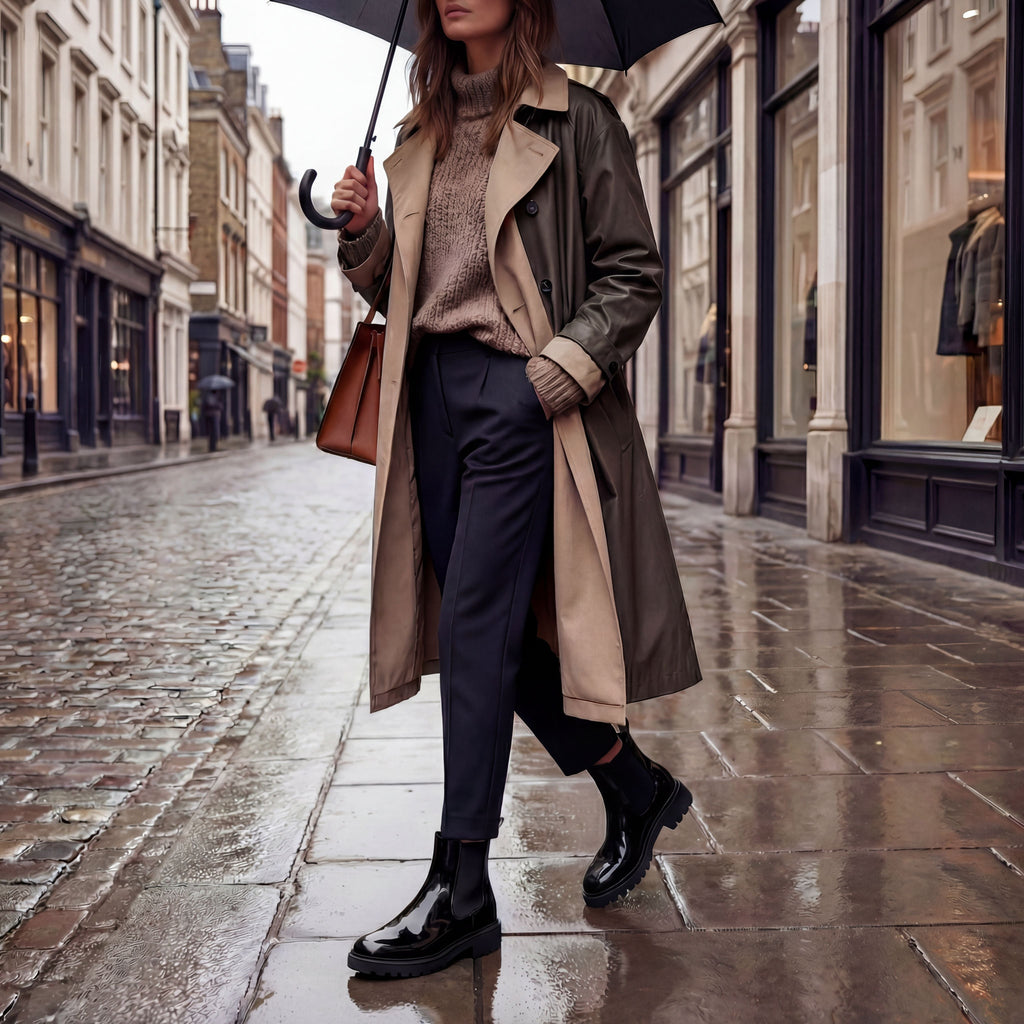
Custom Women's Boots for Fall: Choosing Between Two Black Chelsea Silhouettes
0 Comments
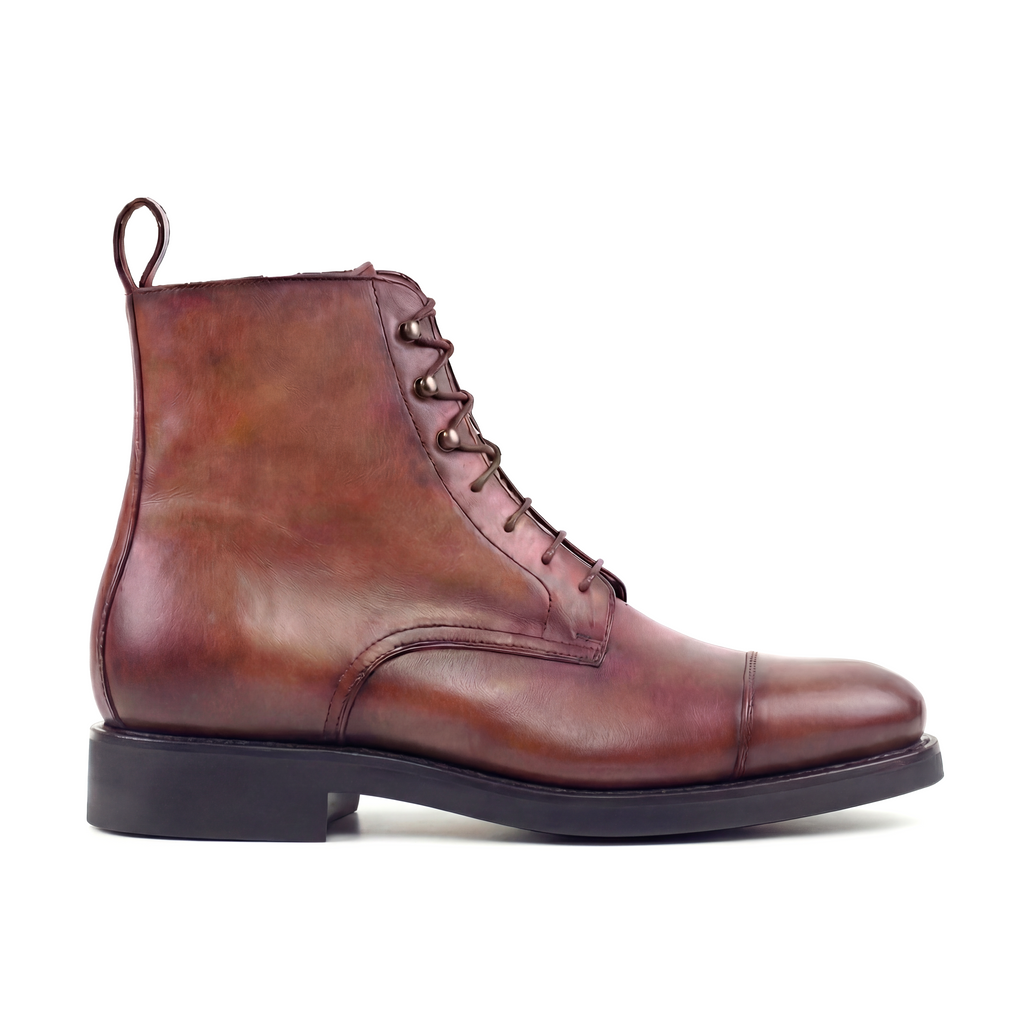
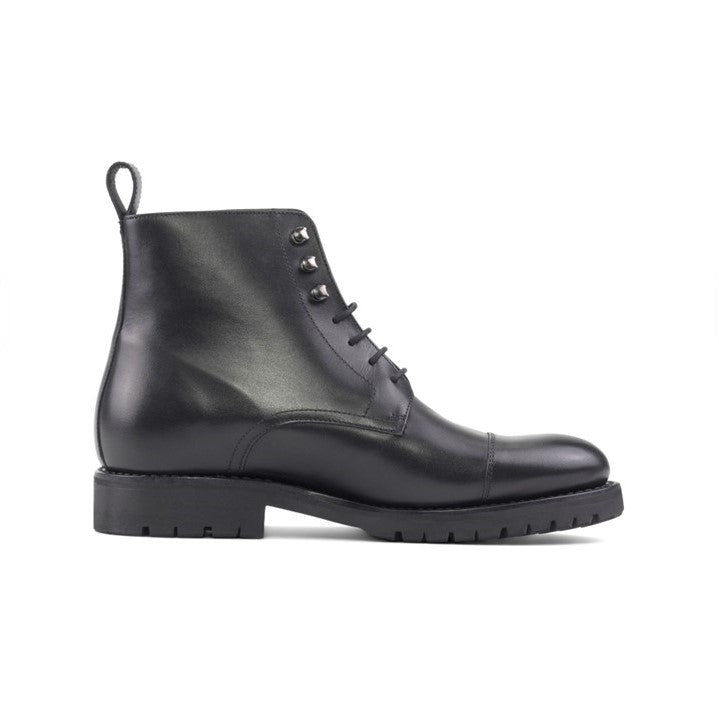
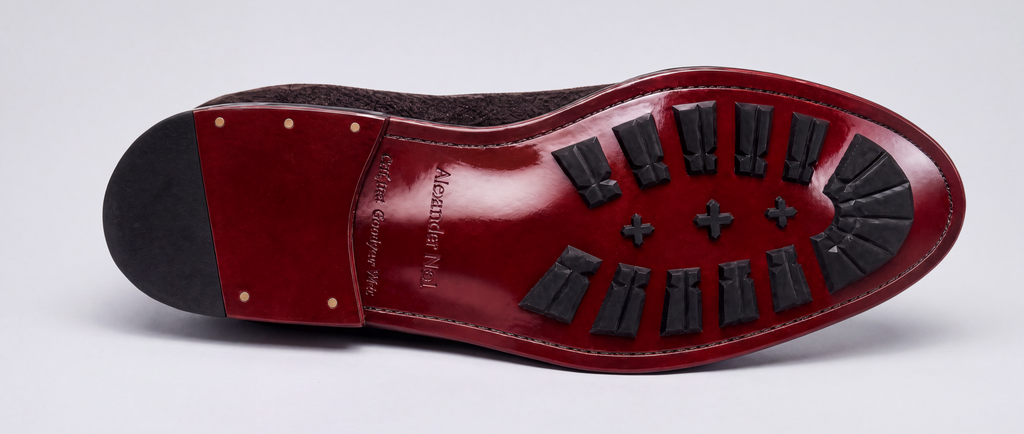
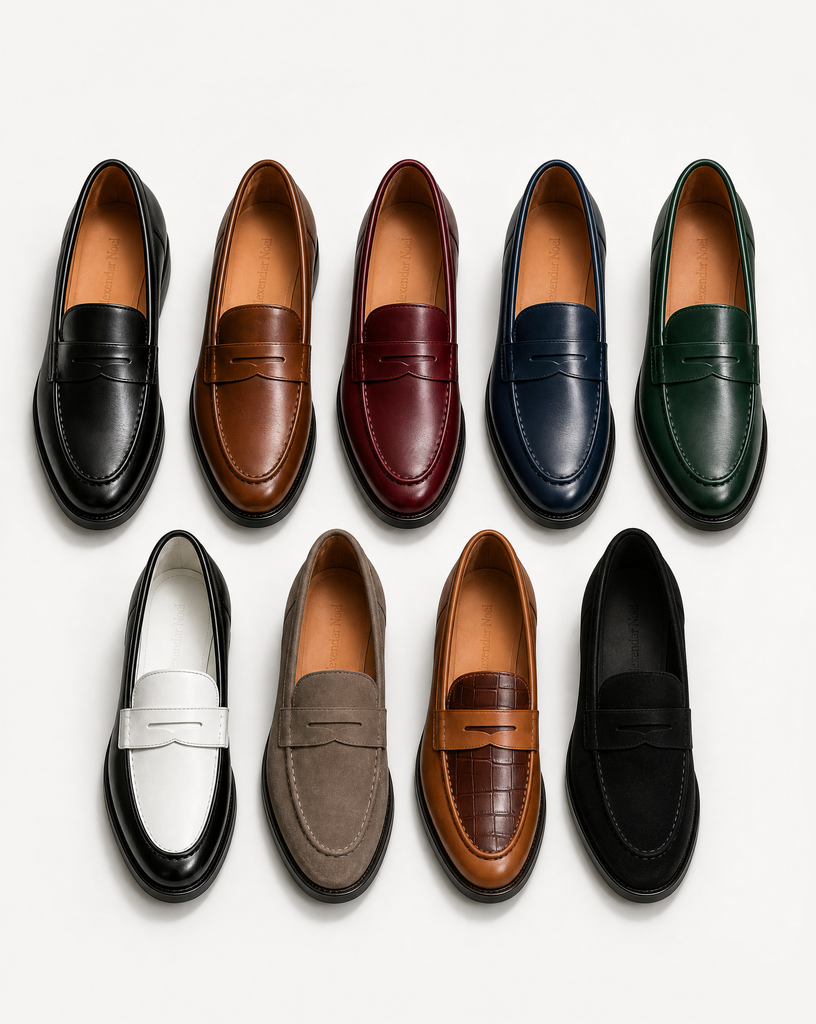
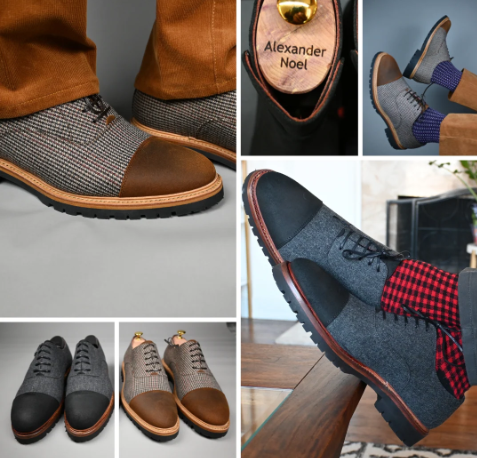
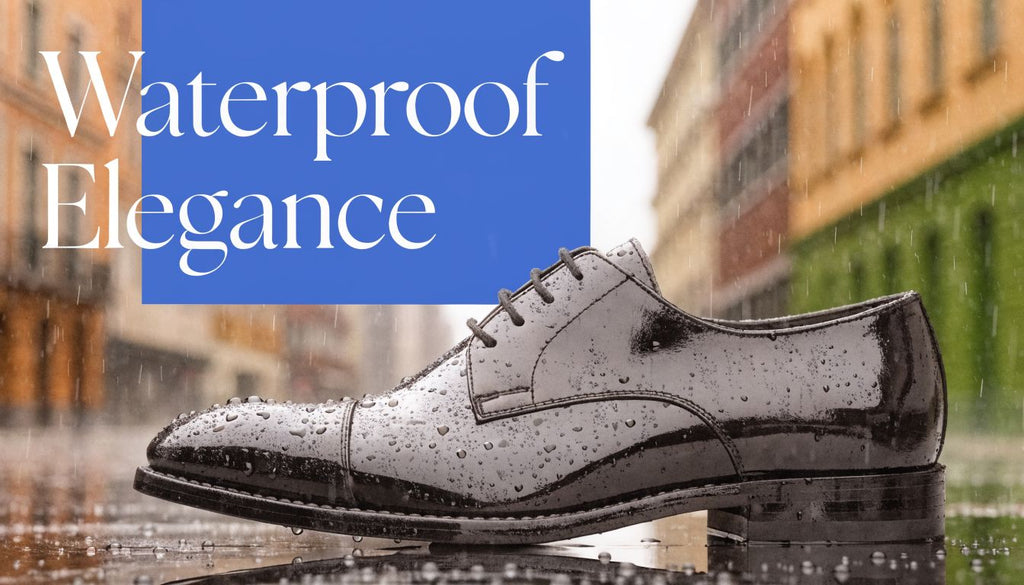


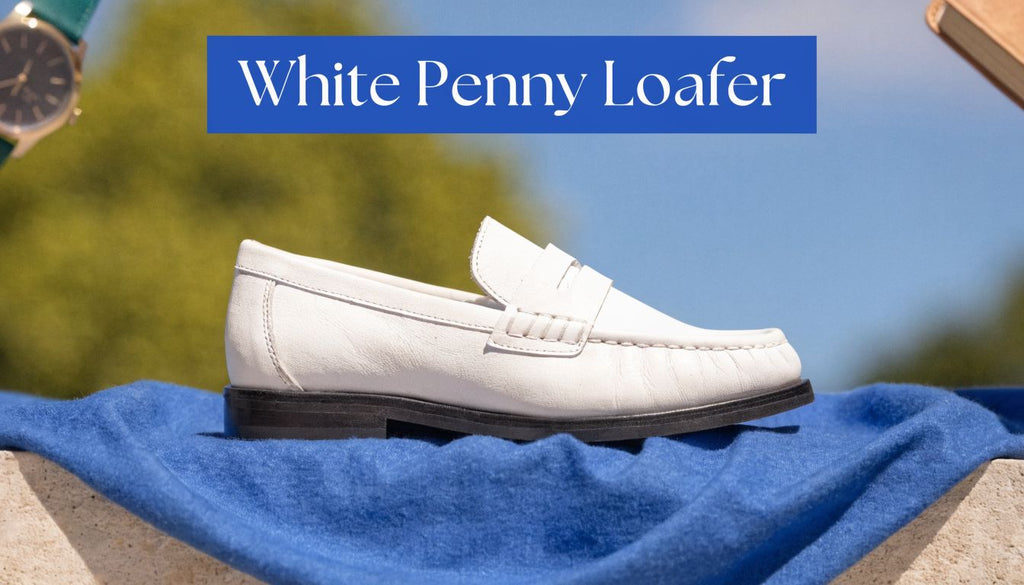

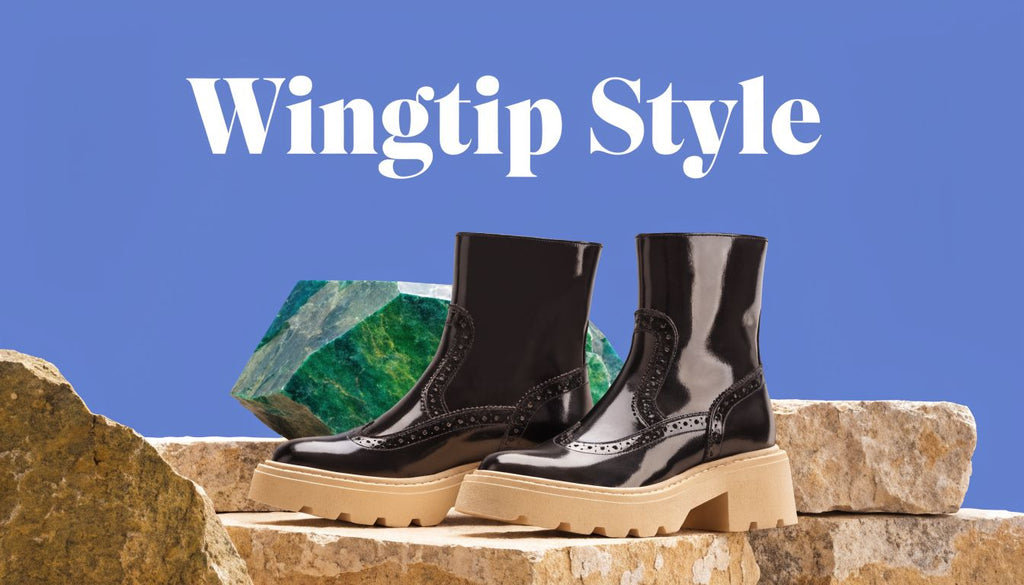




Mastering handmade dress shoes / Craft, Comfort, and Perfect Fit
In a world saturated with fast fashion, handmade dress shoes stand apart as a return to genuine quality, individual personality, and value that lasts. Think of it less like buying something off the shelf and more like commissioning a piece of wearable art that tells your own story. This guide is your first step in understanding why a handmade pair is a true investment in your confidence and style, blending traditional craftsmanship with modern innovation.
Why Choose Handmade Dress Shoes

Choosing handmade dress shoes is a conscious decision to step away from the disposable cycle of mass-produced footwear. A factory-made shoe is designed around a fleeting trend; a handcrafted pair is built for a lifetime.
It really comes down to the human touch. An artisan has spent years mastering their craft, and every single cut, stitch, and polish is a testament to that skill. This meticulous process, passed down through generations, creates a shoe that not only has a superior look but offers a level of comfort and personalization that a machine simply can't match.
Beyond the Assembly Line
Mass production is all about speed and volume. This often means using synthetic materials and glues that are destined to break down. Handcrafted footwear, on the other hand, is built with integrity and longevity in mind.
You can see this commitment in a few key areas:
- Superior Materials: Artisans start with the best. They select premium, full-grain leathers and other high-end components from world-renowned tanneries, ensuring the shoe only gets better with age.
- Anatomical Fit: A handmade shoe is shaped on a "last"—a form that mimics the human foot—for an extended time. This allows the leather to mold into a more natural, ergonomic shape that provides far better support.
- Durability and Repairability: Built with traditional methods like Goodyear welting or Blake stitching, these shoes are made to be resoled. You can extend their life for decades, not just a few seasons.
A handmade shoe isn't just an item you wear; it's a personal statement. It communicates an appreciation for quality, tradition, and individuality in a world dominated by fleeting trends.
Ultimately, investing in handmade dress shoes is an investment in yourself. You get a perfect fit tailored specifically to your feet, a unique style you can personalize, and a durable quality that will long outlast any mass-produced alternative. It's about owning fewer, better things that give you confidence with every step you take.
What Does "Handmade" Really Mean?
In the world of quality shoes, the term "handmade" gets thrown around a lot. But what does it actually mean? Genuine handmade dress shoes are about artistry, not just assembly. Think of it like the difference between a microwave dinner and a meal prepared by a master chef. Both are food, but one is a product of passion, skill, and careful attention.
True craftsmanship is an intensely human process. It means a single artisan, often part of a global partnership of skilled makers, is pouring their expertise into every detail of your shoe. From the first cut of the leather to the final shine, each step is done by hand. It's a level of quality and precision that a machine simply can't replicate.
The Foundation: How The Shoe Is Built
The real soul of a handmade shoe is in its construction—specifically, how the sole is attached to the upper. There are a few ways to do it, but three core methods define the best of the best. Each one offers a different balance of durability, flexibility, and look.
- Goodyear Welting: This is the undisputed king for durability. A leather strip, called a "welt," is stitched to the upper and the insole. Then, in a separate step, the outsole is stitched to that welt. This two-level stitch creates an incredibly sturdy, water-resistant shoe that can be resoled over and over again, extending its life for years.
- Blake Stitching: If you're after a sleek, close-cut silhouette, Blake stitching is the way to go. The outsole is stitched directly to the insole and upper from inside the shoe. This allows for a more flexible, lightweight shoe with a refined, elegant profile.
- Hand-Welting: This is the pinnacle of the craft, and the most labor-intensive. Here, an artisan carves a channel directly into the insole and then hand-stitches the upper, lining, and welt to it. The result is the ultimate in bespoke fit, comfort, and long-term durability.
Handmade dress shoes represent a premium niche where artistry commands high value. The global luxury footwear market is projected to reach $42.01 billion by 2031, with dress shoes holding a significant 56.30% share. Discover more insights about the growing luxury footwear market on assomac.it.
This growth isn't surprising. More and more people are recognizing the incredible value packed into a pair of handmade dress shoes. When you understand how they're built, you see that it's not just a purchase. It's an investment in a piece of wearable art, made to last a lifetime.
Comparing Core Shoe Construction Methods
Getting to know how a handmade dress shoe is built is a lot like looking under the hood of a classic car. This educational approach to footwear helps you appreciate the engine of the shoe—it determines its durability, how it flexes with your foot, and its overall character. While there are a handful of techniques out there, three main methods are the true hallmarks of quality footwear.
Goodyear Welting
Think of Goodyear welting as the time-tested, workhorse foundation of shoemaking. This method uses a leather strip, the "welt," that's stitched first to the upper and then to the outsole.
This double-stitching process creates an incredibly sturdy and water-resistant shoe. More importantly, it means the sole can be replaced over and over by a good cobbler without ever touching the shoe's core structure. It's built for the long haul.
Blake Stitching
For a sleeker, more refined look, there's Blake stitching. Here, the upper is stitched directly to the outsole from the inside of the shoe.
This single stitch pulls the sole in tight, creating a much slimmer profile that's lighter and more flexible right out of the box. It’s the method of choice when elegance and a close-fitting silhouette are the priority.
This map helps visualize how skilled hands, top-tier materials, and precise construction methods come together to create a finished shoe.

It’s a perfect illustration of the three pillars behind every pair of true handmade dress shoes: craftsmanship, materials, and construction.
Hand-Welting
At the very pinnacle of the craft, you’ll find Hand-welting. This is the ultimate bespoke technique, demanding hundreds of hours of focused work from a master artisan.
The process is incredibly intensive. The craftsman carves a channel directly into the leather insole, then painstakingly hand-stitches the upper, welt, and insole together in a single, continuous seam. This offers the best of both worlds: the rugged durability of a welted shoe combined with a level of comfort that only comes from being molded by hand.
To help you compare, here's a quick breakdown of these three key methods.
Shoe Construction Methods at a Glance
| Method | Flexibility | Durability | Resole Potential | Profile |
|---|---|---|---|---|
| Goodyear Welt | Stiffer initially, breaks in over time | Excellent | High (multiple resoles) | Bulkier, more robust |
| Blake Stitch | Very flexible from the start | Good | Limited (1-2 resoles) | Sleek and close-cut |
| Hand-Welt | Excellent, molds to the foot | Exceptional | High (multiple resoles) | Bespoke, can be sleek or robust |
Each construction method tells its own story. The right one for you really just depends on what you value most—whether that’s rugged longevity, a sharp aesthetic, or the absolute peak of personalized craftsmanship.
If you're interested in a deeper dive, you can learn more by exploring our guide on shoe construction methods. Understanding these approaches helps you truly appreciate the art and investment that goes into a pair of quality handmade dress shoes.
The Soul of the Shoe: The Right Materials

A shoe is only as good as the materials it’s made from. Once you understand the construction, the next step is appreciating what it’s built with. For handmade dress shoes, the leather chosen isn't just a minor detail—it's the very soul of the shoe.
Think of premium leather like a fine wine. Its character, how it ages, and its durability all come down to its origin and how it’s been treated. You’ve probably seen what happens with low-quality leather; it looks fine at first but quickly starts to crack, scuff, and lose its shape.
This is why we partner with artisans across the globe who are absolutely obsessive about sourcing only the best hides.
The Anatomy of Premium Leather
It’s important to know that not all leather is the same. The part of the hide used and the way it’s processed makes a massive difference in the final product. Here are the grades you’ll want to be familiar with:
-
Full-Grain Leather: This is the best you can get, period. It’s the top layer of the hide, complete with all its natural grain and unique markings. It's incredibly strong, breathable, and develops a gorgeous, rich patina as it ages.
-
Calfskin: Known for its softness and fine grain, calfskin is a true luxury material you’ll find in many high-end dress shoes. It has a supple feel and a sleek, polished look that takes a brilliant shine.
-
Shell Cordovan: Many consider this the "holy grail" of shoe leather. Sourced from a specific membrane on a horse's hindquarters, Shell Cordovan is almost indestructible, naturally resists creasing, and has a unique, non-porous surface that gives it a deep, glossy luster.
The quality of the leather directly affects how long your shoes last and how good they feel. Superior materials don't just look better; they also mold to your foot, creating a custom-like fit that only gets more comfortable over time.
Comfort From the Inside Out
Of course, what’s on the outside is only half the story. The shoe’s interior lining is just as crucial for all-day comfort. So many mass-produced shoes cut corners here, using synthetic linings that trap heat and moisture, which is a recipe for uncomfortable feet.
In stark contrast, premium handmade dress shoes almost always feature a full leather lining. At Alexander Noel, we use soft, breathable sheep leather that feels fantastic from the very first wear.
This natural material is excellent at wicking moisture away from your foot, keeping you dry and comfortable no matter how long your day is. If you want to dive deeper into the world of leather sourcing, you might enjoy reviewing our guide on leather grades and quality assurance. It's this direct link between world-class materials and real-world comfort that truly sets artisan footwear apart.
Achieving the Perfect Fit with Customization

Let's be honest—the search for a perfect fit off the rack is often frustrating. We've all had to choose between shoes that are a little too loose or just a bit too snug. It's a game of compromise.
Custom handmade dress shoes throw that entire idea out the window. They're built around your foot from the very beginning, not a generic standard.
This is where modern innovation meets tradition. Forget guessing your size from a chart. At Alexander Noel, our modern at-home fitting system helps you get an exact measurement, meaning the shoes you receive will be comfortable from the very first wear.
You Are the Designer
Getting the fit right is crucial, but the real fun begins when you step into the designer's shoes. With a tool like the Alexander Noel Design Lab, you get to call all the shots.
This is where you can truly create something that is one-of-a-kind. Our advanced visualization lets you see every change you make in real-time as you build your perfect pair. You're in complete control.
What can you create? Pretty much anything you can imagine:
- Custom Men's Boots: Dictate everything from the leather and sole construction right down to the color of the thread.
- Custom Women's Heels: Design the perfect stilettos, selecting the heel height, materials, and even the hardware.
This blend of traditional craftsmanship and modern technology is exactly what people are looking for. The custom shoe market is booming, expected to grow from USD 2.79 billion in 2025 to USD 4.42 billion by 2030. That growth is fueled by the direct-to-consumer model and 3D design tools. You can read the full report about the expanding custom footwear market on researchandmarkets.com.
Customization is about more than just aesthetics; it’s about creating a shoe that is functionally and stylistically yours. It solves practical fit issues while giving you a platform for self-expression.
Ultimately, this turns buying shoes from a simple transaction into a creative collaboration. You aren't just picking a product off a shelf; you're working with our global artisan partners to bring your vision to life. The result is a pair of handmade dress shoes that fits perfectly because it was made just for you.
To get a better idea of how it all works, you can learn more about discovering your perfect pair with Alexander Noel's bespoke shoes.
Protecting Your Investment with Proper Care
Think of your handmade dress shoes as a serious investment in your personal style. Just like any other prized possession, they need the right care to keep them looking sharp and holding their shape. This isn't a chore—it's a simple routine that ensures your shoes will be with you for years, long after mass-produced pairs have worn out.
The most basic rule of shoe care is to keep them clean and dry. After you take them off, give them a quick once-over with a soft-bristled brush. This gets rid of any surface dust or dirt before it has a chance to grind into the leather and damage the finish.
Essential Tools and Techniques
You don't need a professional setup to take great care of your shoes. A few key items are all it takes to make the process simple and effective.
Your basic shoe care kit should have these essentials:
- Cedar Shoe Trees: These are absolutely non-negotiable. Cedar is fantastic for absorbing moisture from the shoe's lining and getting rid of any odors. More importantly, it helps the shoe hold its original shape and prevents those deep creases from setting in.
- Quality Brushes: It helps to have a couple of different brushes. A larger one is perfect for brushing off dirt, while smaller dauber brushes give you more control when applying conditioner and polish.
- Leather Conditioner: High-quality leather is a natural material, and it can dry out over time. A good conditioner puts those essential oils back, keeping the leather flexible and preventing cracks. It also helps build that beautiful, rich patina.
- Polishing Cloths: You’ll want some soft, lint-free cloths for buffing your shoes to a high shine after you’ve applied your polish.
A well-cared-for pair of handmade shoes doesn't just last; it develops character. Every polish and cleaning adds to its story, turning it from just another product into something uniquely yours.
Following this routine preserves not only how your shoes look but also their structure. It makes sure the comfort and support you paid for will stick around for the long haul. For a complete look at the best products and methods, see our guide on how to master the ultimate shoe care routine.
So, you've journeyed through the world of handmade dress shoes, and it all comes down to one question: how do you get this level of quality for yourself? The old way usually meant high costs and even longer waits. At Alexander Noel, we've changed the game by putting you in direct contact with the artisan.
Our direct-to-consumer model is at the heart of what we do. By cutting out the retail markups and logistical headaches, we make true luxury footwear accessible. You aren't just buying a shoe off the shelf; you're commissioning a piece directly from the skilled hands that will craft it.
Old-World Craft Meets Modern Service
We connect timeless shoemaking techniques with the efficiency you rightly expect today. This gives you the benefit of generations of knowledge without the typical frustrations that come with custom work. We’ve zeroed in on solving the biggest headaches of buying bespoke.
Our promise to you is built on three simple pillars:
- A Perfect Fit, Guaranteed: Our at-home fitting system is designed for precision. It takes the guesswork out of the equation, ensuring your shoes feel made for you the moment you unbox them.
- True Artisan Partnerships: We work with a global network of master craftspeople. This gives you access to premium materials and construction methods you just can't find in mass-produced shoes.
- Surprisingly Fast Turnaround: The wait for custom shoes can often drag on for months. We have streamlined our made-to-order process to deliver your personalized pair in as little as 48 hours to 10 business days.
This customer-first approach is making waves. The global market for custom shoes, including premium handmade dress shoes, is expected to grow from USD 779.58 million in 2024 to over USD 1.19 billion by 2033. It’s a clear sign that buyers want personalized, high-quality footwear that truly fits their style and their feet. You can learn more about the rising custom shoe market on imarcgroup.com.
For us, it's about more than just a transaction. It's a partnership. With our Design Lab, you step into the role of creative director, picking every single detail to make your vision a reality. The result is a pair of handcrafted shoes that is not only made for you but, in a very real sense, by you—a true expression of your personal style, delivered without compromise.
Ready to create a shoe that is uniquely yours? Explore the possibilities with Alexander Noel and start designing your perfect pair today.
Design your custom handmade dress shoes now at shopalexandernoel.com
Related post
04
Oct
04
Oct
26
Sep
26
Sep
26
Sep
