

RECENT POSTS
29.August.2026
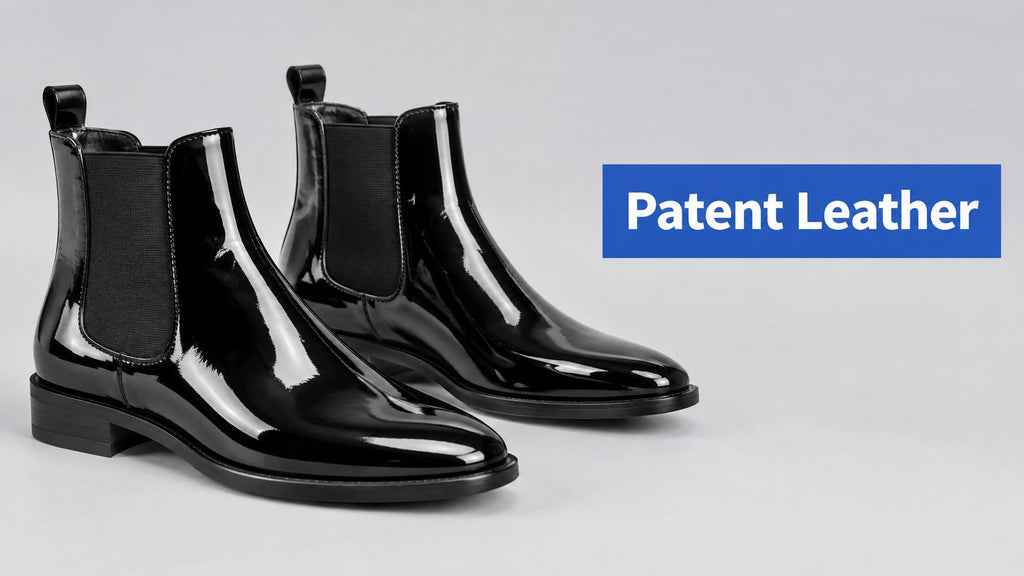
Custom Women's Boots for Fall: Choosing Between Two Black Chelsea Silhouettes
0 Comments
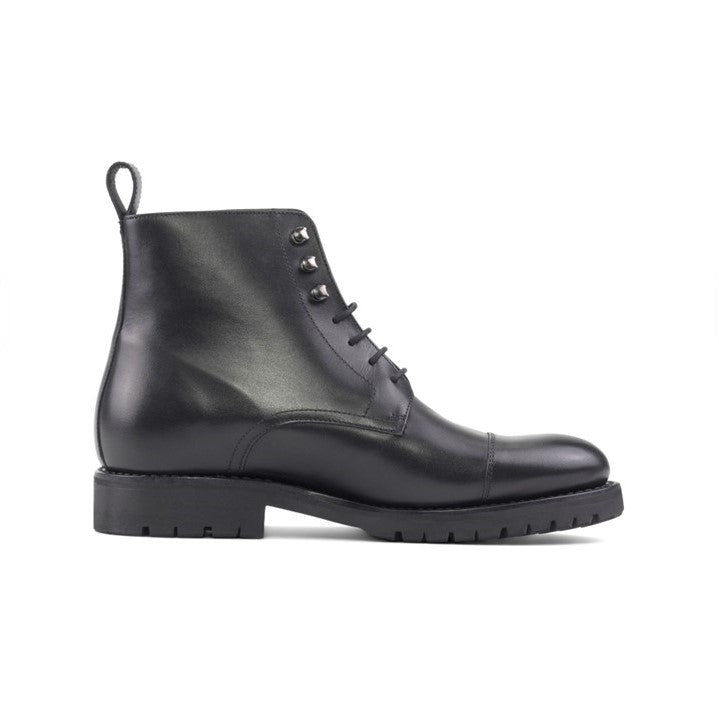
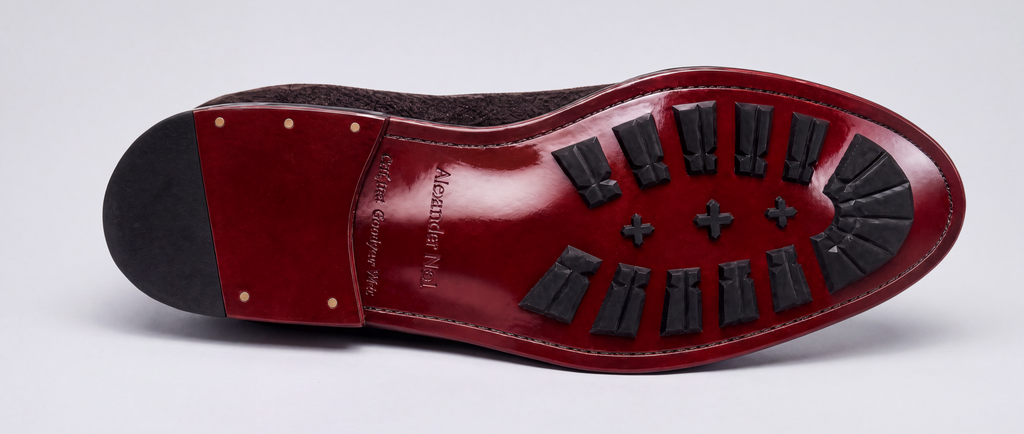
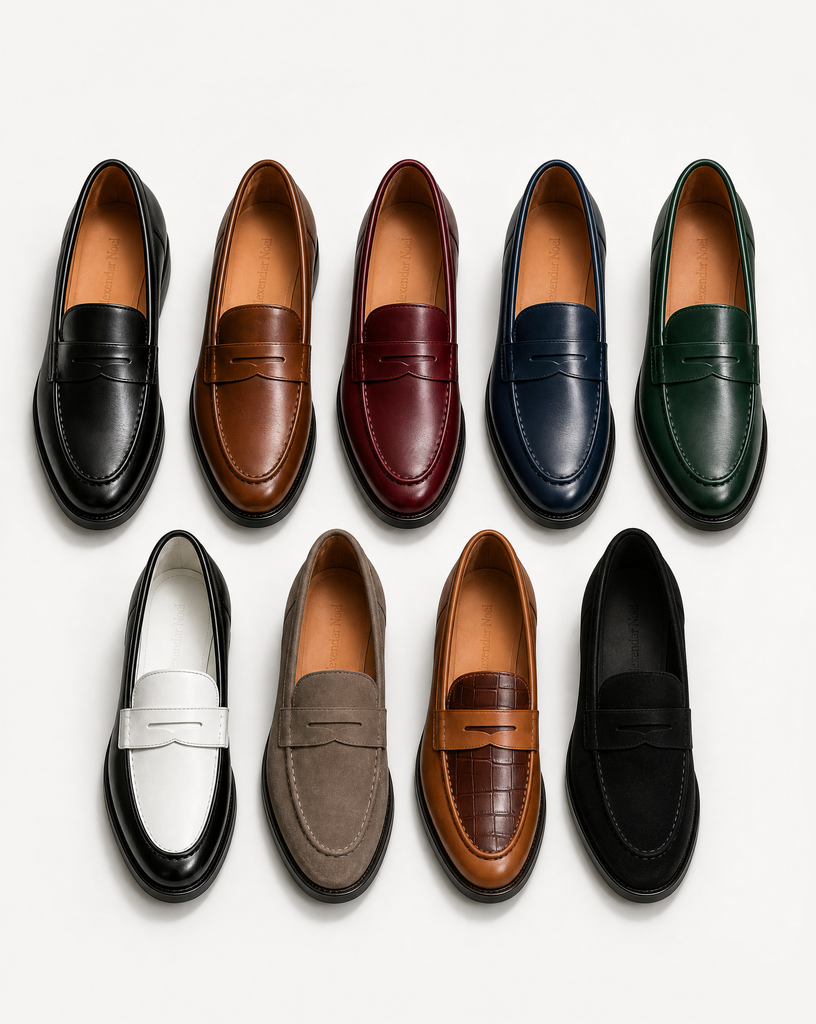
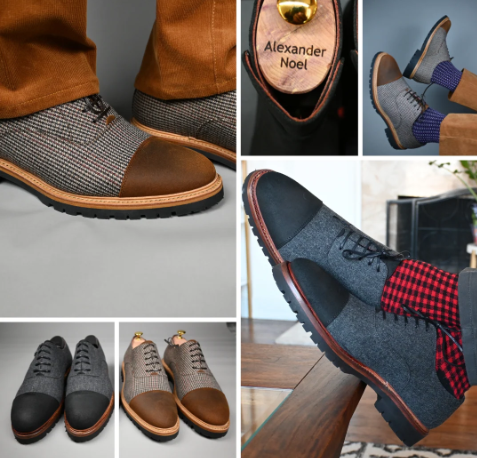





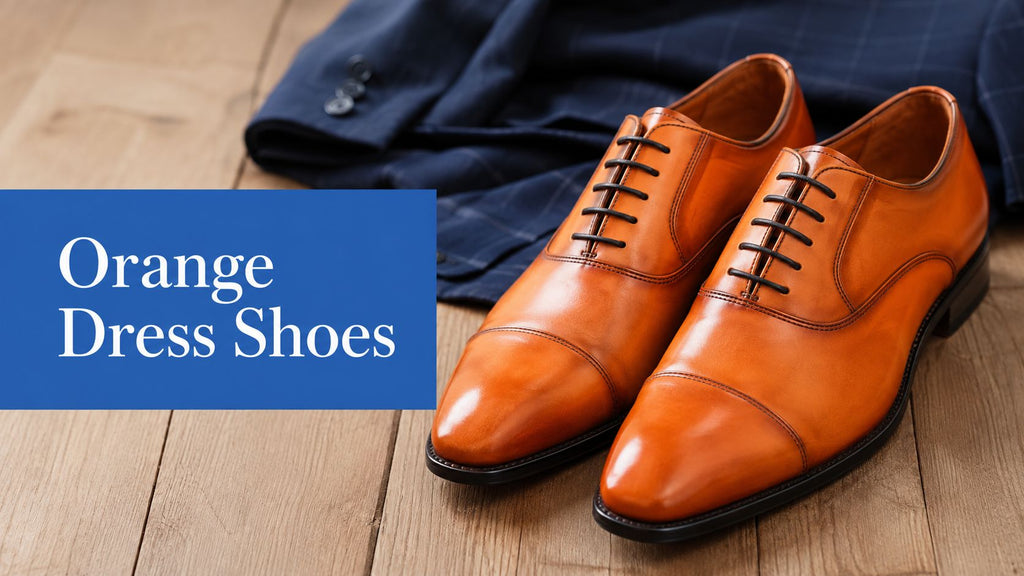
Mens Orange Dress Shoes
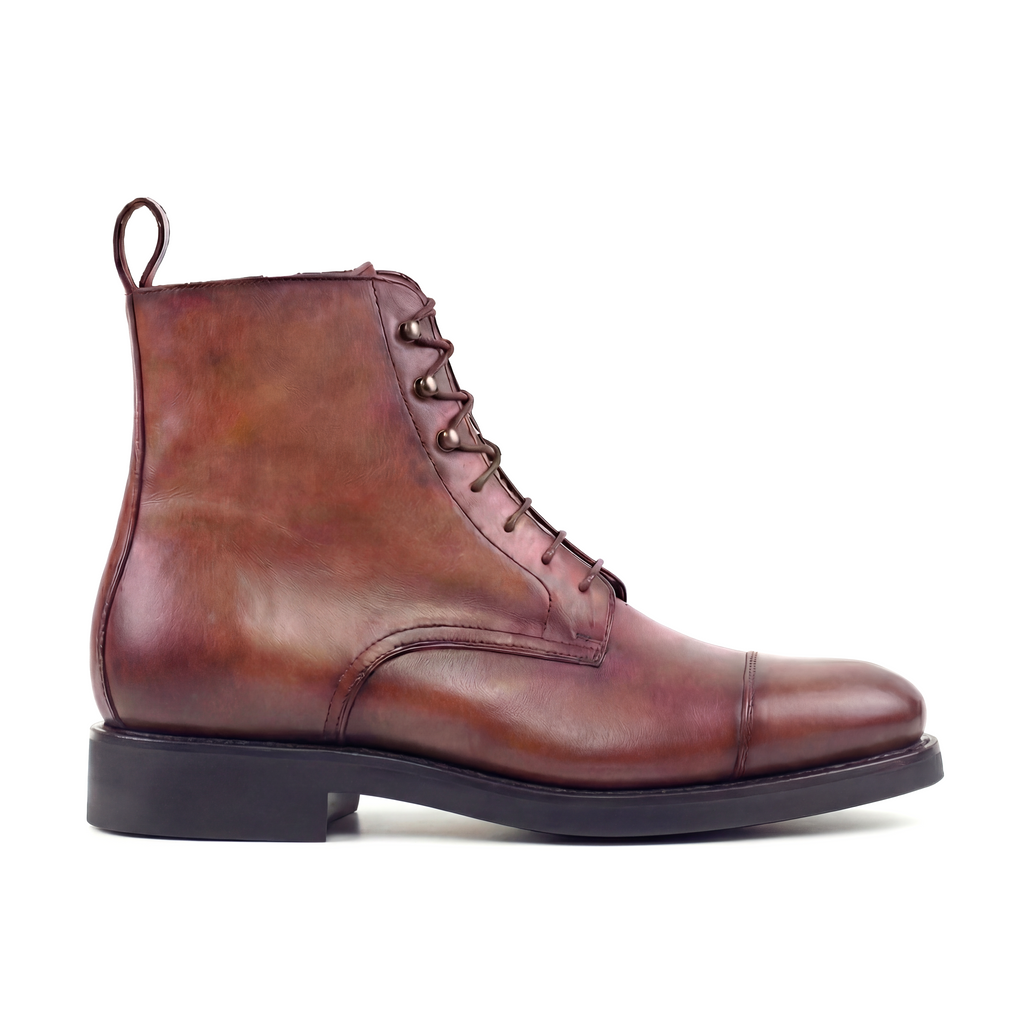
You're standing in front of the mirror with a navy suit on, shirt crisp, tie settled, and a pair of orange dress shoes in your hand. That pause is the whole question, do they look sharp, or do they tip into costume territory? The answer depends on tone, silhouette, leather quality, and the rest of the outfit, not on the color alone.
Orange belongs in men's formalwear when it's controlled. Used well, it reads like a deliberate style choice, not a gimmick. Used badly, it looks loud, cheap, and disconnected from the clothes around it.
The Real Moment You Reach for Orange Dress Shoes
The hesitation usually starts the same way. The suit works, the shirt works, the tie works, then the shoes feel like the risky move. A man holding mens orange dress shoes in that moment isn't asking about novelty, he's asking whether the pair can survive a real dress code.
That's the right question. Orange shoes are not a separate category from classic dress shoes, they're a color treatment on top of a formal system built over nearly two centuries, from the Oxford and Derby to the loafer family, with the broader dress-shoe category shifting from tall buttoned boots toward lower-cut lace-ups and loafers as formal dress relaxed over time Rebels Market. The same heritage is what gives orange shoes legitimacy when the silhouette is right.
Alexander Noel's trend overview for men's shoes in 2026 is useful here because the modern market keeps moving toward expressive but still wearable footwear. That's the lane orange belongs in, expressive, but disciplined.
Practical rule: decide first whether the shoe can support the outfit, then decide whether the color is doing too much. If the silhouette is wrong, the shade won't save it.
The rest of this comes down to silhouette grounding, reading the orange spectrum, judging materials, pairing with tailoring, and choosing custom construction when the shoe needs to do more than look interesting. That mirror moment stops being a gamble once you treat orange as a formal tool with rules.
Why Orange Works on Classic Dress Shoe Silhouettes
Orange works only when it sits on a silhouette that already knows how to behave. An Oxford gives the most restraint because the closed lacing keeps the upper visually tight, which makes a bold color look intentional instead of loose. A Derby opens the lacing and softens the mood, so the same orange reads less severe and a bit more approachable.
The shape decides the formality
A cap-toe Oxford gives orange a clean canvas. The long vamp and minimal break in the upper stop the color from spilling everywhere, so the eye sees a polished shoe first and a bright shoe second. That matters in business settings, where the silhouette should keep the color under control.
A Derby changes the tone in a useful way. Visible stitching, open lacing, and a sturdier stance break up the color field, which helps orange feel more natural with tan, grey, or textured wool tailoring. Loafers do the same thing in a different register, especially penny and tassel styles, because the slip-on profile feels less ceremonial.
Brogue perforations help too. They add texture and fragment the color just enough to keep a strong orange from turning flat. Plain-toe versions do the opposite, they force the leather tone to carry the whole statement, which is why plain toes need a cleaner finish than almost anything else.
Expert judgment: silhouette is chosen first, color second. If you start with the shade, you'll end up forcing the shoe into a role it can't support.
That's why orange should be treated as a finish layered onto proven architecture, not as a design category of its own. The shoe still has to look like a proper Oxford, Derby, or loafer before anyone notices the color.
Reading the Orange Spectrum Before You Buy

The orange spectrum is where most buyers make their first mistake. They see “orange” as one idea, when in practice it ranges from business-safe warmth to pure statement color. The shade you choose should match the room you plan to wear it in.
Where each tone belongs
Burnt amber, cognac, and whiskey sit closest to traditional brown. These are the tones that can pass in conservative offices and daytime events because they read as warm leather first, orange second. They work best with navy, charcoal, and earthy tailoring.
Tangerine and pumpkin are louder, but still wearable. They belong with navy suits, tan tailoring, and grey separates when you want the shoe to be noticed without taking over the room. At this point, orange starts to look deliberate rather than merely safe.
Blood orange and rust sit in the middle as transitional shades. They feel warm, seasonal, and especially strong with autumn fabrics, tweeds, heavier cotton, and textured tailoring. They're useful when you want color without the brightness turning cartoonish.
Neon, traffic-cone, and high-saturation safety orange are a different category. Those tones belong in fashion-forward or creative settings, not boardrooms, weddings, or conservative business environments. If the shoe has that level of saturation, it will dominate the whole outfit.
For anyone building a color strategy, colour theory to increase sales is a solid reminder that saturation and undertone shape how a product is perceived. The same logic applies here, because orange loudness is not just about brightness, it's about how warm, sharp, or aggressive the undertone feels against the rest of the look.
| Orange Shade | Best Use | Formality Ceiling | Trouser Colors That Absorb It |
|---|---|---|---|
| Burnt amber | Conservative offices, meetings | Business formal | Navy, charcoal, brown wool |
| Cognac | Daytime business, conservative weddings | Business formal | Navy, grey, tan |
| Whiskey | Smart-casual, polished evenings | Business casual | Navy, stone, olive |
| Tangerine | Creative workplaces, cocktail settings | Cocktail attire | Tan, grey, navy |
| Pumpkin | Warm statement looks | Smart casual | Tan, brown, grey |
| Rust | Autumn tailoring, social events | Smart casual | Navy, olive, charcoal |
| Neon or safety orange | Fashion, streetwear | Casual only | Neutral separates, not formal tailoring |
The strongest rule is simple. Undertone decides whether the shoe feels warm or sharp next to your skin, saturation decides whether it belongs in the room.
Materials and Construction That Hold Orange Better

Orange exposes weak leather fast. Uneven dye absorption shows up as blotches, and poor finishing cracks early at flex points like the vamp and toe spring. Material quality matters more here than it does on safer shades.
What to look for in the leather
Start with full-grain calfskin. Leather dye guidance on colour fastness tests covers light, washing, perspiration, and crocking, and orange needs that level of scrutiny because weak finishes fade or transfer quickly TFL leather dye fastness methods. That detail keeps orange from bleeding onto socks or looking tired after a few wears.
Look for dye that penetrates well and a topcoat that protects the surface without turning it plasticky. Good penetration supports permanence and helps reduce cracking, peeling, and wash-off over time. If the colour sits only on top, the first scuff exposes the shortcut.
Construction matters just as much. A Goodyear-welted or Blake-stitched shoe needs clean finishing because orange makes every edge more visible. Sole edges should be dyed to match the upper, not left natural, or the contrast breaks the formality immediately.
The polished result comes from finish discipline, not brightness. An orange shoe with a hand-burnished surface and even depth can look expensive, while a sprayed-on pair looks loud in a cheap way. That is why a made-to-order option such as the bespoke shoe service at Alexander Noel makes sense, since the buyer can specify tone and finishing instead of accepting a generic colour application. J.M. Weston's personalization service is a useful benchmark for the same reason, because it centers on chosen leathers and handwork rather than mass spraying.
Choose the shoe that can age gracefully. Orange punishes shortcuts faster than almost any other formal colour.
Pairing Orange Shoes With Navy, Charcoal, and Tan Tailoring
Orange succeeds or fails at the trouser line. The shoe can be excellent and still look wrong if the tailoring fights it. Color pairing is where you keep the look intentional.
Navy, charcoal, and tan each ask for a different shade
With a navy suit, stay in the burnt amber or cognac lane. Those tones bridge the blue without shouting, especially if the belt is tonal brown leather and the socks pick up burnt sienna or rust. Keep the trouser break at no-break or slight break so the shoe stays visible and doesn't disappear under extra cloth.
With a charcoal suit, stay darker and deeper. Brick and burnt amber are the ceiling here, and tangerine is too bright for the job. Match the belt to the shoe exactly, because charcoal is unforgiving and any mismatch looks like you got dressed in a hurry.
With tan or stone tailoring, the shoe can be brighter. Mid-tone tangerine or pumpkin on a Derby starts to make sense here, because the lighter tailoring can support the energy. Socks should echo the trouser, not the shoe, or the orange gets repeated too many times.
Smart-casual chinos and blazer combinations give you more room. Lighter orange, suede, and even more open lacing can work there, and sock experimentation becomes easier because the outfit is already less rigid. The shoe still needs to feel refined, though, which means sloppy burnishing or oversized hardware will kill the effect.
| Suit Color | Accepted Orange Tones | Belt Match | Sock Color |
|---|---|---|---|
| Navy | Burnt amber, cognac, rust | Tonal brown leather | Burnt sienna, rust, navy |
| Charcoal | Brick, burnt amber | Exact shoe match | Charcoal, dark grey |
| Tan | Tangerine, pumpkin, whiskey | Brown leather or exact match | Trouser-echoing neutrals |
| Stone | Tangerine, pumpkin | Brown leather | Stone, taupe, light grey |
| Chinos and blazer | Lighter orange, rust, suede shades | Match the shoe or keep it neutral | Neutral or subtle contrast |
The mistake to avoid is obvious. Don't stack a bright shoe, loud socks, and high-contrast tailoring in one outfit. Orange needs restraint around it or it turns theatrical.
Why Custom-Made Is the Smartest Way to Buy Orange

For orange shoes, custom-made is control: the color is too visible, the fit matters too much, and the finish has to be too clean for guesswork. Off-the-rack can still work, but it gives you less room to manage the three things that decide whether orange looks sharp or careless.
The three pillars of the smarter buy
Color durability comes first. Bespoke makers can drum-dye crust leather to specification, so the orange runs through the hide instead of sitting on top of it. That matters when scuffs show up, because a deeper dye job can often be buffed instead of exposing a different base color.
Fit comes next. Orange shoes are often the pair you save for occasions, not the pair you wear into the ground, so a custom last helps prevent heel slip and toe pinch when you are standing, walking, and posing for long stretches. A statement shoe still has to feel like a real shoe.
Finish is the third test. Proper clicking aligns the leather panels for grain direction and dye absorption, which reduces blotchiness. That is especially important on orange, because the eye catches unevenness quickly.
A made-to-order process also lets you set the exact orange tone, sole edge color, and last shape. If you are looking at digital customization, AI product design across categories shows how configuration can improve product decisions before anything is built. In footwear, that kind of control matters because orange gives you no hiding place.
Why the custom route fits the category
Alexander Noel's bespoke shoes for men fit that logic because a custom build puts materials, color, and shaping in one place. AliveShoes takes a different route with digital configuration, offering more than 200 style genres and options to customize colors, materials, logos, and packaging through a custom e-shop AliveShoes. J.M. Weston shows the artisan side through its customization service, built around careful hand work and a refined finish J.M. Weston personalization.
That is the case for custom orange shoes. You are buying control over how the color behaves, not just the color itself.
Matching Orange Tones to the Right Dress Code
Orange earns its place only when the dress code gives it room. Boardroom, wedding, cocktail hour, or gallery opening, the standard changes fast. Keep the tone quiet for formal rooms, and let it speak a little more only when the setting is relaxed enough to handle it.
Use the code, not the hype
For business settings and conservative daytime weddings, stay with the quieter end of the spectrum. The earlier shade guide already covered which oranges sit closest to brown, and that is the zone that belongs with suits. Those tones read as polished rather than rebellious. Pair them with white or pale blue shirts, neutral tailoring, and keep every other detail restrained.
Cocktail events, creative-industry gatherings, summer receptions, and gallery openings give you more freedom. Mid-orange and tangerine can work there if the tailoring is sharp and the palette stays controlled. They belong in social rooms, not black-tie-adjacent ones. If the rest of the outfit is already busy, the shoe will look forced.
Rust and brick sit in the middle. Use them for business-casual offices, autumn events, and social settings where personality is welcome but gimmicks are not. They still need discipline in the rest of the outfit, yet they are easier to wear with tailoring than brighter orange shades.
Save neon and safety-orange for streetwear or very fashion-forward looks. They have no place in formalwear. With a suit, they turn the shoe into the headline, and that usually weakens the whole outfit.
Independent trend coverage from Florsheim style guide shows that men's footwear still leans heavily toward black formal shoes and neutral earth tones, while bolder hues usually sit in an accent role. That is the right way to think about orange. Let the shoe lead, but give it a quiet outfit around it.
A Quick Decision Checklist Before You Order

A good orange shoe decision is never about impulse. It's about checking the parts in the right order so the color, fit, and outfit all line up.
Use this filter before you buy
- Silhouette first. Choose an Oxford for formal restraint or a Derby for more versatility.
- Tone second. Match the shade to the wardrobe you wear, burnt amber for earth tones, whiskey for neutrals, tangerine only if your outfits can support it.
- Material third. Prioritize full-grain calfskin so the color goes deep and doesn't look patchy.
- Topcoat next. Make sure it's flexible and clear, not thick and plastic-looking.
- Occasion check. Decide whether the pair is for business, social wear, or weekend styling.
- Fit and finish last. Confirm the instep, heel, sole edge, and belt coordination before you pay.
That sequence keeps the shoe from becoming a one-off curiosity. It also forces the purchase to answer the same standards as any serious dress shoe, durability, comfort, and control of the visual effect.
Orange earns its place when the rest of the outfit is restrained enough to let it lead. If you need the shoe to carry the entire look, you've already gone too far.
Alexander Noel's custom footwear approach gives you the control orange dress shoes demand, from made-to-order shaping to material and color choices that don't leave the outcome to chance. If you want a pair built around your fit, your wardrobe, and the exact shade you can wear, visit Alexander Noel and start with the design options that match your next suit, event, or season.
Related post
12
Sep
12
Sep
12
Sep
29
Aug
