


RECENT POSTS
29.August.2026
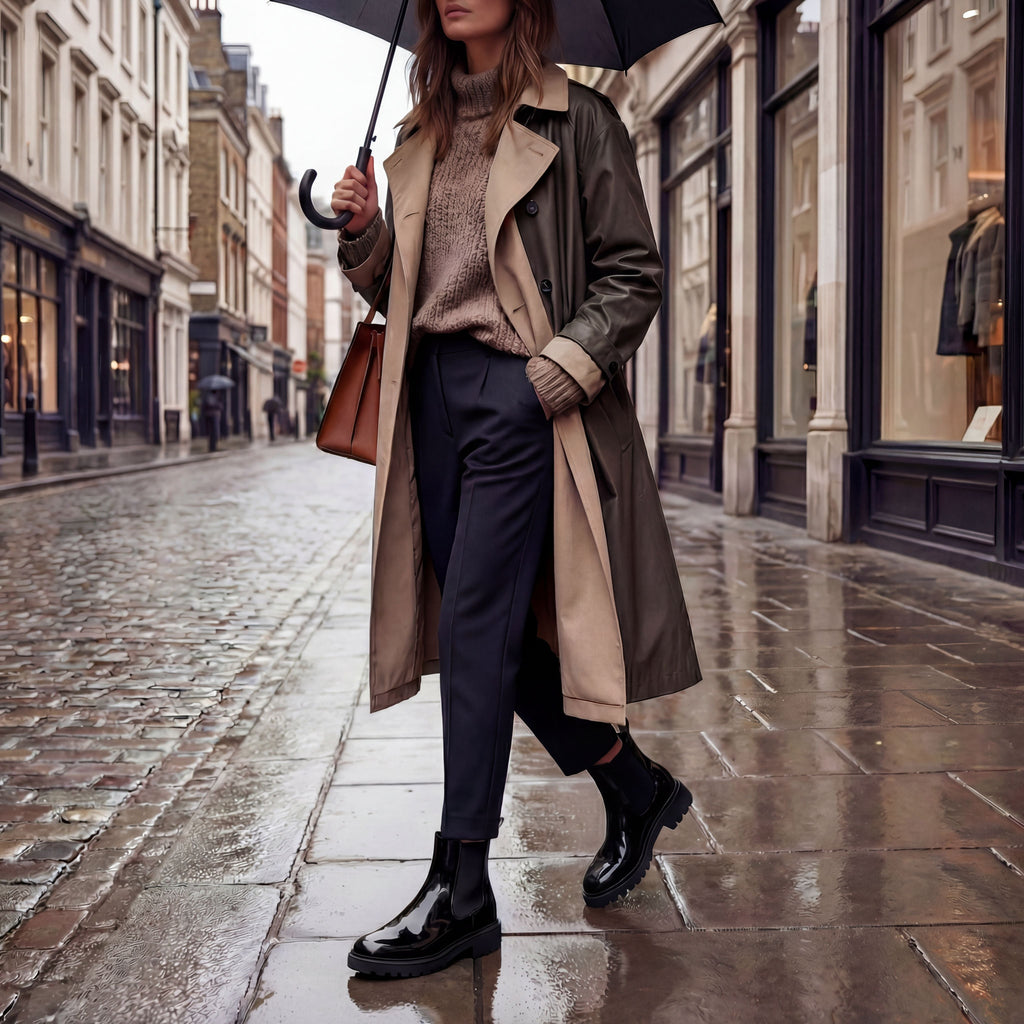
Custom Women's Boots for Fall: Choosing Between Two Black Chelsea Silhouettes
0 Comments





Pony Hair Shoes: A Guide to Style, Care & Customization
A client once brought me a pair of leopard pony hair loafers and apologized for “ruining the fur.” She hadn’t ruined anything. She owned a material that behaves differently from smooth leather, and nobody had explained the difference.
What Exactly Are Pony Hair Shoes
A client once sat across from me with a pair of calf hair loafers in her hands, turning them under the light as if the shoes might answer for themselves. In one angle they looked velvety. In the next, they looked almost glossy. Her question was simple. “What exactly am I looking at?”
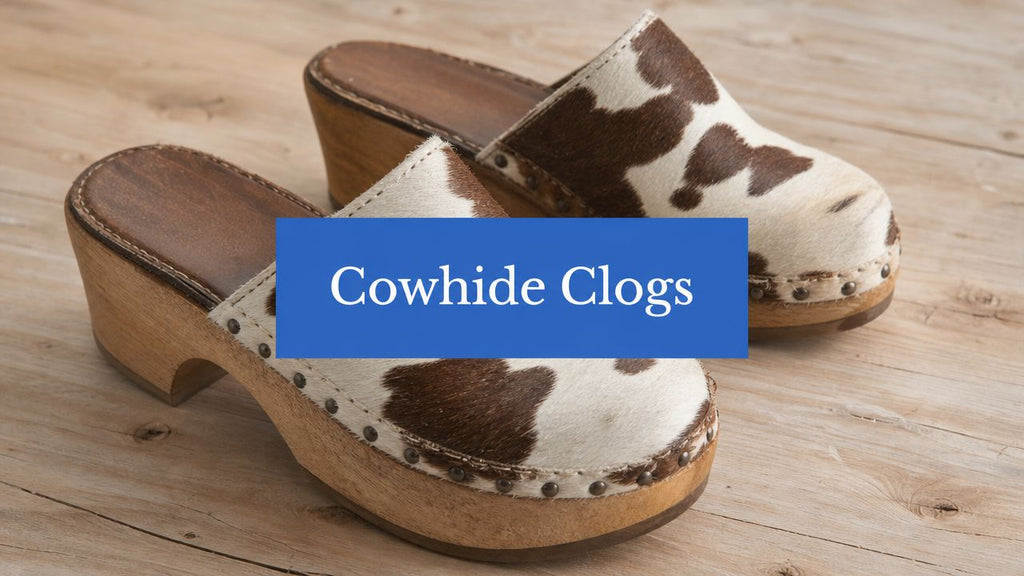
The clearest answer starts with the material itself. Pony hair shoes are leather shoes made from hair-on hide, usually cow or goat, with the hair side left visible and finished for a short, sleek nap. In shops and product descriptions, you will also see calf hair, haircalf, and hair-on-leather used for the same family of materials.
The name causes more confusion than the shoes do. “Pony hair” describes the look and finish, not an exotic mystery material and not a fuzzy textile glued on top. The base is real leather. The difference is which side of the hide becomes the face of the shoe.

The simplest way to understand it
Smooth leather presents the grain side. Pony hair leather presents the hair side. Both begin as leather, both can be cut and lasted into proper footwear, and both can be used on serious, well-made shoes.
What changes is the surface behavior. Pony hair has a fine directional nap, a bit like velvet in the way it catches and releases light as you move it. Run your hand one way and the color can look deeper. Brush it the other way and it can appear brighter or flatter. A black pump in smooth calfskin gives you a clean, steady shine. A black pump in pony hair gives you texture, shadow, and a quieter sort of drama.
That is the key appeal. You are not only choosing a color. You are choosing how that color lives on the shoe.
Why people read pony hair as luxurious
Luxury often begins with visual depth. A plain shape can suddenly feel richer when the surface has variation, and pony hair does that without needing heavy ornament. A simple loafer, ankle boot, or pump can hold attention because the material itself creates movement.
It also carries a long fashion memory. Designers have used calf hair for decades because it can make classic patterns, animal prints, and solid colors feel more tactile and more considered. The best pairs strike a balance many shoemakers chase in every material. The last and pattern stay disciplined, while the surface brings character.
That balance is one reason pony hair ages so distinctively as an ownership experience. On day one, buyers usually respond to the texture. A few months later, they start noticing nap direction, wear points, and how the shoe interacts with weather, trouser hems, or a crowded closet. Understanding that full lifecycle helps you buy better from the start, especially if you compare finishes and construction with the same care you would use in a close review of leather grades, sourcing, and quality assurance.
Terms you’ll see when shopping
A seller may use several names for nearly the same material. Here is the short glossary I give clients:
| Term | What it usually means |
|---|---|
| Pony hair | Fashion term for hair-on leather with a short, sleek surface |
| Calf hair | Common retail term, often the most accurate in shoe listings |
| Haircalf | Trade term used by shoemakers and leather specialists |
| Hair-on-leather | Technical description showing that the hair remains attached to the hide |
If you keep one idea in mind, make it this. Pony hair shoes are leather shoes with the hair side on display. Once you understand that, the rest becomes much easier: what quality looks like, how the fit should work, what care the material asks for, and whether a custom pair would suit your wardrobe and wear habits better than an off-the-shelf one.
The Hallmarks of Quality in Pony Hair Leather
A good pony hair shoe announces itself before you touch it. The surface looks even, the pattern looks intentional, and the underlying structure looks like a proper shoe rather than a novelty item wrapped in texture.
That last distinction matters. Poor pony hair footwear often relies on print to distract from mediocre construction. Fine examples do the opposite. The material enhances already strong shoemaking.

What happens in the making
Technically, pony hair is haircalf or hair-on-leather made from cow or goat hide and processed from the hair side. The hide is shaved, bleached, and dyed, and that sequence explains a lot about what you see in the finished shoe. The hair must be cut to an even, controlled length. The bleaching creates a neutral base. The dyeing creates the final pattern or color. Carmina also notes that the embedded follicles can act as micro-flex zones, helping reduce cracking by up to 40% in lab tests, though the material still benefits from hydrophobic treatment because it naturally absorbs moisture through the hair shafts, as detailed in Carmina’s discussion of pony shoes.
If you want to compare this with broader material standards in luxury footwear, Alexander Noel’s guide to leather grades, sourcing, production, and quality assurance is worth reading alongside what you see in person.
What to inspect before you buy
When I assess pony hair shoes, I don’t begin with brand name. I begin with consistency.
- Hair direction: Run your eye across the upper. Premium pairs show a deliberate nap rather than random roughness.
- Surface coverage: Bald spots, thin patches, or abrupt changes in density usually signal lower-grade hide selection.
- Dye clarity: Animal print should look crisp, not muddy. Solid colors should look rich, not cloudy.
- Edge finishing: Around toplines, straps, and seams, the transition from hair-on panel to lining should look controlled.
- Base leather feel: The hide beneath the hair should feel supple, not cardboard-stiff.
A shopper often gets distracted by pattern first. That’s understandable. Leopard, zebra, abstract spots, and color-blocked designs are part of the appeal. But pattern can hide flaws unless you slow down and inspect the basics.
A quick buyer’s checklist
| Check | What you want | What to avoid |
|---|---|---|
| Nap | Even, short, smooth | Patchy, rough, overly fluffy |
| Pattern | Balanced and intentional | Blurry or misaligned |
| Seams | Clean joins and secure attachment | Lifting edges or bulky joins |
| Support | Shoe holds shape well | Collapse through the vamp or heel |
| Finish | Clean lining and polished edges | Glue marks or frayed transitions |
Practical rule: Don’t judge quality only by softness. The best pony hair shoes balance tactile softness with a firm, well-built leather foundation.
High quality also shows up in restraint. A refined pair doesn’t need to scream. Sometimes the strongest pony hair shoe is a plain loafer in a muted print with excellent proportions and flawless finishing. That’s the pair you’ll still want to wear years later.
Weighing the Appeal The Pros and Cons
The first time a client tries on pony hair shoes, the reaction is usually the same. They look down, go quiet for a second, then smile. A familiar shape suddenly has more life in it. The shoe catches light differently, softens a structured ensemble, and adds character without changing the whole wardrobe.
That reaction explains the appeal better than trend talk ever could. Pony hair shoes endure because they give structure and texture at the same time. Smooth calfskin reads clean and steady. Pony hair adds movement on the surface, almost the way brushed wood adds warmth to a room that polished stone cannot.
Still, attraction is only the beginning. Good ownership means knowing what the material gives you, what it asks in return, and whether it fits your real habits.
Why people choose them
Pony hair changes the mood of a shoe faster than almost any other finish. A plain loafer becomes more expressive. A pump feels less stiff. Even a simple ankle boot gains depth before you add any ornament.
It also covers a wide style range. In a dark solid color, pony hair can behave much like suede, quiet, rich, and easy to wear. In leopard, zebra, or a high-contrast print, it becomes the focal point. If you are unsure how to support that texture with the rest of your outfit, a practical shoe color matching guide for building balanced outfits can help.
Here is the clearest advantage over smooth leather:
| Pony hair shoes | Smooth leather shoes |
|---|---|
| Surface depth that catches light softly | Cleaner, flatter visual finish |
| Strong personality, even in simple silhouettes | Easier to keep understated |
| Minor creases tend to hide within the nap | Creasing shows more plainly |
| Adds texture to outfits that feel too flat | Works better as an all-purpose default |
One more benefit often gets missed. Pony hair can make a shoe feel more personal over time. Because the texture is so visible, the right last shape, toe shape, and proportion matter even more. That is one reason bespoke work suits this material so well. When the pattern placement, vamp length, and fit are right, the shoe looks intentional from the first wear instead of merely interesting on a shelf.
Where ownership gets more demanding
Pony hair is not delicate in the way silk is delicate. It is more like a fine brush finish on wood. It wears well when treated with respect, but repeated friction leaves a trace.
The trouble spots are predictable. Car pedals, stair nosings, chair legs, rough pavement, and the inside ankle where one shoe rubs the other all put pressure on the hair. Over time, that pressure can flatten the nap or create thin areas. Owners sometimes mistake this for poor quality when it is really a wear pattern caused by use.
Weather matters too. Light exposure to a dry day is one thing. Repeated rain, slush, or soaked sidewalks are another. The goal is not to fear the material. The goal is to wear it where it has a fair chance to age well.
- Best for: dry days, indoor events, office wear, dinners, taxis, light walking
- Use carefully for: long commutes, crowded transit, frequent stair climbing, uncertain weather
- Poor choice for: heavy rain, muddy routes, abrasive surfaces, all-day rough wear
That is the tradeoff in plain terms. Pony hair gives more visual reward. It usually asks for more deliberate use.
The honest verdict
If you need one pair to absorb hard wear, frequent wet weather, and careless scuffing, smooth leather is usually the wiser buy. If you want a pair that changes the whole feel of an outfit with very little effort, pony hair earns its place.
I would not call it impractical. I would call it selective. Choose it the way you choose a good coat fabric or a fine watch strap. Match it to the job, care for it properly, and it rewards you for years. Choose the wrong fit, the wrong build, or the wrong conditions, and the frustrations appear early.
That full lifecycle matters. The pleasure starts with the texture, continues with fit and thoughtful wear, and lasts only if the care matches the material. That is why experienced buyers do not ask only, “Do I like the look?” They ask, “Will this pair suit my habits, and was it made well enough to age with grace?”
How to Style Pony Hair Shoes for Any Occasion
Texture is often the missing piece in an outfit. Not color. Not silhouette. Texture. Pony hair shoes solve that problem neatly because they can either whisper or dominate depending on the pattern and shape.
The easiest way to style them is to decide their role first. Are they the anchor, or are they the headline?

When you want them to work like a neutral
A solid-color pony hair shoe can behave almost like suede. It brings softness and depth without shouting for attention. This works especially well in loafers, ankle boots, and pumps with clean lines.
Try combinations like these:
- Black pony hair loafers with dark denim: the nap breaks up the heaviness of the denim and feels more considered than plain leather.
- Chocolate calf hair ankle boots with cream trousers: the contrast highlights the material without relying on a loud print.
- Navy pony hair pumps with smart separates: enough texture to keep office dressing from looking flat.
If you’re unsure how to coordinate shades around a textured shoe, this shoe color matching guide offers a helpful framework for building the rest of the look.
When you want the shoes to lead
Leopard pony hair is the classic example. It’s bold, but it’s also strangely versatile because animal print often behaves like a neutral when the outfit is otherwise restrained.
A few reliable formulas:
| Occasion | Shoe choice | What to wear with it |
|---|---|---|
| Casual lunch | Leopard pony hair sneakers or loafers | Straight-leg jeans, white shirt, simple bag |
| Business casual | Solid dark pony hair pump | Trousers, knit top, structured blazer |
| Evening | Pony hair stiletto or sandal in a rich print | Minimal dress, clean jewelry, no competing textures |
| Weekend city wear | Pony hair ankle boot | Black denim, soft knit, long coat |
Notice the pattern. As the shoe gets louder, the clothing gets quieter.
Three styling mistakes I see often
The first is adding too many competing textures. Pony hair already has visual movement. If you pair it with heavy embellishment, sequins, patent leather, and busy prints all at once, the outfit starts arguing with itself.
The second is choosing a hem that hides the shoe’s best part. If the material is the point, don’t bury it under pooled trousers.
The third is treating every pony hair shoe as formal. Some are, of course. But a retro sneaker or flat in hair-on leather can look relaxed, modern, and easy.
Let the shoe do one clear job. It should either add depth to a simple outfit or provide a deliberate focal point.
The best styled pony hair shoes never feel random. They feel chosen.
Essential Care for Lasting Beauty
Most damage to pony hair shoes doesn’t come from dramatic accidents. It comes from ordinary habits. Rubbing the shoes together while walking, dropping them into a crowded closet, brushing them the wrong way, or wearing them in weather better suited to rubber soles.
Care starts with accepting that the surface has a direction. Once you respect that, maintenance becomes much simpler.
Your regular care routine
After wearing the shoes, let them rest before you do anything else. Dirt and surface moisture are easier to manage once the upper has settled and dried naturally.
Then follow a calm routine:
- Remove loose dust gently. Use a very soft brush or dry cloth and move with the direction of the hair.
- Check for flattened areas. Light brushing with the nap can revive the surface.
- Spot-clean carefully. If you catch a minor mark early, use as little moisture as possible.
- Let the pair dry naturally. Keep them away from direct heat.
- Store with shape support. Tissue or shoe trees help the upper keep its form.
For readers who want a broader cleaning reference point for leather goods before attempting any product at home, Display Guru’s leather cleaning insights are useful for understanding why gentle methods beat aggressive scrubbing.
What not to do
Pony hair punishes impatience. I’ve seen more harm from over-cleaning than from actual dirt.
- Don’t scrub across the grain. That roughens the nap and can thin the hair.
- Don’t soak the upper. Excess moisture is the enemy of finish and structure.
- Don’t use stiff brushes. Those are for heavy sole work, not hair-on uppers.
- Don’t stack shoes against each other. Friction creates wear at the contact points.
- Don’t ignore the first signs of matting. Small problems are easier to correct than entrenched ones.
A more complete general routine for storage, maintenance cadence, and polishing adjacent materials appears in this shoe care guide from Alexander Noel.
When to call a professional
Some issues aren’t home jobs. If the hair is wearing away in patches, if the dye appears to have transferred or faded unevenly, or if the shoe has taken a proper soaking, a good repair specialist is the safer choice.
Brush with the grain, dry with patience, and store with space around the shoe. Those three habits prevent most avoidable wear.
Storage deserves more attention than it gets. Keep pony hair shoes in individual dust bags or with enough room that neighboring shoes can’t rub against them. In my workshop, that simple habit has saved more pairs than any miracle cleaner ever has.
The Bespoke Advantage for Your Perfect Pair
The first time a client brings me pony hair shoes that “just never felt right,” the problem is rarely the hair. It is usually the shape beneath it. A handsome upper can distract the eye on the shelf, but once the shoe is on foot, every pressure point introduces itself.
Pony hair has a way of telling the truth. If the heel lifts, the shoe will rub. If the vamp cuts across the wrong part of the foot, the upper will crease in a place that looks tired far too soon. If the last does not match your instep or forefoot, the material often gets blamed for discomfort that started with fit.
That honesty is part of the material’s charm. It is also the reason bespoke work makes such good sense here.

Why off-the-rack can be tricky
Ready-made pony hair shoes often chase a strong visual effect. You see it in sharp toes, rigid counters, slim pumps, and low-volume fashion sneakers. Those shapes can be striking, but they ask a lot of the foot.
A shoemaker reads fit the way a tailor reads cloth. The foot has width, height, slope, and small asymmetries. The shoe last has its own logic. If the two disagree, pony hair will not disguise the mismatch the way a softer, more forgiving upper sometimes can. The result is not only discomfort. You may also get premature wear at flex points, flattening in high-friction areas, or a silhouette that never quite sits correctly.
That matters across the full life of the pair, from the first fitting to the fifth season of wear.
What custom work changes
Bespoke and made-to-measure improve more than comfort. They improve how the shoe ages.
A good maker can adjust the last for a wide forefoot, a narrow heel, a high instep, or one foot that runs slightly longer than the other. Those are ordinary feet, not unusual ones. Off-the-rack sizing often treats them as problems to tolerate. Custom work treats them as starting information.
Material placement also becomes deliberate. That is especially useful with pony hair, because pattern and nap have direction. On a bespoke pair, the maker can balance a printed hair-on leather so the two shoes relate to each other instead of looking random. A quieter panel can be placed where friction is highest, while the more expressive section sits where it can be seen and enjoyed.
Then there is the question of structure. Pony hair on a whole-cut shoe behaves differently from pony hair on a loafer strap, heel counter, or toe cap. Bespoke design lets you choose the role the material should play. Full statement. Controlled accent. Something in between.
Personalization that actually improves the shoe
Personalization, in this context, is more than decoration.
Color and pattern are the visible part. The deeper value lies in deciding how much pony hair your lifestyle can realistically support, where it should sit on the shoe, and which base model gives it the best chance of wearing well. A client who walks city blocks every day may be better served by a leather-dominant shoe with pony hair on selected panels. A client who wants an occasional evening pair can afford a bolder treatment.
That is the part many guides separate into different conversations. Style gets discussed in one place, care in another, fit somewhere else. Bespoke brings them together. You choose with the full lifecycle in mind. How the pair will fit on day one. How it will look after repeated wear. How easy it will be to maintain. Whether the design suits your wardrobe and your habits.
For a closer look at that process, Alexander Noel’s guide to finding your perfect pair with bespoke shoes shows how customization connects fit, materials, and long-term satisfaction.
The best pony hair shoes feel settled from the start. The foot sits properly. The material is used with purpose. The design respects how the shoe will live in practical use. That is the bespoke advantage.
Frequently Asked Questions About Pony Hair Footwear
A client once brought me a well-loved pair of pony hair loafers with one simple question: “Did I ruin them, or did I finally wear them authentically?” That is often the right spirit for this material. Pony hair is beautiful, but it is also candid. It shows how you live, how you walk, and whether the shoe was chosen for your habits or only for the shelf.
Is pony hair ethical
That depends on sourcing and labeling, not on the name alone.
“Pony hair” is usually a trade term for hair-on leather. It does not necessarily mean the hide came from a pony. That confusion is one reason shoppers ask hard questions, and they should. A reputable maker should be able to explain what animal the material comes from, whether it is a byproduct of the food industry, how it was finished, and how it should be cared for.
If those answers are vague, caution is sensible. Clear terminology matters because it helps you judge the material on real information instead of marketing language.
Are pony hair shoes durable
They can be, but durability depends on where the hair-on leather appears and how the shoe is used.
A well-made pair worn in the right conditions can hold its character for years. A poorly made pair, or one used hard in rain, grit, and constant abrasion, will look tired much sooner. Hair-on leather behaves a bit like suede with a directional nap. It has charm and texture, but it asks for thoughtful wear.
Construction matters too. Clean clicking, strong lasting, and sensible placement of the pony hair panels all help the shoe age better.
Do they shed
Some hair loss over time is possible, especially at friction points.
Heel counters, toe edges, inside ankles, and anywhere the shoe rubs against hems, pedals, or the opposite foot will show wear first. That is not always a defect. It is often the natural record of use on a surface finish that is more delicate than smooth calfskin.
Rotation helps. So does choosing a design that keeps the hair-on leather away from the hardest-wearing zones.
Are they suitable for humid or wet climates
They are better suited to dry days than persistent damp.
Water is not always catastrophic if the pair gets lightly spotted and is dried properly, but repeated wet exposure can roughen the nap, encourage stiffness, and make the surface look uneven. In humid climates, pony hair shoes usually work best as part of a rotation rather than as everyday footwear.
If you live somewhere rainy, choose the occasions carefully. A hair-on loafer for indoor events is a very different proposition from a daily commuter boot.
Are they hard to style if you’re not fashion-forward
No. Start with shape first, texture second.
A classic loafer, simple flat, or restrained ankle boot lets the material do the talking without making the outfit feel busy. Solid colors and small-scale patterns are often easier to wear than loud animal prints. If the silhouette is familiar, pony hair reads as texture rather than costume.
That is the easiest way to build confidence with it.
What if I love the look but want an alternative
That is a sensible question, especially if your climate, ethics, or maintenance tolerance point you elsewhere.
Calf hair alternatives, embossed leathers, suedes with a strong nap, and certain woven textiles can give some of the same visual depth with a different wearing experience. The best substitute depends on what you love about pony hair. If it is the tactile surface, choose a material with movement and grain. If it is the pattern, a printed or embossed leather may serve you better and ask less of you over time.
The useful question is not whether pony hair shoes are good or bad. It is whether they suit your wardrobe, your weather, your walking habits, and the level of care you are prepared to give.
That is the shoemaker’s answer. Plain, practical, and usually right.
If you love the texture and character of pony hair shoes but want more control over fit, materials, and design, explore Alexander Noel. Their bespoke approach, direct-to-consumer model, and global artisan network make it easier to create a pair that feels as intentional on the foot as it looks on the shelf.
Related post
12
Sep
12
Sep
12
Sep
29
Aug
