

RECENT POSTS
29.August.2026
Custom Women's Boots for Fall: Choosing Between Two Black Chelsea Silhouettes
0 Comments



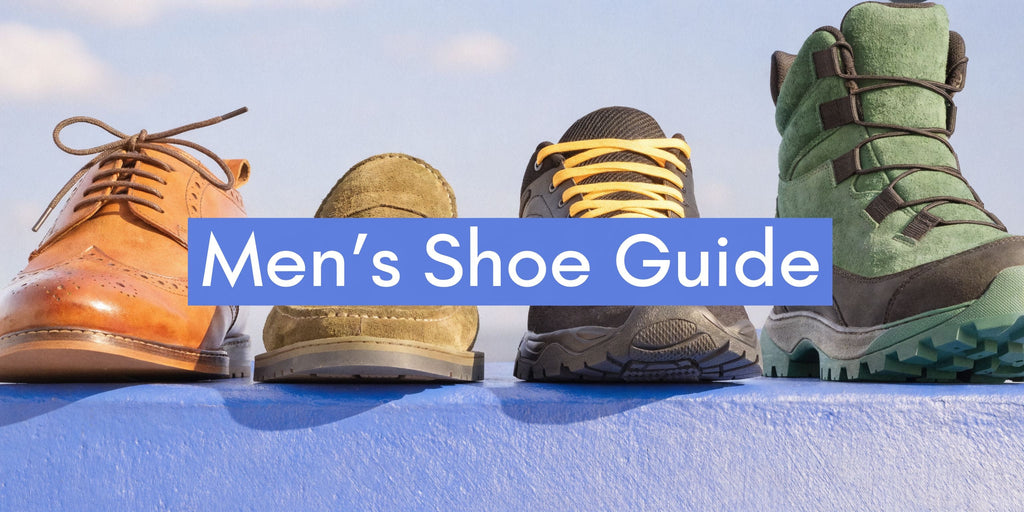


Shoes for Men Shoes for Men: A Complete Buyer's Guide
You know the pattern. One pair pinches at the toes. Another feels fine in the store, then slips at the heel by lunchtime. A sleek dress shoe looks right under a suit but leaves your feet tired before dinner. A sneaker feels soft at first, yet somehow never feels like it belongs to your foot.
That frustration sits at the heart of the search term shoes for men shoes for men. People aren’t only looking for styles. They’re looking for answers. They want to know why one pair works, why another fails, and how to stop buying shoes that demand compromise.
A good shoe should do three jobs at once. It should fit your foot, suit your life, and hold its shape with dignity. If any one of those fails, the shoe becomes a chore.
The good news is that the market is moving toward exactly what thoughtful buyers want. The global men’s footwear market reached USD 131.44 billion in 2023 and is projected to reach USD 211.08 billion by 2031, reflecting growing demand for quality, style, and personalization, not just mass-market choice (global men’s footwear market data).
That matters because a larger market doesn’t automatically mean better buying. It usually means more noise. More options. More marketing. More shoes that look convincing in a photo and disappoint in wear.
What helps is understanding footwear the way a shoemaker does. Not as a pile of trends, but as a set of decisions. Shape. Construction. Materials. Purpose. Fit. Once you can read those signals, your next pair becomes easier to choose, and far more likely to become a pair you reach for again and again.
Your Search for the Perfect Men's Shoe Ends Here
A client once brought me three pairs he had bought in a single month. One was too narrow. One was too stiff. One looked handsome but felt unstable on polished office floors. He hadn’t made foolish choices. He had made common ones.
Most men don’t struggle because they lack taste. They struggle because the market teaches them to shop by appearance first, sizing label second, and construction almost never.
Why the usual shopping process fails
Department store racks sort shoes by brand and price. Online shops sort them by trend and color. Your foot, however, doesn’t care about any of that. It cares about shape, volume, flex, and support in the places where you bear weight.
That’s why a man can own many shoes and still feel he has none that are really his.
A polished black Oxford may be perfect for a formal meeting, but if the forefoot is cramped, it won’t earn your trust. A casual sneaker may feel light, but if the heel counter doesn’t hold you securely, it will never feel settled.
The right shoe doesn’t force your foot to adapt. The shoe should respect the shape you already have.
What most men are trying to solve
Usually it comes down to one of these:
- Fit conflict. The shoe fits in length but not in width, or holds the forefoot while losing the heel.
- Occasion confusion. You know you need a shoe, but you’re not sure whether the event calls for polish, ease, or something between.
- Quality uncertainty. Two shoes may look similar from above, yet behave very differently over time.
- Style compromise. You settle for what’s available, instead of what matches your wardrobe and your foot.
That last point matters more than people admit. A shoe becomes part of your posture. If it’s wrong, you feel it in your stride and in your confidence.
A better way to think about the search
Start with this question. What does the shoe need to do in your real life?
If you spend most days in tailoring, your foundation is different from a man who wears dark denim and knitwear to work. If you walk city streets all day, your needs differ from someone who drives everywhere and stands mainly indoors.
The goal isn’t to own every kind of shoe. It’s to understand the few categories and standards that will serve you well.
Decoding the Four Pillars of Men's Footwear
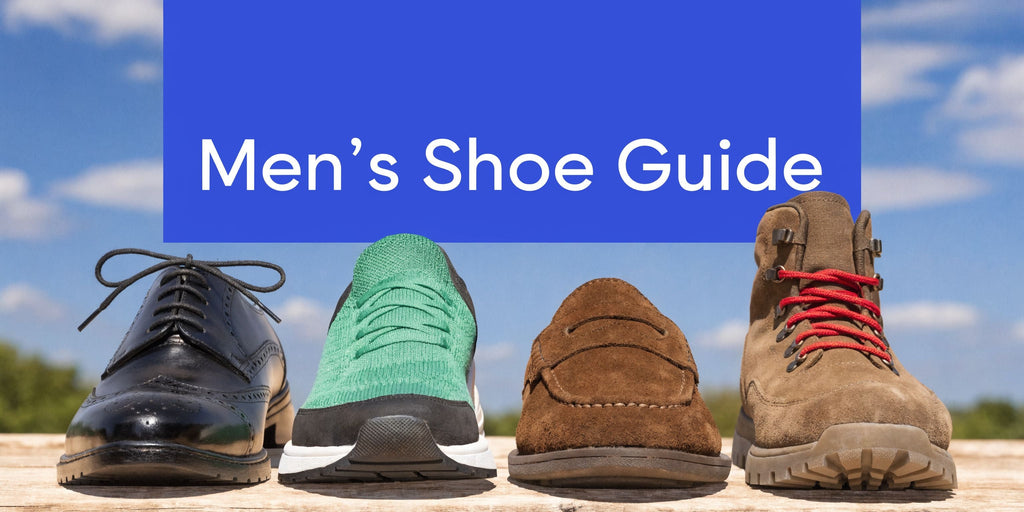
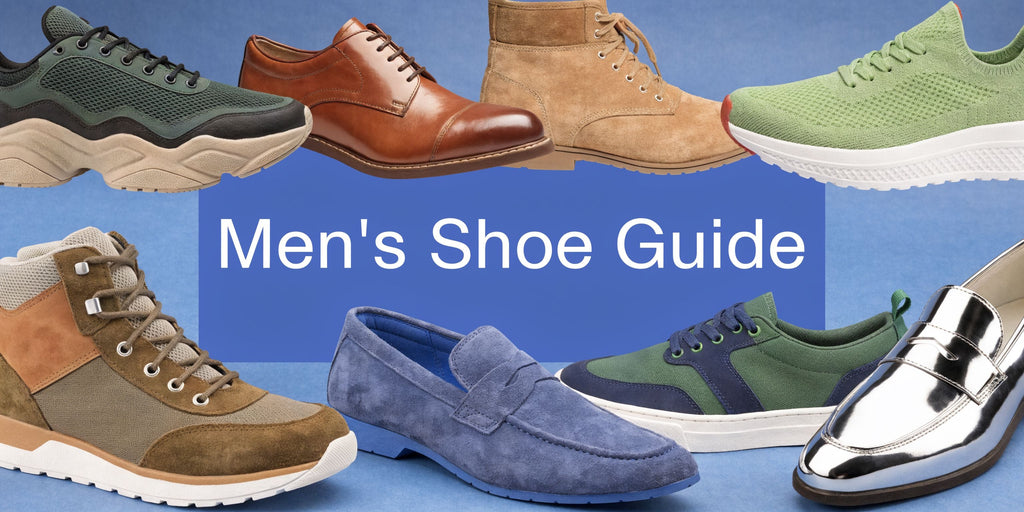
Most men’s footwear falls into four pillars. Dress shoes, casual shoes, sneakers, and boots. Learn these well and the entire field of options becomes easier to understand.

Dress shoes
Dress shoes are built around line, proportion, and restraint. They’re the shoes you wear when sharpness matters.
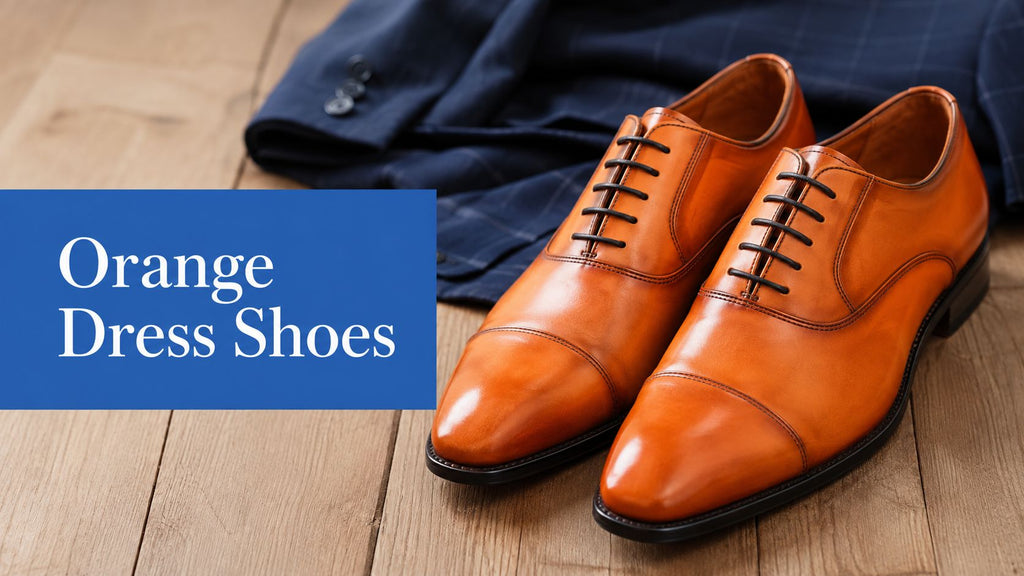
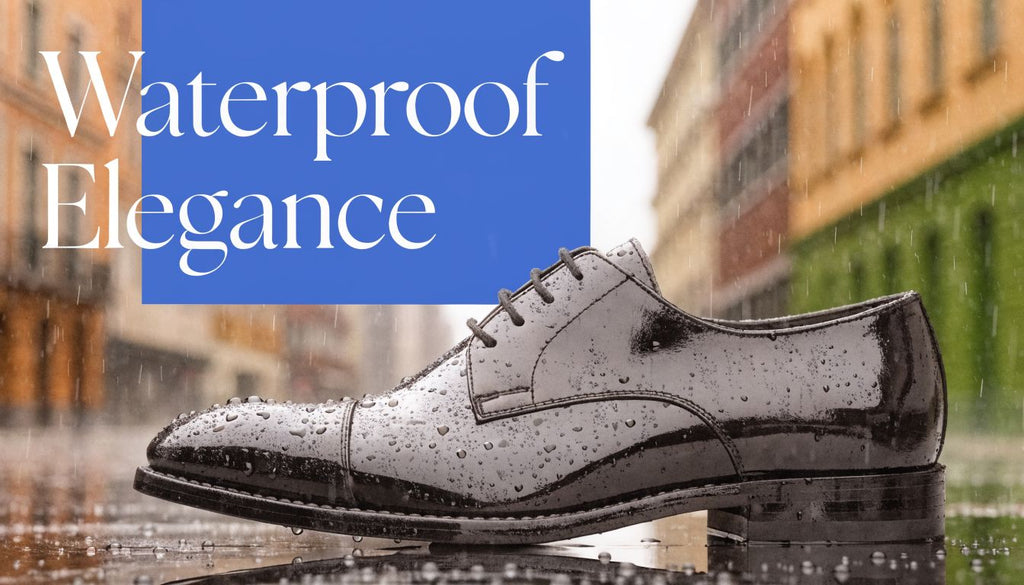
An Oxford is the formal standard. Its closed lacing gives it a clean, disciplined look. Wear it with business suits, eveningwear, ceremonies, or any setting where polish matters more than casual ease.
A Derby is more forgiving and more versatile. The open lacing gives extra room and a slightly less severe appearance. If your wardrobe includes tailoring but also textured jackets, wool trousers, and less rigid office dress, the Derby often works harder.
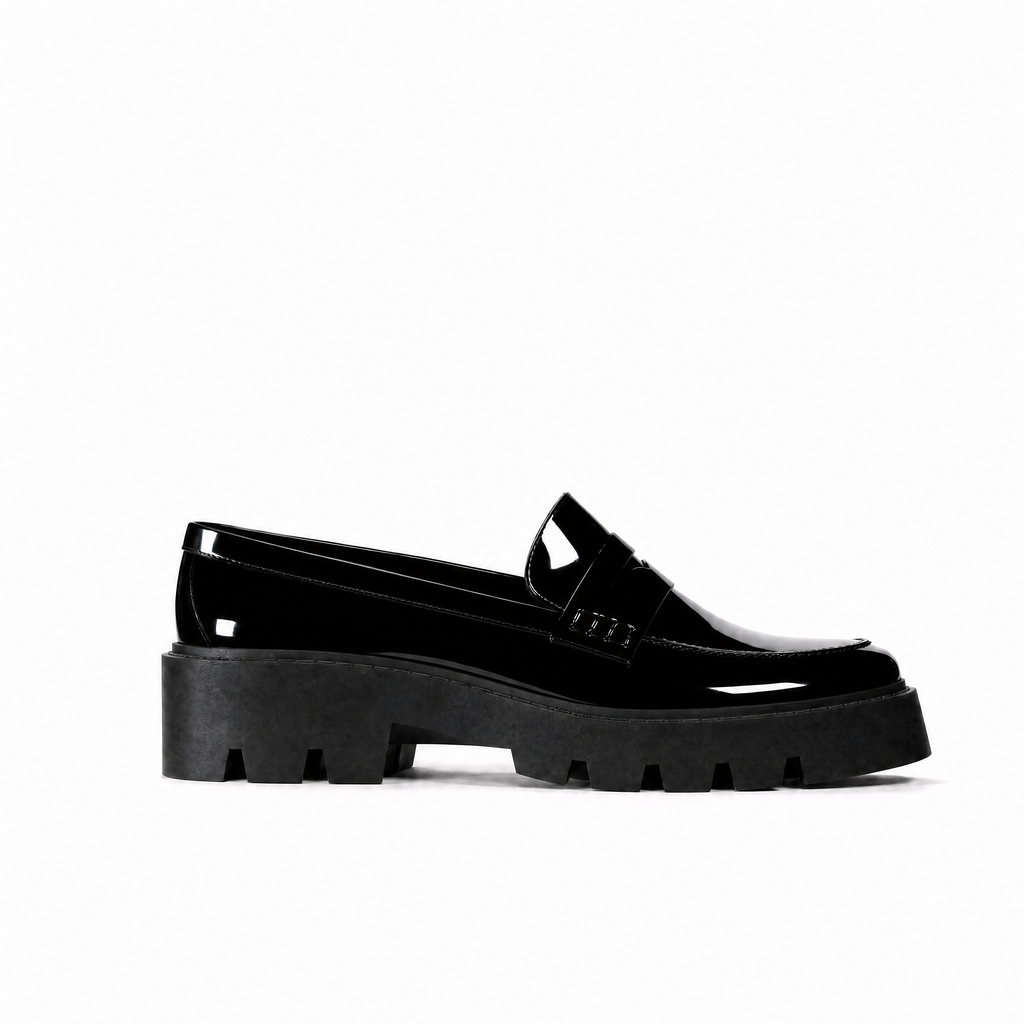
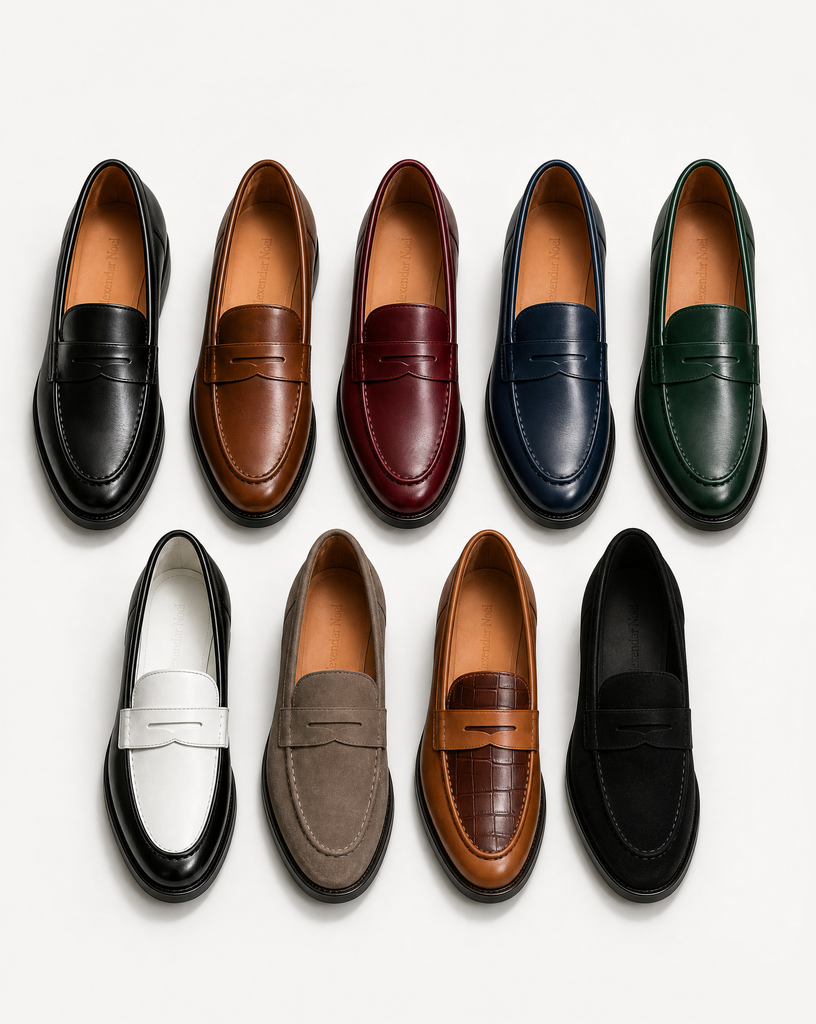
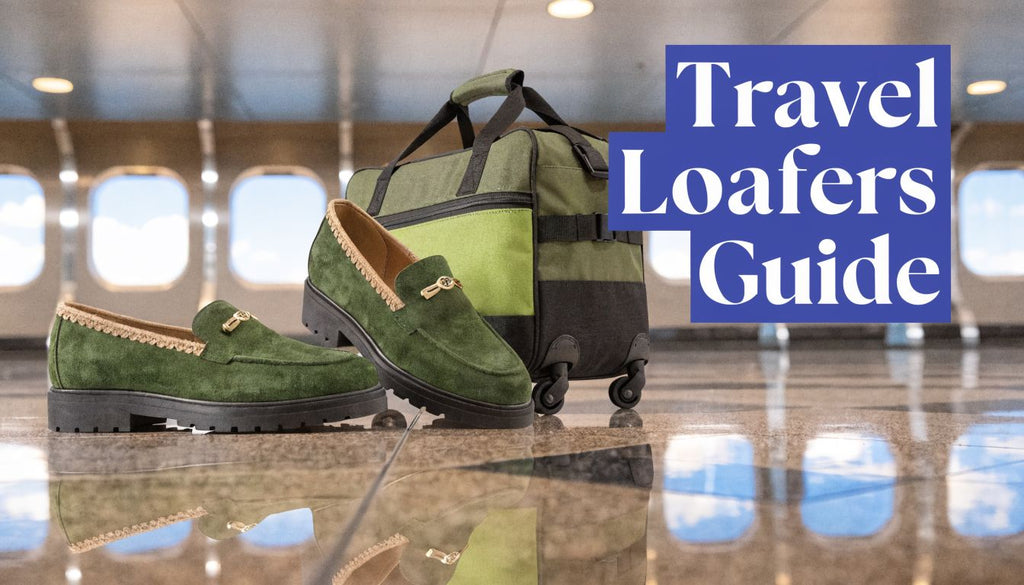
A loafer sits in an elegant middle ground. It can lean refined or relaxed depending on its shape and leather. A sleeker loafer suits summer tailoring and smart casual dressing. A chunkier one reads more leisure-oriented.
For readers who want a deeper look at how quality construction shapes the feel and lifespan of dress footwear, this guide to cementing, Blake welting, and Goodyear welting methods is useful.
Casual shoes
Casual shoes carry more freedom in shape and texture. They bridge the space between formal footwear and sport.
Think of casual shoes as your wardrobe’s easing mechanism. They soften an outfit without making it look careless.
Some examples:
- Lo-top leather casuals. Clean, simple, and easy with chinos, dark jeans, and overshirts.
- Driving or moc-inspired shoes. Better in warm weather and more relaxed settings.
- Boat shoes and similar low-profile styles. Strongly seasonal and best when the rest of your outfit is equally informal.
The mistake men make here is choosing a casual shoe that’s too flimsy for repeated wear. Casual shouldn’t mean disposable.
Sneakers
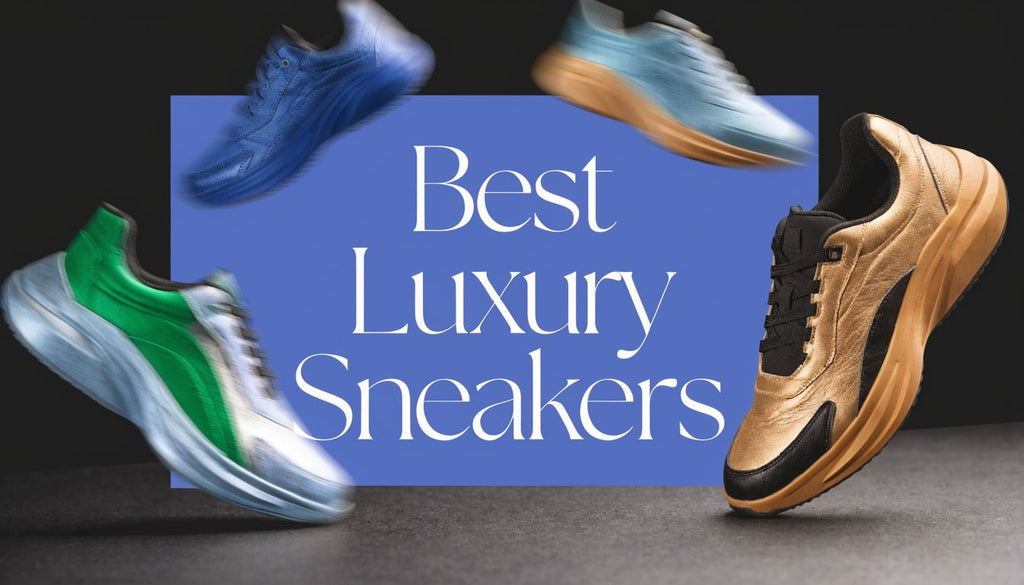
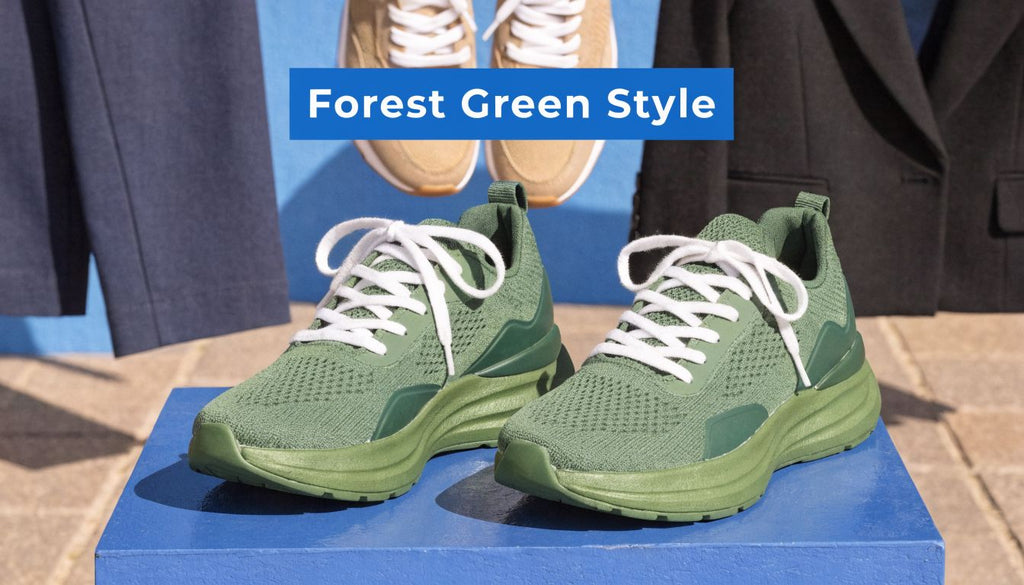
Sneakers now occupy a broad territory. Some are built for athletics. Some are built for fashion. Some are built to disappear into everyday dress.
A minimal leather sneaker can pair with unstructured tailoring, knit polos, and tapered trousers. It says ease without sloppiness.
A more technical sneaker belongs with leisurewear, travel clothing, and active use. It may be comfortable, but it won’t always suit a jacket-and-trouser combination.
A useful distinction is this:
| Type | Best use | Visual message |
|---|---|---|
| Minimal sneaker | Smart casual, travel, everyday city wear | Clean and modern |
| Performance sneaker | Exercise, long active days, sport | Functional and athletic |
| Fashion-forward sneaker | Statement dressing, trend-led outfits | Bold and expressive |
Boots
Boots bring authority. They also bring practical coverage, which changes how they wear through weather and season.
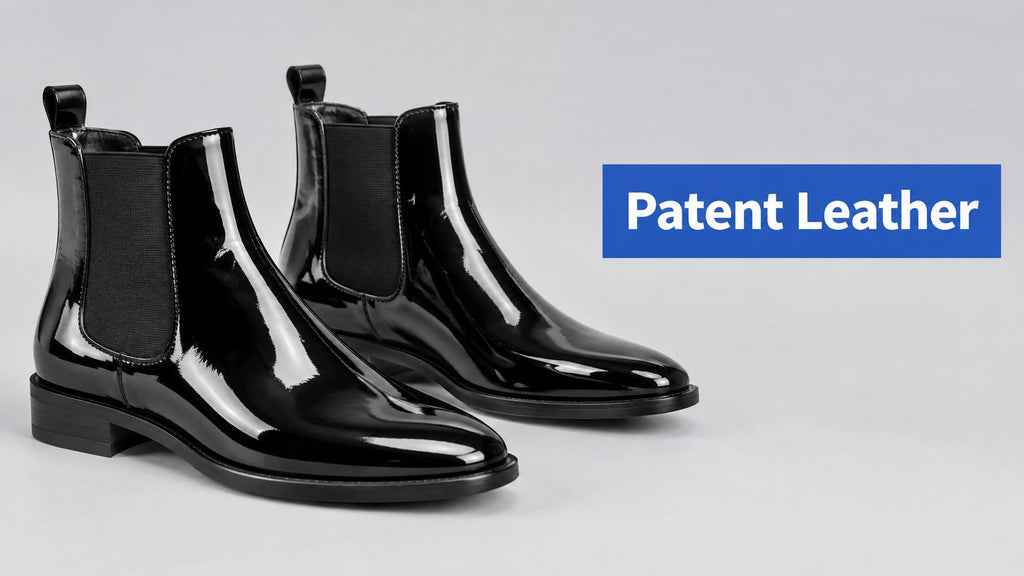
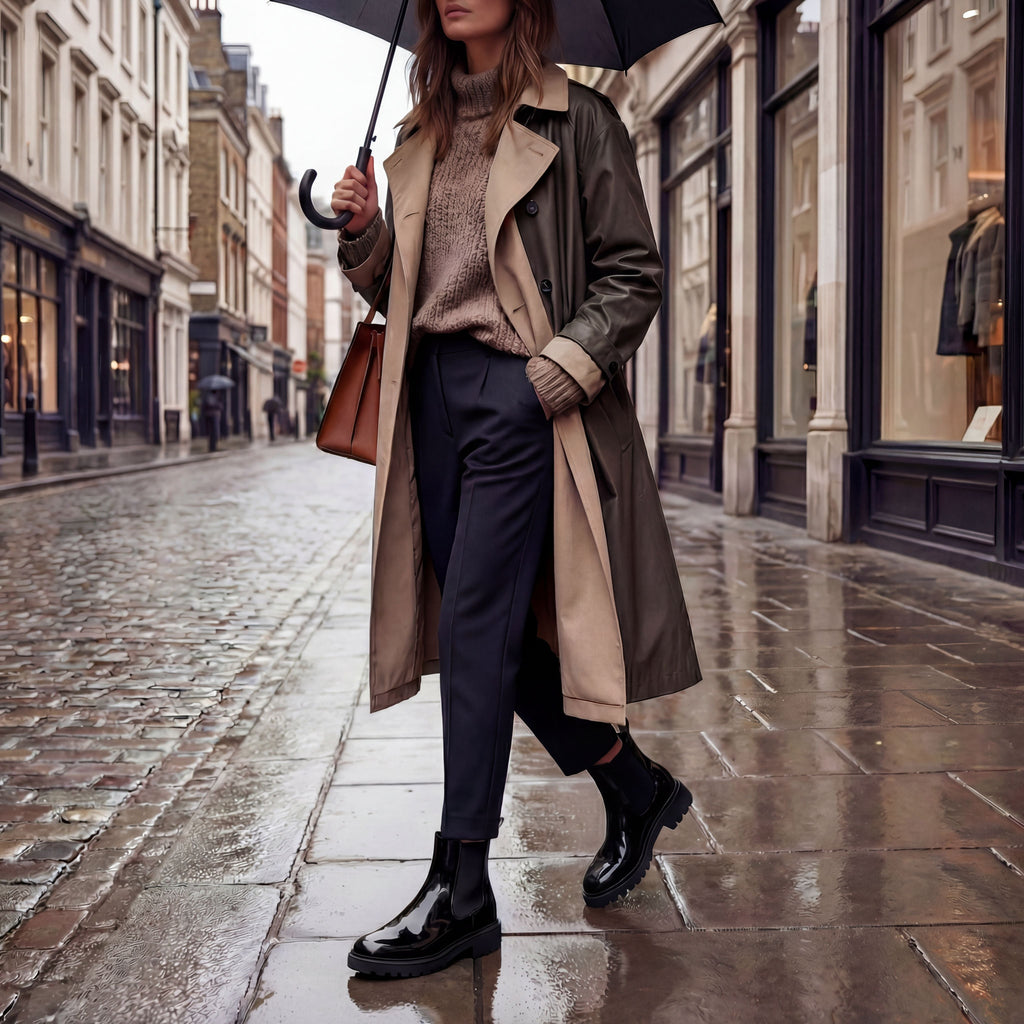
A Chelsea boot is sleek. Its elastic side panels make it clean and quick to wear. Under slim trousers, it looks composed and urban.
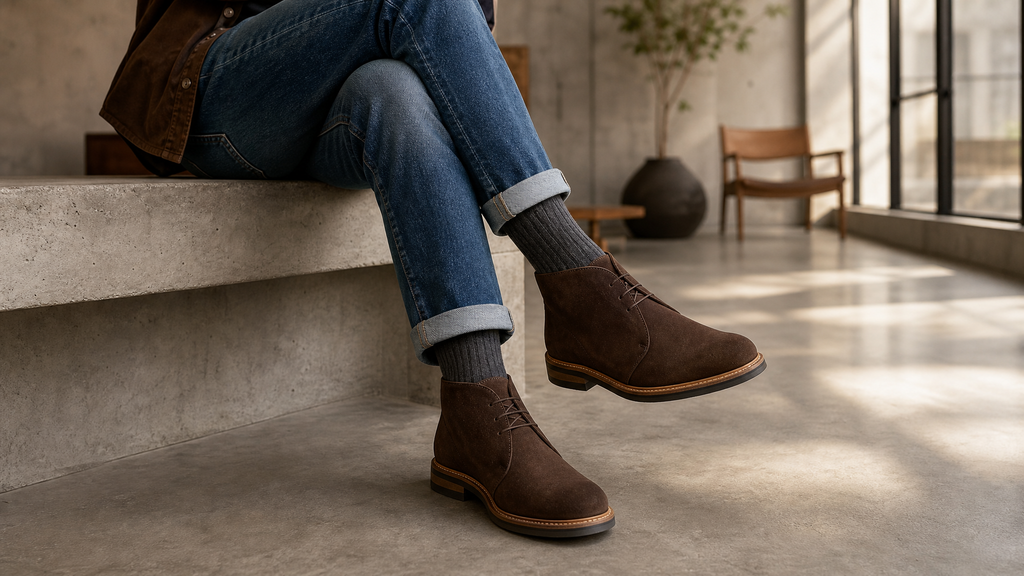
A Chukka boot is softer and less formal. Usually it pairs well with denim, flannel, and relaxed tailoring.
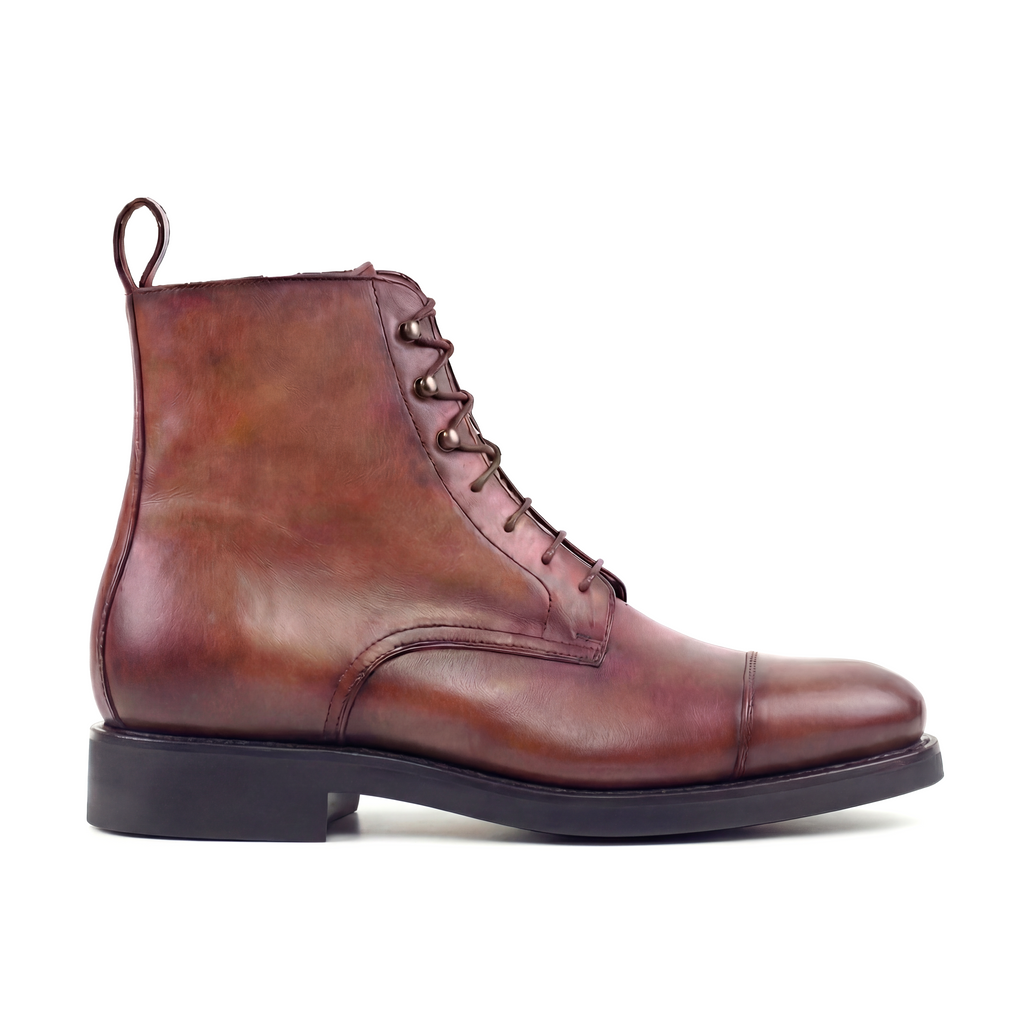
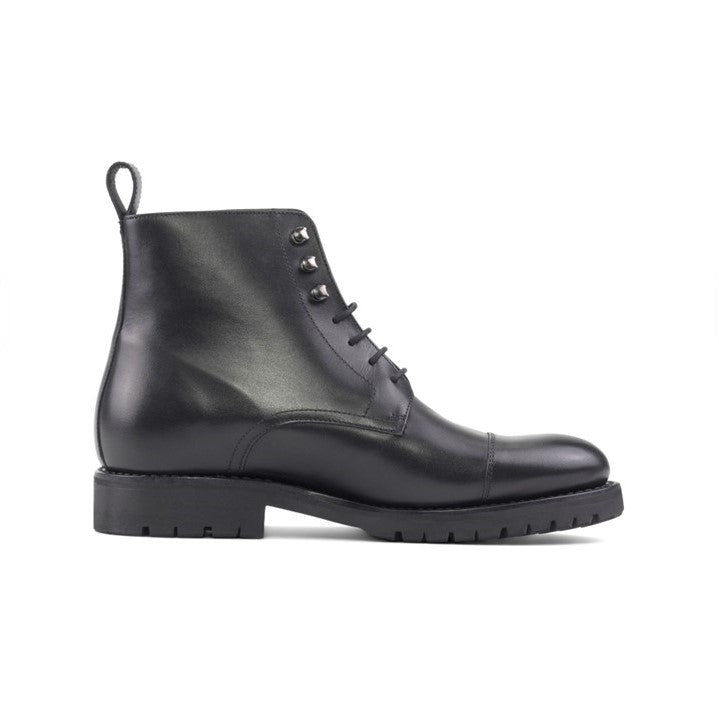
Then there are sturdier lace-up boots, which can feel rugged or refined depending on leather, sole, and silhouette.
Practical rule: If the boot has a sleek toe, refined leather, and a low-profile sole, treat it like tailoring’s companion. If it has a heavy sole and visible heft, dress the rest of the outfit down to match.
How to Choose the Right Shoe for Fit and Occasion
The most expensive mistake in footwear is buying the right style in the wrong fit.
Industry data suggests that 60 to 70% of men wear the incorrect shoe size, which helps explain why so many purchases disappoint after the first real day of wear (shoe sizing discussion).

Why size labels mislead people
Men often treat shoe size like a fixed identity. It isn’t. Different lasts shape the foot differently. One shoe may be generous through the forefoot and shallow over the instep. Another may run long but narrow. The label alone doesn’t tell you enough.
That’s why “I’m always this size” causes trouble.
A proper fit starts with four things:
- Length. Enough room in front of the longest toe without swimming inside the shoe.
- Width. The forefoot should sit naturally, not bulge over the welt or upper.
- Instep volume. Many men feel pressure across the top of the foot at this point.
- Heel hold. Secure, but not abrasive.
A simple at-home fitting method
Use two sheets of paper, a pen, and the socks you’d wear with the shoe. Stand, don’t sit. Weight changes the foot.
Trace both feet. Measure from heel to longest toe. Then measure the widest part of each foot. Make note if one foot is larger. Many men ignore this and pay for it later.
Look for these warning signs:
| Sign | What it usually means |
|---|---|
| Toes rub at the sides | The shoe is too narrow or the toe shape is wrong |
| Heel lifts with each step | The heel fit or instep hold is off |
| Pressure across laces | The shoe lacks enough volume |
| Foot slides forward | The shoe may be too long or not holding the midfoot |
If you want a more detailed walk-through, this article on how to choose the right shoe size gives a useful framework.
Match the shoe to the dress code
Fit comes first. Occasion comes next.
For formal events, choose restraint. Oxfords, sleek Derbies, and dress boots in polished leather usually carry the room well.
For business settings, it depends on the culture. Traditional offices still reward structured dress shoes. More relaxed workplaces allow refined loafers, clean sneakers, or understated boots.
For smart casual, harmony matters more than rules. If the trousers fit well and the shirt is crisp, the shoe should still look intentional. Avoid athletic bulk unless the whole outfit supports it.
For weekend and leisure wear, you have room to explore softer silhouettes. If you like pared-down comfort, guides such as Yzy Slides as a minimalist footwear option can help clarify what minimalist design is trying to achieve.
A short visual guide can help if you’re learning how shape changes fit and movement.
When custom fit becomes practical
Custom isn’t only for collectors or formal dressers. It becomes practical the moment you know your foot doesn’t sit happily in standard sizing.
That includes men with wide forefeet, narrow heels, high insteps, or noticeable asymmetry between feet. In those cases, precision sizing stops being indulgence and starts being common sense.
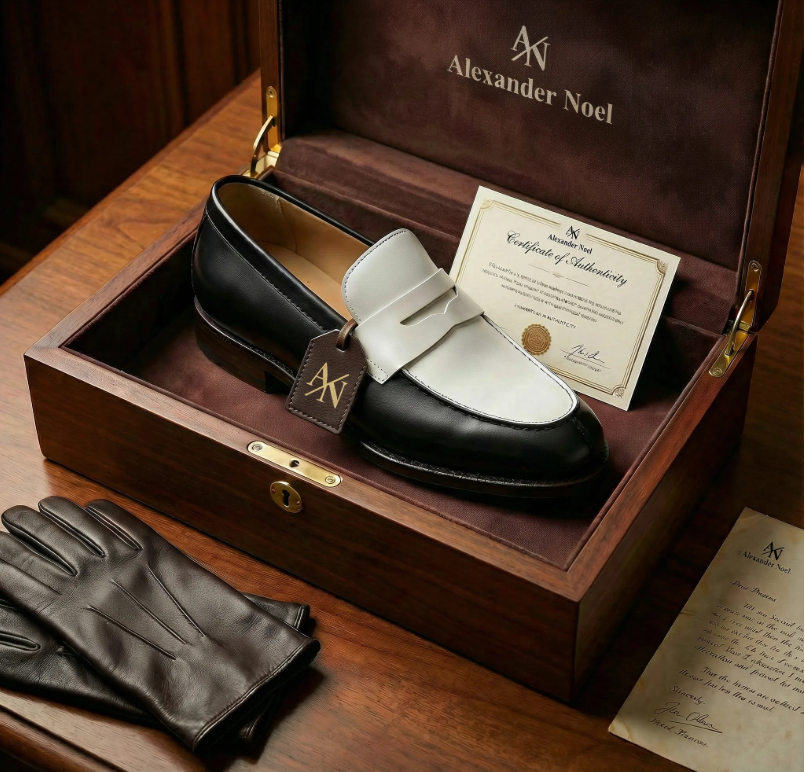
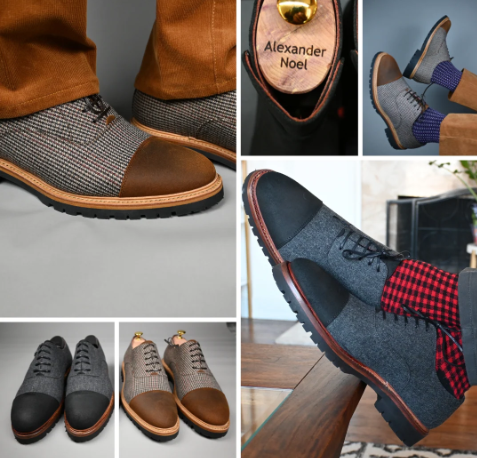
One option in this space is Alexander Noel’s precision-fit approach, which pairs made-to-order footwear with at-home sizing and custom configuration. Used that way, custom becomes a method for reducing guesswork rather than a display of extravagance.
The Hallmarks of Quality Craftsmanship and Materials
A well-made shoe announces itself. Not by flashy branding, but by how it bends, how it holds shape, and how it ages.

Construction tells you how the shoe will live
Most buyers look first at the upper. A shoemaker looks at the build.
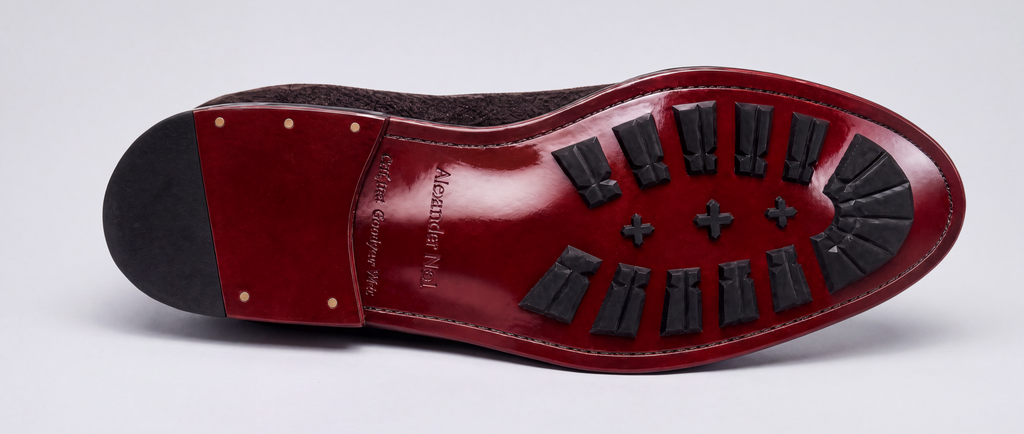
A Goodyear welted shoe is designed for durability and repair. It can withstand over 1,000 km of walking before needing a resole, and the structure allows repeated resoling without harming the core of the shoe. By contrast, cemented shoes often fail after 300 to 500 km and don’t offer the same long service life. Well-made welted shoes can last 5 to 10 years or more with proper care (Goodyear welt durability details).
That difference changes how the shoe feels over time. A resolable shoe becomes a long-term object. A glued shoe is often a short-term purchase.
What to inspect with your hands
When you pick up a shoe, don’t only admire it. Test it.
Check these points:
- Flex point. The shoe should flex where your foot bends, near the ball of the foot, not collapse in the middle.
- Waist and sole stability. A good shoe shouldn’t twist too easily through the arch.
- Upper tension. The leather should feel substantial and even, not papery or loose.
- Stitching discipline. Clean, consistent stitching often reflects care throughout the build.
A handsome shoe can still be poorly made. Construction is what turns appearance into service.
Materials shape comfort as much as appearance
Leather quality matters because it determines how the shoe creases, breathes, and responds to wear. Better leather tends to age with character. Poorer leather often breaks down into fatigue.
For dress shoes, look for uppers that feel dense yet supple. The lining matters too. It’s the layer that lives against your foot, and it affects heat, friction, and how the interior ages.
In sneakers and hybrid luxury casual shoes, materials deserve the same scrutiny. A soft lining, balanced cushioning, and a durable outsole can make a casual shoe feel composed rather than disposable.
Some modern custom sneakers use advanced comfort materials in the lining and interior to improve pressure distribution and temperature control. The lesson isn’t that every man needs a technical specification sheet. It’s that materials are doing real work inside the shoe, even when you can’t see them at first glance.
Signs of lasting craftsmanship
A quality shoe usually shows its standards in small places. The edge finishing is clean. The upper aligns neatly with the sole. The heel sits straight. The inside doesn’t feel rough or unfinished.
You can think of quality in three layers:
| Layer | What you notice first | What matters later |
|---|---|---|
| Shape | Elegance, proportion, silhouette | Whether the shoe still looks balanced after wear |
| Build | Sole, stitching, structure | Whether it can be maintained and repaired |
| Material | Texture, finish, softness | How it ages, breathes, and resists breakdown |
For a closer look at what separates handmade footwear from factory-standard output, this guide on hand made mens shoes gives a practical overview.
The Bespoke Experience The Alexander Noel Design Lab
At some point, many men realize the market has plenty of shoes, yet not many that answer their exact needs. The issue isn’t scarcity. It’s mismatch.
In the United States, 99% of shoes are imported, largely from mass-production systems built around standardization rather than individual fit. That creates room for direct-to-consumer bespoke models that focus on personalization and avoid retail markup (U.S. footwear import and market discussion).

What bespoke changes for the buyer
Bespoke or made-to-order design changes the sequence. Instead of asking, “Which of these available shoes can I tolerate?” you ask, “What do I want this shoe to be?”
That shift is powerful.
You choose for your life, not for a shelf.
How the design process works
The process usually includes a series of decisions, each one practical.
- Choose the category Start with the role of the shoe. Dress shoe, sneaker, boot, or something in between.
- Refine the silhouette Formality and personality enter at this stage. A wholecut reads differently from a cap-toe Oxford. A sleek sneaker reads differently from a more substantial street profile.
- Select the materials Leather, suede, fabric, or specialty materials alter not only the look but also the drape and feel of the upper.
- Set the color story Men often either play too safely or too loudly with color choices. A balanced design usually has one main note and one supporting note.
- Decide on sole and finishing details Sole type affects traction, flexibility, and visual weight. Finishing details affect whether the shoe feels restrained or expressive.
- Add personal signatures carefully A monogram or distinctive accent can work well, but only if it supports the whole shoe.
The most successful custom shoe designs aren’t the loudest. They’re the most coherent.
Why visualization matters
Many buyers hesitate because they can’t picture the final result. Digital visualization helps with this. Seeing combinations before production reduces uncertainty and sharpens decision-making.
If you’re curious about how digital presentation tools help people preview products more convincingly, this overview of AI model creation is useful context.
For readers who want to see how a custom workflow can move from design to finished footwear in a relatively short window, this article on the Alexander Noel Design Lab bespoke process shows what that journey looks like.
What a good custom brief looks like
A shoemaker can guide you better if you describe your needs clearly.
Tell him:
- Where you’ll wear the shoe. Office, travel, events, daily city use.
- What usually goes wrong. Tight toes, heel slip, high instep pressure, sole wear.
- What you already own. The new pair should fill a gap, not duplicate another.
- How bold you want to be. Understated elegance is still a design choice.
That is the core benefit of customization. Not excess. Precision.
Investing in Longevity Value Care and Lead Times
Many buyers still judge shoes by the first few minutes of comfort and the sticker price. That’s too small a frame.
The better frame is total ownership. Many shoe buyers focus on immediate comfort but miss the longer-term value of a high-quality handcrafted pair, whose cost-per-wear can become lower than mass-produced alternatives that need frequent replacement (cost-of-ownership perspective on footwear).
Think in cost per wear, not only price
A cheap shoe can be expensive if it collapses early, loses shape, or can’t be repaired. A better-made shoe often asks for more up front but returns that value through longevity, maintenance, and consistency.
The practical question isn’t “What does this cost today?”
It’s “How long will this serve me well?”
That question changes buying behavior. It pushes you toward stronger construction, better materials, and shoes you’ll want to maintain.
Care is part of value
A good shoe left uncared for won’t show its full merit. Care doesn’t need to be elaborate, but it does need to be regular.
For leather shoes:
- Brush after wear. Dust and surface grit shorten the life of the finish.
- Condition when the leather starts to feel dry. Supple leather ages better than neglected leather.
- Use shoe trees. They help preserve shape and manage interior moisture.
For suede:
- Brush gently with the correct tool.
- Keep moisture and stains from settling by treating problems early.
- Store with airflow, not crushed in tight corners.
For sneakers:
- Clean uppers lightly and often rather than waiting for heavy buildup.
- Let them dry naturally after long wear.
- Rotate pairs when possible so materials can recover between uses.
Good care doesn’t make a poor shoe into a fine one. It does allow a fine shoe to earn its full life.
Resoling and maintenance matter
One of the strongest arguments for traditional construction is maintainability. When the outsole wears down, the whole shoe doesn’t have to be discarded if the structure supports repair.
That changes the emotional relationship too. Instead of starting over with each worn pair, you preserve something already shaped to your foot and habits.
Lead times deserve honesty
Custom and made-to-order shoes require patience, though modern direct-to-consumer systems can shorten that wait. The sensible buyer treats lead time as part of the craft, not as an inconvenience.
If you need a pair for a wedding next month or a business trip soon, order with margin. If the shoe is made for your measurements and choices, every day spent in production is part of making the result more personal than something pulled from stock.
Conclusion Your Next Step to Perfect Footwear
The right shoe rarely appears by accident. It comes from better judgment.
Once you understand the four main footwear pillars, you stop buying shoes just because they’re available. Once you understand fit, you stop trusting the size stamp alone. Once you understand construction and materials, you stop confusing surface polish with lasting quality.
That’s why the search behind shoes for men shoes for men is more meaningful than it sounds. It isn’t just a search for products. It’s a search for clarity.
For some men, that clarity leads to a smarter ready-to-wear purchase. For others, especially those who’ve struggled with sizing, style, or consistency, it leads naturally toward made-to-order and bespoke design.
The important thing is this. You don’t have to keep repeating the same buying mistake. You don’t have to choose between comfort and elegance. You don’t have to settle for a shoe that is almost right.
A shoe should feel intentional. It should support your foot, match your life, and age with honor. When it does, you notice the difference every time you lace it, slip it on, and walk out the door.
If you’re ready to stop settling and start designing with purpose, explore Alexander Noel and approach your next pair as a personal build, not just another purchase.
Related post
12
Sep
12
Sep
12
Sep
29
Aug
