

RECENT POSTS
29.August.2026
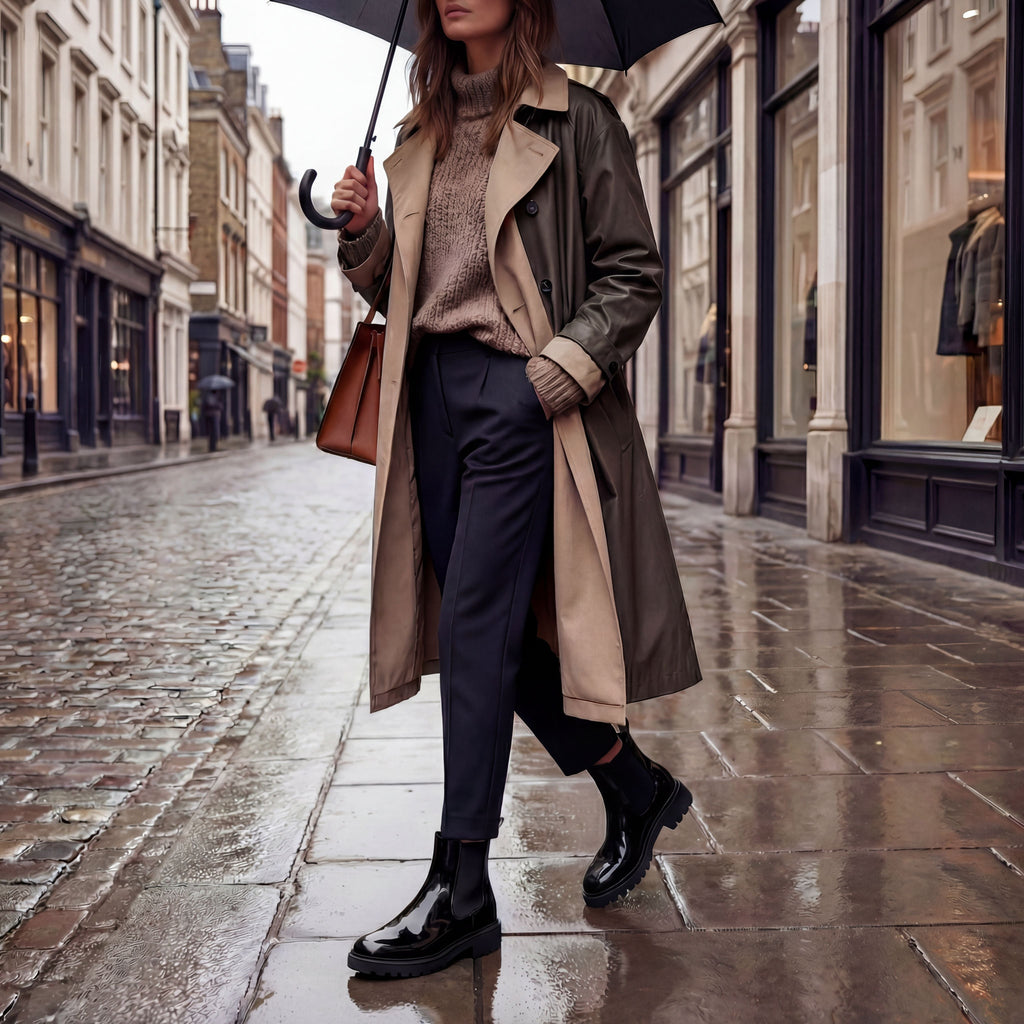
Custom Women's Boots for Fall: Choosing Between Two Black Chelsea Silhouettes
0 Comments
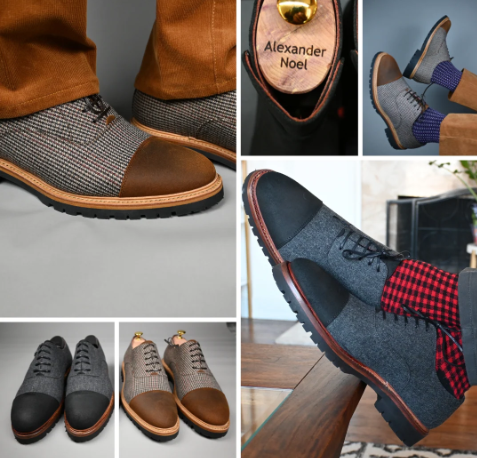
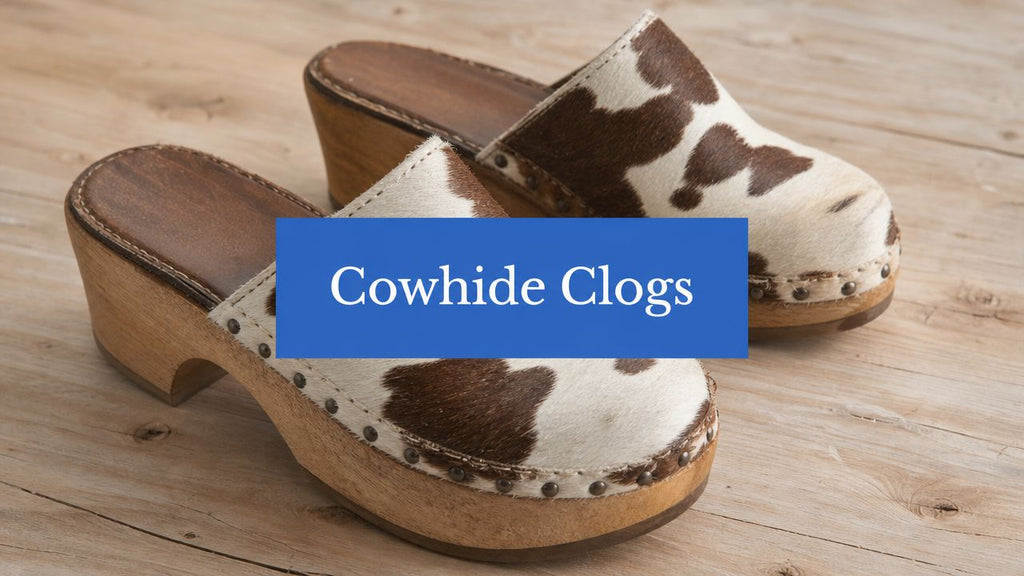
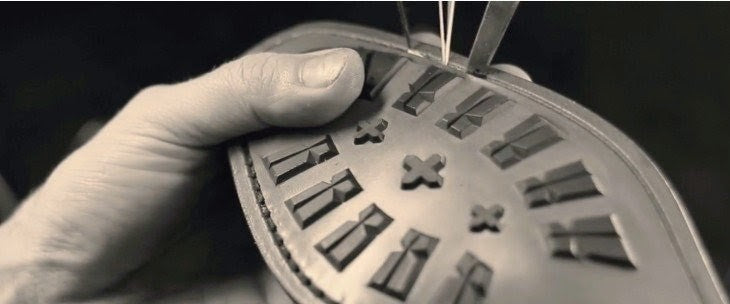
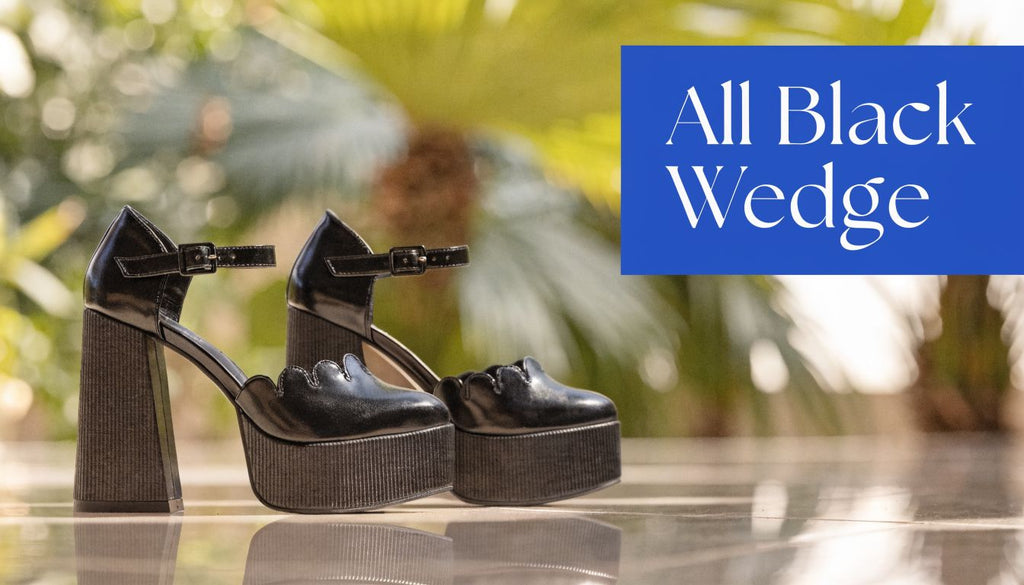



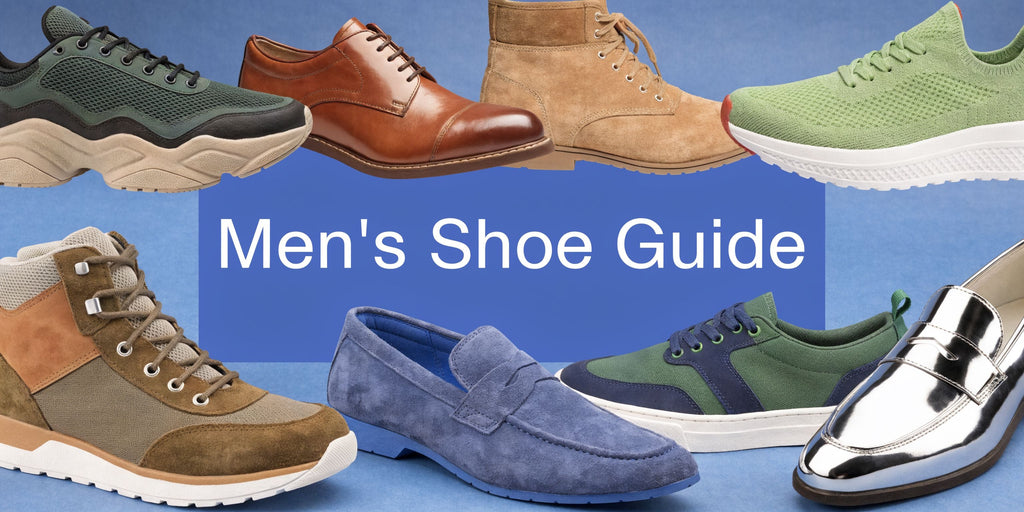
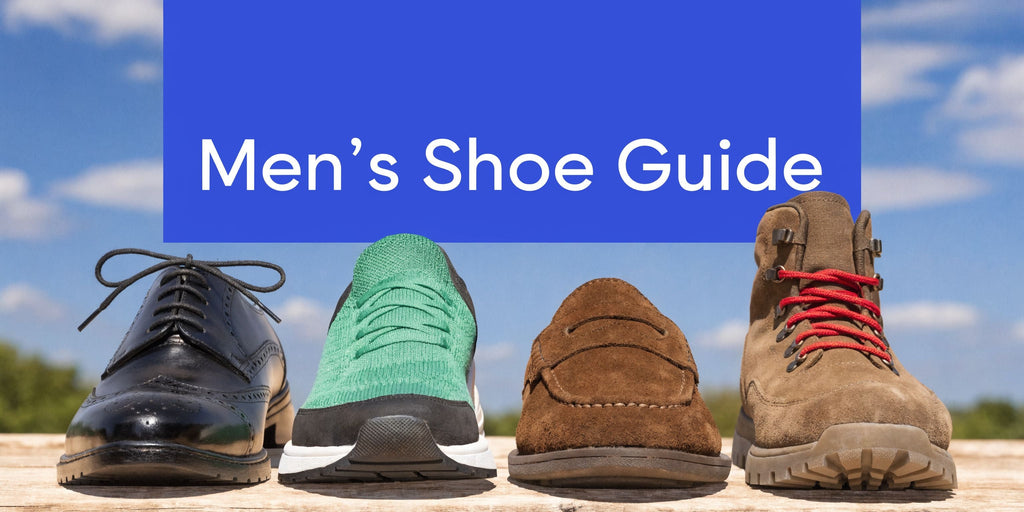


Shoes for Men Shoes for Men: A Complete Buyer's Guide 2026
A familiar problem sits in a lot of closets. You own plenty of shoes, but the pair you need today either pinches, looks too casual, or feels tired the moment you lace it up.
That tension is why so many men search for shoes for men shoes for men and still end up frustrated. The issue usually isn’t a lack of options. It’s that most options were built for a broad category, not for your specific life, your foot shape, or the level of polish an important day demands.
In the United States, consumers bought an average of 5.39 pairs per person in 2023, yet abundance hasn’t solved the problem of finding the right mix of style and fit, especially for professionals (Packlane’s footwear market breakdown). A full shelf doesn’t guarantee a useful wardrobe.
A better approach starts with discernment. You need to know which shoes belong in a modern rotation, how to spot real quality, why fit goes far beyond a size number, and when customization becomes the sensible answer rather than an indulgence.
If you want a broader style overview before diving deeper, this companion guide on men’s shoe trends in 2026 is a useful place to compare current silhouettes and wardrobe roles.
Beyond the Sneaker The Modern Man's Guide to Footwear
Most men don’t need more shoes. They need the right shoes in the right roles.
The modern wardrobe often leans heavily on sneakers because they’re easy. They solve the commute, the coffee run, the casual office, and the airport. Then a client dinner appears on the calendar, or a wedding invitation lands, or you want your outfit to look intentional instead of merely acceptable. Suddenly the dependable sneaker stops being enough.
That doesn’t mean sneakers are the problem. It means footwear has jobs, and one pair can’t do all of them well.
A strong shoe wardrobe works like a well-built toolkit. You don’t use the same instrument for every task. You choose the one that fits the setting, the clothing, the weather, and the impression you want to leave.
Good footwear changes how a man carries himself. The posture is better, the stride is cleaner, and the outfit stops fighting itself.
Men also get confused by the false choice between comfort and elegance. Off-the-shelf shopping often trains you to believe that a sharp shoe must be stiff, or that a comfortable shoe must look sporty. Better shoemaking rejects that tradeoff. Thoughtful materials, sound construction, and precise fit can give you both.
That is the fundamental change. You stop asking, “What shoe should I buy?” and start asking, “What role does this shoe serve in my life?”
Once you think that way, the world of men’s footwear becomes much easier to understand.
The Four Pillars of a Man's Shoe Collection
A practical collection doesn’t need endless variety. It needs structure.
The global men’s footwear market makes that clear. In 2023, casual shoes held 38% market share and formal shoes held 25%, showing how men divide their wardrobe between ease and professional presentation (Markets and Data on the men’s footwear market). That balance is exactly why a four-pillar wardrobe works so well.

Dress shoes
Dress shoes give a man visual authority. They bring order to well-fitting clothes, sharpen business clothing, and finish ceremonial outfits with the right level of gravity.
The core styles are worth knowing:
- Oxford shoes are the most formal. Their closed lacing creates a clean front, which makes them ideal for suits, evening events, interviews, and conservative offices.
- Derby shoes relax the mood slightly. Their open lacing gives a bit more flexibility across the instep, and they pair well with everything from business separates to heavier trousers.
- Monk straps sit in an interesting middle ground. They still read polished, but the buckle detail adds personality without becoming loud.
If you wear well-fitting clothing even a few times a month, dress shoes aren’t optional. They’re foundational.
Casual shoes
Casual shoes often do the hardest work in a wardrobe because they need range. They have to look relaxed without looking sloppy.
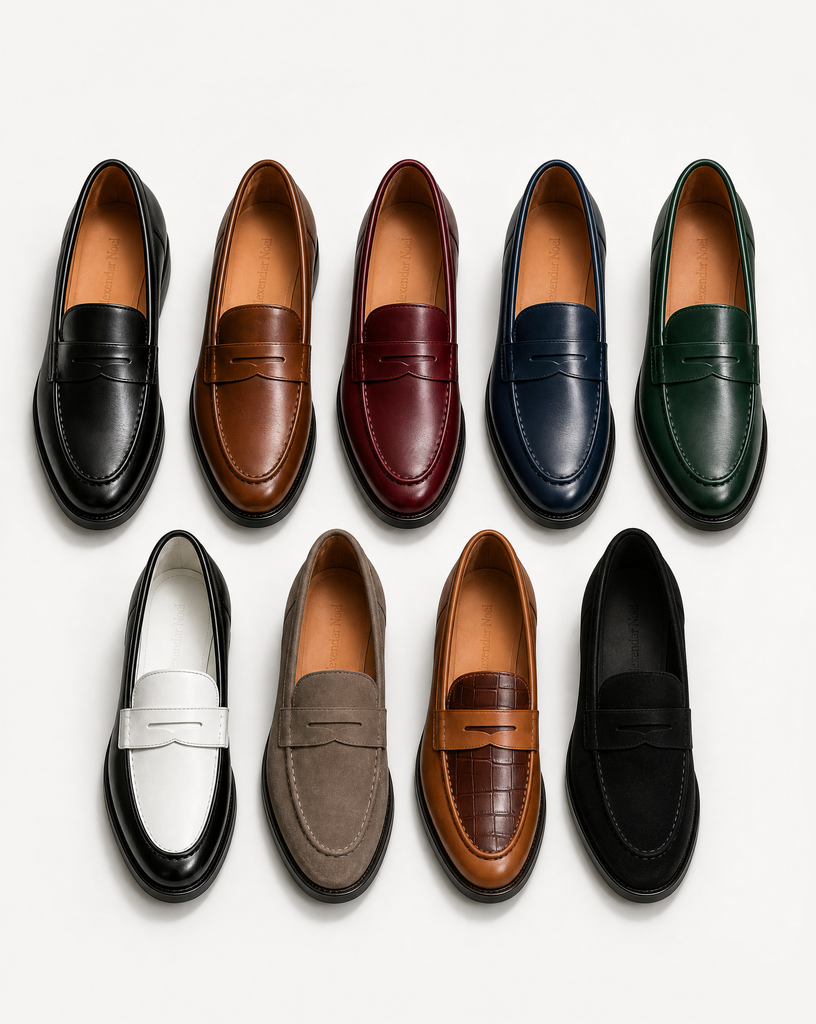
A loafer is usually the first smart casual hero. It slips easily into the week and can handle chinos, denim, drawstring trousers, and even some softer tailoring. If your lifestyle leans coastal or warm-weather, a boat shoe or a lightweight derby can play a similar role.
Think of casual shoes as the bridge category. They connect formal discipline with everyday ease.
A useful test is straightforward. If a shoe can move from lunch to dinner without making you feel underdressed, it belongs here.
Sneakers
Sneakers now cover two different worlds, and men often blur them together.
One world is performance. These are built for movement, training, and long active days. The other is lifestyle. These are sneakers meant to sit with denim, technical trousers, knitwear, and modern casual tailoring.
That distinction matters. The running shoe that feels right in the gym may look visually noisy with a blazer. A pared-back leather or luxury street sneaker can do far more in a refined wardrobe.
Practical rule: Keep at least one sneaker pair intentionally clean in shape and color. It should feel designed for outfits, not only for exercise.
Boots
Boots add depth to a collection. They’re practical, but they also bring texture and presence that low shoes can’t.
Here’s how the main types usually behave:
| Boot style | Best use | Visual character |
|---|---|---|
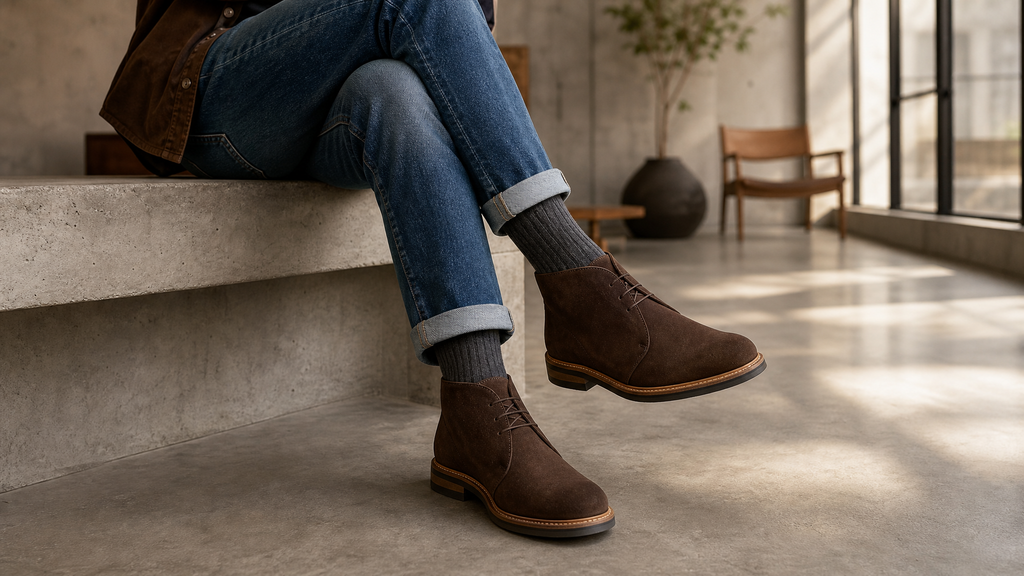
| Chukka | Smart casual outfits, travel, transitional weather | Soft, understated, easy |
| Chelsea | Well-fitting casual looks, evening wear, city dressing | Sleek, narrow, elegant |
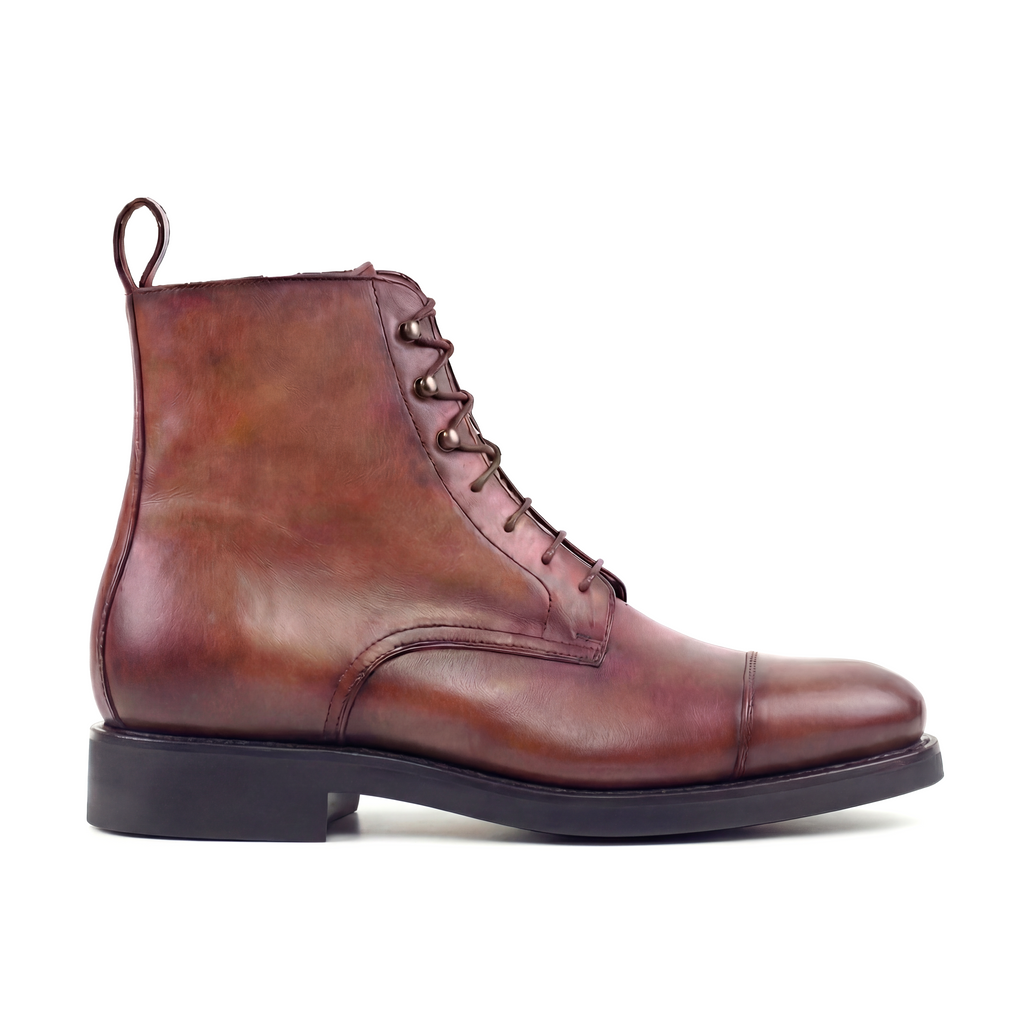
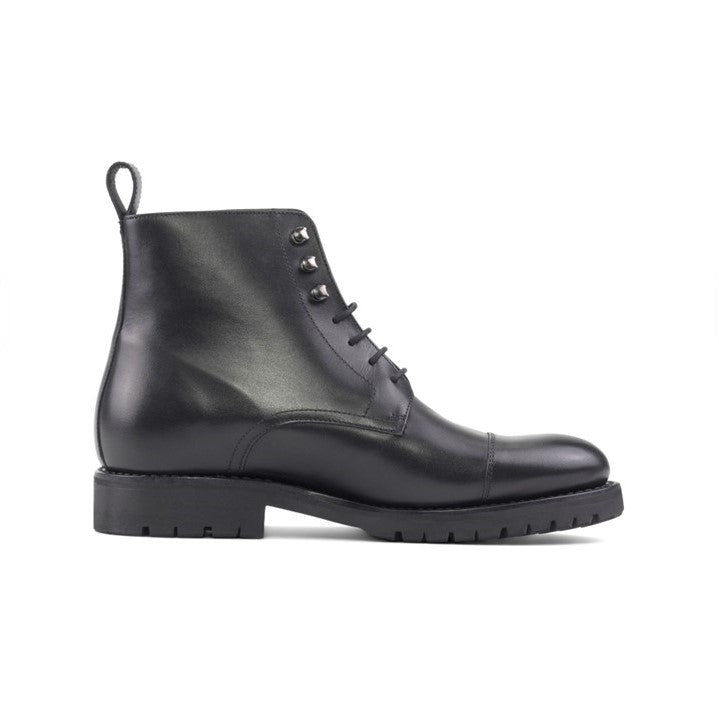
| Artisan or service-style boot | Denim, heavier trousers, cooler seasons | Rugged, grounded, substantial |
Boots matter because they change the silhouette from the ground up. A Chelsea boot can make simple trousers look sharper. A chukka can soften the formality of a jacket. An artisan boot can anchor heavier fabrics beautifully.
The strongest collections usually include all four pillars, but not in equal amounts. Your job, climate, and daily rhythm decide the weighting. A suited executive may lean on dress shoes and sleek sneakers. A creative director may rely on loafers, minimal sneakers, and refined boots.
The goal isn’t volume. It’s coverage.
Decoding Quality From Leather Grades to Goodyear Welts
A handsome shoe can still be mediocre. Quality lives beneath the surface.
The first place to look is the upper. Leather isn’t interchangeable, even when two pairs appear similar from a distance.

Leather tells you how the shoe will age
Full-grain leather keeps the natural surface more intact. It tends to develop character, crease more beautifully, and reward care. Top-grain leather is usually more corrected and more uniform in appearance. Corrected-grain leather has had the surface altered more heavily, often to disguise imperfections and create a consistent finish.
None of those terms should be treated as decoration. They affect how the shoe breaks in, how it takes polish, and how gracefully it ages.
A useful deep dive on this subject is Alexander Noel’s guide to demystifying leather grades, sourcing, production, and quality assurance. It’s helpful if you’ve ever looked at product descriptions and felt that every brand was using the same polished language for very different materials.
Construction matters as much as appearance
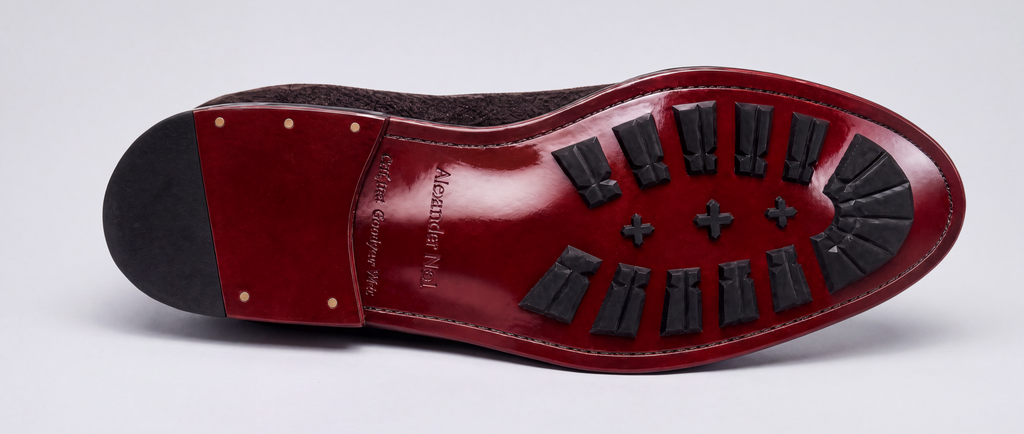
Most buyers notice the toe shape and the shine first. Experienced buyers look at the sole.
A Goodyear welt is a construction method where the upper and welt are stitched together, then attached to the sole. That structure usually supports easier resoling and a more durable life cycle. A cemented sole is glued rather than stitched. It can be lighter and perfectly serviceable in some categories, but it usually doesn’t offer the same long-term rebuild potential.
If leather quality is the fabric of the house, construction is the frame.
Here’s a simple comparison:
- Goodyear welted shoes usually suit men who want longevity, repairability, and a more traditional build.
- Blake stitched shoes often feel sleeker and more flexible, with a refined profile.
- Cemented shoes can work for lighter use or trend-led buying, but they’re generally less compelling when durability is your main concern.
Real durability is engineered
The most revealing details are often invisible when the shoe is on the shelf. The durability of a bespoke shoe depends on engineered choices such as outsole rubber hardness in the 60 to 85A Shore range, midsole foam density of 0.15 to 0.30 g/cm³, and leather uppers that can withstand over 500,000 flex cycles without cracking. In field tests, that can produce a lifespan that exceeds mass-produced alternatives by over 50% (USC illumin on the engineering behind shoe design).
That sounds technical, but the effect is very human. Better compounds resist wear. Better midsole specification helps manage shock. Better upper materials survive repeated movement without breaking down prematurely.
For a visual primer on how classic construction comes together, this short video helps make the anatomy easier to understand.
What to inspect before you buy
When you hold a shoe in hand, look for signs of discipline rather than decoration.
- Edge finishing should look neat and deliberate, not rough or hurried.
- Stitch consistency should remain even through curves and stress points.
- Lining quality should feel smooth and substantial, especially around the heel.
- Balance matters. Set the pair on a flat surface and see whether it sits squarely.
- Crease behavior gives clues. Soft, fine creasing tends to age better than deep, papery collapse.
A polished finish can impress in the store. Clean construction still matters after a year of wear.
The more you learn to read these details, the easier it becomes to separate marketing from craft.
Finding Your Perfect Fit Beyond Standard Sizing
The biggest mistake men make with shoes is trusting length alone. If the number on the box matches the number you usually buy, you assume the fit problem must be your fault.
It usually isn’t.
Your foot is more complex than a size label
A shoe size answers only one question well. It estimates length. It doesn’t tell you enough about width, instep height, toe spread, heel shape, or arch profile.
That matters because foot shape varies dramatically even among men who wear the same length. For a given shoe length, male instep heights can vary by 16mm, and that variance leads to pressure points and discomfort for up to 50% of wearers in standard-sized shoes (Codesign Collaborative on shoe design and fit variability).
If you’ve ever said, “My size depends on the brand,” you were noticing the limits of standardization.
Common fit problems men normalize
Men often tolerate avoidable problems because they’ve been told shoes need a painful break-in period. Some discomfort does soften with wear. Structural mismatch does not.
Watch for these signs:
- Toe pinching means the forefoot shape is wrong, not just the length.
- Heel slip often points to poor heel hold or too much internal volume.
- Instep pressure can come from a last that sits too low over the top of your foot.
- Arch fatigue may reflect poor support, but it can also come from instability elsewhere in the shoe.
- Sidewall bulging often means your width needs attention, not a longer size.
If you’re unsure whether the issue starts with movement rather than the shoe alone, a basic overview of gait analysis can help you understand how your walking pattern affects pressure, wear, and comfort.
Width and volume deserve more respect
A surprising number of men should be shopping by width as carefully as they shop by length. Narrow feet float in standard lasts. Wider feet get squeezed and then blamed for “not fitting the style.”
That’s why width guidance matters. If you’ve only ever bought your usual number and hoped for the best, this shoe width sizing guide gives a clearer way to think about D, EE, and room through the forefoot and instep.
Fit should feel secure, not restrictive. The foot should sit held in place, not trapped.
A quick fit check at home
Try this when assessing a pair:
- Stand, don’t just sit. Your foot spreads under load.
- Check the vamp pressure. The top of the shoe shouldn’t feel like it’s pressing down aggressively.
- Walk on a hard floor. Listen for heel lift and pay attention to forefoot friction.
- Notice your smallest toe. It often reveals shape mismatch before the big toe does.
- Judge both feet separately. Many men have one foot that needs a slightly different accommodation.
Good fit doesn’t announce itself with drama. It disappears. You stop thinking about your shoes and start moving naturally.
Become the Designer The Alexander Noel Custom Experience
Ready-to-wear footwear asks you to adapt to the shoe. Bespoke reverses that relationship.
That shift becomes especially valuable for men who sit outside standard fit assumptions, or who want a specific balance of formality, comfort, material, and personal style. It also matters for men who are tired of shopping across categories and still compromising every time.

Why bespoke solves a different problem
A custom process isn’t only about choosing a color or adding initials. Its real strength is that it lets style and fit be decided together.
That’s particularly relevant in a market gap that standard brands often ignore. A 2025 survey found that 35% of men over 40 reported unmet needs for professional footwear that accommodates issues like ankle valgus or extra-depth requirements without looking orthopedic (Healthy Feet Store on extra-depth orthopedic shoes for men). For these men, customization isn’t a novelty. It’s often the only elegant path.
A bespoke platform can address visible style choices and invisible structural needs at the same time.
What a modern custom workflow looks like
The old image of bespoke footwear is a private fitting room, several appointments, and a process available to very few people. Modern direct-to-consumer systems have widened access.
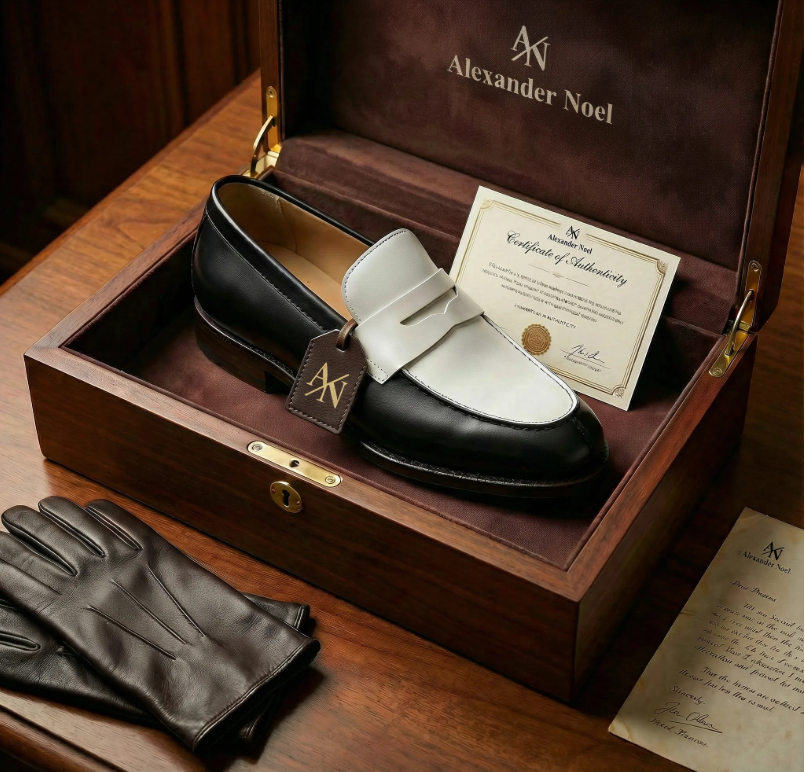
One example is the Alexander Noel Design Lab custom luxury footwear process, which combines an interactive design experience with made-to-order production through global artisan partners. The appeal of that model is straightforward: you can shape the shoe around your needs instead of selecting the nearest compromise from inventory.
The decisions usually fall into a few layers:
- Silhouette choice such as oxford, loafer, sneaker, or boot
- Material selection including leather type, texture, and finish
- Color planning for upper, sole, lining, and trim
- Functional adjustments for width, depth, support, or volume
- Detail work such as toe shape, broguing, laces, hardware, or edge finish
Some men will use customization to create a simple black cap-toe that finally fits correctly. Others will use it to build a sharply defined luxury sneaker with softer materials and a cleaner line than mass-market offerings.
Both are valid. Bespoke isn’t a style. It’s a method.
Becoming the architect of your own shoe
The most satisfying part of custom design is that it teaches you to see footwear differently. You begin to understand how small decisions change the entire character of a pair.
A few examples make that clear:
| Design choice | Style effect | Practical effect |
|---|---|---|
| Rounded toe | Softer, more relaxed | More forgiving in the forefoot |
| Chiseled toe | Sharper, dressier | More visually formal |
| Dark brown leather | Versatile, business-friendly | Hides wear well |
| Rubber sole | More casual, more urban | Better traction and weather tolerance |
| Leather sole | More traditional, more formal | Elegant line under well-fitting clothes |
Men often discover that their ideal shoe never existed on a shelf. It had to be composed.
The right custom shoe doesn’t look eccentric. It looks obvious, as if it should have been yours all along.
The fit advantage of made-to-order thinking
Customization is most powerful when it respects anatomy, not just aesthetics.
A thoughtful process can account for issues standard grading usually ignores, such as one foot being slightly different, a higher instep, the need for more toe room, or extra internal depth without clumsy external bulk. For professionals who need polish without pain, that distinction changes the entire wearing experience.
It also changes buying psychology. Instead of asking, “Can I tolerate this after break-in?” you ask, “Was this built around the way I move and dress?”
Who benefits most from custom footwear
Bespoke tends to make immediate sense for a few groups:
- Professionals in formal settings who need reliable dress footwear that performs all day
- Men with fit challenges who are tired of rotating between brands and widths
- Style-conscious buyers who want a cleaner, more intentional design language
- Frequent travelers who need fewer pairs that do more work
- Men with condition-specific needs who want support without orthopedic visual cues
The pleasure of customization isn’t just ownership. It’s relief. Relief from settling for almost right.
Protect Your Investment A Guide to Shoe Care and Maintenance
A well-made shoe deserves routine, not panic. Care works best when it’s steady and uncomplicated.
The first rule is rotation. Don’t wear the same pair every day if you can avoid it. Shoes absorb moisture during wear, and they recover better when they have time to rest and air out.

Leather dress shoes
Leather rewards a simple sequence. Think of it as clean, nourish, protect.
- Brush off dust first. A horsehair brush removes surface debris before it gets rubbed into the leather.
- Use shoe trees after wear. Cedar trees help the pair hold shape while absorbing moisture.
- Clean lightly when needed. A soft cloth is often enough for routine care.
- Condition sparingly. Leather needs moisture, but too much product can leave it heavy and dull.
- Polish for finish. Cream polish refreshes color. Wax polish adds shine and a bit more surface protection.
Suede and nubuck
Suede needs a different temperament. Don’t treat it like smooth calfskin.
Use a suede brush to lift the nap and a suede eraser for marks. Keep water exposure to a minimum, and let the pair dry naturally if it gets damp. Aggressive rubbing can flatten the texture and make the surface look tired.
Sneakers and mixed materials
Luxury sneakers often combine leather, knit, rubber, and soft linings. That means targeted care works better than one all-purpose product.
- Leather panels should be wiped clean and conditioned lightly.
- Fabric or knit areas should be spot-cleaned with a gentle cloth.
- Rubber soles respond well to regular wiping before dirt sets in.
- Interior freshness improves when the shoes rest between wears and are stored dry.
Store shoes where air can move around them. A dark shelf is good. A sealed plastic box is usually not.
Storage habits that preserve shape
Good storage prevents the slow damage men often miss until it’s visible.
A few habits matter most:
- Keep pairs off the floor so they don’t get scuffed or crushed.
- Use dust bags for long storage if the pair is seasonal or seldom worn.
- Avoid heat sources because leather can dry out and stiffen.
- Travel with structure by stuffing the toes or using lightweight trees.
When to seek professional care
Not every problem should be handled at home. Deep sole wear, broken heel blocks, serious staining, and structural issues deserve a skilled cobbler.
The best time to resole or repair a quality pair is before damage spreads upward. Waiting too long usually turns a clean repair into a more expensive rescue.
Shoe care isn’t fussy. It’s disciplined. A few minutes of maintenance protects years of wear.
Stepping Forward with Confidence and Style
A thoughtful shoe wardrobe changes more than outfits. It changes decisions.
Once you understand the four pillars, you stop buying duplicates that serve the same purpose. Once you can read leather and construction, you stop paying premium prices for surface-level polish. Once you understand fit properly, you stop blaming your feet for a last that was never shaped for you.
That’s where confidence starts. Not with collecting more pairs, but with choosing more intelligently.
For many men, the final step is personalization. Not because every shoe must be custom, but because the custom mindset teaches a powerful lesson. The best footwear is more than fashionable. It respects your body, your schedule, your environment, and your taste.
A good shoe completes an outfit. The right shoe supports the life lived in it.
If you’ve been stuck between comfort and elegance, between standard sizes and real fit, or between acceptable options and a pair you’d be proud to wear, there’s a better way forward. Learn the categories. Inspect the materials. Demand fit. Care for what you buy.
That’s how a man moves from consumer to connoisseur.
If you're ready to explore custom possibilities with a more personal approach to fit, materials, and design, take a look at Alexander Noel. It’s a practical next step for anyone who wants footwear shaped around real preferences instead of off-the-shelf compromise.
Related post
12
Sep
12
Sep
12
Sep
29
Aug
