


RECENT POSTS
29.August.2026
Custom Women's Boots for Fall: Choosing Between Two Black Chelsea Silhouettes
0 Comments
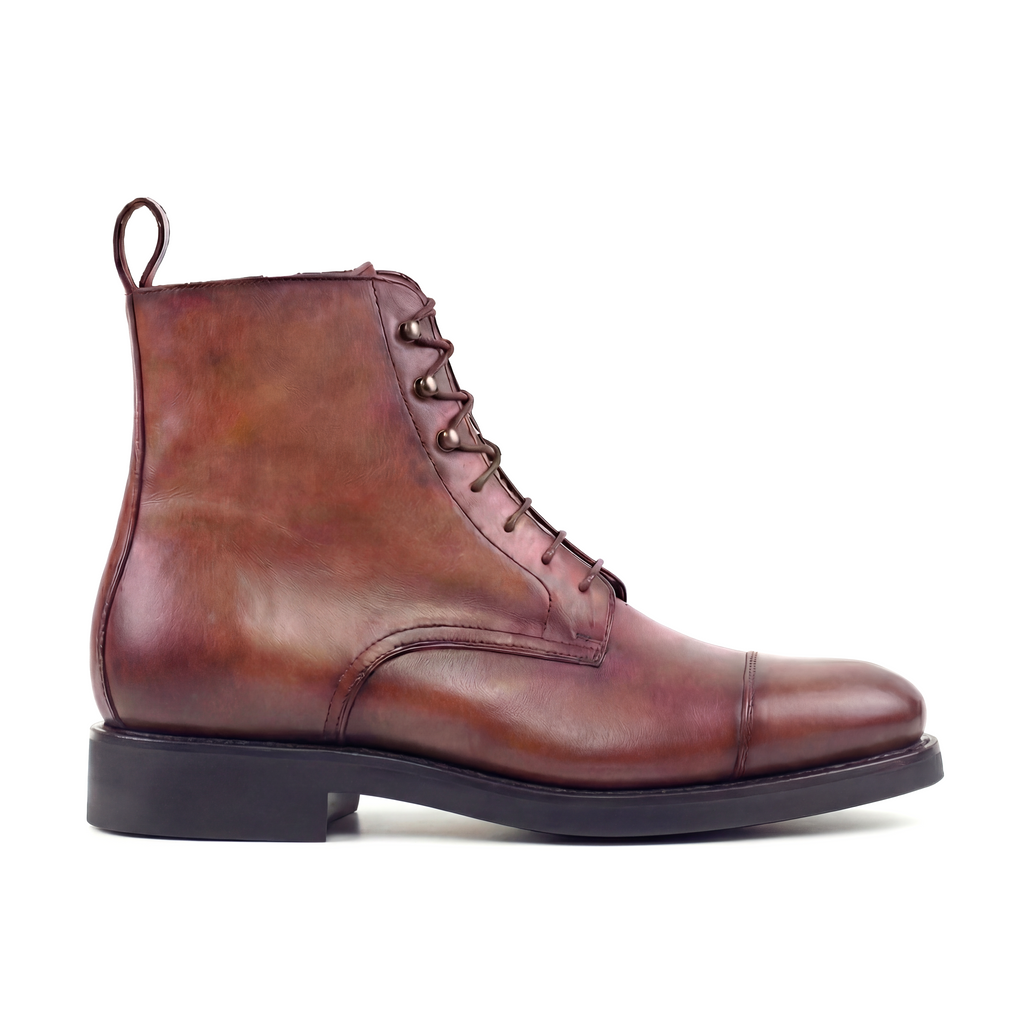
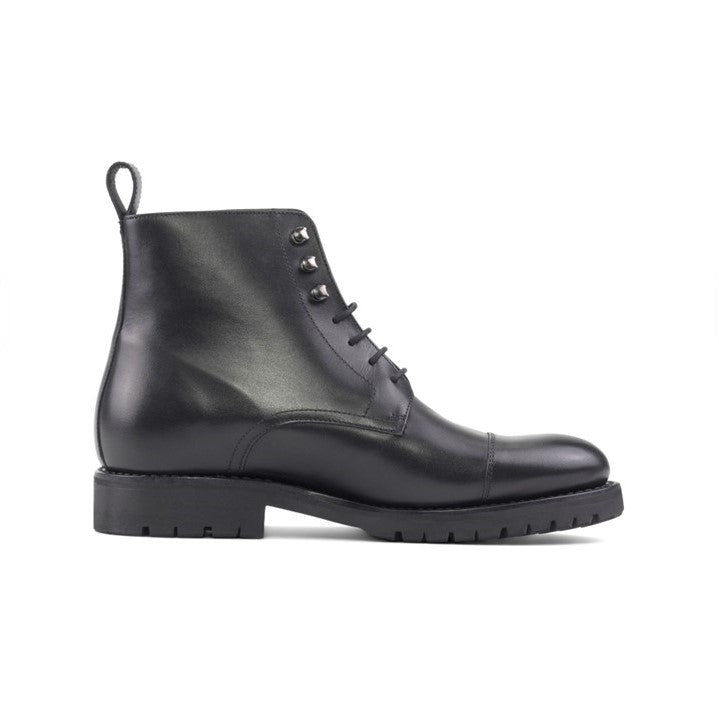
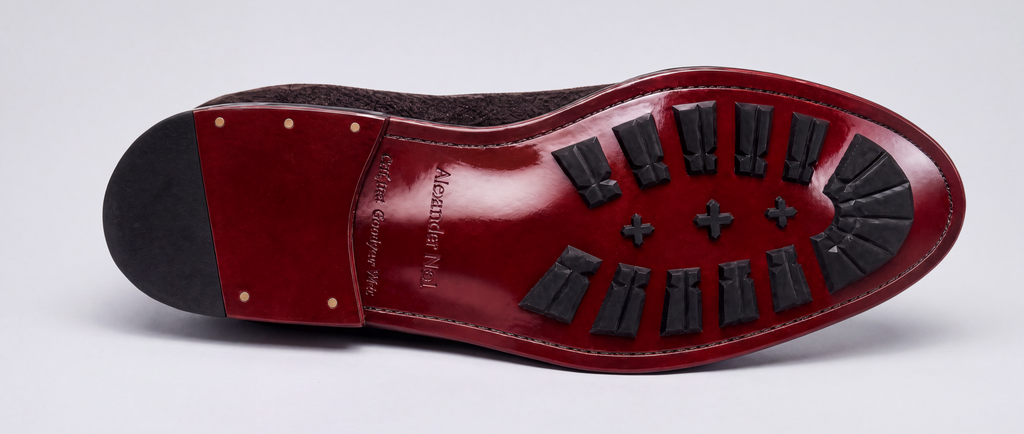
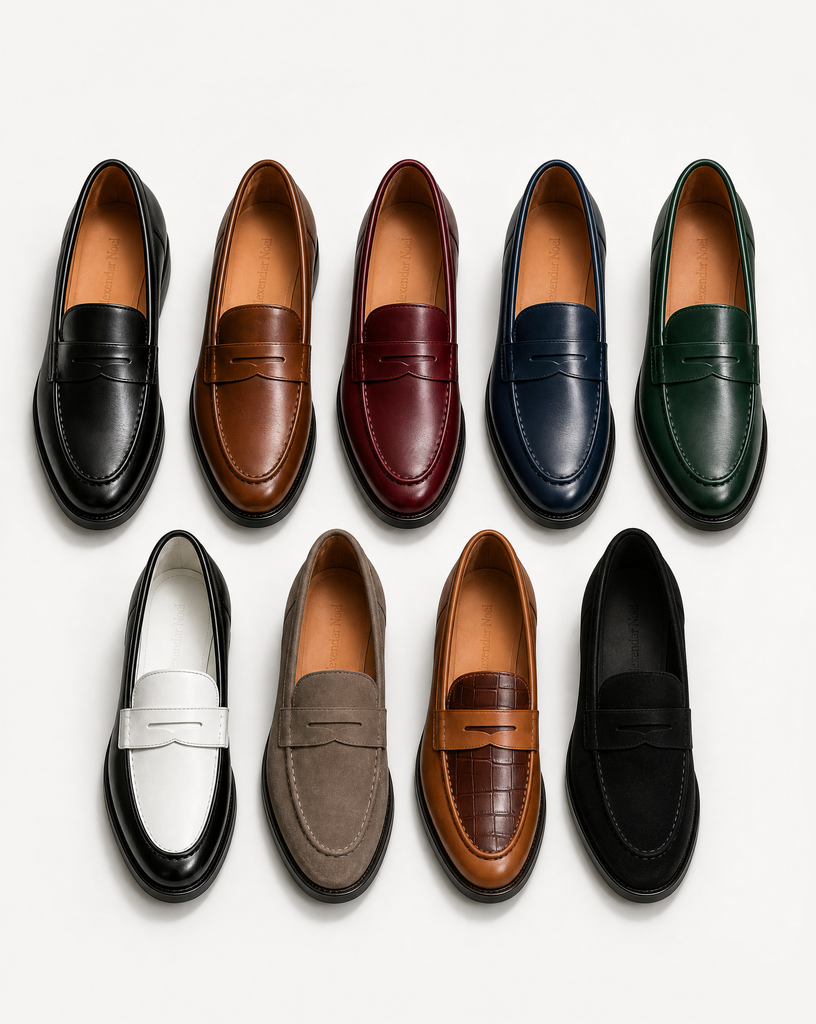
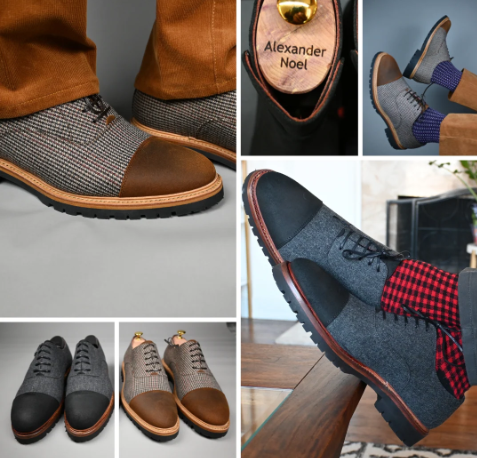







Shoes Dress for Men Guide to Custom Fit and Style
You know the feeling. Your suit is pressed, your shirt fits, your watch is simple and sharp, and then the shoes become the problem. One pair looks right but pinches. Another feels fine but looks too casual. A third works with one suit and fails with everything else.
That’s why shoes dress for men deserve more thought than they usually get. A dress shoe isn’t just a finishing touch. It changes posture, comfort, and how polished the whole outfit reads from across the room.
Why Shoes Dress for Men Are More Than an Accessory
A good dress shoe does three jobs at once. It supports your foot, matches the level of formality in your clothing, and signals that you pay attention to detail.
That still matters, even in a more relaxed era. The global men's formal shoe market was valued at USD 10.86 billion in 2024 and is projected to reach USD 17.51 billion by 2033, reflecting steady demand for dress shoes despite casual style trends, according to DataHorizzon Research's market overview.
Why professionals notice the difference
People often think they need better suits when the problem is with their shoes. A bulky sole, an overly shiny finish, or the wrong lacing system can make a polished outfit look mismatched.
Shoes also affect how you move through the day. If the heel slips, the forefoot squeezes, or the sole feels dead underfoot, you’ll notice it in a meeting, on a commute, and at dinner afterward.
Practical rule: If your shoes distract you while you’re wearing them, they’re not supporting the rest of your wardrobe.
What the right pair gives you
The right pair of shoes dress for men should make outfit decisions easier, not harder. In practical terms, that means:
- Better consistency: One well-chosen pair works across multiple business settings.
- More comfort: Proper structure reduces that end-of-day urge to kick them off immediately.
- Longer wear: Better-made shoes usually reward care and rotation.
- Stronger presence: Clean lines and correct formality sharpen everything above the ankle.
If you're refining your overall presentation, clothing and shoes should work together. A useful style reference is this guide to Barber Shop Clothing, which shows how grooming, garments, and footwear create one visual message instead of competing parts.
Understanding Dress Shoe Styles
Most confusion about dress shoes comes from one simple mistake. Men compare shoes by color first, when they should compare them by structure first.
The shape, lacing, and surface detail tell you how formal a shoe is long before color enters the conversation.
Start with the hierarchy
The formality hierarchy places wholecut Oxfords at the top because of their single-piece full-grain leather construction. Derbys and brogued styles sit lower because open lacing and decorative perforations make them read as less formal, as explained in this overview of the men's dress shoe hierarchy.
That sounds technical, but the visual rule is simple. The cleaner the upper, the more formal the shoe usually looks.
Dress Shoe Style Comparison
| Style | Formality | Typical Use | Design Feature |
|---|---|---|---|
| Oxford | Highest | Boardrooms, ceremonies, conservative business dress | Closed lacing |
| Derby | High but more relaxed | Offices, suits, smart business wear | Open lacing |
| Loafer | Medium | Smart casual offices, travel, dinners | Slip-on design |
| Monk Strap | Medium to high | Creative business settings, dressed-up social wear | Buckle closure |
Oxford shoes
If you own one formal shoe, make it an Oxford. The defining feature is closed lacing, where the eyelet sections sit under the front part of the shoe. That creates a flatter, cleaner face.
Wholecut, cap-toe, and plain-toe Oxfords all sit in this family, but they don’t say the same thing. A wholecut looks sleek and restrained. A cap-toe gives you a touch more visual structure without becoming busy.
For a deeper side-by-side look at the two most commonly confused styles, Alexander Noel’s article on Oxford shoes and Derby shoes is a useful visual reference.
Derby shoes
Derbys are easier for many men to wear. Their open lacing gives the upper more flexibility, which often helps if your instep is high or your foot is broader through the middle.
They’re still dress shoes. They just look less strict.
That makes them a smart option for men who wear suits often but don’t need the sharpest possible formality every day. A plain-toe or cap-toe Derby can handle offices, client lunches, and evening events without looking stiff.
Loafers
Loafers remove the laces entirely, which changes both the look and the feel. They’re quicker, softer in appearance, and often more versatile in mixed dress codes.
They shine when the outfit isn’t trying to be ceremonial. Think well-fitting trousers, knit polos, summer suiting, or business-casual combinations.
The risk with loafers is wearing them where structure is expected. If the event calls for a dark suit and a conservative tone, an Oxford usually speaks more clearly.
A loafer says ease. An Oxford says precision.
Monk straps
Monk straps sit in interesting territory. They have the shape of a dress shoe but replace laces with one or two buckles.
That gives them personality, which is why some men love them and others never warm to them. In the right setting, they look refined and distinctive. In the wrong setting, they can pull attention away from the rest of the outfit.
If your wardrobe leans classic and quiet, start with Oxfords or Derbys. If you already own those and want variety, a monk strap can add it.
A quick way to choose
Use this mental shortcut when you’re getting dressed:
- Most formal day of the year: Oxford
- Regular professional use: Derby
- Relaxed but polished outfit: Loafer
- Dressy with personality: Monk strap
Once you understand the language of structure, shoes dress for men stop feeling mysterious.
Materials and Construction Explained
Two shoes can look almost identical on a screen and perform very differently on your feet. That difference usually comes from what you can’t see at first glance.
Leather quality matters. Sole engineering matters more than many buyers realize. Construction method ties it all together.

Think in layers, not just leather
A dress shoe works like a small building. The upper gives it shape. The sole system carries the load. The construction method decides how the parts hold together over time.
Modern premium dress shoes often use a tri-layer sole. That includes memory foam in the insole, dual-density EVA in the midsole, and a rubber outsole. This setup improves comfort and can help a quality pair last about twice as long as a budget pair, based on Men's Health's breakdown of comfortable dress shoe construction.
Here’s the easiest way to understand those layers:
- Insole: It's like the mattress topper. It cushions pressure points.
- Midsole: This is the support layer. It helps with arch support and shock handling.
- Outsole: This is the tire. It grips the ground and takes the daily abrasion.
What good leather actually does
For uppers, full-grain leather remains the benchmark for many dress shoes because it wears in with character and can develop a polished patina over time.
But “leather” alone doesn’t tell you enough. Ask what kind of leather, how smooth the surface is, and whether the finish suits your use. A boardroom shoe should usually have a cleaner surface than a weekend-leaning pair.
The role of welt and stitch
Construction can sound intimidating, but the practical question is simple. Can the shoe be maintained and rebuilt sensibly, or is it mostly disposable once the sole wears through?
Three methods come up often:
- Cemented construction: The sole is bonded to the upper. It can be light and flexible, but it usually offers less long-term serviceability.
- Blake construction: The sole is stitched through from inside the shoe. It often gives a slimmer profile.
- Goodyear welt construction: A welt creates a structured connection between upper and sole, which many buyers value for durability and resoling potential.
If you want a plain-English introduction to how those methods differ, this article on cementing, Blake welting, and Goodyear welting methods is worth reading.
What to check before buying
When you evaluate shoes dress for men, look past shine and branding. Check these points instead:
- Press the upper gently. Good leather should feel supple, not papery.
- Look at the sole edge. Clean finishing often reflects better attention to detail.
- Bend the shoe lightly. It should flex where your foot flexes, not collapse randomly.
- Inspect the lining. Breathable leather lining usually feels better over long wear.
- Look at traction. A formal shoe with some grip is easier to live with than a slippery leather slab.
A polished upper catches your eye first. The sole system decides whether you still like the shoe six hours later.
How to Achieve the Perfect Fit
Fit is where many men go wrong, even when they buy good shoes. They choose a size based on habit, assume tight means secure, and hope the leather will fix everything later.
Sometimes it will. Often it won’t.

Measure both feet
Start at home with plain paper, a pen, and a ruler or tape measure. Measure both feet while standing, not sitting. Your feet spread under body weight, and that’s the condition the shoe needs to accommodate.
Take note of:
- Length: Heel to longest toe
- Width: Widest part of the forefoot
- Instep feel: Whether the top of your foot usually feels squeezed
- Heel security: Whether you often slip at the back
Many men also have one foot larger than the other. Fit the larger foot first. Then adjust the smaller side with insole choice, lacing, or minor fit refinements if needed.
Understand width and volume
Width letters confuse people because they sound more precise than they feel in practice. A width code helps, but last shape and overall volume also matter.
A shoe can be technically wide and still feel wrong if the toe shape is too pointed or the instep is too shallow.
Here’s the practical distinction:
- Width is side-to-side room.
- Volume is the three-dimensional space inside the shoe.
- Last shape is the mold the shoe was built on.
That’s why one brand’s “right size” can still pinch while another feels natural.
The video below gives a helpful visual sense of what to look for when evaluating size and fit.
Learn the warning signs
A proper fit should feel secure, not punishing. Some snugness is fine. Pressure that stays sharp is not.
Watch for these clues:
- Toe pressure: Your toes shouldn’t slam the front when you walk.
- Instep pain: A deep lace bite often means the shoe’s volume is wrong.
- Heel slip: A little movement can be normal in some styles, but repeated lifting isn’t ideal.
- Side bulging: If the upper strains outward, the fit is probably too narrow.
Don’t confuse “dressy” with “tight.” A refined silhouette should still let your foot function.
Ready-made versus custom fit
Ready-made shoes work well for many men. But fit gets harder when your feet don’t match common patterns.
That’s one of the least discussed problems in this category. Guidance around unique foot challenges is often thin, while direct-to-consumer custom options with interactive design tools and artisan partnerships address that gap more directly, as noted in this review context on dress shoes for men.
If you’re between sizes, need more room in a specific area, or want a particular formal design that standard retail doesn’t accommodate well, a custom process can make more sense than repeated trial and return cycles.
For a practical sizing reference, this guide on how to choose the right shoe size helps translate measurements into smarter buying decisions.
A simple fit test at home
Before committing to a pair, run through this short test:
- Walk on a hard surface for several minutes.
- Stand still and notice pressure, especially at heel, little toe, and instep.
- Check whether the shoe bends with your foot.
- Wear the same socks you’ll use with tailoring.
- Re-test later in the day, when feet are naturally a bit fuller.
Shoes dress for men should feel more settled after a short wear, not more hostile.
Styling Shoes Dress for Men by Occasion
Most men don’t need more shoes. They need a clearer system for matching the right shoe to the right setting.
The easiest way to do that is to think about shoes the way you think about ties. Some ties disappear into formal clothing and support it. Others add personality. Shoes do the same.
The boardroom morning
You’re wearing a dark suit, a crisp shirt, and the meeting matters. This is not the time for decorative flourishes.
A black Oxford, especially a plain-toe or cap-toe version, usually makes the strongest choice here. It keeps the outfit focused and formal. If your role or office allows slightly more flexibility, a dark Derby can work, but the cleaner the occasion, the more an Oxford helps.
The smart casual Friday
Now the jacket might be softer, the trousers may not match, and the day includes both office hours and dinner afterward.
A Derby or loafer often earns its place in such mixed settings. A Derby keeps enough structure for professional settings. A loafer loosens the tone without looking lazy, especially with well-fitting trousers and a knit polo or open-collar shirt.
The key is to keep the shoe polished even if the outfit is relaxed. Casual dress codes still benefit from intention.
The wedding guest
A wedding tests judgment because it sits between ceremony and celebration. You want to look respectful, but not as if you’re trying to outdress the groom.
If the invitation leans formal, choose a dark Oxford. If the setting is daytime, seasonal, or a little less rigid, a refined Derby can look perfectly appropriate. Patent-like shine is rarely necessary unless the event is explicitly black tie.
The black tie event
Many men tend to overthink black tie attire. Black tie asks for discipline, not creativity.
A very clean black formal shoe is usually the safest route. Minimal decoration helps. Heavy broguing, chunky soles, and visible casual details break the line of the outfit.
If the tuxedo is the headline, the shoe should be quiet enough to stay in the supporting cast.
The professional headshot day
This one gets overlooked. The camera often crops high, but shoes still affect posture, trouser break, and how assembled you feel while standing in front of the lens.
If you’re preparing for portraits, it helps to coordinate your outfit from top to bottom. This guide to pro attire for professional headshots is useful because it frames clothing choices around how they read on camera, which also influences the right footwear choice.
A fast decision framework
When time is short, use this order:
- Start with the dress code
- Match the formality of the shoe
- Keep the color sober if the event is conservative
- Reduce decoration as the event becomes more formal
That sequence keeps shoes dress for men from becoming a last-minute guess.
Maintaining and Caring for Your Dress Shoes
A good pair of dress shoes can age well, but only if you treat them like equipment instead of decoration. Dust, moisture, friction, and poor storage break them down.
The care routine doesn’t need to be complicated. It does need to be consistent.
The weekly routine
After wear, brush off surface dust with a soft brush or cloth. Dust acts like grit. If you leave it sitting on the leather, you grind it in over time.
Then let the shoes rest. A shoe that never dries fully between wears won’t age as gracefully.
A simple weekly sequence works well:
- Brush first: Remove dust before adding any product.
- Condition lightly: Use leather conditioner when the upper starts to look dry or stiff.
- Polish as needed: Match polish color carefully and use it to restore finish, not to hide neglect.
- Buff at the end: A brisk buff brings back clarity and depth.
Storage matters more than people think
Storage changes shape retention. It also affects odor and moisture management.
Use shoe trees if you have them. Keep shoes away from direct heat. Don’t leave them in a pile near the door where the uppers get scraped and the heels collapse against each other.
Do and don't checklist
| Do | Don't |
|---|---|
| Rotate pairs when possible | Wear the same pair hard every day |
| Wipe moisture off after wear | Dry wet leather with direct heat |
| Store in a breathable space | Trap shoes in damp conditions |
| Clean before polishing | Layer polish over dirt |
| Watch the sole and heel wear | Ignore traction loss until walking feels unstable |
Common mistakes
The biggest one is overpolishing without cleaning first. That can create buildup and dull the leather rather than improve it.
Another is trying shortcuts on new or stiff leather. If a shoe hurts badly, product alone won’t solve a bad fit.
Leather responds well to steady care. It responds badly to panic treatment.
For most professionals, a light routine after wear and a more thorough check every few weeks is enough to keep dress shoes presentable and longer-lasting.
Why Alexander Noel Custom Solutions Stand Out
Most dress shoe advice assumes your foot fits a standard mold and your style needs fit a standard shelf. That’s where the guidance often breaks down.
Men with hard-to-fit feet, specific formal requirements, or a clear design preference usually need more than “try another pair.” They need more control over the process.

Where custom becomes useful
Custom isn’t only about luxury. It can be practical.
Say you need a formal Oxford shape, but standard retail pairs squeeze your forefoot. Or you want a cleaner office shoe with modern cushioning rather than a rigid traditional sole feel. Off-the-rack choices may force a compromise between fit and design.
A direct-to-consumer bespoke process can address that by letting you adjust materials, shape, and details with more intention than standard inventory allows.
Material innovation matters too
Dress-oriented footwear is also evolving beyond old assumptions about what comfort materials can look like. In the last 12 months, alpaca fiber demand surged 28% globally, and WIRA Luxury Sneakers use certified baby alpaca for soft comfort in bespoke dress-style designs, according to this article on barefoot minimalist dress shoes for men.
That matters because many professionals want a refined look without the harsh feel that often comes with stiff, traditional options.
One practical example
Alexander Noel offers a direct-to-consumer design process that lets customers configure bespoke footwear through its Design Lab, including material and styling choices, with an emphasis on made-to-order production and fit personalization. If you want to see how that process works, their article on bespoke shoes and custom luxury footwear in just 48-hour gives a concrete overview.
That kind of setup can be helpful for buyers who want:
- A specific formal silhouette that standard stores rarely stock
- Accommodation for foot shape issues that don’t respond well to generic sizing
- Material choice control for comfort, appearance, or sensitivity concerns
- A more personal design process without relying on retail inventory limits
Why this model gets attention
The appeal isn’t hard to understand. Buyers can work closer to the actual making of the shoe. They can choose details that matter to them. And they can avoid some of the guesswork that comes from buying whatever happens to be available in one store on one day.
For professionals who’ve spent years settling for “close enough,” that’s often the primary value.
Next Steps to Your Perfect Dress Shoes
The best way to buy shoes dress for men is to slow down and make four decisions in order.
First, match the style to the occasion. Know when you need an Oxford, when a Derby makes more sense, and when a loafer belongs.
Second, check the construction. A handsome upper won’t rescue a poor sole system or weak build quality.
Third, get serious about fit. Measure both feet, pay attention to width and volume, and don’t assume your usual size tells the full story.
Fourth, protect the pair you buy with steady care. Brushing, conditioning, and proper storage do more than most men think.
If you’ve struggled to find the right combination of formal appearance, lasting comfort, and exact fit, custom options can be worth exploring. The point isn’t to own more shoes. It’s to own shoes that solve more of your wardrobe needs with less friction.
If you're ready to move from theory to a pair built around your preferences, explore Alexander Noel to review its custom footwear options, design process, and made-to-order approach.
Related post
12
Sep
12
Sep
12
Sep
29
Aug
