

RECENT POSTS
29.August.2026
Custom Women's Boots for Fall: Choosing Between Two Black Chelsea Silhouettes
0 Comments
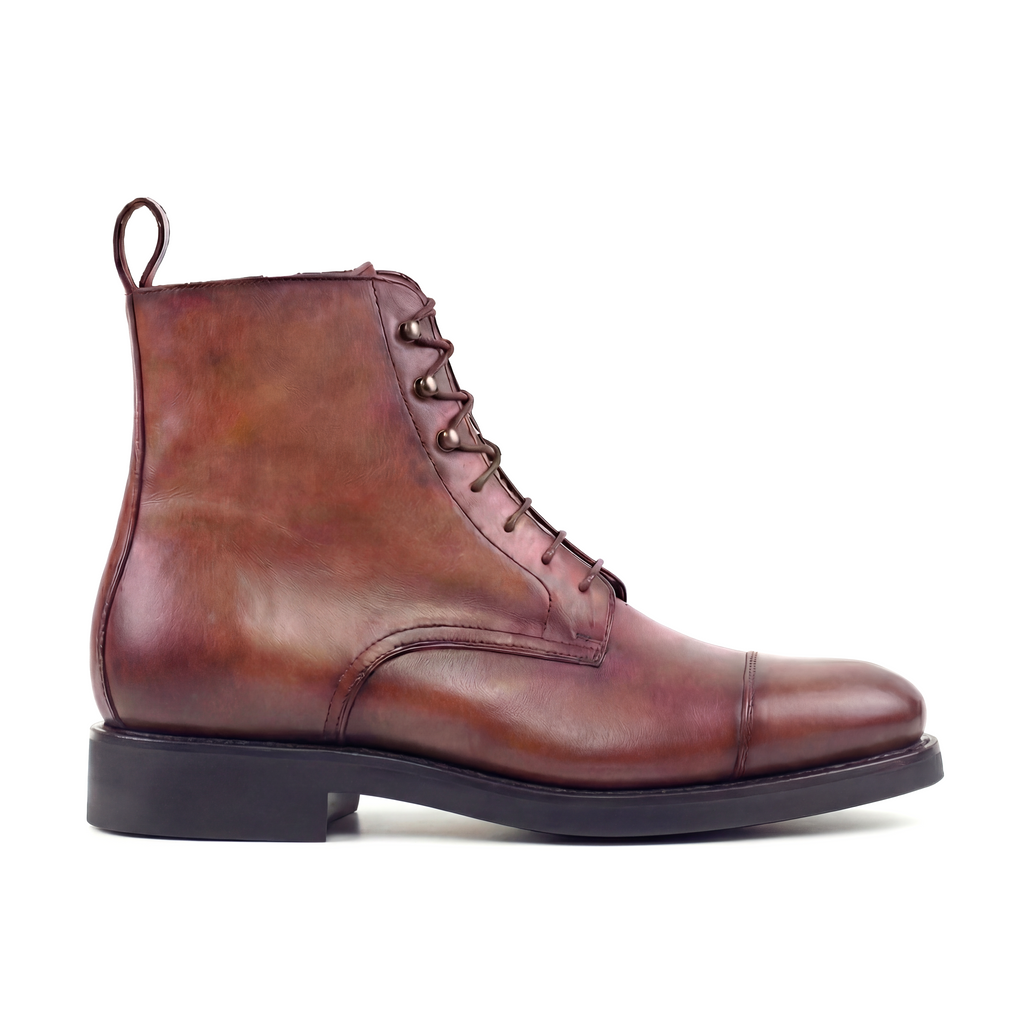
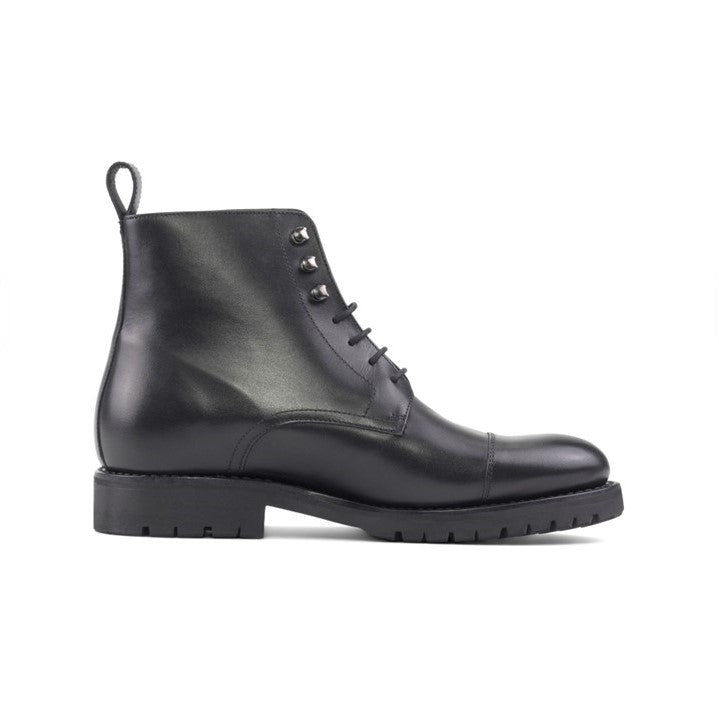







Women's Wingtip Boots: A Modern Style Guide for 2026
You see a pair of women's wingtip boots in a shop window or on your phone and feel that familiar pull. They look sharp, grounded, a little intellectual, and a little rebellious. Then the practical questions arrive. What do I wear with them? Will they feel too masculine? Will they pinch my toes, slip at the heel, or sit untouched in the closet because they never quite work?
That hesitation makes sense. Fit is the point where admiration often turns into frustration. In online discussions about wingtip boots, over 70% mention poor fit leading to blisters or returns, especially for women with non-standard foot shapes, while many mass-market listings offer very little guidance on width, arch support, or bunion-friendly fit according to wingtip boots marketplace discussions and listings.
A good wingtip boot solves more than style. It gives structure to an outfit, stability to your stride, and personality to clothes you already own. If you're also exploring the broader world of practical and polished boot styles, this essential guide to women's boots style comfort and utility is a useful companion.
An Introduction to the Timeless Wingtip Boot
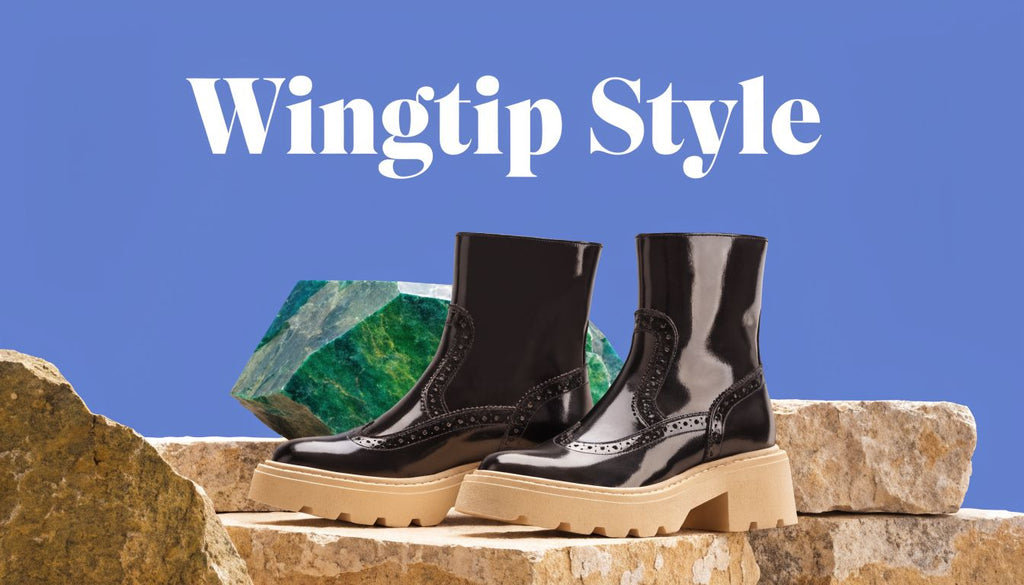
A wingtip boot is easy to recognize once you know what you're looking at. The toe carries a shaped leather overlay that spreads outward like wings. Add decorative perforations, laces, and a boot shaft that reaches the ankle or higher, and you get a design that feels both refined and sturdy.

Why this style keeps returning
Women's wingtip boots have unusual range. They can sharpen soft clothes like knitwear and wide-leg trousers, or relax something more formal like a trouser suit. That flexibility comes from their mixed heritage. Part dress shoe, part utility boot.
For many women, the challenge isn't whether the style works. It's whether the pair in hand works for their feet, wardrobe, and daily routine.
Practical rule: If a boot looks strong but feels uncertain when you walk, the problem isn't your style instinct. It's the boot's fit, last, or construction.
What makes them worth learning
A plain ankle boot can disappear into an outfit. A wingtip boot adds line, texture, and intention. The perforations break up solid leather. The toe shape brings focus downward. The lacing gives adjustability that pull-on boots often don't.
That means you don't need an elaborate wardrobe to wear them well. A dark pair can replace loafers in cool weather, stand in for oxfords with tailoring, or add structure to denim and wool.
Three things matter most when you're choosing your first or next pair:
- Shape: The toe should feel elegant without crushing the forefoot.
- Balance: The shaft height should work with your hem lengths.
- Purpose: Decide whether you want office polish, everyday wear, or a more expressive statement pair.
The Anatomy of a Women's Wingtip Boot
The fastest way to understand women's wingtip boots is to read them like a map. Every seam, perforation, and panel tells you something about how formal the boot feels and how it may wear over time.

The toe cap and the wing
The defining feature is the toe cap shaped like a W or M, depending on the angle. That extended shape is the wing. It sweeps across the toe and reaches toward the sides of the foot.
Think of the perforations as constellations on leather. They aren't random decoration. They create rhythm, guide the eye, and change the boot's character from austere to expressive.
Broguing patterns and what they say
Not every wingtip boot is equally ornate. The amount of perforation changes the mood.
- Full brogue: The most decorative option. It has the wingtip shape plus visible perforations and often a medallion on the toe. This style feels relaxed, characterful, and easy with textured fabrics.
- Semi-brogue: More restrained. You still get ornament, but with less visual activity. A strong middle ground for office wear.
- Quarter brogue: Minimal perforation, often along edges rather than across the whole toe. This looks cleaner and more formal.
If you want one pair to cover the most ground, semi-brogue usually sits in the sweet spot. It has enough detail to feel special without demanding a specific outfit.
Upper, lacing, and shaft
The upper is everything above the sole. In women's wingtip boots, the upper usually carries the personality of the boot through leather finish, color, and paneling.
The lacing system affects both style and fit. Open lacing feels a touch more relaxed and forgiving. Closer-cut lacing feels neater. Eyelets give a cleaner appearance, while speed hooks lean more utilitarian.
The shaft height changes proportion. Ankle-height versions are easiest with cropped trousers and denim. Slightly taller shafts work beautifully under straight-leg trousers or with skirts and tights.
A beautiful pattern on the toe catches your eye first. The last shape, lacing, and shaft are what decide whether you keep reaching for the boot.
Sole construction beneath the style
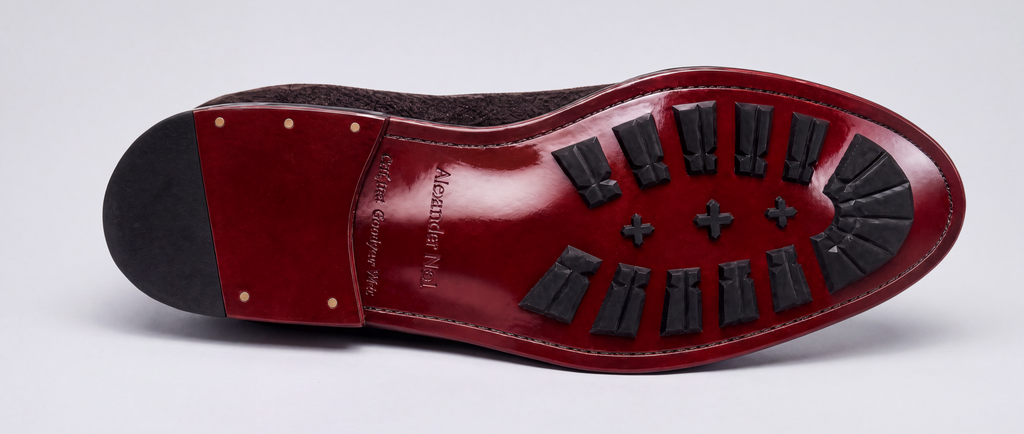
The sole doesn't just sit under the design. It controls flexibility, weight, edge profile, and how refined the boot feels. A slim sole reads dressier. A more substantial sole makes the same wingtip pattern feel tougher and more casual.
If you'd like a closer look at how soles and uppers come together, this overview of shoe construction methods including cementing Blake welting and Goodyear welting helps decode what you're paying for.
From Practicality to Power A Brief History
A woman pulls on a pair of wingtip boots before a long day. The choice looks stylish, but the design began with a far less glamorous job. Early brogues came from Scottish and Irish countrywear, where perforations helped deal with wet ground and rough walking conditions. Over time, that practical pattern moved into town dress, and the full brogue became a fixture of classic menswear, as outlined in Florsheim's history of wingtip shoes.
Women's boots followed their own road. In earlier periods, riding and hunting styles for women often stayed close to men's forms. Then fashion and function started to separate. This history of the Mansfield Regency boot shows how women's boots developed slimmer toes, shaped heels, and a clearer identity tied to women's dress rather than borrowed utility.
That shift matters. Once a boot is built for a woman's proportions and wardrobe instead of adapted from a man's pattern, every detail starts to change. The line of the toe changes. The pitch of the heel changes. The balance between decoration and durability changes. A shoemaker is no longer copying a form. He is cutting a new one.
By the 20th century, boots had become tools of expression as much as protection. Fashion history records a progression from practical leather boots in daily life to the sharper, more visible styles of Paris, New York, and the mod era. What changed was not only public taste, but also what women asked their footwear to do. A boot now had to carry presence.
That is the bridge to the women's wingtip boot. It joins two traditions in one object. From brogues, it takes pattern, discipline, and country toughness. From the history of women's fashion boots, it takes shape, intention, and personality.
The result is why wingtip boots still feel so current. They carry heritage without feeling costume-like. They read polished, but they still have grit. And for many women, their appeal becomes strongest when history meets proper fit. A pattern this structured looks best when the boot follows the foot cleanly, which is one reason bespoke work remains the highest form of the style. The ornament should never fight the wearer. It should frame her stride, much like good cutting frames the body.
If you want the historical beauty to age well in real life, the material matters as much as the story. A closer look at the best leather for boots helps explain why some pairs grow richer with wear while others degrade.
Choosing Your Perfect Pair Materials and Soles
Once you know the lines of the boot, the next decision is tactile. Material and sole determine how the pair feels in hand, how it ages, and where it belongs in your life.
Start with your week, not the showroom
If your days involve offices, pavement, and long hours on your feet, you need a different boot than someone dressing mainly for occasional dinners or studio work. The smartest choice isn't the most dramatic one. It's the one you'll keep wearing.
Leather usually gives the clearest brogue detail and develops character with use. Suede softens the look and works beautifully in relaxed wardrobes. Patent leather turns the same wingtip pattern into something crisp and graphic, but it also feels more specific.
Wingtip Boot Material Comparison
| Material | Best For | Durability | Care Level |
|---|---|---|---|
| Full-grain leather | Daily wear, office outfits, long-term use | High | Moderate |
| Suede | Casual dressing, softer texture, creative wardrobes | Moderate | Higher |
| Patent leather | Evening looks, statement dressing, sharp contrast | Moderate | Lower day-to-day cleaning, but needs careful wear |
A few practical distinctions help:
- Full-grain leather: Best when you want depth, structure, and graceful aging. It pairs well with tailoring, denim, and coats.
- Suede: Better if you want the brogue pattern to feel less formal. It softens the visual edges of the boot.
- Patent leather: Strong for high contrast looks. It reflects light, so every line in the design becomes more pronounced.
For a deeper look at how leather choice changes performance and appearance, this guide to the best leather for boots is worth keeping open while you compare pairs.
Soles change the personality
A slim leather sole looks elegant and refined. A rubber sole usually feels more practical and weather-aware. A stacked sole, especially one that combines layers visually, often lands in the middle. It gives a classic profile with a bit more substance.
If you're building one pair around versatility, ask these questions:
- Do I want this boot to read dressy or grounded?
- Will I wear it mostly with trousers, denim, or skirts?
- Do I need traction for mixed surfaces?
Choose the upper for the life you lead. Choose the sole for the ground you walk on.
How to Style Women's Wingtip Boots
The easiest way to style women's wingtip boots is to treat them as the anchor of the outfit. They carry enough visual information that the rest of the look can stay disciplined.

The Boardroom Edge
Start with structured trousers that either skim the top of the boot or break lightly over it. Add a fine knit, silk blouse, or crisp shirt. Finish with a blazer that has clean shoulders rather than too much drape.
Why this works: the wingtip pattern brings detail to a professional outfit without relying on obvious ornament. It says precision. Dark leather boots work especially well with charcoal, navy, forest green, and winter white.
Try this formula:
- Trousers: Straight or slightly tapered
- Top: Fine-gauge knit or button-front shirt
- Layer: Structured blazer
- Boot finish: Smooth leather with restrained broguing
The Weekend Wanderer
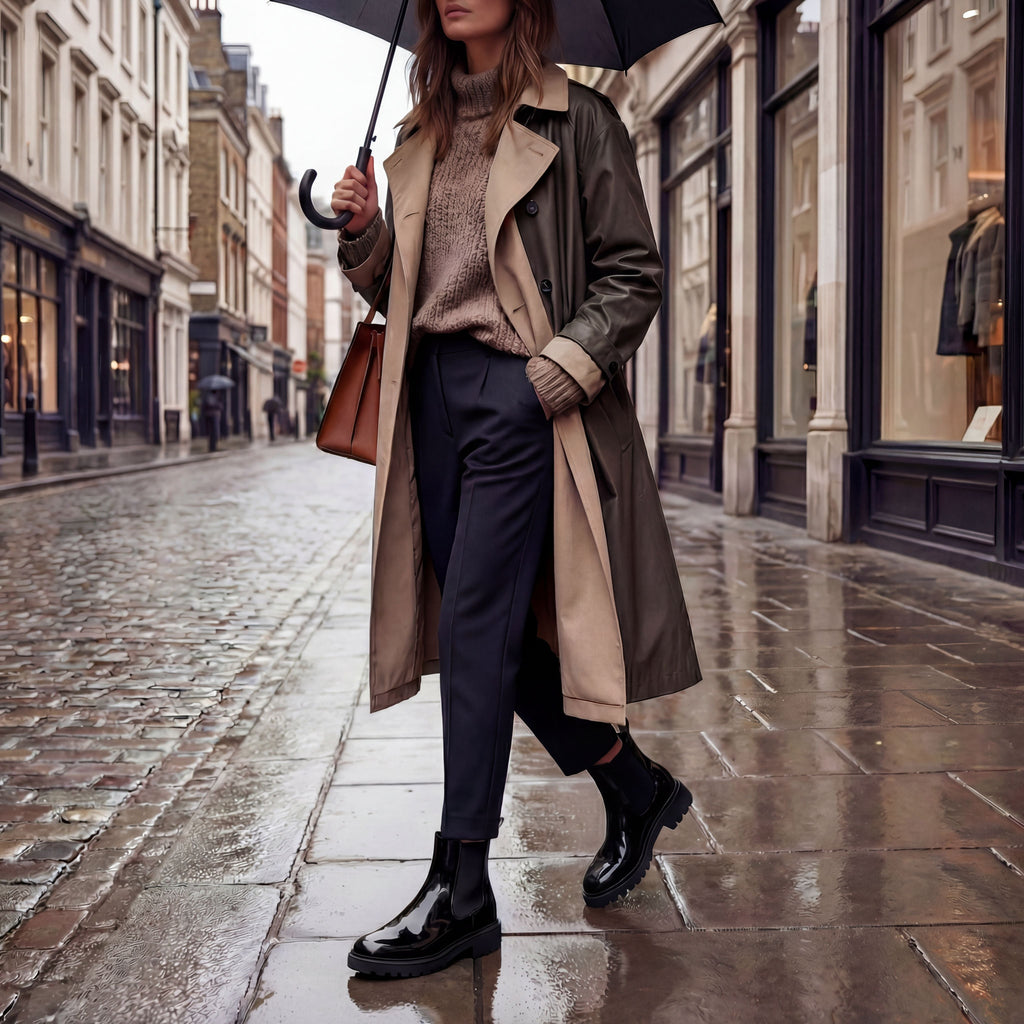
This look is less about sharpness and more about texture. Use cropped denim or relaxed straight-leg jeans, then add a chunky knit, waxed jacket, or wool coat. Wingtip boots give the outfit enough structure that even soft layers still look intentional.
The key is hem length. You want a little daylight above the boot or a clean fall over the shaft. What you don't want is fabric collapsing awkwardly around the ankle.
Style note: If your boots have stronger brogue detailing, simplify the rest of the outfit. Let one textured element lead.
The Creative's Canvas
Women's wingtip boots offer an expressive style choice. Pair them with a pleated midi skirt, opaque tights, and a cropped jacket. Or wear them with wide-leg trousers and a sculptural sweater. Mixed materials work well here. Wool, leather, tweed, and brushed cotton all play nicely against brogued leather.
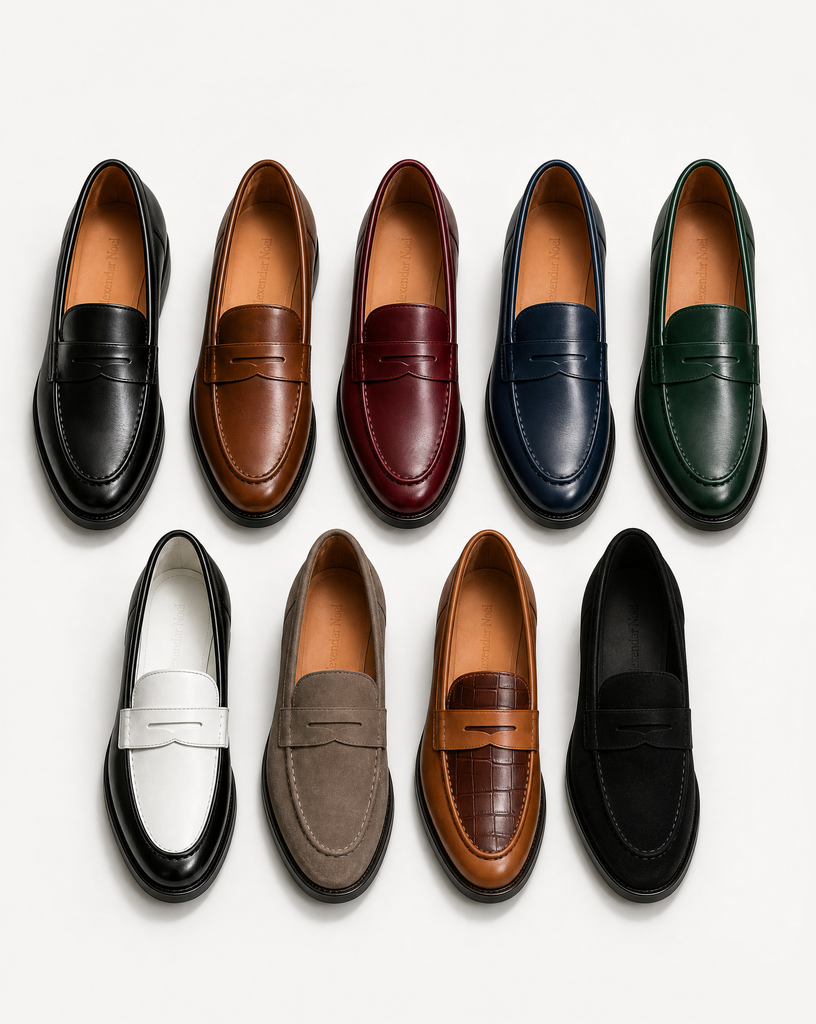
Color can do more work in this formula. Oxblood, deep navy, ivory, or two-tone finishes feel at home in creative wardrobes because the wingtip design already has personality.
A quick visual reference helps when you're building outfits around line and proportion:
Three easy styling principles
- Match weight to weight: Chunkier boots suit denser fabrics like tweed, wool, and raw denim.
- Use contrast deliberately: A structured boot can sharpen a soft skirt or relaxed knit.
- Watch the ankle line: Most styling problems happen where hem meets shaft.
You don't need to dress in full menswear to wear wingtip boots well. Often the strongest outfits come from contrast. A precise boot under something fluid creates tension in the best way.
The Bespoke Answer to Fit and Customization
The hardest part of buying women's wingtip boots isn't learning the style. It's finding a pair that respects the shape of your foot.
Some off-the-rack brands show how inconsistent sizing can be. Marc Nolan's Ms. Belmont Black Patent Leather Wingtip Boots state that sizes 6 to 9 run large and may require a full size down, while sizes 10 to 12 run true to size. The same product information notes that unadjusted sizing can lead to heel slippage and blisters, and industry benchmarks cited there place that problem at 25% to 30% of off-the-rack purchases. It also states that bespoke fitting approaches can reduce returns by 40% by matching the last more precisely to the foot, as described on the Ms. Belmont product page.
Why customization changes everything
A wingtip boot has more visual structure than a plain boot. That means poor fit shows up quickly. The wrong last can distort the brogue lines, create gaping at the quarters, or push the foot forward so the toe cap creases in the wrong place.
A made-to-order process gives you control over details that matter:
- Width and volume: Important for bunions, high insteps, or a wider forefoot
- Leather choice: Helpful if you want more give, more structure, or a specific finish
- Design expression: Toe shape, color, sole profile, and brogue intensity all change the mood

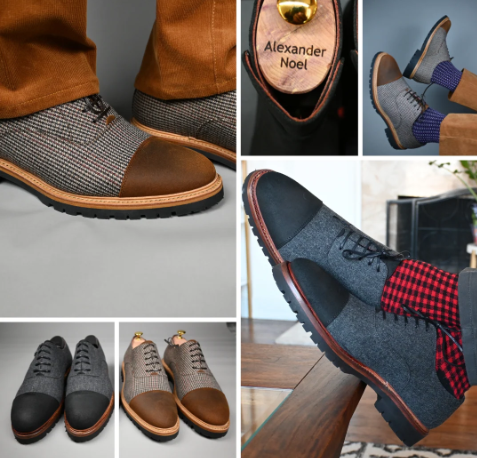
If you're interested in that route, bespoke shoes for women offers a useful overview of how custom fitting and design decisions come together. One example in this space is Alexander Noel, which offers an at-home fitting system and a design process centered on made-to-order customization.

Personal style works best when it connects
The most satisfying wardrobes rarely stop at shoes. Women who enjoy choosing leather finish, silhouette, and color in footwear often care about the same level of intention in accessories. If that sounds familiar, bespoke handcrafted luxury jewelry can be a useful parallel reference because it follows the same principle. Personal adornment feels strongest when proportion, material, and individuality are considered together.
A custom boot doesn't just fit the foot better. It fits the life better.
Women's wingtip boots reward discernment. They carry history in the pattern, discipline in the construction, and personality in every small design choice. When the fit is right, they stop feeling like a style experiment and start feeling like part of your vocabulary.

If you're ready to move from admiring women's wingtip boots to designing a pair that matches your measurements and style, explore Alexander Noel for a made-to-order approach built around customization, artisan craftsmanship, and fit-conscious design.
Related post
29
Aug
29
Aug
22
Aug
