

RECENT POSTS
29.August.2026
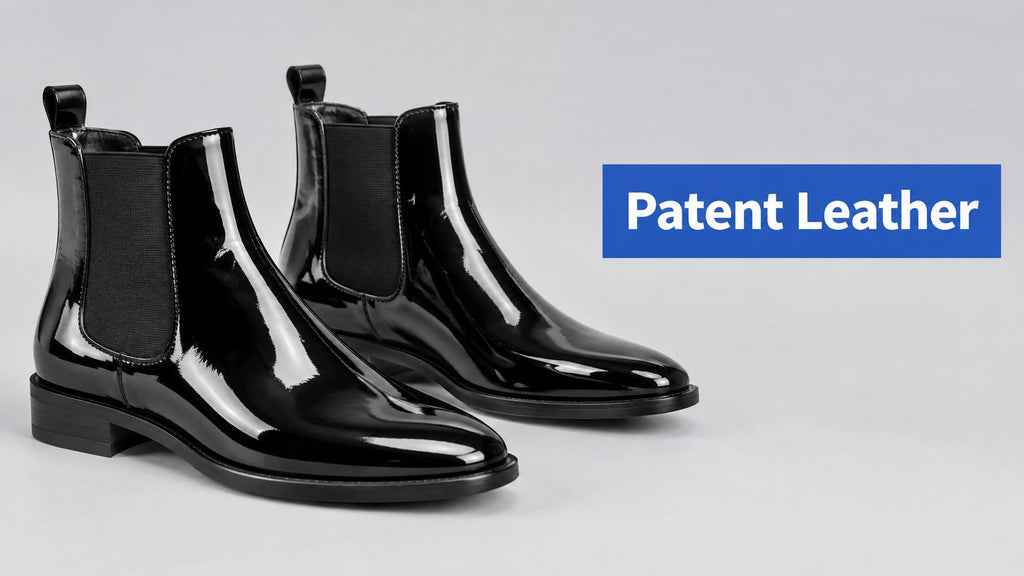
Custom Women's Boots for Fall: Choosing Between Two Black Chelsea Silhouettes
0 Comments
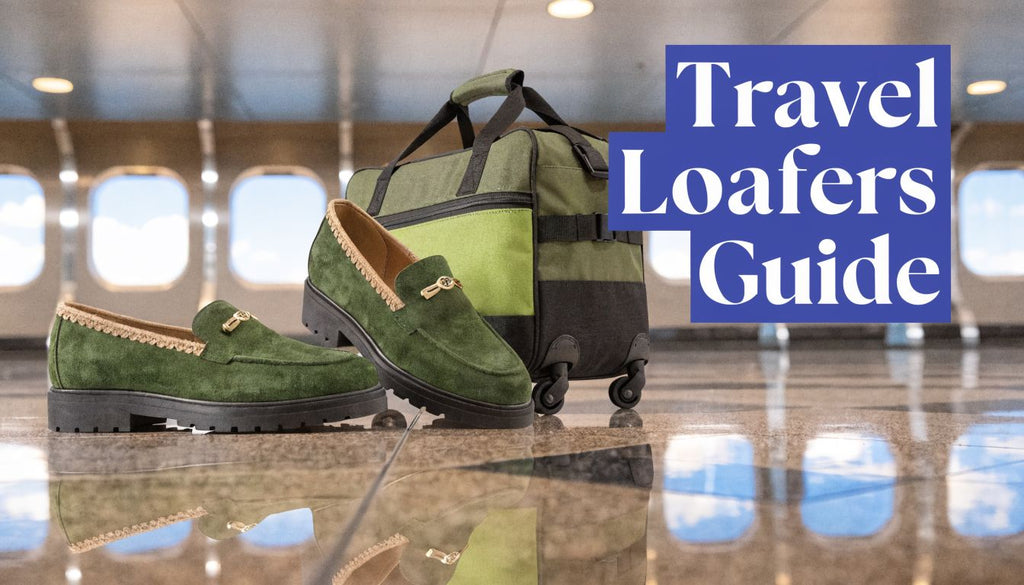
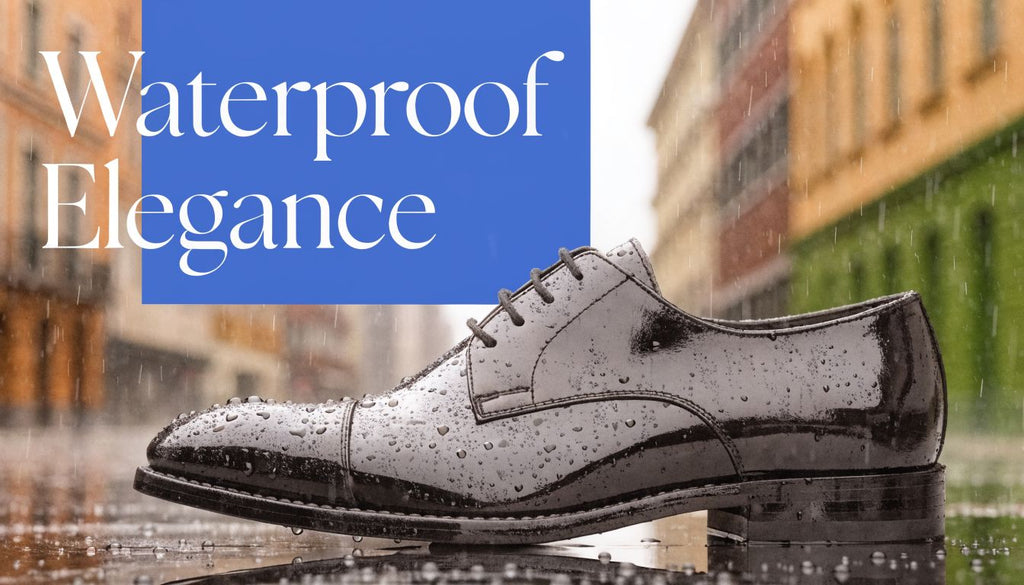

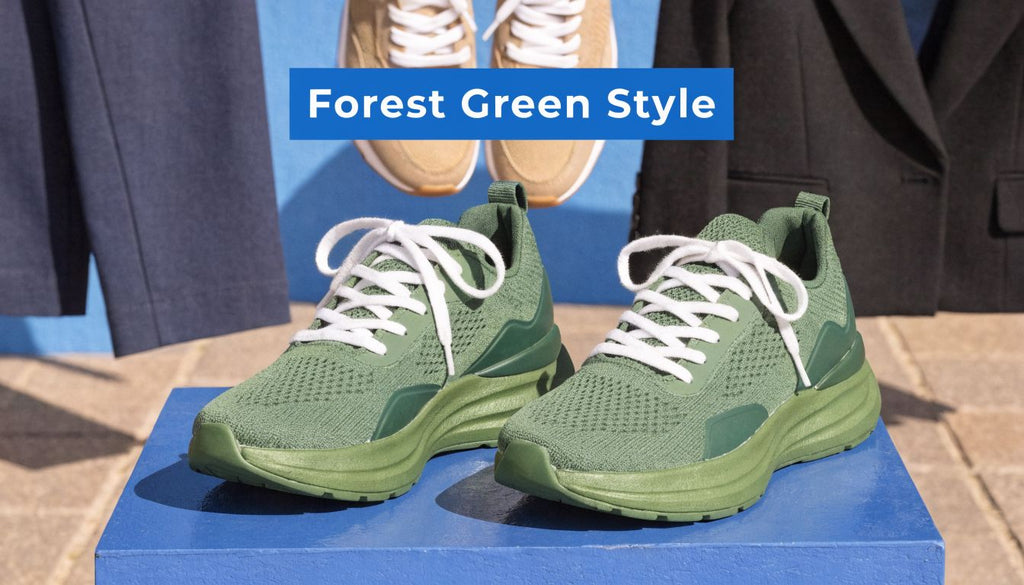




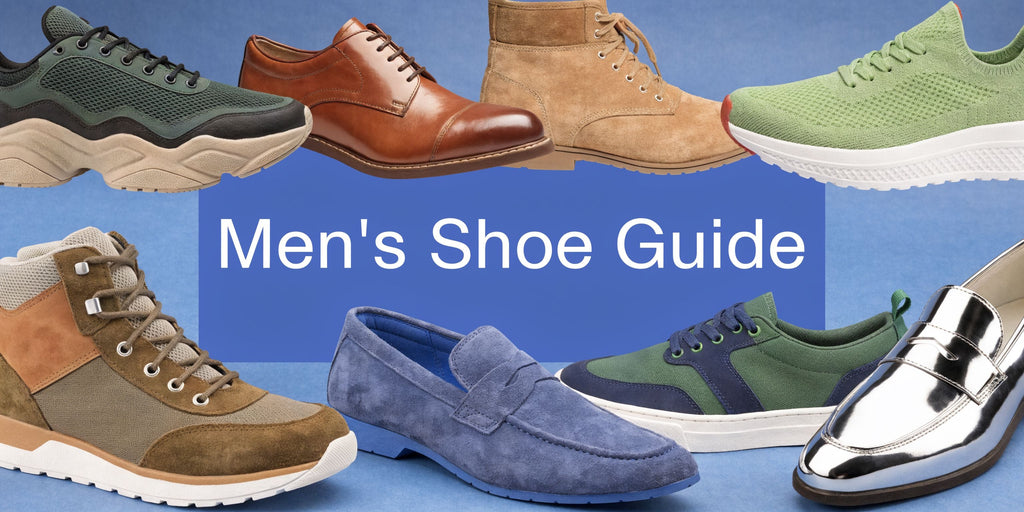
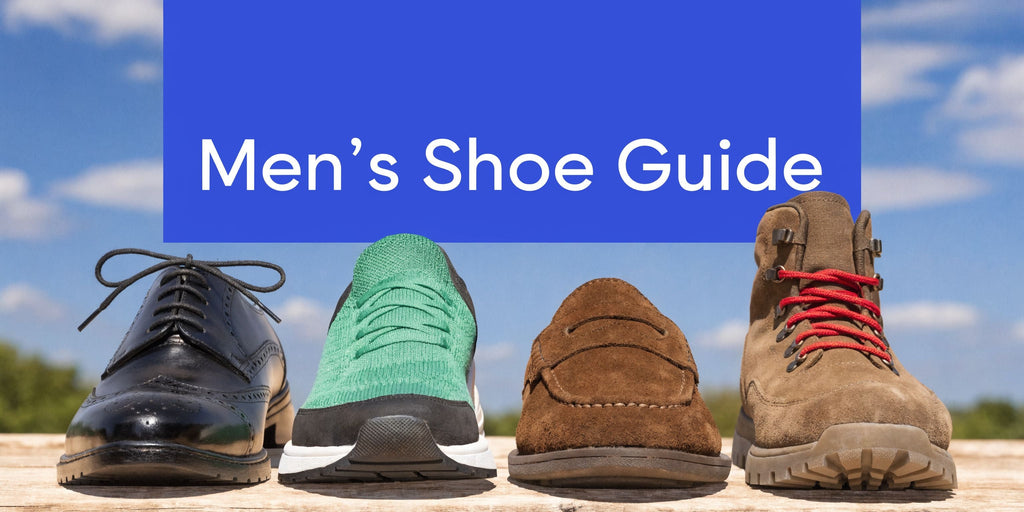
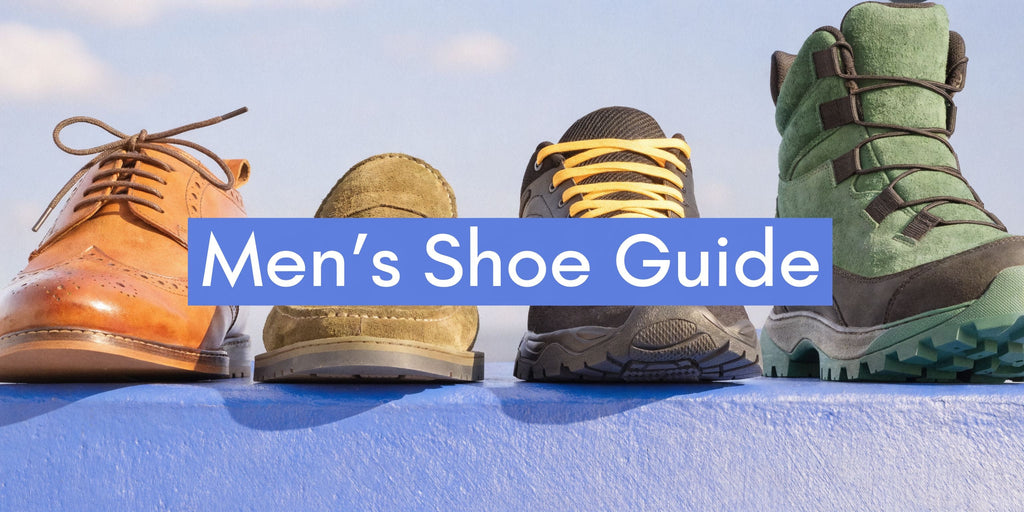


Shoes for Men's: Style, Fit & Custom Design Guide
You probably own shoes already. The problem isn’t having footwear. It’s standing in front of the closet, holding a belt in one hand and wondering whether your brown loafers look relaxed or underdressed, whether your sneakers are clean enough for dinner, or whether your dress shoes feel sharp but punish your feet by noon.
That confusion is common because most advice about shoes for men s stays at the surface. It tells you what’s “formal” or “casual” but rarely explains why one pair works and another falls flat. Good footwear sits at the intersection of style, comfort, proportion, and purpose. When you understand that mix, choosing shoes gets much easier.
A fine shoe does more than finish an outfit. It changes posture, stride, confidence, and the way clothing hangs. A sleek Oxford sharpens a suit. A softly structured loafer relaxes dress trousers. A well-shaped boot adds weight and authority to denim and flannel. The shoe doesn’t just match the outfit. It sets the tone.
Beyond the Basics Your Introduction to Great Footwear
Men’s footwear has become more varied, not less. The global men’s footwear market was valued at USD 131.44 billion in 2023 and is projected to reach USD 211.08 billion by 2031, driven by personal style and the growth of e-commerce options, according to Markets and Data’s men’s footwear market report. More choice sounds helpful. In practice, it often creates noise.
That’s why the first skill worth learning is simple. Stop asking, “Is this shoe good?” Ask, “What job is this shoe meant to do?”
A shoe can be elegant, rugged, minimal, relaxed, supportive, or expressive. It rarely does all of those things equally well. Once you judge footwear by role, market choices simplify. You stop buying random pairs and start building a small lineup for your life.
Three questions help:
- Where will you wear it most. Office, travel, weekends, events, or long days on your feet.
- What clothes will support it. Suiting, denim, chinos, knitwear, or more athletic pieces.
- How should it feel. Structured and polished, soft and easy, or cushioned and active.
If your wardrobe feels scattered, your shoes may be the missing anchor. One well-chosen pair often does more for your appearance than several impulse purchases.
For a broader foundation on building a smart rotation, this guide to stylish and versatile men’s footwear is a useful companion.
Good shoes don’t rescue a confused outfit. They give a clear outfit its final point of view.
Decoding the Dress Code Essential Men's Shoe Categories
A useful wardrobe works like a well-chosen team. Each shoe type has a position to play. If you understand the role of each category, you’ll know when to reach for it and when to leave it on the bench.

Oxfords for precision and polish
The Oxford is the cleanest and most formal of the classic men’s shoes. Its defining trait is a closed lacing system, which creates a neat, compact shape across the top of the foot.
This is the shoe for business suits, formal events, presentations, and evenings when you want zero visual looseness. A plain-toe or cap-toe Oxford in black or dark brown speaks in a low, controlled voice. It doesn’t beg for attention. It earns it.
Wear Oxfords with:
- Dark suiting. Navy, charcoal, and deep grey suits.
- Formal occasion clothing. Tuxedo-adjacent dressing, ceremonial events, refined evening wear.
- Trousers with a cleaner drape. Flat-front wool looks especially good.
The common mistake is trying to force Oxfords into very casual outfits. They usually look too strict with washed denim or sport-heavy styling.
Derbies for flexibility
If the Oxford is the boardroom specialist, the Derby is the all-rounder. Its open lacing gives it a slightly more relaxed face and often a bit more comfort across the instep.
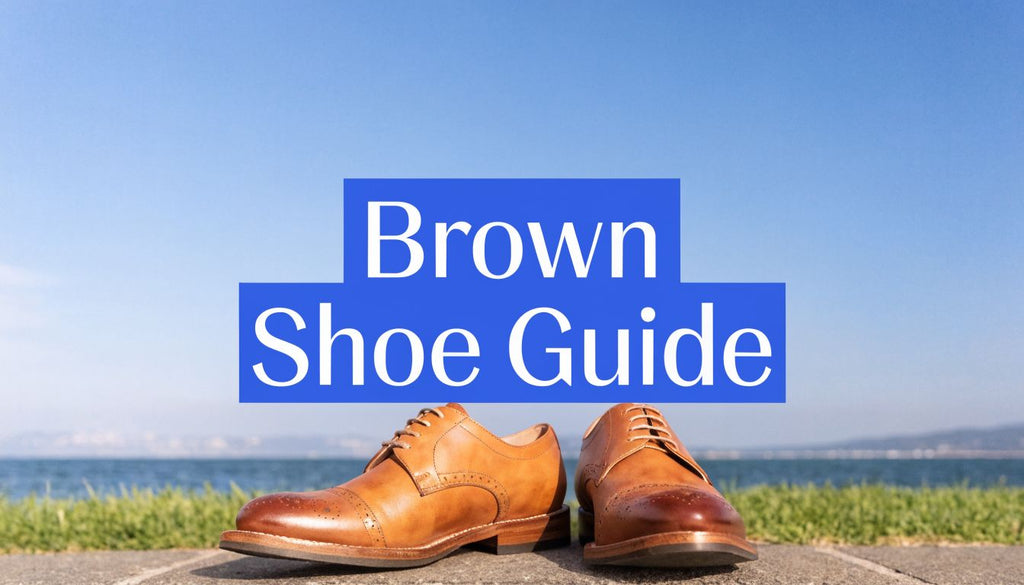
That single detail changes a lot. A Derby still works with suiting, but it also handles odd trousers, textured jackets, and smart casual combinations with ease. If you want one dress shoe before building a larger collection, many men should start here.
You can compare these two classics more closely in this explanation of Oxford shoes and Derby shoes.
Loafers for relaxed elegance
Loafers remove laces and, with them, some stiffness. That’s their magic. They can look refined without feeling rigid.
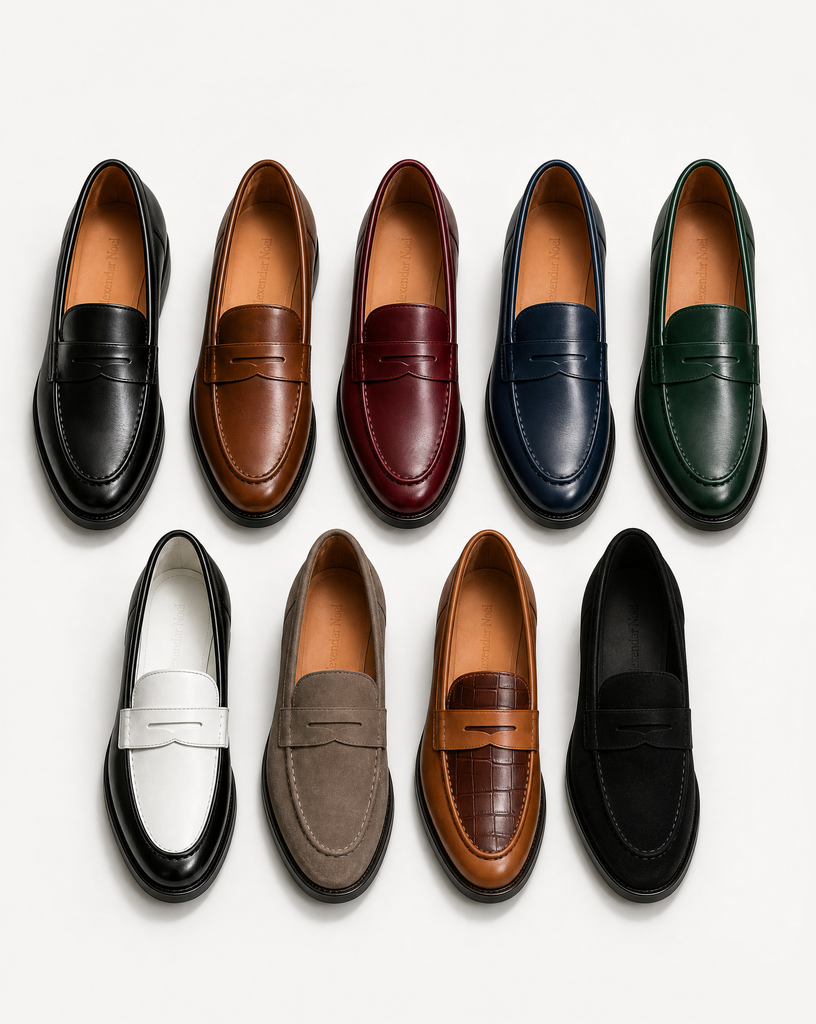
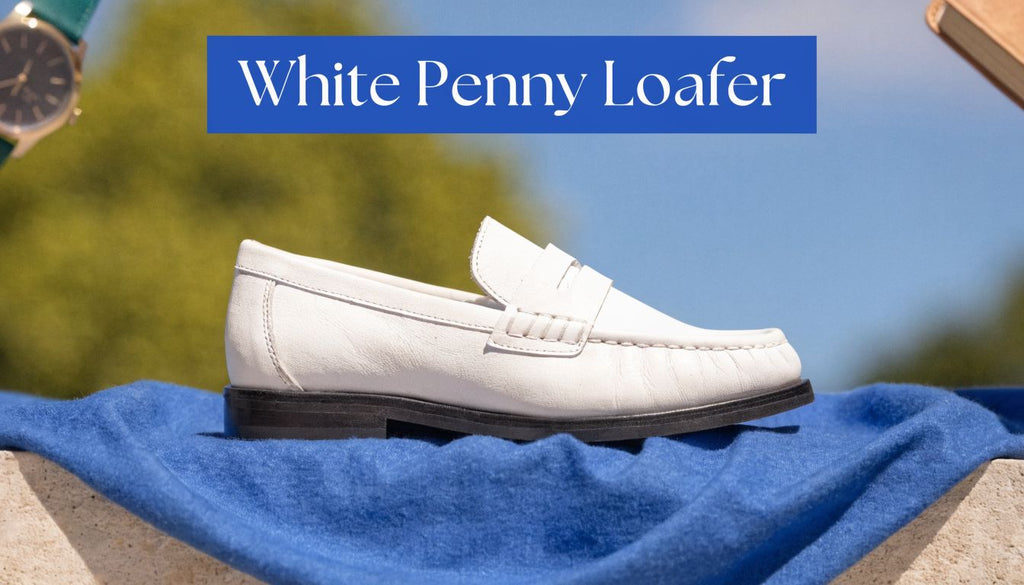
A penny loafer in smooth leather works with dress trousers, unstructured suits, and knit polos. A suede loafer softens everything around it. The same man can wear loafers to lunch, to a creative office, or to an evening out, depending on the material and outfit.
Practical rule: The sleeker the loafer, the dressier it reads. The softer and rounder it is, the more casual it becomes.
Loafers are especially helpful if you want one pair that can move between smart and casual with very little effort.
Boots for weight and character
Boots bring more visual mass. They anchor heavier fabrics and cooler-weather dressing better than most low shoes can.
Here’s the quick breakdown:
| Shoe type | What it communicates | Best with |
|---|---|---|
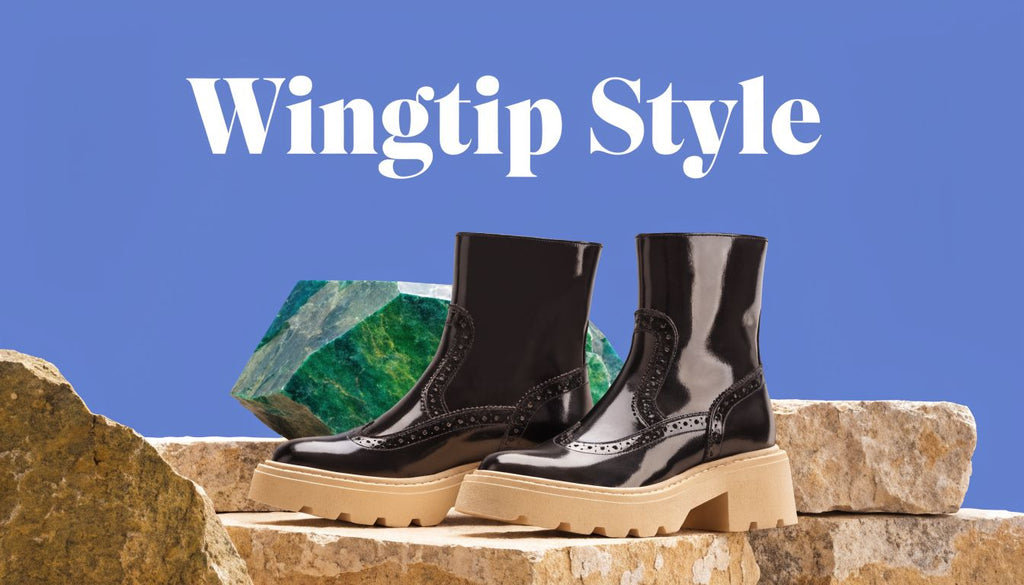
| Chelsea boot | Clean, sleek confidence | Dress separates, dark denim |
| Chukka or desert boot | Relaxed structure | Chinos, cords, casual jackets |
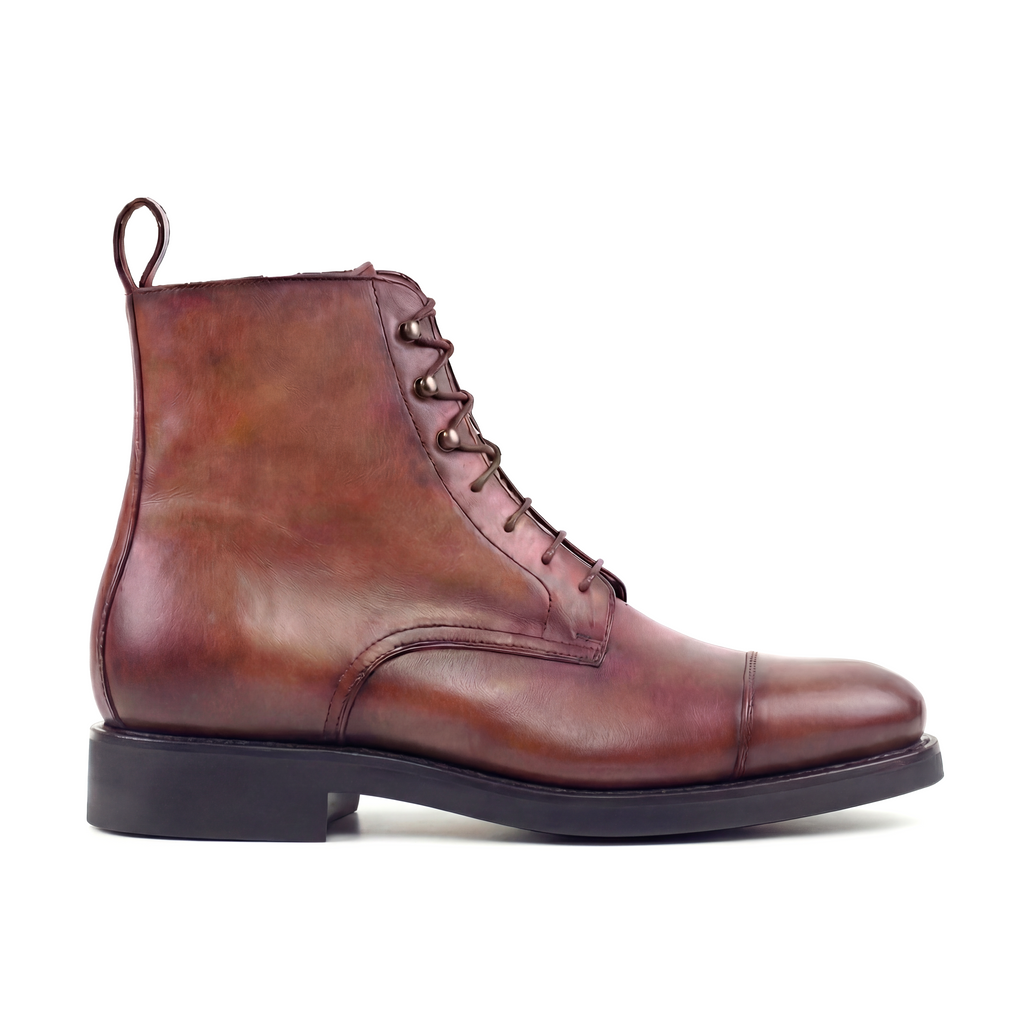
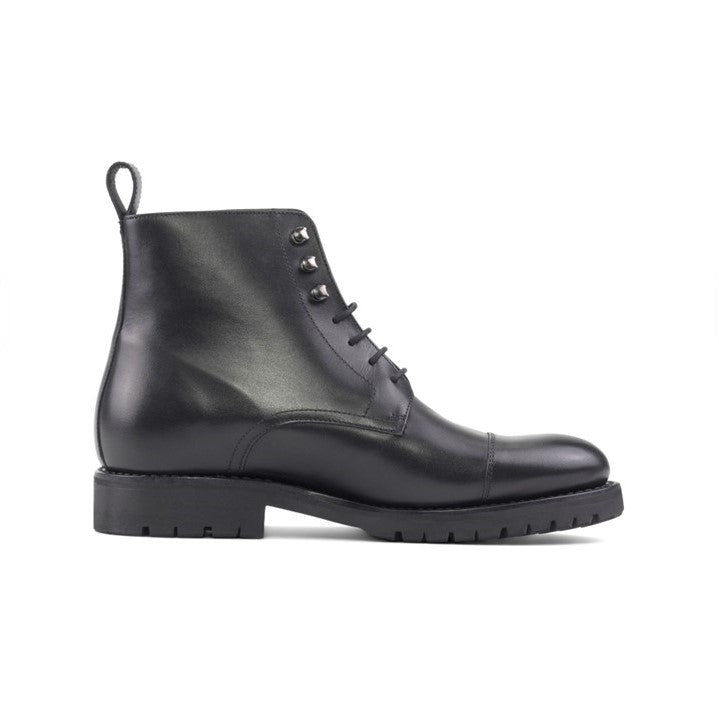
| Lace-up boot | Rugged utility | Denim, flannel, heavier outerwear |
Chelsea boots sit closest to dress shoes in spirit. Their narrow ankle and smooth upper make them excellent with trim trousers. Chukkas and desert boots feel easier, often more natural in off-duty settings.
Sneakers for modern life
Sneakers used to sit outside the classic men’s shoe conversation. Not anymore. Today, a clean leather or luxury sneaker can carry a great deal of wardrobe weight.
The key is restraint. A minimal sneaker with a low profile can work with tapered trousers, knitwear, travel outfits, and many forms of smart casual dressing. A bulky technical runner belongs in a different lane. It may be comfortable, but it won’t solve every outfit.
When men struggle with shoes for men s, it’s often because they ask one pair to cover every situation. That rarely works. The better move is choosing a few categories with clear roles.
The Anatomy of a Superior Shoe Materials and Construction
Many shoes look good from six feet away. Fewer stay good after six months. The difference usually hides in the parts most men never see first: leather quality, internal support, sole attachment, lining, and finishing.

Why material matters before color does
Leather isn’t one thing. It varies in grain, temper, thickness, finish, and how it ages. Better leather tends to crease more gracefully, mold to the foot more naturally, and respond better to care.
Full-grain and high-quality calfskin are prized because they combine structure with suppleness. Suede offers softness and visual depth. More unusual materials can change the feel of a shoe entirely. In luxury sneakers, soft linings such as baby alpaca fiber are valued for comfort against the foot.
If you want to understand how natural finishing affects the character of leather, this overview of vegetable-tanned leather is helpful. It gives useful context for why some hides develop rich patina while others keep a more uniform surface.
A simple rule from the bench: glossy finish can hide flaws. Touch reveals more than shine.
Construction is the hidden architecture
The sole attachment method decides more than most buyers realize. Think of construction as the foundation of a house. A beautiful exterior won’t help much if the structure underneath is weak.
Common approaches include:
- Cemented construction. The upper is glued to the sole. It can be light and flexible, but quality varies widely.
- Blake stitching. The upper, insole, and outsole are stitched together. This often creates a sleek profile and close-cut waist.
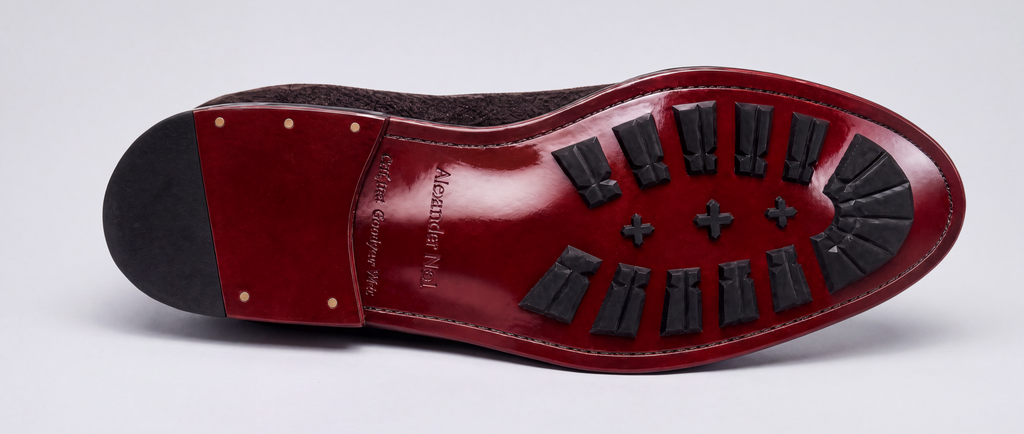
- Goodyear welting. A welt joins the upper to the sole structure, often making resoling easier and adding durability.
Each method has a place. The mistake is assuming one is always superior regardless of purpose. A refined dress shoe may benefit from one approach. A hard-wearing boot may benefit from another.
For a useful technical breakdown, this article on cementing, Blake welting, and Goodyear welting methods explains how each system behaves.
Support isn’t only for athletic shoes
Modern buyers often understand performance technology in running or walking shoes but overlook equivalent ideas in classic footwear. Yet the principle is the same. In high-performance shoes, features like TPU plates and structured cages increase stability and reduce fatigue. This engineering principle applies to classic footwear, where a well-made shank and quality welting provide similar structural support for all-day comfort, as discussed in Men’s Health’s coverage of walking shoes for men.
That matters if you stand, walk, commute, or spend long hours in business clothing. A handsome upper with no internal discipline will tire your feet. A properly built shoe guides the foot without feeling stiff or dead.
A quality shoe should bend where your foot bends, support where your foot bears weight, and hold shape where the design needs authority.
What to inspect before you buy
If you’re evaluating a shoe online or in hand, check these details:
- The upper. Look for even grain, clean stitching, and controlled finishing.
- The heel counter. It should hold shape, not collapse easily.
- The waist and sole edge. A crisp, well-finished edge often signals care in production.
- The lining. Smooth natural linings usually feel better over long wear.
- The balance. Set the shoe down. It should sit squarely and look centered.
A superior shoe isn’t only prettier. It’s calmer. Nothing feels accidental.
The Pursuit of the Perfect Fit Sizing Explained
Most men were taught to buy shoes by length alone. That habit causes a great deal of misery.
A size number helps, but it doesn’t explain width, instep height, toe shape, heel grip, or the volume your foot takes up inside the shoe. Two men can both wear the same length and need very different footwear.
Why close enough often isn’t enough
A shoe can feel acceptable in the shop and still be wrong. Common signs include heel slip, pressure on the little toe, lace strain over the instep, numbness in the forefoot, or the urge to remove the shoes as soon as you sit down.
Mass sizing works best for average feet. Many feet aren’t average. Some are wide in front and narrow at the heel. Some need extra room for orthotics. Some require more depth. Some do not fit the standard last shape used by a brand.
There’s also a serious style gap in the market. A significant gap exists in the market for stylish, premium dress shoes that can accommodate orthopedic needs. Most available options are casual or athletic, leaving professionals requiring orthotics or special support with limited choices that match a business environment, as reflected by the product offerings visible at Orthofeet’s men’s hands-free and orthopedic-focused offerings.
That’s why many men end up making a poor trade. They choose style and lose comfort, or choose support and lose elegance.
A better way to measure at home
Measure your feet in the evening, when they’re slightly fuller. Wear the socks you’d use with the shoe.
Do this on both feet, because one is often larger.
- Trace and mark. Stand on paper and mark the longest toe and back of heel.
- Measure width. Note the widest point across the forefoot.
- Observe volume. Is your foot low, average, or high through the instep?
- Check wear patterns. Old shoes reveal pressure points and alignment habits.
For a practical walkthrough, use this guide on how to measure shoe size at home.
What fit should feel like
Good fit isn’t tight. It’s secure.
Use this quick reference:
| Area | Good sign | Warning sign | |---|---| | Toes | Room to move slightly | Pinching or rubbing | | Heel | Minimal lift | Repeated slipping | | Instep | Firm hold | Pressure or lace strain | | Ball of foot | Flex point aligns naturally | Shoe bends in the wrong place |
If a shoe only feels good when you’re standing still, it doesn’t really fit. Walk, turn, and shift weight before judging it.
For shoes for men s, fit is where style becomes personal. A handsome silhouette that matches your foot will always beat a trend that doesn’t.
How to Style Men's Shoes for Any Occasion
Most men don’t need a giant collection. They need a smaller collection used intelligently. That matters because 54.6% of men own only 2-3 pairs of shoes, according to RunRepeat’s shoe ownership statistics. If your rotation is limited, every pair should earn its place.
Start with the outfit’s level of tension
A polished outfit has internal agreement. Not perfect matching, but agreement.
If the clothes are crisp, the shoes should carry some structure. If the clothes are relaxed, the shoes can soften. Problems begin when one piece speaks a totally different language from the rest.
Here are a few common situations.
Office and business settings
A navy or charcoal suit asks for discipline. That doesn’t mean you must dress like a banker from another era, but your shoes should support the line of the clothing.
- With a dark suit. Black or dark brown Oxfords or Derbies.
- With dress separates. Derbies, loafers, or sleek Chelsea boots.
- With business casual. Brown Derbies, penny loafers, or clean leather sneakers if the office allows them.
If you wear navy suiting often, a focused guide on shoes for blue suit can help you think through color and formality without overcomplicating the choice.
Date nights and dinners
For date nights and dinners, many men default to the same white sneaker every time. Sometimes that works. Sometimes it flattens the whole look.
Consider the mood you want:
- Dark jeans, knit polo, structured overshirt. A suede loafer or Chelsea boot adds texture and maturity.
- Trim black jeans, fine-gauge sweater, wool coat. A sleek leather boot sharpens the silhouette.
- Trousers and open-collar shirt. A penny loafer looks intentional without feeling stiff.
The key is proportion. Heavy shoes can overpower lightweight evening clothes. Overly slim shoes can look timid under chunkier layers.
Weekends and travel
Comfort matters here, but so does visual control. A refined sneaker, soft loafer, or desert boot often covers most casual situations well.
Try these combinations:
- Minimal sneaker with tapered chinos and a merino crewneck.
- Suede loafer with drawstring trousers and a camp-collar shirt.
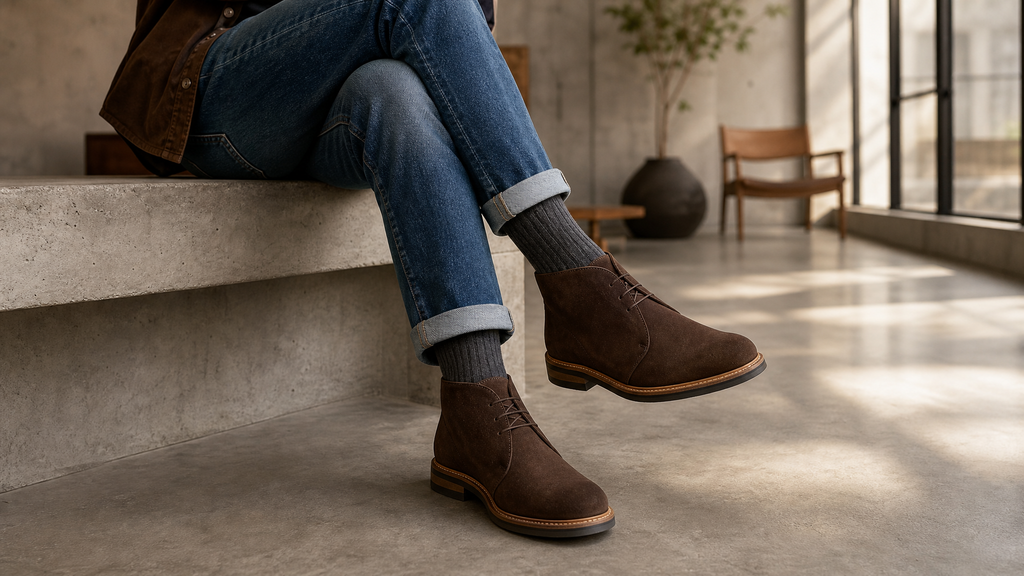
- Desert boot with jeans and a chore jacket.
The easy mistakes to avoid
Some style rules are worth keeping because they save you from obvious friction.
- Don’t force formal shoes into rugged outfits. A sleek Oxford with distressed denim usually feels disconnected.
- Don’t ignore leather texture. Smooth calfskin is sharper than suede.
- Don’t let the shoe undercut the trouser hem. Very bulky soles with slim dress trousers can look awkward.
- Don’t overmatch everything. Belt, watch strap, bag, and shoe don’t need to be identical.
Your shoe should look like it belongs to the same world as the rest of your outfit.
A versatile wardrobe doesn’t mean boring. It means each pair can travel across several contexts with confidence.
Protect Your Investment Shoe Care and Maintenance
A well-made shoe rewards care quickly. Ignore it, and even fine materials lose shape, dry out, and look tired before their time.
The routine that keeps shoes alive
You don’t need a workshop at home. You need consistency.
- Brush after wear. Dust and grit act like sandpaper on leather.
- Use shoe trees. They help preserve shape and manage moisture after a full day.
- Rest your pairs. Don’t wear the same leather shoes day after day if you can avoid it.
- Condition when leather looks thirsty. Dry leather stiffens and creases harder.
- Store with intention. Keep shoes clean, aired, and away from harsh heat.
Suede needs a different touch. Use a suede brush, lift the nap gently, and treat marks early. Smooth leather responds well to brushing and occasional conditioning. Rubber-soled sneakers still benefit from cleaning and proper drying, especially around the collar and footbed.
Care as part of ownership
The men who get the most from their footwear usually treat maintenance as a small ritual, not a burden. A few minutes of brushing and proper storage preserve shape, comfort, and finish.
If you’ve ever thought a shoe “wore out fast,” ask whether the leather failed or whether the routine did.
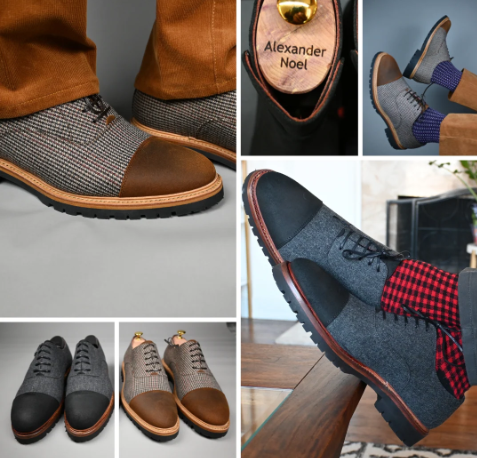
The Alexander Noel Advantage The Case for Custom
A man tries on a polished dress shoe in his usual size. The length seems right, but the heel slips. He sizes down, and now the toe box pinches. He switches brands, then styles, then insoles. The problem often is not the foot. The problem is that ready-made shoes are built around an average shape, and very few real feet are average.  Custom footwear answers a deeper question than "What looks good?" It asks, "What does your foot need, what does your wardrobe ask for, and how should the shoe behave through a full day?" This is the main advantage. Good custom work joins craftsmanship, styling, and personal fit into one decision instead of treating them as separate problems.
Where custom makes practical sense
Off-the-rack shoes follow a template. Custom shoes begin with a person.
Custom becomes especially useful when you need one or more of these:
- Non-standard fit. Width differences, heel slippage, instep pressure, or one foot that differs from the other.
- Professional polish with comfort needs. A dress shoe that accommodates orthotics or extra support without looking bulky.
- Specific design preferences. Last shape, leather choice, sole type, color placement, or hardware details that standard retail lines rarely combine well.
- A direct-to-consumer route. A clearer line between the maker and the wearer, which can allow more input into the final product.
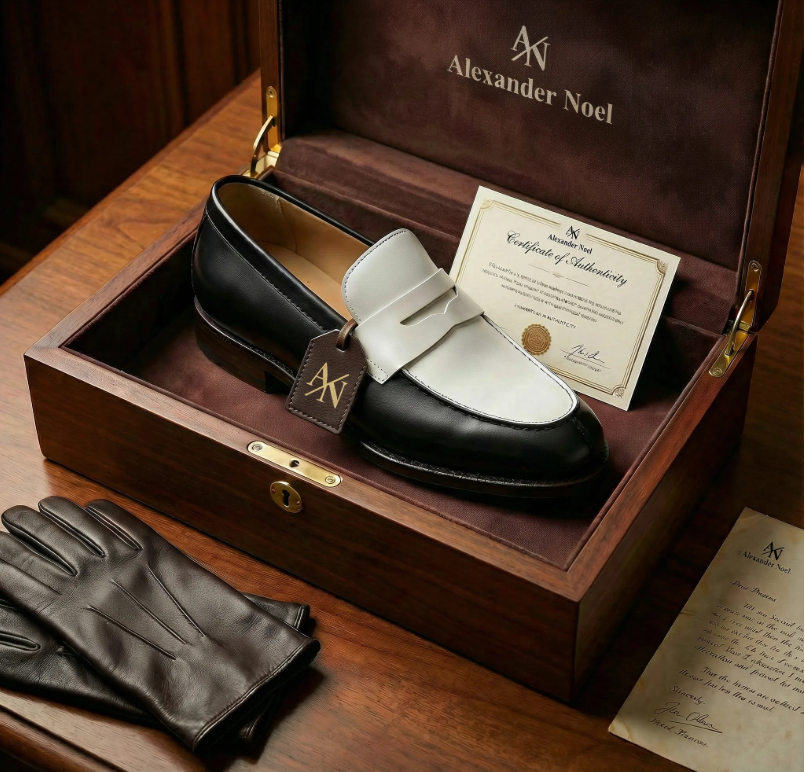
Alexander Noel works in that space with made-to-order custom shoes and sneakers through a direct-to-consumer model and design interface.
Craft and biomechanics can work together
A fine shoe should not force you to choose between visual refinement and physical ease. A well-shaped last guides posture. A thoughtful sole affects how the foot rolls. Internal structure influences stability, pressure, and fatigue over time. In other words, craftsmanship is not decoration alone. It is engineering in leather form.
That principle shows up clearly in modern performance footwear. Runner’s World’s review of running shoes for men discusses how design choices such as cushioning, drop, and support affect movement. A custom maker can apply the same logic in a different language, adjusting support, shape, and underfoot feel to suit how an individual walks and lives.
The best custom footwear fits more than measurements.
It fits your gait, your clothing habits, and the roles a shoe has to play in your week. A sleek wholecut for presentations, a rubber-soled Derby for city walking, or a refined sneaker built for long hours on your feet each solves a different problem. That is why custom matters. For shoes for men s, it turns footwear from a generic purchase into a personal tool, shaped around the life you lead.
Bring Your Vision to Life A Design Lab Walkthrough
You open a design tool intending to choose a shoe, and within minutes you are staring at leather types, sole options, toe shapes, and color swatches. The process can feel wide open at first. A good design sequence brings order to those choices, much like a shoemaker builds a pair from the last outward, one decision supporting the next.

Start with the model
Begin with the role the shoe needs to play in your life.
A useful custom design starts with silhouette, not surface detail. If you spend much of your week in tailoring, an Oxford, Derby, or loafer usually gives you the right foundation. If your wardrobe is more casual, a boot or a clean, structured sneaker may serve you better. Color can wait. Purpose should lead.
A simple set of questions helps narrow the field:
- What outfits will this pair support most often
- Should it read formal, adaptable, or relaxed
- Will it carry me through long days on foot or shorter, lighter wear
Choose the elements that change character
Once the model is right, the next choices shape personality. Small details in footwear work like finishing choices in architecture. The structure stays the same, yet the mood changes dramatically.
Think through these layers:
- Upper material. Smooth leather gives a cleaner, sharper impression. Suede softens the look and usually feels easier with casual clothing.
- Color. Black stays disciplined and formal. Brown adapts well across business and smart-casual wardrobes. Burgundy, navy, and mixed tones express more individuality without becoming costume.
- Sole. Leather soles look refined and traditional. Rubber soles add grip, cushion, and daily practicality, especially for commuting.
- Finishing touches. Broguing, toe shape, eyelets, edge color, and contrast stitching can subtly shift a shoe from conservative to expressive.
A short visual demonstration helps make the process feel more tangible:
Refine fit and wearability
The final stage is often the most valuable. A custom shoe can address the realities of your stride, your routine, and the pressure points that standard sizing often ignores. You may need more room at the forefoot, firmer hold through the heel, a softer lining, or a sole that feels better on pavement than on carpeted office floors.
The design process then becomes personal, not just decorative. A well-designed pair should reflect your taste, but it should also respond to how you walk, how long you stand, and what your week asks of you. That idea is important because it breaks an old false choice. You do not have to separate craftsmanship from comfort, or style from practicality. The strongest custom work connects all three. For readers searching shoes for men s, that is the ideal destination. First you learn why a shoe is built a certain way. Then you see how those choices affect styling. Finally, with Alexander Noel, you can turn that understanding into a pair shaped around your own preferences and measurements.
Related post
12
Sep
12
Sep
12
Sep
29
Aug
