

RECENT POSTS

29.August.2026
Custom Women's Boots for Fall: Choosing Between Two Black Chelsea Silhouettes
0 Comments





The Ultimate Guide to Adjustable Shoe Trees
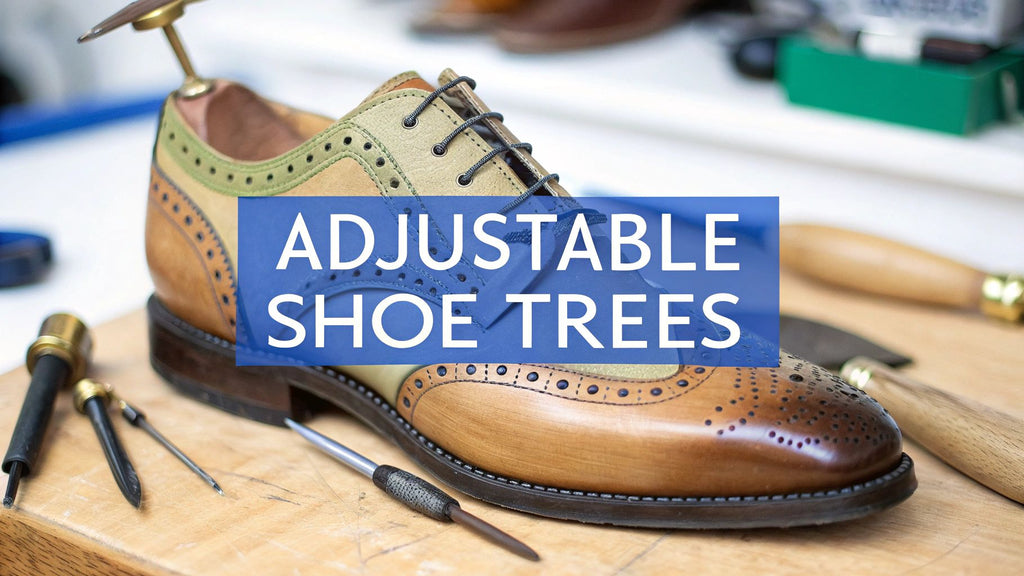
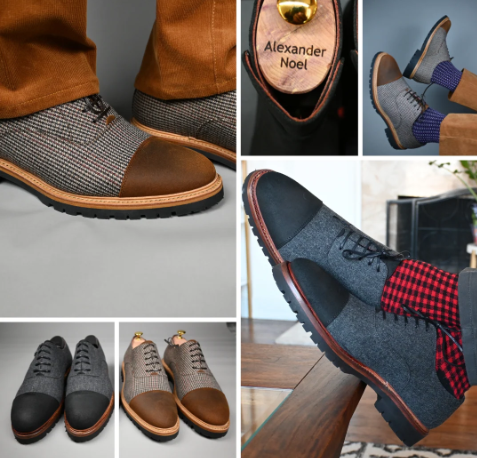
Your Alexander Noel shoes are so much more than footwear—they're an investment in global craftsmanship and your personal style. The secret to preserving that investment isn't a complex routine; it's a quality pair of adjustable shoe trees. Think of them as a personal valet, custom-fit for the shoes you designed.
They are the single most important tool you can own for maintaining the shoe's intended shape, combating creases, and drawing out damaging moisture after a long day of wear.
Why Your Best Shoes Deserve More Than a Shelf
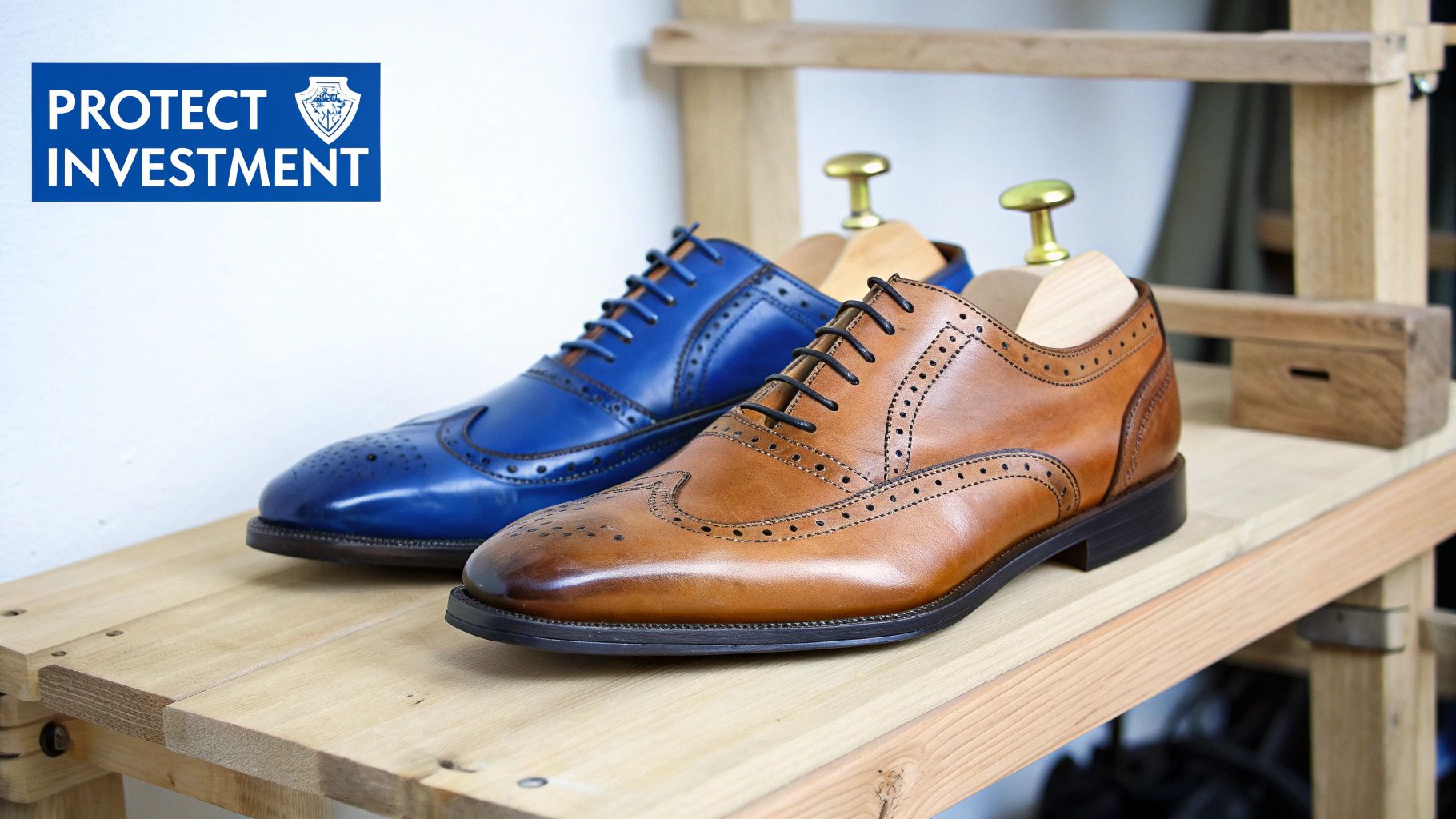
Consider your handcrafted footwear for a moment. It's a piece of art, shaped with painstaking care by skilled artisans from around the world. Just as a painter's canvas requires a solid frame to prevent warping, your shoes need internal support to handle the demands of daily life. Every step you take causes the leather to bend, flex, and absorb moisture from your feet.
Over time, this daily wear leads to deep, set-in creases, a collapsed toe box, and a silhouette that's a sad departure from its original, elegant form. It slowly robs your bespoke shoes of their unique character. Simply tossing them on a shelf or leaving them in a box only accelerates this decline.
The Foundation of Proper Shoe Care
An adjustable shoe tree is the absolute foundation of any effective shoe care regimen. It's not a passive accessory; it actively works to counteract the effects of wear by providing gentle, consistent pressure from the inside out. This ensures your shoes return to their intended shape after every single wear.
This simple tool is critical for aftercare because it addresses the three main enemies of premium footwear:
- Creases: It gently smooths the wrinkles that naturally form in the leather, especially across the vamp, keeping the surface looking sleek.
- Moisture: Natural wood, especially cedar, is remarkable at wicking away the perspiration that can degrade leather and lead to unpleasant odors.
- Shape Loss: It provides crucial support to the shoe's entire structure, from the toe box to the heel, preventing the sagging and flattening that occurs in a closet.
By investing in proper aftercare, you aren't just maintaining an accessory. You are preserving the integrity of the artisan's work and the personalized fit you designed from the start.
This proactive approach is essential for anyone who values high-quality footwear. Proper care extends beyond just shoe trees. Exploring effective organized entryway ideas can also help keep your collection tidy and extend its life.
As we'll explore, the 'adjustable' feature is what makes these so vital for the unique contours of your custom Alexander Noel shoes. For a deeper dive, you can learn more about how to store shoes properly in our detailed guide right here: https://www.shopalexandernoel.com/blogs/shoe-talk/how-to-store-shoes-properly.
How Adjustable Shoe Trees Actually Work
At a glance, a shoe tree may seem like a simple placeholder. But an adjustable shoe tree is a much more active tool, carefully engineered to preserve the unique architecture of your handcrafted shoes. Its secret lies in a dynamic system of gentle, consistent pressure.
The magic comes down to two components working in perfect harmony: the split-toe and the spring-loaded heel. The split-toe mechanism allows the front of the tree to expand sideways, filling out the exact width of your shoe's toe box. For custom footwear, this is a game-changer, as a generic solid-toe tree would either leave gaps or push unevenly against the leather.
Simultaneously, the spring-loaded heel creates tension from back to front. It pushes the split-toe snugly into the front of the shoe while seating the heel block securely in the back. This combination creates a three-dimensional support system that perfectly mimics the presence of your foot.
Mimicking Your Foot's Natural Shape
This gentle, three-dimensional tension is the key to smoothing out the evidence of a day's wear. Every step flexes the leather, creating creases, especially across the vamp. When you insert an adjustable shoe tree right after taking your shoes off, the still-warm, pliable leather is gently coaxed back to its original, smooth shape.
Think of it like a custom mold for your shoes. It doesn't stretch the leather—it simply reminds it of the precise shape the artisan intended, preventing daily creases from becoming permanent scars.
This is where "adjustable" truly proves its worth. A standard, fixed-shape tree is a one-size-fits-all solution that rarely matches the specific last of a bespoke shoe. With a personalized pair from Alexander Noel, crafted to your foot’s unique dimensions, adjustability isn't just a feature—it's a necessity. It guarantees the support is distributed perfectly, preserving the custom fit you designed.
The Engineering of Preservation
The innovation behind adjustable shoe trees has made them an essential tool in the global shoe care market. It’s a surprisingly competitive industry valued at around $250 million, with the top five players holding only about 35% of the market share. This environment pushes companies to constantly improve features like adjustability for customers who value the longevity of their footwear. You can find more detailed insights into this growing market in this shoe tree industry analysis.
Ultimately, this mechanism isn't just about aesthetics; it's about structural integrity. By supporting the shoe from within, the tree stops the toe box from collapsing and prevents the heel counter from losing its supportive shape. It’s a fundamental part of a shoe care routine that truly honors the craftsmanship of your collection, making sure your investment looks as impeccable as the day it arrived.
Choosing the Right Material: Cedar vs. Plastic
When you're selecting an adjustable shoe tree, the material is as important as the fit. It's like choosing the right tool for a delicate job—while both cedar and plastic can hold a shoe's shape, only one truly preserves the life and soul of premium leather footwear.
The two main options on the market are aromatic cedar and plastic. Each has its place, but for your Alexander Noel collection, there is a clear winner.
The Power of Aromatic Cedar
For any serious shoe collection, aromatic cedar is the undeniable gold standard. It's far more than a shaped piece of wood; it's an active preservation system working around the clock for your shoes.
Its most celebrated quality is its incredible ability to absorb moisture. Your feet naturally perspire throughout the day, and that moisture, along with its salts and acids, seeps into the leather. Over time, this leads to stiffness, cracking, and the eventual breakdown of the material. Aromatic cedar acts like a natural dehumidifier, wicking away this damaging moisture before it has a chance to set in.
But it doesn't stop there. Cedar brings another critical benefit: its fresh, clean scent. This isn't just a pleasantry; it's a powerful natural deodorizer that prevents unpleasant odors from developing inside your shoes. By inhibiting odor-causing bacteria from making a home in the lining, your footwear stays fresh wear after wear.
By choosing cedar, you're not just maintaining the shape of your shoes—you're actively investing in the longevity of the materials and the integrity of the artisan craftsmanship.
This constant cycle of support, moisture removal, and crease reduction is what protects your investment and keeps your shoes looking their best.
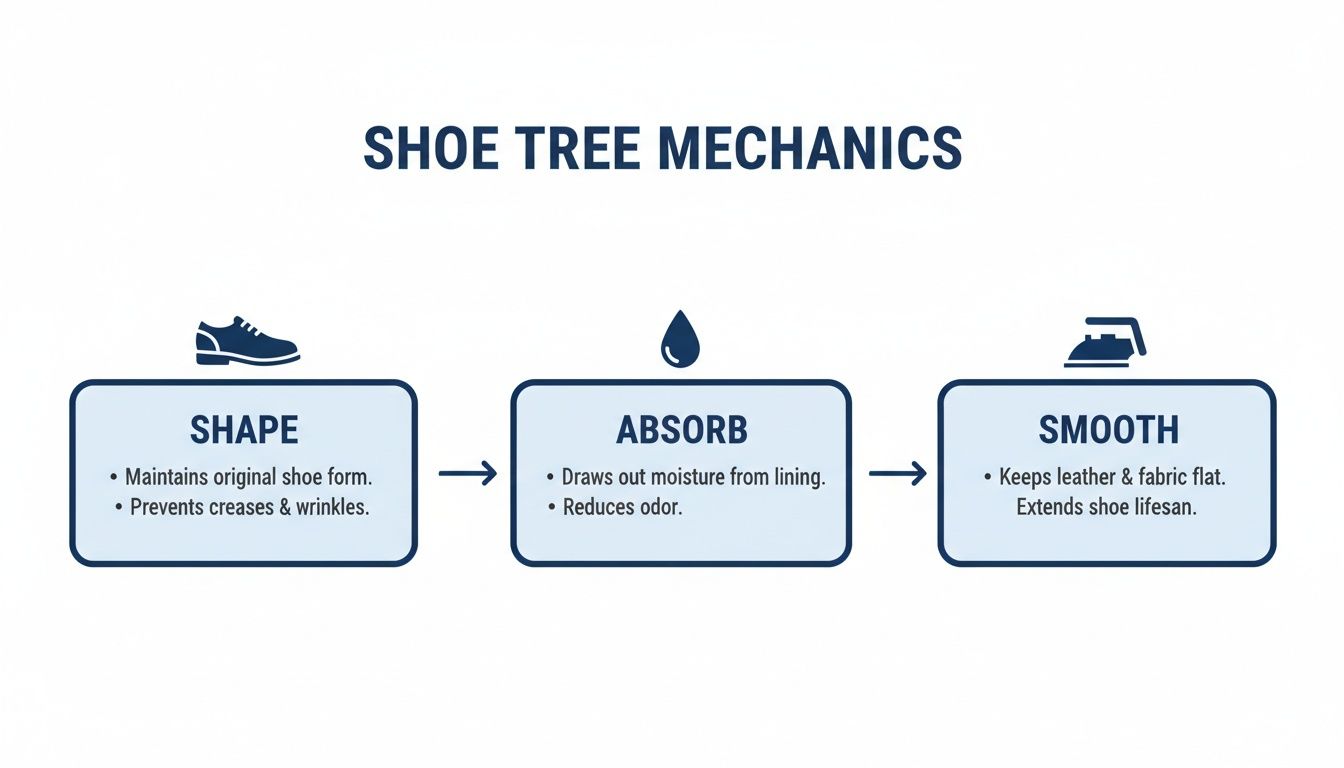
As you can see, it's a simple but powerful process that makes a world of difference.
When Plastic Shoe Trees Make Sense
So, what about plastic adjustable shoe trees? They do have a role to play.
Plastic models are significantly lighter and more budget-friendly, which makes them a great pick for specific situations. Their biggest advantage is portability. If you travel often, a pair of lightweight plastic shoe trees is perfect for keeping your shoes from being crushed in a suitcase without adding significant weight.
They're also a practical choice for shoes made from synthetic materials, like many modern sneakers, which don't gain the same moisture-absorbing benefits from cedar.
For your premium leather boots or custom dress shoes, however, plastic falls short. It will provide shape, but it completely lacks the crucial protective qualities needed to preserve the leather itself.
Here’s a quick breakdown to help you decide.
Cedar vs Plastic Shoe Trees Comparison
This head-to-head comparison highlights the key features of each material, making it easier to choose the right option for your footwear.
| Feature | Aromatic Cedar | Plastic |
|---|---|---|
| Moisture Absorption | Excellent; wicks away sweat and moisture | None; can trap moisture inside the shoe |
| Deodorizing | Excellent; natural fresh aroma neutralizes odors | None; can contribute to trapped odors |
| Material Preservation | Actively preserves leather, preventing cracks | Provides shape only, offers no material care |
| Weight | Heavier, best for at-home storage | Lightweight, ideal for travel |
| Best For | Premium leather shoes, boots, and bespoke footwear | Sneakers, synthetic shoes, and travel use |
| Cost | Higher initial investment | Budget-friendly and affordable |
Ultimately, the choice comes down to your collection and your long-term goals. For everyday sneakers or travel, plastic is a fine utility player. But for the shoes you truly care about—the ones you’ve invested in—cedar is the only choice.
Getting the Perfect Fit for Every Shoe
The essence of custom footwear is a perfect fit, and that principle extends to the tools you use to protect your investment.
Selecting the right size for your adjustable shoe trees is the first and most important step in preserving the unique shape of your Alexander Noel shoes. You are aiming for a snug, supportive fit—never a forced one that might stretch the very leather you're trying to protect.
Your shoe tree size should align directly with your shoe size. Most adjustable models are designed to cover a range of sizes (e.g., 8-9.5), so you simply need to choose the one that includes yours. A well-sized tree will fill the shoe completely from toe to heel, applying just the right amount of gentle pressure to smooth out creases without distorting the shoe's natural structure.
Mastering the Insertion Technique
Using an adjustable shoe tree is straightforward, but correct technique ensures you reap all the benefits without accidentally harming your shoes. Following these simple steps will give you a perfect fit every time.
- Compress the Heel: First, hold the shoe tree by its heel and toe pieces. Squeeze them together gently to compress the spring-loaded mechanism. This shortens the tree, making it easy to insert.
- Guide the Toe In: With the tree compressed, slide the front (the toe block) all the way into the shoe's toe box. Ensure it’s seated firmly and fills out the entire area.
- Release the Heel: Now, slowly release the heel section, letting the spring expand. Guide the heel piece down into the back of the shoe until it rests flush against the heel counter. You should feel firm tension, but it shouldn't feel forced.
This method guarantees the tree provides even, gentle support from the inside out. It’s similar to how a tailor uses adjustable dress forms for a perfect fit to perfectly match a garment's intended shape. The same principle of customized support applies here.
Adapting to Different Shoe Styles
The true beauty of adjustable shoe trees is their versatility across your entire collection. That said, small tweaks in your technique can make them even more effective for different types of footwear, from structured dress shoes to more supple boots.
- For Custom Dress Shoes: Ensure the split-toe mechanism expands fully to fill out the width of the toe box. This is absolutely critical for maintaining the sharp, elegant silhouette of styles like oxfords and brogues.
- For Artisan Boots: Here, the lengthwise tension is most important. It keeps the ankle from sagging and helps maintain the structure of both the heel and the vamp, preserving the boot's intended profile.
- For Softer Leathers: When working with shoes made from more delicate materials like sheepskin or unlined suede, be mindful of the tension. The fit should be just snug enough to hold the shape without putting undue stress on the softer material.
The perfect fit for a shoe tree is one that feels present but not powerful. It should support the shoe's soul, not overwhelm it, ensuring the handcrafted form you designed is preserved for years.
Of course, getting the right fit isn't just about length; shoe width is just as important. To better understand how different widths can affect comfort and shoe choice, take a look at our guide on understanding shoe width and sizing. This knowledge will help you better appreciate how a well-fitted tree supports your investment.
Your Guide to Using and Maintaining Shoe Trees
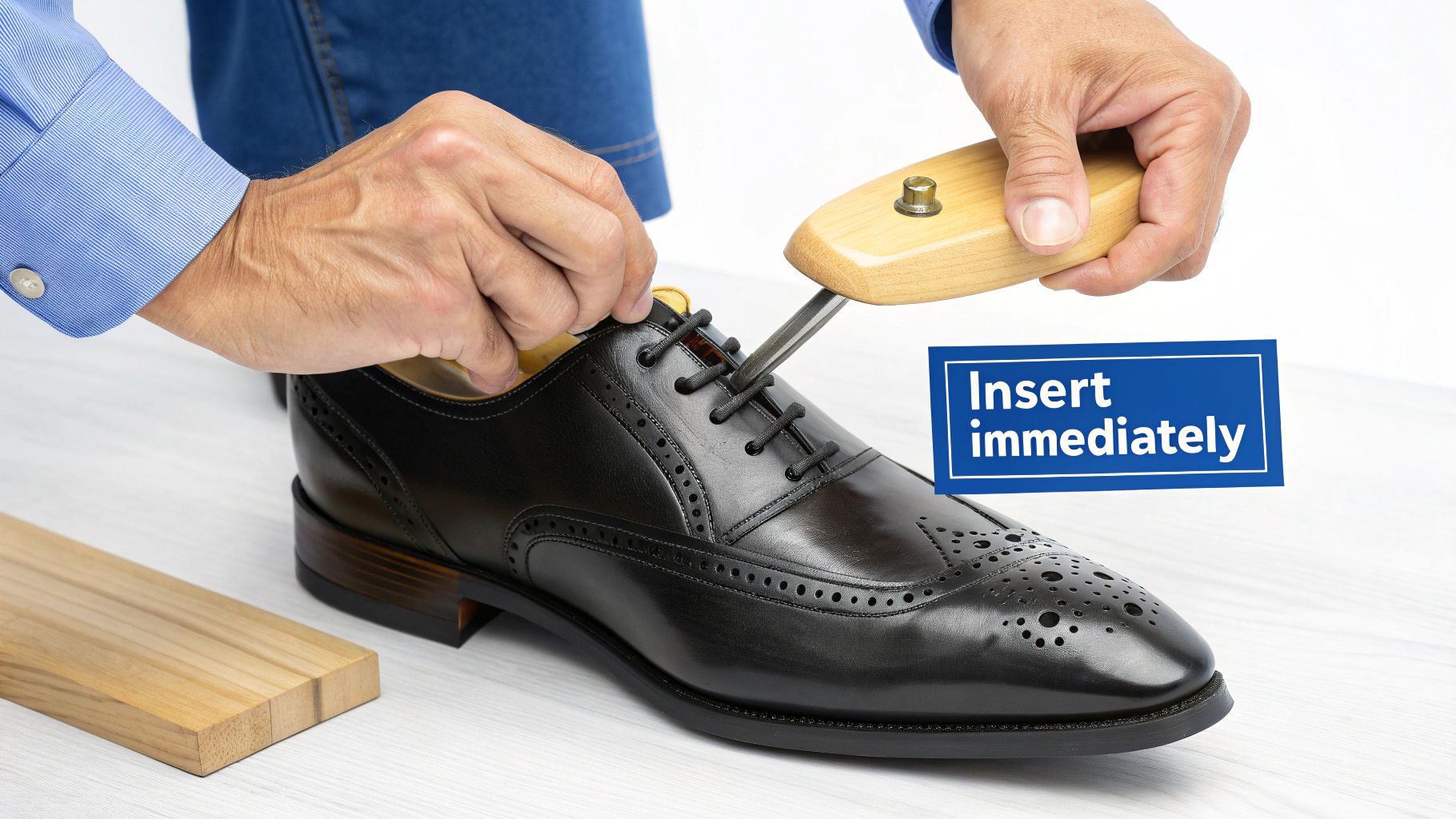
You've invested in a quality pair of adjustable shoe trees. That's the first step. But knowing how to use them properly is what transforms this simple accessory into a powerful tool for preserving your Alexander Noel collection.
Here's the golden rule: insert your shoe trees the moment you take your shoes off. It’s that simple. At that point, the leather is still warm and pliable from the day's wear, making it the perfect time to gently guide it back to its original shape.
By acting quickly, you prevent creases from setting in and allow the cedar to begin absorbing moisture immediately. Think of it as proactive care versus reactive repair. Making this a habit ensures your handcrafted shoes never get a chance to lose their form.
A Simple Insertion Process
Using your shoe trees should be an easy, intuitive ritual. It should never feel forced.
- Compress the Mechanism: Grasp the shoe tree by the heel and toe, and simply squeeze them together. This shortens the tree so it can slide in easily.
- Seat the Toe: Gently guide the split-toe front all the way into the toe box of the shoe. You want it to fill out the entire area.
- Position the Heel: Now, slowly release the tension. The heel block will expand back and rest snugly against the shoe’s heel. You're looking for firm but gentle pressure, nothing more.
That’s it. This quick process ensures the tree provides even, consistent support across the entire shoe.
Long-Term Maintenance for Your Shoe Trees
Just like your shoes, your shoe care tools need occasional attention. Keeping your cedar shoe trees in top shape is incredibly simple, but it’s essential for making them last for years—or even decades.
The aromatic and moisture-wicking properties of cedar aren't infinite. Over time, the wood's pores can become clogged with the moisture and oils they've absorbed, reducing their effectiveness.
Thankfully, revitalization is easy. Every year or two, take a piece of fine-grit sandpaper—220-grit is perfect—and give the cedar a light sanding. This reopens the wood's pores, instantly restoring that fresh scent and its ability to draw out moisture. Your shoe trees will work just as they did on day one.
For those looking to build out a full care routine, our guide on creating the perfect shoe maintenance kit offers more tips to help you. By caring for both your shoes and your tools, you’re preserving the artistry and perfect fit that define your Alexander Noel investment.
Beyond Dress Shoes: Extending Longevity for All Footwear
Don't make the mistake of thinking adjustable shoe trees are only for your finest oxfords and brogues. This simple tool is one of the most important accessories for protecting your entire collection of high-quality footwear, ensuring every pair from your Alexander Noel Design Lab retains its shape and character.
While they are essential for custom dress shoes—maintaining that structured toe and preventing creases across the vamp—the benefits are just as critical for other styles. Consider your artisan boots. They rely on shoe trees to support the ankle and heel counter, stopping the dreaded sagging that can ruin a powerful silhouette.
Preserving Every Pair in Your Collection
Even luxury sneakers, often built from premium leathers and suedes, can lose their shape over time. One of the most common issues is the collapse of the toe box, which an adjustable shoe tree stops in its tracks. It preserves that unique, modern shape and keeps the materials smooth.
No matter the style, the principle remains the same: an adjustable shoe tree is a foundational tool for preserving the integrity of any well-made shoe.
- Handcrafted Loafers: Supports the delicate structure and stops the heel from being crushed in your closet.
- Bespoke Flats: Maintains the elegant shape and keeps softer leathers from losing their form.
- Artisan Boots: Provides crucial support to the ankle and vamp, preventing drooping and deep creasing. To see more on keeping your boots in prime condition, check out our guide on how to clean leather boots.
Think of it this way: if a shoe is crafted with intention and artistry, it deserves to be preserved with that same level of care. An adjustable shoe tree is the simplest, most effective way to honor that craftsmanship.
Ultimately, by making this tool a part of your routine for every pair of quality footwear, you're making a direct investment in its lifespan. You’re ensuring that each shoe—whether a boot or a sneaker—continues to reflect the personalized style and perfect fit you designed.
Frequently Asked Questions
When you invest in handcrafted footwear, questions about proper care are natural. We've compiled answers to the most common queries we receive about adjustable shoe trees so you can protect your investment with complete confidence.
How Tight Should My Shoe Trees Fit?
You're looking for a snug, firm fit—but never a forced one. When you slide the tree into your shoe, you should feel a gentle, even pressure that fills out the shoe from toe to heel.
The purpose is to support the shoe’s original shape, not to aggressively stretch the beautiful leather. Think of it as a perfect hug for your shoe's interior.
Can I Just Use One Pair of Trees for All My Shoes?
It's tempting, but it's far better to have a dedicated pair of shoe trees for each pair of shoes you wear regularly. Every handcrafted shoe is built on a unique last, giving it a distinct shape and volume.
Using a dedicated tree ensures a perfect fit every time. More importantly, it allows you to insert them right after you take your shoes off, which is the most critical time for drawing out moisture and preserving the shape.
Do My Nice Sneakers Actually Need Shoe Trees?
Absolutely. Premium sneakers made from high-quality leather or suede benefit just as much as dress shoes.
Using adjustable shoe trees will help maintain the structure of the toe box, combat creases across the top, and draw out moisture to keep the interior fresh. It's a simple step that will dramatically extend the life and look of your favorite casual footwear.
Remember, a shoe tree isn't just a placeholder. It's an active preservation tool. It works around the clock to counteract the daily stress your footwear endures, keeping your artisan-crafted shoes looking just as they did on day one.
How Often Should I Sand My Cedar Shoe Trees?
A quick, light sanding with some fine-grit sandpaper (around 220-grit is perfect) once a year is all you need.
This simple maintenance reopens the pores in the cedar wood. You'll immediately notice that fresh, aromatic scent is back, along with its powerful moisture-wicking abilities. They'll be good as new.
Ready to give your footwear the first-class treatment it deserves? Keeping your shoes in top form starts with the right tools. Explore the world of bespoke footwear at Alexander Noel and see how our passion for craftsmanship extends from our Design Lab right into your closet.
Related post
26
Sep
26
Sep
26
Sep
26
Sep
26
Sep
