

RECENT POSTS

29.August.2026
Custom Women's Boots for Fall: Choosing Between Two Black Chelsea Silhouettes
0 Comments
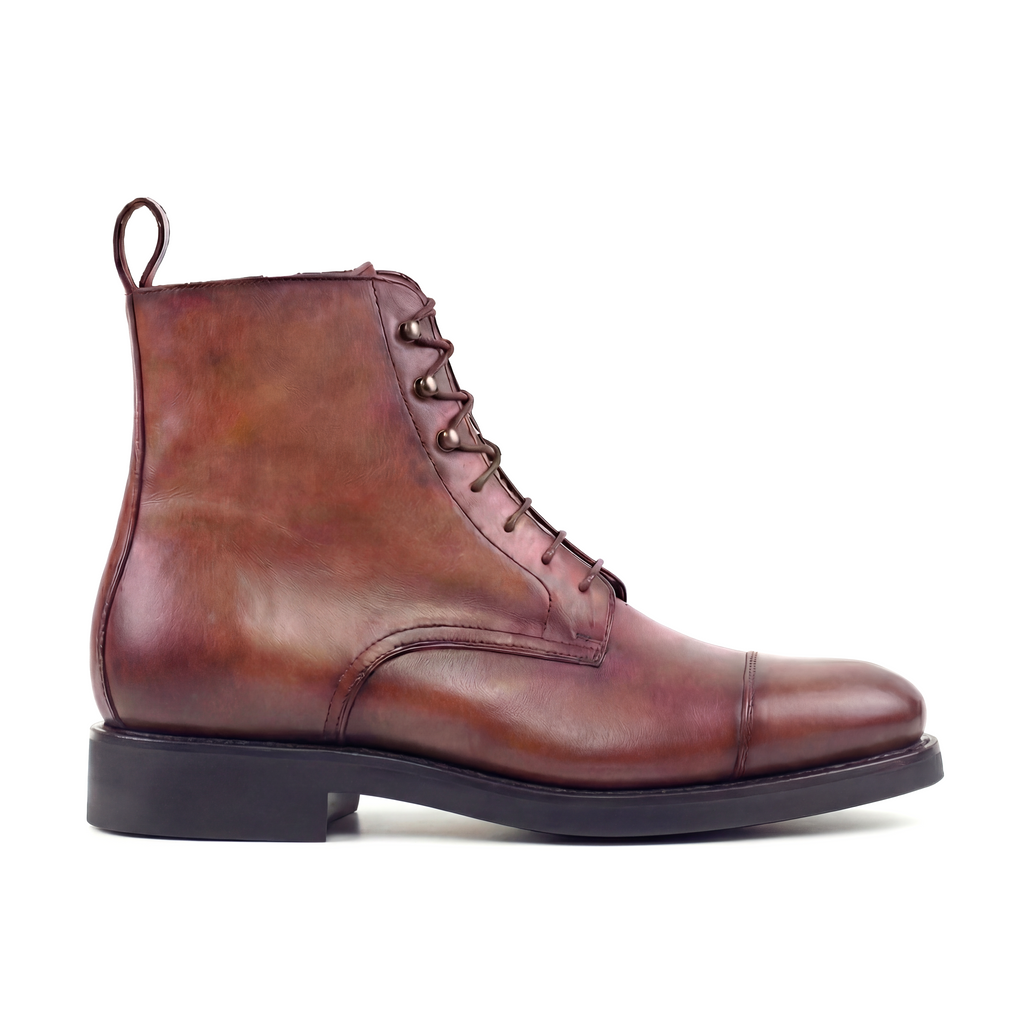
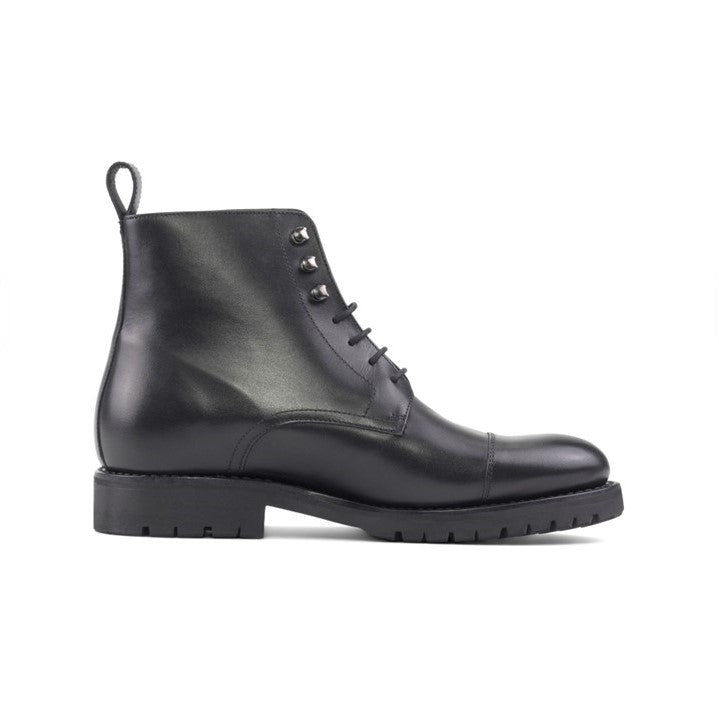
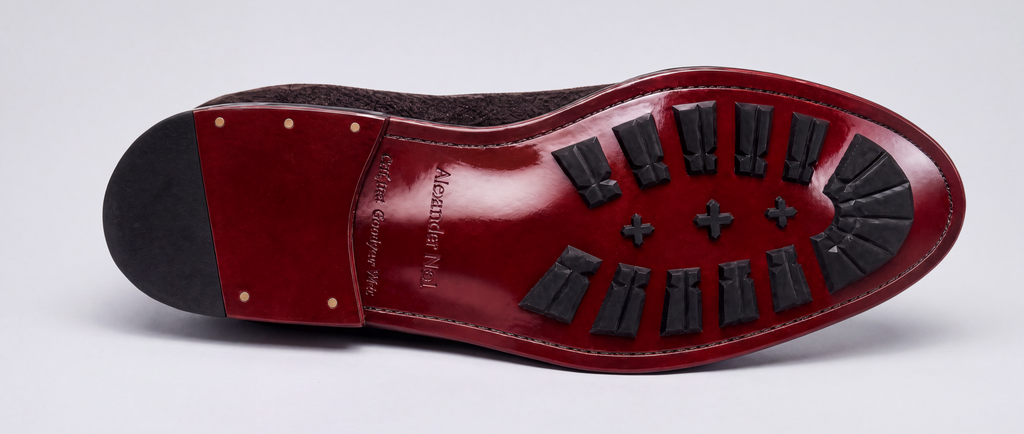
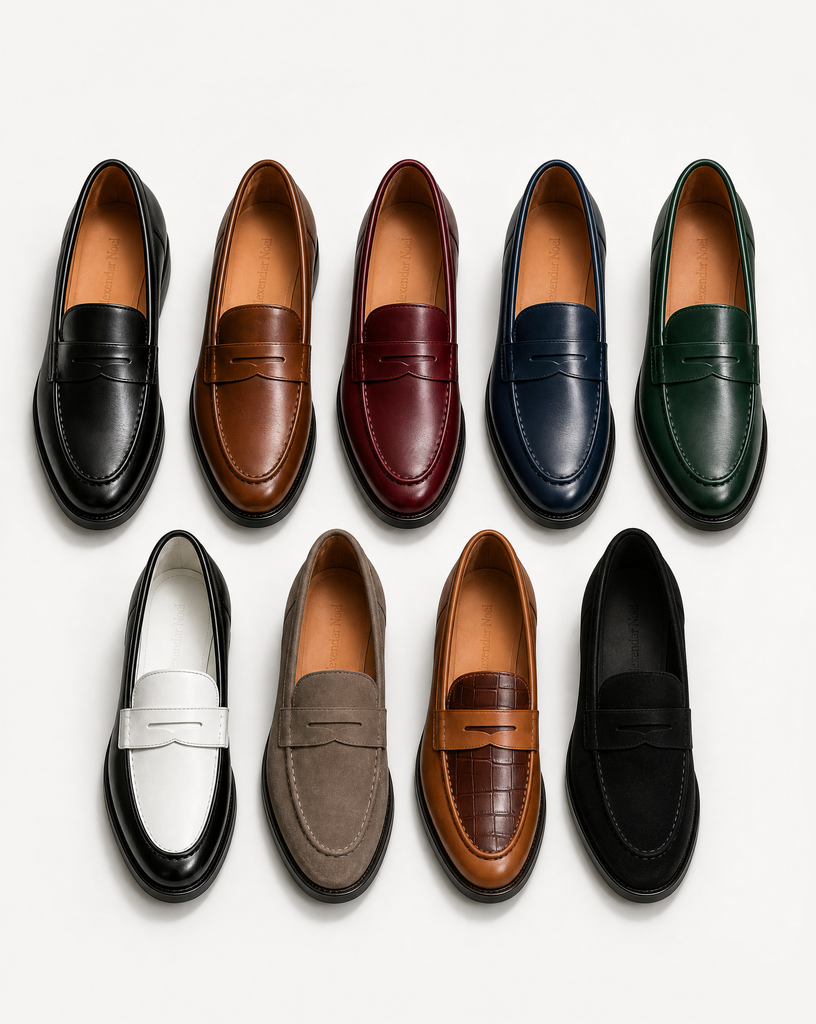
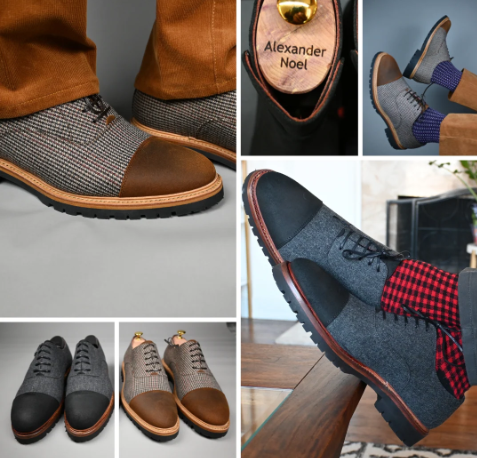









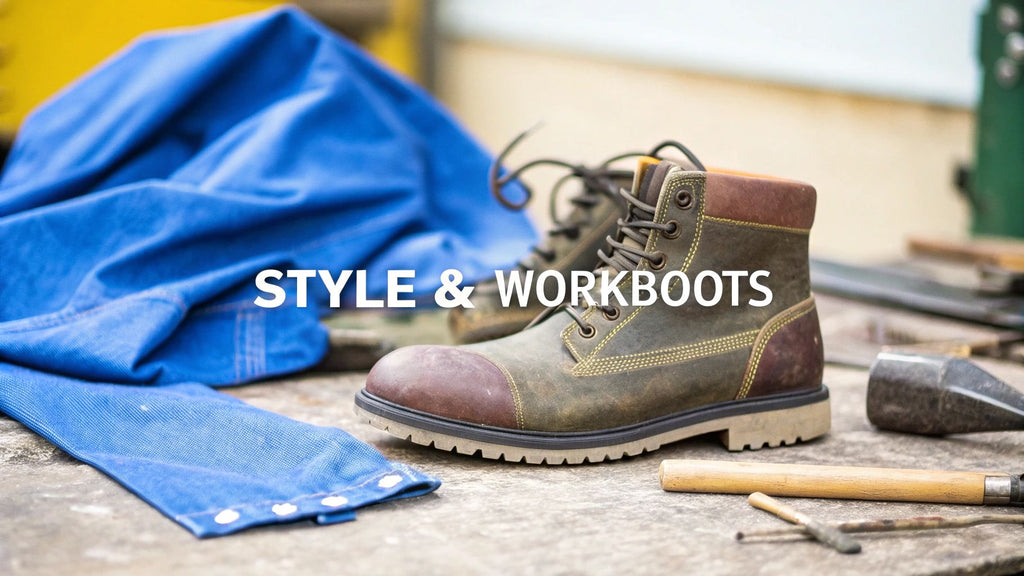
Style and Workboots: A Modern Guide to Rugged Footwear
Workboots aren't just for the job site anymore. They've become a genuine style staple, blending that rugged, built-to-last feel with a sharp, modern look. Thanks to skilled artisans across the globe and new approaches to craftsmanship, you really don't have to pick between protection and style. Let’s get into how to choose, style, and even customize the perfect pair.
From The Job Site To Main Street
The line between what's functional and what's fashionable has gotten wonderfully blurry, and work boots are the perfect example. Not long ago, you'd only see them on construction sites or in workshops. Now? They’ve confidently walked right into the world of everyday style.
This isn't just some fleeting trend. It points to a bigger shift—a real appreciation for things that are made to last, feel great all day long, and tell a story of true craftsmanship. We all want more versatility in our lives. We need a boot that can handle a weekend project, look good for a casual Friday at the office, and still be comfortable enough for a walk through the city. That demand has pushed boot-making forward in some exciting ways, mixing old-school techniques with fresh designs.
The Global Rise of The Stylish Workboot
This evolution is happening everywhere. The work boot market is set to jump from USD 13.4 billion to over USD 21.7 billion, and that growth is all about our collective desire for footwear that delivers on safety, comfort, and style. It shows a worldwide move toward investing in products that give you both durability and great design, a balance that the best work boots for men now aim to perfect. For a deeper dive, Credence Research has some great insights on the global work boots market.
Today’s workboot is a hybrid hero. It carries the DNA of its hardworking ancestors—tough leather, sturdy construction, and all-day support—but is refined enough for the modern wardrobe, making it a true style investment.
Embracing Personalization and Craft
These days, it's not just about buying a boot off the shelf; it's about having a hand in creating it. At Alexander Noel, our direct-to-consumer model connecting you with global artisans opens up a world of personalization that you just can't find elsewhere.
You get to choose from premium materials, select the perfect sole, and even design your boot from scratch in our Design Lab. It’s a process that ensures you get more than just a shoe. You get a handcrafted piece that fits you perfectly, reflects your own style, and is ready to go with you wherever you're headed, from the workshop to the weekend.
Understanding What Makes a Great Boot
Let's be honest, diving into the world of style and workboots can feel like you're learning a new language. You hear words like "welt," "last," and "vamp" tossed around, but what does any of that actually mean for the boots on your feet? Getting a handle on the anatomy of a truly great boot is the first real step toward making a smart investment that'll last you for years.
Think of boot construction as the architecture for your feet. It's the hidden framework that dictates how a boot feels, how it holds up over time, and whether you can even get it repaired. More than anything else, the construction method defines a boot's lifespan and character.
The Foundation of a Quality Boot
Just like a house needs a solid foundation to stand the test of time, a boot needs a strong construction method holding the upper part to the sole. In the world of high-quality footwear, two methods really stand out, each with its own set of pros and cons.
-
Goodyear Welt: This is the gold standard, plain and simple. It’s what you want for durable, long-lasting boots. A leather strip (that's the "welt") is stitched to the upper and the insole. Then, the outsole is stitched directly to that welt. This creates an incredibly sturdy, water-resistant bond that a good cobbler can easily take apart to replace the sole, giving your boots a second—or even third—life.
-
Cemented Construction: With this method, the outsole is glued to the upper with a seriously strong adhesive. This approach gives you a boot that's lighter and more flexible right out of the box, with almost no break-in period. While you can't really resole a cemented boot like you can a Goodyear welted one, it's a fantastic option for more casual, style-focused footwear where you aren't planning on putting them through the wringer.
Want to get deeper into the nuts and bolts? Our guide on premium boot construction explains what makes luxury worth it. It really breaks down why these details are so critical for both comfort and a long-lasting relationship with your boots.
A well-constructed boot is like a partnership. That initial stiffness isn't a flaw; it's a sign of quality materials waiting for your foot to shape them, eventually creating a custom-like fit that's yours and yours alone.
The modern workboot has really branched into two distinct paths, finding a sweet spot between pure utility and everyday style.
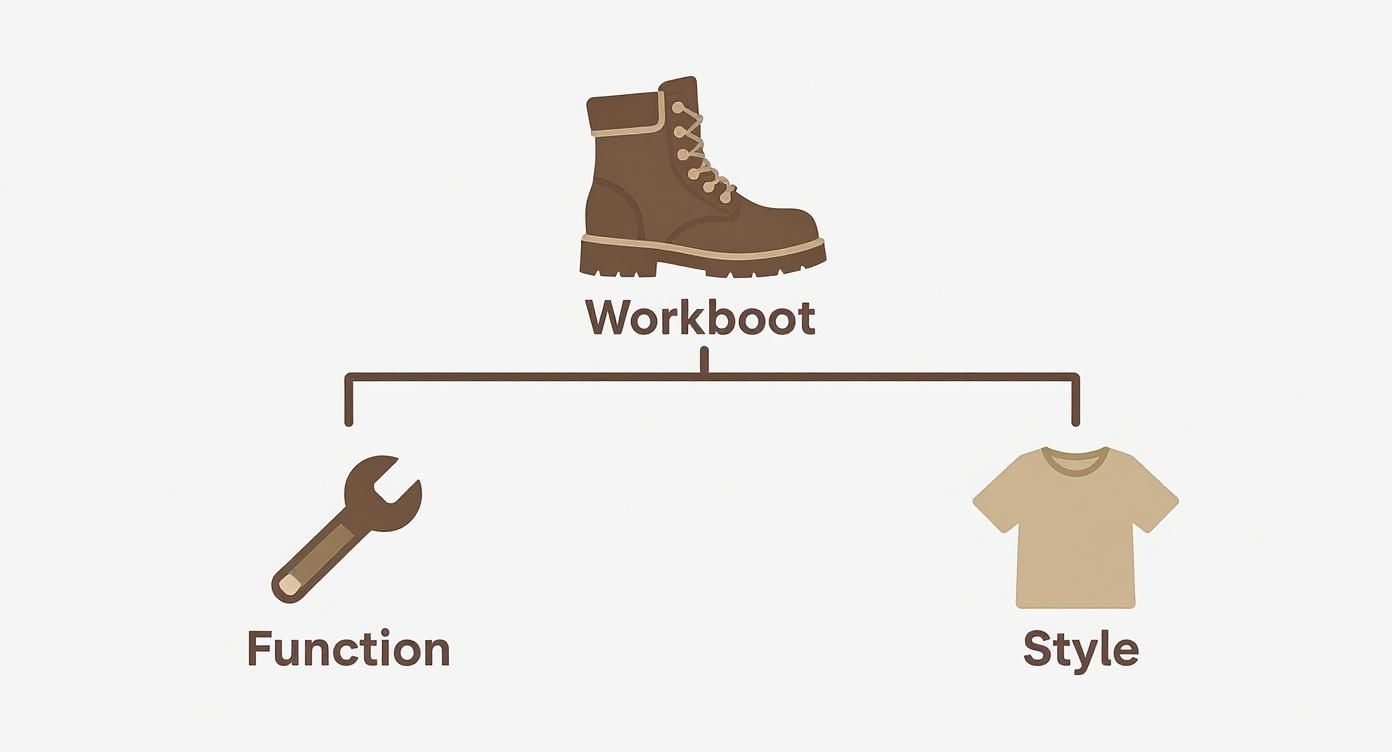
This split shows that while the workboot's tough DNA is still there, it has evolved. Now, it serves both the person who needs heavy-duty performance and the one who just wants a great-looking, reliable boot for daily life.
To make it easier to see where your priorities might lie, here’s a quick breakdown of how key features differ between boots built for the job site and those designed for the street.
Workboot Features: Function vs. Fashion
| Feature | Emphasis on Function (Work) | Emphasis on Style (Fashion) |
|---|---|---|
| Outsole | Thick, heavy-duty rubber with deep lugs for grip and slip-resistance. | Often sleeker leather or rubber soles with a lower profile for a refined look. |
| Construction | Goodyear welt is preferred for durability, water resistance, and resoling. | Cemented construction is common for a lighter, more flexible feel out of the box. |
| Toe | Reinforced with steel, composite, or alloy for impact protection. | Typically a "soft toe," shaped for aesthetics like a plain, cap, or moc toe. |
| Leather | Thick, oiled, full-grain leathers that resist scratches, water, and abuse. | Can range from premium full-grain to softer suedes and nubucks for texture. |
| Lacing Hardware | Rugged eyelets and speed hooks designed for quick, secure lacing. | Often features smaller, more polished hardware that complements the boot's design. |
| Break-in Period | Usually stiffer and requires a significant break-in period to mold to the foot. | Minimal to no break-in needed; comfortable from the first wear. |
This table isn't about one being "better" than the other. It's all about matching the boot's purpose to your daily reality. A steel-toe boot is out of place at a nice dinner, but a stylish suede boot has no business on a construction site.
Materials Matter More Than You Think
If construction is the boot's architecture, the material is its personality. It defines how the boot looks, feels, and ages. Leather is the go-to, of course, but not all leathers are created equal. Knowing the difference is crucial for picking a boot that truly fits your lifestyle.
-
Full-Grain Leather: This is the best of the best. It’s the top layer of the hide, so it keeps all the natural grain and character. That means it doesn't just last; it gets better with age, developing a rich, unique patina. It's tough as nails, breathable, and unbelievably durable.
-
Suede: Famous for its soft, fuzzy finish, suede is actually made from the underside of the hide. It's a bit more delicate than full-grain leather and needs some extra care, but it delivers a refined, luxurious texture that's perfect for stylish boots you won't be wearing in a blizzard.
-
Nubuck: People often mistake this for suede, but nubuck is top-grain leather that's been sanded down to create that same velvet-like surface. It’s tougher and more water-resistant than suede but still gives you a soft, elegant look.
How to Style Workboots for Any Occasion
Think workboots are just for jeans and flannel? It’s time to rethink their place in your closet. The sheer versatility of a well-made boot goes far beyond the job site, making it one of the most powerful tools you can have for crafting a distinct look. It just takes a few key principles to confidently work style and workboots into outfits for almost any setting, from a weekend coffee run to a smart office environment.
The secret is all about balance. A really rugged boot can ground a more polished outfit, while a sleeker pair can instantly elevate your everyday casual wear. It’s not just about what you wear, but how you wear it—turning functional footwear into a deliberate style statement.
Mastering Rugged Casual Looks
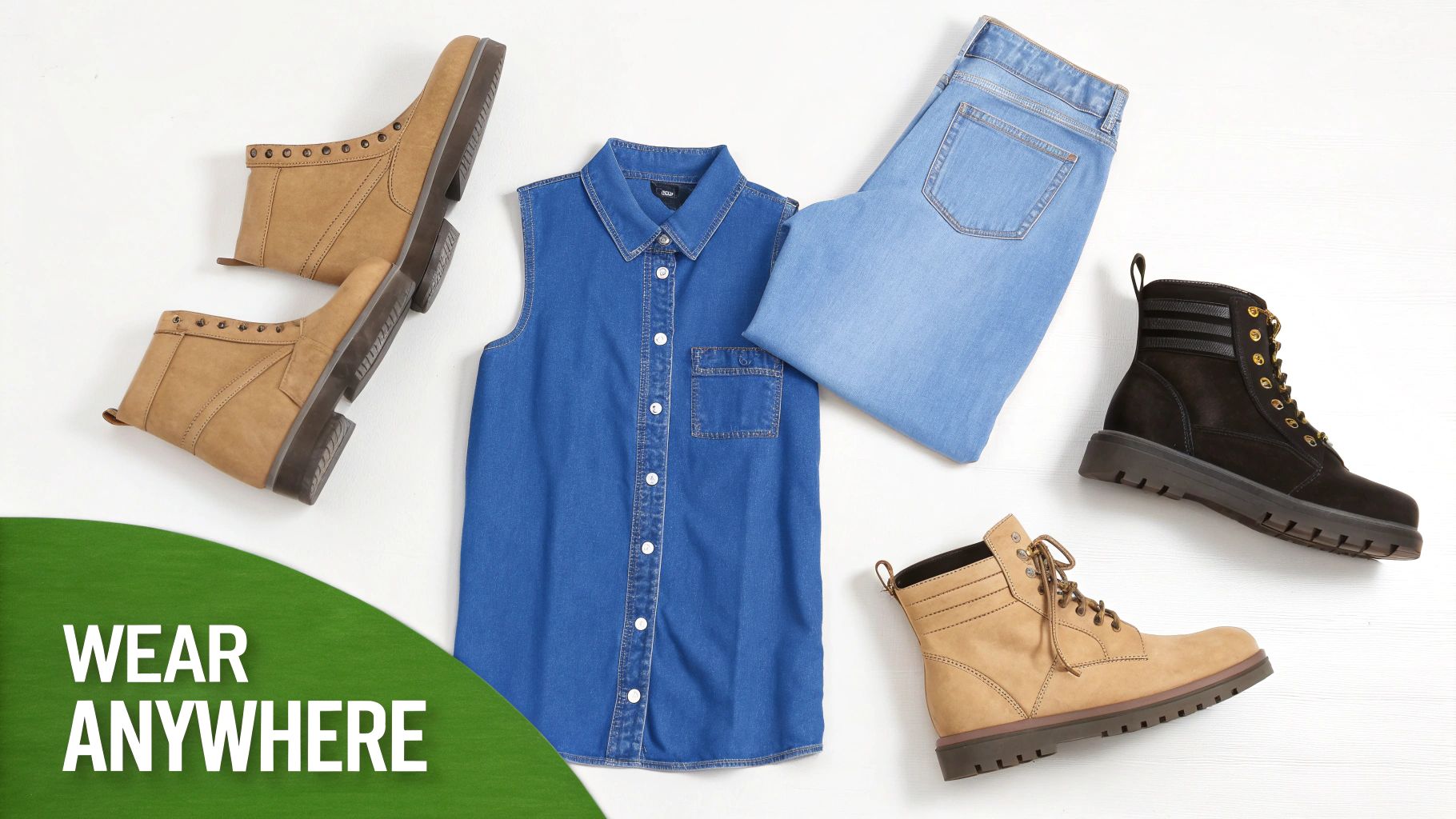
This is the natural habitat for a classic workboot, and honestly, it's the easiest style to get right. It’s all about leaning into that durable, hardworking heritage of the boot while keeping the overall look clean and intentionally put-together. This vibe is perfect for weekends, casual get-togethers, or any time you want to feel comfortable but still look effortlessly cool.
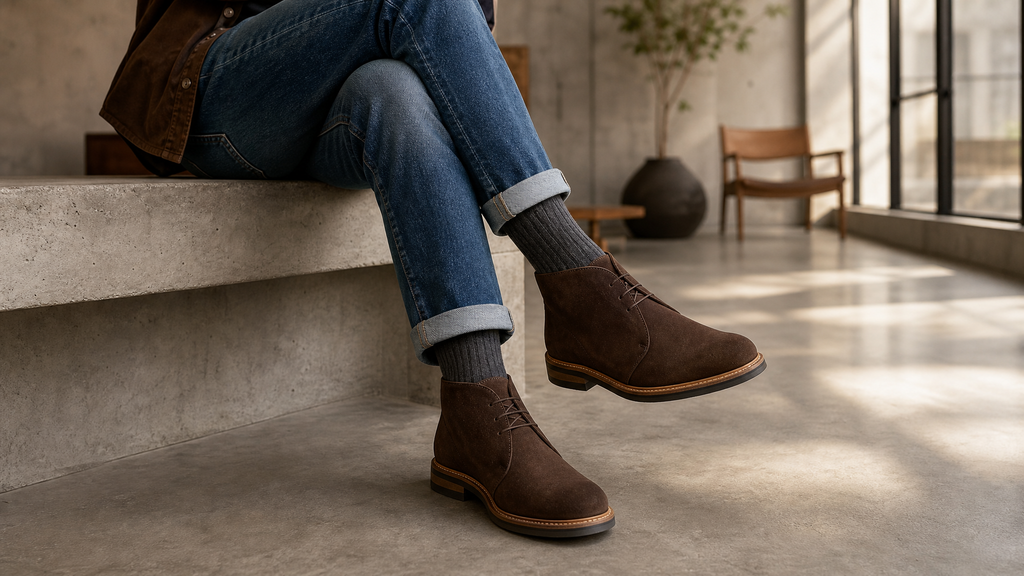
The foundation here is almost always a great pair of jeans. A dark-wash or solid black denim creates a sharp backdrop that really makes your boots pop. From there, it's all about simple, textured layers on top.
-
For Men: A pair of classic moc-toe or cap-toe boots with straight-leg dark denim is a can't-miss combo. Throw on a thick-knit sweater, a thermal henley, or a quality flannel shirt to nail the look. For cooler weather, a chore coat or a waxed canvas jacket is the perfect finishing layer.
-
For Women: Try your boots with a pair of slim-fit or straight-leg jeans. A chunky turtleneck sweater or even a simple, high-quality t-shirt with a leather jacket creates an iconic, timeless silhouette that’s practical, stylish, and always works for a casual day out.
Elevating Your Style for Smart Urban Settings
This is where workboots really get to show off their range. Taking them from casual to smart-casual requires a slight shift in thinking, with a focus on cleaner lines and more refined pieces. The key is to opt for a sleeker, lower-profile boot—think a service boot or a refined Chelsea boot—and pair it with more tailored clothing.
It’s the contrast between the boot's built-in ruggedness and the polish of tailored pieces that makes these outfits so interesting and stylish.
A well-chosen workboot acts as a stylish anchor for a smarter outfit. It signals confidence and a practical sensibility, preventing a tailored look from feeling too stuffy or formal.
To nail this aesthetic, pay close attention to fabric and fit. Swap out the heavy workwear denim for materials like chino, wool trousers, or even corduroy.
Outfit Ideas for a Polished Look:
-
With a Blazer: Pair slim-fit chinos in an olive or navy with a clean leather service boot. Add a crisp button-down shirt and top it off with an unstructured wool or tweed blazer. The result is a sophisticated look that’s perfect for a creative workplace or a stylish evening out.
-
High-Low Contrast: For a modern feminine style, contrast is your best friend. A pair of well-maintained lace-up boots can look incredible with something unexpected, like a knit midi dress and a denim jacket. This high-low mix feels intentional and fashion-forward, blending toughness with elegance. For more ideas on this front, check out our guide to outfit ideas for combat boots, which shares many of the same style principles.
The Finishing Touches That Matter
The small details are what separate a good outfit from a great one. How you handle the space where your pants and boots meet is a perfect example, as it's crucial for creating a clean, proportional silhouette.
-
The Perfect Cuff: A simple pinroll or a single, crisp cuff on your jeans or chinos is the best way to show off your boots. It creates a deliberate visual break and stops the hem of your pants from awkwardly bunching up. You should aim for the hem to hit just at the top of the boot shaft.
-
Accessorize with Intention: Don't forget that small accessories can completely personalize your look. If you're looking to express a truly unique style, consider adding small details directly to your footwear. For instance, you could explore options like Bohemian Native American Turquoise Feather boot chains to add a distinct, personal touch that really sets your pair apart.
Creating Your Perfect Pair with Customization
Why settle for a boot that's almost right? Instead of just buying off the shelf, you can become a co-creator, designing a pair that’s perfect for you. This is where you move beyond simply being a consumer and get involved in the craft.
Bespoke footwear is about so much more than looks. It's about building a boot that fits your life just as well as it fits your feet. By connecting you directly with skilled artisans from around the world, we make that truly personalized experience accessible.
The Power of a Perfect Fit
Nothing upgrades your daily comfort and the long-term life of your boots like a custom fit. A standard-size boot is made for an "average" foot, but whose foot is truly average? A bespoke boot is built around the unique shape of your feet, getting rid of all the guesswork and discomfort.
Think of it like a tailored suit versus one off the rack. Both do the job, but the tailored one just feels right—it moves with you and looks sharper because it was made for you. A custom-fit boot gives you the right support, cuts down on friction, and practically eliminates the break-in period.
A custom-made boot doesn't just fit your foot; it fits your posture, your gait, and your daily demands. This personalized foundation is the key to unlocking unparalleled comfort that lasts for years, not just seasons.
Designing Your Signature Boot
This is where the fun begins. Creating your own boot is a chance to let your personal style shine, turning a piece of gear into a piece of art that works as hard as you do. With tools like the Alexander Noel Design Lab, you’re in the driver's seat.
You’re not just picking a color; you’re choosing the exact type of leather that speaks to you. It's an opportunity to build a boot that nobody else has.
Your Creative Toolkit:
- Material Selection: Do you want the rugged character of full-grain leather that gets better with age? Or maybe the softer touch of suede or the unique texture of nubuck? You can choose from a whole library of premium materials.
- Sole Construction: Your lifestyle determines the right sole. Go for a classic leather sole for a sharper look, a tough commando sole for serious grip, or a lightweight wedge sole for all-day cushioning on concrete.
- Aesthetic Details: The little things make all the difference. You get to pick the stitching color, the hardware finish on the eyelets, and even add a personal touch like a monogram.
The Artisan Partnership
Once you’ve locked in your design, we send the specs straight to our network of master artisans in Spain, Portugal, and Italy. These are craftsmen who use traditional, time-honored techniques to bring your vision to life.
This direct-to-consumer model is what makes this level of quality accessible. We cut out the middleman, so the focus stays on top-notch materials and expert craftsmanship. The final product is a boot built for you, by you, with the help of some of the best shoemakers in the business. It’s a true investment in your style and comfort.
Protecting Your Investment with Proper Boot Care
A great pair of boots is more than just another pair of shoes; it’s an investment. Whether you've designed a custom pair or finally found that perfect fit, proper care is what turns them from a single-season purchase into a trusted companion for years to come. With the right maintenance, your boots won't just last—they'll develop a unique character that tells your story.
Think of it like owning a classic car. A little consistent attention goes a long way in preventing bigger issues, and it keeps them looking sharp. You don't need a professional setup, just a few key tools and a simple routine to ensure your blend of style and workboots stays impeccable.
The Essential Boot Care Toolkit
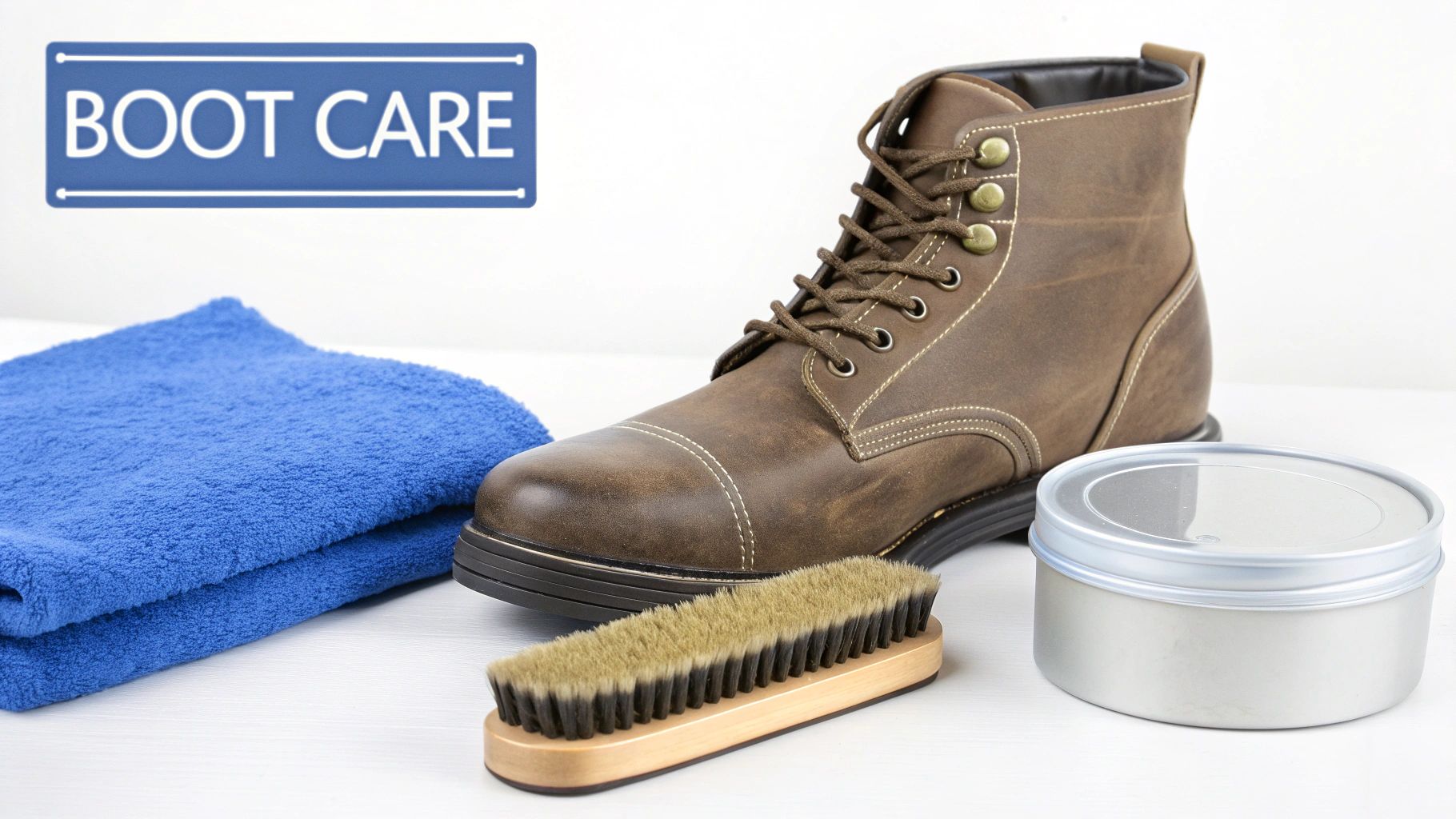
You don’t need an entire shelf of products. A minimalist approach with quality essentials is always more effective. These are the absolute must-haves for any boot owner.
- Horsehair Brush: This is your number one tool. A quick brush-down after each wear lifts away dust and dirt before it has a chance to settle into the leather, preserving its natural finish.
- Leather Conditioner: Leather is a skin, and just like our skin, it can dry out. A quality conditioner applied every few months restores the essential oils, keeping the material supple and preventing cracks.
- Cedar Shoe Trees: These are a game-changer. Cedar naturally absorbs moisture and odor, but more importantly, the trees help your boots hold their shape as they dry. This prevents deep creases and that dreaded collapsed look.
A Simple Maintenance Routine
Consistency is everything. A straightforward, regular care routine will keep your boots looking fantastic without ever feeling like a chore. For a more in-depth look, check out our guide on how to clean leather boots.
-
Clean After Wearing: Make it a habit. Give your boots a quick wipe with a damp cloth or a once-over with your horsehair brush when you take them off. This simple step stops grime from building up and damaging the leather over time.
-
Condition Periodically: Depending on how often you wear them, you should condition your boots every 3-6 months. Just work a small amount of conditioner into the leather with a soft cloth, let it sit for a bit to absorb, and then buff away any excess.
-
Protect from the Elements: Before you take new boots out into rain or snow, think about using a waterproofing spray. It creates a shield against moisture and salt stains, which can be especially harsh on fine leather.
Proper boot care is a conversation with the material. By cleaning and conditioning, you’re not just maintaining an object; you're preserving the craftsmanship and helping the leather develop a rich, personal patina that can’t be bought.
Tackling Common Problems
Even with the best care, life happens. Knowing how to handle the small stuff can dramatically extend the life of your boots.
Scuffs and Scratches
For light scuffs, a good, vigorous buffing with your horsehair brush is often all it takes. If you’ve got a deeper scratch, a colored shoe cream or polish will help fill in the blemish and restore that even, clean color.
Salt and Water Stains
If you get caught in winter weather, act fast. Mix a solution of equal parts white vinegar and water. Gently dab the stained area with a cloth soaked in the mix until the white marks are gone. Let the boots air dry completely, then follow up with a good conditioning.
Knowing When to Call a Professional
There comes a time when home care isn't enough. When the soles are worn thin or the heel starts to separate, it’s time to find a good cobbler. A quality pair of Goodyear-welted boots can be resoled multiple times, giving them a whole new life for a fraction of the cost of a new pair. That's the real return on your investment.
The Future of Style and Workboots
The workboot's journey from the job site to the runway isn't just a passing trend—it's a real shift in how we think about our footwear. This evolution points to something bigger: we’re all looking for products that are tough, versatile, and tell a personal story. It’s a move away from disposable fashion and a return to lasting quality and true craftsmanship.
This shift is happening on two fronts. On one hand, you have industrial and infrastructure projects that still demand high-performance safety boots. On the other, you have style-savvy people who crave the rugged, authentic feel of a well-made boot. The result? A booming market where old-school tradition and new ideas are coming together.
Innovations Shaping Tomorrow's Boots
The future of style and workboots is being built with new tech and creative design. We're seeing some incredible developments that are completely redefining what a boot can be, mixing heritage methods with fresh thinking.
- Advanced Materials: Forget heavy steel toes. We're seeing lighter, stronger composites that offer serious protection without weighing you down.
- Sustainable Practices: More brands are using eco-friendly leathers and recycled materials, speaking directly to a generation that cares where its products come from.
- Smart Technology: Boots with built-in sensors to track your steps or monitor workplace safety? It's not science fiction anymore; it's right around the corner.
A Market Poised for Growth
This renewed love for quality boots isn't just a feeling—it's showing up in the numbers. The global work boot market is set to jump from USD 14.4 billion to USD 35.4 billion, growing at a rate of about 9.4% each year.
This growth is being driven by industrial expansion and major building projects in key markets, all of which require solid safety gear for their workers. As countries modernize and roll out stricter workplace safety laws, the need for high-quality boots in construction, manufacturing, and other hands-on industries just keeps climbing. You can dig into more market insights from Future Market Insights.
Investing in a high-quality, personalized workboot is a deliberate choice. It's an appreciation for lasting craftsmanship, a commitment to personal style, and a smart move that honors tradition while confidently striding into the future.
When you get right down to it, the message is clear. Whether you’re designing a custom pair in our design lab or picking a classic style off the shelf, you're part of a movement that puts substance and self-expression first. The humble workboot has earned its spot as a modern-day essential, proving that real style is always built to last.
Answering Your Workboot Questions
Diving into the world of workboots and style always brings up a few good questions. To help clear things up, we've put together answers to some of the most common ones we hear. Think of this as a quick-reference guide to help you choose and style your boots with confidence.
Can You Really Pull Off Workboots With a Blazer or a Dress?
Absolutely. It’s all about embracing the contrast and nailing the proportions. A slimmer, more refined boot—like a classic service boot—looks fantastic with a blazer and a good pair of dark chinos. It’s a smart-casual look that feels put-together but still has an edge.
And for dresses? A moc-toe or wedge sole boot can create a seriously stylish, unexpected vibe when paired with a midi or knit dress. It’s a bold fashion choice that perfectly mixes rugged and refined. The trick is simple: make sure your boots are clean, well-cared-for, and wear the look like you mean it.
What’s the Best Way to Break in New Leather Boots?
With quality leather, slow and steady is the only way to go. The best approach is to start small. Wear your new boots around the house for a couple of hours at a time, preferably with some thick wool socks on.
The warmth from your feet will gradually soften and mold the leather to your specific foot shape, which is how you get that perfect, custom-like fit. You can also work a quality leather conditioner into any spots that feel a little too stiff. Just promise us you'll avoid the old myth about soaking them in water—it strips the leather of its essential oils and will do more harm than good in the long run.
Think of the break-in period as the final step in crafting your boots. Your foot is the last tool used to perfect the fit, setting you up for a lifetime of comfort.
Are Men's and Women's Workboots Actually Built Differently?
They are, and the biggest difference comes down to the "last." That’s the foot-shaped mold that the entire boot is built around. While the commitment to quality craftsmanship is the same, the actual anatomy of the boot is shaped differently for better support.
Women’s lasts are generally made with a narrower heel and a wider forefoot to better match the typical structure of a woman's foot. This isn’t just a minor detail; it’s what prevents issues like heel slippage or a cramped toe box. Getting a boot built on the right last for you is the secret to true, all-day comfort.
Ready to build a boot that’s a true reflection of you, made just for you? The Alexander Noel Design Lab puts you in the driver's seat. Work with our global artisans to craft a pair of bespoke boots with an impeccable fit, premium materials, and a look that’s all your own. Start designing your perfect pair today.
Related post
19
Sep
19
Sep
19
Sep
19
Sep
19
Sep
