


RECENT POSTS




13.February.2026
Best Boots for Standing All Day: A Guide to Uncompromising Comfort & Support
0 Comments



31.January.2026
Why Off-the-Rack Heels Are Failing Women (and What Custom Fit Really Means)
0 Comments
A Guide to Loafers Mens Casual Style in 2026
A great pair of men's casual loafers is the ultimate slip-on shoe. It’s that one style that can take you from a laid-back weekend brunch right into a smart-casual office without missing a beat. For any man who wants to look put-together without sacrificing comfort, the loafer is the answer.
The Enduring Appeal of Men's Casual Loafers
It's one thing to be stylish, and another to be comfortable. A casual loafer does both effortlessly. This shoe is far more than just a simple slip-on; it has become an absolute essential in the modern man's wardrobe. It's amazing to think it went from a practical shoe for Norwegian dairy farmers to a worldwide symbol of relaxed sophistication.
That's the power of great design. A good pair of casual loafers for men delivers a unique mix of comfort and elegance that very few other shoes can pull off.
This guide will walk you through everything you need to know about this wardrobe staple. We’ll get into the core styles, the different materials, and what makes a quality construction. The goal is simple: to provide the education you need to not only pick the right pair but to wear them perfectly for any occasion.
From Classic Design to Personal Expression
The real magic of the loafer is how it can be both a timeless classic and a way to show off your personal style. A traditional penny or tassel loafer has its own established character, sure, but your choice of material, color, and fit is what makes a pair truly yours.
The perfect loafer doesn’t just fit your foot; it fits your personality. It’s a statement piece that speaks to your appreciation for quality, detail, and individual style, blending classic heritage with modern, personalized innovation.
We’ve all been there—finding a shoe that looks great but doesn't fit quite right is a common frustration with mass-produced, off-the-shelf options. This is where a direct-to-consumer model focused on fit, quality, and personalization makes all the difference. When you embrace a more tailored approach, you unlock a few key advantages:
- Solving Fit Issues: A custom or made-to-order process is built to handle unique foot shapes that standard sizing completely ignores.
- Achieving Your Vision: You become the designer. Our Design Lab allows you to pick the exact materials and colors that will perfectly complement your wardrobe.
- Investing in Craftsmanship: Going custom connects you directly with skilled global artisans, ensuring your shoes are built with a superior level of quality and care.
By the time you finish this guide, you’ll see why the best men's casual loafer is always one that combines heritage design, top-tier materials, and a fit that feels like it was made just for you.
From Norwegian Fields to Ivy League Halls
The loafer's story isn't one of high fashion runways, but of rugged necessity. To understand this iconic shoe, we have to look back to the fields and fjords of early 20th-century Norway.
Local fishermen and farmers there needed simple, tough, and comfortable shoes. What they created was a functional, laceless slip-on moccasin—the 'aurland' shoe. It was built for work, a far cry from the style icon it is today.
The loafer crossed the Atlantic when American travelers, struck by the shoe's simple comfort, brought pairs home. It wasn’t long before American shoemakers began to take notice of this unique Norwegian design.
The Weejun Arrives in America
The real shift happened in 1936. G.H. Bass & Co. released their own version, naming it the "Weejun" in a nod to its Norwegian heritage.
This new model featured a leather strip across the top with a signature diamond cutout. It was an immediate hit, pushing the casual loafer into the American spotlight and offering a relaxed alternative to the formal, laced dress shoes of the era.
From Campus Staple to Style Symbol
In the 1950s, the loafer found its true calling on the campuses of Ivy League universities. Trendsetting students began placing a dime, and later a penny, into the diamond slot for supposed emergency phone calls. And just like that, the "penny loafer" was born.
The penny loafer became more than just a shoe; it was a core piece of the "preppy" uniform. It signaled a youthful, smart, and slightly rebellious attitude that defined the post-war American spirit.
This campus trend cemented the loafer's place in menswear history. The shoe was no longer just practical—it was cool.
This incredible adaptability is core to the loafer's DNA. By the 1960s, designers like Gucci were crafting their own luxurious takes, adding the iconic horse-bit and blending Italian artistry with American casual style.
This rich history is why the shoe endures. Today, men's casual loafers account for almost 25% of the $12 billion global casual footwear market. We celebrate this legacy of practicality, cultural weight, and artisan skill by continuing the tradition of crafting shoes that are not just worn, but lived in.
A Guide to the Different Casual Loafer Styles
Once you start looking, you'll see that the loafer family is full of distinct personalities. Choosing the right style of men's casual loafers is a lot like picking the right watch for an occasion; each design has its own character and is suited for different settings. Knowing the difference is a key part of footwear education that helps you pick a pair that not only looks sharp but really fits your personal style.
This chart lays out the loafer's journey, from a simple Norwegian fisherman's shoe to the global style icon it is today.

As you can see, the loafer has an incredible knack for adapting. It went from a purely functional shoe to a hallmark of Ivy League cool and is now a fixture in modern wardrobes all over the world.
To help you tell them apart, we've put together a quick comparison of the four main loafer styles.
Casual Loafer Styles at a Glance
This table offers a comparative look at the four main types of men's casual loafers to help you choose the right style for your wardrobe.
| Loafer Style | Defining Feature | Primary Vibe | Best For |
|---|---|---|---|
| Penny Loafer | Leather strap with a diamond-shaped slit | Preppy, Classic, Versatile | Smart-casual office days, weekend brunch, everyday wear |
| Tassel Loafer | Decorative leather tassels on the vamp | Dapper, Sophisticated, Confident | Business-casual settings, elevated social events |
| Horse-Bit Loafer | Metal bar across the vamp | Luxurious, Fashion-Forward, Bold | Making a style statement, evenings out, creative professional settings |
| Venetian Loafer | Unadorned, clean vamp | Minimalist, Sleek, Understated | Versatile dressing, showcasing quality materials, minimalist wardrobes |
Each of these styles brings something unique to the table. Let’s take a closer look at what makes each one special.
The Penny Loafer: The Preppy Classic
The penny loafer is the original smart-casual workhorse. It’s easily identified by the signature leather strap across the top with its diamond-shaped cutout. Think of it as your most dependable, well-dressed friend—always ready for a weekend getaway, a relaxed office day, or brunch.
Its roots run deep in American Ivy League culture. The style exploded in popularity during the 1950s, becoming a cultural icon that still shapes menswear today. With its clean lines and timeless feel, it's the perfect first loafer for any man's collection.
The Tassel Loafer: The Polished Professional
If the penny loafer is your go-to weekend shoe, the tassel loafer is its more refined, sophisticated older brother. It's defined by the decorative tassels that hang from the vamp, which add a bit of flair and dynamic movement to your look. This style just carries an air of confidence and is generally seen as a step up in formality.
The style first appeared in 1949 when actor Paul Lukas commissioned a more elegant casual shoe. By the 1960s, it had captured a huge 35% of the U.S. loafer market, becoming a staple for lawyers and academics. With the market for premium loafers growing by 15% each year, the tassel remains a power player in business-casual settings where a polished impression matters.
The Horse-Bit Loafer: The Touch of Luxury
The horse-bit loafer is pure European elegance. What sets it apart is the iconic metal bar across the front, designed to look like a horse's snaffle bit. This single detail instantly signals luxury and a more fashion-forward mindset. It was introduced by Gucci in 1953, which forever tied this slip-on shoe to Italian glamour.
The horse-bit loafer bridges the gap between casual comfort and high-end fashion. It’s a statement piece that communicates an appreciation for both heritage craftsmanship and bold design.
This is the perfect style for moments when you want to stand out. It looks incredible with tailored trousers and a blazer for a sharp, modern outfit, but it can also elevate a simple pair of dark-wash jeans and a crisp shirt. That bit of metal hardware adds a point of interest that other loafers just don't have.
The Venetian Loafer: The Minimalist Masterpiece
Finally, we have the Venetian loafer. This is the simplest, cleanest design of the bunch. It has no ornamentation at all—no strap, no tassels, and no hardware. The top is left completely unadorned, creating a sleek, streamlined shape that some say resembles a Venetian gondola.
The Venetian is the ultimate expression of minimalism. Its quiet elegance makes it incredibly versatile, and it can be dressed up or down without missing a beat. It’s a blank canvas, really, allowing the quality of the leather and the skill of the shoemaker to do all the talking. For the man who values clean lines and understated style, the Venetian is a flawless choice.
Choosing the Right Material and Construction

Once you’ve settled on a style, the real decision begins. The character and longevity of your loafers mens casual shoes come down to two things: the material they're made from and how they're put together. These choices separate a throwaway pair from a long-term investment.
Think of the material as the shoe's personality. Full-grain leather is the gold standard for durability and elegance. As the highest quality cut of the hide, it retains its natural grain and character, developing a rich, beautiful patina over the years. It’s tough, it breathes, and it molds perfectly to your foot with wear.
For something with a softer, more laid-back attitude, suede is an exceptional choice. It's crafted from the underside of the hide, giving it that signature napped texture. The result is a rich, velvety feel that’s right at home in any smart-casual setting.
The Feel of the Finish
Another fantastic option is nubuck, which is often confused with suede but is quite different. Like full-grain, it comes from the outer side of the hide, but it’s been carefully sanded to create a fine, velvet-like surface. This makes it a bit tougher and more water-resistant than suede while maintaining a soft, refined appearance.
Here’s a quick breakdown of how to choose:
- Full-Grain Leather: The most durable and formal choice. It's ideal for loafers you'll wear often, especially in business-casual settings.
- Suede: The most relaxed and tactile material. Its soft feel is the perfect match for weekend wear, chinos, and linen trousers.
- Nubuck: The versatile sweet spot. It offers the softness of suede with some of the resilience of leather, making it a great all-arounder.
The material you choose does more than just define the look of your loafer; it dictates its journey. A quality leather will age gracefully, telling a story of wear, while a fine suede offers immediate comfort and textural depth.
At Alexander Noel, our direct-to-consumer model means you get access to these world-class materials, sourced directly by our global artisan partners. Our Design Lab lets you pick the exact material that fits your life, turning your custom shoe from a simple purchase into a personal statement of quality.
The Foundation of the Shoe
Just as vital as the uppers is the sole and its construction method. This is the engineering under the hood—it determines comfort, flexibility, and just how long your shoes will last. For loafers, the two main sole materials are leather and rubber.
Leather soles are the timeless, classic choice. They provide a sleek, elegant profile and are incredibly breathable, molding to your foot over time for a near-custom fit. On the other hand, rubber soles offer superior grip, cushioning, and all-weather durability, making them a practical choice for daily wear.
The construction method is where true craftsmanship is revealed. Two of the most respected techniques are the Blake stitch and the Goodyear welt. A Blake stitch sews the sole directly to the upper, which results in a very flexible and close-trimmed shoe, common in elegant Italian loafers.
A Goodyear welt is a more robust method that uses a strip of leather—the "welt"—to stitch the upper and the sole together. This makes the shoe more water-resistant and, crucially, easy to resole, which can dramatically extend its lifespan. To truly appreciate the skill involved, you can learn more about the art of shoe construction and see which method is right for your needs.
How to Style Your Casual Loafers for Any Occasion

Knowing the details of your loafers mens casual shoes is a great start, but the real skill lies in wearing them with confidence. The true elegance of the loafer is its sheer adaptability. A single, well-chosen pair can anchor a huge range of outfits, moving you from a relaxed weekend brunch to a sharp business-casual meeting without missing a beat.
Think of your loafers as the versatile foundation for your look. By understanding how to pair them, you can tap into their full potential and see just how essential they are for any modern man's wardrobe.
The Smart Weekend Look
For those times that demand a touch of class without looking overdone—a weekend outing, a casual date, or a get-together with friends—the loafer is your best bet. This is where the shoe’s inherent comfort and polish really come into their own. The aim is to look sharp, but completely at ease.
A go-to combination is a pair of well-fitting chinos with a quality polo shirt or a crisp button-down. Brown loafers, whether in suede or leather, are exceptional here, lending a dose of warmth and texture. In the warmer months, don't shy away from pairing them with tailored shorts and a breezy linen shirt for a sophisticated, ready-for-anything vibe.
Business Casual Confidence
In today’s workplace, the old, rigid dress codes are a thing of the past. The loafer thrives in this new middle ground, striking a perfect balance. It’s a definite step up from a sneaker but feels less formal than a classic Oxford or Derby, making it the ideal choice for most business-casual offices.
To build a look with authority, try these pairings:
- Tassel or Penny Loafers with a Blazer: Match dark brown or black tassel loafers with tailored trousers, a sharp dress shirt, and a structured blazer. This combination communicates both style and confidence.
- Horse-Bit Loafers for a Creative Edge: For a more fashion-forward environment, a sleek horse-bit loafer adds a dose of personality, especially when worn with slim-fit trousers and a fine-gauge knit sweater.
When dressing for business, pay attention to your trousers. You want a clean break right at the ankle, as a hem that's too long will bunch up and ruin the loafer's clean lines.
Socks or No Socks? This debate comes down to the occasion. For a relaxed summer look with shorts or chinos, going sockless is the modern standard. When you're in a business-casual setting or the weather turns cooler, choose thin, high-quality dress socks that match your trousers.
Finding the Right Color Palette
Working loafers into your wardrobe is simple once you nail the color basics. Start with the classics that serve as versatile anchor points for any outfit:
- Brown: A rich brown loafer is arguably the most versatile shoe a man can own. It pairs effortlessly with everything from navy and grey to khaki and olive trousers.
- Black: Black loafers present a sleeker, more formal look. They are sharp with grey or black trousers and make a powerful statement in business-casual attire.
- Navy or Burgundy: For men looking to add a subtle touch of personality, deep navy or rich burgundy loafers are fantastic options that still work as neutrals.
The right color choice can pull your entire look together. For more detailed advice, you may want to check out our complete shoe color matching guide to truly master your pairings. With a custom-designed loafer from our Design Lab, you have the ultimate control to pick the exact shade that fits your personal style and wardrobe perfectly.
Why a Custom Fit Matters in Mens Loafers
We've talked styles, materials, and how to wear your loafers mens casual. But there’s a big problem many guys face: the shoe on the shelf just doesn’t fit right. It's a constant trade-off between the look you want and what’s actually comfortable.
This is exactly why our direct-to-consumer, made-to-order approach is so different. It connects you directly with our global artisan partners, cutting out the middlemen and the compromises of mass-market retail. It's less about just buying a shoe and more about co-creating something truly exceptional.
Beyond Standard Sizing
Big brands build their shoes on standardized "lasts"—generic molds that are supposed to fit everyone. Of course, they rarely fit anyone perfectly. This is why you get problems like your heel slipping out, your toes feeling crushed, or uncomfortable tightness over the top of your foot. If your feet are even slightly wider or narrower than average, the search can feel hopeless.
Our direct, made-to-order process tackles this problem from the start. It’s all about personalization, and that begins with your exact measurements.
A custom fit isn't a luxury; it's the foundation of true comfort and longevity in a shoe. When a loafer is crafted to the specific dimensions of your foot, it eliminates the painful break-in period and provides support exactly where you need it.
For a slip-on shoe like a loafer, this precision is everything. There are no laces to tighten things up, so the fit has to be spot-on. If you've ever been frustrated by "standard" D-width shoes, our guide to understanding shoe width will show you just how much of a difference a truly personal fit can make.
The Design Lab: Your Personal Atelier
A perfect fit is only half the story. The other half is getting the style exactly right. Our digital Design Lab makes you the designer, putting the creative control in your hands. This is where old-world craftsmanship gets a modern, personal touch.
Think about building your perfect loafer, piece by piece:
- Material Selection: You can choose the rich character of full-grain leather, the soft feel of suede, or the refined look of nubuck.
- Color Palette: Go beyond just "brown" or "black." You can pick the exact shade for the shoe, the sole, the lining, and even the color of the stitching.
- Hardware and Details: Select the finish on a horse-bit detail or even add a monogram to make the pair uniquely your own.
This isn’t just buying shoes; it’s a creative process. You get to build something that fits both your feet and your personal style perfectly. You're no longer stuck with what someone else decided to put on the shelf. You have the vision, and our artisans have the skill to bring it to life.
Your Casual Loafer Questions Answered
To round things out, let's tackle some of the most common questions we get from our clients. Think of this as a final check-in to clear up any lingering doubts about breaking in, styling, and caring for your loafers. We want you to feel completely confident in your choice.
How Do I Properly Break in a New Pair of Leather Loafers?
Breaking in a new pair of leather loafers isn't a race. The best approach is to start slow. Wear them for short bursts around the house, maybe an hour or two a day, with a pair of thick socks to help gently stretch the leather. This lets the shoe mold to your foot's specific shape without the pain of blisters.
If you find a few stubborn pressure points, a shoe stretcher can be a great tool. Alternatively, you can use a leather conditioning spray on those specific spots to help soften the material. The goal is to avoid wearing them for a full day out until they feel like a natural extension of your foot. It's worth remembering that high-quality, supple leathers—like those used in our handcrafted shoes—tend to have a much quicker and more comfortable break-in period.
Can I Wear Loafers with a Suit?
Absolutely, but the setting and style are everything. For a modern, smart-casual look, a sleek leather loafer, such as a tassel or horsebit style, looks fantastic with a well-tailored suit. This combination is perfect for creative workplaces, weddings, or less formal events.
However, for very traditional corporate offices or a black-tie dress code, classic lace-up dress shoes like Oxfords are still the expected choice. When pairing loafers mens casual with a suit, always opt for polished, dark-colored pairs in black, oxblood, or a deep brown to keep the look sharp and sophisticated.
What Is the Best Way to Care for Suede Loafers?
Suede has a unique texture that requires a different approach than standard leather. It's more delicate, so a specific care routine is essential to keep it looking pristine.
- Protect First: Always treat new suede loafers with a quality protector spray before you wear them. This creates an invisible barrier against moisture and stains.
- Regular Cleaning: Get a dedicated suede brush. Use it to gently lift away surface dirt and restore the material’s soft, textured surface, known as the nap.
- Spot Treatment: For small scuffs or marks, a suede eraser works wonders without damaging the material.
Crucial Tip: Never use water or standard leather cleaners on suede. Doing so can lead to permanent discoloration and ruin the delicate texture of the shoe.
How Can I Ensure the Right Fit When Buying Custom Loafers Online?
Getting the fit right without trying on the shoe is a major concern for many, and it's where our specialized process makes all the difference. At Alexander Noel, we've eliminated the guesswork with at-home fitting options and precision sizing technology.
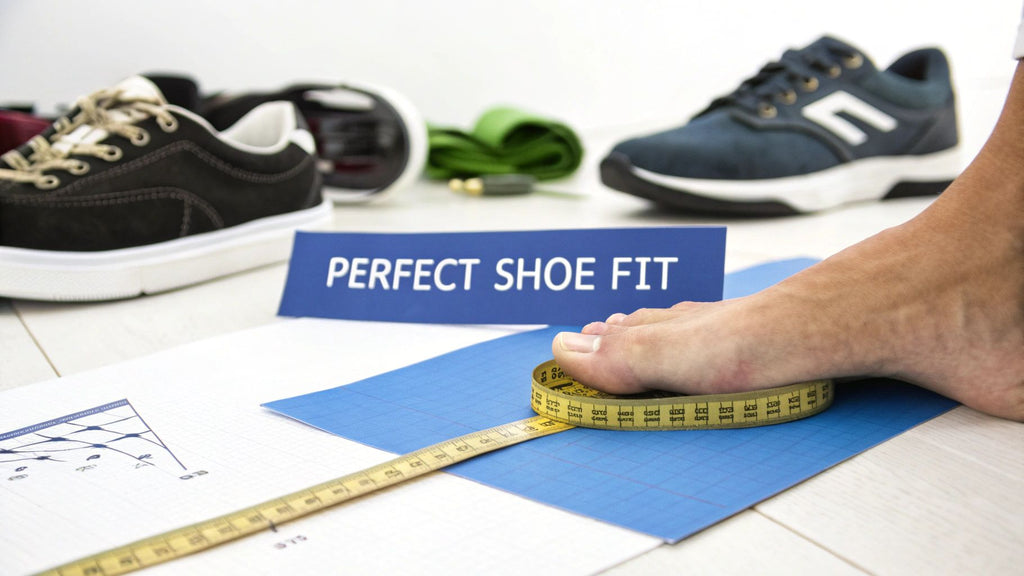
This may involve sending a physical fitting kit directly to you or walking you through our detailed measurement guides. By providing your exact measurements, our global artisans can build a shoe last specifically for your foot's unique dimensions. This personalized, direct-to-consumer model is the best way to guarantee a perfect fit, especially for anyone who has trouble with standard off-the-shelf sizing.
Ready to own a pair of loafers that fits your foot as perfectly as it fits your style? Don’t settle for a close-enough compromise. Visit the Alexander Noel Design Lab and start building your very own pair of handcrafted, custom-fit loafers today.
Related post
06
Apr
06
Apr
06
Apr
04
Apr
