

RECENT POSTS










29.August.2026
Custom Women's Boots for Fall: Choosing Between Two Black Chelsea Silhouettes
0 Comments














Custom Painted Heels: Options, Order, and Care
A plain nude pump can look right with almost every outfit and still feel wrong for the one you're planning around. You might want its color to echo a particular dress, soften a bright suit, or make a familiar shoe feel personal. Custom painted heels offer that kind of considered color, but the result is closer to commissioned leather finishing than to a graphic printed on top or a quick home paint job.
The useful questions aren't just “Which color?” and “Which shoe?” You'll also want to know how the finish behaves, how to describe the design, whether the shape suits your foot, and how to care for the pair after it arrives.
What Custom Painted Heels Actually Mean
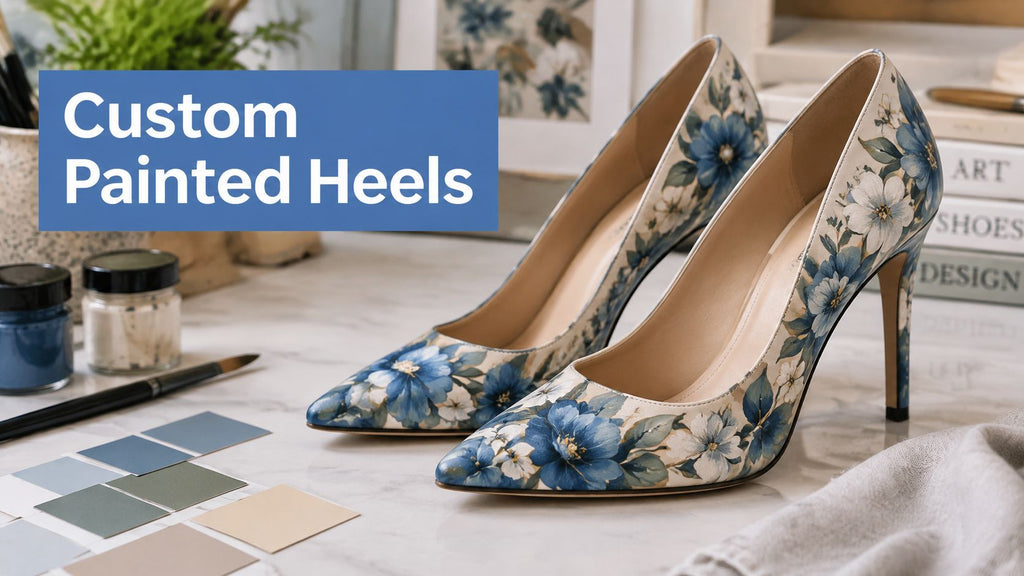
A hand-colored heel starts with leather that's already been tanned. Imagine a plain pump in warm nude: instead of choosing a shade from a factory color run, you commission an artisan to work color onto the prepared leather. Depending on the finish, that may mean dye, glaze, or patina applied with cloths, brushes, or sponges. Thin layers let the grain remain visible, while darker color can settle toward the edges for depth.
That's different from a factory dye bath, which colors a whole hide an even shade before a shoemaker cuts it into pieces. It's also different from a printed graphic, which sits on the surface like ink. Hand coloring builds a finish across the shoe, so the vamp, quarter, and heel cover can read as parts of one composition. Small differences from pair to pair are part of the nature of work placed by hand.
Think of the leather as a woven canvas. The artisan adds character without needing to hide the material underneath. For a sense of how light, angle, and background help a product image show surface and color, browse product photography skills. It's a useful way to understand why the same leather finish can look different in a bright photograph and in a softly lit room.
Look for three signs of considered hand color: visible variation rather than a flat plastic-looking coat, a color direction chosen for the order, and a finish that belongs to the leather rather than resembling a sticker or transfer. This is a finishing craft used on stilettos, pumps, and other women's heels. It isn't an afternoon project with craft paint, because leather preparation, flexible finish, and even color placement all matter to the result.
Finish Choices for Custom Painted Heels
| Finish | Look | Best leather | Best for | Trade-off |
|---|---|---|---|---|
| Hand patina | Aged depth, darker edges | Grainy calf | Evening and heirloom pairs | Hard to duplicate exactly |
| Solid custom dye | Even color you specify | Calf or sheep | Office and bridal | Less visual drama |
| Two-tone heel | Contrast heel cover | Smooth calf | Statement stilettos | Pale contrast scuffs sooner |
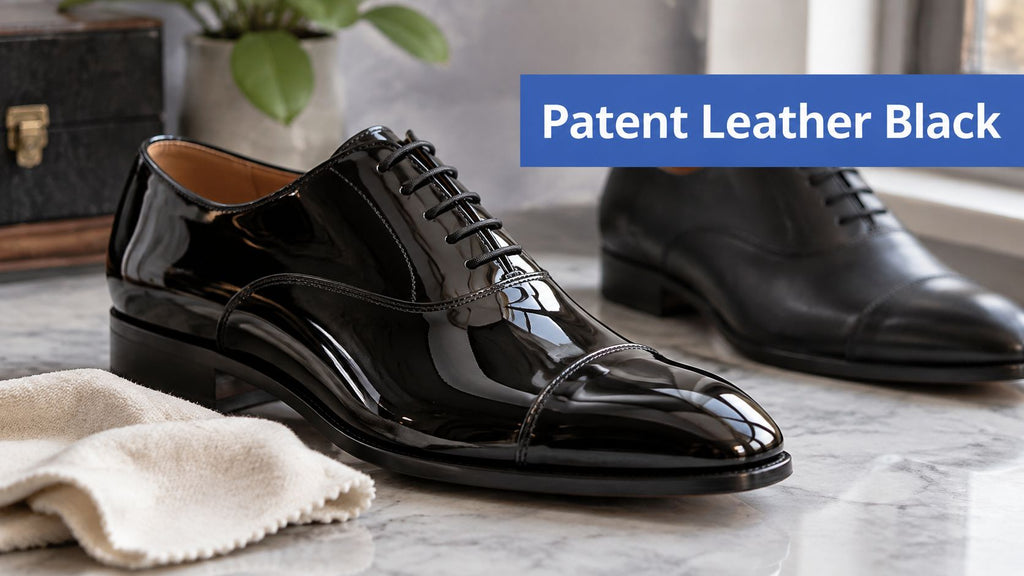
| Metallic or pearl glaze | Soft sheen over a base | Smooth calf | Evening | Harsh cleaners dull the glaze |
| Painted motif | Floral, geometry, or monogram | Smooth leather | One-occasion wear | Chips are hard to retouch |
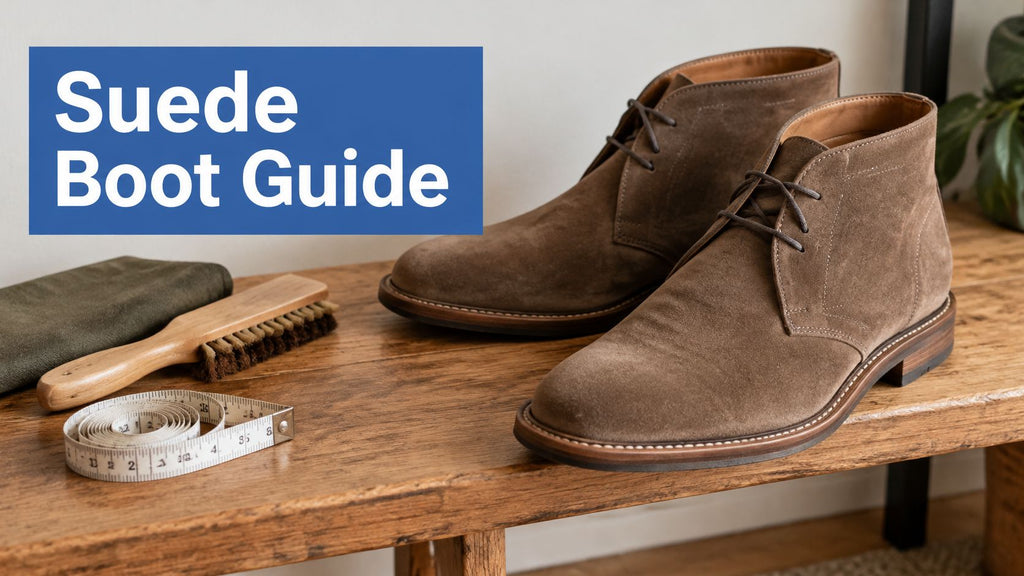
| Suede color | Matte, soft tone | Suede | Daytime heels | Water marks easily |
Choose for the way you'll wear the pair and how exposed the heel cover is, not for the brightest photograph. A frequently worn office pump may be easier to live with in a solid custom dye. A pair reserved for an evening occasion can carry a more delicate glaze or motif.
The material matters as much as the color. Leather and suede are common choices, and fabric accents can also be part of a design. Each hide takes color in its own way, so a screen preview is a direction, not a photocopy of the finished shoe.
Patina, sometimes called an antique finish, leaves lighter high points and darker recesses. It suits calf leather with visible grain and gives each pair individual depth, but that same hand-worked character makes an exact match on a later pair difficult. A solid custom dye gives a more even color that's easier to picture from a swatch.
A two-tone design puts one color on the upper and another on the heel cover. That contrast can read clearly in a photograph, but a pale heel cover is more likely to show scuffs. Metallic or pearl glaze adds sheen over a base color on smooth calf; treat it gently, since harsh cleaners can dull the surface.
A motif such as a small floral, geometric mark, or monogram needs smooth leather and careful placement. If it chips, matching the original handwork can be difficult. Suede keeps a soft, matte look, but water can mark it. To see another example of how an artisan finish can distinguish one part of a shoe from another, read about custom burnishing for men's dress shoes. For visual inspiration, browse painterly art styles, then keep your own design grounded in the shoe's material and intended use.
How to Order a Painted Heel Pair
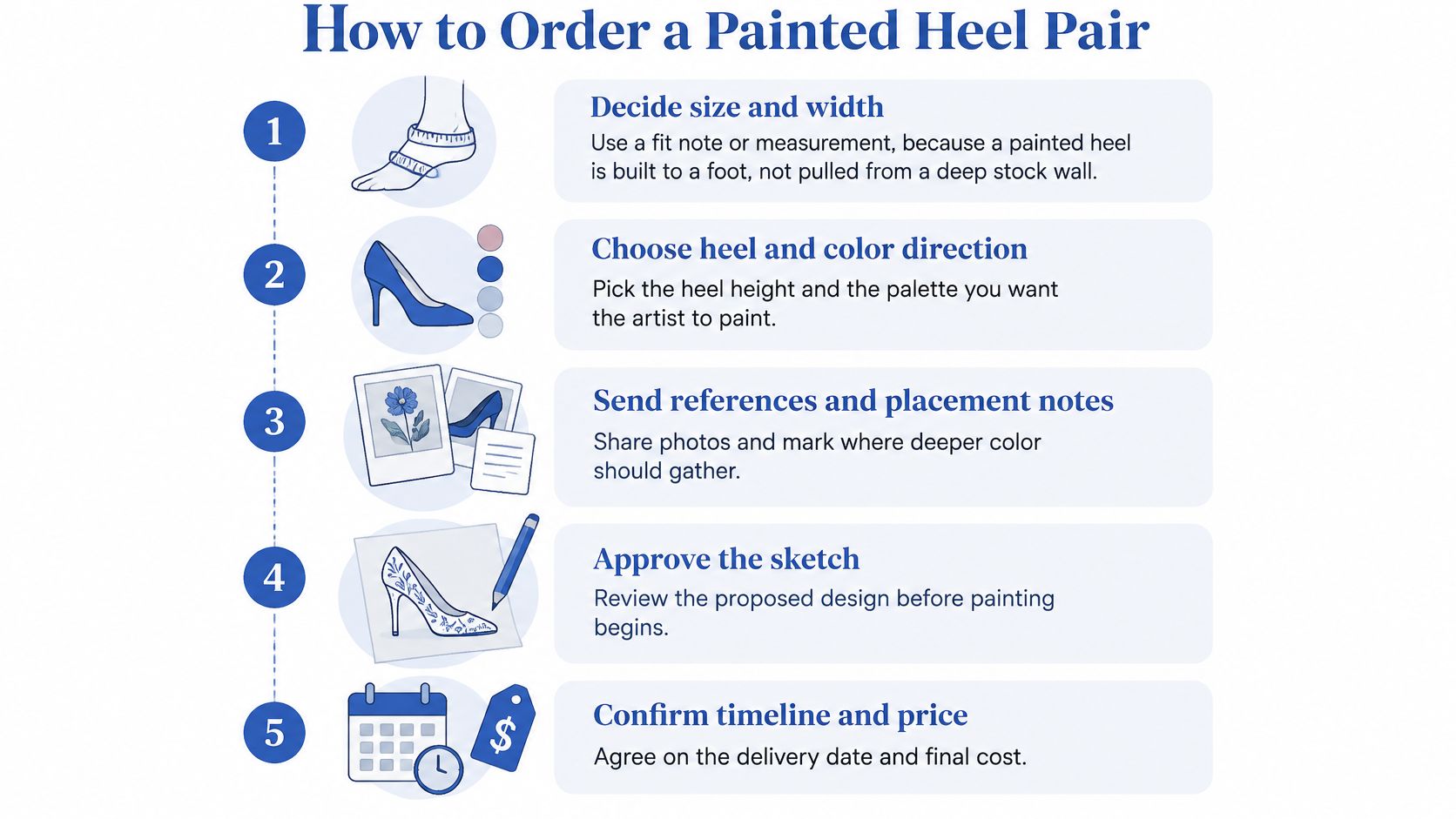
A good custom order begins with fit information, not a color mood board. Use these steps to give the maker a clear brief and catch details that are easier to correct before checkout.
- Decide your size and width. Start with a reliable fit note or measurement. A made-to-order heel is built for a foot rather than selected from a deep stock wall, so unclear sizing can leave you with a beautiful shoe that doesn't fit as intended.
- Choose the shoe shape, material, and finish. Decide whether you want a pump, stiletto, or another shape, then choose leather or suede and a finish from the comparison table. Describe the color in plain words, such as “smoke ivory” or “deep green,” rather than relying on a vague term like “bright.”
- Set the heel height and color boundary. Specify whether the heel cover should match the upper or contrast with it. If the color should gather at the back seam or heel breast, say so. Clear placement notes give the painter a more useful guide than a reference image alone.
- Review before checkout. Check your size, width, color, and design details carefully on the checkout screen. This is the last easy point to correct a mistaken selection or clarify a color description. All women's shoes and boots in this custom path are made to order and can't be changed, returned, or refunded, so a wrong width or loosely described shade can't be undone after checkout.
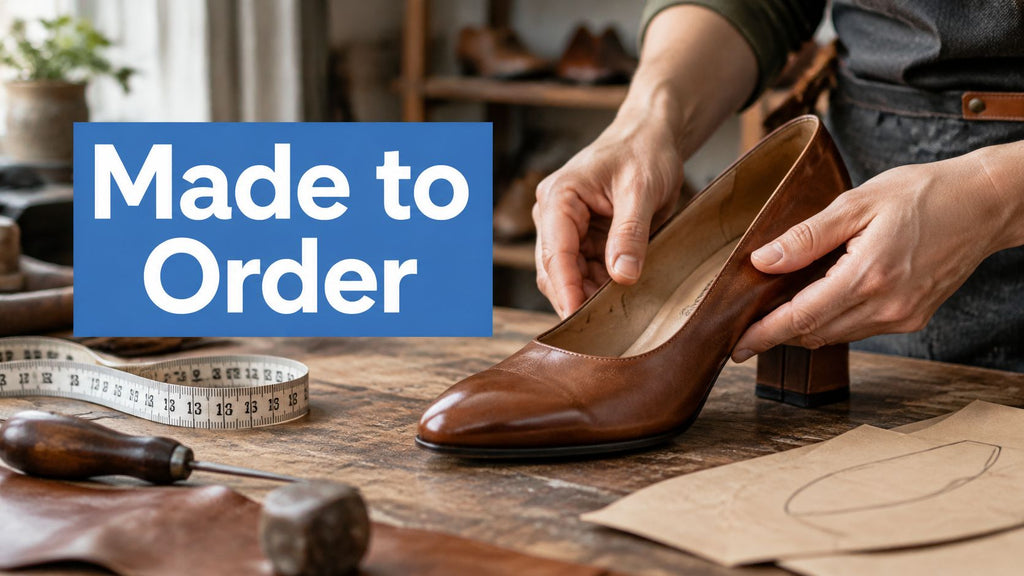
- Allow time for production. The pair is made when the order is placed, not pulled from a finished shelf. Made-to-order shoes are delivered within 10 to 20 business days, and delivery can take longer when a design is complex or its destination is far. You'll receive periodic updates as the order moves through production.
- Save the approved details. Keep the order confirmation and the color description you approved. They give you a clear record of the design you asked the artisan to make.
If you're still deciding how a shoe should look before committing to a design, explore how to design shoes. For a separate example of why sizing details matter when ordering less familiar footwear, compare cheap ghillie brogue sizing. Those references can help you think through shape and fit, but your own measurements and design notes should guide the order.
A custom shoe can draw on traditional craft while using a digital design process to settle the visual details. At Alexander Noel, customers can design a bespoke shoe in a computer visual, and artisans create each pair for the order. Use the visual as a planning aid, then make sure the written choices at checkout agree with it.
This video offers another visual reference for planning a custom shoe design.
Painted Heel Ideas for Real Occasions
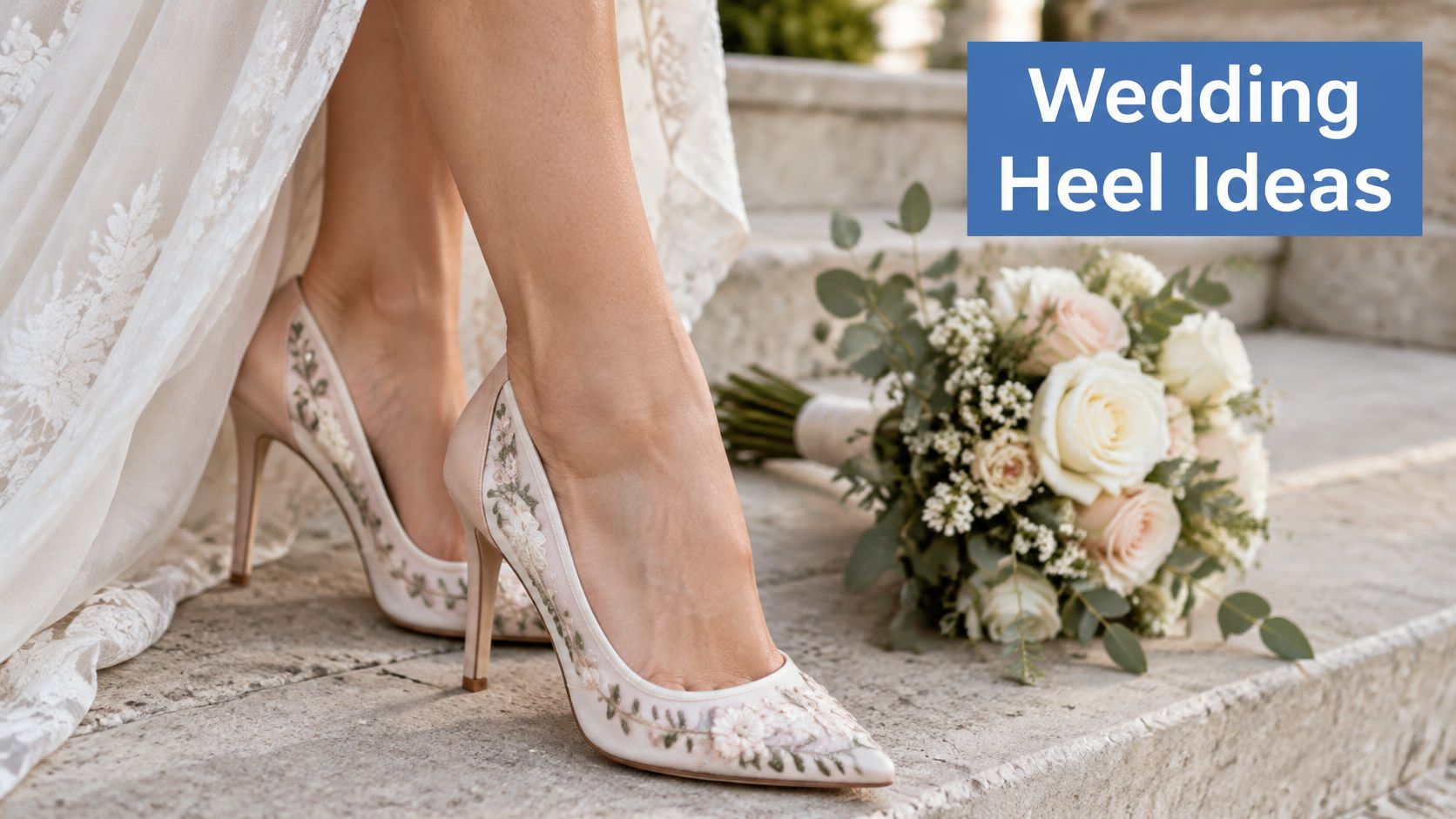
For a daytime wedding, keep the upper soft ivory or blush and let a slightly deeper tone gather at the heel breast and back seam. The shoe stays clean in bright outdoor photographs, while the closer view shows the hand-finished shading. If you're choosing shoes for a wedding, consider how to choose wedding shoes alongside the dress, venue, and length of the day.
For an office week, choose one quiet solid color, such as burgundy, ink, or olive, on a pump with a covered heel. A metallic finish can read as evening wear under fluorescent office lighting, so keep the work pair restrained if you want it to move easily between meetings and dinner.
At a gala, use a dark base with a thin pearl or metallic glaze placed only on the heel cover. The shine becomes a deliberate line rather than a mirror effect across the whole shoe.
For a personal gift, a small monogram or a single motif near the heel counter can feel more enduring than a large print across the vamp. A strong print on the outfit calls for restraint: choose a solid shade or soft patina so the shoe doesn't compete with the clothes.
Season can guide the palette without dictating it. Deeper glazed tones can suit colder-month outfits, while cleaner pale dyes often work naturally with lighter clothing. Before opening a designer, write down the occasion and one sentence describing the color. That simple brief keeps the final design from turning into a collage of every idea you liked, and it makes planning a seasonal wardrobe or a clear social post much easier.
Daily Care for Hand Painted Heels
Hand color sits in thin layers on leather, so caring for the finish also means caring for the hide. Let a pair rest between wears, then wipe dust away with a dry, soft cloth. On smooth calf, use a colorless leather conditioner sparingly; don't soak suede. Store the shoes in a dust bag and protect the heel tips so the painted heel cover doesn't rub against other shoes or hard objects.
| Mark | First response | Avoid |
|---|---|---|
| Dust on smooth calf | Dry soft cloth | Wet wipes |
| Water spot on suede | Blot and air dry | Heat from a dryer |
| Pale heel-cover scuff | Thin matching cream at the edge | Heavy polish over patina |
| Street salt | Same-day barely damp wipe on smooth leather | Soaking the shoe |
| Dull metallic glaze | Gentle dry buff | Solvent or acetone |
| Chipped painted motif | Ask the maker to repair | Craft acrylic at home |
For suede, blot a water spot rather than rubbing it, then let it dry at room temperature. A hair dryer can add heat unevenly. If a pale contrast heel gets scuffed, apply a thin layer of matching cream only at the edge. A thick coat can cloud the surrounding patina and make the repair more visible.
Remove winter street salt from smooth leather with a barely damp cloth the same day, and don't soak the shoe. A dull metallic glaze usually needs gentle dry buffing, not solvent. If a motif chips, ask the maker to repair it; household acrylic sits on top of the leather and can crack rather than blending into the original finish.
Before trying a new product: test it on an unseen spot inside the heel counter. Never use acetone, all-purpose household spray, or dye from a craft bottle on a finished heel.
For more general guidance on keeping shoes in good condition, use this shoe care guide as a companion to the finish-specific advice here. The central habit is simple: remove surface dirt gently and avoid aggressive cleaning that might strip color or change the sheen.
When a Painted Heel Is the Wrong Pair
Custom color can make a shoe feel personal, but it doesn't solve a fit problem. Paint won't change the shoe's last, width, or the way a tall heel loads the ball of your foot. If you can't stand comfortably in a similar heel for the length of your event, choosing a different color won't make that shape kinder.
Daily commuting in rain is also a poor match for suede color or a pale contrast heel cover. Suede can show water marks, and a light heel is exposed to curb scuffs. If the shoe needs to tolerate rough conditions, choose a more practical material and color rather than asking a delicate finish to do a job it wasn't designed for.
A buyer who wants an identical second pair next season should favor a solid custom dye over a hand-shaded patina or a freehand motif. Hand placement and shading give a pair character, but they aren't a recipe that reproduces itself exactly. Very textured skins and heavy hardware can also compete with painted detail: texture draws the eye, and color can gather unevenly in deep grain.
Ready-to-ship shoes are a different option from shoes finished for a custom order. If you need a pair this week, a complex glaze with a made-to-order process may not suit your timing. Fit still comes first, especially when a custom pair can't be exchanged. Take careful measurements and consider the shape before settling on a color.
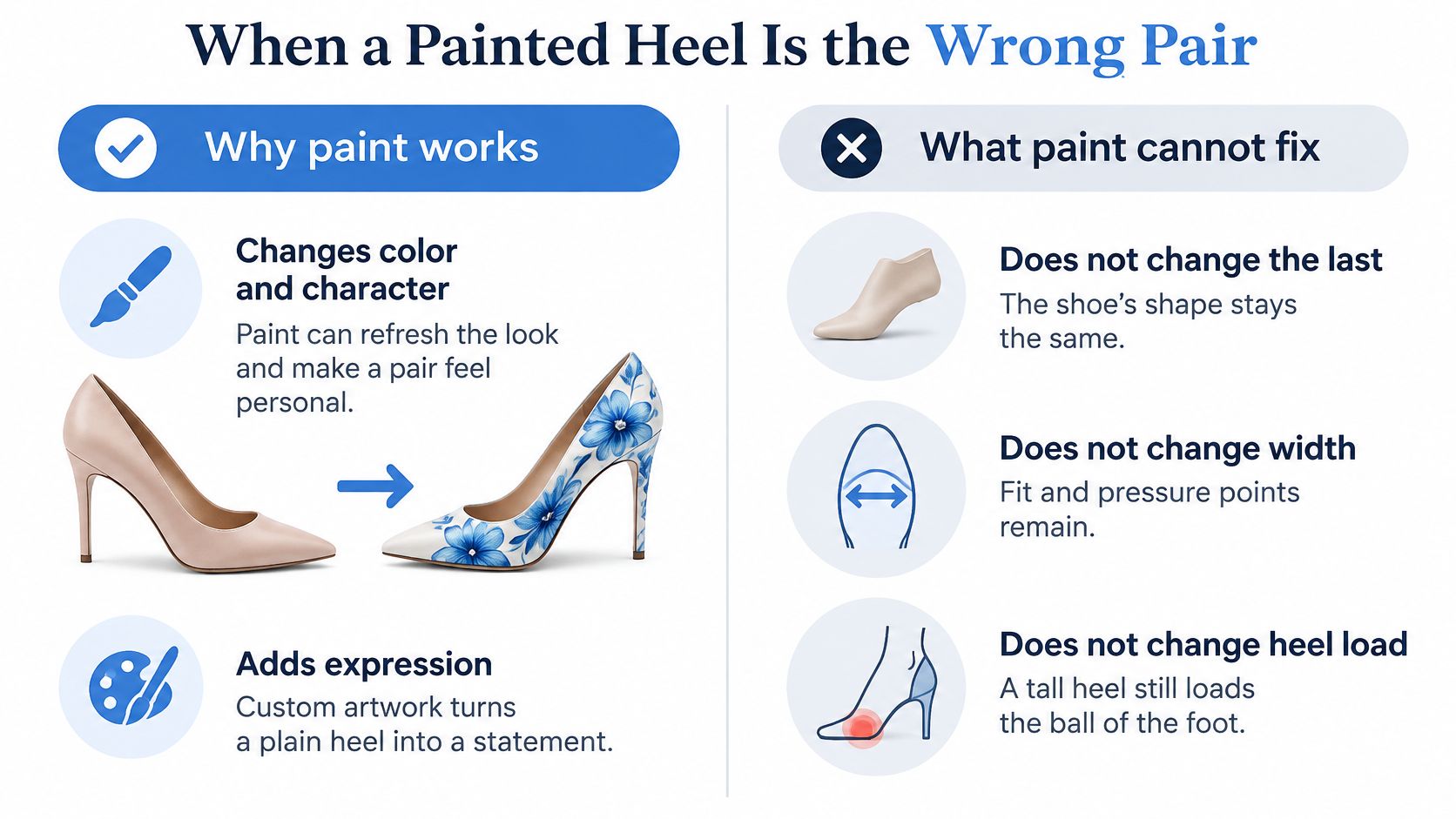
Commission painted color when the shape already fits and the occasion calls for a finish that a stock dye lot can't offer.
Confirm Your Painted Heel Design
Before you place an order, settle the parts of the design that are hardest to change: your size and width, the shoe shape, the finish, and one clear sentence about where the color should sit. If those details are ready, you can move from hoping to find a lucky match to making a deliberate design choice.
Alexander Noel sells bespoke shoes for women and men. If you can't find a listed design that suits you, you can customize your own and have it made. You can browse the collections or build a bespoke shoe in a computer visual, selecting leather and suede textures, fabrics, and colors. The Design Lab approach brings customization into a direct-to-consumer process while connecting traditional artisan work with modern design tools.
For a price reference, the Stiletto in red is listed at $240, the same list price as the black-and-white houndstooth stiletto. The AN Stiletto in green or deep blue has a 4-inch heel, a shape for someone who already knows they want that height. Use a listed style as a point of comparison, not as a substitute for deciding whether its heel and fit suit your plans.
Women's custom pairs are final once placed, so check that the computer visual and your written color note agree before checkout. Keep the confirmation that records the finish you approved.
- Size and width: the fit information you'll use.
- Shoe shape: the form you want to wear.
- Finish: the treatment you've chosen.
- Color placement: one plain sentence describing where the color goes.
Design a pair or compare a listed stiletto with a custom color through Alexander Noel.
Alexander Noel offers bespoke shoes and an online Design Lab for choosing materials, colors, and design details. If you're ready to commission a pair of custom painted heels, visit Alexander Noel to explore the collections or design a shoe that suits your fit and occasion.
Related post
22
Nov
22
Nov
22
Nov
14
Nov
14
Nov
