

RECENT POSTS







29.August.2026
Custom Women's Boots for Fall: Choosing Between Two Black Chelsea Silhouettes
0 Comments











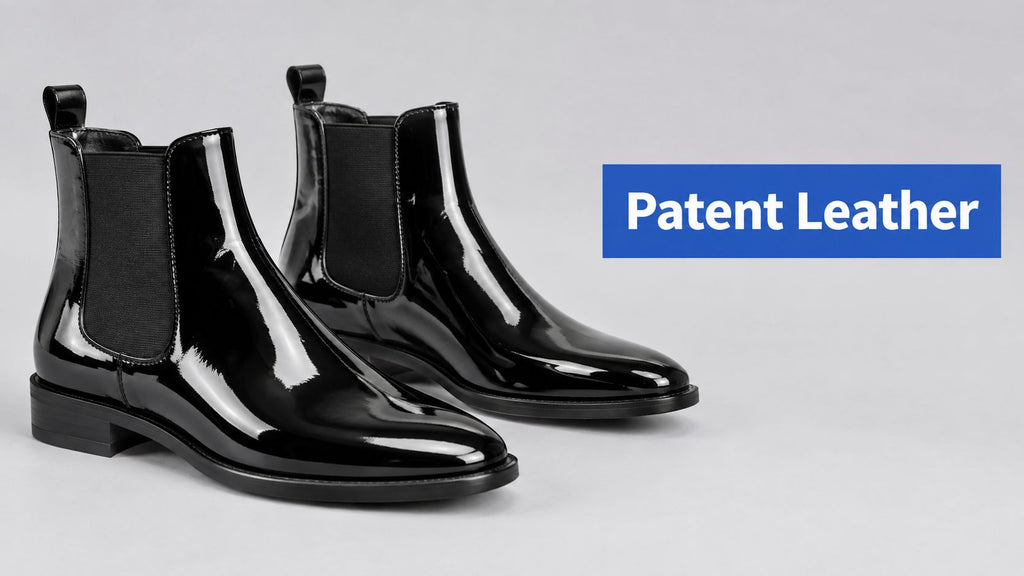
Patent Leather Black: Uses, Care and Style
Patent leather holds a permanent place in the men's footwear market, where the glossy finish has long been its own recognized segment rather than a passing fashion option. That staying power can mislead, though. The shine comes from a sealed coating over the leather, and what that coating can tolerate decides where the shoe belongs in your rotation.
What Patent Leather Black Really Is
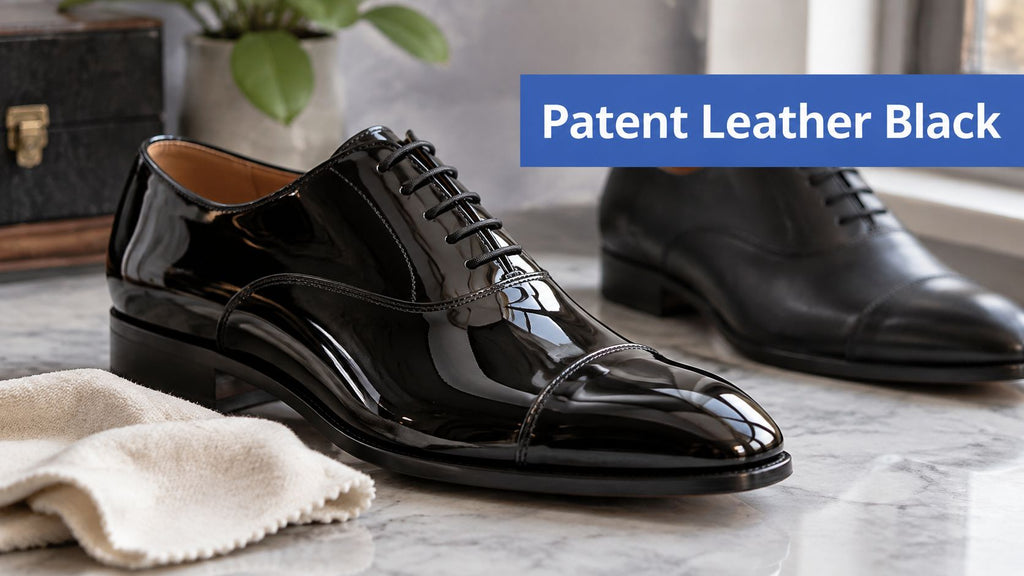
Say you're choosing black shoes for an evening wedding. A polished calfskin oxford and a patent oxford might look similar in a small product photograph, but under a ceiling light they behave differently. The calfskin shows grain and a soft glow; the patent shoe reflects a sharper band of light.
Black patent leather is leather covered with a smooth, dark, high-gloss coating. It isn't a separate textile, and it isn't untreated calfskin that someone has buffed particularly well. The defining feature is the finish sitting over the leather.
Recognize the surface before choosing the shoe
Think of the difference between wool and a polished piano lid. Matte leather scatters light more like wool, while patent throws it back more like the piano. On black, that contrast between a dark background and bright reflection produces the familiar formal effect.
That's why black became the classic patent look for dress shoes and evening footwear. The surface can make a simple silhouette feel ceremonial without decorative stitching, metal hardware, or contrasting colors.
Buying principle: Choose patent for the reflection you want, not because you assume more shine means better leather.
A product description should distinguish the underlying material from its finish. A synthetic upper can imitate patent's appearance, but it isn't patent-coated animal leather. Equally, grain leather can have a matte, waxed, polished, or patent finish.
Our guide to the best leather for boots helps separate leather selection from surface treatment. That distinction matters when a sleek boot must do more than look good indoors.
Make the decision around use
The useful questions are practical:
- Occasion: Does the shoe benefit from a mirror finish, or would polished calf look more natural?
- Wear: Will you mostly stand indoors, or commute and walk in warm weather?
- Care: Is a mark sitting on the surface, or has the coating itself changed?
Black is the traditional color. The seal over the leather determines much of the performance, so compare that seal with other glossy options before choosing an outfit.
How the Gloss Finish Changes the Leather
Bend a black patent shoe under bright light and the shine breaks into sharp lines at the flex point. That is the practical lesson of the finish: patent leather combines a leather foundation with a sealed, reflective surface. Historically, makers applied thin layers of colored oil varnish, polishing between applications, sometimes with pumice, to create an enamel-like finish. Modern production commonly uses polyurethane or acrylic instead.
Encyclopedia.com's patent leather manufacturing overview traces polyurethane chemistry to Otto Bayer in 1937 and describes the transition toward synthetic coatings. These finishes support more consistent production while leaving the surface less porous than untreated leather, so water beads more readily.
Black patent leather compared with other glossy options
| Material | Breathability | Water resistance | Crease visibility | Best use |
|---|---|---|---|---|
| Patent-coated leather | Low, sealed surface | Higher than untreated leather | Very high | Occasional formal shoes and evening looks |
| High-shine calfskin | Moderate | Moderate | Medium | Frequent dress rotation |
| Waxed suede | Lower than open suede | Good against light rain | Low glare, shows nap wear | Weather-ready casual shoes or boots |
| Shell cordovan | Moderate | Good | Broad rolls rather than fine creases; deep natural gloss | Long-wear dress shoes at a higher price |
| Plant-based or PU-coated alternative | Often low if coated | Check coating specification and seam construction | High if glossy | Style trials; check flex and repair first |
These are buying tendencies, not guarantees for every shoe. Lining, leather thickness, construction, and the particular coating all affect how a finished pair wears.
Understand what the reflection reveals
A dark, glossy background makes reflected light conspicuous. Dust interrupts that reflection, a scuff scatters it, and a bend changes its direction. That is why a small mark can be easier to notice on black patent than on matte black leather.
The useful decision is to classify the mark before reacting. Dust sits on top and usually lifts away. A scuff has disturbed the surface and needs gentler handling. A crease means the shoe flexed enough to fold the coating, so prevention and rotation matter more than extra shine.
The surface distinction is easiest to see side by side.
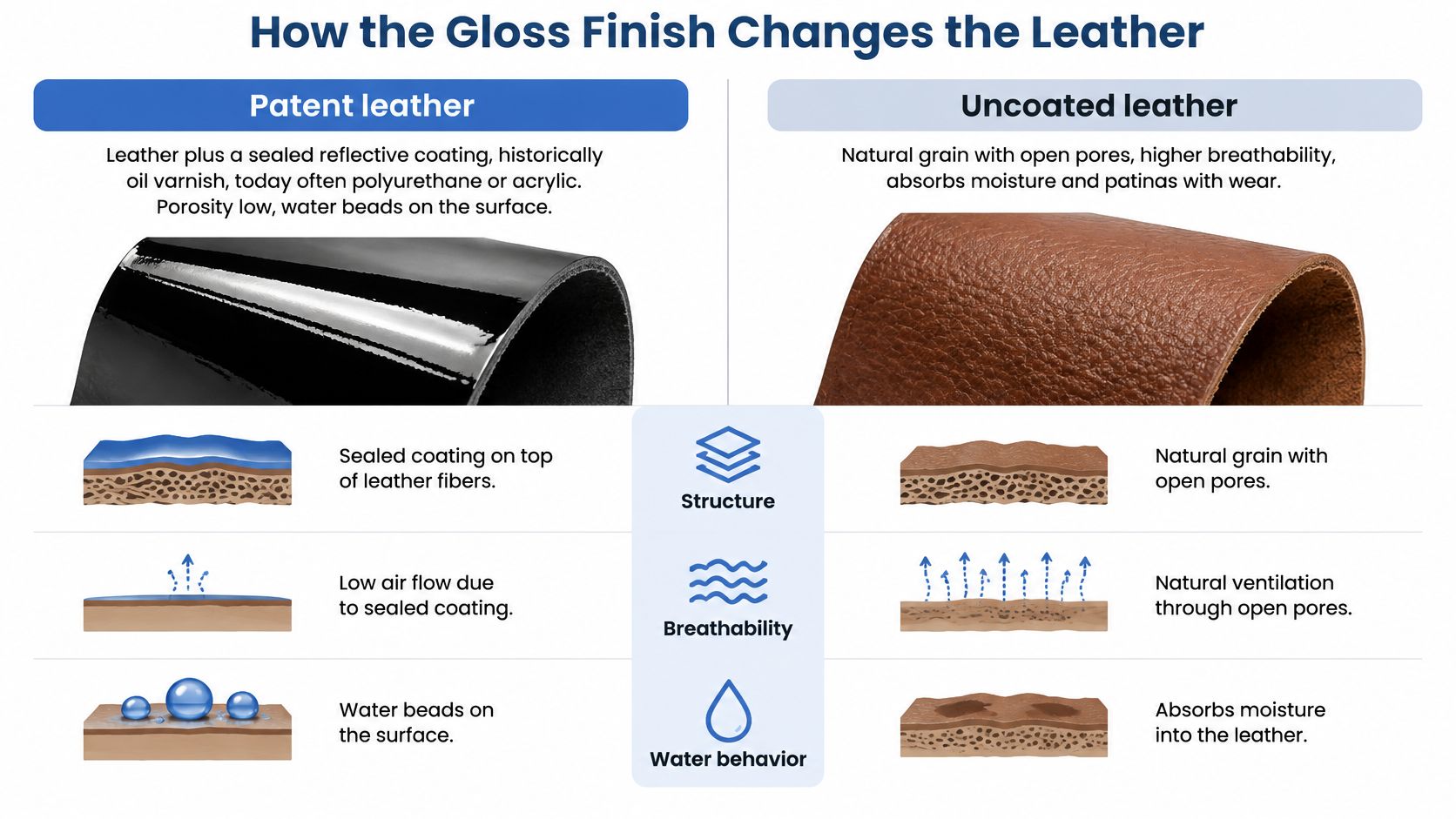
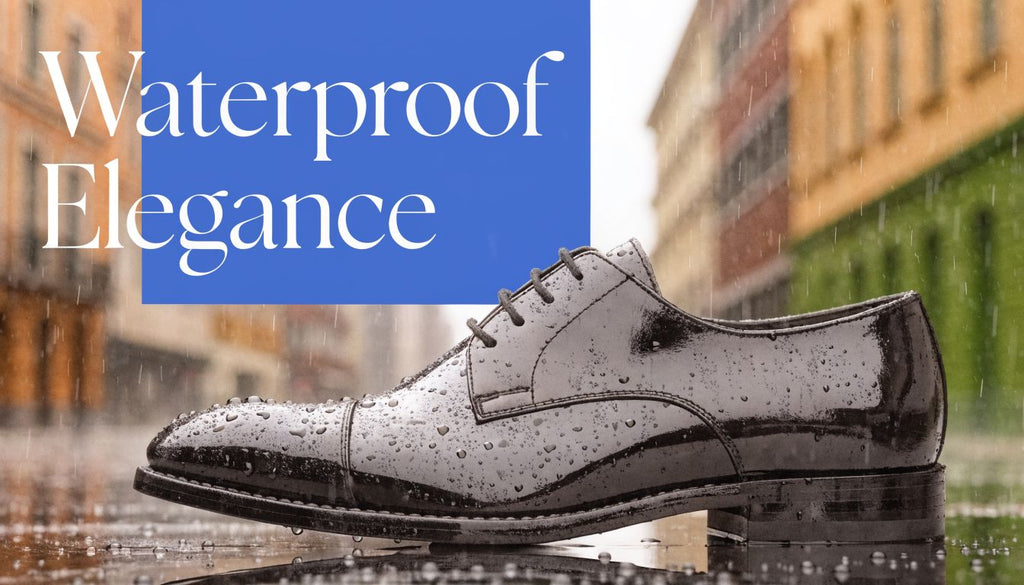
Don't confuse water resistance with complete weather protection. Water can still enter around openings, seams, or the sole attachment, even when droplets remain on the upper. A bright surface tells you little about the rest of the construction.
Compare finishes rather than labels
High-shine calfskin is useful when you want a dressy appearance without committing to patent's uninterrupted reflection. Waxed suede takes a different direction, favoring subdued texture and practical casual wear. Shell cordovan offers depth and characteristic rolling at flex points, rather than patent's glassy surface.
Apparel can borrow a similar coated look, and pages about stocking wax jeans wholesale show how that language is used outside footwear; visual similarity does not give waxed cloth the same flex, seam, or care needs as a patent shoe.
With plant-based or polyurethane alternatives, look beyond the animal-free label. Identify the backing, coating, flex behavior, and repair options rather than assuming the materials perform alike.
Pick the row that matches how often the shoe will flex, how much weather it will meet, and how closely you will inspect the surface after each wear.
Footwear and Outfits That Suit the Shine
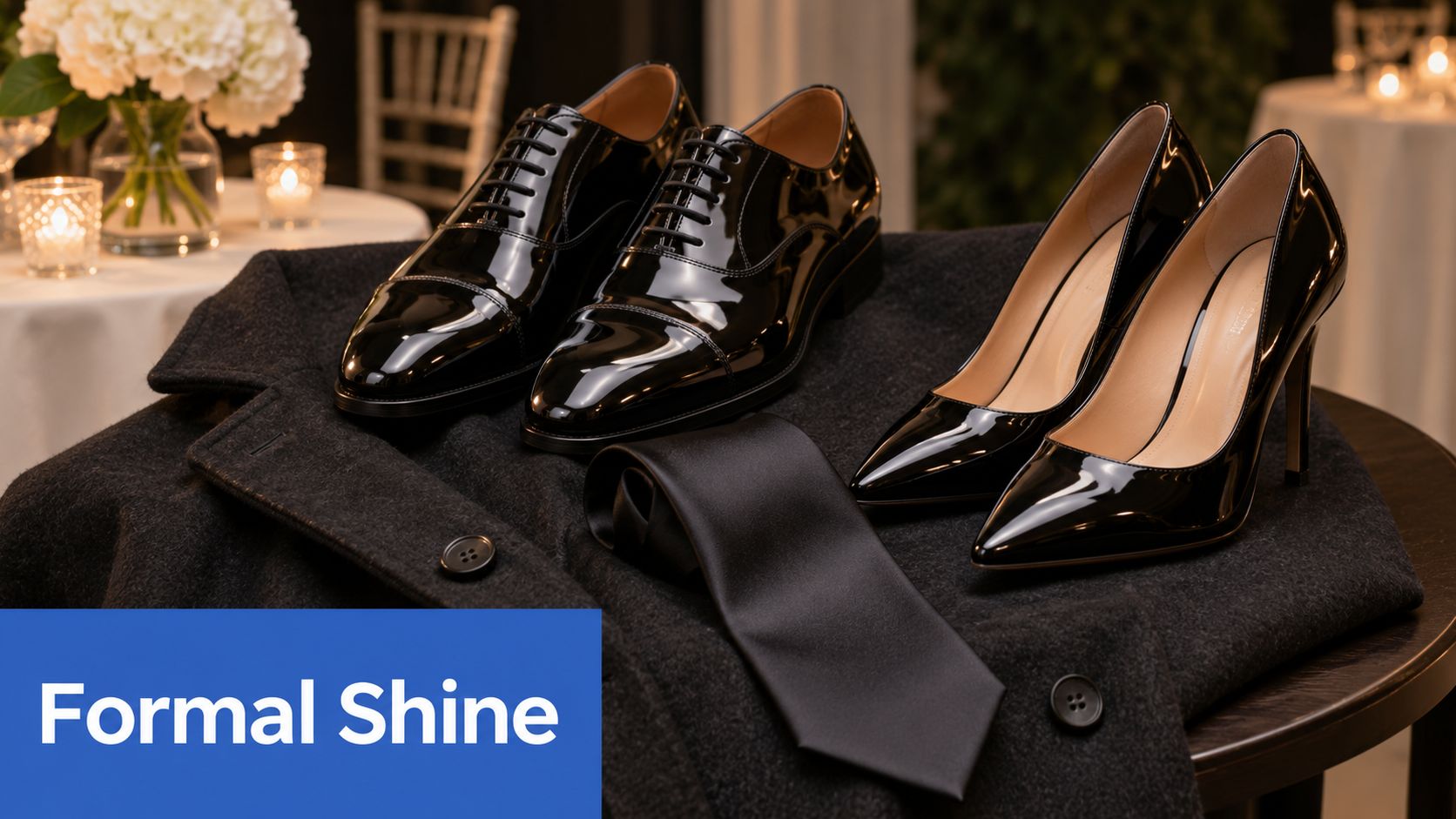
Black patent oxfords and pumps make sense at black-tie events, galas, and evening weddings because the setting supports their formality. Keep surrounding textures quiet: wool trousers, a simple dress, or a restrained evening coat lets the footwear provide the highlight.
A patent shoe works like a mirror in a matte room. One reflective element reads as deliberate styling, while several read as noise.
Build the outfit around a controlled highlight
For a black-tie-optional reception, pair a black patent oxford with a midnight suit and a matte silk tie. The wool and tie keep the shoe from competing with other reflective surfaces. For a strict black-tie invitation, wear the appropriate tuxedo and bow tie instead.
A patent pump works with a column dress when the silhouette stays clean. Skip a competing metallic bag, especially if the dress already has embellishment. The aim is a deliberate highlight, not a collection of shiny accessories.
For dinner rather than a gala, try a patent ankle boot with charcoal trousers and a knit under a structured coat, rather than technical outerwear. Cool charcoal sits nearer to black than a warm, brown-tinged grey, so it keeps the background quieter. You can browse charcoal palette ideas for apparel while comparing shades for that outfit.
Keep fashion choices separate from dress codes
Patent booties also belong to fashion retail, not only classic formalwear: Vogue listed Amely black patent booties at $398 in 2024, reduced from $535, a 26% discount. Treat that figure as a snapshot of one sale rather than today's going rate.
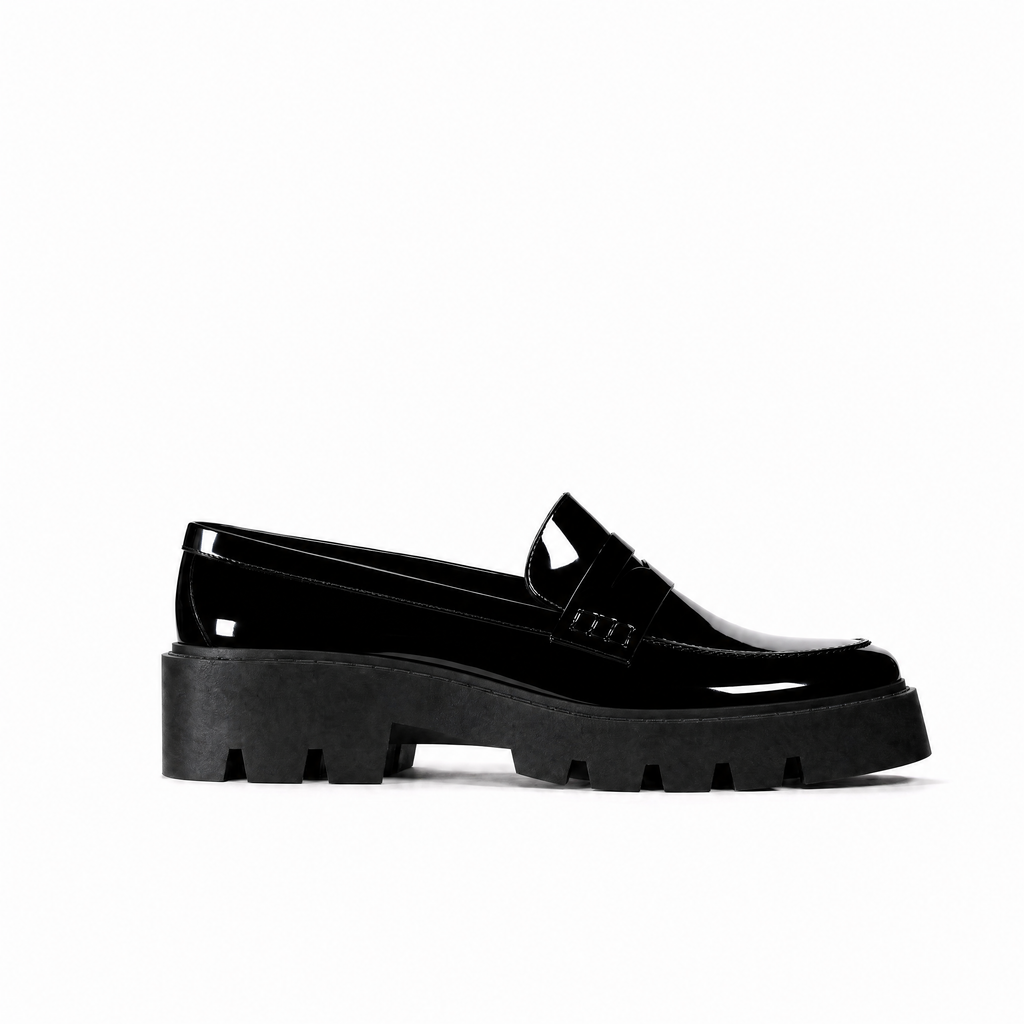
Loafers or a restrained patent detail, such as a toe cap or strap, can suit cocktail dressing more naturally than a conservative office. Our shoe color matching guide offers a broader starting point for balancing shoes with clothing.
The video below shows these pairings in motion. Check the invitation's dress code before copying any of them.
Rotation is the last part of the decision. The sealed coating shows every crease and dye mark, so patent earns its keep when worn occasionally rather than daily. Keep heavily dyed denim from rubbing against the uppers, and avoid all-patent daytime outfits unless you deliberately want a fashion-led look. Don't choose patent sneakers solely because you expect sneaker-level comfort on long walks.
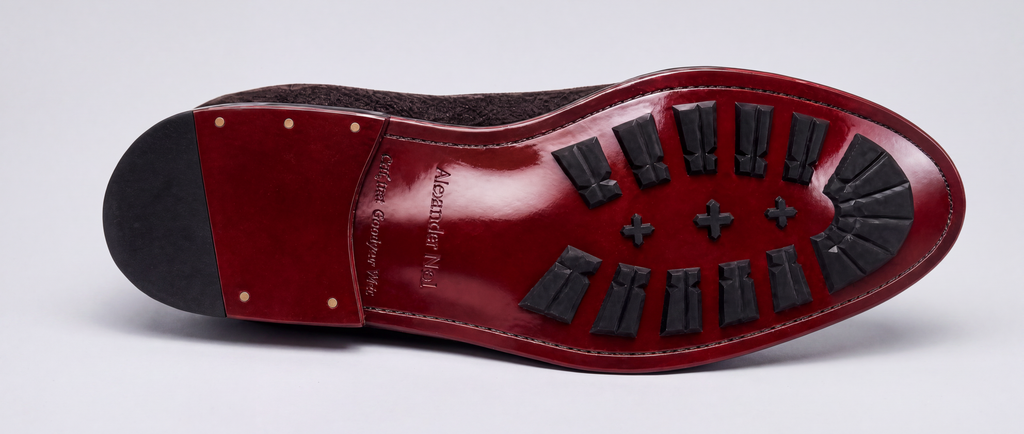
For bespoke buyers, the last, which is the form that shapes the shoe, and the selected width deserve attention before decoration. With makers such as Alexander Noel, grain leather from European tanneries is dyed and finished individually and by hand, and gaping quarters or misplaced flex points become conspicuous once the upper reflects light.
Care That Keeps the Coating Clear
Don't treat black patent like absorbent, unfinished leather. Ordinary shoe cream, wax, heat, and abrasive buffing can cloud, soften, or scratch its polymer or varnish skin. More product isn't the answer to every dull patch.
The safest home routine removes material from the surface without trying to feed, recolor, or grind down the coating. Use a soft lint-free cloth, clean water, and mild soap only when needed.
Follow a gentle wipe-and-store routine
- Lift dry dust first. Pass a clean, soft cloth lightly over the upper. Don't press grit into the surface or use a stiff brush.
- Remove fingerprints with minimal moisture. Use a barely damp cloth. If necessary, add a drop of mild soap to the water, wipe away the residue with another damp cloth, and dry promptly.
- Test before treating a visible area. Try any unfamiliar product on an inconspicuous spot, such as the inside quarter. Stop if the surface becomes tacky, loses gloss, or releases color.
- Leave aggressive products out. Skip petroleum-heavy creams and solvent cleaners unless the shoe manufacturer specifically approves them for that finish.
- Support and separate the shoes. Stuff them with clean, unprinted tissue or use correctly sized shoe trees without stretching the upper. Store each shoe in a soft bag so patent surfaces don't touch.
Generic leather-care instructions need a material check before you apply them. Our guide to how to clean leather boots provides broader cleaning context, but patent's coating calls for this more restrained approach.
Identify the mark before attempting a repair
Black patent marks and the safe response
| Problem | What you see | Safe response | Avoid |
|---|---|---|---|
| Dust and fingerprints | Dull film or smears | Soft lint-free cloth, barely damp wipe, dry promptly | Abrasive cloths |
| Denim dye transfer | Blue or dark patches | Hidden-spot test with mild soap; stop if gloss softens | Solvents and dye removers |
| Light scuff | Thin white or dull line | Gentle cloth only; stop if it doesn't lift | Sanding or hard buffing |
| Crease whitening | Pale lines at the flex point | Accept the flex or ask a cobbler | Filling or sanding at home |
| Coating crack or flake | Shine lifting in chips | Professional repair assessment | Shoe cream over the crack |
| Storage stick or imprint | Tacky spots or mirrored dents | Separate gently, support the shoes, keep cool and dry | Stacking patent on patent |
A light scuff may be transferred material, but it may also be a scratch. If gentle wiping doesn't remove it, don't escalate to a household solvent. Denim dye transfer can be persistent because pigment may migrate into the finish rather than remain loose on top.
A cloudy patch after shoe cream is another reason to stop. Remove loose residue gently, then seek advice if the gloss doesn't return; harder buffing can turn product contamination into abrasion.
Prevention beats repeated conditioning. Black can disguise some color change, but indoor lighting still exposes gloss loss.
A cobbler may improve damaged coating without making it invisible. Cracks, flaking, and established whitening aren't ordinary dirt, and home polishing won't reconstruct a broken surface.
Comfort Climate and How Long the Shine Lasts
A formal shoe isn't automatically a daily shoe. A pair that feels appropriate during dinner can become an uncomfortable choice for a warm commute, a conference schedule, and an evening reception without a change of footwear.
The sealed upper offers less breathability than comparable uncoated leather. That can mean warmer, damper feet even when the last fits correctly. A visible crease also isn't necessarily structural failure: reflected light can make normal flex look severe.
Plan for the climate you'll actually wear them in
In heat, some coatings can soften, so don't leave patent shoes beside a heater or in a sun-baked car. In humid storage, keep the shoes separated and allow them to dry naturally before putting them away. In freezing conditions, a stiff finish may feel less forgiving during those initial steps outdoors.
These comfort differences matter more than the appearance of a product photograph.
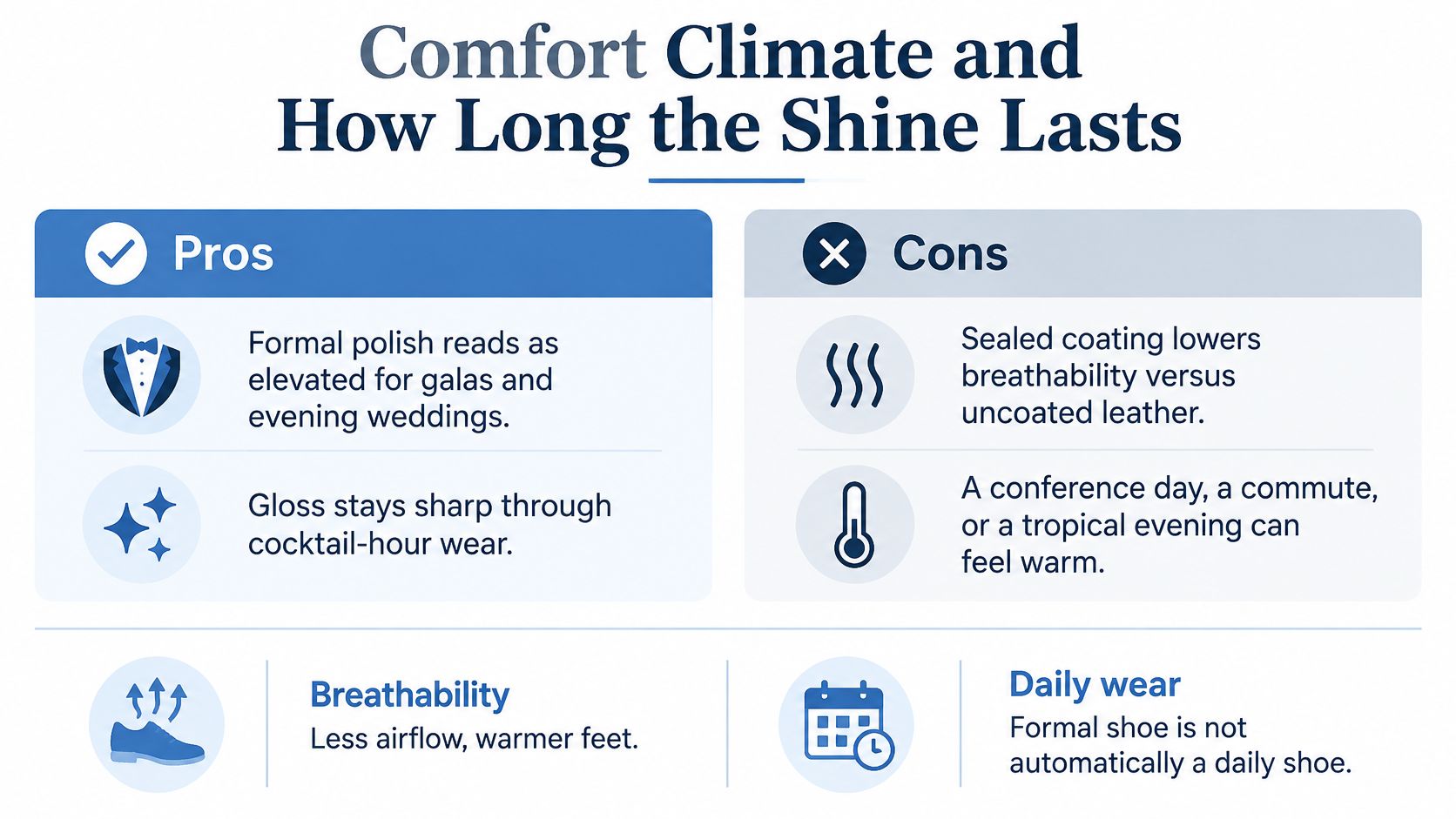
For wet-weather planning, our guide to leather shoes in rain helps you assess the whole shoe, including construction and drying. Don't let a water-beading upper persuade you to ignore puddles or a slippery sole.
Use a rotation based on the day's demands:
- Event night: Patent is a sensible choice for an indoor occasion with a short walk to transport.
- The following workday: Change to a more breathable pair for commuting or a long conference.
- Repeated weekday travel: A full week of commutes asks a mirror-finish upper to tolerate frequent flex and exposure. Choose a workhorse pair instead.
Judge sustainability through useful questions
Material preferences don't settle durability or environmental impact. An industry-expert survey reported in OpenPR's vegan footwear market coverage ranked sustainable natural fibres as the most anticipated footwear-material trend in late 2025 at 39.6%, followed by plant-based leather alternatives at 32.1%. Those preferences aren't a lifecycle assessment of a particular shoe.
Ask what the coating contains, whether a cobbler can repair the finished upper, what service life the maker expects under occasional wear, and how the pair can be discarded responsibly. Premium and vegan are descriptions, not complete answers.
A shoe you can maintain and continue wearing is a more useful purchase than one chosen only for its material label.
Occasional formal wear with sensible rotation is a rational role for patent. Expecting a mirror oxford to feel like an unlined casual shoe through summer isn't. Buy the shine for the night you need it, not for the miles you walk.
Decide Whether Black Patent Belongs in Your Rotation
Choose patent leather black when the occasion is formal or evening, you will rotate the pair, and you are comfortable with surface cleaning rather than routine cream-and-wax polishing. Choose high-shine calf when the same dark footwear needs to handle commuting, heat, or frequent flex. Neither finish is universally better; each is a tool for a different job.
Before committing, assess fit while standing and walking, not just while looking down at the toe. Your heel should remain secure without painful pressure, and the forefoot should bend where your foot bends. Don't buy extra length to compensate for insufficient width.
Design around the foot and the occasion
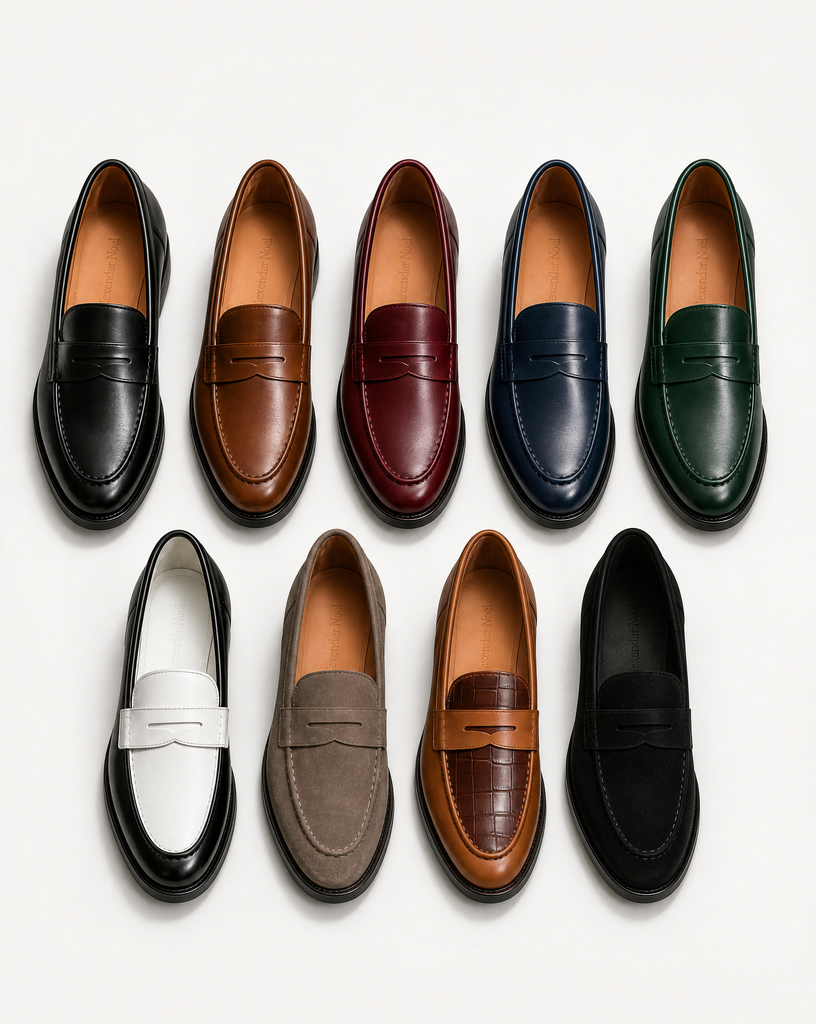
At Alexander Noel, our Design Lab lets you select leather and suede textures, fabrics, and colors using our customization technology. We use only grain leather sourced from tanneries throughout Europe, and our direct-to-consumer model connects that personalization with global artisan partnerships.
Traditional craftsmanship and modern visualization serve different purposes. The artisan shapes and finishes the shoe; the design technology helps you evaluate combinations before making your selection. Neither replaces a clear conversation about fit, intended wear, and the available materials.
For a black design, make these decisions in order:
- Confirm the foundation: Establish the last, width, and intended use before choosing decorative details.
- Set the amount of shine: Ask about available patent options for a complete upper or a restrained detail such as a toe cap or strap.
- Prepare for ownership: Have suitable storage ready before delivery, including support for the shape and separate protection for glossy surfaces.
Expect education as well as customization
Our footwear education connects craftsmanship, style, product knowledge, and lifestyle because a beautiful material still has to suit the wearer's day. Fit, quality, and personalization matter more than choosing the most dramatic finish on screen.
That distinction carries extra weight with patent, because a sealed gloss is honest in an unforgiving way. A crease, a scuff, or a vamp that flexes in the wrong place reads clearly on a mirror surface where matte calf would blur the same marks. Choosing patent is really choosing how the shoe will age: it rewards the wearer who reserves it for the occasions it was built for, and it punishes the one who asks it to do everything.
Your final decision can stay simple: match the finish to the night, then match the last to the foot.
Alexander Noel offers handcrafted footwear with a customizable approach to materials, colors, and styling. Visit Alexander Noel to explore the Design Lab and discuss a black footwear design with the right balance of shine, fit, and intended wear.
Related post
22
Nov
22
Nov
22
Nov
14
Nov
14
Nov
